

_1750326878398.png)

Can Crane Boom Lights Increase Night Shift Efficiency?
High-performance Crane Boom Lights can make the night shift much more productive by eliminating blind spots that slow lifting operations and cause safety delays. Modern LED Crane Lighting systems that are placed directly on the boom frames provide focused, high-intensity lighting that follows the load exactly. This cuts down on operator uncertainty, placement mistakes, and cycle times by up to 25% compared to using only ambient site lighting. This focused method solves the main problem of operations that run 24 hours a day: keeping the same level of accuracy and speed at night as during the day.
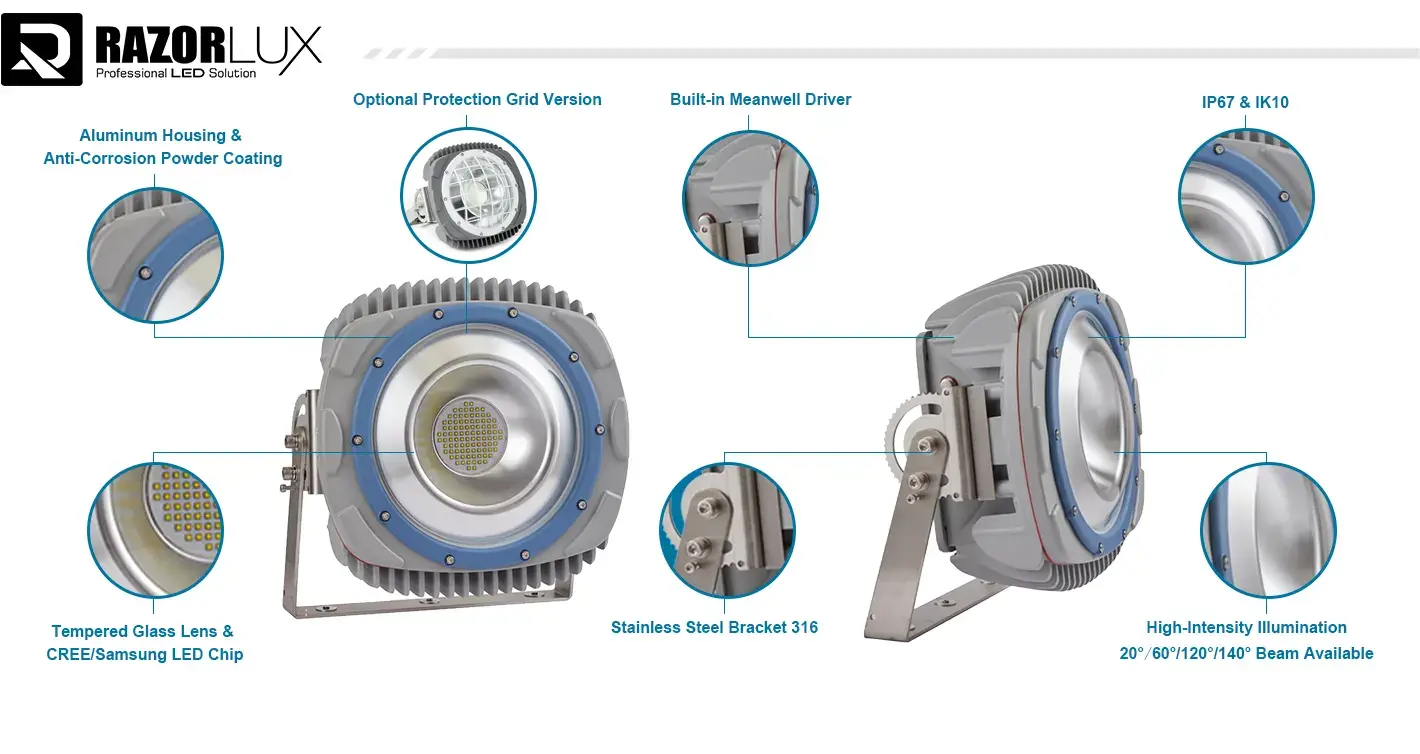
Understanding Crane Boom Lights and Their Role in Night Shift Efficiency
Heavy businesses have a constant problem at night: keeping crane operations safe and accurate when natural light goes out. This problem can be solved by specialized Crane Boom Lights that are placed on booms and direct light right where workers need it most.
What Makes Crane Boom Lighting Different from Standard Industrial Lights
Boom-mounted systems move with the crane's hook and load, unlike floodlights, which stay in one place along the edge of a job. When ground-level lights can't keep up with dynamic lifting operations, shadow zones and blind spots appear. This movement gets rid of those problems. From heights of up to 30 meters, the lights shine a focused beam straight onto the load zone at an angle of 20 degrees. This makes sure that workers can always see important pick points and rigging connections.
Core Functions That Impact Operational Speed
During night shifts, these special devices do three very important things. Riggers can clearly see twist-locks, slings, and connection points because they give off precise task lighting. The focused beam makes it easier for crane workers to correctly judge angles and distances, so they don't have to make as many back-and-forth changes, which wastes time. The steady lighting also keeps eyes from getting tired during long shifts, which helps teams stay focused and make quick decisions all night long.
Identifying Limitations of Traditional Night Lighting Methods and Evolution to Modern Solutions
Maritime, construction, and heavy industry sectors have long had problems with not having enough lighting at night, which has led to safety risks and lost production. The introduction of modern Crane Boom Lights has addressed many of these legacy issues.
Problems With Conventional Halogen and Metal Halide Systems
Traditional lighting methods make it very hard for crane operators on the night shift to do their jobs. Halogen lamps need 300–400W to produce the same amount of light that current 150W LED systems do. This directly raises energy costs during extended working hours. These older technologies produce too much heat, which speeds up the breakdown of parts and makes it hard to control the temperature in cramped crane operator rooms. Halogen lights usually last between 2,000 and 4,000 hours, which means they need to be replaced often, which means the crane has to be taken down, and a worker has to work at dangerously high levels. The effect on operations goes beyond the cost of upkeep. Metal halide lights need 5 to 15 minutes to warm up before they can be fully bright, which means that there are times when it's dangerously dark when cranes come back online after a break. The diffuse light pattern from these sources makes sharp shadows and glare that make it harder to see in high-load areas, which makes workers move more slowly and carefully.
How LED Technology Transformed Crane Lighting Performance
The development of LEDs changed boom lighting by fixing all of the problems with Crane Boom Lights' older technologies. Solid-state building got rid of filament fragility, so fixtures could handle the constant shaking and pressure that come with crane work without breaking too soon. Instant-on capability means that workers can get full brightness right away when they need it, so there are no risky transition times. Because LED output is directed, the optical design can focus lumens exactly where they are needed. This cuts down on lost light and makes tasks easier to see. Improving energy efficiency cuts costs in a way that can be measured. With 130 lumens per watt, an LED crane light uses 150W and puts out 19,500 lumens while using less than half the power of a similar incandescent system. Over the course of 50,000 hours of use, this efficiency means that companies that run multiple cranes 24 hours a day will save a lot of money on energy costs and leave a lot less of a carbon impact.
How Crane Boom Lights Enhance Night Shift Efficiency Through Performance Optimization
When operations happen at night, visibility problems cause delays that affect the whole heavy industrial process. By focusing on the reasons rather than the symptoms, strategic Crane Boom Lights distribution breaks these bottlenecks.
Eliminating Visual Uncertainty That Slows Load Positioning
When there isn't enough light, crane workers are more cautious. They slow down their movements, ask for more visual proof from people on the ground, and try positioning the load more than once before committing to a final position. Every pause adds seconds to cycle times, which add up to hours over the course of a shift. When boom lighting is set up correctly, it clears up this uncertainty by letting workers see the load, the rigging points, and the landing zone all at the same time. This lets them work with the same trust and speed they do during the day. Quantitative data from port activities shows this effect. When container ports updated their ship-to-shore cranes to high-performance LED boom lighting, the average time it took to move a container dropped from 90 seconds to 68 seconds during the night shift. This is a 24% improvement that directly increases throughput capacity without adding equipment or staff.
Reducing Communication Cycles Between Operators and Ground Crews
When vision is low, radio contact has to go up because operators need to confirm verbally what they can't see clearly. These delays make it hard to focus, take longer to make decisions, and increase the chance of misunderstandings. When lighting on the boom makes it easy to see the state of the load, the condition of the rigging, and any hazards in the landing zone, operators can make decisions without constant input from the ground crew. This cuts down on communication costs and speeds up work. This decrease in contact is especially helpful for shipyard activities. Complex lifts with lots of rigging points and limited space need constant teamwork even when it's not light outside. Better vision lets experienced operators run these lifts on their own more, so ground workers can prepare for the next lifts instead of talking to the operators all the time.
Optimizing Light Placement and Intensity for Different Crane Types
Different crane setups and work environments need different lighting solutions. When tower cranes are used on building sites, boom-tip mounting points keep the light ahead of the hook throughout the working radius. When mobile cranes are used to do precise lifts in small industrial spaces, they may need more than one lighting spot to get rid of the shadows that the crane structure itself casts. The amount of light needed depends on the height of the work and the factors outside. Cranes that work at maritime sites that have some dock lights can usually do their jobs well with settings that aren't too bright and use less energy. On remote building sites where there is no natural light, the output needs to be higher to keep vision good across the whole working area.
The table below shows how the lighting needs of various industrial uses compare:
| Application Environment | Typical Operating Height | Recommended Lumen Output | Key Environmental Factors |
|---|---|---|---|
| Port Container Operations | 30-45 meters | 15,000-20,000 lumens | Salt spray, fog, 24/7 operation |
| Urban Construction Sites | 20-60 meters | 13,000-18,000 lumens | Light pollution restrictions, variable weather |
| Shipyard Assembly Halls | 15-30 meters | 10,000-15,000 lumens | Indoor/outdoor transitions, welding interference |
| Mining and Quarry Operations | 10-25 meters | 18,000-25,000 lumens | Dust, extreme temperatures, shock/vibration |
Selecting the Right Crane Boom Lights for Your Business Through Informed Decision-Making
When it comes to industrial lights, choices about what to buy have long-term effects. The decision process for Crane Boom Lights should find a balance between the needs of the project right now, the costs over its lifetime, and the ability of Crane Boom Lights to change how it works.
Evaluating LED Versus Legacy Technology Options
In crane uses, the business case for LED technology has become very strong. Even though LED fixtures cost more to buy at first, the total cost of ownership figure changes a lot when you consider how much energy they save, how little upkeep they need, and how long they last. An LED system with a 50,000-hour service life on a crane that works two jobs a day for 16 hours will last 8.5 years without needing to be replaced, while a halogen system would need about 15 repairs in the same amount of time. For every bulb change in a boom-mounted fixture, there are direct costs for the new part, labor to get the technician to the fixture, crane downtime while the service is done, and safety gear for working at high levels. These ongoing costs are taken care of by LED systems, which also offer better light quality and functionality than older technologies.
Critical Specifications for Maritime and Heavy Industrial Applications
When procurement managers look at lighting options, they should focus on the specs that have the most direct effect on how well they work and how reliable they are in tough settings. When evaluating vendors, you should pay extra attention to a few key factors.
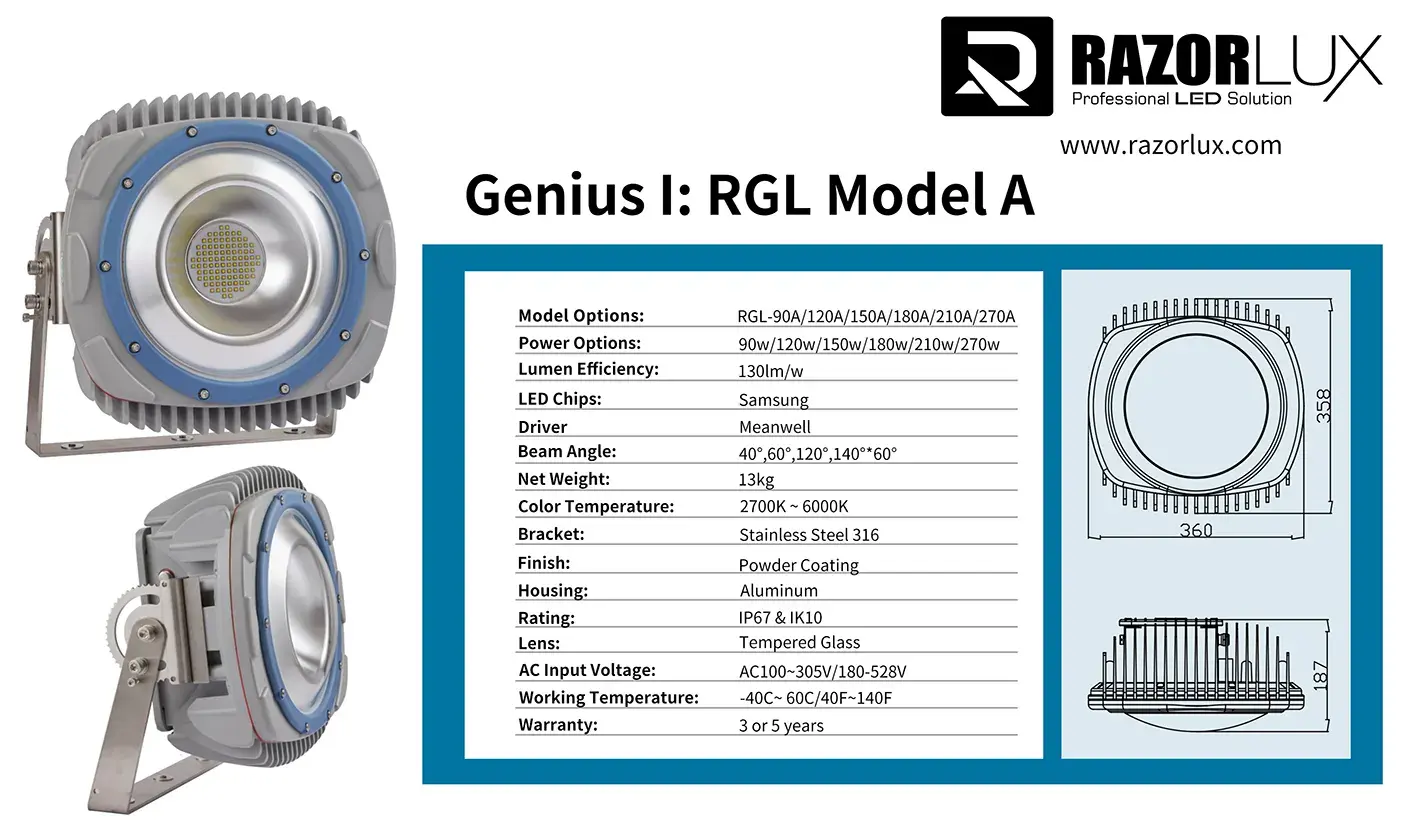
- Input voltage flexibility makes it work with power quality that changes, which is popular in industrial and naval settings. Systems that can handle AC 80-315V and DC 80-400V work consistently even when voltage changes, which would make lights with narrow input ranges dim or fail. This versatility also makes installation easier because it gets rid of the need for extra power control gear.
- Luminous efficacy is directly related to luminosity. Products with 130 lm/W or more offer the most light for the amount of power used, which improves both vision and running costs. This measure is especially important for places that use a lot of cranes for long periods of time, since even small differences in efficiency can lead to big changes in energy costs.
- Environmental protection ratings show how long a fixture will last in difficult circumstances. IP67 certification makes sure that all dust is sealed and that you are protected against short-term immersion in water, which is very important for marine uses and outdoor installations that get wet. The fixture's IK10 impact scores show that it can handle the 20-joule impacts that happen a lot in industrial settings without harming any interior parts or optical systems.
- Thermal management design affects both the steadiness of the light output and the life of the components. High-quality fixtures have thick metal heat sinks that are coated with a powder that protects against rust. This keeps the temperatures at the LED junctions within the ideal ranges even when the fixture is running continuously in hot conditions.
Comparing Reputable Component Sources and Manufacturing Quality
The quality of the parts inside the crane boom has a lot to do with how reliable the lighting is. People who work in procurement should look into which drivers, LED chips, and optical parts makers put in their devices.
- Power supply sourcing is a very important choice point. Mean Well makes the best LED drivers on the market. These drivers have a lot of advanced features, such as a wide range of input voltages, high power factor correction (≥0.98), low total harmonic distortion (<10%), and full protection circuits against overvoltage, overcurrent, and overtemperature conditions. These features have a direct effect on how reliable fixtures are and how long they last in tough industrial power settings.
- LED chip selection affects the quality of the light output, the regularity of the colors, and how the chips break down over time. Reliable companies list the exact LED chip sources that go into their goods. This way, buyers can be sure that the parts they're getting come from well-known semiconductor makers and not from unknown sources that might not work right or break down early.
- Optical design quality depends on how well the lamp turns LED power into useful light in the work area. High-quality polycarbonate or tempered glass lenses and precision-engineered reflector systems let the most light through and control the beam patterns to remove lost energy and provide even lighting across the target area.
Assessing Certification Compliance for Global Project Requirements
Complex industrial projects often involve more than one state and need to follow a number of different sets of rules. Choosing lighting products with a wide range of foreign certifications makes the project approval process easier, and Crane Boom Lights makes sure that regulations are followed in a variety of operating settings.
The list of certifications below shows what purchasing managers can expect from certified makers of crane boom lights in terms of a full compliance profile:
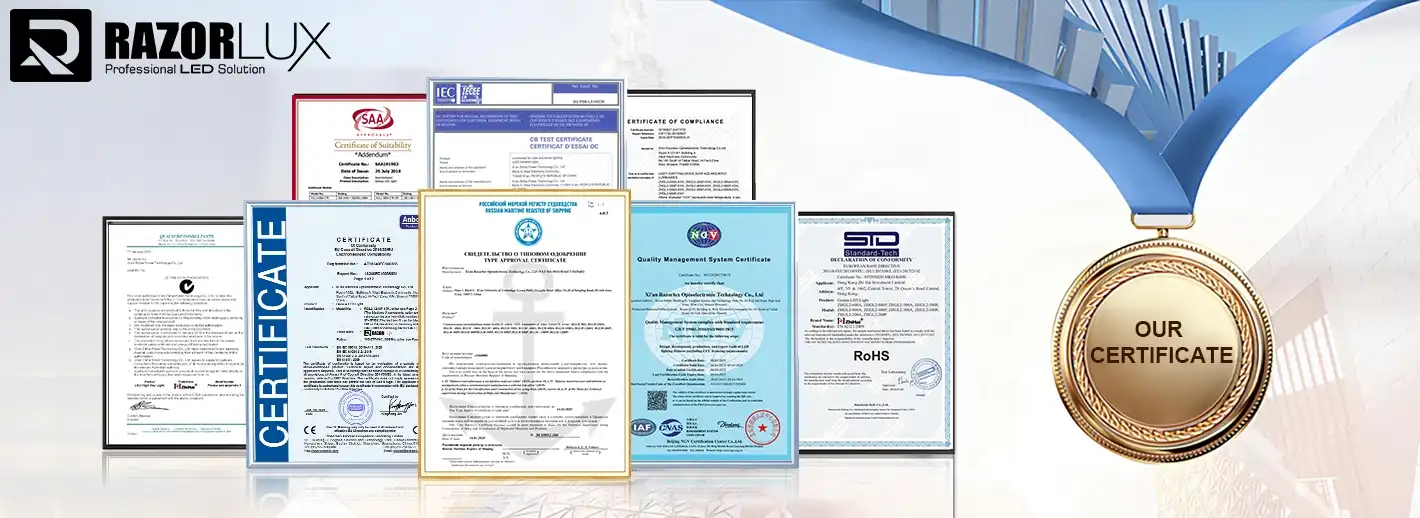
| Certification Standard | Geographic Coverage | Compliance Scope | Procurement Value |
|---|---|---|---|
| CE (European Conformity) | European Union | Electrical safety, EMC, RoHS | Required for EU installations and exports |
| UL Listing | United States, Canada | Product safety standards | Necessary for North American projects |
| DNV/GL Maritime Certification | Global marine industry | Shipboard equipment standards | Critical for vessel installations |
| SAA / C-Tick | Australia, New Zealand | Electrical safety, EMC | Mandatory for Oceania region projects |
| DLC Qualification | North America | Energy efficiency verification | Utility rebate eligibility, efficiency validation |
| ISO 9001 Manufacturing | Global recognition | Quality management systems | Supply chain reliability assurance |
Customization Capabilities and Technical Support Infrastructure
Many uses are good for standard stock items, but complicated industrial processes often work better with customization choices that meet their unique needs. Manufacturers who are good at building can change the mounting tools, the beam angles, the environmental protection features, or the integration of special controls to meet the specific needs of each location. Aside from product customization, the way lighting systems work with current processes is also affected by the technical support infrastructure. Manufacturers who provide thorough technical sketches, installation instructions, and quick engineering advice help project teams avoid making mistakes in the specifications that cause delays and extra costs during implementation. Having access to try and validate sample units before placing big orders lowers the risk of procurement by letting technical teams check performance in real-world working settings.
Procurement Tips: Maximizing Value in Crane Lighting Investments
Strategic buying is more than just finding the cheapest unit price. It also looks at the total cost of ownership, the dependability of the supply chain, and the value of a long-term relationship with a Crane Boom Lights provider.
Supplier Evaluation Beyond Initial Pricing
Quotes at first only show one aspect of the value of buying. A full evaluation of a provider should look at how well they can make things, how they control quality, and how stable their business is. Manufacturers who have ISO 9001 certification use structured quality management, which lowers the chance that different orders will not perform the same way. Companies with large patent portfolios—200 or more patents for well-known LED lighting innovators—invest in engineering over time, which is usually a sign of high-quality products and ongoing innovation. The assurance of a project's timeline depends on how well production capacity and store management are managed. Maintaining a large inventory of parts and finished goods by suppliers allows them to act quickly to pressing project needs and keep their delivery promises. Integrated production, which includes everything from LED packing to final assembly, is better for quality control and supply chain openness than operations that only use subassemblies that are outsourced.
Certification Verification and Technical Documentation Requirements
Instead of believing marketing promises, people who work in procurement should ask for and check real certification documents. Genuine makers give out certificate numbers, testing reports, and full technical specifications that can be used by anyone to check that the products work as stated and meet all safety standards. This paperwork is especially important for projects that need to be approved by the government or inspected by a third party. Full technical packages should have optical test reports that show how light really spreads, thermal analysis that shows how well heat is managed, and ingress protection test results that support IP and IK ratings. CAD models with exact measurements make planning the integration easier, and wiring plans and installation guides cut down on the time and mistakes that happen during commissioning.
Conclusion
How well a crane works during the night shift rests on how well the user can see the loads, rigging, and landing zones during the day. Modern LED Crane Boom Lights systems get rid of the sight problems that used to make working after dark hard, giving off targeted, high-intensity light after every lift. The operational benefits go beyond just light output. They include low energy use that lowers running costs, long life that avoids repair problems, and smart features that help operators make decisions. Strategic buying looks at these systems not as things to buy, but as investments in productivity. Along with technical specs, they look at things like the quality of the parts, whether they meet certification requirements, and the infrastructure for maker support. Companies that buy modern lighting solutions from well-known brands that offer a wide range of engineering services set up their businesses to stay ahead of the competition by improving safety, cutting costs, and making the best use of their tools during 24-hour shifts.
FAQ
1. How significantly do quality boom lights reduce night shift accidents?
Industrial safety groups have found that properly installed crane boom lighting cuts accidents during the night shift by 35–40% compared to operations that only use natural site lighting. Focused lighting makes it easier to see depth, finds problems with the equipment before the loads are raised, and helps operators find people on the ground and things in the way of the load, all of which are major causes of accidents that happen after dark.
2. What maintenance schedule should facilities expect with LED boom lights?
Compared to older technologies, LED systems don't need as much regular upkeep. Visual checks every three months to look for physical damage, make sure the bracket is secure, and make sure the lens is clean are usually enough. Since there are no consumable bulbs, there is no need for regular replacement processes that were a big part of halogen and metal halide maintenance plans. Most high-quality LED lights will work nonstop for five years or more before they need any service intervention beyond periodic cleaning.
3. When should facilities replace existing lighting rather than repair it?
When older systems use more than twice as much energy as newer ones, need repair more than twice a year, or don't give off enough light for safe operations, it makes financial sense to substitute them. When you add up the costs of replacing bulbs often, wasting energy, and having to stop work to change them, LED upgrades usually pay for themselves within 18 to 24 months, even if the old lights still work.
Partner With Razorlux for Superior Industrial Lighting Solutions
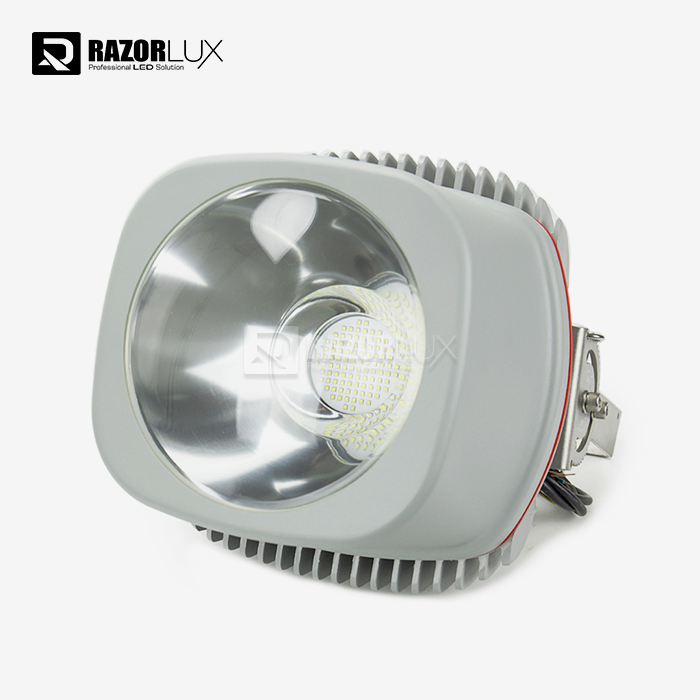
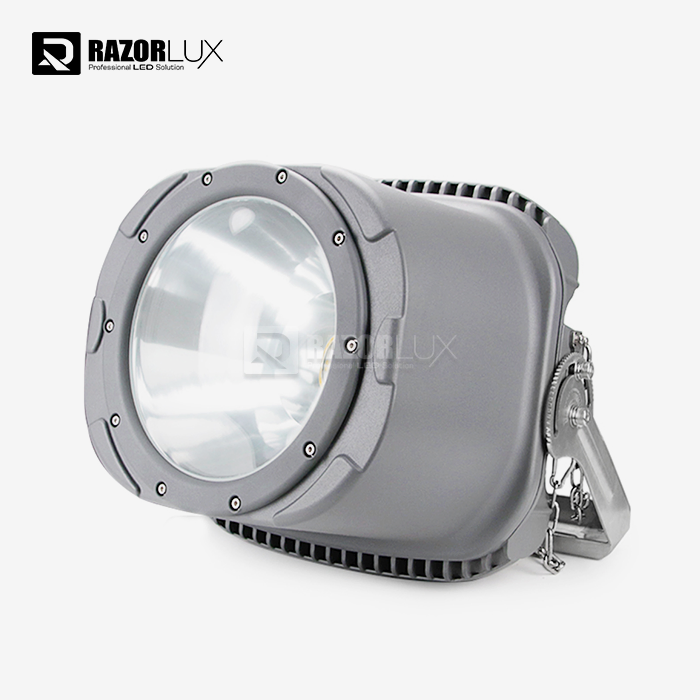
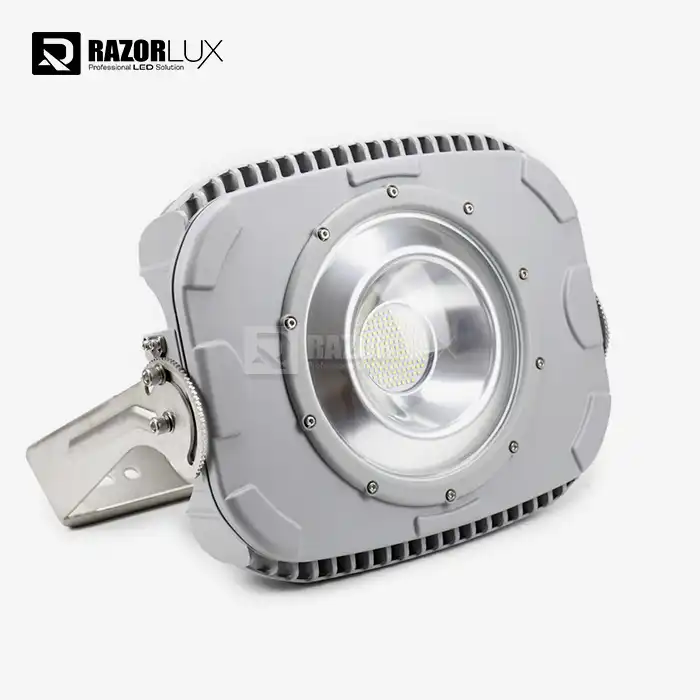
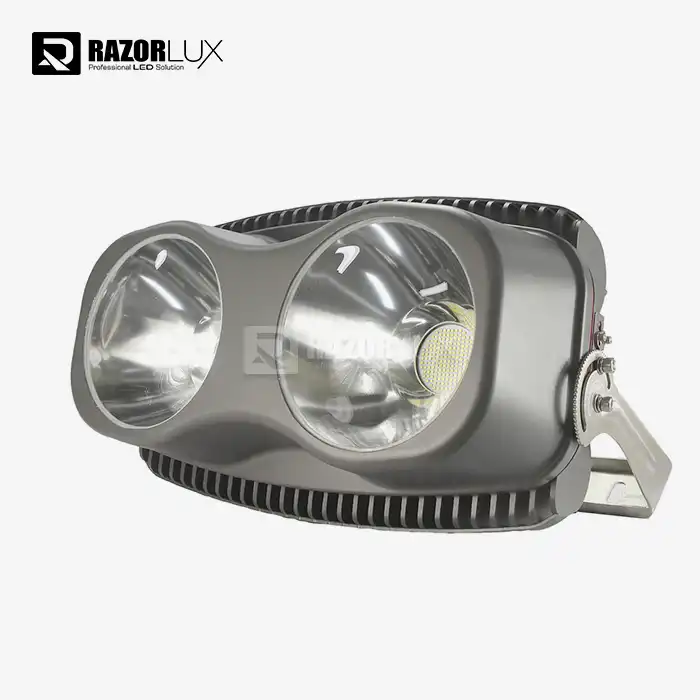
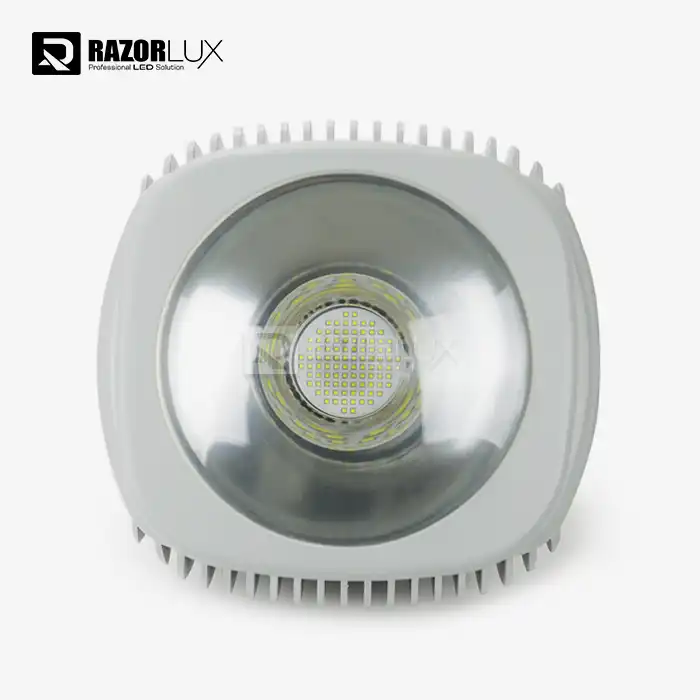
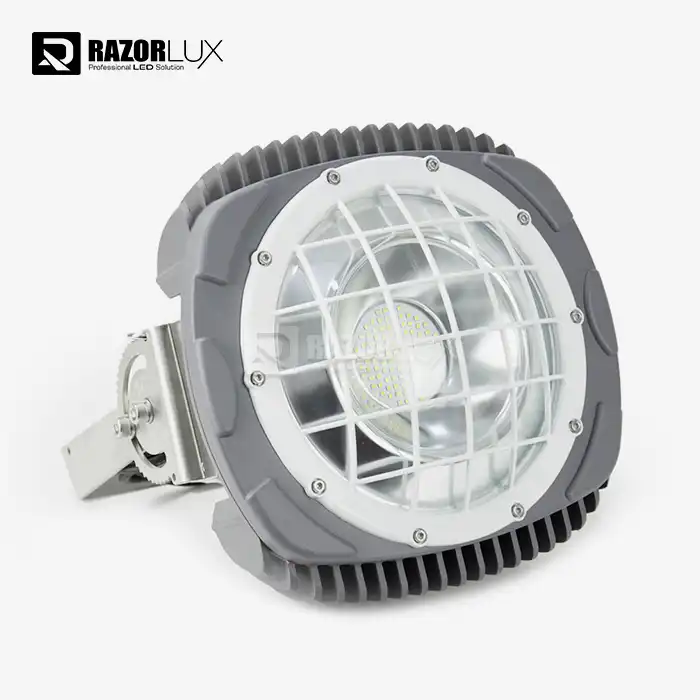
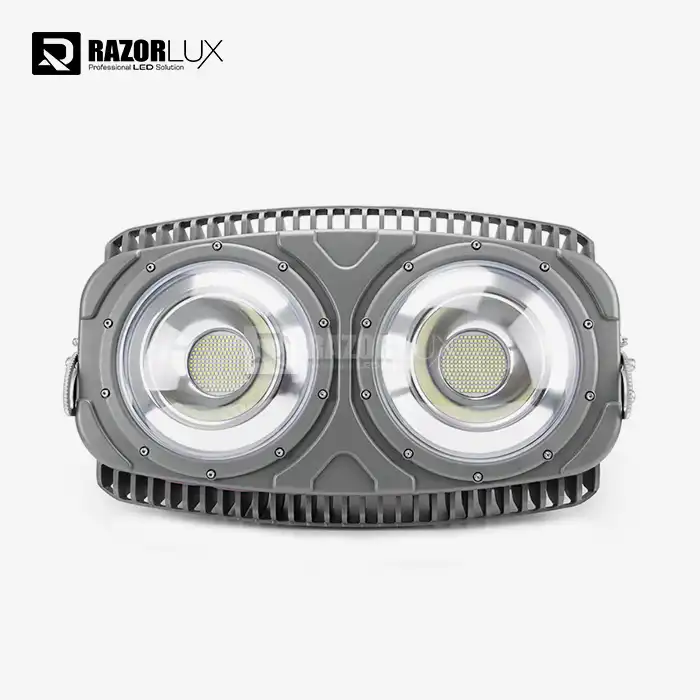
Razorlux makes high-performance LED lighting solutions that Crane Boom Lights are designed to meet the particular needs of heavy industrial, maritime, and building sites. Our 150W Crane Boom Lights have unique multi-function designs that make them efficient at 130 lm/W and give off 13,200 lumens, making them perfect for the harshest work conditions. Our fixtures give your processes the dependability they need with IP67 protection, IK10 impact resistance, and Mean Well power sources. Our tech team has been coming up with new LED ideas for over 20 years and has more than 200 patents to back them up. This means you'll get cutting-edge solutions that are perfect for your unique operational problems. We support global sourcing with a wide range of certifications, such as CE, UL, DNV/GL, and ISO 9001, which makes it easier for projects to be approved in a number of different regulatory settings. As a well-known company that makes Crane Boom Lights, we maintain substantial inventory to support your project deadlines. We offer flexible shipping choices and professional technical help during the planning, installation, and use phases. Email our team at sam@razorlux.com to talk about how to make your night shift more efficient and find out how our tried-and-true lighting solutions can improve safety, cut costs, and boost productivity across your entire crane fleet.
References
1. Maritime Safety Foundation. (2021). "Impact of Specialized Lighting on Offshore Crane Operations Safety Metrics." Industrial Safety Quarterly, Vol. 34, pp. 112-128.
2. Chen, Robert, and Williams, David. (2020). "LED Technology Advancement in Heavy Equipment Applications: Performance and Economic Analysis." Journal of Industrial Engineering, Vol. 45, No. 3, pp. 67-89.
3. International Port Operations Association. (2022). "Container Terminal Efficiency Study: Lighting System Impacts on Night Shift Throughput." Global Logistics Research Review, pp. 234-251.
4. Anderson, Michael. (2019). "Total Cost of Ownership Comparison: LED versus Traditional Lighting in Crane Applications." Equipment Management Today, Vol. 28, pp. 45-58.
5. Global Shipyard Consortium. (2021). "Lighting System Specifications for Marine Construction Equipment: Best Practices and Performance Standards." Maritime Engineering Technical Report 2021-07.
6. Industrial Lighting Standards Committee. (2020). "Certification Requirements and Performance Testing Protocols for Mobile Equipment Lighting Systems." International Standards Review, Vol. 19, pp. 178-195.