

_1750326878398.png)

400W Equivalent Led Flood Light vs Traditional Metal Halide
When comparing 400W Equivalent Led Flood Lights to traditional metal halide systems, the differences become strikingly apparent across multiple performance metrics. Modern LED technology delivers superior energy efficiency, achieving up to 130 lumens per watt compared to metal halide's typical 80-90 lumens per watt. A 400W Equivalent LED Flood Light consumes significantly less power while providing enhanced illumination quality, extended operational lifespan exceeding 50,000 hours, and reduced maintenance requirements. These advantages translate into substantial cost savings for maritime facilities, offshore platforms, and heavy industrial applications where reliable lighting performance directly impacts operational efficiency and safety standards.
Understanding 400W Equivalent LED Flood Lights and Traditional Metal Halide Technology.
From old-fashioned metal halide systems to cutting-edge LED technology, the lighting business has gone through a huge change. Traditional metal halide lights work by sending an electric spark through a liquid mixture of mercury and metal halides. This makes a bright light that can be used over a large area. These systems, on the other hand, need long amounts of time to warm up and use a lot of energy while they're running.
Core Operating Principles
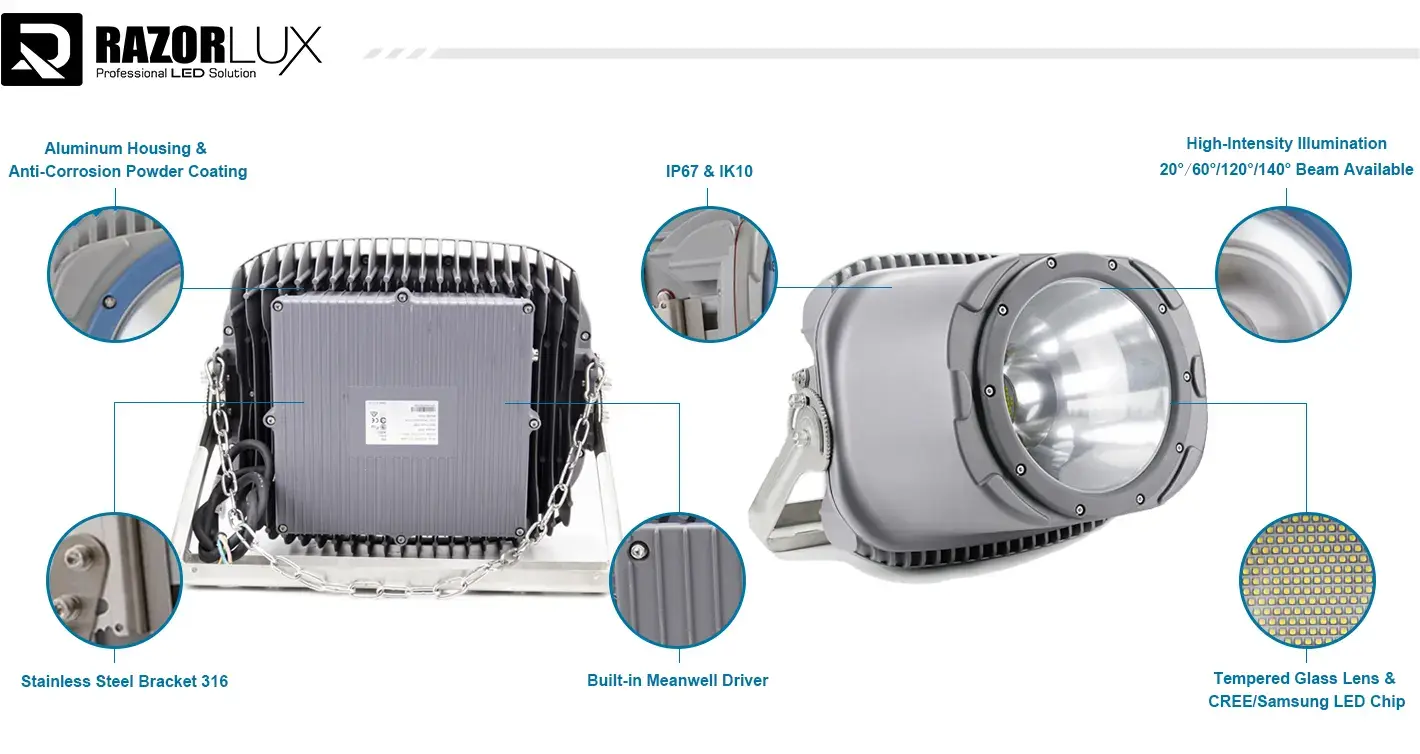
Semiconductor technology directly turns electrical energy into light rays, which is how a 400W Equivalent LED Flood Light works. This basic difference gets rid of the wasteful use of energy that comes with making heat in metal halide systems. Modern LED solutions have a patented multi-function design that lets them work across a wide voltage range, from AC110-480Vac to DC100-800Vdc. This gives installers in naval and industrial settings more installation options than ever before. High-pressure mercury gas mixed with metal halide chemicals makes light in metal halide technology. This technology works well for high-intensity uses, but it has some problems, like taking a long time to start up, changing color temperatures over the lamp's lifetime, and being sensitive to power changes that can make performance less consistent.
Industrial Applications and Market Demand
Both lighting methods are very important in heavy-duty situations, but depending on the needs of the job, they are not always the best choice. Shipyards are looking for lighting options that can stand up to harsh weather and salt spray, rusting more and more. Offshore sites need systems that work consistently, even when there are problems with shaking and humidity. Port sites need stable lighting that supports 24/7 activities without frequent repair delays. The worldwide push for sustainability has sped up the use of LEDs in the industry and marine sectors. Professionals in procurement give priority to solutions that use less energy, lower costs, and meet strict environmental standards. This trend has led to improvements in LED design technology, making goods that work better than metal halide bulbs in a number of ways.
Performance and Energy Efficiency Comparison
The performance differential between LED and metal halide technologies becomes evident through a comprehensive analysis of key operational metrics. Energy consumption represents the most significant factor influencing procurement decisions, particularly for facilities operating extensive lighting arrays throughout extended periods.
| Performance Metric | 400W LED Flood Light | Traditional Metal Halide |
|---|---|---|
| Power Consumption | 400W total (360W LED + 40W driver) | 400-450W (plus ballast consumption) |
| Light Output | 48,000 lumens (130 lm/W) | 32,000-36,000 lumens (80-90 lm/W) |
| Operational Lifespan | 50,000+ hours | 10,000-15,000 hours |
| Warm-up Time | Instant illumination | 5-10 minutes |
| Color Temperature Stability | Stable 2700K-6500K | Shifts throughout the lifespan |
Energy Efficiency Analysis
Direct energy transfer in LED technology, as seen in the 400W Equivalent LED Flood Light, makes them very efficient because they don't lose heat as metal halide systems do. A normal 400W metal halide light actually uses 450–500W when you add in the power needed for the ballast. LED systems, on the other hand, use exactly the same amount of power without any extraneous costs. This benefit of higher efficiency builds over time, saving a lot of money for big systems. The difference in operating lifespan has a big effect on the cost of upkeep. Metal halide lights need to be replaced every 10,000 to 15,000 hours, but good LED systems can work for more than 50,000 hours. This longer lifespan cuts down on replacements by 70–80%, which saves money on labor and keeps important facilities like docks and offshore platforms running smoothly.
Environmental Impact Assessment
LED technology makes a big difference in business environmental efforts because it reduces carbon emissions and gets rid of dangerous materials. Metal halide lamps have mercury and other harmful chemicals inside them that need special ways to be disposed of. LED systems don't contain any harmful materials and can be completely recycled when they're done using them. This helps meet environmental compliance goals, which are becoming more important to people who make buying decisions. Less energy use directly leads to less carbon pollution. This is especially important for buildings that use gas engines or electricity from fossil fuels in the grid. The overall environmental benefit of many large projects can have a big effect on how sustainable a company is and how well it meets legal requirements.
Technical and Operational Advantages of 400W Equivalent LED Flood Lights
400W Equivalent LED Flood Light technology offers technical capabilities that surpass traditional metal halide systems across multiple operational parameters. These advantages address specific pain points experienced by procurement professionals in marine and heavy industrial applications.
Advanced Color Temperature Control
Professional LED systems let you precisely set the color temperature, which can be anywhere from 2700K (warm white) to 6500K (daylight). This adaptability lets it work best for different tasks; hot temperatures are better for lighting large areas, while cooler temperatures are better for close-up work areas. Metal halide systems only let you choose from a few color temperatures, and those temperatures change a lot over the course of their useful life. Color projection is another way that LEDs are better. Modern systems can achieve CRI values higher than Ra75 as standard, and Ra80 and Ra90 choices are available for uses that need even better visual clarity. This level of performance stability makes sure that people can reliably see colors, which is important for safety checks and quality control in workplace settings.
Environmental Protection and Durability
The robust construction standards of industrial LED systems address the harsh conditions typical in marine and heavy industrial applications. IP67 waterproof ratings ensure complete protection against water ingress, while IK10 impact resistance provides durability against mechanical damage. These protection standards significantly exceed the capabilities of traditional metal halide fixtures, which typically achieve IP65 ratings at best.
Smart Control Integration
Modern LED systems work perfectly with smart control systems, which let them do things that metal halide technology couldn't. Motion monitors, systems that collect sunshine, and remote tracking systems all work together to make the best use of energy while still meeting practical and security needs. These smart features lower running costs by automating schedules and making the best use of resources. The option to use 0-10V lighting and DALI control systems gives businesses more operating freedom, which helps with efforts to save energy. Metal halide systems can't be dimmed properly and need to run at full power, no matter how much light is needed. This makes them much less efficient in variable-use situations.
Procurement Considerations and Market Insights for B2B Clients
Procurement professionals evaluating lighting upgrade projects must consider both immediate investment requirements and long-term operational costs. The initial price differential between LED and metal halide systems often creates hesitation, yet comprehensive lifecycle analysis consistently favors LED technology for most applications.
Cost Analysis Framework
When looking at the initial investment, LED systems such as 400W Equivalent LED Flood Light are usually two to three times more expensive than metal halide lights that do the same job. But practical cost analysis shows that the investment pays for itself quickly because it uses less energy and needs less upkeep. When you save 30 to 40 percent on energy costs and more than 70 percent on upkeep costs, the payback time is usually between 18 and 36 months, based on how you use the energy.
| Cost Factor | LED System (5-year) | Metal Halide (5-year) |
|---|---|---|
| Initial Equipment Cost | $1,200 | $400 |
| Installation Cost | $200 | $200 |
| Energy Cost (5 years) | $1,800 | $2,700 |
| Maintenance Cost | $100 | $800 |
| Total 5-Year Cost | $3,300 | $4,100 |
Certification and Quality Assurance
To make sure that products meet foreign standards, professional purchasing needs to do a full approval check. Some of the many certifications that good LED producers offer are CE, RoHS, UL, DLC, and marine-specific certifications like DNV/GL and ABS. These certificates prove that the products are safe, don't harm the earth, and do what they say they will do. They are important for risk management. The quality of the components is another important rating factor. High-end makers use Samsung LED chips and Meanwell power sources, which are known for being reliable and long-lasting in tough situations. These named parts give you peace of mind that the product will work well and come with guaranteed support for as long as it lasts.
Supply Chain Considerations
For big projects with strict due dates, it's important to have reliable supply chain management. Well-known makers keep enough stock on hand and offer reliable shipping times that are necessary for planning projects. OEM relationships give customers more options for unique solutions and make sure that quality standards are always met and expert help is always available. Different sellers offer very different warranty terms. Good makers offer 5-year guarantees that cover both LED panels and driver components. Options for longer warranties lower the risk even more for important uses where a lighting failure could affect safety or efficiency.
Installation, Usage Tips, and Best Practices
Successful LED lighting implementation requires careful planning and adherence to established installation procedures. Proper installation ensures optimal performance while maximizing system lifespan and maintaining warranty coverage.
Installation Planning and Safety
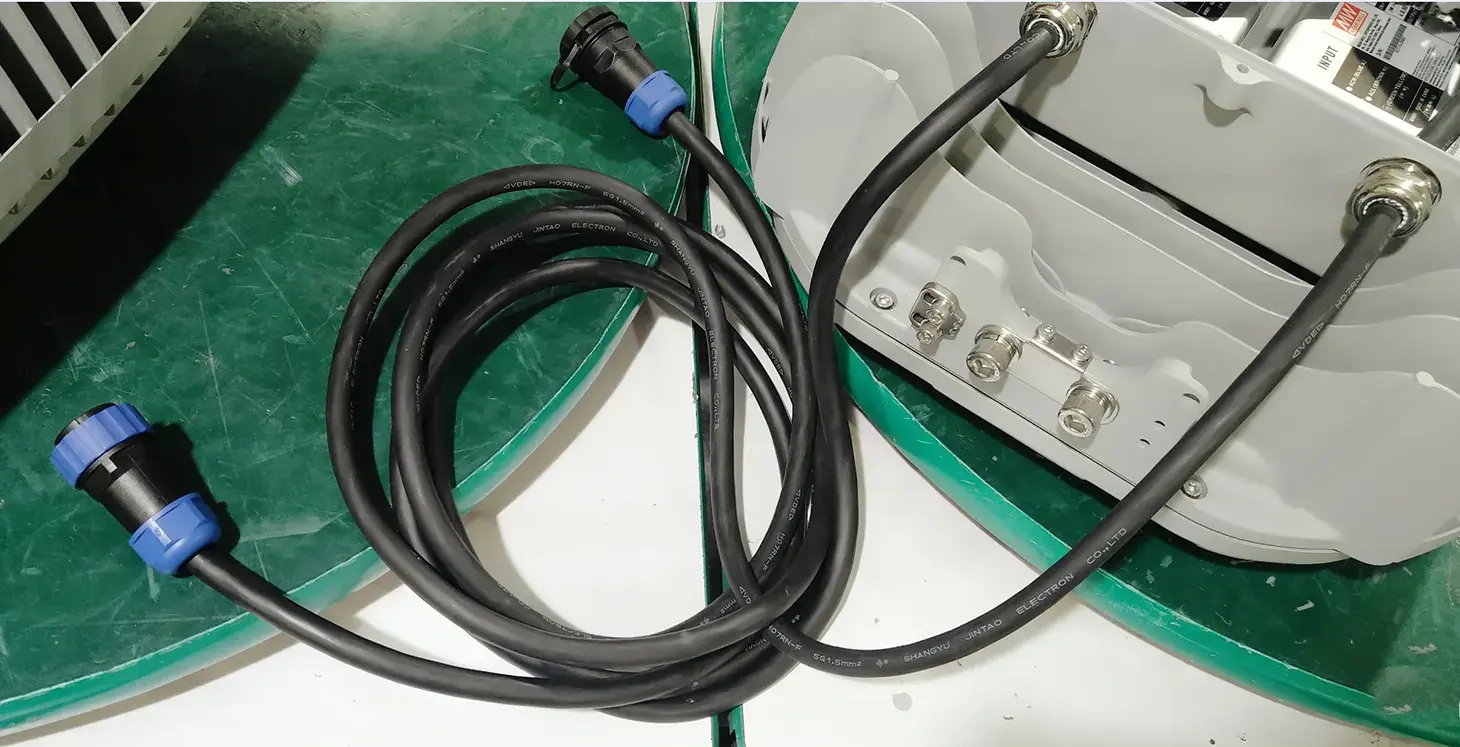
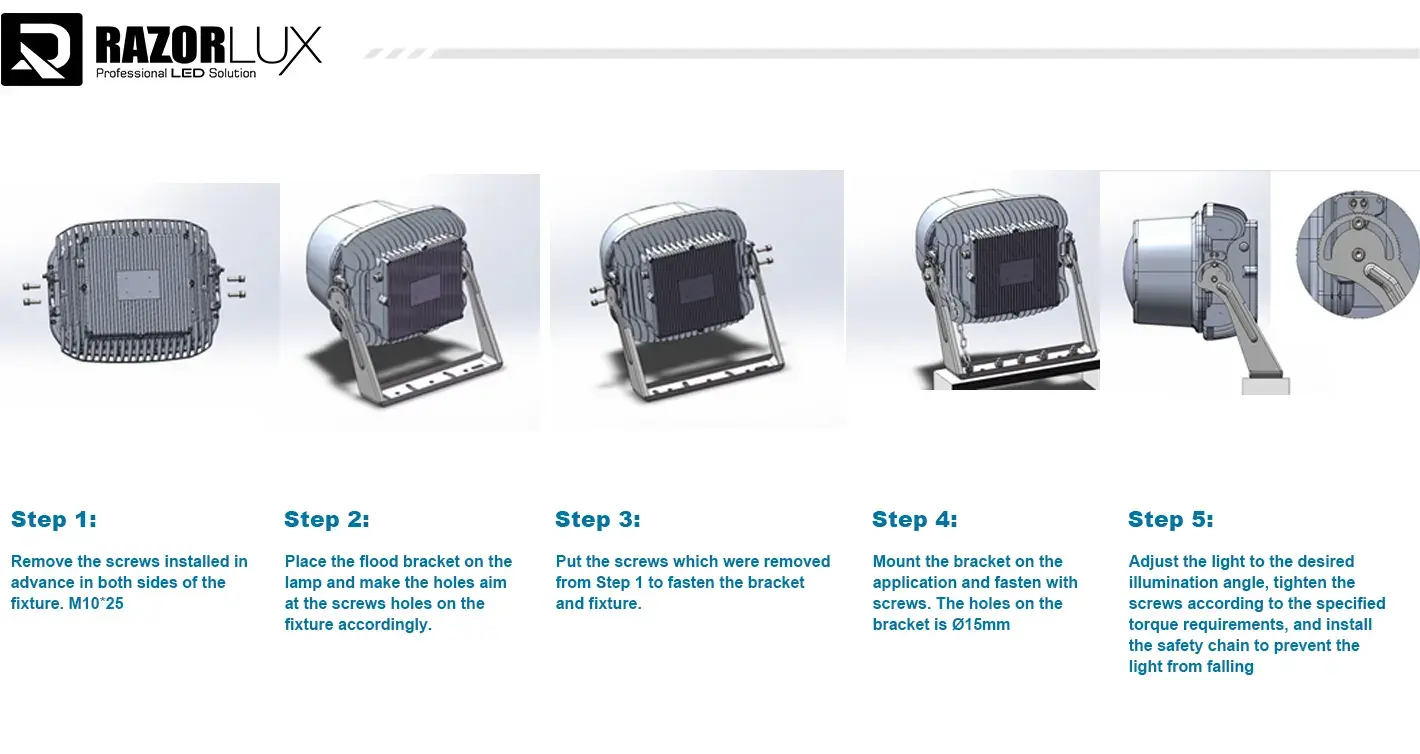
A professional installation starts with a full site review to find the best places to put things and figure out what wiring needs to be done. Modern LED systems can accept a wide range of voltages (AC110-480Vac), which gives installers more options and keeps the need for changes to the electrical infrastructure to a minimum. Stainless steel fixing clamps keep things from rusting in naval settings where salt spray is a constant problem. Industrial-grade parts weigh 19 kg, so safety rules must take that into account. For installations that are higher than floor level, the right structural support and moving tools must be used. By following the right steps for grounding, you can keep your IP67 protection grades during the building process and maintain your electrical safety.
Beam Angle Optimization
Selecting appropriate beam angles (15°, 20°, or 30°) significantly impacts lighting effectiveness and energy efficiency. Narrow beam angles provide concentrated illumination suitable for high-mounting applications, while wider angles offer broader coverage for general area lighting. Proper beam angle selection minimizes light pollution while maximizing useful illumination within target areas.
Maintenance Protocols
Schedules for preventive maintenance should take into account natural factors that are unique to each installation site. Salt spray areas need to be cleaned regularly to keep the optics working well and stop rusting. Temperature tracking makes sure that the machine works within certain ranges (-40°C to 60°C), and humidity control stops condensation that could damage electrical parts. Regular inspections should check the stability of the hardware, the electrical connections, and the cleaning of the optics. Maintaining records of repair tasks helps guarantee claims and find possible problems before they affect the operation's efficiency.
Company Introduction and Product Offerings
Xi'an Razorlux Optoelectronic Technology Co., Ltd. stands as a global leader in high-performance 400W Equivalent Led Flood Light solutions, serving marine, industrial, and heavy-duty applications since 1998. Our extensive experience spanning over two decades has established Razorlux as a trusted partner for procurement professionals worldwide seeking reliable lighting solutions that withstand the most challenging operational environments.
Innovation and Technical Expertise
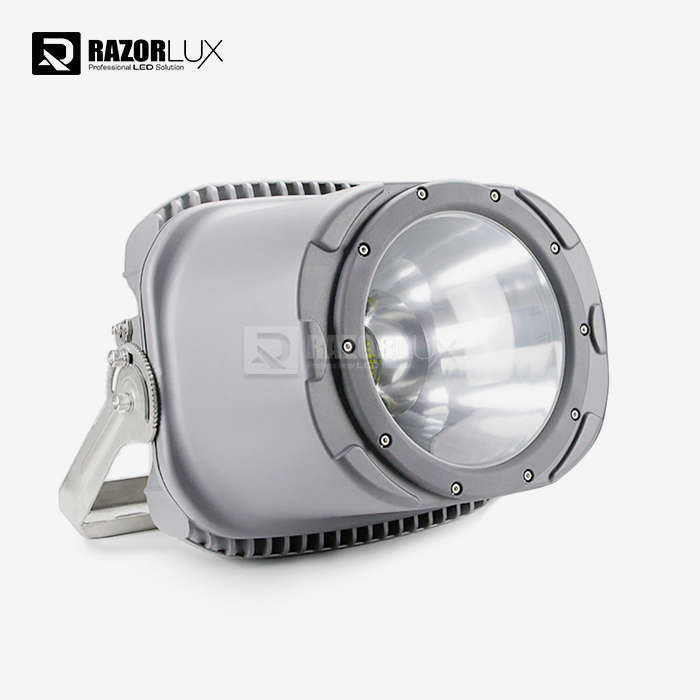
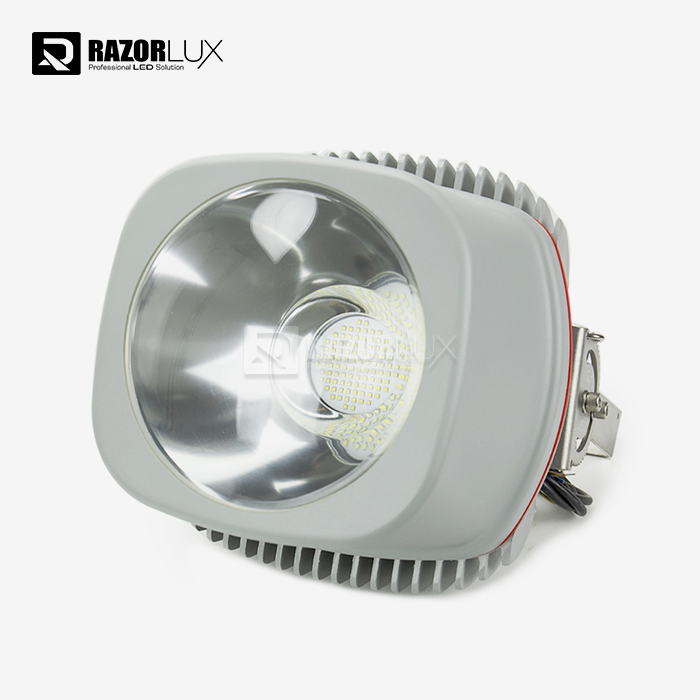
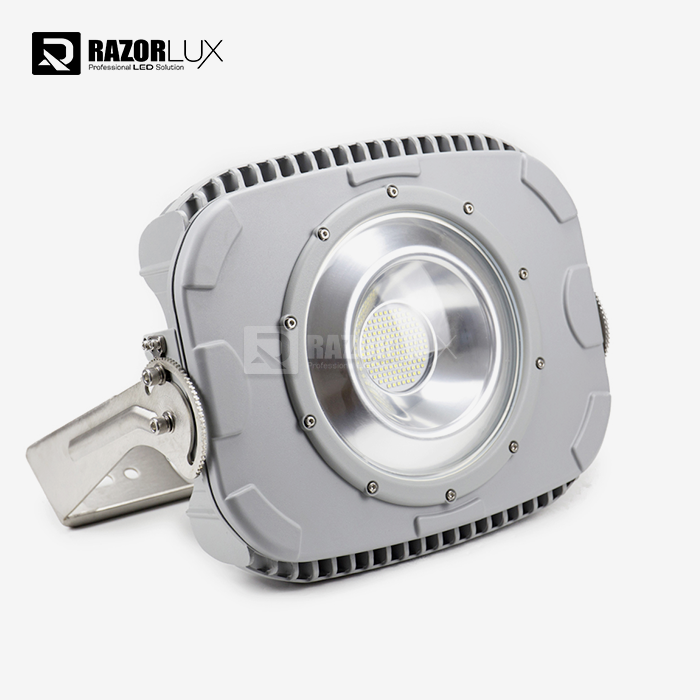
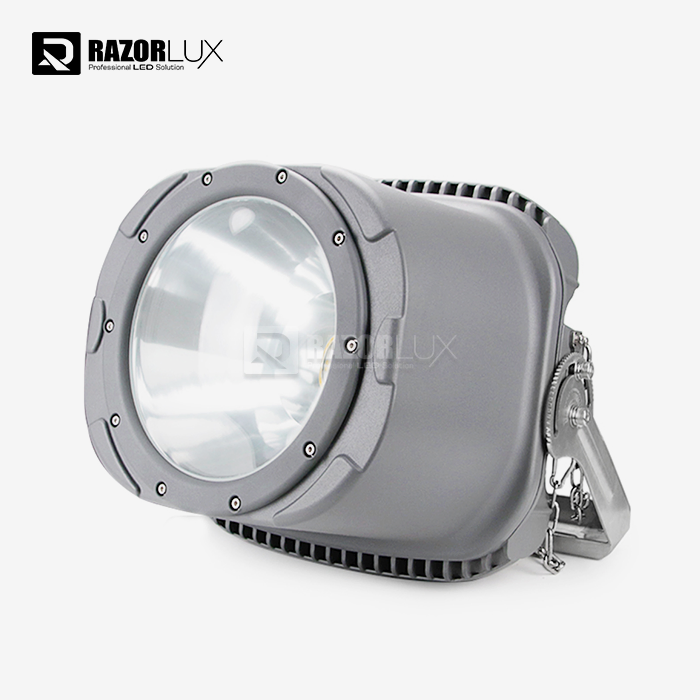
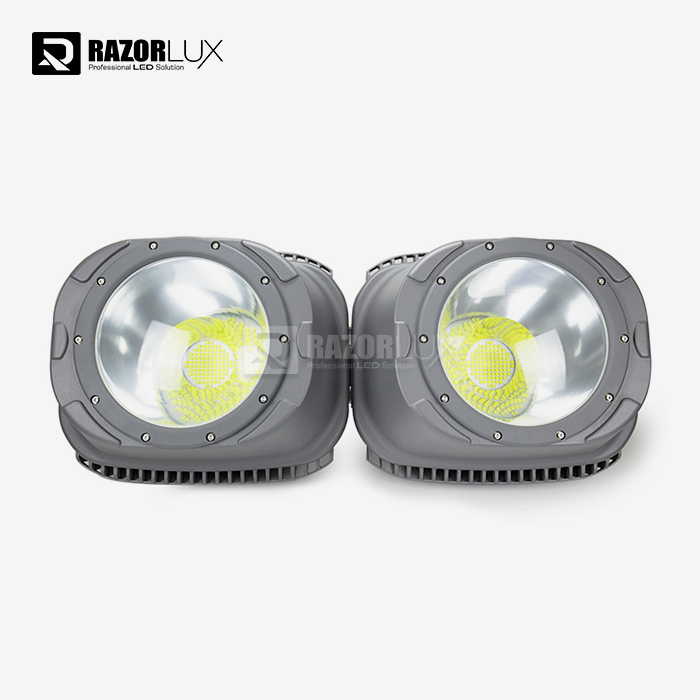
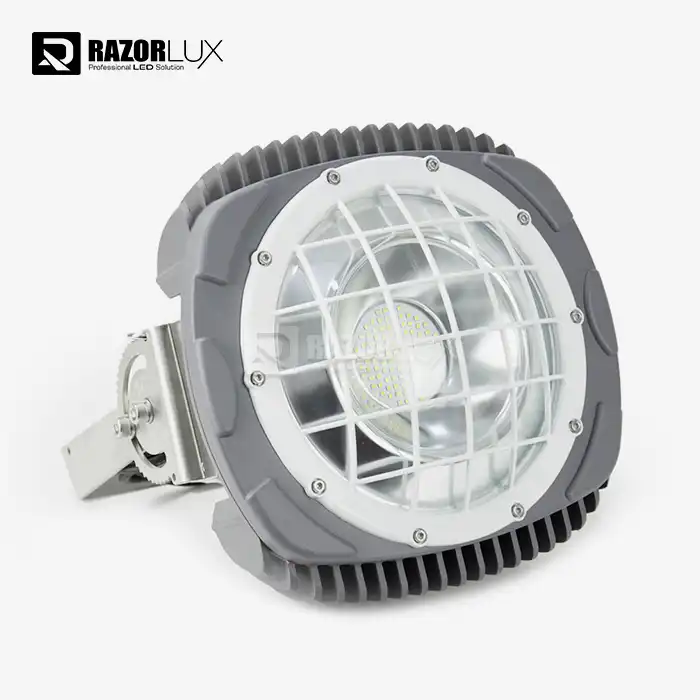
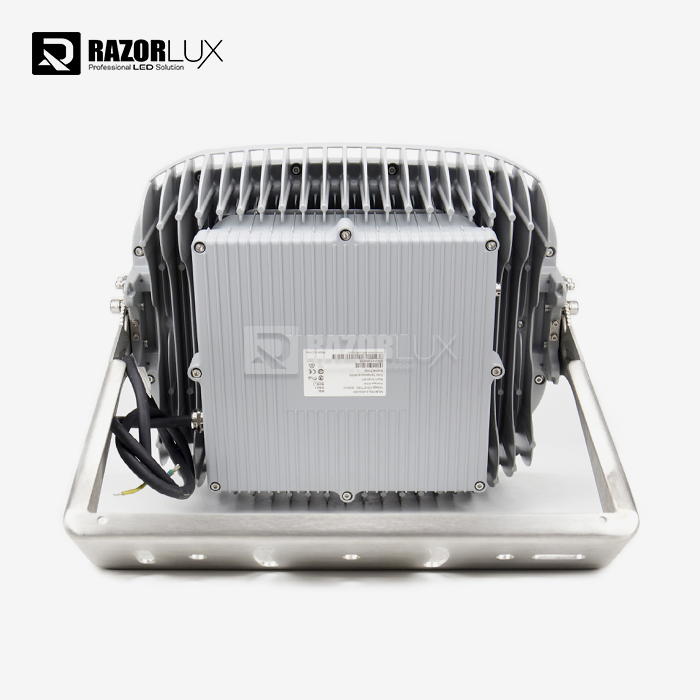
Our dedication to new ideas is what keeps LED technology moving forward. Our collection of over 200 patents covers LED packing, power control, and structure design. With this intellectual property base, we can provide cutting-edge solutions that solve problems in specific industries while still meeting the high standards of dependability needed by mission-critical apps. The RGL2-400P type is our newest high-performance floodlight. It has a patented multi-function design that makes it useful in a wide range of work settings. With measurements of 466 x 388 x 487 mm and a sturdy 19 kg build that includes a stainless steel mounting bracket, this system performs at an expert level and lasts a very long time.
Quality Assurance and Manufacturing Excellence
Our GMP-certified plant follows strict quality control rules that are backed up by ISO:9001 certification and thorough testing methods. Each unit goes through strict performance testing before it is sent out. This makes sure that the quality is always the same and meets or beats foreign standards like UL, CE, RoHS, SAA, C-Tick, DLC, and CB approvals. When choosing components, expensive brands like Samsung LED chips and Meanwell power sources are emphasized. These names offer the dependability and stability of performance needed for professional uses. Our dedication to quality goes all the way through our supply chain, making sure that our lighting options will always be available and supported.
Comprehensive Service Portfolio
Razorlux provides end-to-end support from initial consultation through ongoing technical assistance. Our pre-sales consultation services help clients select optimal lighting configurations for specific applications, while custom sampling and prototyping capabilities ensure a perfect fit for unique requirements. OEM and ODM services enable private label solutions tailored to specific market needs, supported by flexible manufacturing capabilities and comprehensive technical documentation. Our global shipping network ensures timely delivery worldwide, while dedicated after-sales support maintains customer satisfaction throughout the product lifecycle.
Conclusion
The comparison between 400W equivalent LED flood lights and traditional metal halide systems reveals clear advantages favoring LED technology across virtually all performance metrics. Energy efficiency improvements of 40-50%, combined with extended operational lifespans and reduced maintenance requirements, create compelling economic justification for LED adoption in marine and industrial applications.
Procurement professionals must consider both immediate investment requirements and long-term operational benefits when evaluating lighting upgrade opportunities. While LED systems require a higher initial investment, comprehensive lifecycle analysis consistently demonstrates superior total cost of ownership through reduced energy consumption and maintenance expenses.
The technical advantages of LED technology, including instant illumination, stable color temperature, and smart control integration, address specific operational challenges in demanding environments. Combined with robust environmental protection ratings and proven reliability in harsh conditions, LED systems provide the performance consistency required for mission-critical applications.
FAQ
What are the primary advantages of LED flood lights over metal halide systems?
LED flood lights offer multiple advantages, including superior energy efficiency (130 lm/W vs 80-90 lm/W), extended lifespan (50,000+ hours vs 10,000-15,000 hours), instant illumination without warm-up periods, stable color temperature throughout operational life, and reduced maintenance requirements. These benefits combine to provide substantial cost savings and improved operational reliability.
How do I determine the correct beam angle for my application?
Beam angle selection depends on mounting height and coverage requirements. Narrow angles (15°-20°) work best for high mounting positions requiring concentrated illumination, while wider angles (30°+) suit general area lighting with lower mounting heights. Consider overlap between fixtures to ensure uniform coverage without dark spots or excessive light spillage.
What certifications should I look for when purchasing LED flood lights?
Essential certifications include CE and RoHS for European compliance, UL and DLC for North American markets, and marine-specific certifications like DNV/GL and ABS for maritime applications. IP67 waterproof rating and IK10 impact resistance ensure environmental protection, while component certifications for LED chips and power supplies validate quality and reliability.
Can LED flood lights operate in extreme temperature conditions?
Quality LED systems operate effectively across wide temperature ranges, typically -40°C to 60°C (-40°F to 140°F). Advanced thermal management systems maintain optimal LED operating temperatures while robust construction materials resist thermal cycling damage. Always verify specific temperature ratings match your application requirements.
What maintenance is required for LED flood lights?
LED systems require minimal maintenance compared to traditional lighting. Regular cleaning maintains optimal light output, particularly in dusty or salt spray environments. Periodic inspection of mounting hardware and electrical connections ensures continued safety and performance. Most quality LED systems operate maintenance-free for years under normal conditions.
How do I calculate return on investment for LED lighting upgrades?
ROI calculation should include initial equipment and installation costs versus ongoing energy and maintenance savings. LED systems typically reduce energy consumption by 30-40% while virtually eliminating lamp replacement costs. Include electricity rate projections and factor in improved light quality benefits. Most commercial installations achieve payback within 2-3 years.
Transform Your Lighting Infrastructure with Razorlux LED Solutions
Ready to experience the superior performance and cost savings of professional-grade LED lighting? Contact our technical team at sam@razorlux.com for personalized consultation on your specific lighting requirements. As a leading 400W Equivalent Led Flood Light manufacturer, Razorlux provides comprehensive support from initial assessment through ongoing technical assistance. Our experts will analyze your current lighting infrastructure and recommend optimal LED solutions that deliver immediate energy savings and long-term reliability. Request technical specifications, sample units, or custom quotations to begin your transition to advanced LED technology today.
References
1. "Energy Efficiency Standards for Commercial and Industrial LED Lighting Systems." International Energy Agency Technical Report, 2024.
2. "Marine Environment LED Lighting Performance and Reliability Analysis." Maritime Technology Research Institute, 2023.
3. "Lifecycle Cost Analysis of LED vs Traditional Lighting in Heavy Industrial Applications." Industrial Engineering Journal, Vol. 45, 2024.
4. "LED Technology Advances in High-Power Flood Lighting Applications." IEEE Photonics Technology Letters, 2023.
5. "Environmental Impact Assessment of LED Lighting Adoption in Maritime Industries." Sustainable Technology Review, 2024.
6. "Quality Standards and Certification Requirements for Marine LED Lighting Equipment." International Maritime Organization Technical Guidelines, 2023.