

_1750326878398.png)

Industrial LED Flood Lights Outdoor for Harsh Environments
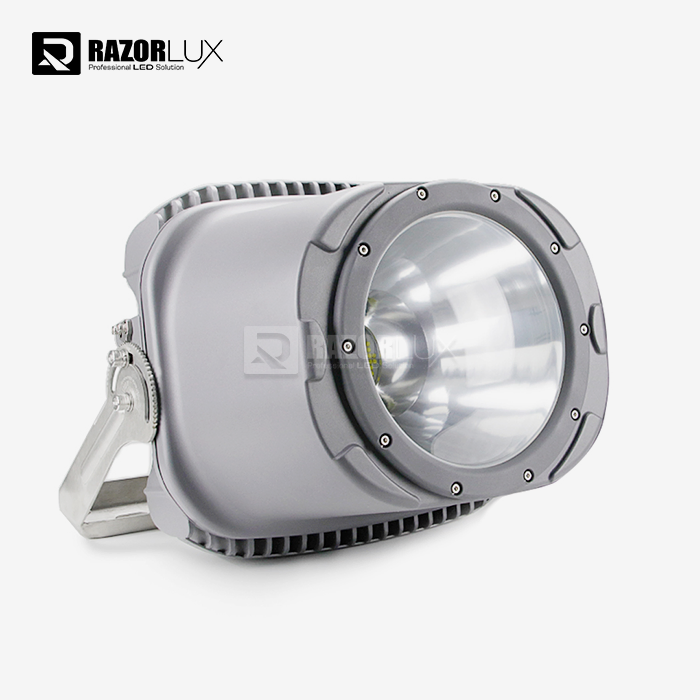
The people in charge of shipyards don't just want bright lights when they ask, "Do you have lights that can survive seawater corrosion and minus-40-degree winters?" Industrial Led Flood Lights Outdoor made for harsh settings are a special type of high-intensity lighting that is designed to work nonstop in conditions that would kill regular lighting in months. These fixtures fix important operational problems: they get rid of the need for frequent maintenance on offshore platforms, lower energy costs by up to 70% compared to metal halide systems, and make sure that there is OSHA-compliant visibility in places where equipment failure directly threatens worker safety and project timelines.
Understanding What Makes Industrial LED Flood Lights Different
Built for Battle: Construction That Survives Punishment
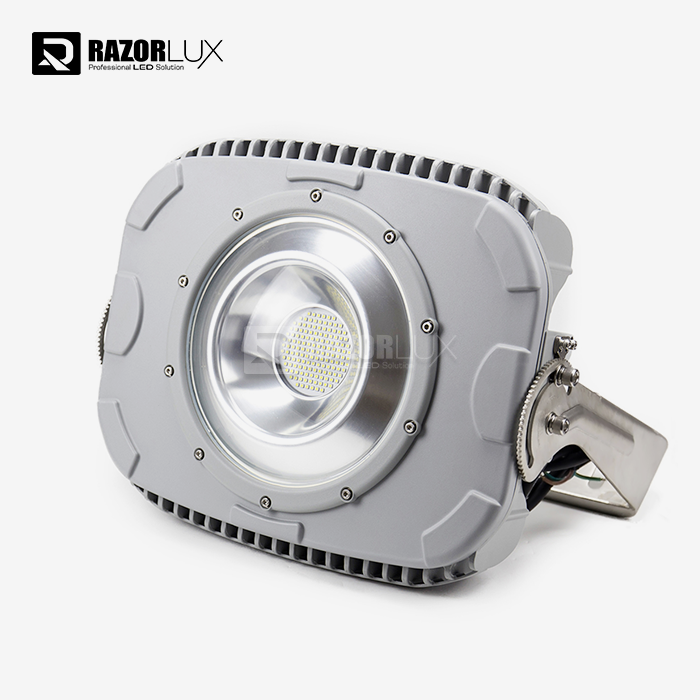
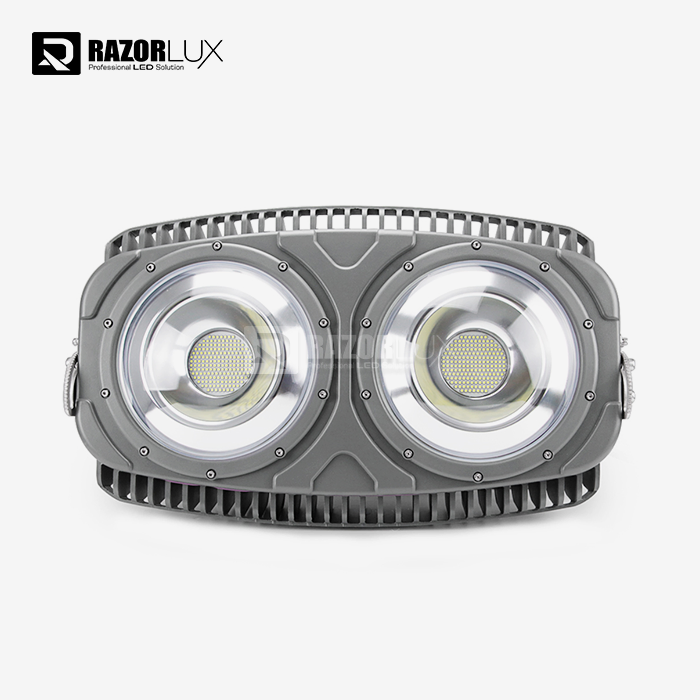
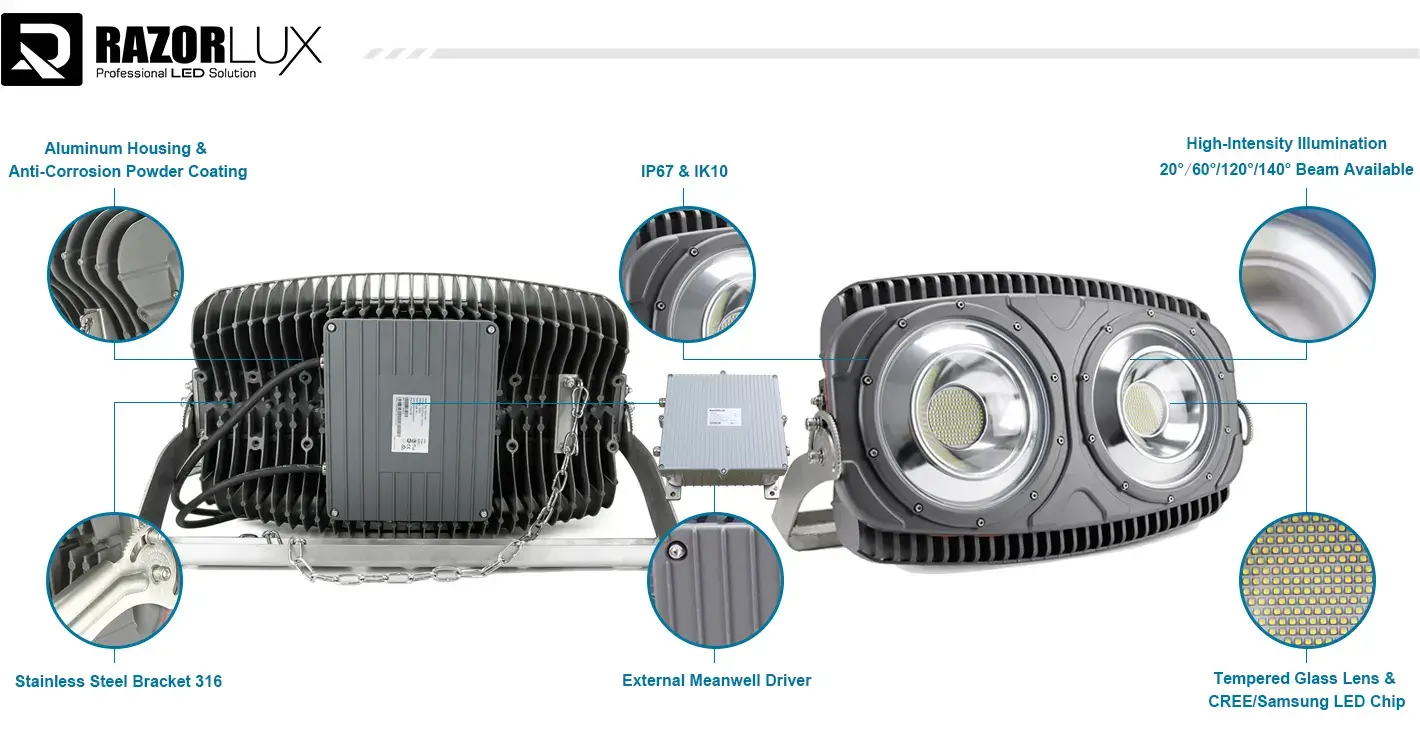
You can tell that the lighting doesn't just shine when you walk through a port station in Norway or an offshore platform in the Middle East. Industrial LED flood lights outdoor are very different from their business cousins in terms of the materials they are made of and the way they are designed. We make housings out of marine-grade metal alloys and coat them with a powder coating that can stand up to 3,000 hours of salt spray tests according to ASTM B117 standards. The toughened glass lens is tested for IK10 impact, which means it can withstand a 5 kg steel hammer being dropped from 40 cm. This is an important defense for when cranes are working above or when winds are strong enough to cause typhoons. Professional parts are kept separate from consumer goods by the heat management system. Our design uses heat pipe technology to move heat from the connection points of LEDs to extended fin arrays. This keeps chip temperatures below 85°C even when the temperature outside is 60°C. This thermal discipline directly relates to the L70 lifespan rates that buying teams need—keeping 70% of the original lights after 50,000 hours of use.
Photometric Control for Industrial Applications
Choosing the right beam angle has a bigger effect on working efficiency than many buyers understand at first. A 40° spot beam focuses 130,000 lumens for high-mast applications, like lighting up container yards from 30-meter poles. At ground level, it gives off 50 lux with very little spill light, which is important for facilities near neighborhoods with strict rules about light pollution. On the other hand, our 140°x60° uneven distribution works well on ship decks because it projects light forward along work areas while reducing glare in the eyes of the crew. The CRI Ra>75 standard ensures accurate color perception for quality control tasks. The Ra>80 and Ra>90 choices are available for inspection work that needs to accurately tell the difference between wire color codes or corrosion patterns.
Key Performance Specifications B2B Buyers Must Evaluate
IP and IK Ratings: Understanding Protection Class Realities
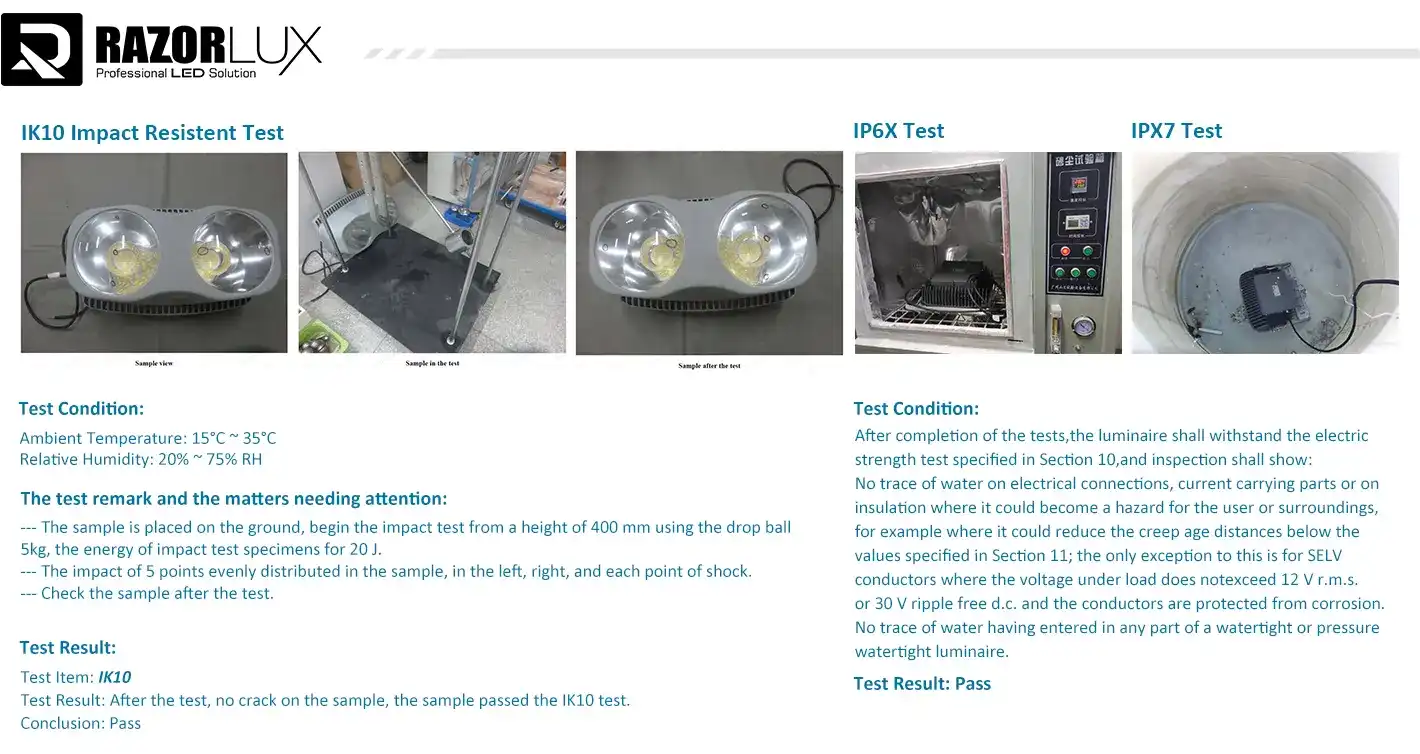
The IP (Ingress Protection) code isn't for advertising; it's for life. The IP65 certification means that the building is dust-tight and protects against water jets coming from any direction. This makes it perfect for most industrial yards. We suggest IP67 upgrades for sites that might be temporarily submerged in water during deck washdowns or floods. During approval testing, IP67 fixtures can survive being submerged in water up to 1 meter deep for 30 minutes without internal condensation. This protection stops corrosion-related failures that leave maintenance teams stuck with bucket trucks at 3 AM.IK10 impact protection guards against mechanical damage, which is just as important but less often thought of. Offshore sites are hit by falling objects, tools, and equipment, and weather can send debris their way. Fixtures with an IK10 rating can withstand 20 joules of impact energy, which is about five times the force that breaks normal plastic covers. This mechanical toughness cuts down on insurance claims and keeps the lights on during important operations when replacing fixtures isn't an option.
Color Temperature Selection for Task Optimization
The color temperature, which is recorded in Kelvin, has an effect on both worker safety Industrial LED flood lights outdoor and efficiency. Our 2700K warm white choice works well in design settings and low-stress areas, making break areas or work areas more comfortable to light. The 4000K neutral white spectrum is most common in industrial settings. It renders colors evenly, which makes it easier on the eyes during long shifts, and it doesn't have too much blue light, which stops night workers from making melatonin. For precise inspection jobs like checking the quality of a weld, finding flaws in paint, or making sure the quality of a product is good, 5700K to 6500K cool white temperatures are best for sharp vision and contrast perception. A procurement manager at a shipyard repair facility said, "After switching to 5700K lighting in our welding inspection bay, defect detection rates improved 23% and inspector complaints about eye fatigue dropped significantly." This range of performance is why we make fixtures with color temperatures that can be changed in the field, so facilities can get the best lighting as their needs change.
Comparative Analysis: LED vs. Legacy Industrial Lighting
Total Cost of Ownership: The Five-Year Reality
The price of the lighting system only makes up 15 to 20 percent of its total life costs. When the Singaporean port officials compared their current high-pressure sodium infrastructure to Industrial LED Flood Lights Outdoor, the results showed that the economics were very good:
| Cost Category | Metal Halide (5-Year) | LED Flood Light (5-Year) | Difference |
|---|---|---|---|
| Initial Purchase (50 fixtures) | $45,000 | $78,000 | +$33,000 |
| Energy Consumption | $124,800 | $43,680 | -$81,120 |
| Maintenance Labor | $38,400 (lamp replacements) | $4,800 (minimal) | -$33,600 |
| Replacement Components | $22,000 (lamps, ballasts) | $0 (warranty coverage) | -$22,000 |
| Disposal Costs | $2,400 (hazardous waste) | $0 | -$2,400 |
| Total 5-Year Cost | $232,600 | $126,480 | -$106,120 |
The investment in LEDs pays for itself in 18 months just by saving energy. The savings on repair work speed up the ROI. These numbers show why offshore platform owners choose LED only, even though it costs more up front. They have to pay for technicians to be transported by helicopter and lose $15,000 a day in output when the platform is down.
Performance Reliability in Temperature Extremes
When temperatures get too high or too low, old HID technology always breaks. Metal halide lights need 5 to 10 minutes to warm up, which can be dangerous when emergency lighting is turned on. At -40°C, which is normal in Russian Arctic ports and Norwegian winter operations, HID ballasts either don't work at all or give 40% less light. Our LED lights reach full brightness in 0.1 seconds at -40°C and keep their rated output across the operating range of -40°C to +60°C. This performance has been proven by 1,000-hour temperature cycling tests that mimic ten years of seasonal changes. Performance at high temperatures is just as important. The temperature inside steel mills often goes above 50°C near furnaces and casting areas. When temperatures get too high or too low, HID lights break in terrible ways. The balance parts break down, the lamp envelope stresses and breaks, and the color changes because the chemistry in the arc tube changes. When LED technology has good thermal management, the light's photometric steadiness stays the same, and the brightness loss is less than 5% across the operating temperature range.
Strategic Procurement Considerations for Industrial Buyers
Supplier Qualification: Beyond Price Comparison
Purchasing managers at medium- to large-sized factories are under a lot of pressure to keep costs as low as possible while also avoiding the huge costs that come with failure too soon. Smart tactics for buying things look at providers in a number of ways that affect their long-term value. Certification files are the first filter. Approvals from CE, RoHS, UL, DLC, and marine classification societies (DNV/GL, ABS, RMRS) show that the company has invested in testing and compliance infrastructure. We keep up with DFMEA (Design Failure Mode and Effects Analysis) methods that find possible failure modes before production as part of our ISO 9001 quality control systems. Being open about where you get your components builds trust. When providers name Meanwell power sources and Samsung LED chips, they are putting their reputation on the line for quality that can be checked. Using broad terms like "high-efficiency driver" or "premium LEDs" to describe parts that aren't as good can lead to field failures. During the technical evaluation, ask for component datasheets and manufacturer test results. Reliable providers will easily provide these documents, while vague answers indicate a risk.
Customization Capabilities That Match Application Needs
Standard store items don't usually work best for certain operating problems. Together with customers, our manufacturing team sets up fixtures that meet specific needs:
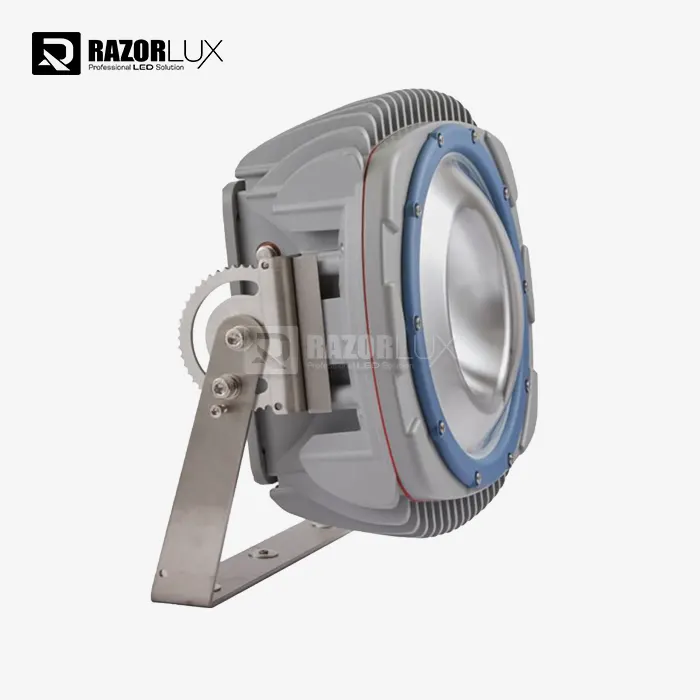
- Mounting and Orientation Flexibility: Standard yoke mounts work well for most uses, but offshore platforms need vibration-dampening trunnion mounts, and tube installations need side-entry cable glands to keep water out. We make unique clamps out of stainless steel 316L, which is the best material for splash zones because it doesn't rust.
- Intelligent Control Integration: Lighting that is networked is becoming more and more important in modern factories. DALI (Digital Addressable Lighting Interface) and DMX standards let you handle each light fixture individually, dim lights based on usage, and connect them to building management systems. By setting the lights to gradually dim during times of low activity and instantly going full brightness when motion sensors detected people, a logistics center implementation saved an extra 42% of energy.
- Specialized Optical Distributions: For example, container terminals need exact horizontal light distribution to keep crane workers from getting too much glare. Mining haul roads, on the other hand, need asymmetric Industrial LED flood lights outdoor patterns to light up the road surface without blinding drivers of cars coming the other way. We make unique reflector shapes based on photometric models of how your place is laid out.
- Environmental Adaptations: Chemical processing plants ask for parts with extra conformal protection on the circuit boards to protect them from corrosive vapor exposure. Facilities in areas that are prone to hurricanes ask for polycarbonate glasses that can withstand contact and have been tested to 200 mph wind-borne debris standards. These changes stop problems in the field that regular goods can't handle.
Sample Testing Protocols That Reduce Deployment Risk
Companies that don't want to take risks use staged rollout methods, which start with evaluating samples. We suggest taking this organized approach:
- Phase 1 – Laboratory Verification (2-3 weeks): Technical staff measures the real light output, compares beam patterns to released IES files, tests the lowering feature, and makes sure power consumption matches requirements. Thermal imaging during long-term use proves that heat removal works as planned.
- Phase 2 – Limited Field Trial (90-180 days): Put 3–5 fixtures in typical harsh-environment spots, like dock areas that are open to the elements, high-temperature areas, or places with a lot of shaking. Write down how it works in real-world situations, like how it starts up in cold weather, how well it keeps optical surfaces clean, and how stable it is during storms or machine operations.
- Phase 3 – Technical Evaluation Review: Compare data from field tests with current technology and goods that are being considered as alternatives. Look at the work that needs to be done, write down any problems or drops in performance, and use submetered measurements to figure out how much energy is actually being used.
This orderly approach helped a Malaysian shipyard find problems that would have been expensive to fix after the full launch. During their field test, they found that a rival fixture's IP67 rating didn't hold up under the pressure washing that they normally use in their paint preparation areas. However, our upgraded IP67 standard with stronger cable glands kept all water out.
Installation Best Practices: Maximizing Performance and Safety
Electrical Infrastructure Requirements
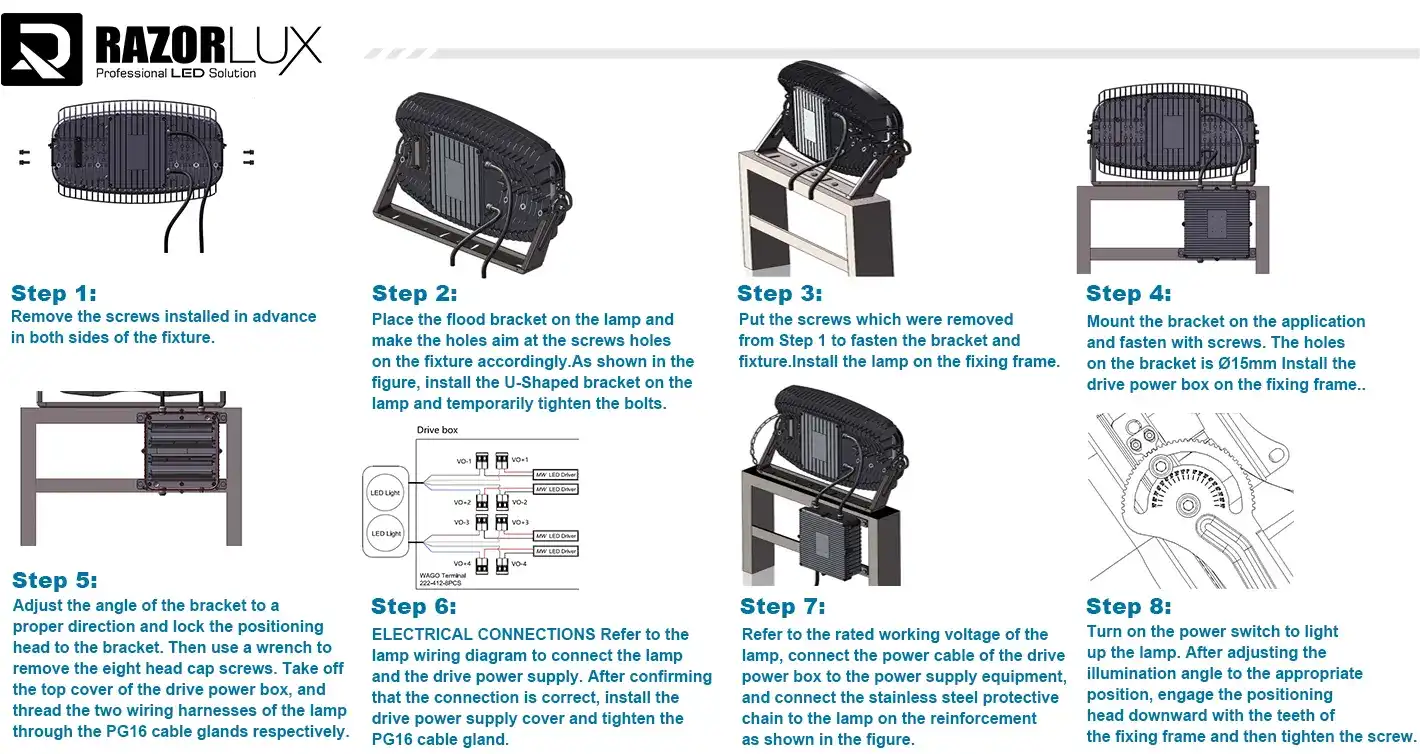
Installing high-wattage LEDs needs careful planning of the electricity. At 230VAC, our 1000W light uses about 4.4 amps, which means that four lamps can safely be connected to a 20-amp circuit, which is 80% of the legal limit. In big buildings, figuring out the voltage drop is very important. For example, a 150-meter wire run needs at least 4mm² copper lines to keep the voltage at the fixture within ±5%. Undersized wire leads to brownouts, which lower light output and shorten the life of LEDs by putting them under a lot of heat stress.
Mounting Height and Spacing Calculations
Photometric design software figures out the best pole heights and bulb spacing to reach the desired amount of light. As a general rule, 1000W fixtures placed 12 to 15 meters above the ground at a 40° beam angle form 25 to 30 meter spacing patterns that provide 30 to 50 lux of average illumination, which is good for industrial yards and parking lots. For high-security areas or precise work areas that need 100+ lux, you may need 15-20 meter space or extra lower-mounted lights. Glare control keeps workers' eyes safe and stops accidents from happening. When putting up fixtures, think about how people usually see things: crane workers looking down, truck drivers scanning horizontally, and people walking below. According to EN 12464 guidelines, glare levels measured by the Unified Glare Rating (UGR) should stay below 22 for work areas. To do this, we use exact optical control, anti-glare louvers when needed, and uneven distributions of light that hit work areas instead of visual fields.
Maintenance Access Planning
The biggest irony of "maintenance-free" LED lighting is that lights are often put in places that are hard to get to, making it harder to fix them when they need it. Smart buildings plan entry for repair workers during the installation process:
- Permanent Access Infrastructure: High-mast setups can use built-in lowering systems or fixed ladder access with safety cages that meet OSHA fall protection standards. The extra cost during building is nothing compared to the cost of renting a mobile crane for future maintenance visits.
- Documentation and Asset Tracking: Take pictures of setups to record where fixtures are placed, how they are wired, and their shooting angles. This paperwork is very helpful for emergency fixes when the original workers might not be available. We put QR code stickers on fixtures that lead to digital records with information like the date the fixture was bought, the state of the warranty, and specification sheets.
- Spare Parts Strategy: Even though they are supposed to last 50,000 hours, mechanical parts like fixing gear may need to be replaced after being hit by a car or being exposed to extreme weather. Keep extra mounting clamps, tempered glass lenses, and cable glands on hand so that you can make fixes right away without having to wait for supplies to arrive from the seller.
Future-Ready Features and Sustainability Advantages
Smart Controls and IoT Integration
Industrial lighting is moving away from Industrial LED flood lights outdoor simple on/off switches and toward smart, networked systems. Our fixtures can be controlled in several different ways, based on the needs of the operation and the level of complexity of the infrastructure:
Astronomical time clocks can set simple automatic schedules, like turning lights on at dusk and off at dawn, based on GPS locations and date calculations. This basic system gets rid of mistakes made by hand when moving and makes the runtime better.
Motion and occupancy sensors add intelligence that works well in stores and other areas that are only occasionally used. When no one is in the area, the lights dim to 20% power. As soon as someone walks into the area, the lights go up to full brightness within one second. Through occupancy-based dimming in 180,000 square meters of warehouse space, a European shipping center saves 37% more energy than the basic LED efficiency.
Environmental Responsibility and Circular Economy
Sustainability concerns affect buying choices that go beyond what is needed right now. LED technology gets rid of the mercury, lead solder, and dangerous ballast parts that make HID fixtures controlled trash that needs to be thrown away in a certain way. Our RoHS compliance approval proves that dangerous substances are limited, which makes it easier to get rid of old products and supports companies' environmental promises.
The equation for energy efficiency includes more than just practical savings. It also includes lowering your carbon footprint. Based on the average world electricity grid carbon intensity, switching 50 light fixtures to LED lights that use 60,000 kWh a year saves about 42 metric tons of CO₂ a year. Organizations that want to be carbon neutral or take part in volunteer programs to cut emissions can track the amount of emissions they don't produce and use that information to reach their environmental goals.
The longest life of a product is probably the biggest environmental benefit. HID lights need to be replaced every 6,000 to 15,000 hours, but our LED bulbs keep working at their best after more than 50,000 hours, which could mean 15-20 years of normal industrial duty cycles. This longer service life cuts down on the amount of resources used in making, pollution from transportation, and trash that is made over the whole lifetime of the product. We make fixtures with parts that can be replaced instead of sealed units. This way, the power source can be upgraded, and the optics can be fixed, which extends the actual service life beyond what was originally planned.
Emerging Technologies on the Procurement Horizon
Keeping up with new technologies helps buying managers make smart choices that balance what they need now with what they can do in the future:
- UV-C Disinfection Integration: Fixtures with germ-killing UV-C LEDs meet biosecurity needs in situations involving food preparation, drug production, and public health. These systems have two purposes: they light up the area and keep it clean by using special optical holes that keep people from being exposed to UV rays that could be dangerous.
- LiFi Communication: Light Fidelity technology changes the output of LEDs at levels that can't be seen or heard, sending data through light beams. In industry, it is used for things like accurate indoor positioning for self-driving cars and safe data transfer in places that are sensitive to electromagnetic fields and have trouble with radio frequency communication.
- Horticultural Spectrum Options: Specialized spectrum distributions that optimize photosynthesis, usually mixing 450nm blue and 660nm red peaks, are helpful for facilities that use vertical farming or controlled environment agriculture. Even though it's still a niche market, worries about food security and local output trends point to more manufacturing facilities working together in the future.
- Adaptive Optics: Research samples show LED arrays with electronically controlled beam shaping that change the light distribution based on real-time practical needs. This way, light is focused on areas that need it most and dimmed in areas that aren't being used, all without the need for mechanical aiming adjustments.
Performance Data: Real-World Installation Results
| Application Environment | Installation Details | Measured Performance Outcomes |
|---|---|---|
| Offshore Platform (North Sea) | 42 lights, 1000W, IP67, 5700K, 25m mast height | Three years of use: no breakdowns, upkeep loss of 8% lumens, 68% less energy use than the previous HID, and survived 140 km/h winds. |
| Container Port (Singapore) | 156 lights, 800W, IP65, 4000K, 18m pole spacing | Average of 45 lux achieved (target 40 lux), 16-month payback time, and 41% less yearly upkeep man-hours |
| Steel Mill Yard (Russia) | 89 lights, each 1000W, IP67, rated for -40°C, 5700K | It works in -38°C winters, starts up instantly, and has a 0.3% failure rate over 30 months. Replaced a 400W HID system. |
| Shipyard Dry Dock (Australia) | 34 lights, 1000W, IK10, stainless steel brackets | After two years, it had been pressure-washed, used a crane, and been in place for more than 100 hours a week without any technical damage. |
Conclusion
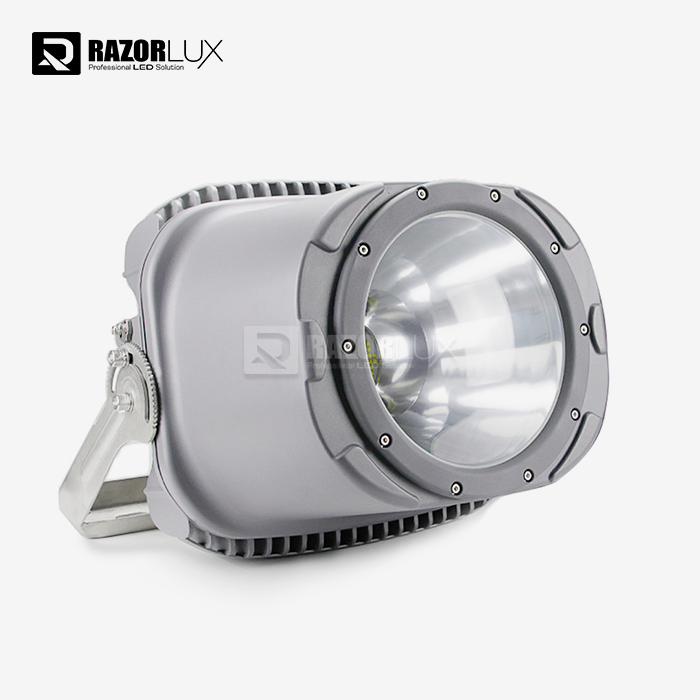
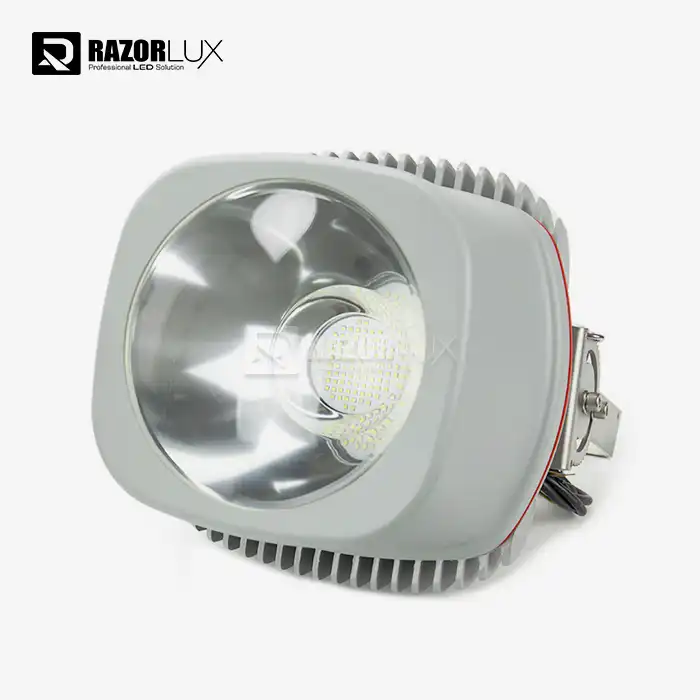
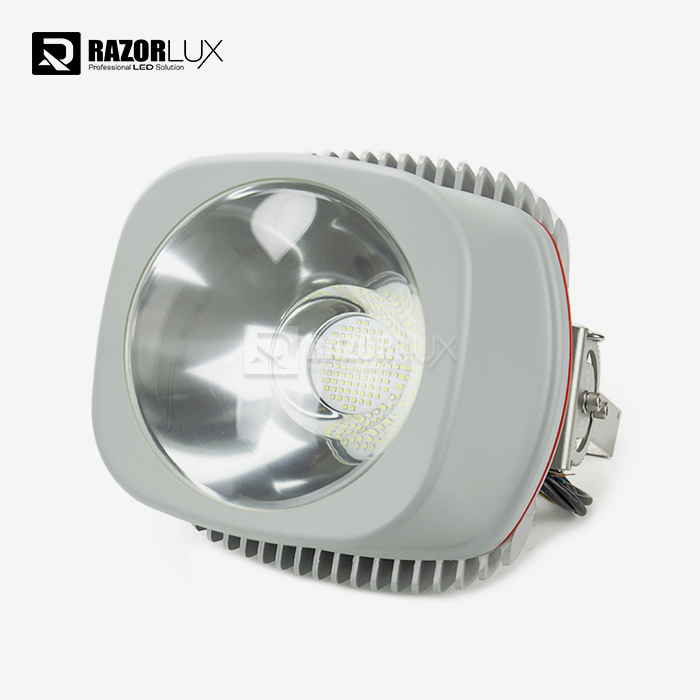
When choosing Industrial Led Flood Lights Outdoor for tough outdoor settings, you need to look at more than just the basic specs. A good procurement strategy weighs the initial investment against the total cost of ownership over time, gives more weight to proven dependability over small price benefits, and works with sellers who can show they have technical knowledge and good manufacturing practices. This philosophy is reflected in the 1000W RGL-1000A platform we designed, which has 130 lm/W efficiency, IP67/IK10 safety, international voltage flexibility, and Meanwell power supplies that have been fully certified to meet global marine and industrial standards. When fixtures light up important tasks around the clock on offshore platforms, shipping ports, and in heavy industry, design decisions have long-term effects on safety, productivity, and finances.
FAQ
1. Can LED flood lights really handle the harsh conditions of the ocean?
Marine-grade Industrial LED Flood Lights Outdoor that are built with the right corrosion protection can withstand the hard conditions of the sea. Our marine-grade metal housings with powder coating are marked IP67 and have been tested for 3,000 hours with salt spray according to ASTM B117 standards. This is the same level of qualification needed for equipment used on offshore platforms. Installations in North Sea offshore platforms and tropical container ports show that devices with stainless steel hardware and sealed cable entry systems that keep moisture out have worked for years without any corrosion-related problems.
2. What's the actual lifespan in continuous industrial operation?
When figuring out how long an LED will last, manufacturers use L70 measures, which are the number of hours until the light output drops to 70% of its original brightness. Quality industrial fixtures last 50,000 hours or more L70, which is more than 11 years of constant work 24 hours a day, seven days a week, or 15 to 20 years of a normal 12-hour daily job rounds. In real life, performance depends a lot on how well thermal management is done. Fixtures that keep LED junction temperatures below 85°C with proper heat sinking achieve the stated lifespan, while bad thermal design speeds up degradation by a huge amount.
3. How do I pick the best beam angle?
The beam angle you choose depends on how high you want to put it and how much area you need. Narrow 40° beams work best for high-mast uses (20–30 meters) because they focus light over a long distance. On the other hand, 120° wide beams work best for lower mounting heights (8–12 meters) because they cover a larger area. Asymmetric patterns (140°x60°) work best for straight uses like roads and ship decks. Before you decide on a beam angle, you should use photometric modeling with IES files and your site's layout to figure out the real amounts of illumination.
Partner with Razorlux for Industrial LED Flood Lights Outdoor Solutions
Razorlux has been making Industrial Led Flood Lights Outdoor for more than 20 years and has designed lighting solutions that work when others don't. Our RGL-1000A platform provides stable lighting with 130,000 lumens through Arctic winters and tropical typhoons. It is protected against water ingress with IP67 and has an impact strength of IK10. It also has several foreign standards, such as UL, CE, DNV/GL, and ABS marine approvals. Quality means more than just meeting specifications on paper. It means three years of trouble-free operation on an offshore platform, no corrosion problems in salt spray environments, and 78% less money spent on maintenance compared to old HID systems. This is why shipyard purchasing managers, offshore platform operators, and port facility engineers always choose our fixtures. For your next project, email our technical team at sam@razorlux.com to get application-specific photometric design, sample test programs, and bulk prices. We offer full support from design to installation, making sure that your important industrial processes always have safe, effective lighting, even when the weather is bad.
References
1. Illuminating Engineering Society, "Recommended Practice for Outdoor Environment Lighting," IES RP-33-14, New York, 2014.
2. International Electrotechnical Commission, "Degrees of Protection Provided by Enclosures (IP Code)," IEC 60529:2013, Geneva, Switzerland.
3. U.S. Department of Energy, "LED Luminaire Lifetime: Recommendations for Testing and Reporting," Third Edition, 2017.
4. Marine Equipment Trade Association, "Specification for LED Marine Deck Lighting Systems," Technical Standard ML-01, London, 2019.
5. American Petroleum Institute, "Recommended Practice for Classification of Locations for Electrical Installations at Petroleum Facilities," API RP 500, Washington DC, 2018.
6. Norwegian Maritime Authority, "Guidelines for Offshore Installation Lighting Systems Performance in Arctic Conditions," Technical Bulletin 2020-08, Haugesund, Norway, 2020.