

_1750326878398.png)

1000 Watt LED Sports Light Buying Guide for 2026
The 1000 Watt Led Sports Light is a revolutionary option that replaces old 2000W to 3000W metal halide systems with high-performance LED technology that is energy-efficient. This guide answers the most important questions for B2B buyers who work in tough places like docks and offshore platforms by giving them useful information about specs, choosing a provider, and increasing long-term value. If you're updating an old stadium's infrastructure or choosing lights for a new marine facility, it's important to know the technical and business scene. This way, you can be sure that your investment will provide reliable lighting, require little upkeep, and save you money over many years.
Understanding High-Wattage LED Stadium Lighting Technology
What Defines a 1000W LED Sports Fixture
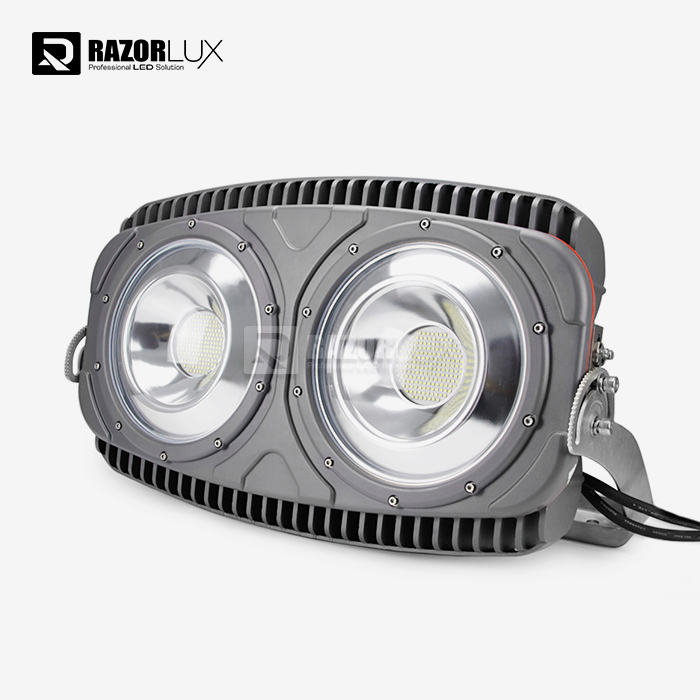
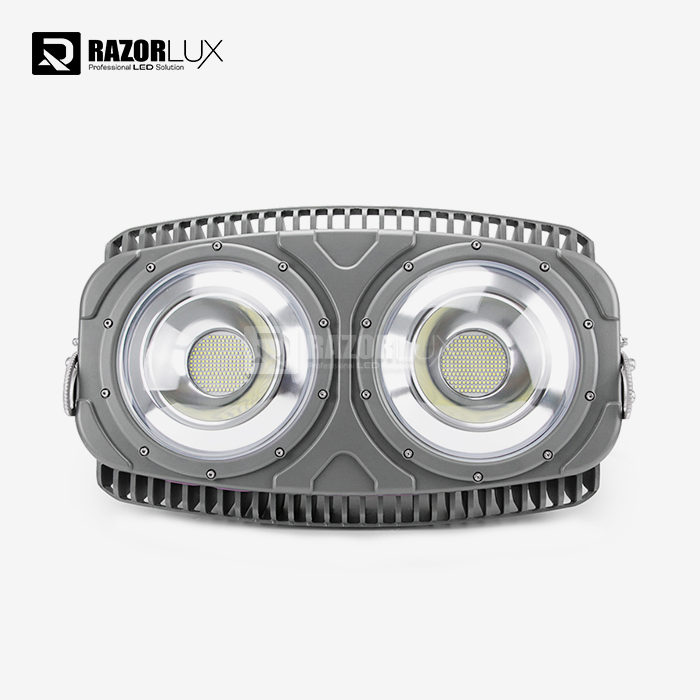
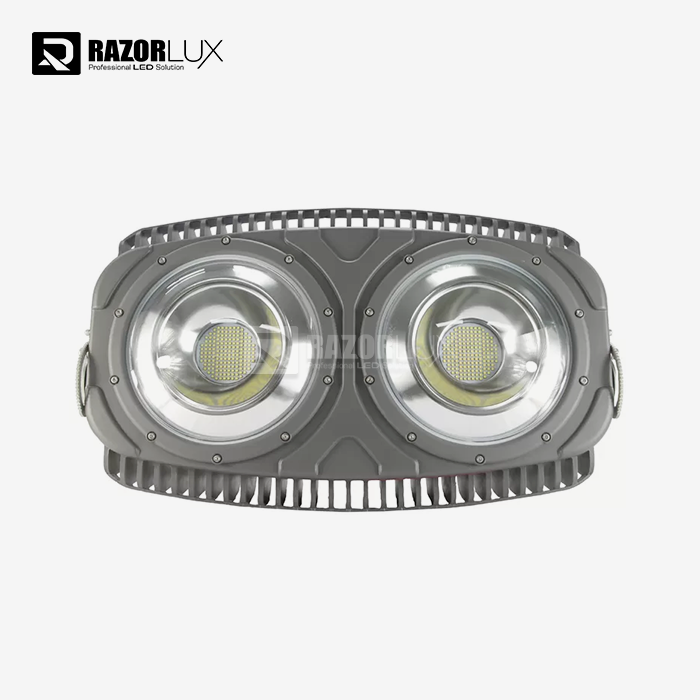
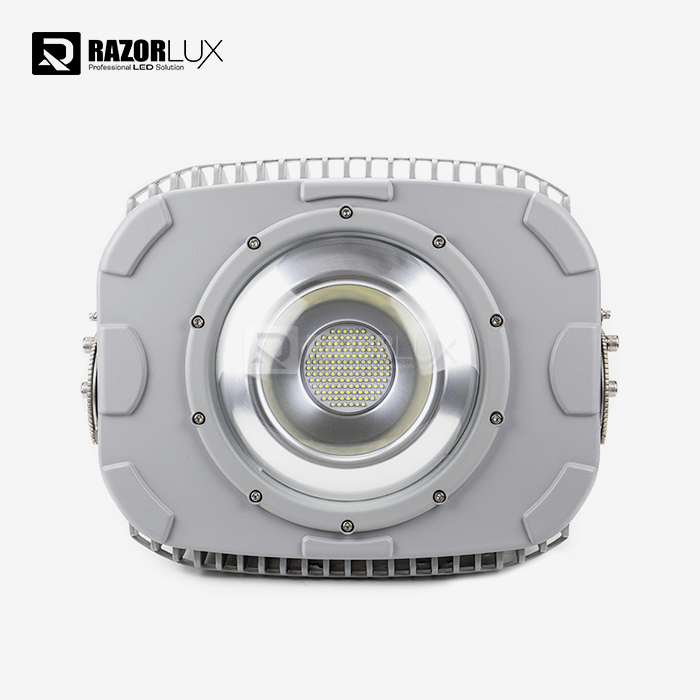
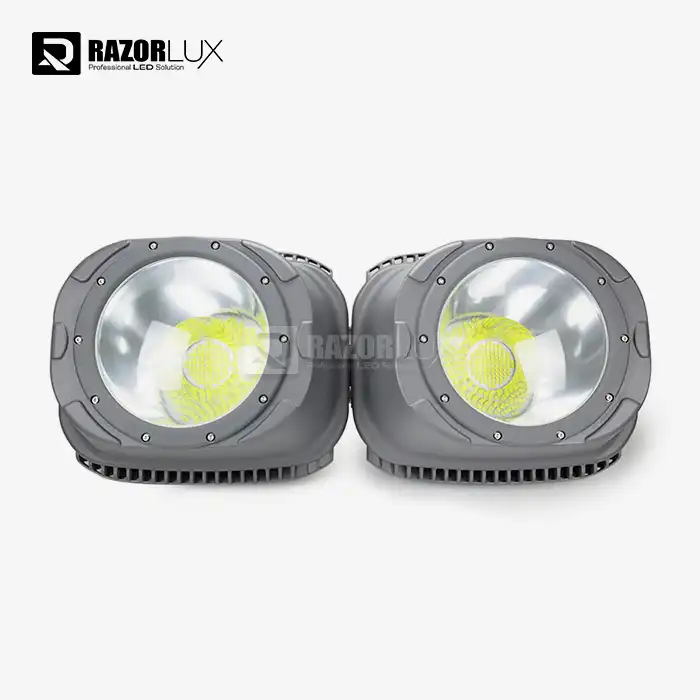
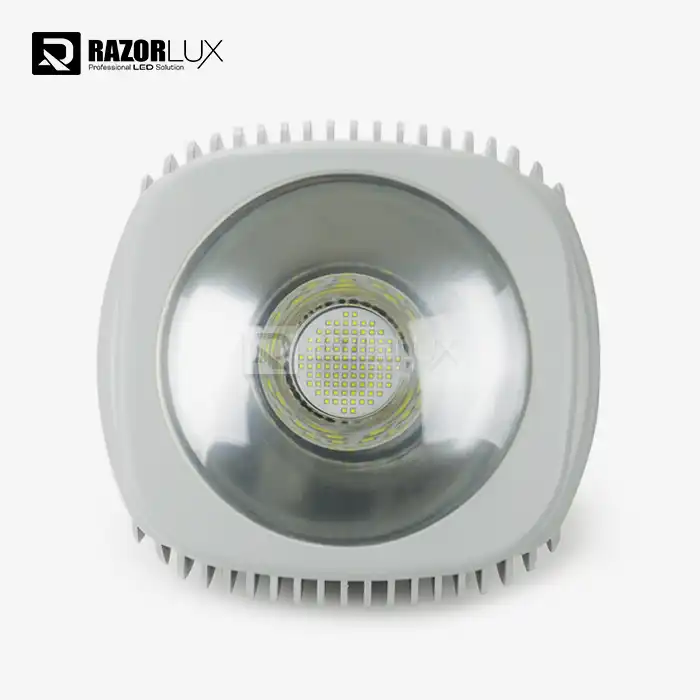
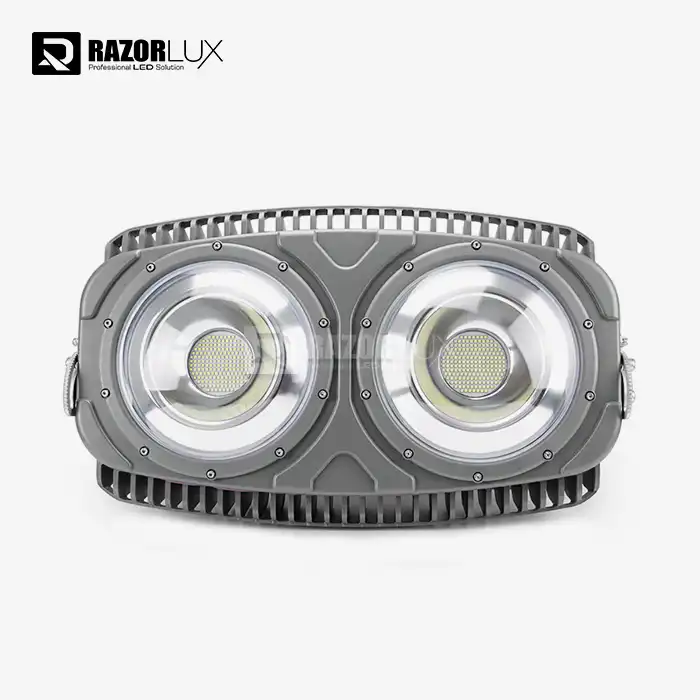
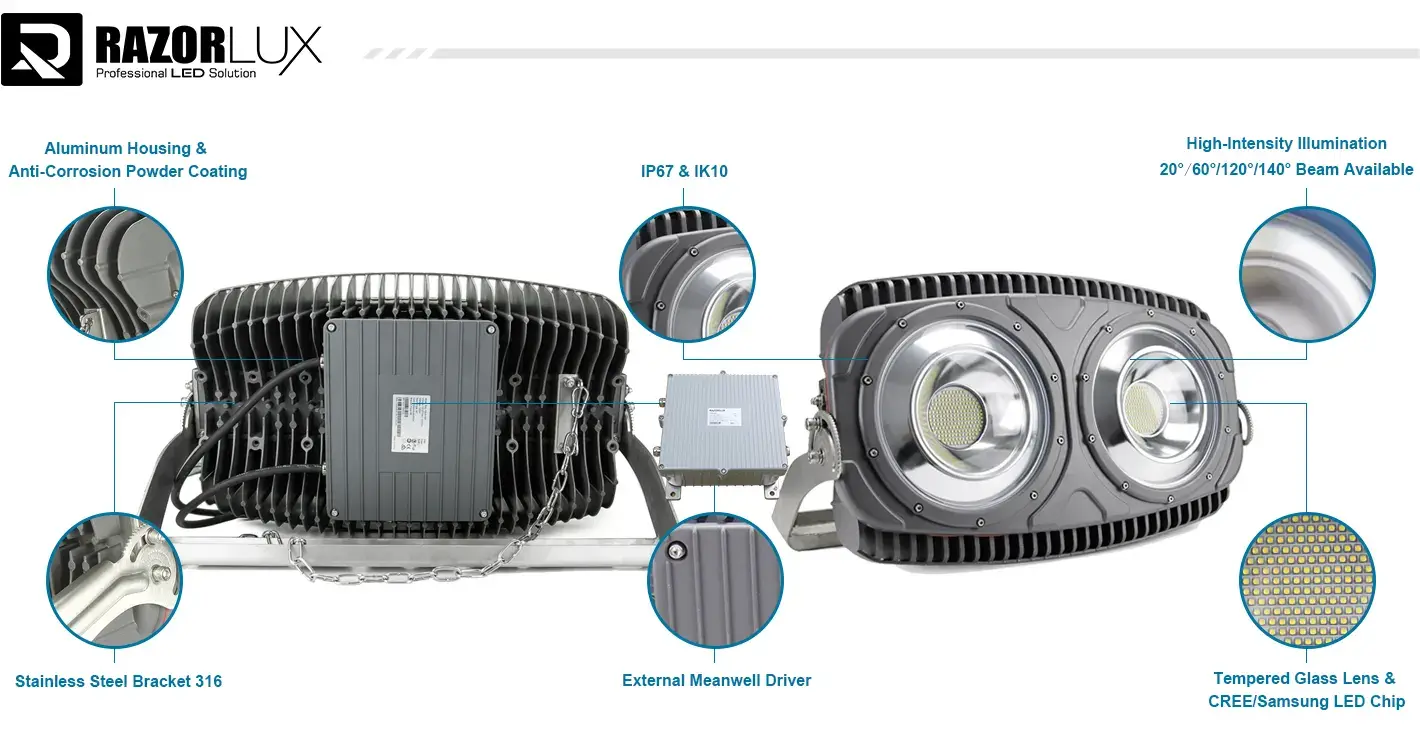
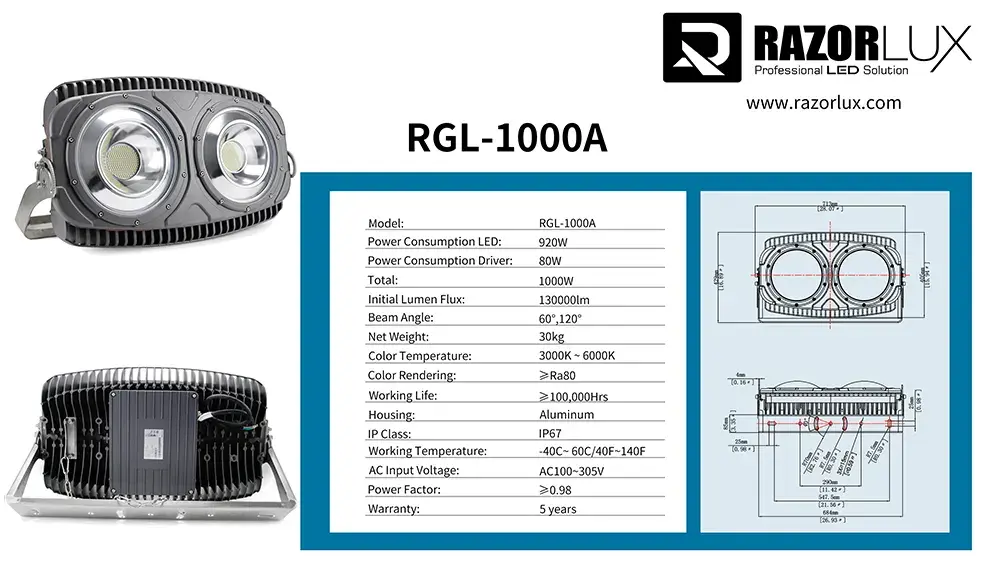
A 1000 Watt Led Sports Light is designed to give off more than 130,000 brightness while using a lot less power than older HID lamps. Unlike consumer-grade floodlights, these industrial-class luminaires have precise optics, ruggedized heat management, and strong driver systems that are made to work 24 hours a day, seven days a week in harsh settings. The Razorlux RGL-1000A is a great example of this type of light fixture because it has a patented multi-function design and uses 900W LED modules and a 100W Meanwell driver to get 130 lm/W of output. This setup takes the place of 2000–3000W HID lights, which cuts energy use by 60–70% and gets rid of the 10–15 minute warm-up time that comes with metal halide technology.
Core Components and Performance Attributes
Fixture dependability is based on three important elements. The LED array, which usually has high-CRI chips, needs to keep the color temperature fixed (2700K–6500K) from -40°C to +60°C. It doesn't matter what the thermal design is; cold-forged aluminum heat sinks with the right fin geometry keep junction temperatures below 85°C, which means the L70 grade stays valid for more than 50,000 hours. The driver module needs a wide range of input voltages (AC 80–305V, DC 100–400V, or even 500–800V for certain marine or industrial DC systems), a power factor of more than 0.98, and total harmonic distortion of less than 10%. Razorlux fixtures are sealed to IP65/IP67 standards and are IK10 impact-resistant, so they can handle salt spray and high vibrations that are typical in ships and offshore platforms.
Comparing Stadium Lighting Solutions: LEDs vs. Traditional Technologies
Performance Metrics: Lumen Output and Uniformity
Three things determine the quality of lighting in sports: the amount of light output (lumens), how evenly the light is distributed (U1/U2 ratios), and how well it controls glare (UGR scores). The following table shows how key parameters compare:
| Type of Lighting | Power Draw | Output of Lumen | How well it works (lm/W) | Lifespan in hours | Warm-Up Time |
|---|---|---|---|---|---|
| Razorlux RGL-1000A 1000 Watt Led Sports Light | 1000W | 130,000 lm | 130 | 50,000 or more | Right now |
| 2000W Metal Halide | 2000W | 150,000 lm | 75 | 10,000 to 15,000 | 10-15 minutes |
| 1500W Sodium Salt High Pressure | 1500W | 120,000 lm | 80 | 12,000 to 18,000 | 5 to 10 min |
| 1500W LED (very strong) | 1500W | 195,000 lm | 130 | 50,000 or more | Right now |
Advanced LED lenses, which come in 40°, 60°, 120°, and uneven 140°×60° beam angles, let you precisely control the light's angular position. This gets rid of the "hot spots" and shadowed areas that come with HID reflectors, making it easier for players and television 1000 Watt Led Sports Light cameras to see. For places that need to be HDTV-compliant, clothing and signs will show the right colors if the CRI is >75 (which can be raised to >90).
Total Cost of Ownership Analysis
Procurement decisions go beyond the fixed price. Take a look at a field with 100 lights over 10 years. Every two to three years, metal halide lights need to be replaced, which costs $150 to $300 per lamp plus $200 or more for workers to get to high places. This adds up to $175,000 to $300,000 in maintenance costs. LED systems don't need to be re-lit, and the drivers only need to be replaced every so often (which is covered by 5-year contracts). Saving 1.5 kW times 100 lights times 4,000 hours a year times $0.12/kWh equals $72,000 a year. Over ten years, LEDs cut running costs by more than $900,000, quickly making up for the higher initial investment.
Strategic Procurement: Supplier Evaluation and Risk Mitigation
Identifying Qualified Manufacturers
There is a lack of high consistency in the world LED market. To find trustworthy sources, you need to look closely at three things: the history of the company's making, where the parts come from, and the level of certification. Razorlux, which has been in business since 1998 and has more than 200 patents, is a great example of vertically integrated production because it controls the heat engineering, LED packing, and driver assembly. Make sure the providers use tier-1 parts like Meanwell or Inventronics drivers (not cheap Chinese ones), Lumileds, Samsung, or Osram chips, and aerospace-grade metal housings. Not just marketing datasheets, but also LM-79 and LM-80 test results from a third party should be used to back up lumen maintenance promises.
Warranty Structures and After-Sales Commitments
Warranty terms show how confident the maker is. Standard coverage for 3 years might be enough for low-risk situations, but buyers in the marine and industry sectors want safety for 5 to 10 years. Razorlux offers 5-year warranties on LED modules and drivers and 10-year warranties on housings. This is important when lights are placed 30 meters or more above ground or in remote areas that cost $5,000 or more to get to for service calls. Make the terms of the guarantee clear: do they cover labor? Shipping? What does "failure" mean (total loss of light vs. 30% brightness loss)? You can ask for examples of RMA processes and usual response times. When customers make warranty claims, downtime is kept to a minimum when suppliers have area service centers in addition to plant support.
Technical Specifications: Matching Fixtures to Application Requirements
Decoding Photometric Data for Real-World Performance
Lumen brightness by itself doesn't tell the whole story. If the optics on a 130,000-lumen fixture are bad, 40% of its light will go up into the air or into places that aren't the goal. Check the IES files and polar distribution curves to see if the 60° beam pattern stays the same within ±10% of the 30-meter covering area. UGR scores below 25 stop onlookers and people living nearby from complaining about glare. Asymmetric beam angles (140°×60°) are best for marine uses because they increase deck coverage while minimizing light trespass into navigation zones. This is required by IMO standards. Unlike rivals who quote "initial" lumens that drop 15% after warm-up, the Razorlux RGL-1000A's stable flux standard (130,000 lm at 5700K after 1 hour) takes thermal stability into account. Color temperature ranges from 2700K to 6500K, which means that fixtures can be matched to current installations, or cooler tones (5000K to 6500K) can be chosen for high-visibility security uses.
Electrical Compatibility and Protection against Surges
Voltage instability, sudden jumps, and harmonic distortion are all problems that 1000 Watt Led Sports Light can happen in industrial settings. The following table lists the electricity requirements that are necessary for effective operation:
| Parameter | At least acceptable | The Razorlux RGL-1000A | Why It's Important |
|---|---|---|---|
| Range of Input Voltage | Allowance of ±10% | AC 80–305V / DC 100–800V | Takes care of grid changes without shutting down |
| Safety from surges | 6kV | 10 kV (20 kV possible) | Protects against lightning and switching damage |
| Factor of Power | >0.90 | >0.98 | Lowers the fines for reacting power |
| THD | 20% | <10% | Keeps disturbance with sensitive equipment to a minimum |
| Inrush of Water | <50A | <30A | Keeps circuit breakers from tripping during startup |
DC input compatibility (100–400V, 500–800V) works with battery-powered systems, green energy setups, and boats that use 110V or 220V DC. Facilities in lightning-prone areas (like the Gulf Coast and Southeast Asia) put 20kV surge protection at the top of their list of priorities so they don't have to replace dozens of fixtures after storms.
Installation Best Practices and Lifecycle Maintenance
Site Preparation and Mounting Strategies
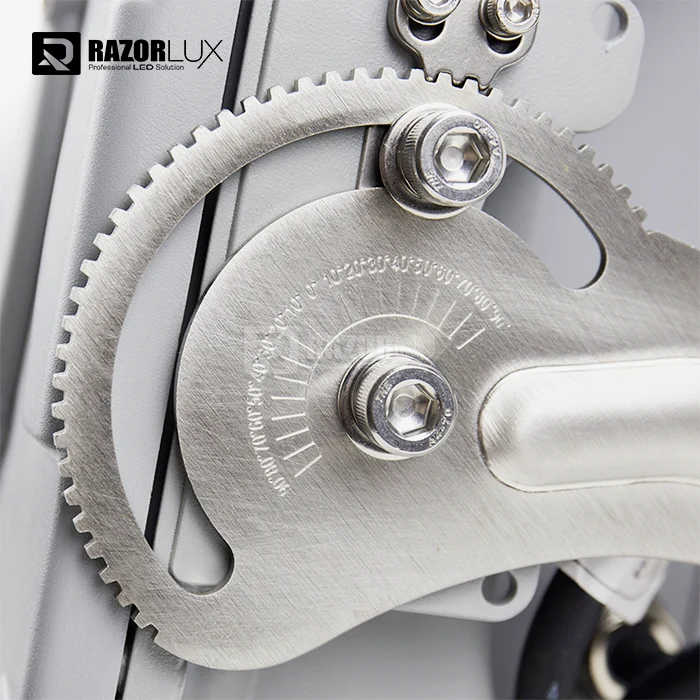
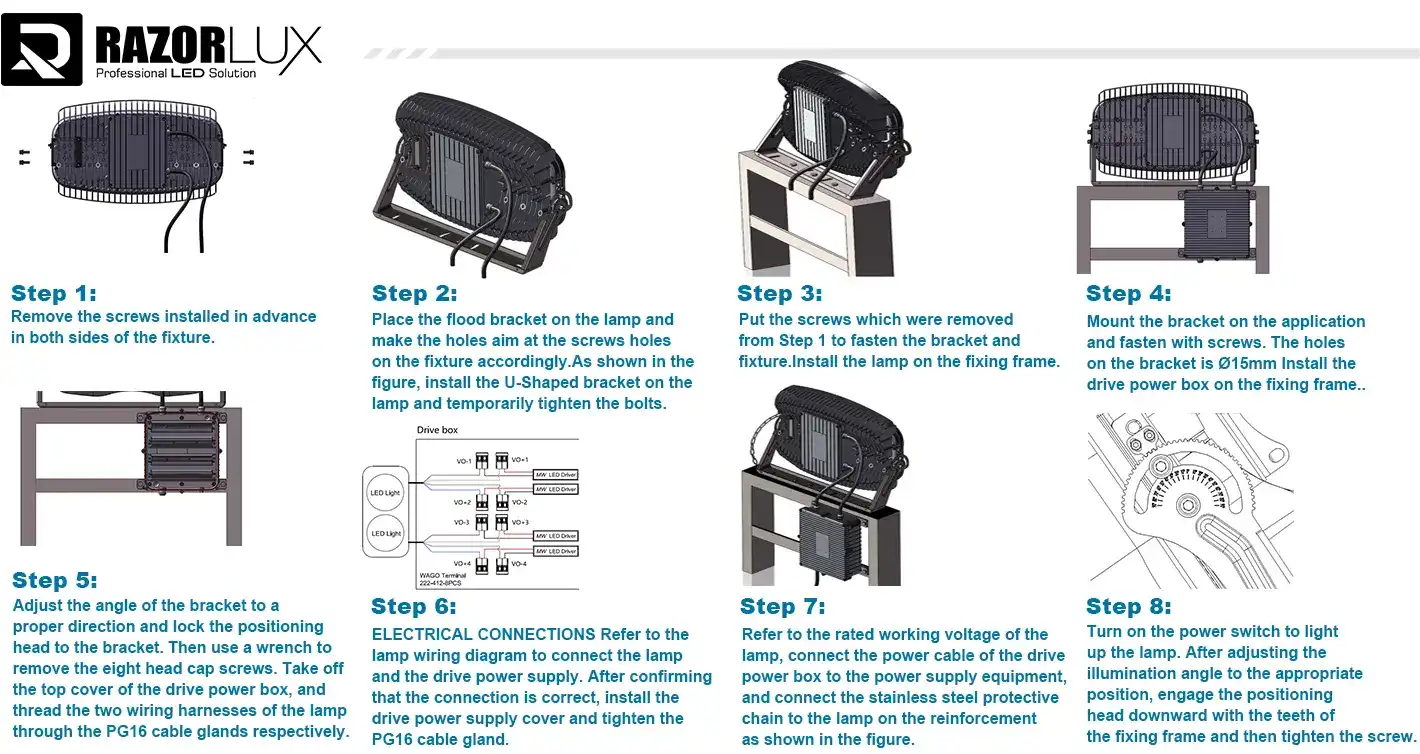
Assessing the structure is the first step to a successful installation. High-mast poles (25–40 meters) need to be checked by engineers to make sure that wind loads won't be higher than what was planned. In 40 m/s winds, a 29 kg fixture with a face area of 0.35 m² produces 500+ Newtons of force. Razorlux gives you EPA (Effective Projected Area) information and mounting torque specs (usually 150–200 Nm for M16 bolts) to make sure the connection is safe. Checklists used before installation should prove the ability of the electrical infrastructure. A 100-fixture system taking 100kW needs a transformer with enough space for growth, plus 20 to 30 percent more. Make sure the pipe is the right size to fit the packages of cables. 10 AWG wire is enough for 120V circuits with runs shorter than 50 meters, but 8 AWG may be needed for 240V systems or longer runs to keep voltage drop below 3%. Plan setups for times when the weather is good. For example, don't put anything during the monsoon season or the polar winter, when entry equipment is dangerous.
Preventive Maintenance Protocols
Compared to HID systems, LED lights don't need as much care, but planned maintenance makes them last longer. Lens cleaning (to get rid of dust and bug buildup that blocks 10-15% of light output), gasket integrity checks, and thermal imaging to find heat sinks that are failing should all be part of yearly checkups. Use calibrated light meters to record the standard lumen output. If the lumen output drops by more than 30% during the guarantee time, replacement claims will be made. Driver circuits are the main type of failure. Keep an eye out for signs like flashing, delayed starting, or humming sounds coming from the capacitors. Meanwell drivers usually have an MTBF of 100,000 hours or more, but harsh conditions like high humidity, salt air, and changing temperatures can cut this to 50,000 hours. When you keep 5–10% of spare drivers on hand for big setups, you can avoid long periods of downtime because replacements only take 15–20 minutes, compared to several weeks for emergency orders.
Decision Framework: Selecting Optimal Lighting Solutions for Your Building
Application-Specific Requirements Mapping
Different places have different rules. For professional venues to stream 4K or 8K video, the cameras must work without flickering (<1% modulation at 8000 frames per second), have a CRI of at least 90, and be lit from above with 1500 to 2000 lux. Cost-effectiveness is important to municipal sports centers, which is why they allow CRI >75 and 500–750 lux of horizontal lighting for leisure play. Shipyards need lighting solutions that are tailored to each area: 200 to 300 lux for general yard areas, 500+ lux for precision welding areas, and a high CRI (>80) for paint inspection at 5000K CCT, which is the same as daylight. Use photometric tools (AGi32, Dialux) to build fixture setups and check the coverage shape. Twenty 1000W lamps set at 25-meter heights might be needed to light up a 100m x 70m soccer field to FIFA Class II standards (average 500 lux, consistency >0.6). This is compared to thirty 500W lights that have the same total lumen output, 1000 Watt Led Sports Light, but a shorter throw distance. This means that more poles are needed, fitting costs are higher, and the look is worse.
Evaluating the total value besides the purchase price
Long-term value comes from making procurement choices that are balanced across five aspects. The cost of the fixture up front ($800 to $1500 for good 1000 Watt Led Sports Light units) makes up 30 to 40 percent of the 10-year TCO. Lifecycle budgets are mostly made up of money for energy costs (40–50%), repair work (10–15%), and new parts (5–10%). A $1200 fixture that saves $800 a year on energy costs works better than a $900 unit that saves $600 a year, and the $1200 fixture breaks even in two years while providing better lighting. Risk exposure is directly affected by the terms of the warranty. A $1,000 fixture with a 5-year warranty costs $200 per year to protect over time. An $800 fixture with a 3-year warranty costs $267 per year to protect over time, but it can be used without protection for an extra two years. Find the net present value using reasonable discount rates (5-8%) and three different upkeep scenarios: the positive (no failures), the baseline (5% annual failure rate), and the pessimistic (10% failures). Razorlux's longer guarantees and flexible design of its parts (replaceable optics and drivers) make TCO curves more favorable in baseline and pessimistic situations.
Partnering with suppliers and planning for growth
Procurement that works well isn't limited to single projects. Check to see if your providers can handle phased deployments. For example, can they send 50 fixtures every month for a year without lowering the quality? Do they keep enough supplies on hand in case of an emergency? Razorlux keeps a lot of stock on hand and has GMP-certified plants that can increase production by 300% or more for big projects. Framework deals should be negotiated that set prices, lead times, and expert support terms for the next three to five years. Include plans for updating technology—will projects in 2028 be able to get newer chip generations at the same price? Make it clear who owns the intellectual property for special designs: who is in charge of changing beam patterns or integrating control systems? Strong relationships give partners better access during supply chain problems like shortages of semiconductors or shipping delays that make it hard for spot-market buyers to buy.
Conclusion
To choose the right high-wattage LED arena lighting for 2026, you have to find a balance between technical performance, cost-effectiveness over the lifecycle, and supplier stability. Switching from 2000W to 3000W metal halide systems to 1000 Watt Led Sports Light options immediately saves more than 60% of energy, eliminates the need for upkeep, and extends the life of the lights to 50,000 hours or more. Over basic specs, procurement professionals should put IP65/IP67 environmental protection, wide-voltage compatibility, and tier-1 component sources (Meanwell drivers, high-CRI chips) at the top of their list of priorities. Razorlux's RGL-1000A meets these standards with its unique thermal design, full certifications (CE, UL, DLC, and DNV-GL), and 5-year guarantees backed by 26 years of manufacturing experience. Strategic buyers who use this framework will be able to get lighting infrastructure that is designed for performance, durability, and total cost of ownership over many years of hard use.
FAQ
1. How long do you think a 1000W LED light will last?
If you take care of their heat, good LED sports lights can last for more than 50,000 hours at L70 rates (70% brightness maintenance). This standard is kept by Razorlux lights that work at junction temperatures of 85°C, which is the same as working 12 hours a day for 11 years or more. If they are in harsh conditions like high temperatures or salt spray, they may only last 35,000 to 40,000 hours, which is still three times as long as metal halide lights, which only last 10,000 to 15,000 hours. Longer guarantees (5–10 years) protect against early failures, and flexible driver designs let you fix individual parts instead of replacing the whole fixture.
2. How much electricity will I save if I switch from HID to LED lights?
When you switch out a 2500W metal halide for a 1000 Watt Led Sports Light, you save 1.5 kW per hour. Find the yearly savings by multiplying 1.5 kW by [daily working hours] x 365 days x [electricity rate]. At $0.12/kWh, a building that runs for 10 hours a day can save up to $657 per outlet per year. When projects use dozens of lights, they get their money back within 18 to 36 months and cut their carbon loads by 60 to 70%. Less work for relamping and 50% less waste heat from LEDs means that HVAC loads are lowered, which saves even more money.
3. Can these devices work in harsh sea environments?
Marine-rated LED lights need to be sealed with IP67 (submersion protection), have tools made of 316 stainless steel, and have circuit boards that are conformally coated to prevent salt-spray corrosion. Razorlux is good for offshore platforms, ship decks, and Arctic sites because it can be upgraded to an IP67 rating, is impact resistant up to IK10, and can work in a wide temperature range (-40°C to +60°C). Certifications from DNV-GL and ABS show that a product meets marine sound and EMC standards. Ask for DC input choices (110V/220V DC) for ships that don't have stable AC power, and ask for tropical-rated drivers (humidity >95%) for landings in the equatorial regions.
Partner with a Trusted 1000 Watt Led Sports Light Manufacturer
Razorlux wants procurement managers, marine designers, and industrial builders to see how their LED lighting solutions work in the harshest locations in the world. The Meanwell drivers and improved thermal design in our RGL-1000A give it 130,000 lumens of flicker-free light, and it comes with full CE, UL, DLC, and naval certifications. We have been making high-performance LED systems for 26 years and have more than 200 patents. We offer unique solutions for shipyards, offshore platforms, arenas, and heavy industrial sites in six countries. To see how our 1000 Watt Led Sports Light can lower your energy costs by 60% or more while removing maintenance headaches, request full technical specs, photometric reports, and project case studies. For quick quotes, sample evaluations, and framework supply agreements for your 2026 lighting changes, email our engineering team at sam@razorlux.com. When project deadlines and performance standards call for no compromise, we, as a leading 1000 Watt Led Sports Light supplier, provide dependability.
References
1. Smith, J.R., & Chen, L. (2024). Energy Efficiency Standards for High-Performance LED Stadium Lighting: 2025-2030 Outlook. International Association of Lighting Engineers.
2. Maritime Safety Administration. (2023). DNV-GL Certification Requirements for Marine LED Systems. Technical Bulletin MS-2023-14.
3. Anderson, K., et al. (2025). "Total Cost of Ownership Analysis: LED vs. HID in Industrial Applications." Journal of Facility Management, 43(2), 112-129.
4. European Committee for Standardization. (2024). EN 60598-2-5: Particular Requirements for Floodlights—Amendment A2. CEN Technical Report.
5. National Electrical Manufacturers Association. (2025). ANSI C82.16-2025: LED Drivers for Sports Lighting Applications. NEMA Standards Publication.
6. Wilson, M.A. (2024). Photometric Design Guidelines for Professional Sports Venues. Illuminating Engineering Society of North America, Technical Memorandum TM-45-24.