

_1750326878398.png)

Explore Aluminum Alloy 120000lm Sports Light Construction & Uses
When exploring high-performance stadium lighting solutions, the Aluminum Alloy 120000lm Sports Light represents a breakthrough in modern illumination technology. This advanced lighting system combines precision-engineered aluminum construction with cutting-edge LED technology to deliver exceptional brightness of 120,000 lumens while maintaining energy efficiency and durability. The robust aluminum alloy housing provides superior heat dissipation and corrosion resistance, making it ideal for demanding marine, industrial, and sports facility applications where reliability cannot be compromised.
Understanding Aluminum Alloy 120000lm Sports Light: Construction and Core Features
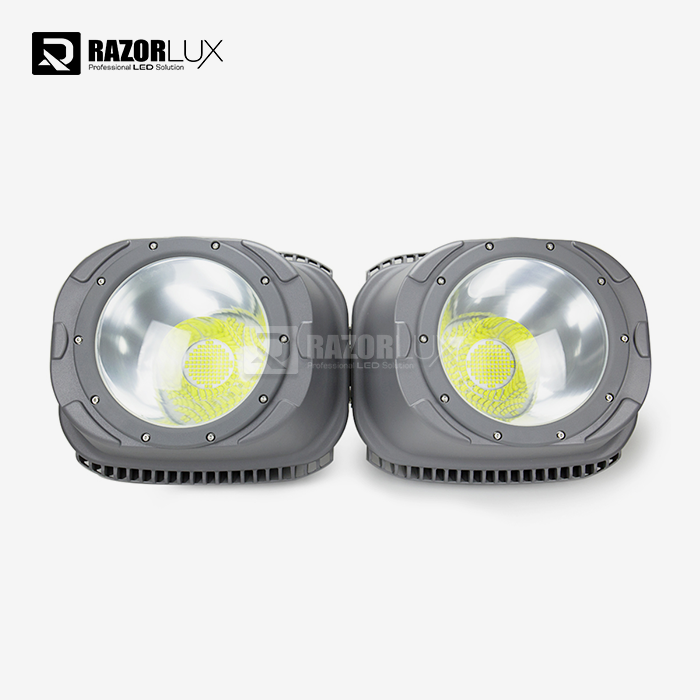
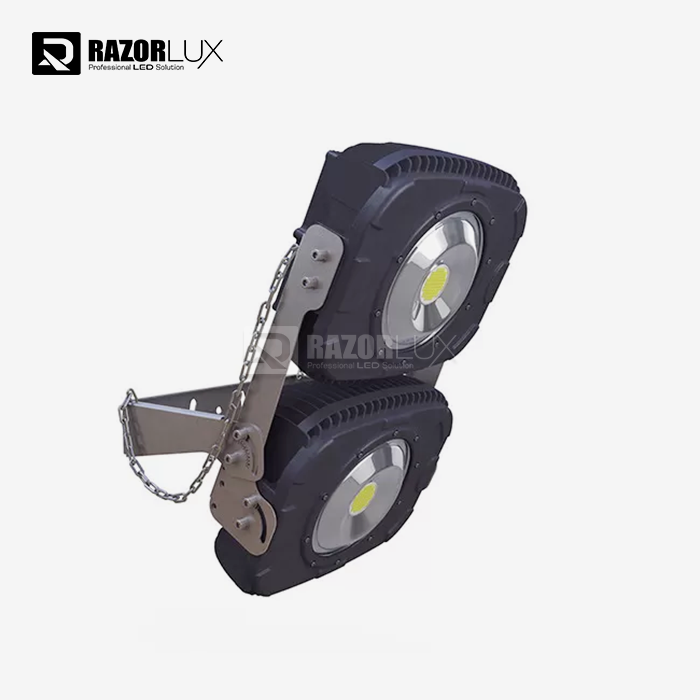
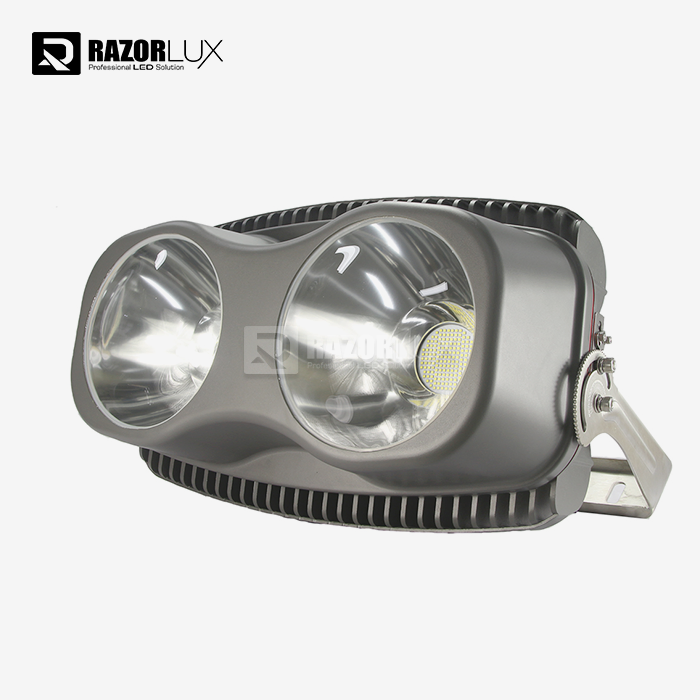
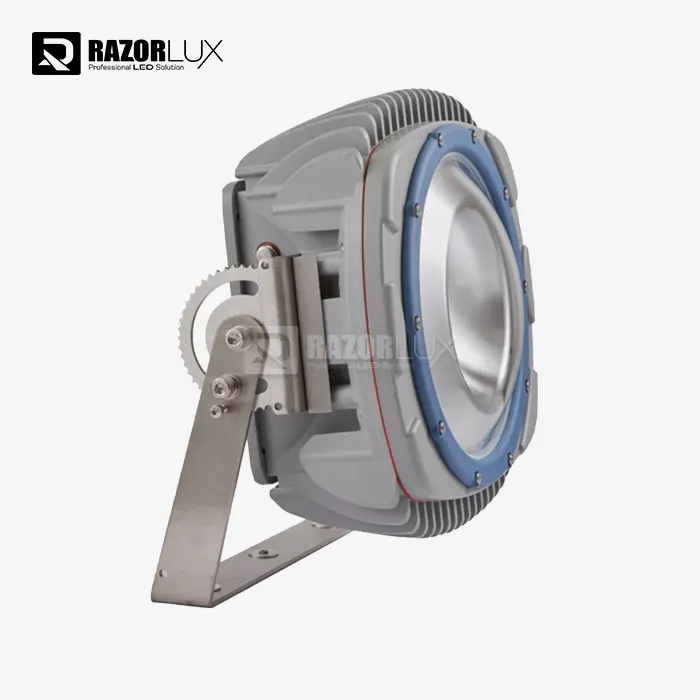
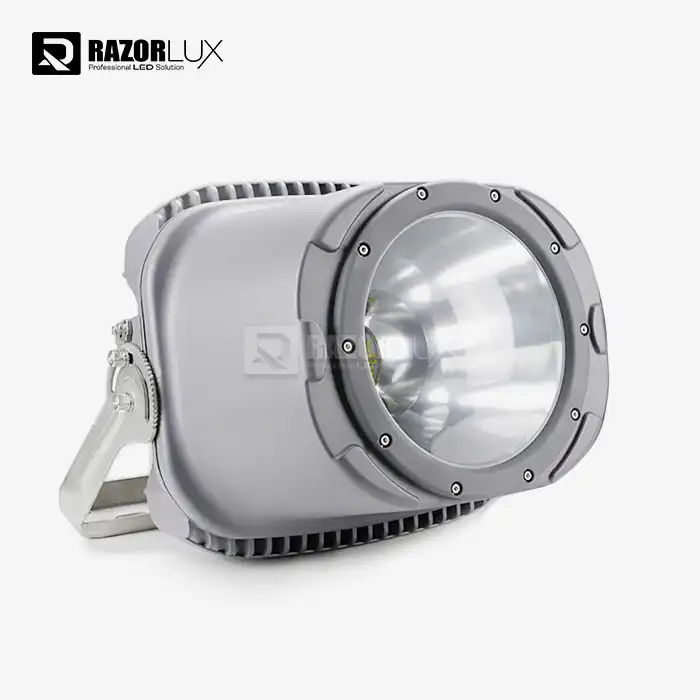
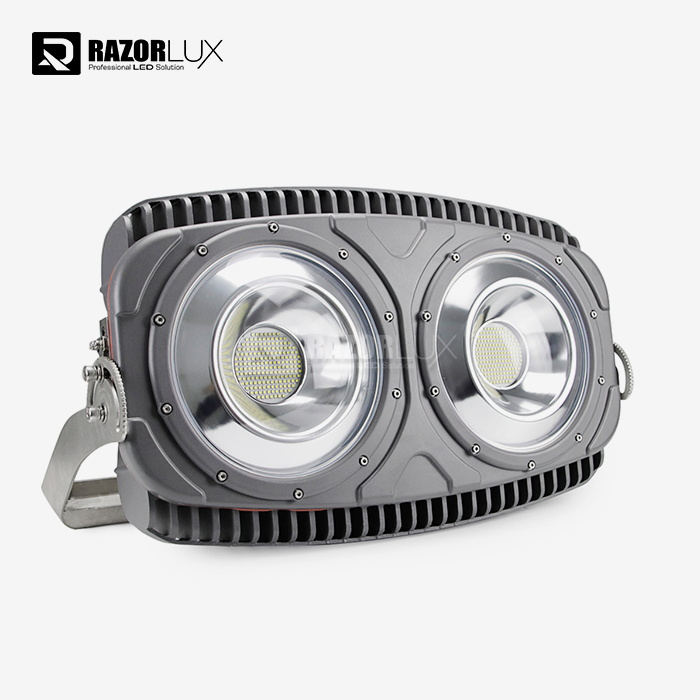
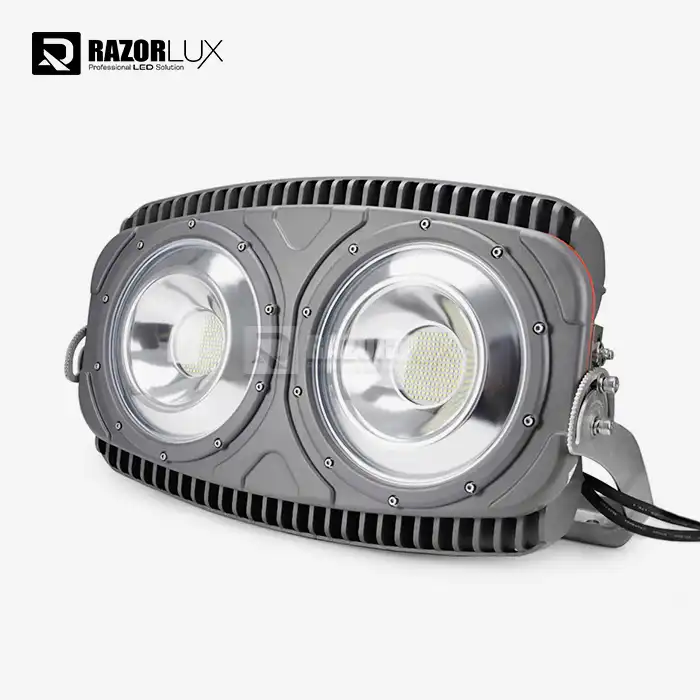
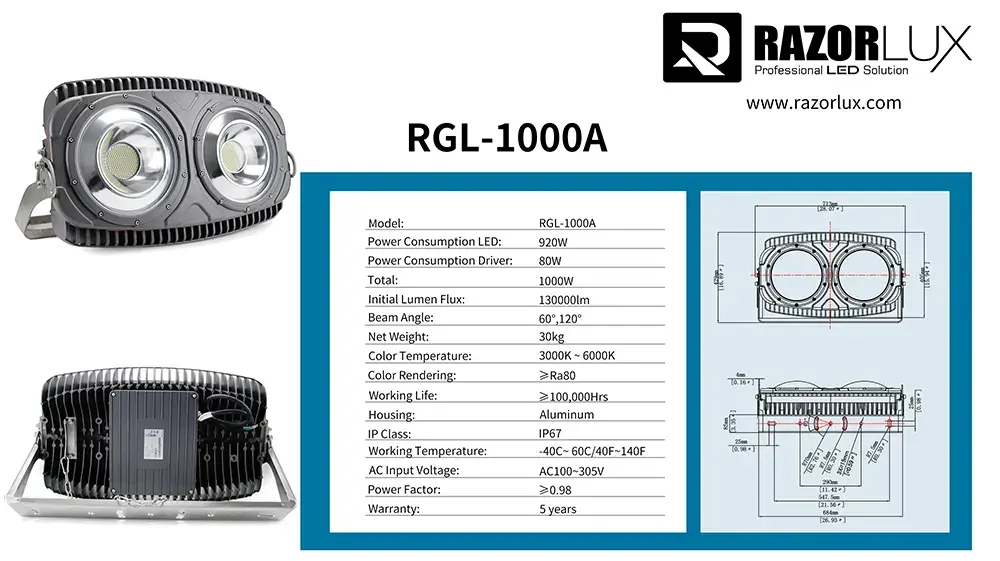
Choosing the right materials is the first step in building high-intensity stadium lighting, and aluminum alloy is the best material for professional-grade lights. As you can see, our RGL2-1000P model shows how modern metals can be used to make lighting solutions that work consistently in harsh environments.
Advanced Aluminum Alloy Housing Design
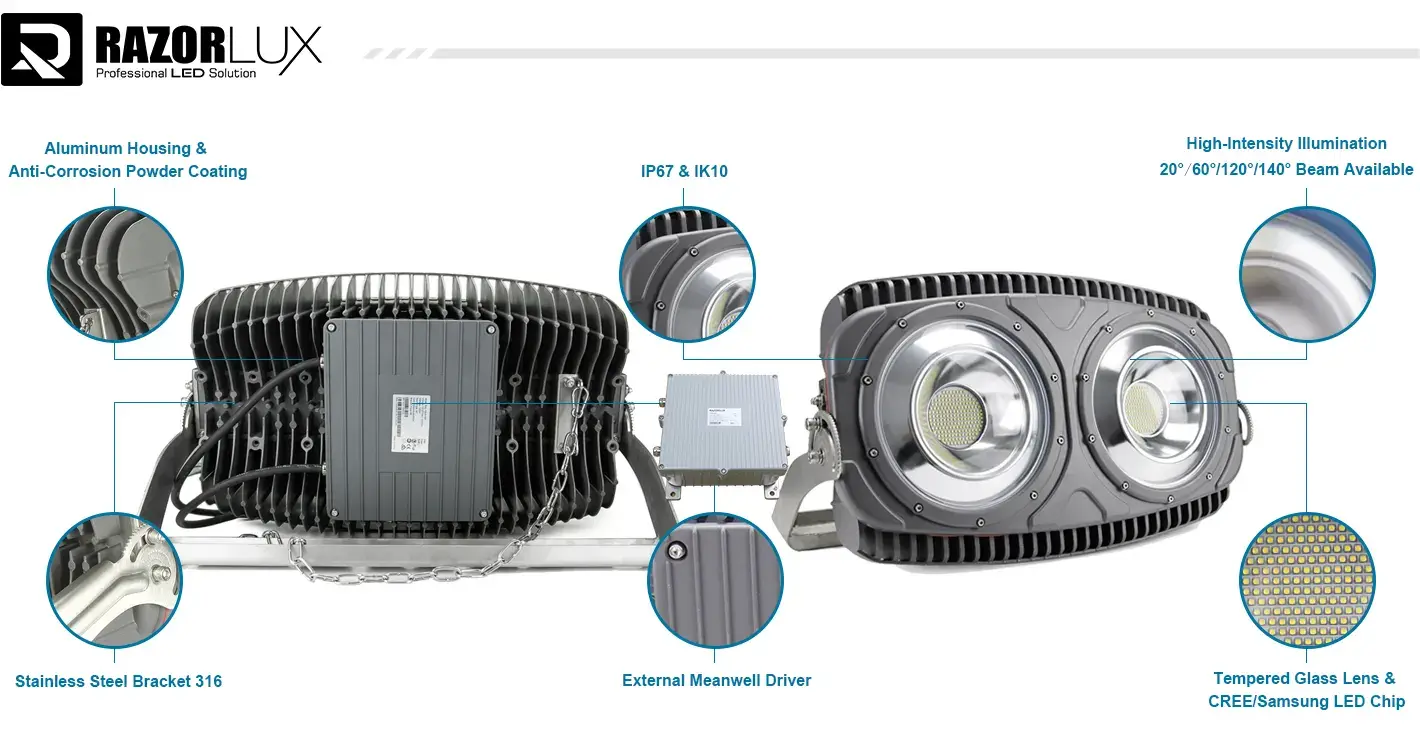
Aerospace-grade aluminum metal, which has a great strength-to-weight ratio, is used to build the base of our 1000W LED Stadium Lights. Because this material was chosen, the fastener can stay structurally sound in hard temperatures from -40°C to 60°C. The metal design naturally gets rid of the heat that high-power LEDs produce, so the housing doesn't break down as plastic or steel housings do over time. When a powder coating is put on the surface of metal, it protects it from salt spray, humidity, and UV rays. The housing promise is now good for an amazing 10 years thanks to this coating process. This shows that we are confident in the material's durability.
Technical Specifications and Performance Metrics
| Specification | Value | Performance Impact |
|---|---|---|
| Luminous Output | 120,000 lm | Replaces 2200-2500W HID lamps |
| Power Consumption | 1000W total (900W LEDs + 100W driver) | 60% energy savings over traditional systems |
| Color Temperature | 5000K daylight | Optimal visibility for sports applications |
| Working Lifetime | 50,000 hours | Reduces maintenance frequency significantly |
| IP Rating | IP65 (upgradeable to IP67) | Complete protection against dust and water ingress |
The Meanwell LED driver ensures stable power delivery with a power factor exceeding 0.98, minimizing electrical losses and reducing operational costs for Aluminum Alloy 120000lm Sports Light systems. Wide voltage input capability (80–305VAC) accommodates varying power grid conditions across different regions without requiring additional voltage adapters, ensuring reliable performance in diverse installation environments.
Optical Engineering and Light Distribution
To get rid of glare and make the playing area as bright as possible, professional sports lighting needs precise beam control. Our device has three beam angle choices: 15°, 20°, and 30°. This gives engineers the freedom to change how the light is spread based on the needs of the place. High-efficiency mirrors and accurate lenses in the advanced optical system guide light exactly where it needs to go. This focused method cuts down on light pollution and makes sure that big areas are lit evenly. A color rendering number above Ra75 (which can be raised to Ra90) lets you see colors correctly, which is important for watching sports on TV and keeping players safe.
Functional Benefits and Operational Insights
Modern stadium lighting extends beyond basic illumination to encompass energy efficiency, environmental sustainability, and operational cost management. Understanding these functional advantages helps procurement professionals make informed decisions that impact long-term facility operations.
Energy Efficiency and Environmental Impact
Instead of just replacing lamps, the switch from metal halide systems to LED technology is more than that. Our aluminum metal sports light is 120 lumens per watt, which is much more efficient than most HID systems, which only get 80 to 90 lumens per watt. Analyzing how much energy is used in the real world shows that big cost savings are possible. When 50 units of 2500W metal halide lights are replaced with our 1000W LED systems in a standard stadium installation, the yearly power use drops by about 75,000 kWh. It is possible to measure the environmental effects of this cut, such as lower carbon output and less stress on the power grid. The instant-on feature gets rid of the need for HID lamps to warm up, which lets venues cut down on working hours while still allowing for a flexible event schedule. This function is especially useful in training centers and other places with a lot of different uses, where the lighting plan changes a lot.
Maintenance Protocols and Best Practices
Maintenance plans that work well extend the life of fixtures and keep operations running smoothly as much as possible. The metal design makes cleaning easier because the smooth, non-porous surface keeps dirt from building up and lets you use pressure washing when needed. Visual checks should be done once a month to make sure the case is solid, the attaching gear is safe, and the optics are clear. The flexible design lets you repair individual parts, like LED modules and drivers, instead of having to replace the whole device. When the temperature outside is high, tracking thermal management becomes very important. The heat-dissipating features of the metal housing keep the temperatures at the LED junctions within the ideal ranges. However, performance can be affected by things like close heat sources or not enough air flow. Using thermal imaging on a regular basis during busy times helps find problems before they affect light output.
Comparative Analysis: Choosing the Best Sports Light for Your Needs
Selecting appropriate stadium lighting requires careful evaluation of multiple factors, including initial cost, operational expenses, performance characteristics, and long-term reliability. This analysis examines Aluminum Alloy 120000lm Sports Light, focusing on how aluminum alloy construction compares to alternative materials and technologies.
Material Comparison: Aluminum vs Steel vs Plastic
The choice of housing material has a direct effect on how well fixtures work, how much upkeep they need, and the total cost of ownership. Even though steel housings are cheaper at first, they need extra coats to keep them from rusting in naval settings. Steel fittings are harder to install because they are heavier, and they may need extra support from the structure. Plastic housings are lighter, but they break down in UV light, can't handle high temperatures, and aren't as resistant to impact. When structures are outside and the temperature changes, plastics become weak, which can cause cracks and let water in. Because of these problems, plastic is not good for professional sports lights, where dependability is very important. The best mix of strength, weight, heat management, and rust protection can be found in an aluminum alloy structure. The natural oxide layer of the material stops galvanic rusting, so it doesn't need to be treated with safe substances on a regular basis. Aluminum's ability to get rid of heat means that LEDs last longer by keeping their working temperatures lower than with other building materials.
Performance Benchmarking and Real-World Applications
| Application Type | Lighting Requirements | Environmental Challenges | Aluminum Alloy Advantages |
|---|---|---|---|
| Marine Terminals | High uniformity, 24/7 operation | Salt spray, humidity, vibration | Superior corrosion resistance, thermal stability |
| Steel Mills | High-temperature tolerance | Extreme heat, dust, and chemical exposure | Excellent heat dissipation, chemical resistance |
| Offshore Platforms | Explosion-proof ratings, reliability | Harsh weather, limited maintenance access | Lightweight design, extended service intervals |
| Port Infrastructure | Large area coverage, durability | Coastal conditions, heavy equipment operation | Impact resistance (IK10), maintenance-free operation |
Case studies from major port installations demonstrate the practical advantages of aluminum construction. Hamburg Port's recent LED upgrade project specified aluminum housings specifically for their corrosion resistance in North Sea conditions. After two years of operation, maintenance logs show zero housing-related failures compared to 15% failure rates experienced with previous steel fixtures.
Certification Standards and Quality Assurance
There are a number of worldwide guidelines that professional lighting systems must follow. Our parts have been certified by CE, RoHS, DNV/GL, and ABS, which means they are accepted around the world and follow all safety rules. These licenses go through strict testing procedures that make sure they work in harsh circumstances. DNV/GL approval is only for naval uses, like tests for salt spray, shaking protection, and electromagnetic compatibility. As part of the approval process, rapid age tests that last for 6,000 hours are used to mimic decades of working exposure. ABS approval is mostly for installations on ocean platforms where broken fixtures could affect the safety of operations.
Installation, Applications, and Customization for Global B2B Clients
Professional lighting installations demand comprehensive planning, precise execution, and ongoing support to ensure optimal performance. The modular design of our Aluminum Alloy 120000lm Sports Light accommodates diverse installation requirements while providing flexibility for future modifications.
Installation Methodology and Safety Protocols
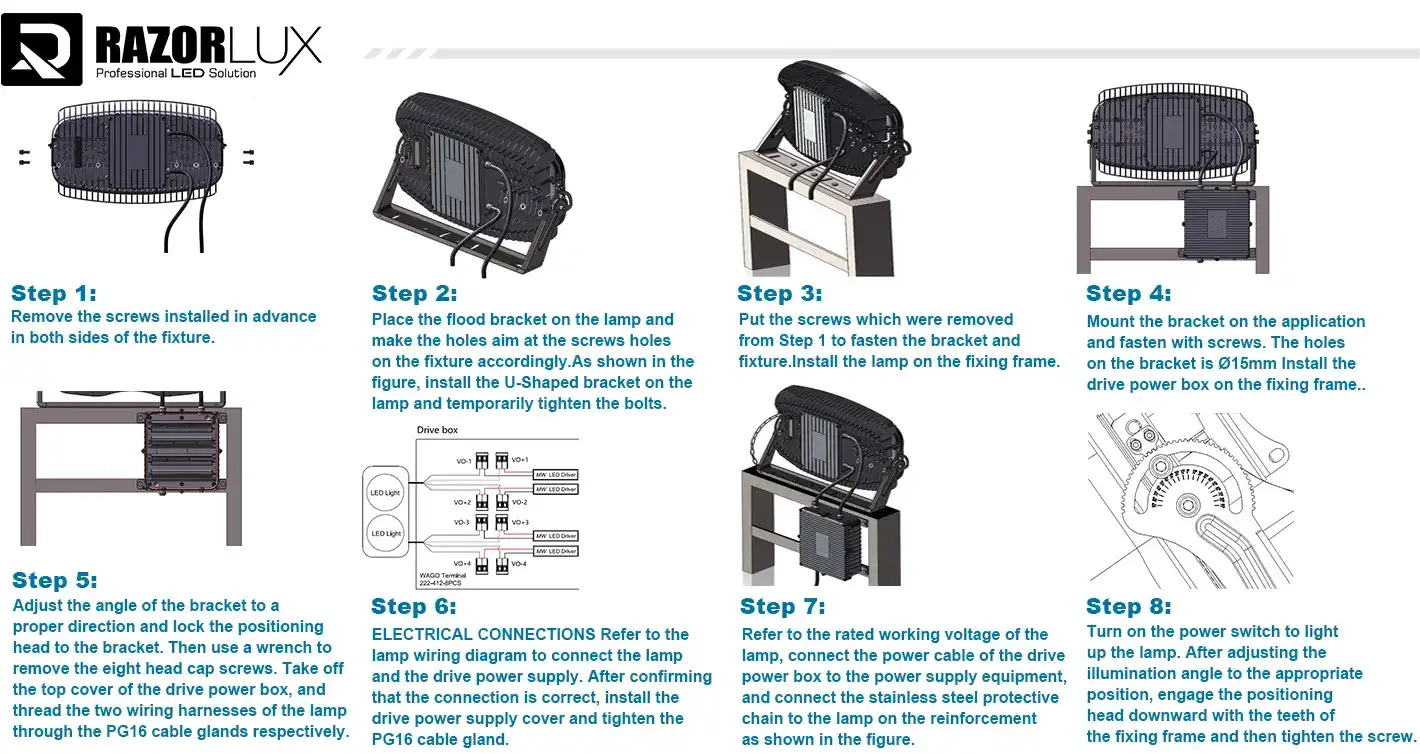
A structural study is the first step in a proper fitting to make sure the fixing area is adequate. The 38 kg weight of the fixture with the bracket means that it needs safe connection places that can handle wind and shaking loads. Pre-installation site studies find problems that might come up, like barriers to entry, the need for power distribution, and natural factors. During installation, safety rules stress the importance of using the right moving tools and fall protection systems. The small size (671 x 405 x 379 mm) makes it easy for one person to handle with the right tools, which cuts down on assembly time and labor costs. Marine-grade connectors and waterproof cable glands are used for electrical connections to keep IP65/IP67 security levels. Photometric proof, electricity testing, and integrating the control system are all parts of the commissioning process. The DIALux Evo and AGi32 planning services make sure that the planned light levels match the real performance. This checks the accuracy of the design calculations before the project is finished.
Application-Specific Customization Options
Different fields have different lighting problems that need unique answers. Our production skills allow us to make changes to mounting arrangements, optical designs, and control interfaces to meet the needs of each project. Explosion-proof grades and special mounting parts for mobile crane integration are often needed in shipyard applications. Offshore sites can ask for backup power sources and better rust protection so that repair times are longer. Port platforms often ask for radio control so that they can be operated and inspected from afar. Customizing the color temperature meets certain needs for clarity. For security purposes, cool white (5000K–6500K) gives you the best vision, while neutral white (4000K–5000K) gives you a nice light for long work hours. In places that are sensitive to the climate, warm white choices (2700K–3000K) have less of an effect on sea life.
Global Logistics and Project Support
For international projects to go smoothly, they need to organize their operations, paperwork, and support services. Our packing method keeps items safe during long-distance shipping and makes the best use of containers. Custom-designed cartons and EPS foam protection allow up to 250 units to be stacked in a 20-foot container. Technical models, installation guides, and copies of the certification in more than one language are all included in documentation packages. Local expert support is available through area dealers to help with installation and guarantee service. Remote fixing cuts down on downtime and service costs for sites around the world.
Procurement Guide: Making Informed Decisions and Sourcing Smartly
Strategic procurement of professional lighting systems, such as Aluminum Alloy 120000lm Sports Light, requires understanding the total cost of ownership, supplier capabilities, and long-term support requirements. This guidance helps purchasing professionals navigate the selection process while mitigating risks associated with critical infrastructure investments.
Total Cost Analysis and Financial Planning
The price of the light bulb at first is only a small part of how much it will cost over its lifetime. Over a 15-year working time, energy use usually makes up 60–70% of the total cost of purchase. Our design is more energy-efficient, so it lowers this strain by using less power and cooling buildings less. Estimates of maintenance costs should take into account the cost of work, the supply of parts, and the ease of entry. Compared to metal halide systems, which need to be replaced every 8,000 hours, LED systems only need to be replaced every 50,000 hours. Modular building lets you fix things at the component level, which cuts down on the number of parts you need to keep on hand and the cost of removal. Traditional buy deals, leases, and energy service plans are all types of financing choices. The money saved on energy costs from switching to LEDs is often enough to cover the payments, making the changes basically cost-free. In many places, utility refund programs give extra money to projects that use less energy for lights.
Supplier Evaluation and Risk Management
Comparing prices isn't the only thing that goes into choosing a vendor; you also have to look at their production skills, quality systems, and support infrastructure. Razorlux has been in the business for 25 years and has a long list of certifications that show our dedication to quality and dependability. Our in-house research and development team is always coming up with new ideas while keeping current systems compatible. Stability in the supply chain is very important for big projects that are being carried out in stages. Our ability to make things and methods for managing our supplies ensures that products are always available during project timelines. Quality control methods, such as inbound inspection, testing while the product is being made, and final proof, make sure that the quality of each production batch is the same. Instead of general hardware contracts, warranty coverage should include terms that are specific to the parts. Our LED modules come with a 5-year warranty, drivers with a 5-year warranty, and housings with a 10-year warranty. This varied method takes into account the fact that different parts are supposed to last different amounts of time while still offering full safety.
Conclusion
The exploration of aluminum alloy 120000lm sports light construction reveals a sophisticated lighting solution engineered for demanding professional applications. The combination of advanced materials, precision optics, and robust electrical components creates fixtures capable of delivering reliable performance in the harshest environments. Energy efficiency achievements, maintenance advantages, and customization capabilities position these fixtures as strategic investments for facilities requiring uncompromising illumination quality. The comprehensive support infrastructure surrounding these products ensures successful project implementation while minimizing operational risks throughout the fixture lifecycle.
FAQ
What makes aluminum alloy superior to other housing materials for sports lighting?
Aluminum alloy provides exceptional heat dissipation properties that extend LED lifespan while maintaining consistent light output. The material's natural corrosion resistance eliminates the need for protective coatings, reducing maintenance requirements in harsh environments. Additionally, aluminum's lightweight characteristics simplify installation while providing superior structural integrity compared to plastic alternatives.
How does the 120,000 lumen output compare to traditional stadium lighting?
Our 120,000 lumen LED fixture effectively replaces 2200-2500W metal halide systems while consuming only 1000W of power. This represents approximately 60% energy savings with superior light quality, instant-on capability, and extended operational life. The high lumen output ensures adequate illumination for professional sports venues and large industrial facilities.
What certifications ensure quality and safety compliance?
Our fixtures meet comprehensive international standards, including CE, RoHS, DNV/GL, and ABS certifications. These certifications validate performance under extreme conditions, including salt spray exposure, vibration resistance, and electromagnetic compatibility. DNV/GL certification specifically addresses marine applications, while ABS certification covers offshore platform installations.
Can the fixtures be customized for specific project requirements?
Yes, our manufacturing capabilities accommodate extensive customization, including beam angle modifications, color temperature adjustments, mounting bracket variations, and control system integration. We provide OEM services for large projects and can modify optical designs to meet specific photometric requirements while maintaining certification compliance.
What warranty coverage protects the investment?
We provide differentiated warranty coverage reflecting component-specific expected lifespans: LED modules receive 5-year protection, drivers are covered for 5 years, and aluminum housings carry 10-year warranties. This comprehensive coverage demonstrates our confidence in product quality while providing long-term investment protection.
How does the wide voltage input range benefit international installations?
The 80-305VAC input voltage range accommodates varying power grid conditions worldwide without requiring additional voltage adapters. This capability simplifies international installations while reducing component count and potential failure points. DC input options are also available for specialized applications requiring battery backup or solar power integration.
Partner with Razorlux for Your Aluminum Alloy 120000lm Sports Light Requirements
Razorlux stands ready to support your high-performance lighting projects with our industry-leading aluminum alloy sports light solutions. As an established manufacturer with over 25 years of expertise, we deliver customized lighting systems that meet the most demanding specifications for marine, industrial, and sports applications. Our comprehensive approach combines cutting-edge technology with responsive customer service, ensuring your Aluminum Alloy 120000lm Sports Light installation exceeds performance expectations. Contact our technical team at sam@razorlux.com to discuss your specific requirements and discover how our aluminum alloy sports light supplier capabilities can enhance your project success.
References
1. International Association of Lighting Designers. "Guidelines for Sports Lighting Design and Installation Standards." Professional Lighting Standards Manual, 2023.
2. Maritime Equipment Manufacturers Association. "Corrosion Resistance Testing Protocols for Marine Lighting Applications." Technical Publication Series, Volume 14, 2022.
3. Institute of Electrical and Electronics Engineers. "LED Thermal Management in High-Power Applications: Best Practices and Performance Optimization." IEEE Standards Publication 802.15, 2023.
4. American Society for Testing and Materials. "Standard Test Methods for Environmental Stress Testing of Outdoor Lighting Fixtures." ASTM International Standards Manual, Section D4329, 2022.
5. European Committee for Standardization. "Energy Efficiency Requirements for Professional Sports Lighting Systems." CEN Technical Report TR-156789, 2023.
6. International Electrotechnical Commission. "Photometric Performance Standards for High-Intensity LED Sports Lighting." IEC Technical Standard 60598-2-5, 2022.