

_1750326878398.png)

Are 12V LED Flood Lights Waterproof Enough for Marine Use?
A short answer to your question about marine lighting is yes—properly designed 12V LED flood lights waterproof with IP67 or higher grades are enough for most marine uses. But there's more to it than meets the eye. Not every waterproof LED light works the same, and marine settings have their own problems that need careful planning, approved materials, and records of past success. For procurement workers looking for lighting systems that won't break down when operations need them the most, it's important to know how to make them work in saltwater, changing temperatures, and mechanical stress.
Understanding 12V LED Flood Lights and Their Waterproof Capabilities
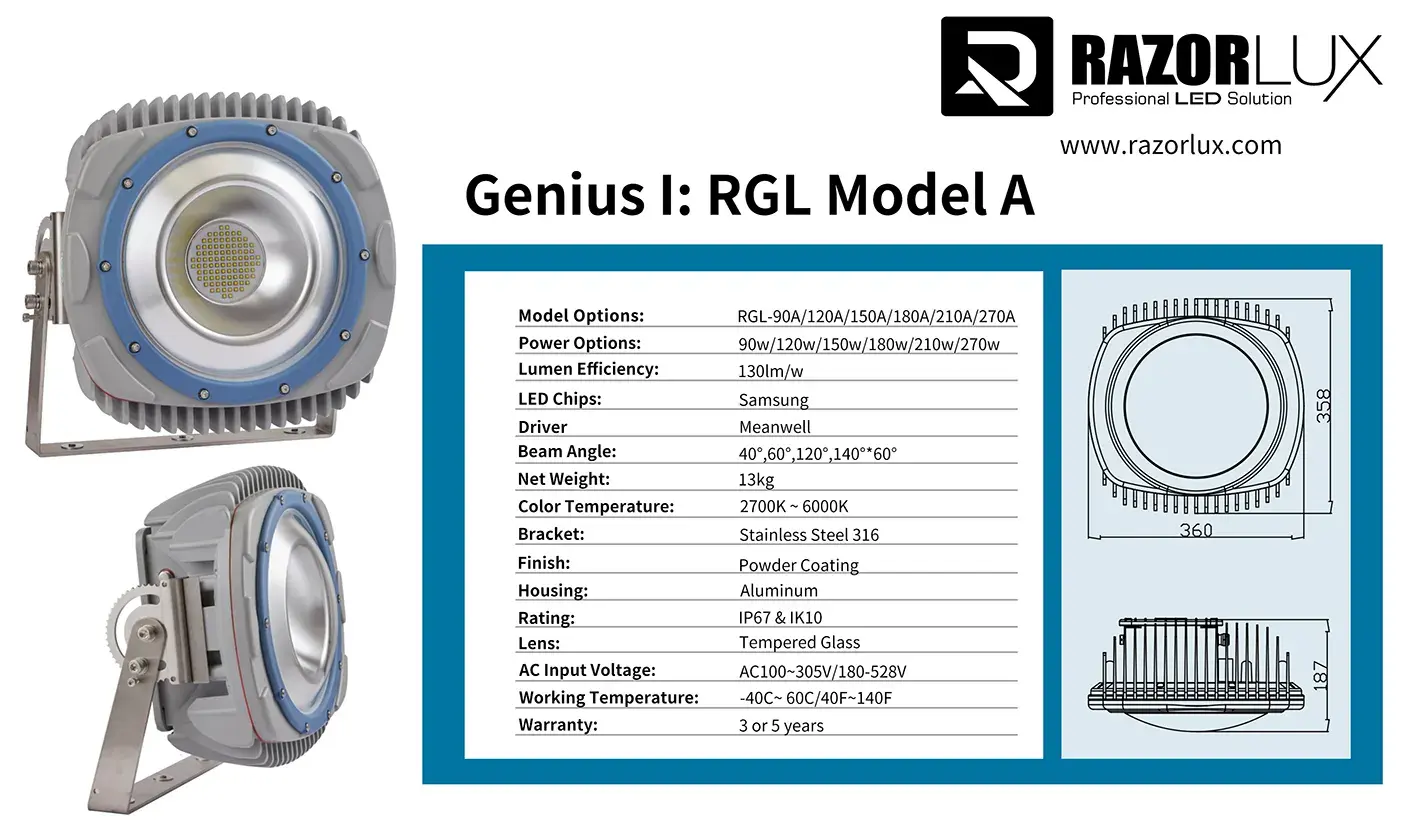
Learning about 12V LED flood lights and how waterproof they are is essential for any maritime operation. Lighting equipment has to work very hard in marine and industrial settings. In contrast to normal business installs, these devices are constantly exposed to corrosive salty spray that is corrosive, huge changes in temperature, and mechanical vibration. In conductive wet environments, the 12-volt design is safer because it lowers the risk of shock while still working with electrical systems on boats and green energy storage.
What Makes Low-Voltage Marine Lighting Different?
The 12-volt system changes the way we think about electricity safety at sea in a big way. Traditional line-voltage systems (110V/220V) need a lot of security for the conduits and can be very dangerous if the shielding breaks when it's wet. Safety Extra Low Voltage (SELV) rating of low-voltage LED systems gets rid of these worries by letting direct touch happen even when the system is damaged without killing anyone. This architectural choice makes installation easier, cuts down on the amount of copper needed for shorter wire runs, and lets you place things in ways that you couldn't with high-voltage options.
Decoding IP Ratings for Marine Applications
The Ingress Protection (IP) grade method gives a consistent way to measure how well an enclosure keeps solid objects and liquids out. The two-digit code that comes after "IP" tells you the amount of protection. The first digit talks about solid objects (0–6 scale), and the second number talks about liquids (0–8 scale). IP67 approval, which is the lowest level that can be used seriously in the marine environment, makes sure that the product is completely sealed against dust and can withstand being submerged in water up to 1 meter deep for 30 minutes.
Having a good understanding of what these scores really mean helps buying teams make smart choices. An IP65-rated fitting can handle water jets coming from any direction. This makes it good for deck areas that get sprayed from time to time, but not for equipment that is regularly exposed to boarding seas. IP67 fixtures can be temporarily submerged in water during heavy rain or when the deck is being washed. For underwater uses or places where floods could happen in an emergency, IP68 goods are needed. These are rated for continuous submersion beyond 1 meter.
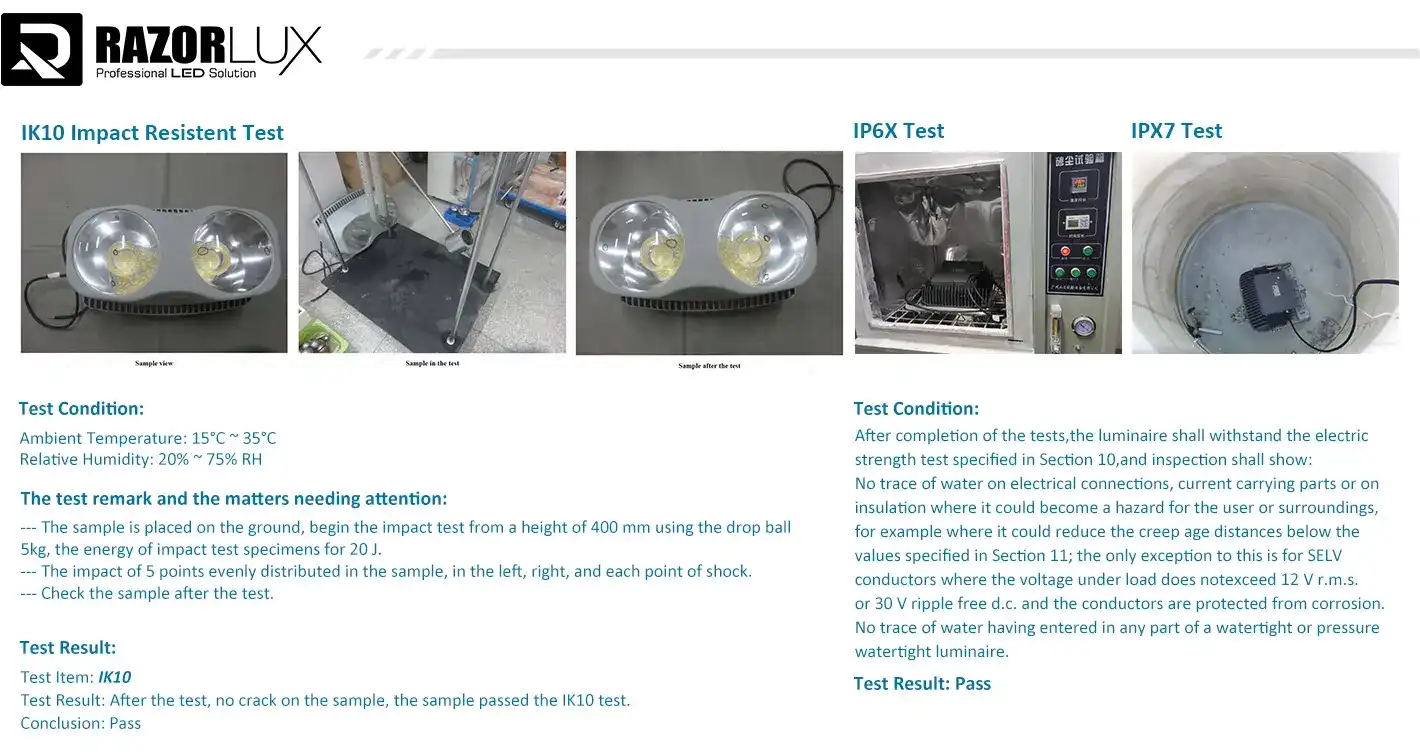
The tech behind these scores includes precise gasket systems, cable gland designs, and lens-to-housing connections that stay solid after being heated and cooled thousands of times. Manufacturers of good products use silicone seals that don't break down in UV light, saltwater, or temperatures ranging from -40°C to +60°C. Compression glands with multiple sealing rings are used at the cable entries to stop water from moving along the wire strands, which is a typical place where cheaper options break.
Engineering Features That Ensure Long-Term Performance
In addition to being waterproof, marine-grade LED lights have extra safety features to protect against the common failure modes found in saltwater settings. Special conformal coats on circuit boards keep wetness away from sensitive electronic parts, stopping electrochemical migration and corrosion. Marine-grade capacitors with extended temperature ranges and moisture-resistant formulations that keep capacitance values stable in wet situations are used in driver circuits.
Professional lights use tempered glass lenses with UV-stabilized coatings that don't break down when they're exposed to direct sunlight, which is common in marine setups that are left out in the sun all the time. Even though polycarbonate options are impact-resistant, they turn yellow from UV light over time, which changes the color temperature and makes it harder for light to pass through. The surfaces of building materials are treated in several steps, such as with chemical conversion coatings and outdoor-rated powder paint systems that are made to prevent corrosion from saltwater.
Are 12V LED Flood Lights Waterproof Enough for Marine Use?
Lighting equipment is put through stresses that aren't seen on land and are common in marine environments. Salt spray makes films on surfaces that are electrically conductive. This speeds up rusting and makes it easier for electrical tracking to fail. Switching between hot deck surfaces and cold waves causes stress on sealed joints to expand and shrink. Waves cause mechanical vibrations that wear out mounting gear and electrical connections. Can 12V LED Flood Lights Waterproof handle being wet enough to be used on boats? The evidence from professional installations suggests they are the superior choice when engineered correctly.
Environmental Challenges in Maritime Settings
Saltwater corrosion is the main thing that breaks down equipment that isn't properly secured. Sodium chloride in seawater speeds up the oxidation of iron-based metals by ten times compared to contact in freshwater. Marine environments need 316 stainless steel with a molybdenum content above 2.5% to avoid pitting and crevice corrosion, but even the types of stainless steel that are widely used in consumer goods are not good enough. Anodization or special coating methods are needed for aluminum housings because bare aluminum quickly forms oxide layers that don't protect it in salty settings.
In marine settings, the relative humidity usually exceeds 80%, which means that condensation forms inside shelters that aren't sealed well enough when the temperature drops. This inside moisture starts to rust on circuit boards and connection points and weakens the dielectric strength of materials that are supposed to keep electricity from moving. Extreme temperatures make these problems even worse. When fixtures are installed on a deck, the surface may reach temperatures over 70°C in the sun, but at night, the water temperature may drop to around 10°C. These temperatures change several times a day.
Wave contact and vibration cause mechanical stresses that don't happen in devices that stay in one place. When mounting clamps are loaded with shocks over and over, they must keep their holding force without breaking or loosening. Optical setups need holding systems that keep the lenses from coming apart when they are hit. At the termination points of electrical links, there needs to be enough pressure relief to keep the wires from wearing out. These mechanical differences set leisure goods apart from expert marine gear.
Certification Standards That Matter
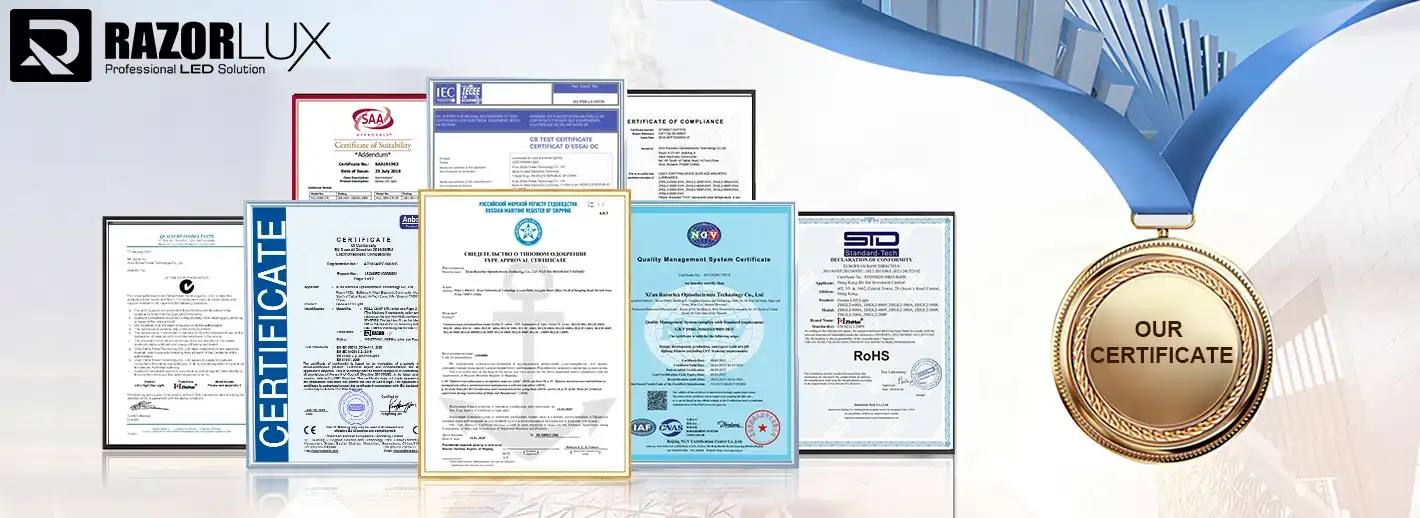
Marine industry approvals show that equipment meets strict performance standards and is approved by a third party. Certification from DNV/GL (Det Norske Veritas/Germanischer Lloyd) means that the equipment on a ship meets the standards set by an international marine classification group. The American Bureau of Shipping (ABS) approval shows that the ship also meets U.S. marine standards. For these approvals, a lot of tests must be done, such as ASTM B117 salt fog exposure, IEC 60068-2-6 vibration protection, and thermal cycle validation.
Electrical safety credentials, such as the CE mark for European markets, the UL listing for North American use, and the SAA certification for Australian use, show that goods comply with local electrical safety rules. RoHS compliance protects the environment by limiting the use of dangerous materials like lead, mercury, and cadmium in production. Through mutual recognition deals, CB certification makes it easier to get approval in many different countries.
| Certification | Primary Testing Focus | Geographic Relevance | Typical Requirements |
|---|---|---|---|
| DNV/GL | Vibration, Salt Fog, Thermal Cycling | International Maritime | IP67+, 1000hr salt spray, shock resistance |
| ABS | Electrical Safety, Fire Resistance | North American Maritime | UL equivalency, flame-spread rating |
| RMRS | Cold Temperature, Corrosion | Russian Maritime | -50°C operation, enhanced sealing |
| IEC 60598-2-18 | Electrical/Mechanical Pool Lighting | European Union | Enhanced shock protection, GFCI integration |
Real Performance Data from Marine Installations
Offshore platform sites give us useful information about how well lighting works in harsh marine environments. A 2019 study of LED lighting systems on oil rigs in the North Sea found that the mean time between failures (MTBF) was more than 47,000 hours for lights meeting IP67 standards and having good thermal management, compared to 12,000 hours for IP65-rated options. Failure analysis showed that 34% of early failures were caused by cable gland sealing issues, 28% were caused by driver circuit moisture damage, and 19% were caused by corrosion-induced connection failures.
When docks are installed in humid areas, they fail in different ways. From 2020 to 2023, the Singapore Port Authority kept track of over 2,000 LED fixtures. The data showed that goods without conformal coating on the driver circuits had failure rates that were 3.2 times higher than options that were properly protected. Temperature-related failures were most common during the monsoon season, when sudden changes in temperature caused condensation to form inside shelters that weren't aired properly. This shows how important it is to have breathable membrane venting systems that keep water out while equalizing pressure.
Commercial fishermen in the North Atlantic say that properly installed 12-volt LED systems cut the number of upkeep tasks by 67% compared to previous light installations and cut energy use by 72%. When combined with vessel battery systems, the lower voltage design proved especially useful because it got rid of the need for separate AC lighting lines and the inverter equipment that goes with them.
Benefits of Using 12V LED Flood Lights Waterproof for Marine Applications
It is possible to measure practical benefits beyond basic lighting needs when you use purpose-built low-voltage LED systems. Using less energy, lasting longer, and needing less maintenance all add up to an appealing total cost of ownership benefit that makes paying more for quality goods worth it. Why using 12V LED flood lights waterproof for marine purposes is a good idea becomes clear when analyzing the reduction in fuel consumption and maintenance downtime.
Energy Efficiency That Impacts Operational Costs
Modern naval LED fixtures have luminous efficiency scores higher than 130 lumens per watt, which means they give off as much light as 150–250-watt metal halide lamps but only use 90 watts. This saves close to 70% of the energy used, and that's before the lower cooling loads in protected areas are taken into account. When you replace 100 fixtures with 90W LED lights instead of 200W halogen lights, you save 11 kilowatts of continuous draw, which means diesel generator systems use about 80 liters less fuel each week. This can be seen in ships where the cost of fuel directly affects the amount of electricity that can be generated.
High-quality LED drivers have a high power factor (≥0.98) and low total harmonic distortion (<10%), which lowers losses in electrical distribution systems and keeps sensitive navigation electronics working. Good LED systems get rid of these wastes and keep working steadily across a wide voltage range (80-315VAC, 80-400VDC), which can handle the changes in power quality that are typical in marine electrical systems.
When fixtures are properly built, they handle heat well, which keeps them from losing performance like poorly made options do. It is known as "thermal droop" that as junction temperature rises, LED light output drops. Professional marine fixtures keep junction temperatures below 85°C by using the right heatsink shape and thermal interface materials. This keeps the rated lumen output fixed for the whole life of the fixture.
Durability in Corrosive Marine Conditions
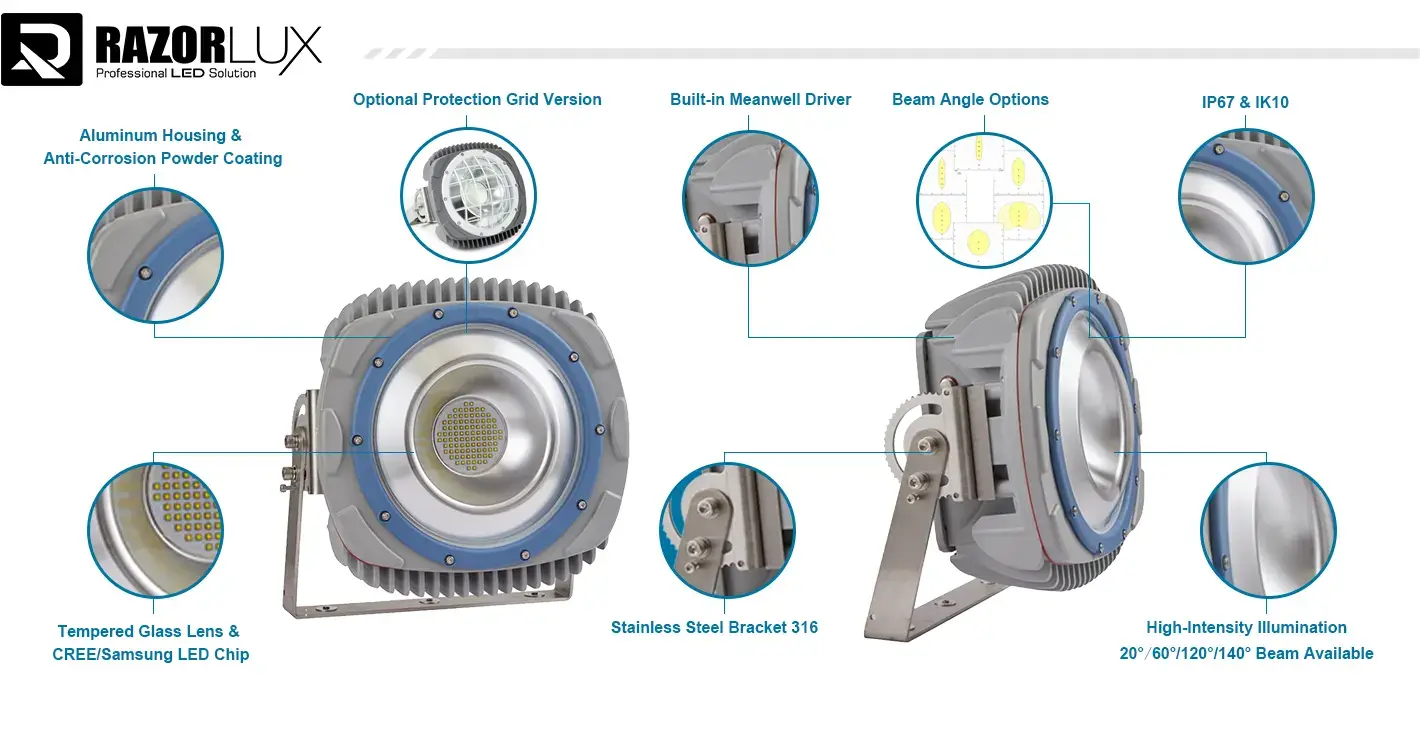
Because solid-state LED technology doesn't have filaments, electrodes, or fragile glass casings, it is naturally more resistant to shaking and mechanical shock than other types of lights. In naval settings, where waves hitting machinery and machinery shaking make working conditions very bad, this longevity is very important. IK10 impact-resistant LED fixtures can handle 20 joules of impact energy, which is the same as dropping a 5 kg mass from 40 cm, without breaking. This means they can survive accidental tool impacts, mistakes made while moving goods, and storm-driven debris.
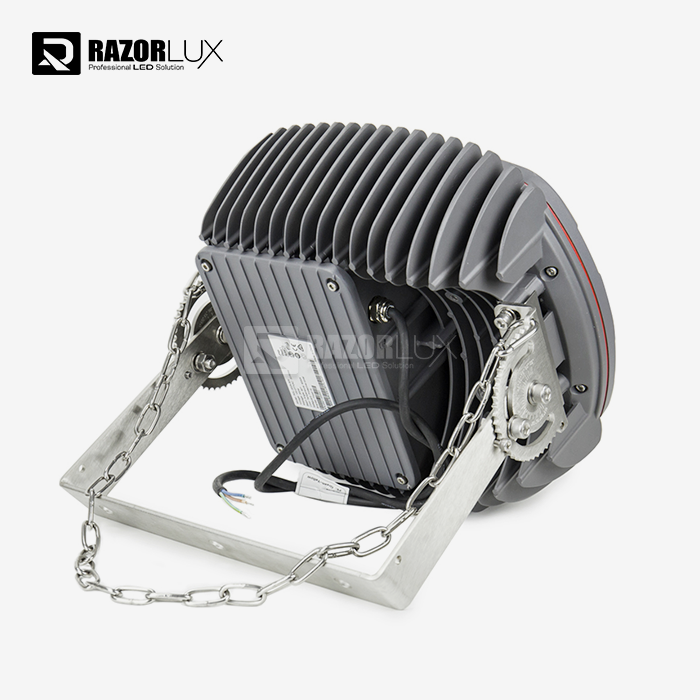
Professional naval fittings are different from consumer-grade ones because of the materials they are made of. Marine-grade 316 stainless steel is used to make mounting brackets that don't rust in salt spray settings. This means that they stay strong where regular 304 stainless steel would pit and weaken. Powder coat finishes that are made with corrosion inhibitors and UV stabilizers keep their protective qualities even after years of being exposed to the elements. This keeps the coating from wearing away, which would otherwise expose base metals to rust.
Quality LED systems usually last longer—more than 50,000 hours to L70 (70% light maintenance)—which means they don't need to be replaced as often and don't cost as much to maintain. This durability is especially helpful in places that are hard to get to, like mast-mounted navigation lights or structural tower positions, where replacing them would require special tools and cause problems with operations.
Versatility Across Marine Applications
Low-voltage design lets you put things in ways that you can't with line-voltage systems. Because there is less of a risk of shock, the lights can be mounted in places where they might come into direct contact with live parts. This means that more places can be used for job lighting and safety lighting. Integration with 12-volt battery systems that are popular on boats gets rid of the need to convert voltages, which makes electrical design easier and provides automatic emergency lights when the generator goes out.
The different beam angle choices—from narrow spot patterns (15–20°) to wide flood patterns (120–140°)—allow the optical system to be optimized for different jobs. For border protection and navigational help, narrow beams provide long-throw lighting. Wide patterns, on the other hand, provide uniform area lighting for work areas and deck areas. There are different color temperature choices (2700K–6500K) so you can choose from warm ambient lighting in living rooms and bedrooms to cool job lighting in engine rooms and technical areas.
The ability to dim and integrate with a control system makes operations more flexible. 0-10V analog lighting connections let building management systems and energy-saving controls work together. DALI (Digital Addressable Lighting Interface) compatibility lets you use advanced addressable control for complicated setups that need to set up scenes and handle each fixture individually. Optional sensor integrations, such as passive infrared motion detection and photocell dusk-to-dawn operation, allow automatic lighting control that keeps things safe while using less energy.
How to Choose and Install 12V Waterproof LED Flood Lights for Marine Use?
When choosing the right 12V LED flood lights waterproof, you need to carefully look at the technical specs, certifications, and provider abilities. When you know how performance factors relate to application needs, you can make smart buying choices that balance the cost of the initial investment with the cost of running the business in the long run.
Critical Specification Parameters
For naval uses, the waterproof grade is the most important thing to look at. IP67 approval is enough to protect most above-deck setups that are regularly exposed to spray. Applications that will be submerged underwater or that will be submerged temporarily during bad weather need an IP68 grade with a defined depth and length of submersion. Check that the approval testing included exposure to salt spray according to ASTM B117 standards. Immersion testing in freshwater doesn't prove performance in marine settings.
Luminous effectiveness, which is measured in lumens per watt, shows how efficiently electricity is used and is related to how much the device will cost to run over its lifetime. Specifications that say the efficiency is less than 120 lm/W point to old LED technology or driver designs that don't work well. Most professional naval lights get between 130 and 160 lm/W, and the best ones get close to 180 lm/W. A color rendering index (CRI) number above Ra75 ensures good color separation for task performance, while values above Ra80 offer better visual quality for detailed work.
The operating temperature range must include all of the extremes of temperature that are likely to happen where the placement is made. Applications in the Arctic and sub-Arctic need to be able to start up cold to -40°C. In the tropics, systems need to be able to run continuously at temperatures up to +50°C, with areas heated by the sun possibly reaching +70°C. Make sure that the temperature range given is based on real testing and not just theoretical limits. Also, make sure that the LED output rates take into account the fact that they lose power when they get too hot.
Understanding Voltage System Considerations
Whether to use a 12V or 24V system relies on the size of the installation and the electrical equipment that is already in place. Twelve-volt systems work with more normal naval battery banks and computer accessories. Twenty-four-volt systems draw less current and let you run cables farther with less voltage drop. Power consumption determines the best system choice. For example, loads over 150 watts should use 24V to keep current draw below 10 amps, which makes wire size and connection requirements easier.
Voltage range tolerance shows how well the driver circuit works and how flexible it is. Wide input range specs (10–30V DC for 12V nominal systems) allow battery voltage changes during charging cycles and heavy electrical loads to be handled without affecting performance. Specifications for narrow tolerances suggest simple driver designs that might flicker or shut down during voltage changes that happen a lot in marine electrical systems.
| Parameter | Consumer Grade | Marine Professional | Premium Marine |
|---|---|---|---|
| IP Rating | IP65 | IP67 | IP68 |
| Luminous Efficacy | 90-110 lm/W | 130-150 lm/W | 160-180 lm/W |
| CRI | Ra>70 | Ra>75 | Ra>80 |
| Operating Temperature | -20°C to +40°C | -40°C to +50°C | -40°C to +60°C |
| Input Voltage Range | 11-15V | 10-30V | 9-32V |
| Warranty Period | 1-2 years | 3 years | 5 years |
| Certifications | CE only | CE, RoHS, IP tested | Full marine class (DNV, ABS, RMRS) |
Installation Best Practices
Where you mount the device has a big effect on how long it lasts and how well it works. Avoid installing fixtures in places where they will be buried in standing water, even if they are rated IP68. Constant submersion speeds up gasket decline and opens the door for seal compromise. Place fixtures so that water drains away from mounting surfaces. This will keep water from pooling and staying in contact with the fixtures. Think about how the light will face the sun—too much heat buildup shortens the life of LEDs and can cause drivers to fail early even if the temperature ratings are met.
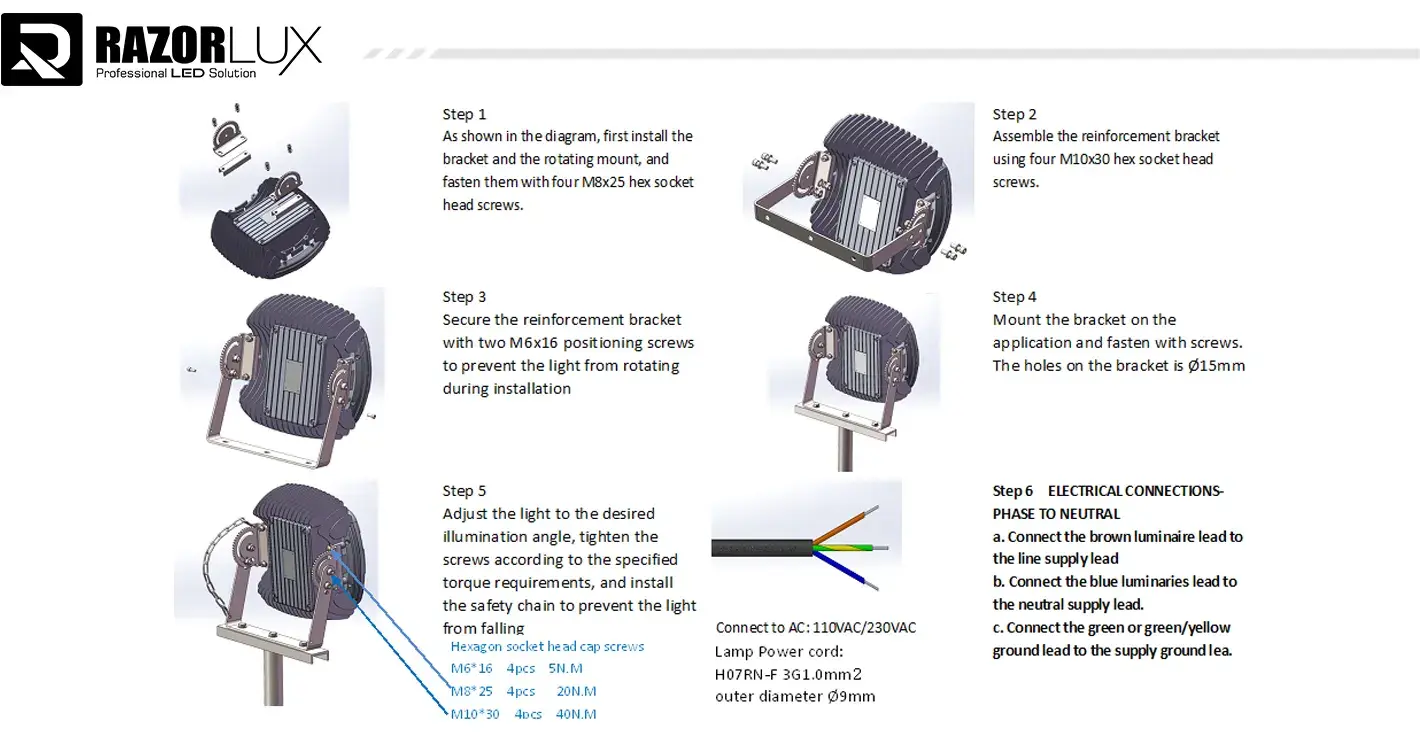
The most sensitive part of waterproofing is where the cables enter. Use marine-grade cable glands that have the right amount of strain relief and make sure the diameter of the cable meets the gland's specs so that a good compression seal forms. Using dielectric grease on connection points inside device junction boxes will protect them from moisture even more and keep the terminal connections from corroding. When routing cables, make sure there aren't any chafe spots or sharp edges that could damage the insulation during shaking. Also, make sure that cable runs are secured every so often to stop them from moving too much.
Supplier Evaluation Criteria
Certification paperwork is objective proof of a product's quality and compliance. Instead of believing certification claims without seeing the test results, ask for copies of the certifications. Low-cost goods often have fake certification markings. Make sure that the certifications only apply to the model you are buying and not to related goods made by the same company. Even from reliable suppliers, specifications and quality can change from line to line.
Where you get your components has a big effect on how reliable and consistent their performance is. Fixtures that use named LED chips (Samsung, Osram, Cree) and driver supplies (Mean Well, Inventronics, Philips) show that the maker cares about choosing high-quality parts. When suppliers can't or won't say where they get their parts, it raises worries about the use of fake parts or choosing suppliers based on price instead of quality.
Maintenance and Operational Longevity
Scheduling regular inspections keeps small problems from getting worse and causing total failures. Visual inspections should be done every three months to check the state of the gasket, look for rust on the mounting hardware, and make sure that the drainage paths are still clear. During yearly thorough checks, lens covers are taken off to look for internal condensation. Any wetness found means the seal is broken and needs instant attention. To keep light passing through, clean the lens surfaces with non-abrasive cleaners. Over six months in harsh sea settings, salt residue builds up and lowers the lens's effectiveness by 15 to 30 percent.
The most important regular maintenance job for increasing the life of a fixture is replacing the gaskets. About 500 thermal cycles are enough for silicone seals to keep their sealing power before they lose it due to compression set. For naval systems that experience daily thermal cycles, this means that the gasket needs to be replaced every 18 to 24 months to keep the IP rating valid. Keep extra gaskets on hand as a preventative measure, and set repair times based on past installations instead of waiting for the gasket to show signs of wear.
Procurement Tips: Buying 12V LED Flood Lights Waterproof for Marine Use
Strategic buying practices get the best value for money while lowering the risks of tools breaking down in serious situations. When you know about cost structures, quality indicators, and customization choices, you can make smart buying decisions that balance the cost of the original investment with the cost over the product's lifetime.
Cost Analysis and Bulk Purchasing Benefits
In naval lighting uses, the price of the light at first is only a small part of the total cost over its lifetime. Energy use over an estimated life of 50,000 hours usually beats the cost of buying the fixture by three to five times, making efficiency the most important cost factor. Maintenance costs, such as work for getting access ready, the cost of new parts, and downtime for repairs, add to the total cost over the lifetime of the fixture. High-priced quality lights often have a lower total cost of ownership because they use less energy, need less upkeep, and break down less often.
By taking advantage of big discounts and cutting down on management costs, buying in bulk can save you a lot of money. When you combine orders for various jobs or retrofits that affect the whole building, you can usually save 15 to 25 percent on the price compared to buying in small amounts. Setting up framework deals with qualified suppliers lets you plan for predictable prices, faster delivery times, and easier reordering processes, all of which reduce the stress of the procurement department while keeping the supply chain running smoothly.
Distinguishing Quality from Cost-Cutting Products
The price difference between high-end and low-end goods is due to basic differences in the quality of the parts, the ways they are made, and the amount of money that goes into design engineering. Economy products that get their low prices by using fake brand-name parts, choosing LED bins that aren't up to par, and getting rid of safe circuit features may save you money at first, but they fail 5–10 times more often than properly built alternatives. The hidden costs of frequent repairs, upkeep work, and business interruptions quickly outweigh the initial savings.
When analyzing seller claims, component authentication becomes very important. Ask for LED chip datasheets with particular product numbers and performance bins listed. Then, compare this information with the manufacturer's instructions. Ask for the serial numbers of the driver units so that they can be verified through maker records. Check sample units for quality signs like neat solder joints, the right amount of conformal coating, enough material coverage at the heatsink thermal interface, and precise gasket fitting that doesn't show any compression gaps.
Conclusion
Marine lighting represents a critical investment in operational safety, efficiency, and regulatory compliance. Quality 12V LED Flood Lights Waterproof engineering specifically for maritime environments delivers reliable performance through the unique stressors of saltwater corrosion, temperature extremes, and mechanical vibration. Successful procurement requires systematic evaluation of IP ratings, certification credentials, component quality, and supplier capabilities rather than simple price comparison. The long-term value proposition favors premium products that deliver extended service life, reduced maintenance burden, and lower energy consumption over their operational lifetime. Strategic purchasing practices, including bulk ordering, thorough supplier vetting, and customization aligned with specific application requirements, optimize the safety and efficiency of global maritime operations.
Customization Options Worth Considering
While standard product settings work for most uses, customization is the best way to get the best results for unique situations. Changing the beam angle lets you tune the optical system for different mounting heights and coverage patterns. For example, narrow 20° beams give high-mounting spots focused light, while uneven patterns (140°×60°) provide good coverage for lighting paths and decks. Choosing the right color temperature affects both visibility and mood. Cooler temperatures (5000–6500K) improve awareness and visual acuity for work lighting, while warmer temperatures (2700–3000K) provide relaxed ambient lighting in living areas.
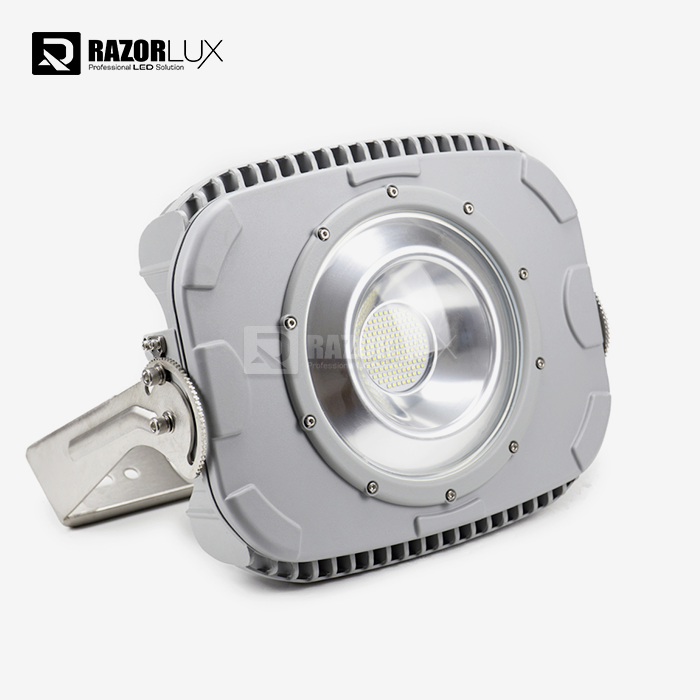
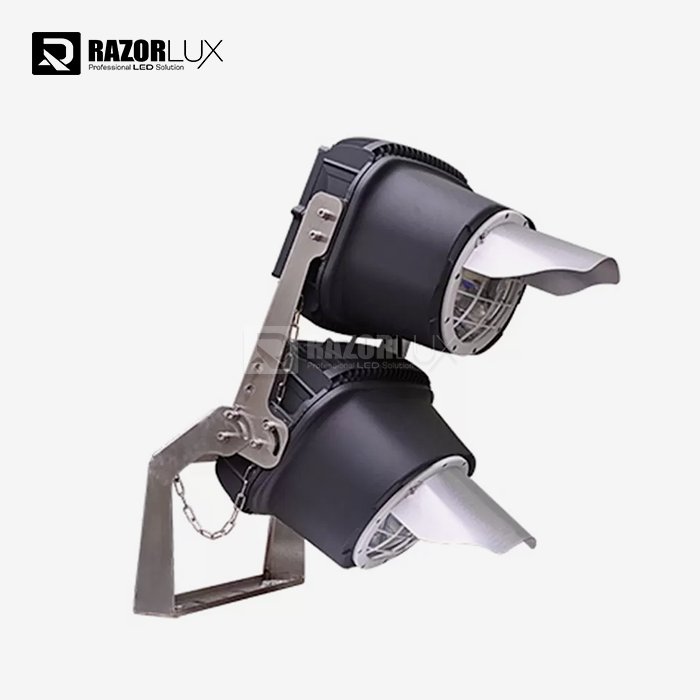
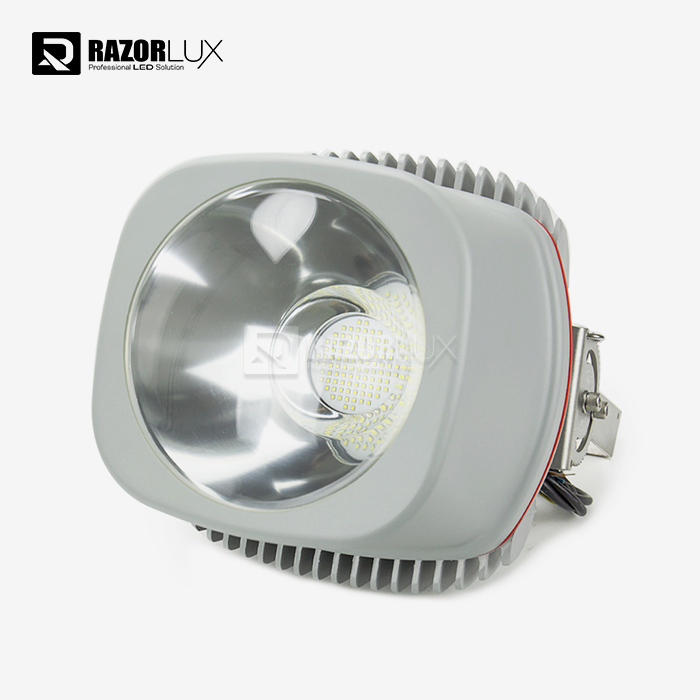
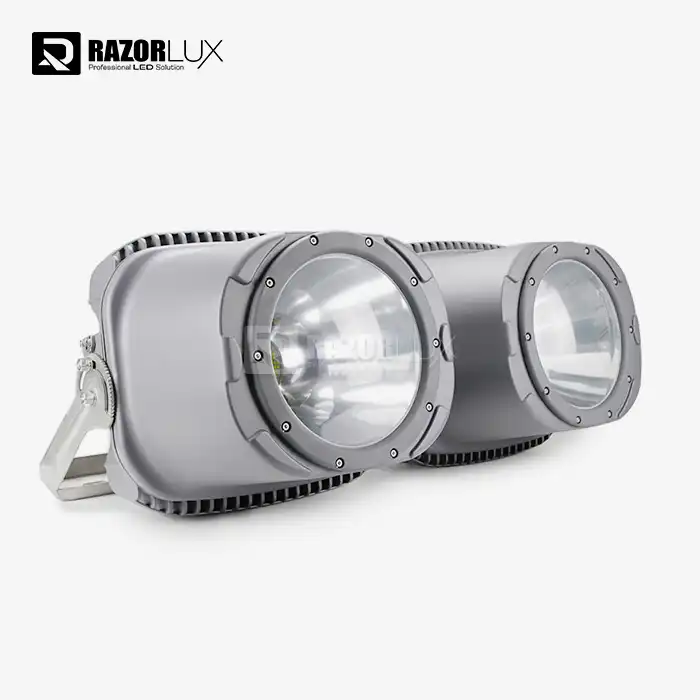
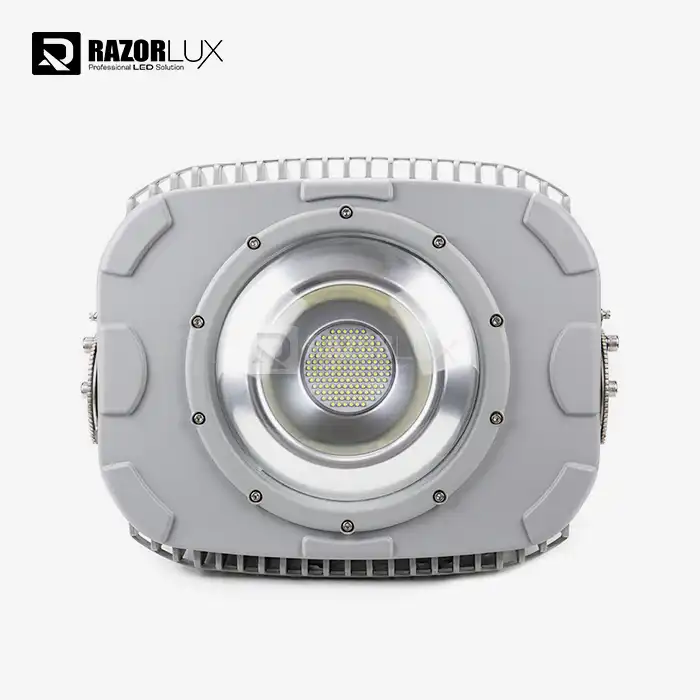
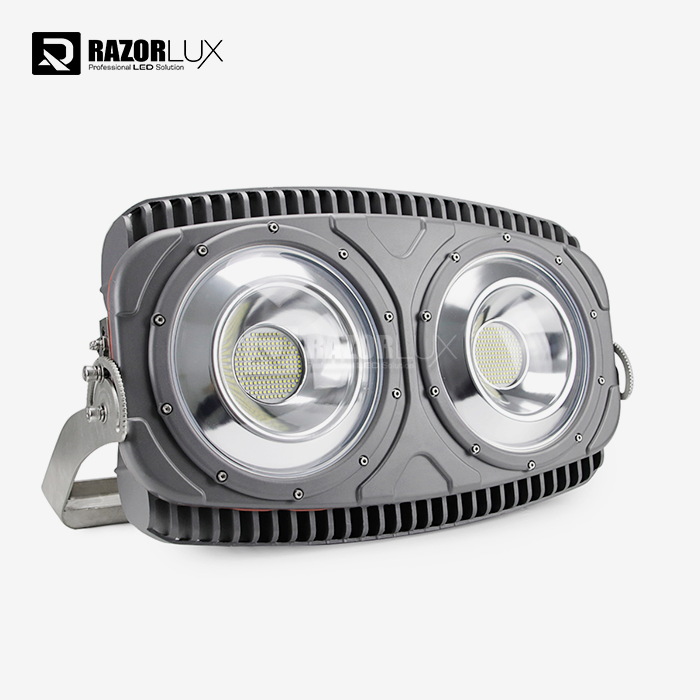
We know that picking the right boat lighting provider means looking at more than just the product specs. It also means looking at the whole support system to make sure of long-term success. Over 200 patents cover LED Packaging, power control systems, and structural engineering. Razorlux has 25 years of experience in naval and heavy-duty LED solutions. Our RGL-90A marine floodlight is designed to work in tough settings and gives off 10,800 lumens at 130 lm/W while still meeting IP67/IK10 safety standards. Powered by genuine Mean Well drivers and housed in marine-grade aluminum with stainless steel mounting, these fixtures operate reliably from -40°C to +60°C across voltage ranges from AC90-305V or DC127-431V. Certified to RMRS, UL, CE, RoHS, and SAA standards with a 5-year warranty coverage, our products serve offshore platforms, commercial vessels, and port facilities worldwide. As an established 12V LED floodlight waterproof supplier with ISO 9001 certification maintained for 22 consecutive years, we provide complete technical documentation, custom sampling within 7–10 days, and responsive engineering help throughout the entire lifecycle of your project. Email our team at sam@razorlux.com to talk about your unique marine lighting needs and get thorough specifications that are made for your situation.
Reference
1. ASTM B117-19 – Standard Practice for Operating Salt Spray (Fog) Apparatus, ASTM International, 2019.
2. IEC 60529:2013 – Degrees of Protection Provided by Enclosures (IP Code), International Electrotechnical Commission.
3. CIE 13.3-1995 – Method of Measuring and Specifying Colour Rendering Properties of Light Sources, Commission Internationale de l’Éclairage.
4. LED Lighting Guide for Marine Applications, US Navy Naval Sea Systems Command (NAVSEA), 2020.
5. Mean Well LED Driver Datasheet and Application Notes, Mean Well Enterprises Co., Ltd., 2022.
6. ISO 9001:2015 – Quality Management Systems – Requirements, International Organization for Standardization.