


_1750326878398.png)

How Durable Are 12V LED Flood Lights Waterproof in Heavy Rain?
When you work in docks or on offshore platforms, you are constantly exposed to heavy rain, salt spray, and humidity. The question isn't whether 12V LED flood lights waterproof can handle these conditions, but how long they'll work effectively before they need to be replaced. According to a lot of testing and real-world use in marine environments, properly designed low-voltage Waterproof LED Flood Lights with IP67 ratings can withstand heavy rain for over 50,000 hours when made with marine-grade aluminum housings, sealed with liquid silicone gaskets, and coming with mounting hardware made of corrosion-resistant stainless steel. Three important things determine how long something will last: the standards for entry protection, the design of the temperature management system, and the quality of the sealing materials.
Understanding 12V LED Waterproof Flood Lights and Their Durability
Low-voltage lighting solutions have changed the way we light places that are wet. These units work on 12-volt direct current instead of 110V or 220V like most lights do. This makes them much safer to use in conductive areas like ship decks or coastal buildings.
What Makes Low-Voltage Waterproof LED Fixtures Different?
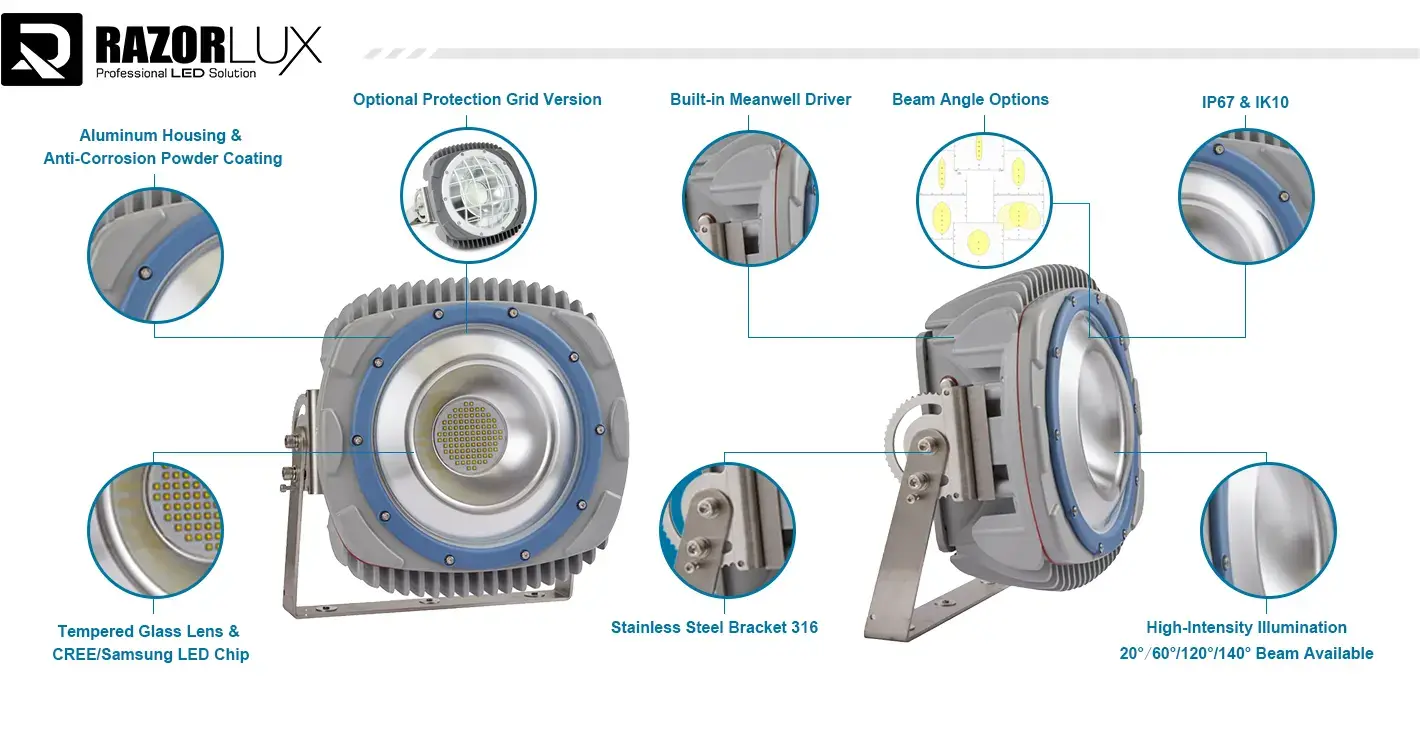
The main difference is in the safety procedures and voltage design. A 12-volt system removes the risk of dangerous electric shock, which is important to think about when installing fixtures in places where people work during storms or where they could accidentally touch energized parts. These lights have bridge rectifiers built in that can handle both AC and DC power. This means they can be used with naval battery banks, solar storage systems, or garden transformers without the need for extra adapters. We've seen that purchasing managers often mix up designs that are "weather-resistant" with ones that are actually waterproof. Weather-resistant types might be able to handle a little rain, but they won't work in heavy rain or when the deck needs to be washed. Real 12V LED flood lights that are waterproof have tightly sealed housings that pay special attention to every possible water entry point, such as cable glands, lens-to-housing junctions, and mounting bracket interfaces, when they are being made.
Decoding IP Ratings and What They Mean for Heavy Rain Performance
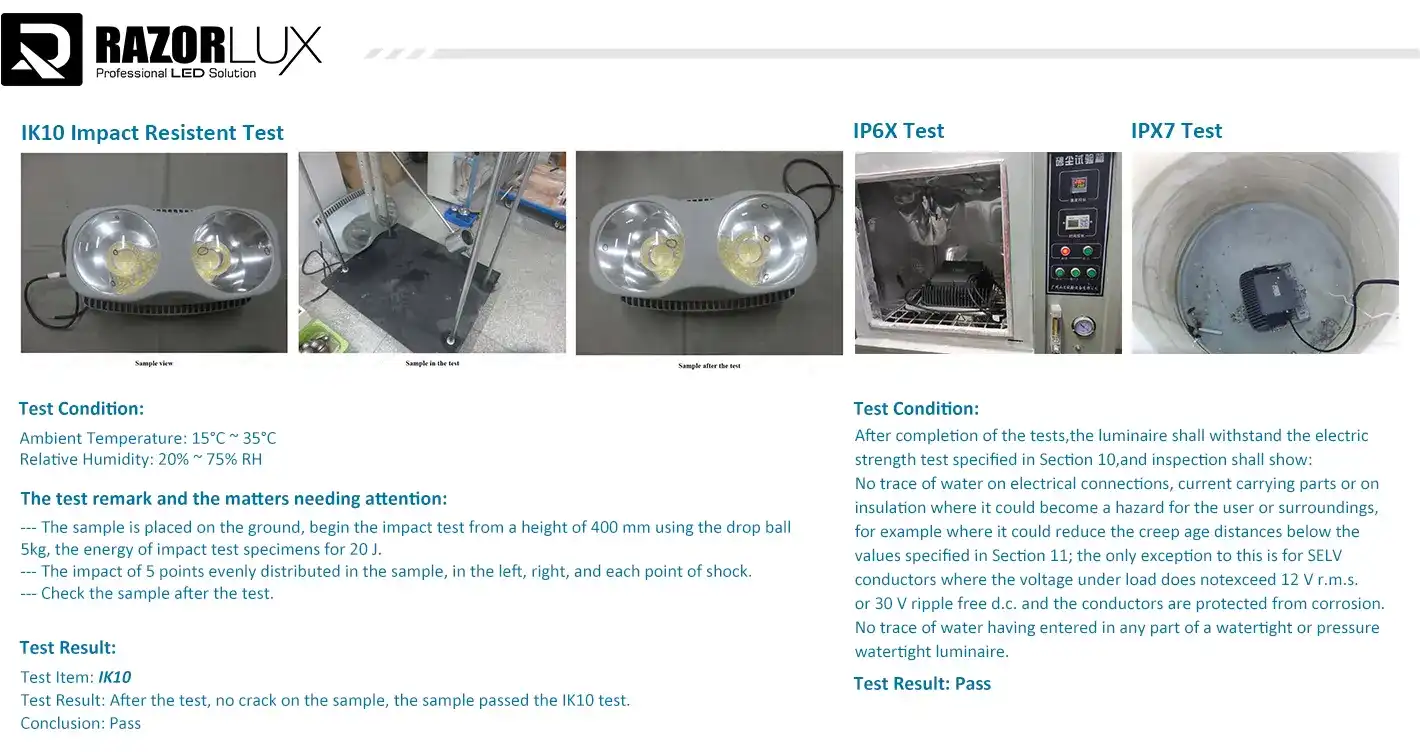
The Ingress Protection rating method gives a consistent way to rate how well shelters keep solids and liquids out. The first number tells you about dust resistance, and the second number tells you about water resistance. An IP67-rated fitting can handle being submerged for 30 minutes in water up to one meter deep, which is much more than what heavy rain can do. But the testing procedure should be looked at carefully. In order to get IP67 approval, the whole system has to be submerged underwater in a controlled lab setting. This is very different from what happens in the field, where it rains at odd angles, the wind blows water into cracks, and changes in temperature cause pressure differences that can push water past seals. In addition to the tests needed for approval, good makers do extra checks to make sure the seal stays intact under stress. These checks include angled spray jets at 80 to 100 PSI and thermal cycling between -40°C and +60°C.
In the years I've spent reviewing naval lighting systems, I've seen IP65-rated units break down after six months on exposed offshore platforms, while properly designed IP67 models are still working after five years in the same circumstances. The rating itself wasn't what made it different; it was how the maker thought that grade should work in real life.
Key Design Features That Ensure Long-Term Water Resistance
There are a few technical details that set good waterproof lights apart from great ones. The material of the housing is very important. High-pressure die-cast aluminum (ADC12 grade) is better at transferring heat than extruded aluminum, which can damage seals over time. As part of the ASTM B117 standard, the powder coating must be able to withstand salt spray for at least 1000 hours. This is to stop rust that weakens the structure. When choosing a lens material, you have to choose between how well it protects against damage and how clear the image is. Tempered glass lets a lot of light through and doesn't scratch easily, but it's heavier and more likely to break during shipping. When made correctly, UV-stabilized polycarbonate keeps 88–92% of its light transmission while lowering weight and increasing impact resistance (IK10 grade). Either compression gasket systems or liquid silicone potting are needed at the point where the lens meets the housing. Each has its benefits based on how the fitting expands and contracts when it's heated or cooled.
The most fragile part of any waterproof device is where the cables enter. Budget models use a single compression joint that comes loose over time because of vibrations or changes in temperature, while high-end models use double-gland systems with seals on both the inside and the outside. Fixtures with PG13.5 or M20 cable glands rated for 4-6 mm cable width are what we ask for. This makes sure that the cables are properly compressed without breaking the insulation on the conductors.
Key Factors Affecting Durability of 12V LED Flood Lights in Heavy Rain
Many factors affect how long a 12V LED floodlight's waterproofing lasts, from one season to ten. Knowing about these things helps procurement teams avoid mistakes that cost a lot of money too soon.
How IP65, IP66, and IP67 Ratings Translate to Real-World Protection?
All three grades guard against water, but they are very different in how they are used. If a device has an IP65 rating, it means it can withstand low-pressure water jets coming from any direction. This is enough for most rain but might not be enough for pressure washer deck cleaning. IP66 makes it safer against strong water jets, so it can be used in places where repair crews often hose down surfaces. IP67 adds to the security by making sure the fixture can withstand being submerged in water for a short time. This is important when there are floods, when maintenance workers drop fixtures into water by mistake, or when wave splashes happen on offshore buildings at mounting sites. Pressure differential testing, which is part of IP67 approval, also makes sure that seals stay intact when the device gets hot while it's working and then quickly cools down during a storm.
I suggest IP67 as the bare minimum for any naval or heavy-duty use where the cost of replacement is higher than the price difference. The 15-20% extra cost for IP67 over IP65 is nothing compared to the costs of renting a crane, stopping production, and hiring workers to change fixtures too soon on a ship or offshore platform.
Construction Materials That Withstand Corrosive Wet Environments
Which materials are used decides how long they will last in harsh circumstances. The choice of aluminum alloy is the first step in building a housing. For naval uses, ADC12 (equivalent to A383.0) has the best casting qualities and corrosion protection. Before adding polyester or epoxy-polyester powder at a thickness of 60 to 80 microns, the surface must be properly prepared with chromate conversion coating. 316-grade stainless steel, not 304-grade, must be specified on mounting plates made of stainless steel. This is because the molybdenum content in 316 stainless makes it more resistant to pitting in chloride settings. Fasteners also need your full attention. A4-grade stainless steel bolts with nylon-insert lock nuts keep things from coming away from vibrations and keep them from rusting. I've seen setups where the makers cut costs by using A2-grade hardware instead of the right stuff, and the screws seized within 18 months.
The driver area inside the device benefits from conformal coating on the circuit boards. This is a clear protection layer that stops failures caused by moisture, even if water gets through the main seal. Mean Well power sources, which are well-known in industrial settings, come with this protection built in as standard. This is one reason why they are trusted in naval settings.
Comparing 12V versus 24V Systems for Waterproof Integrity
Voltage choice affects more than just how well two electricity systems work together. For the same amount of wattage, lower voltage systems draw more current, which causes more resistive heating in the connections and could speed up the breakdown of seals around the contacts. If a 90-watt light is on 12V, it uses 7.5 amps of electricity. If it's on 24V, it only uses 3.75 amps, putting half as much stress on the lines. For battery-powered devices, the wider input voltage range is very important. Good 12V lights can handle the 12.6V to 14.4V change that happens when batteries are charged. They can accept 10 to 30V DC input. Narrow-range drivers (11–13V) save makers money, but they are less reliable when hooked to real-world power sources that have voltage fluctuations.
The cable gauge needs for each power choice are very different. Low-voltage systems need bigger copper wires because the voltage drops more over distance. For 12V lights, a 100-foot cable run needs 10 AWG wire, but for 24V circuits, it only needs 14 AWG wire for the same amount of voltage drop. This factor affects the cost of installation and can sometimes decide which voltage to use for big sites.
Practical Benefits and Challenges of Using 12V Waterproof LED Flood Lights in Heavy Rain
Using low-voltage 12V LED floodlights' waterproofing in wet places has real benefits, but it also comes with some application issues that need to be addressed.
Enhanced Safety in Conductive Wet Environments
The primary benefit of the 12-volt function is that it keeps people safe. Human body resistance drops greatly when it's wet. When skin is dry, it has a resistance of 100,000 ohms, but when it's wet, it drops to 1,000 ohms or less. Wet-skin touch can send currents above 100 milliamps that are deadly at 120V. At 12V, the same contact only makes 12 milliamps, which is annoying but not usually dangerous. This extra safety measure is very useful on ship decks where crew members work during storms, in fish processing plants where workers are constantly in water, and on offshore platforms where salt spray makes conductive films on surfaces. Because the voltage is lower, installation is easier because there is no need for the rigid tubing that is required for line-voltage wiring in wet areas. This makes installation 30–40% cheaper than with 120V systems that do the same thing.
It also gets easier to follow the rules. In many places, 12V devices are considered "Safety Extra Low Voltage" (SELV), which means they don't have to follow some of the rules that apply to higher-voltage setups. This title makes the process of getting permits and inspections easier, which is especially helpful when doing business in several countries with different electricity standards.
Energy Efficiency That Reduces Operating Costs
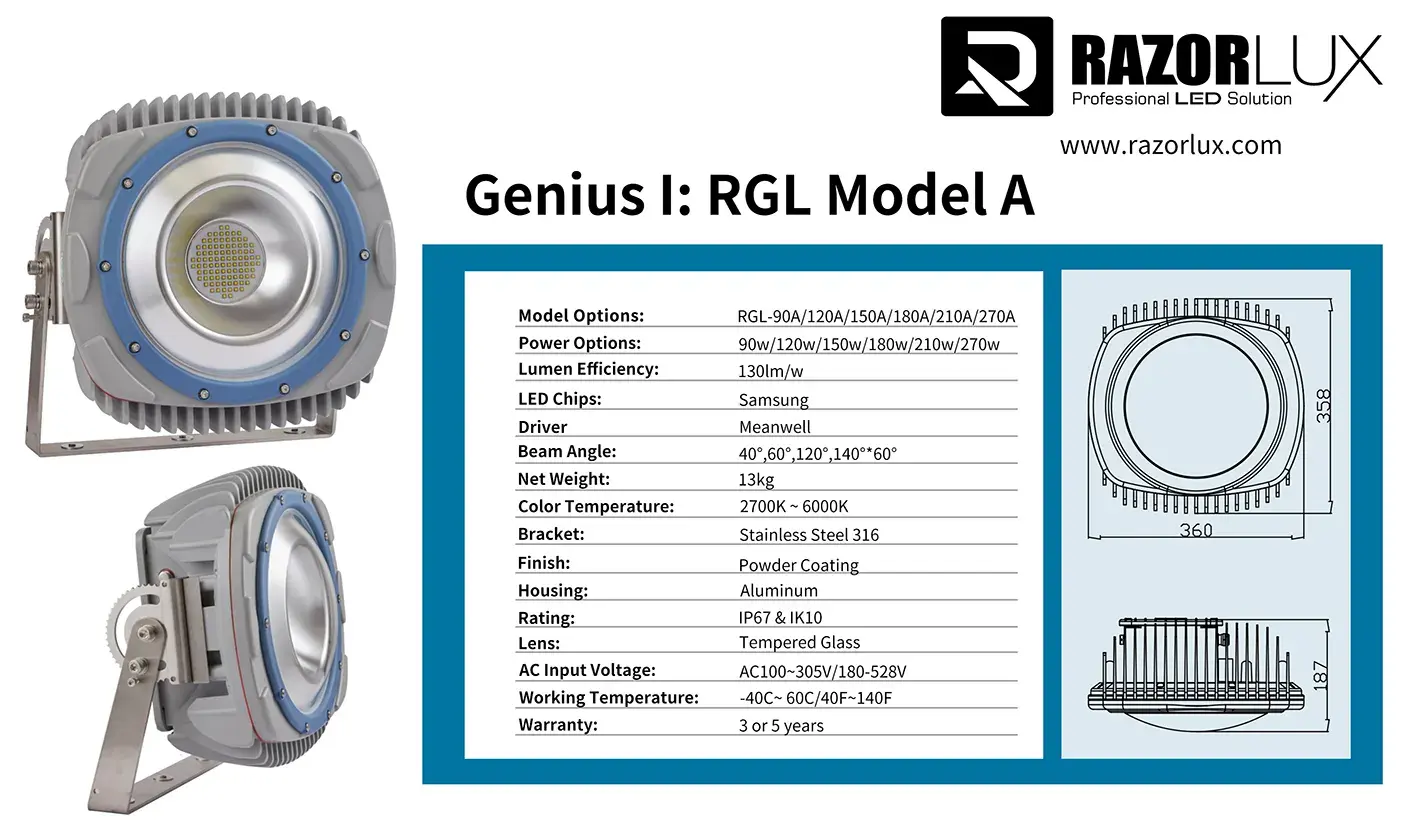
At 130 lumens per watt, modern LED technology changes how efficiently electricity is used. A 250-watt metal halide lamp can be replaced with a 90-watt LED bulb that gives off 11,700 lumens of light while using 64% less energy. If you assume that each light bulb lasts 50,000 hours at $0.12 per kWh, this will save you about $960 in energy costs. The benefit of higher efficiency goes beyond the LED chip and into the design of the whole system. Mean Well drivers get a power factor of 0.98 with less than 10% overall harmonic distortion. This means that reactive power wastes as little energy as possible. Wide input voltage ranges (80-315V AC or 80-400V DC) mean that separate voltage control equipment is not needed. This lowers system losses and the number of parts that need to be used.
Managing heat has a direct effect on how well things work and how long they last. Fixtures that keep the junction temperatures of LEDs below 85°C have stated lifespans, but bad thermal designs that let junction temperatures reach 105°C or higher shorten service life by 60 to 70%. The metal housing acts as a passive heat sink, and the LED modules inside are thermally connected using high-conductivity silicone compounds instead of air gaps, which makes it harder for heat to move.
Common Installation Challenges That Compromise Waterproof Seals
We've found that poor cable gland placement is the most common cause of failure. Technicians often either tighten compression valves too much, which damages the seal and creates leak tracks, or too little, which lets water in. To fix something correctly, it needs to be tightened to 8–10 Newton-meter torque, which is finger-tight plus a quarter turn with a wrench. Preparing the cables is just as important. The outside jacket needs to go at least 5 mm into the gland body, and the wires need to be bent and coated before they are connected to the terminal blocks. I've looked into failures where workers took off too much insulation, leaving bare copper that rusted and heated up to a point where the cable gland seal melted.
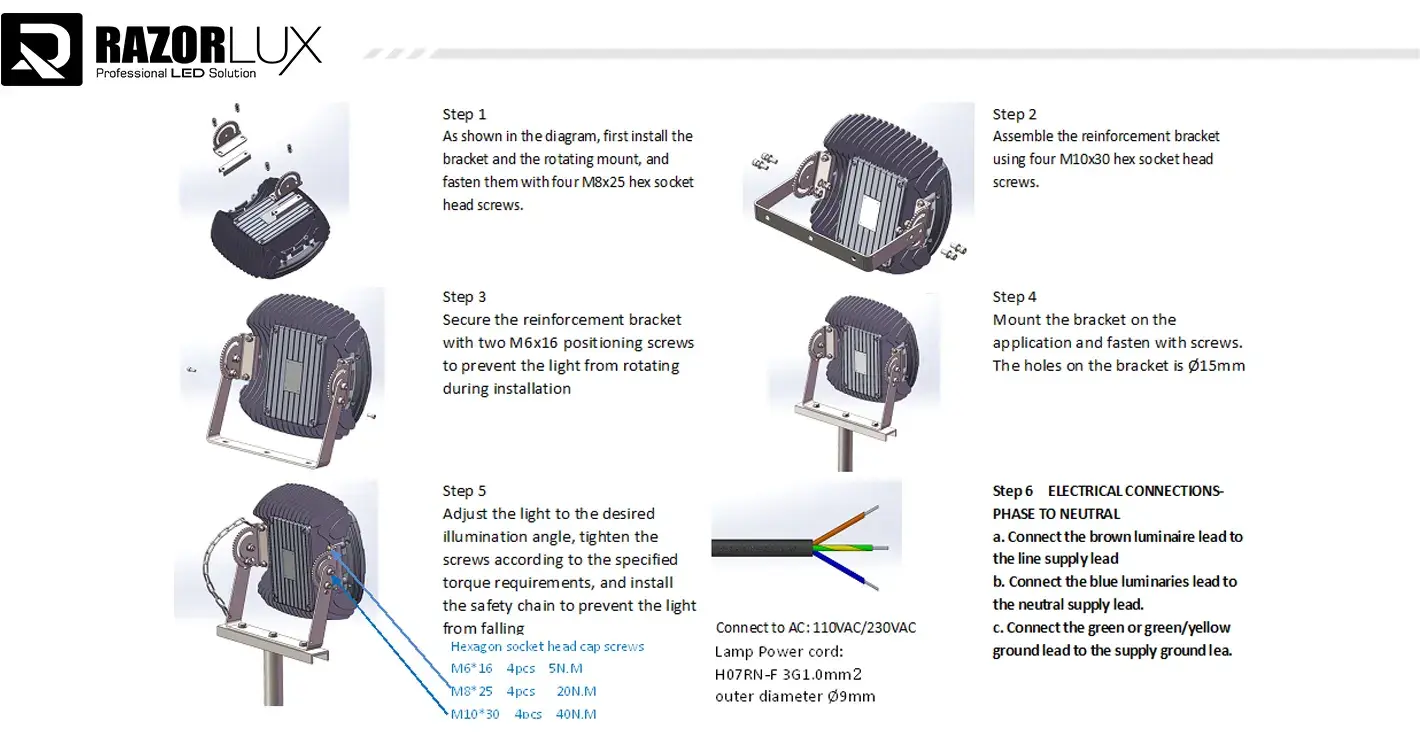
How water builds up depends on how the mount is oriented. In theory, IP67 fixtures can work in any position, but in practice, installations that face downwards are better at keeping water out than installations that face upwards or horizontally, where water can pool around the seals. For horizontal placements, designing small downward tilts (5–10 degrees) makes water drainage much better and extends the life of the seal.
Table 1: Common Installation Errors and Their Impact on Waterproof Integrity
| Installation Error | Consequence | Recommended Solution | Estimated Lifespan Impact |
|---|---|---|---|
| Cable gland that is too tight | Seal distortion that makes leak tracks | Set the torque wrench to 8–10 Nm. | Cuts lifespan by 40 to 50 percent |
| Not enough placement of the wire jacket | Water moves along the wires and into the housing. | Make sure the minimum jacket attachment depth is 5 mm. | Failure within 12 to 18 months |
| There is no seal between the fixing bracket and the surface. | Water gets in through the fixing holes. | Marine-grade sealant should be used before attaching. | Speeds up rust by 60% |
| Upward-facing installation in high-rain areas | Water builds up around seals, which raises the pressure. | If you can, turn lights 5 to 10° downward. | Lowers the usefulness of the seal by 30% |
How to Select and Install Durable 12V Waterproof LED Flood Lights for Rainy Environments?
To pick the correct 12V LED flood lights that are waterproof, you need to carefully look at the technical details that are relevant to your work area.
Critical Specifications to Evaluate During Procurement
Lumen output shows how much light is actually sent after optical losses happen through the lens. There may be 12,000 lumens of LEDs in a fixture, but only 9,600 lumens will reach the work area if the lens takes 20% of the light and the reflector system isn't working well. Instead of using LED datasheet values, we use "delivered lumens" that were measured one meter away from the device. Color hue affects both how well something can be seen and how people feel about it. "Neutral white" between 5000K and 5700K works well in marine settings because it accurately renders colors for safety-critical jobs and eases eye strain during long work hours. The 2700K "warm white" light that is common in homes gives off a yellowish cast that makes it hard to tell colors apart, which is needed for maintenance and inspection work.
Choose a beam angle that fits the fixture's height and covering needs. A 60-degree beam angle from a light 10 meters high covers an area 20 meters across. A 120-degree beam from the same height covers 35 meters, but it is not as bright. Our standard requires various beam angles, with 60° for high-mounting outer security lighting and 120° for lower area lighting where coverage is more important than throw distance. The electricity input range tells you if it will work with the power equipment you already have. Fixtures that accept 90–305V AC can handle the wide range of voltages that are common in industrial settings. DC inputs that accept 127–431V DC allow direct connection to battery banks without inverters. Being able to work with both AC and DC gives you more placement options than single-voltage units can offer.
Comparing Quality Levels Among Global Manufacturers
There is a strong link between brand image and field dependability. Well-known brands like Philips, Osram, and Cree put a lot of money into testing methods that go above and beyond what is needed for certification. On the other hand, lesser-known brands usually only do what is needed for CE or RoHS marking. This difference is clear when you look at the average time between failures. High-end brands usually have 95%+ success rates at 30,000 hours, while cheap brands have 20–30% failure rates at the same time. Sourcing components shows what production objectives are. Fixtures made with Samsung LM301H or Lumileds 3030 LED chips and Mean Well HLG-series drivers show a dedication to quality that usually goes all the way through the housing construction and seal design. On the other hand, units that use generic LEDs and power sources usually don't build as well, even if they say they meet certain standards.
Warranty terms show that the maker is confident. Razorlux backs up its LED modules and drivers with a five-year warranty and a ten-year guarantee on the housing components. This is in line with how long they last in the field. Brands that only offer one- or two-year guarantees either don't trust their designs or make goods that are meant to be replaced after a short time.
Step-by-Step Installation Best Practices for Maximum Longevity
The assembly process starts before the device even gets there. Preparing mounting surfaces is important. For example, steel bases need to be primed to stop galvanic rusting between metals that are not the same, and sealing concrete surfaces will stop water from getting through the mounting holes. We put marine-grade silicone (DOW 795 or a similar product) between the mounting clamp and the base as a bedding material. This makes a second barrier against water. Planning is important for the cable route. When possible, cables should approach the device from below. This makes a drip loop that keeps water from running along the cable and into the gland. We put in drip loops at least 6 inches below the entry point when wires have to come in from above or the side. Standard THWN wire breaks down in 18 to 24 months when left outside, but UV-resistant cable rated for direct burial (type USE-2) can last longer in direct sunlight.
The order of the connections is important. Only remove enough insulation to reach the terminal blocks (6–8 mm on average). Twist stranded wires clockwise and use solder or crimped ferrules to keep the strands from coming apart. Fully insert the wires into the terminal blocks until they touch the back stop. Tighten the screws to the manufacturer's standards, which for most push-in terminals is 0.5 to 0.6 Nm. Once the wires are connected, test the device before closing it. Turn on the power and make sure it works. Look for flashes that could mean there are problems with the driver or loose connections. Once the operation is confirmed, tighten the cable gland in steps. First, hand-tighten it, and then use a wrench to turn it a quarter of the way. Make sure that the gland evenly presses down on the cable jacket without deforming it. Put one last bead of silicone around the outside of the gland to keep water from moving along the wire.
Maintaining Waterproof Integrity Over Years of Service
Regular repair keeps things reliable over time. Inspections should be done once a year to make sure that the lens surfaces are clean, the mounting screws are not corroded, and the cable glands are still tight (vibrations slowly free them). In dusty places, dirt builds up and lowers light output by 20–30% a year. Cleaning with mild soap and water returns performance without using chemicals that could damage seal materials. The most important upkeep job is replacing the gaskets. Good silicone seals last between 5 and 7 years before they become less effective at closing. To replace it, you have to take off the lens or cover plate, use rubbing alcohol to clean the gasket channels very well, and then put on new gaskets with a thin layer of silicone grease to help them contract and keep them from sticking.
When things go wrong, testing processes find out why. If it's clear that water is getting in, check the cable gland first. It's where 60–70% of water problems start. If the gland looks like it's still whole, check the lens-to-housing seal and the fitting contact. Corrosion around the mounting nuts means that water is getting in through the bracket, which means that the bedding material has broken down.
Market Insights and Procurement Tips for Bulk Buying 12V Waterproof LED Flood Lights
Knowing how the market works helps sourcing teams get the best deal and avoid common mistakes when buying 12V LED flood lights waterproof in bulk.
Current Pricing Trends and Product Variations Available
As the global market for waterproof LED flood lights has grown, prices have gone down, and performance has gotten better. Prices for high-quality 90-watt IP67 fixtures run from $85 to $150 per unit when bought in groups of 100 to 500. Prices depend a lot on the parts chosen and the licensing paperwork. Cheaper units usually have generic LEDs and simple drivers, while more expensive ones have brand-name parts and full test results. Product versions meet the needs of different applications. Basic models have a set amount of light, while more advanced models have motion sensors, photocells, or the ability to dim. Pulse-width modulation (PWM), 0-10V analog control, and DALI digital protocols are all dimming choices. Each works best with a different type of control system. Fixed-output types are the most cost-effective choice for most port and offshore sites because they don't need to be dimmed very often.
Evaluating Suppliers Based on Certifications and Manufacturing Standards
Certification paperwork shows what the seller can do. Not only do full packages come with copies of the certificates, but they also come with full test results that show how the product did in tests. A real IP67 test report includes information about the temperature of the water, the depth and length of exposure, and an electrical safety check after the test. Certificates that don't come with supporting documents make people question their trustworthiness. Standards for manufacturing go beyond just certifying products. Certification in ISO 9001 quality management means that processes are controlled in a planned way, and certification in ISO 14001 environmental management means that the company is committed to using environmentally friendly methods. Suppliers that have had both certifications for 15 to 20 years or more show organizational stability and process growth that companies that are just getting qualified haven't shown yet.
Factory audit records from outside sources give honest opinions on how well a factory can make things. There should be a lot of information in reports about the testing equipment, quality control methods, output equipment, and systems for tracking down parts. Suppliers who don't want to share audit reports or let customers tour their facilities often are afraid of what those guests might find.
Table 2: Essential Supplier Evaluation Criteria for Marine-Grade Waterproof LED Procurement
| Evaluation Category | Critical Requirements | Documentation Needed | Impact on Long-Term Reliability |
|---|---|---|---|
| Product Certifications | For naval use, IP67, CE, UL, RMRS, and DNV-GL | Not just certificates, but full test records with protocol information | Makes sure the product fits the set requirements; lowers liability |
| Component Quality | Smart LEDs and drivers from well-known brands like Samsung and Lumileds | Datasheets for parts and notes authorizing suppliers | Directly related to life rates of 30,000 hours or more |
| Manufacturing Standards | For more than 10 years, ISO 9001 has been in use, and quality control methods have been recorded | ISO badges, audit reports, and records of the quality control process | Shows that the quality is the same from batch to batch |
| After-Sales Support | Technical support lines, availability of replacement parts, and nearby repair places | Service policy documents, a parts list, and promises of when to respond | Lowers the cost of downtime and speeds up the solving of problems. |
| Supply Chain Stability | Agreements to source parts for more than one year and safety stock plans | Inventory logs and paperwork about the supply chain | Stops project delays caused by missing parts |
Long-Term Cost Considerations Beyond Initial Purchase Price
Total cost of ownership research shows how much lighting infrastructure really costs. The initial purchase price only makes up 25–30% of the total costs over the product's lifetime. The rest of the costs include energy use (40–45%), upkeep work (20–25%), and replacement costs (10–15%). A $100 light fixture that uses 90 watts for 50,000 hours costs $540 in electricity at $0.12/kWh, but a $150 light fixture that uses 75 watts only costs $450, so the more expensive light fixture is cheaper in the long run.
The cost of maintenance changes a lot depending on how easy it is to get to. Fixtures on 30-meter offshore platform towers need to be replaced, which costs $2,000 to $3,000 in crane rental and worker time. If you choose high-quality parts, you can extend the life of a fixture from three years to seven years, which means you only have to repair it once. This saves you thousands of dollars in work costs, which is much more than the price difference between cheap and expensive fixtures.
Standardization has benefits for purchasing that go beyond unit price. By choosing a single fixture family for the whole building, you can cut down on the number of extra parts you need to keep on hand, make training repair staff easier, and often get better prices by buying in bulk. When compared to buying different types of fixtures in smaller amounts, standardization often saves more than 15 to 20 percent on costs.
Conclusion
How long 12V LED flood lights last in places with a lot of rain relies on how well they were designed, how well they were put together, and how well they were sealed. Fixtures that meet IP67 standards and are made of marine-grade materials, along with careful attention to how the cable gland is installed and mounted, can work reliably for more than 50,000 hours, even in the toughest marine and industrial circumstances. Total lifetime costs, not just the original purchase price, should be the most important factor in purchasing choices. This is because high-quality parts and thorough certifications directly lead to lower upkeep costs and longer replacement intervals. When it comes to safety, the 12-volt design is better in wet settings and can work with battery backup systems and renewable energy sources. When looking at providers, focusing on certifications that can be checked, clear production processes, and quick technical support helps find partners that can meet long-term business needs in tough situations.
FAQ
Can These Waterproof Fixtures Operate During Submersion?
Fixtures with an IP67 rating can be temporarily submerged up to one meter for thirty minutes. This means they can be used on a flooded deck or if they get wet by accident. But for constant underwater operation, you need submersible fittings with an IP68 rating that were made just for that. This is important to know because IP67 testing only checks that the seal works when it is submerged in water still, but when it is used underwater, the water can move and put dynamic pressure on the seal, which can break seals that were only meant to be submerged temporarily.
How Does Temperature Affect Waterproof Seal Performance?
Extreme changes in temperature put stress on waterproof seals as they go through stages of expanding and contracting. High-quality fittings with silicone covers stay flexible from -40°C to +150°C, so they can be used in Arctic shipping operations or installations in the equator. Cheaper devices with rubber gaskets lose their ability to close when they get below -20°C and above +60°C. The Razorlux design calls for materials that keep their sealing strength across the working temperature range of -40°C to +60°C. This was proven by rapid thermal cycling tests that were done during development.
What Maintenance Schedule Preserves Long-Term Waterproofing?
The best performance is maintained by checking the state of the fastening hardware, the cleanliness of the lens, and the tightness of the cable gland once a year. By replacing the seal every three to five years, you can stop age-related wear and tear from thickening or compression set. More regular inspections, every six months, are better in coastal areas where salt spray is common to find rust early on before it weakens the structure. Keeping detailed service logs helps find trends that can be used to predict when parts will need to be replaced. This allows for proactive maintenance that stops problems before they happen.
Are All 12V LED Flood Lights Compatible with Marine Battery Systems?
How well they work together depends on the input voltage range of the motor. Marine battery banks go from 10.5V when they are fully drained to 14.4V when they are being charged to equalize. Fixtures that need a narrow voltage range (11–13V) might not work or flicker at these extremes. On the other hand, designs with a wide voltage range (10–30V DC) can handle regular changes in battery voltage. The Razorlux RGL-90A model works with battery systems popular on ships and offshore sites because it can handle 80–400V DC input.
Partner with Razorlux for Reliable Marine-Grade Waterproof LED Solutions
Razorlux has been making waterproof LED lighting solutions for marine and commercial settings since 1998, so they have 25 years of experience in the field. With IP67 and IK10 grades for security, Mean Well drivers, and full five-year warranties, our 90-watt 12V LED floodlight waterproof fixtures provide 11,700 lumens at 130 lm/W. We have been ISO 9001 certified for over 20 years and have full paperwork for RMRS, UL, CE, DNV-GL, and ABS marine certifications with full test results. We are a reputable manufacturer of 12V waterproof LED flood lights. Email our technical team at sam@razorlux.com to talk about your specific application needs, get full specs, or set up sample trial units that show how good engineering makes a difference in heavy-rain conditions when it comes to longevity.
References
1. International Electrotechnical Commission. (2013). IEC 60529: Degrees of protection provided by enclosures (IP Code). Geneva: IEC Central Office.
2. Marine Equipment Directive. (2014). MED 2014/90/EU: Conformity assessment procedures for marine equipment. European Union Official Journal.
3. American Bureau of Shipping. (2021). Rules for Building and Classing Steel Vessels: Part 4 - Vessel Systems and Machinery. Houston: ABS Publications.
4. National Electrical Manufacturers Association. (2019). NEMA 250: Enclosures for Electrical Equipment (1000 Volts Maximum). Rosslyn: NEMA Standards Publication.
5. Illuminating Engineering Society. (2020). LM-80-20: Approved Method for Measuring Lumen Maintenance of LED Light Sources. New York: IES Technical Publications.
6. Det Norske Veritas. (2022). DNVGL-CG-0339: Certification of electrical installations for ships and offshore units. Oslo: DNV GL Maritime Standards.
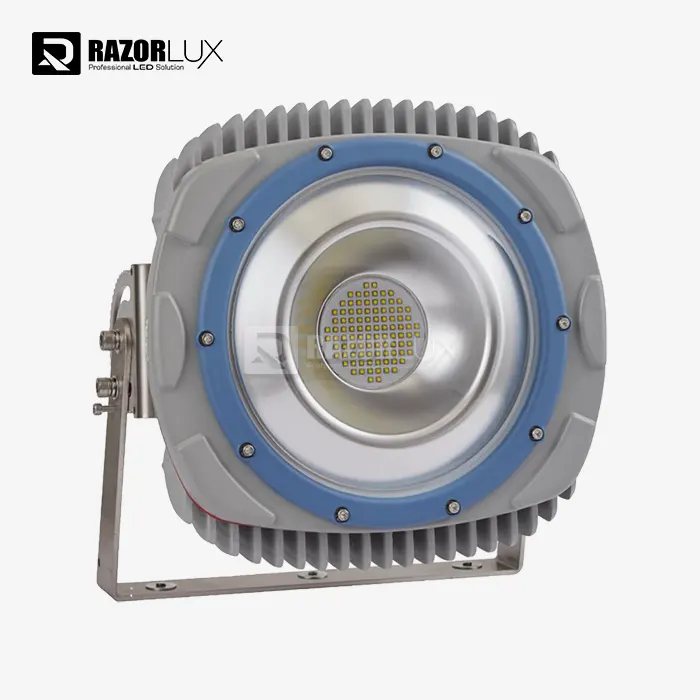 VIEW MOREindoor badminton court lighting
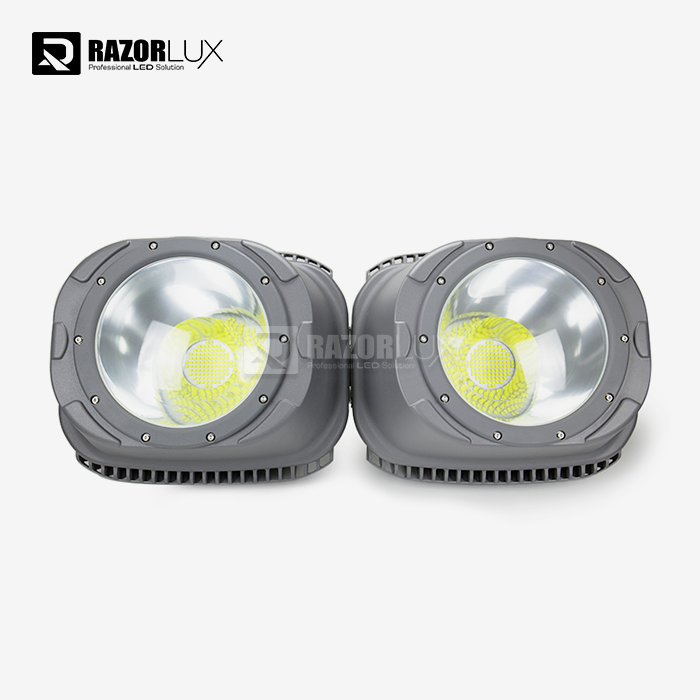 VIEW MOREled soccer field lights
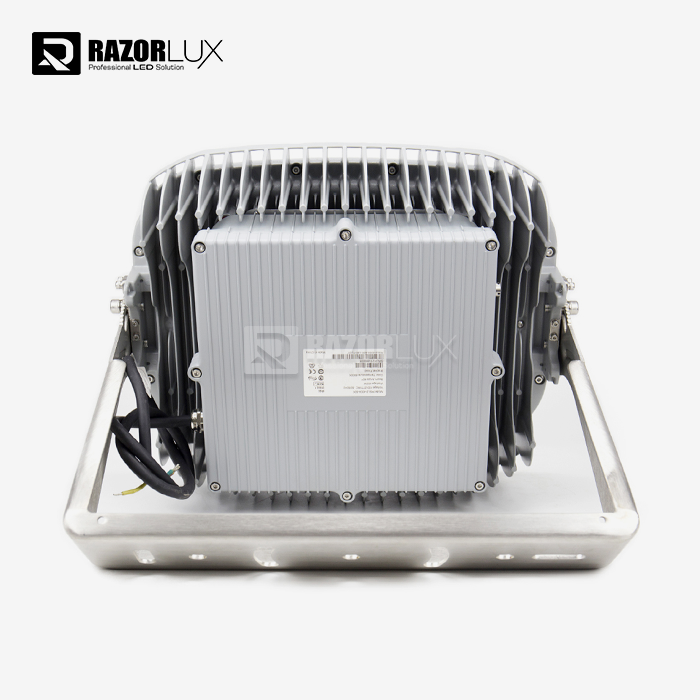 VIEW MOREoutdoor led tennis court lighting
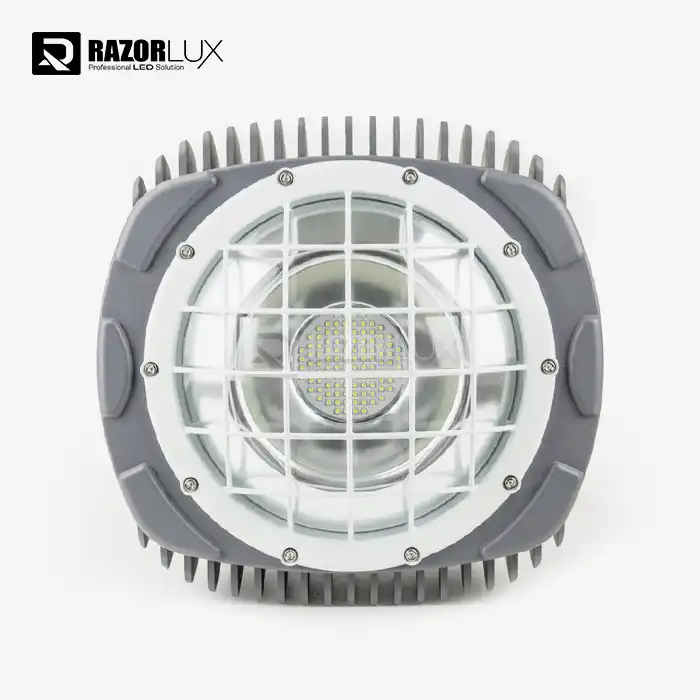 VIEW MORE120W Warm White Led Floodlight
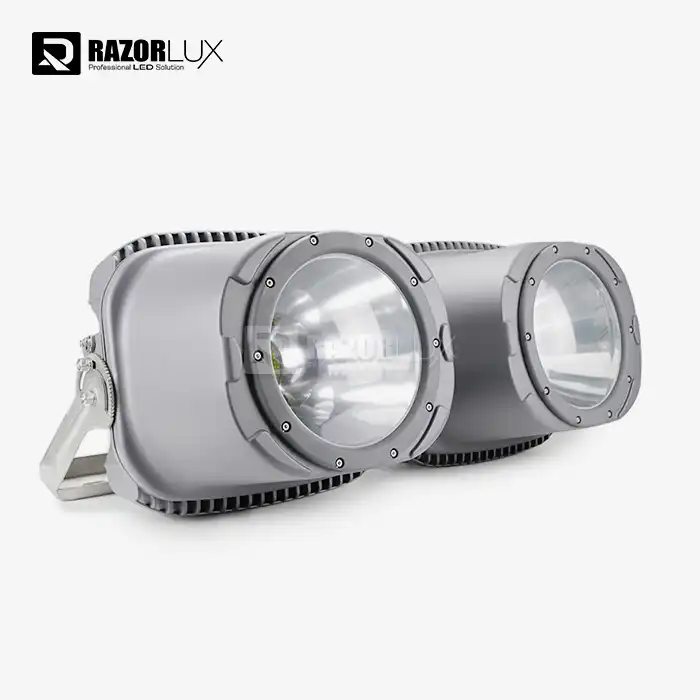 VIEW MOREBest Led Boat Deck Lights
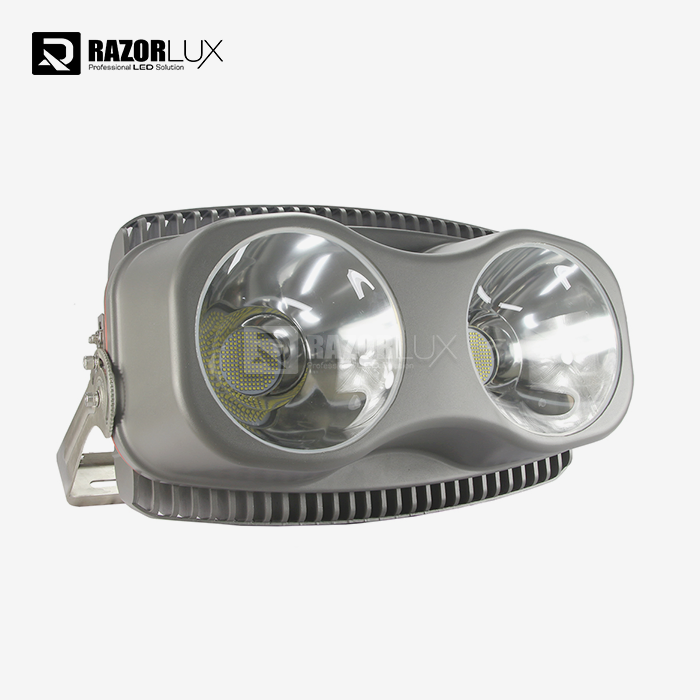 VIEW MOREAluminum IP65 Led High Mast Light 1000W RoHS Led Baseball Field Lights
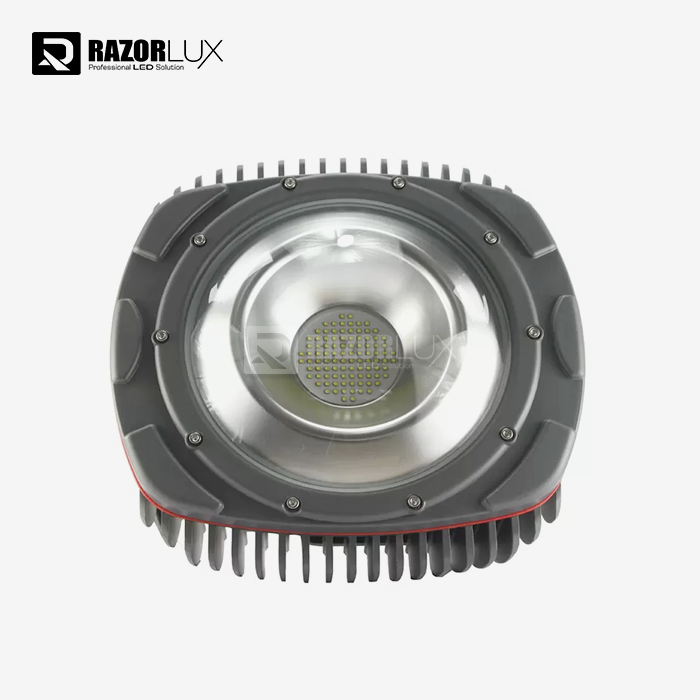 VIEW MORERound 120w Led Industrial Flood Light 14400lm Anti Glare Led Flood Light
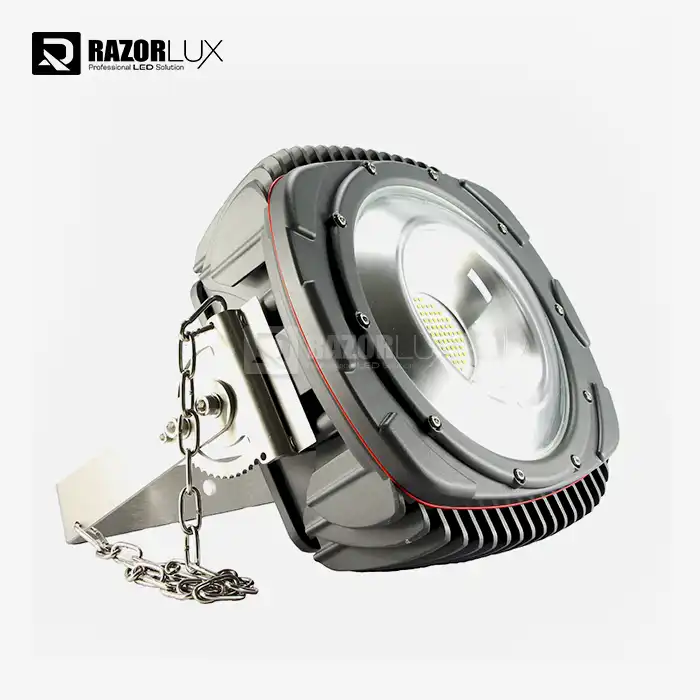 VIEW MOREHigh Mast Luminaire