


_1750326878398.png)

Can a Low Mast Light Reduce Energy and Maintenance Costs?
A Low Mast Light can meaningfully reduce both energy consumption and long-term maintenance costs. Compared to traditional HID or high mast systems, LED-based pole lighting mounted at 8–15 meters delivers precise illumination at significantly lower wattage. The Razorlux RGL-120A, for instance, operates at 120W while replacing 250–300W HID lamps, achieving 130 lm/W efficiency. With a lifespan exceeding 50,000 hours and IP67 protection, these fixtures reduce replacement frequency and on-site servicing labor — making them a sound long-term investment for industrial facilities, port infrastructure, and urban commercial zones.
Understanding Low Mast Lights and Their Role in Energy Savings
Low mast lighting is a good compromise between standard street poles and tall high mast systems. These lights, which are usually put up 8 to 15 meters high, shine light where it's needed most, like on roads, loading docks, parking lots, and industrial yards, without wasting energy on sky glow or spillover.
What Distinguishes a Low Mast Light From Other Outdoor Fixtures?
Instead of flooding large areas from 25 meters or more, high mast systems aim their lights at medium-sized areas with controlled beam patterns. This accuracy cuts down on wasted lumens. Single-lane roads are controlled by street lights, and walking areas are protected by bollards. Between these two is the low mast, which covers places that need both width and depth of coverage.
How LED Technology Drives Energy Efficiency
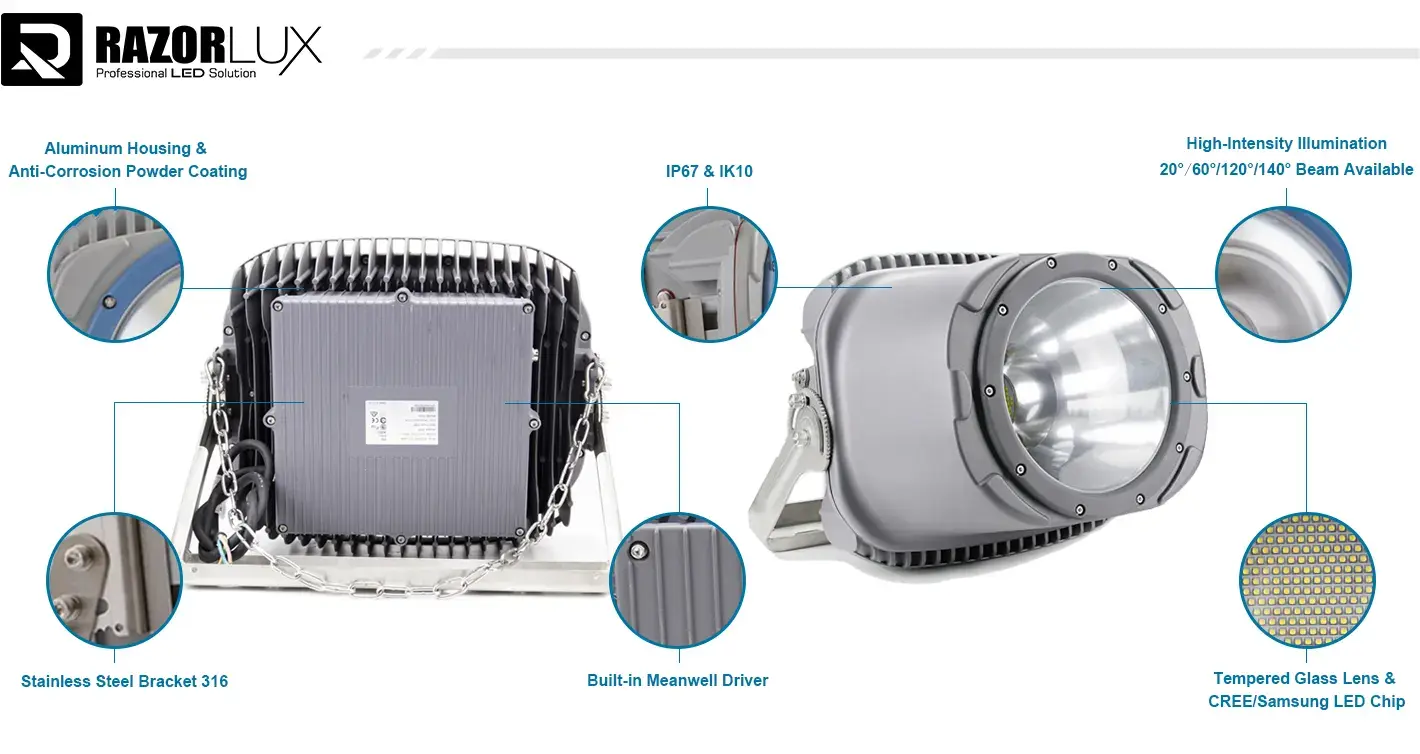
The cost of outdoor lighting has changed because of LED area lighting. A 120W LED bulb like the Razorlux RGL-120A gives off 14,400 lumens, which is the same amount of light as or more than a 250–300W metal halide lamp. That means that about 50–55% less energy is being drawn. The U.S. Department of Energy says that LED outdoor lighting can save 40–60% of the energy that traditional HID systems use (DOE, 2022).
Beam Angle Options and Their Impact on Coverage
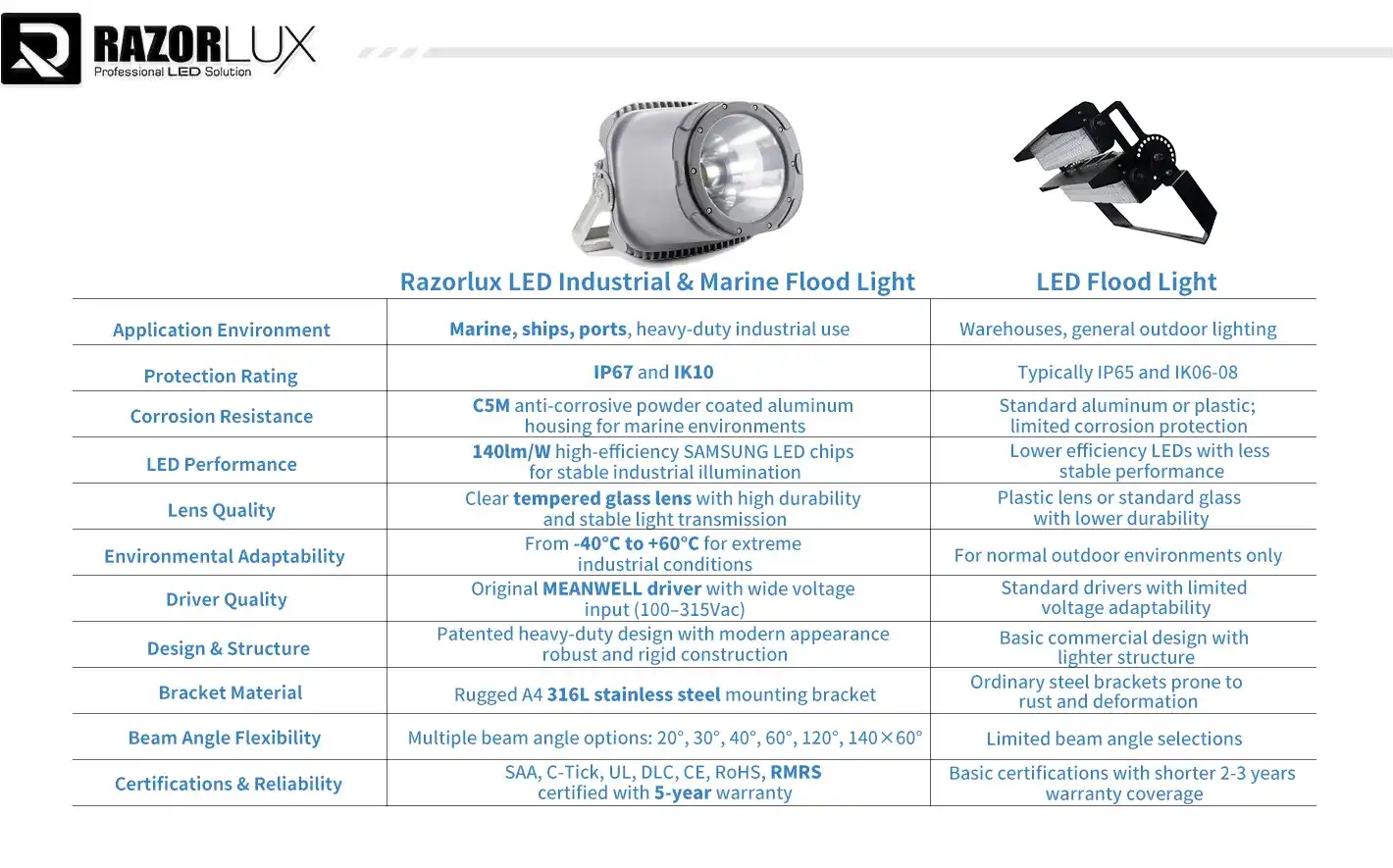
Choosing the right beam position has a direct effect on how well a light covers an area. The RGL-120A has three beam settings: 60°, 120°, and 140°×60°. When focused light is needed, a narrow 60° beam works well in a path or loading bay. You can use the 120° and asymmetric 140°×60° options for parking lots or industrial yards that are bigger. When you pick the right optic, you need fewer fixtures for each installation. This saves money on both capital and energy costs.
Analyzing Maintenance Costs Associated with Low Mast Lighting
A lot of the time, outdoor lighting projects lose money because they need to be maintained. Hiring people to work, renting tools, and unexpected breaks all add up faster than most procurement teams expect. This is directly addressed by mast systems, which make LEDs easier to reach and last longer.
Why Mounting Height Matters for Maintenance Access
A standard bucket truck or even a hinged-pole system can be used to fix the pole of a low mast light at 10–12 meters. For mast towers taller than 25 meters, you need special lowering gear or to rent a crane, which costs a lot more per service visit.
LED Lifespan and Reduced Replacement Frequency
The RGL-120A is recommended to last ≥50,000 hours, which is more than enough time to pay for itself in better access costs over a 10-year installation cycle. If the LED module is used 12 hours a day, that means it will be over 11 years before it hits L70, which is 70% of its original power. Most regular HID lamps last between 10,000 and 15,000 hours. The costs of parts, labor, and disposal add up when you replace HID sources three or four times in the same amount of time. LED systems don't have these problems.
Corrosion Resistance and Structural Durability
Salt air, humidity, and chemicals in the air from factories all make fixtures break down faster. The RGL-120A has an IP67 rating, an aluminum housing that has been powder coated, a stainless steel bracket, and an IP67 rating, which means that internal parts are protected from water even when submerged for a long time. The IK10 impact rating gives mechanical safety against hitting something or getting hit by something. These things make fixtures last longer and keep them from needing to be replaced without warning.
Here is an overview of how LED low mast lighting and standard HID systems compare when it comes to things that need to be maintained:
In terms of measurements, the LED Low Mast (RGL-120A) is the traditional HID equivalent. It has a rated lifespan of ≥50,000 hours and a replacement rate of 0–1 or 3–4 times every 10 years. Its IP rating is IP67 and its impact rating is IK10 or lower. It needs to be maintained every 5–7 years or every 1–2 years.
| Metric | LED Low Mast (RGL-120A) | Traditional HID Equivalent |
|---|---|---|
| Rated Lifespan | ≥50,000 hours | 10,000–15,000 hours |
| Replacements per 10 years | 0–1 | 3–4 |
| IP Rating | IP67 | Typically IP65 |
| Impact Rating | IK10 | IK08 or lower |
| Maintenance Interval | 5–7 years | 1–2 years |
These numbers show that LED-based low mast systems require less structural maintenance over the course of their useful life.
Cost Comparison: Low Mast Light vs. High Mast and Other Lighting Solutions
Teams in charge of buying things need real numbers, not vague claims. Any lighting system's real cost includes the price of the equipment, the labor to set it up, the energy it uses, and the maintenance that needs to be done over time. When used on a medium-sized scale, low mast fixings always work well in all four areas.
Capital Expenditure and Installation Complexity
Engineered foundations, special pole parts, and electricity conduit systems that run long lengths are needed for high mast buildings. Installation often needs a crane and more time on the job site. It is easier to set up poles for low mast light because they are lighter and follow standard trenching and base rules. This difference in installation costs is important for projects that cover warehouses, port docks, or industrial corridors.
Energy Consumption Over a 10-Year Period
One RGL-120A machine uses about 525 kWh a year, which is about 120W per bulb for 4,380 hours a year (12 hours a day). About 1,314 kWh are used each year by a similar 300W HID light. A 50-fixture system saves about 394,200 kWh over 10 years. If you use $0.12/kWh for business power in the U.S. (EIA, 2023), that means that one installation will save you almost $47,300 in energy costs.
Light Distribution Efficiency Across Application Types
High mast systems cover a large area, but they aren't very even at ground level, so there are bright spots under the fixture and darker areas between the poles. Asymmetric optics in low mast fixtures, like the 140°×60° beam on the RGL-120A, make the horizontal coverage better in parking lots, loading bays, and road segments. Less total lighting is needed to meet lux standards when there is better regularity.
Procurement Considerations for Low Mast Lights in B2B Markets
It's not just about wattage and price when choosing the right fixture. When technical teams look over specifications, they need to make sure that performance claims are true, and when purchasing teams look at suppliers' abilities and total cost of ownership, they need to compare the two.
Key Specifications to Verify Before Purchasing
Some of the most important technical factors to consider when looking at outdoor lights for industrial and marine settings are the following:
- Luminous efficacy: Look for ≥130 lm/W. The RGL-120A achieves exactly this, delivering 14,400 lm at 120W total consumption.
- IP and IK ratings: IP67 protects against full water ingress; IK10 protects against 20-joule mechanical impacts. Both are confirmed ratings on the RGL-120A.
- Input voltage range: The RGL-120A accepts AC 80–315V and DC 80–400V, making it compatible with variable grid conditions across international project sites.
- Power factor and THD: A power factor of ≥0.98 and THD <10% reduce grid stress and avoid penalty charges on commercial electricity accounts.
- Driver brand: The RGL-120A uses a Meanwell driver — a brand widely accepted in industrial specifications for its reliability and warranty coverage.
- Color rendering: CRI ≥Ra75 as standard, with Ra80 and Ra90 available on request, supporting security camera accuracy and operational safety.
The RGL-120A, a reliable low mast light, is a good choice for heavy manufacturing settings, industrial parks, ports, and transportation hubs because of these specs. Before making a final decision on a standard, procurement teams should ask for full technical datasheets, IES photometric files, and test results from a third party.
Certifications That Matter in B2B Procurement
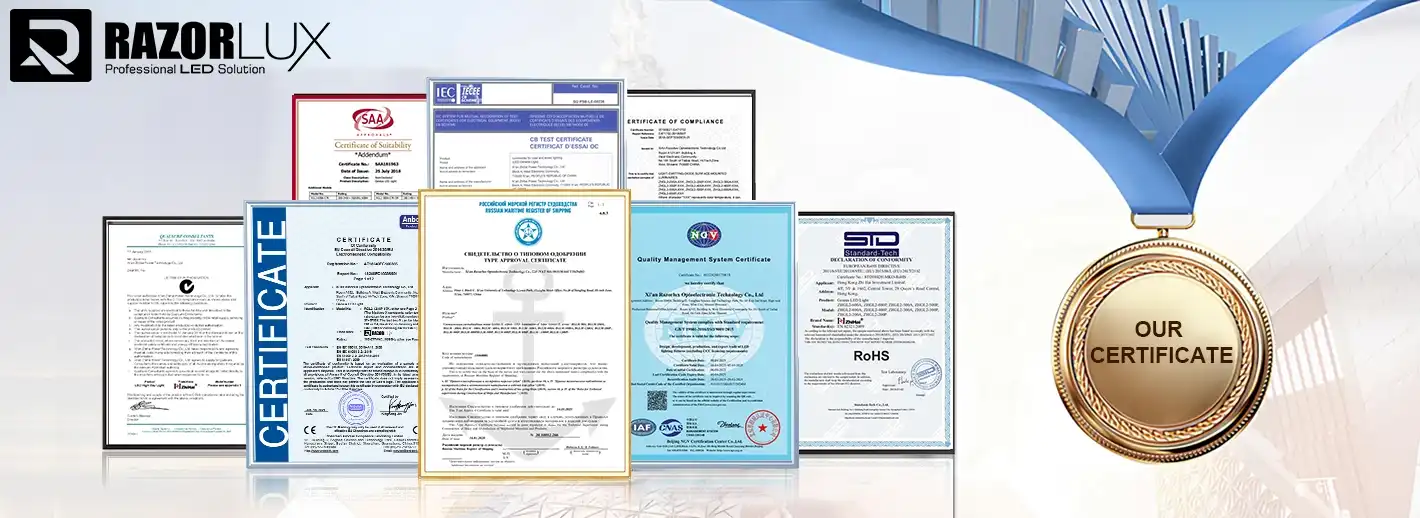
Certifications are an independent way to check that what a product says is true. The RGL-120A is certified by CE, RoHS, SAA, C-Tick, UL, DLC, CB, and ISO 9001. UL listing and DLC qualification are especially important for projects in the United States. DLC qualification makes it possible to get utility rebates, which can help cover the cost of the initial buy. Razorlux is also certified by RMRS and TUV for marine-grade uses, which means it can be used in port and offshore settings.
Warranty Terms and After-Sales Support
A ten-year warranty on the housing and a five-year warranty on both the LED module and the driver show that the company really believes in the quality of the product. Razorlux backs this up with direct technical support, test samples that can be ordered ahead of time, and customization choices for mounting or power needs that aren't standard. Razorlux can send full documentation packages with installation tips and copies of their certifications to procurement teams that are using official processes to evaluate vendors.
Best Practices and Industry Standards for Low Mast Lighting
Meeting performance goals requires more than choosing the right fixture. Proper installation, compliance with applicable standards, and smart control integration all contribute to real-world results.
Relevant Standards Governing Outdoor Area Lighting
In the United States, outdoor lighting installations typically reference ANSI/IES RP-8 for roadway lighting and NEMA standards for enclosure ratings. The Illuminating Engineering Society (IES) provides photometric classification types (Type II through Type V) that define how light distributes from a fixture. For DLC-listed products like the RGL-120A, minimum efficacy and performance thresholds are independently verified. European projects follow EN 13201 road lighting standards, which define luminance and uniformity requirements by road class.
Pole Spacing and Photometric Planning
Correct pole spacing is critical to achieving the required lux levels and uniformity ratios. For a 10-meter mounting height, a general spacing-to-height ratio of 3:1 to 4:1 applies for most area lighting scenarios. This places poles approximately 30–40 meters apart. Photometric software (DIALux or AGi32) allows lighting designers to model the RGL-120A's beam pattern and confirm compliance before installation begins — avoiding costly field adjustments after the fact.
Smart Controls and Dimming Integration
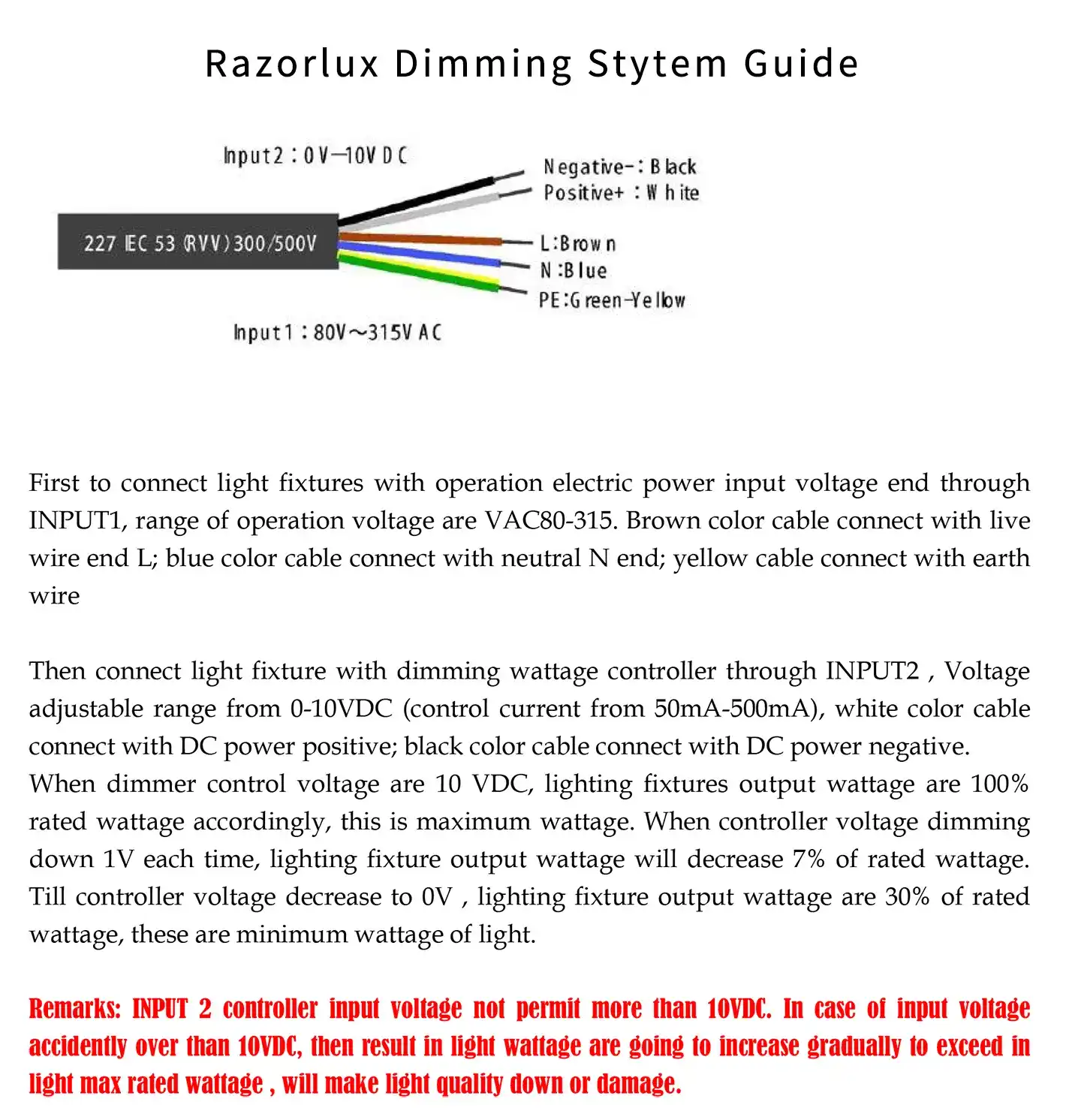
The RGL-120A supports dimming and is compatible with standard 7-pin NEMA sockets for DALI or IoT-based lighting controls. Programmable dimming schedules — reducing output to 50% during low-traffic overnight hours — can add a further 20–30% to energy savings beyond the baseline LED efficiency gain. For port facilities or industrial parks operating on shift schedules, this flexibility translates directly into measurable operating cost reductions.
The following table compares low Mast Led fixtures against key alternatives across total cost of ownership indicators:
| Category | LED Low Mast | HID High Mast | HID Street Light |
|---|---|---|---|
| Avg. Wattage | 120W | 400–1000W | 150–250W |
| Lifespan (hours) | ≥50,000 | 10,000–15,000 | 10,000–20,000 |
| Annual Energy Cost (50 units, $0.12/kWh) | ~$3,153 | ~$10,512–$26,280 | ~$3,942–$6,570 |
| Maintenance Interval | 5–7 years | 1–2 years | 2–3 years |
| IP Rating | IP67 | IP65 | IP65 |
| Certifications Available | UL, DLC, CE, RoHS | Limited | Variable |
The data shows that LED low mast systems carry a clear advantage when total cost of ownership — not just purchase price — drives the decision.
Conclusion
Real, measurable drops in both energy costs and upkeep work can be seen with low mast light. The Razorlux RGL-120A is a good example of this because it has a 130 lm/W economy, a 50,000-hour lifespan, IP67/IK10 safety, and many certifications, such as UL and DLC. It's easy to see why procurement teams in charge of ports, factories, or logistics infrastructure should switch from HID to LED area lighting. When you buy lighting with lower wattage, longer service intervals, and better light uniformity, the investment pays for itself well before the guarantee time is up.
FAQ
How much energy can a low mast LED fixture save compared to HID?
Using about 50–55% less energy when a 120W LED light is used instead of a 250–300W HID lamp. That savings adds up to about 789 kWh per bulb over a year of use at 12 hours per day. When installed with multiple fixtures, the total savings are big.
What IP rating should outdoor industrial lighting carry?
IP67 is the lowest grade that should be used in outdoor industrial or port settings. IP67 confirms protection against temporary immersion in water, which is important for docks, shipyards, and areas that get a lot of rain or are cleaned.
How often does LED low mast lighting need servicing?
LED area fixtures usually only need to be inspected visually and their lenses cleaned every 5–7 years because they last that long. This is better than HID systems, where the lamps need to be replaced every one to two years.
Can low mast fixtures be used in marine or coastal environments?
Yes, as long as the device is made of the right materials that won't rust. The RGL-120A has a powder-coated aluminum body and an IP67-rated stainless steel bracket. It can be used in salty settings like port docks and industrial sites along the coast.
Does DLC certification help reduce procurement costs?
Utility refund programs across the United States will accept DLC-qualified goods, which can lower the original cost of purchase by a substantial amount. The RGL-120A from Razorlux is both UL listed and DLC qualified.
Get a Quote From Razorlux — Trusted Low Mast Light Manufacturer
From 1998 to now, Razorlux has provided high-performance LED lighting to shipyards, ports, and factories on four continents. The RGL-120A low mast light has a five-year warranty, 130 lm/W energy efficiency, and IP67/IK10 safety. It is also certified by UL, DLC, CE, and RoHS. Before placing a bulk order, you can get sample units to test the technology. To get a product brochure, photometric file, or project quote, email our team at sam@razorlux.com or go to razorlux.com.
References
1. U.S. Department of Energy (DOE). Energy Savings Forecast of Solid-State Lighting in General Illumination Applications. 2022.
2. U.S. Energy Information Administration (EIA). Commercial Buildings Energy Consumption Survey (CBECS). 2023.
3. Illuminating Engineering Society (IES). ANSI/IES RP-8: Roadway Lighting. 2018.
4. DesignLights Consortium (DLC). Technical Requirements for Outdoor Luminaires, Version 5.1. 2022.
5. International Electrotechnical Commission (IEC). IEC 60598-2-3: Luminaires — Particular Requirements for Road and Street Lighting Luminaires. 2020.
6. European Committee for Standardization (CEN). EN 13201: Road Lighting Standard. 2015.