


_1750326878398.png)

How Bright Should Tennis Court LED Flood Lights Be for Best Visibility?
When purchasing lights for tennis courts, building planners and purchase managers always ask what the best brightness levels are. Based on the use, Tennis Court Led Flood Lights need to provide 200 to 1000 lux. For example, casual courts need 200 to 300 lux, club-level play needs 500 lux, and professional competition places need 750 to 1000+ lux to meet broadcast requirements. At Razorlux, we make LED flood lighting systems that are designed to give off 130 lm/W of light and have adjustable beam angles that make sure the whole playing surface is evenly lit, removing dark spots and lowering glare to improve player performance.
Understanding Tennis Court Lighting Standards with LED Flood Lights
Following widely known lighting guidelines is very important for making sure that tennis fields are well-lit. These standards change depending on how often the facility is used. For example, leisure facilities need very different lighting than tournament-grade facilities.
Recreational vs. Professional Lighting Requirements
Class III norms say that tennis courts for fun should have a horizontal brightness of 200 to 300 lux for relaxed play. These sites focus on being cost-effective while still giving leisure sports enough exposure. Clubs and businesses that follow Class II standards need 500 lux to support competitive play, happy members, and later hours in the evening. Professional sites that host aired events must meet Class I standards with 750 to 1000+ lux. This makes sure that broadcast cameras get clear images without flicker or shadow flaws. This difference is very important for decisions about buying. When a building goes from being used for pleasure to competition, it can't just add more lights without planning it first. The whole lighting system needs to be changed. When set up correctly with the right pole heights and spacing, our RGL2-400A type gives off 52,000 lumens at a color temperature of 5700K. This is enough light for Class II and Class I installs.
Color Temperature and CRI Considerations
A player's comfort and success are greatly affected by the quality of the light, not just how bright it is. The choice of color temperature affects how well you can see and how bright something seems. Most tennis courts have daylight-spectrum lights between 5000K and 5700K, which makes it easier to see the ball on courts with different surfaces and backgrounds. Lower color temperatures (3000K–4000K) make the room feel cozier but lower the contrast, while higher temperatures (6000K+) can make colors look harsh and make long games more tiring on the eyes. The Color Rendering Index (CRI) compares how closely colors appear in artificial light to how they appear in natural daylight. As a general rule, tennis lights should have a CRI of Ra>75. However, Ra>80 makes it easier to tell the difference between yellow tennis balls and green, blue, or clay court surfaces. Our lights achieve Ra>75 as standard. If needed, Ra>80 and Ra>90 can also be obtained for places that put a high value on good viewing conditions.
International Standards Compliance
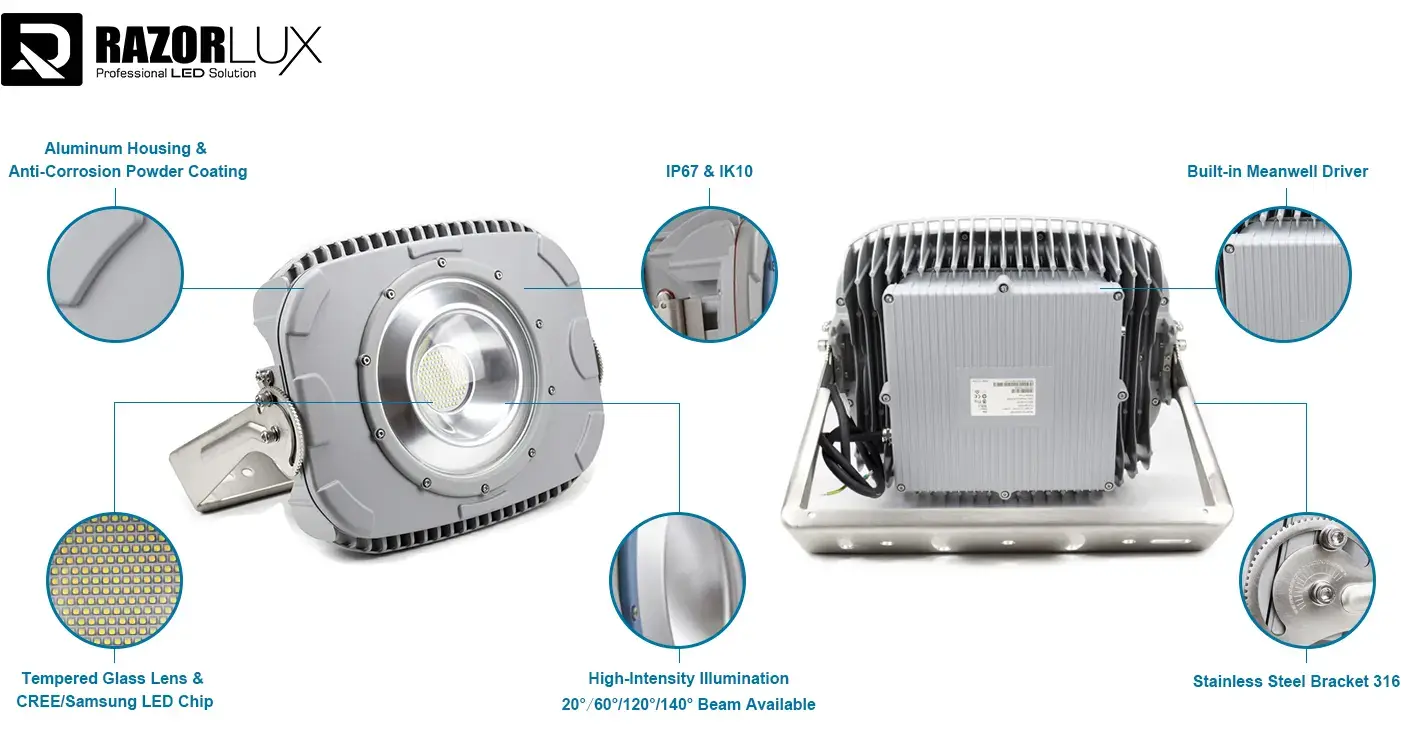
Lighting for tennis courts must follow rules set by groups like the International Tennis Federation (ITF), the Illuminating Engineering Society (IES), and regional groups in North America, Europe, and Asia. These standards list both average brightness levels and uniformity ratios, which show how the minimum and maximum levels of light affect each other across the playing field. Uniformity ratios keep players from having to constantly adjust to areas that are brighter or darker as they move across the court. For competitive play, the regularity ratio must be at least 0.5, which means that the darkest area gets at least half as much light as the brightest area. For this to work, the optical design and placement of the device must be perfect. This is where our unique multi-function design with changeable beam angles (40°, 60°, 120°, and uneven 140°x60°) comes in handy, as it lets us adapt to the needs of each site.
Key Factors Determining the Brightness of LED Flood Lights for Tennis Courts
Selecting appropriate brightness levels involves analyzing multiple interdependent factors that affect both initial installation costs and long-term operational efficiency.
Court Dimensions and Fixture Requirements
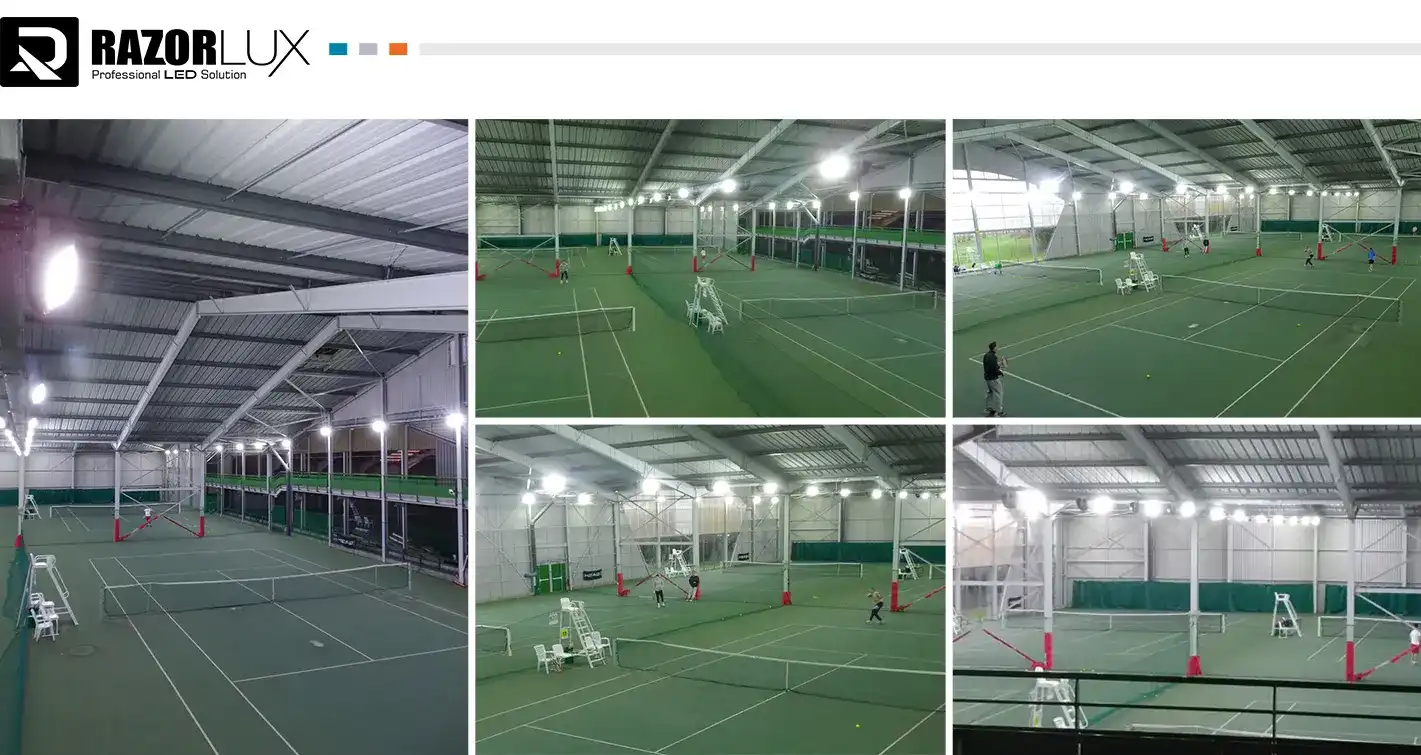
For couples play, a standard tennis court is 78 feet by 36 feet. There are extra safety zones that make the lit area about 120 feet by 60 feet. How many lamps are needed depends on how high they are mounted, how angled the beam is, and how much light is needed. For less direct glare, mounting heights between 20 and 25 feet need more fixtures with narrower beam angles, while mounting heights between 30 and 40 feet need fewer fixtures with wider beam angles. A typical four-pole setup for recreational courts might use two 400W fixtures per pole at a 30-foot mounting height, distributing 200 to 300 lux evenly. To get 500 lux or more, competitive sites usually use six to eight poles with higher wattage or more lights per pole. When compared to older systems, our 400W type replaces 800-1000W metal halide lights, which cuts the number of fixtures needed and energy use by 60%.
LED Technology Advantages Over Traditional Lighting
For decades, metal halide and high-pressure sodium lights were the main types of lighting used on tennis courts. However, LED technology has completely changed the cost-benefit analysis. Traditional bulbs need to warm up for 10 to 20 minutes, need new lamps every 6,000 to 15,000 hours, and lose a lot of lumens over time. LED flood lights can turn on instantly, which is important for buildings that work on demand or with motion sensors. Our lights have a working life of more than 50,000 hours with very little brightness loss. In a normal club setting, this means that they can run for 15 to 20 years without any upkeep. The built-in Meanwell power source keeps the power factor at or above 0.98 and the total harmonic distortion (THD) below 10%, which guarantees stable performance and grid compatibility. Another big benefit is that it uses energy efficiently. Including battery losses, traditional 1000W metal halide systems use about 1,100W. Our 400W LED system gives off the same amount of light or more, while using less than 40% of the power. For a building that's used for 2,000 hours a year, this means that each light will use 1,400 kWh less, which adds up over many years of use.
Glare Reduction and Visual Comfort
Tennis Court Led Flood Lights. It's dangerous to play when there is too much glare, especially when players are tracking lobs or serves against the light source. Asymmetric optics solves this problem by sending light forward at controlled angles. This lets the poles be placed outside the court's edge while still shining light on the playing surface. Our asymmetric 140°x60° beam pattern is a unique solution for tennis applications. The wide horizontal spread covers a lot of court space, and the narrow vertical angle stops light from spilling up and keeps the brightest part of the beam below the players' normal line of sight. This optical design lowers concerns about glare and light trespass on nearby properties, which is becoming a more important factor as cities and towns make dark sky laws stricter. The following table shows the main differences in how well different lighting systems work:
| Parameter | 400W LED (Razorlux RGL2-400A) | 1000W Metal Halide | Advantage |
|---|---|---|---|
| Luminous Output | 52,000 lm (after 1 hour) | 85,000-110,000 lm (initial) | LED maintains stable output; MH degrades 30-40% over life |
| Efficacy | 130 lm/W | 85-95 lm/W | 35-40% higher efficiency |
| Warm-up Time | Instant on | 10-20 minutes | Immediate full brightness |
| Lifespan | 50,000+ hours | 6,000-15,000 hours | 3-8x longer operational life |
| Power Consumption | 400W | 1,100W (with ballast) | 64% energy reduction |
| Color Temperature | 2700K-6500K (selectable) | 3700-4200K (fixed) | Customizable for application |
Optimal Placement and Installation for Best Brightness and Visibility
Proper installation transforms good fixtures into exceptional lighting systems. Even premium LED flood lights underperform when improperly positioned or aimed.
Mounting Height and Pole Configuration
Mounting height directly affects fixture count, beam angle selection, and glare potential. Lower mounting heights (20-25 feet) position light sources closer to players' sight lines, increasing glare risk unless fixtures employ precise optical control. Higher mounting (30-40 feet) improves light distribution uniformity and reduces glare but requires higher-output fixtures to compensate for increased throw distance.Four-pole and six-pole configurations represent the most common layouts for single tennis courts. Four-pole systems position lights at each corner of the expanded court area, typically 10-15 feet beyond the baseline and sideline boundaries. This arrangement works well for recreational facilities and provides good uniformity with proper aiming. Six-pole layouts add poles at court mid-points, improving uniformity and reducing individual fixture wattage requirements—an optimal configuration for competitive facilities.
Aiming Angles and Shadow Elimination
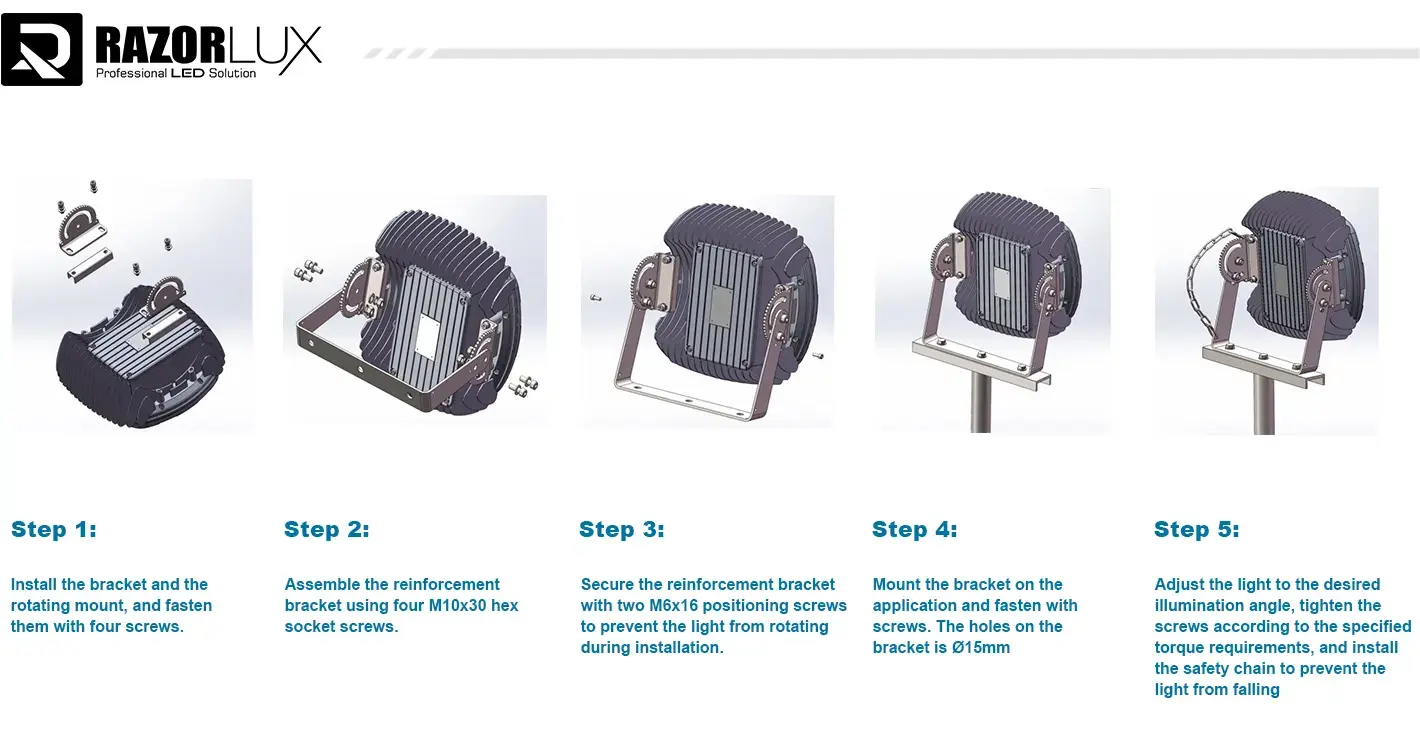
Proper aiming prevents shadows and hot spots that compromise visibility. Fixtures should be aimed to overlap their beam patterns, creating smooth transitions across the court surface. A common error involves aiming all fixtures directly at court center, which creates excessive brightness at mid-court while leaving baselines under-lit.Professional installations use photometric planning software to calculate precise aiming angles based on fixture position, mounting height, and beam characteristics. Our technical team provides installation guidance and photometric plans as part of our pre-sales consultation service, ensuring optimal results from the initial installation. The adjustable stainless steel bracket system on our fixtures allows 360-degree rotation and precise angle adjustment, facilitating field alignment during installation.
Advanced Control Features
Modern LED systems support dimming and control features that enhance operational flexibility and efficiency. Motion sensors automatically activate lighting when players arrive and dim or deactivate fixtures when courts are vacant, reducing energy consumption during off-peak hours. Daylight harvesting systems adjust output based on ambient light levels, maintaining target lux levels while minimizing energy use during twilight periods.Our fixtures support wide input voltage ranges (AC 110-480V, DC 100-800V) and can integrate with 0-10V dimming systems, allowing facility managers to adjust brightness for different activities. Practice sessions might operate at 70% output, while tournament play requires full brightness. These capabilities reduce energy costs while extending fixture lifespan by reducing thermal stress during non-critical usage periods.
The following installation checklist ensures optimal performance:
- Conduct site survey: Measure court dimensions, identify pole locations, and assess mounting height constraints
- Perform photometric analysis: Use IES files and lighting software to model illumination levels and uniformity
- Select appropriate beam angles: Match fixture optics to throw distance and coverage requirements
- Plan electrical infrastructure: Ensure adequate circuit capacity and consider surge protection requirements
- Establish aiming coordinates: Calculate precise fixture aiming points before installation
- Install surge protection: Implement 10kV-20kV surge protection devices to guard against lightning-induced voltage spikes
- Verify grounding: Confirm proper electrical grounding to meet Class I insulation requirements
- Commission system: Measure actual lux levels at grid points across the court and adjust aiming as needed
- Document configuration: Record final aiming angles and settings for future maintenance reference
These installation practices distinguish professional-grade systems from budget installations that compromise performance despite using quality fixtures. Our after-sales technical team remains available to support installers and facility managers throughout the commissioning process, ensuring your investment delivers the promised results.
Comparing Top LED Flood Light Options for Tennis Courts in 2024
Procurement managers evaluating LED flood light options encounter numerous manufacturers offering seemingly similar specifications. Understanding the substantive differences between premium and budget products prevents costly mistakes.
Evaluating Key Performance Specifications
Lumen output provides a starting point for comparison, but raw numbers tell an incomplete story. Two 400W fixtures claiming 50,000 lumens may perform very differently based on thermal management, driver quality, and LED chip selection. Our fixtures utilize high-grade LED chips with L70 ratings exceeding 50,000 hours, meaning they maintain 70% of their initial output after 50,000 operating hours. Budget fixtures often use lower-grade chips that degrade to 70% within 30,000 hours or less.Driver quality represents another critical differentiator. We specify Meanwell drivers across our product range—a brand recognized throughout the industrial lighting sector for reliability and performance. Inferior drivers fail prematurely, generate excessive heat, and produce voltage fluctuations that accelerate LED degradation. The driver accounts for 40-60% of total system failures in LED fixtures, making component selection as important as the LED chips themselves.
Weather Resistance and Durability
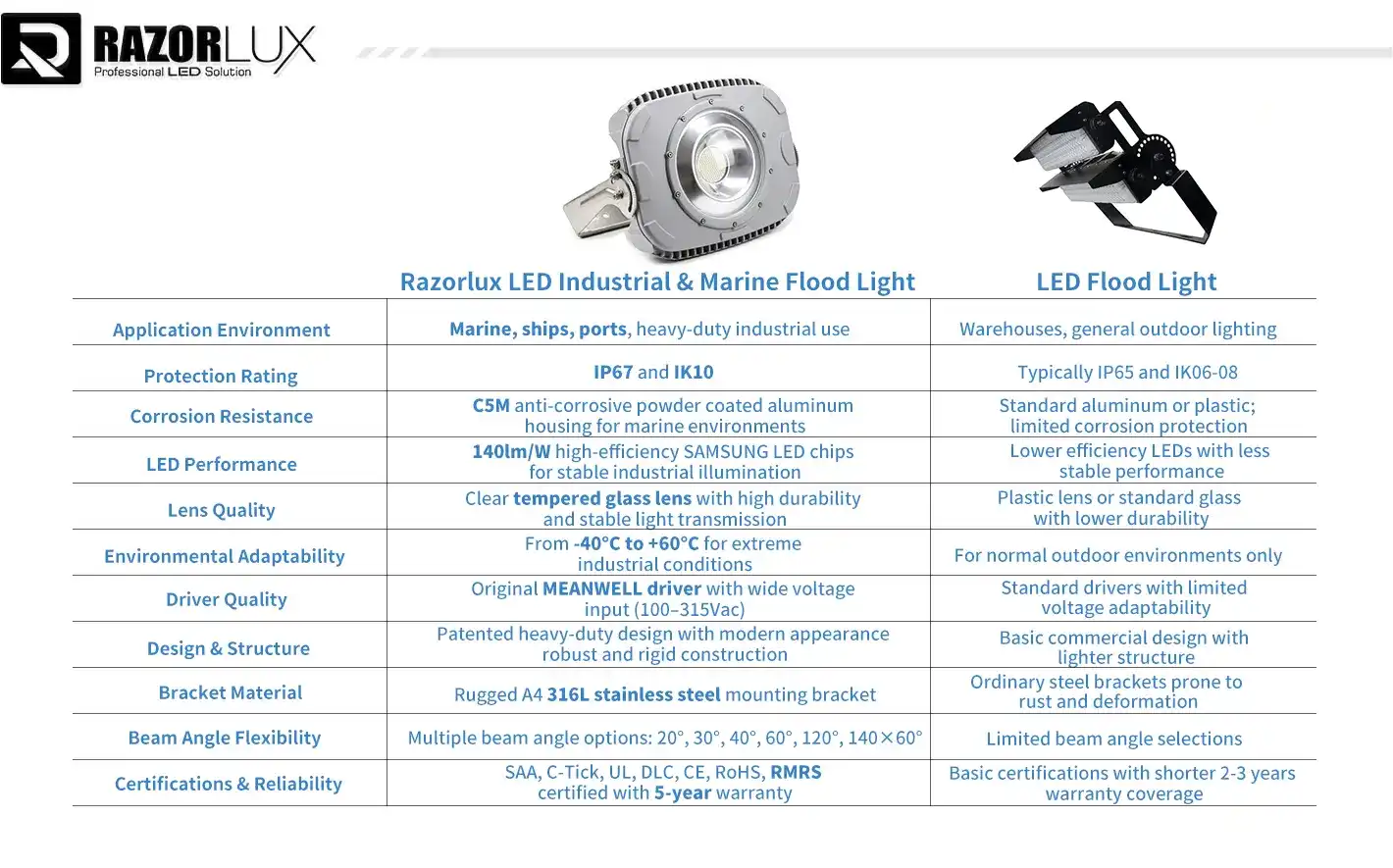
Tennis Court Led Flood Lights operate in exposed outdoor environments subject to rain, humidity, temperature extremes, and UV exposure. IP (Ingress Protection) ratings indicate resistance to moisture and particulate intrusion. Our IP67 rating certifies complete dust protection and submersion resistance to one meter depth for 30 minutes—exceeding the IP65 rating common among budget fixtures.IK (Impact) ratings measure resistance to mechanical impact. Our IK10 rating represents the highest protection level, withstanding 20 joules of impact energy (equivalent to a 5kg mass dropped from 400mm). Tennis courts experience ball strikes, and fixtures positioned near playing areas must survive these impacts without damage. Lower IK ratings (IK08 or below) provide inadequate protection for sports lighting applications. Material selection affects long-term durability and appearance. Die-cast aluminum housings with powder coating provide superior corrosion resistance compared to stamped steel or plastic housings. Our fixtures utilize marine-grade aluminum construction with multi-layer coating that resists oxidation in coastal and high-humidity environments—a critical consideration for facilities near saltwater or in tropical climates.
Cost-Benefit Analysis and Total Cost of Ownership
The initial purchase price represents only a fraction of the total cost of ownership. A comprehensive analysis must account for energy costs, maintenance requirements, replacement frequency, and performance degradation over the expected service life.Consider a facility operating eight tennis court fixtures for 2,000 hours annually at $0.12/kWh electricity cost:
| Cost Factor | Premium LED (400W) | Budget LED (400W) | Metal Halide (1000W) |
|---|---|---|---|
| Initial fixture cost (8 units) | $4,800 | $2,800 | $3,200 |
| Annual energy cost | $768 | $768 | $2,112 |
| Lamp replacement (10 years) | $0 | $1,600 | $2,400 |
| Labor for maintenance (10 years) | $400 | $1,200 | $2,000 |
| Total 10-year cost | $12,680 | $13,480 | $27,520 |
| Cost per year | $1,268 | $1,348 | $2,752 |
The analysis reveals that premium LED systems deliver lower total cost despite higher initial investment. Budget LED fixtures require mid-life replacements and more frequent maintenance interventions that erode their apparent cost advantage. Metal halide systems impose the highest burden through excessive energy consumption and frequent lamp replacements.
Warranty and Support Considerations
Warranty terms reflect manufacturer's confidence in product longevity. Our 5-year comprehensive warranty on LED modules and drivers provides procurement managers with risk protection. Budget manufacturers often limit warranties to 2-3 years or exclude drivers entirely, transferring risk to buyers. Support capabilities matter equally. Can the manufacturer provide photometric plans? Are technical resources available to assist with installation challenges? Does the supplier maintain adequate inventory for replacement parts? These operational considerations separate established manufacturers from opportunistic market entrants who may disappear before warranty claims arise.
Maintenance and Longevity: Ensuring Consistent Brightness Over Time
Tennis Court Led Flood Lights. Even premium LED systems require periodic maintenance to sustain optimal performance throughout their service life.
Routine Cleaning and Inspection Protocols
Dust, pollen, insects, and environmental contaminants accumulate on fixture lenses, reducing light transmission by 10-30% over several years. Facilities should implement annual cleaning schedules using soft cloths and mild detergent solutions. Avoid abrasive cleaners or high-pressure washing that can damage lens coatings or compromise gasket seals. Visual inspections should accompany cleaning to identify corrosion, loose mounting hardware, or damaged components. Check bracket tightness, verify gasket integrity, and examine power cables for wear or damage. Early detection of minor issues prevents cascading failures that necessitate emergency repairs.
Environmental Factors Affecting Performance
Operating temperature significantly impacts LED lifespan and performance. Our fixtures operate reliably across -40°C to 60°C (-40°F to 140°F), but sustained operation at temperature extremes accelerates aging. Fixtures in hot climates benefit from installation orientations that maximize natural airflow around heat sinks. Desert installations might require additional shading or ventilation enhancement to maintain optimal thermal conditions. Coastal facilities face accelerated corrosion from salt spray. Even with marine-grade construction and IP67 protection, annual inspection of mounting hardware and external surfaces helps identify corrosion before it compromises structural integrity. Stainless steel brackets and fasteners provide superior corrosion resistance compared to zinc-plated or painted steel components.
Upgrade Planning and Lifecycle Management
LED technology continues advancing, with efficacy improvements and cost reductions occurring annually. Facilities planning long-term lighting strategies should establish replacement cycles aligned with technology evolution rather than reactive failure-based replacement. A proactive 15-20 year replacement cycle allows facilities to leverage technological improvements while maximizing return on existing investments. Our modular design philosophy facilitates component-level upgrades. Driver failures can be addressed without replacing entire fixtures, and LED modules can potentially be upgraded to higher-efficiency variants as they become available. This approach reduces waste and extends the effective service life of the structural components, brackets, and installation infrastructure.
Conclusion
Achieving optimal visibility on Tennis Court Led Flood Lights requires careful attention to brightness levels, uniformity, glare control, and long-term performance stability. Recreational facilities need 200-300 lux, competitive venues require 500 lux, and professional installations demand 750-1000+ lux to meet player expectations and broadcast standards. Modern LED flood lights deliver these illumination levels with 60% energy savings compared to legacy metal halide systems while providing instant-on capability, minimal maintenance requirements, and 50,000+ hour lifespans. Proper fixture selection must account for beam angle, color temperature, CRI, ingress protection, and impact resistance to ensure reliable operation across varying environmental conditions and usage intensities.
FAQ
What lux level is required for a standard tennis court?
Recreational tennis courts (Class III) require 200-300 lux for casual play. Club and commercial facilities (Class II) need 500 lux to support competitive matches and member satisfaction. Professional tournament venues (Class I) must achieve 750-1000+ lux to meet broadcast standards and support high-speed camera systems operating at 1000+ frames per second without flicker artifacts.
Can LED flood lights replace existing 1000W metal halide fixtures?
A 400W LED flood light effectively replaces 800-1000W metal halide systems while delivering equivalent or superior illumination. Wind load calculations should verify that existing poles can support the EPA (Effective Projected Area) and the weight of new fixtures. Our RGL2-400A model weighs 15kg with a stainless steel bracket, and a proper engineering assessment ensures structural adequacy before retrofit installation.
Why are asymmetric optics preferred for tennis court lighting?
Asymmetric optics direct light forward at controlled angles, allowing poles to be positioned outside court boundaries while projecting illumination across the playing surface. This design significantly reduces glare when players look upward to track lobs or serves. Our 140°x60° asymmetric beam provides wide horizontal coverage with narrow vertical spread, minimizing direct glare and light trespass to adjacent properties.
Partner with Razorlux for Professional Tennis Court Lighting Solutions
Upgrading your tennis facility lighting demands expertise that extends beyond product specifications to encompass photometric design, installation best practices, and long-term support. As an established Tennis Court Led Flood Lights supplier since 1998, Razorlux delivers comprehensive solutions backed by over 200 patents and certifications, including CE, RoHS, UL, DLC, and ISO:9001. Our RGL2-400A model provides 52,000 lumens at 130 lm/W efficacy with IP67/IK10 protection and a 5-year warranty, ensuring reliable performance across recreational, competitive, and professional applications. Our technical team offers pre-sales consultation, customized photometric plans, and sample units for performance validation. Contact sam@razorlux.com to discuss your specific requirements and receive detailed technical documentation supporting your procurement decision.
References
1. Illuminating Engineering Society. (2020). Recommended Practice for Sports and Recreational Area Lighting. IES RP-6-20.
2. International Tennis Federation. (2019). ITF Facilities Manual: Guide to the Design, Construction, and Refurbishment of Tennis Facilities. ITF Publications.
3. European Committee for Standardization. (2018). Light and Lighting - Sports Lighting. EN 12193:2018.
4. U.S. Department of Energy. (2021). LED Lighting for Sports and Recreation Facilities. Solid-State Lighting Program Report.
5. Commission Internationale de l'Éclairage. (2017). Guide to the Lighting of Sports Events for Colour Television and Film Systems. CIE 169:2017.
6. American National Standards Institute. (2022). Specifications for the Chromaticity of Solid State Lighting Products. ANSI C78.377-2022.
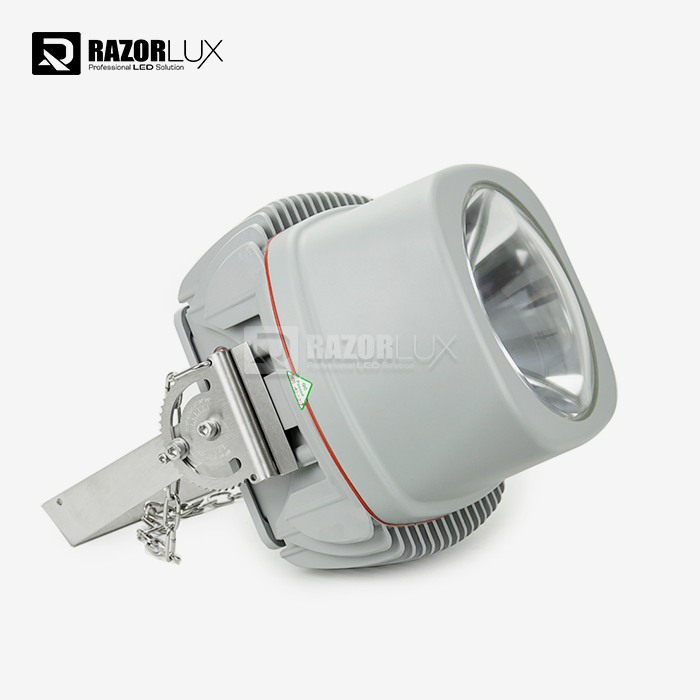 VIEW MOREcrane led head lamp
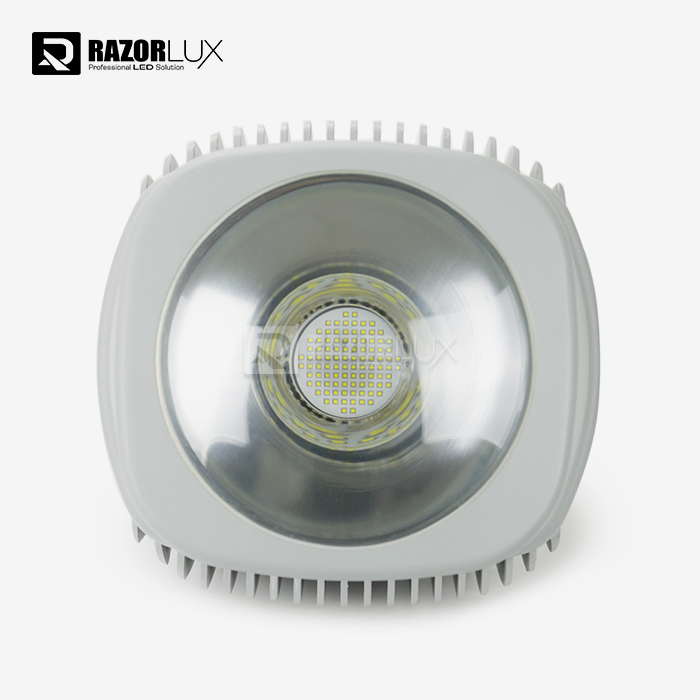 VIEW MOREled arena floodlights
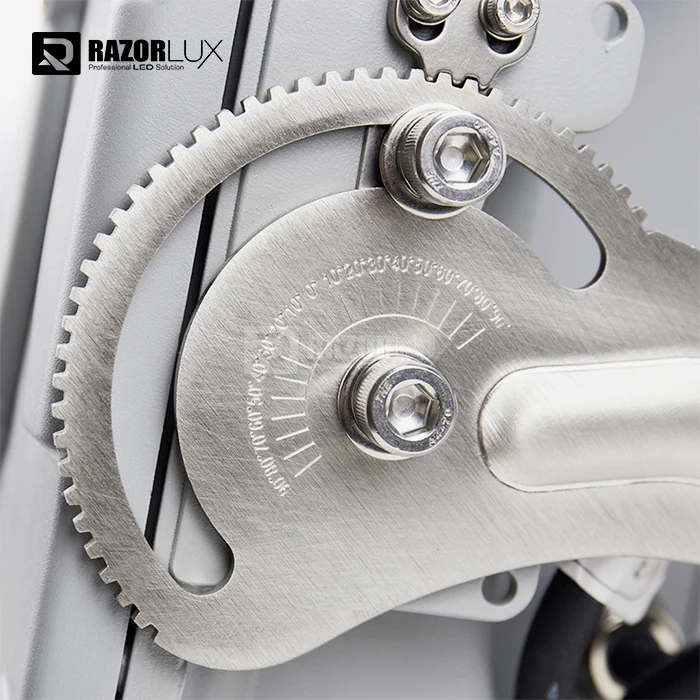 VIEW MOREbest outdoor basketball lights
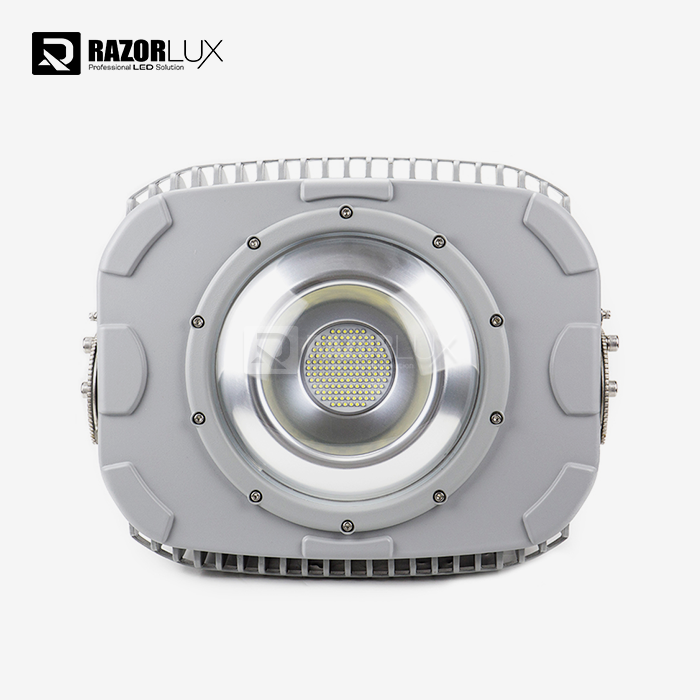 VIEW MOREled tennis court floodlights
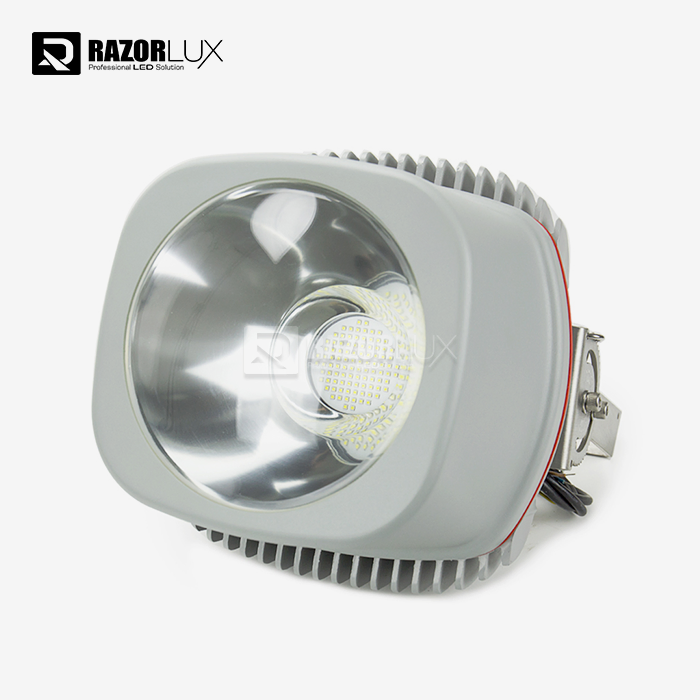 VIEW MORE12 volt led flood lights waterproof
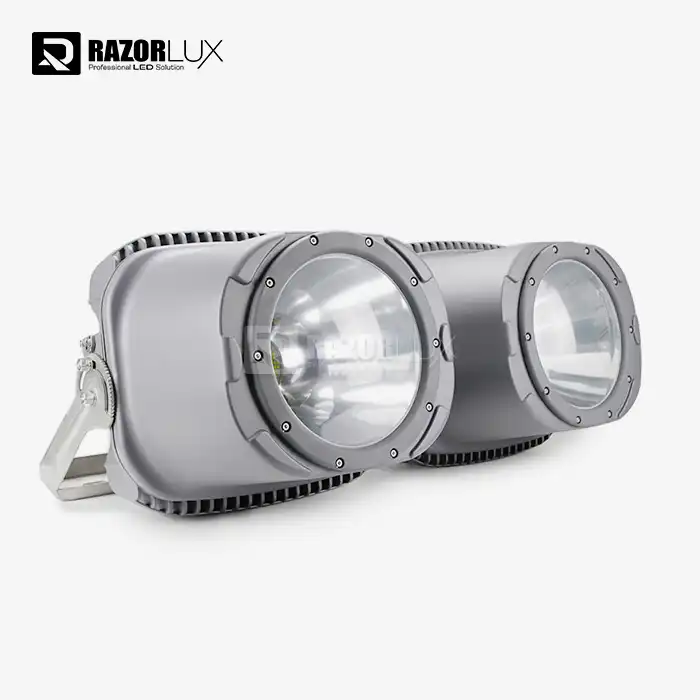 VIEW MOREDimmable Outdoor Led Flood Lights
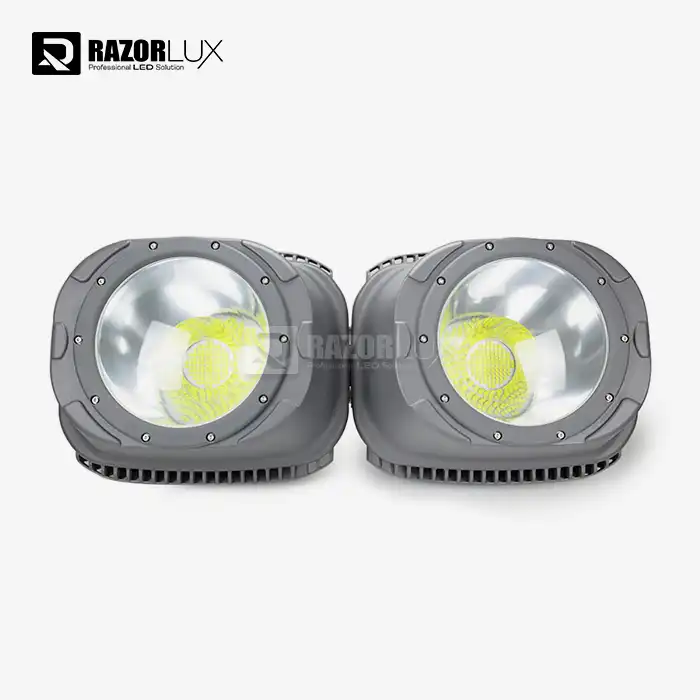 VIEW MOREOutdoor Flood Light Fixtures Waterproof
 VIEW MORE6000K 270w Dimmable Outdoor Light 60 Degree Flood Light For Basketball Court