

_1750326878398.png)

What Makes Marine Flood Lights 1000W Ideal for Night Fishing?
When fishing at night, they need more than just enough light. They need lighting systems that can handle the rough seas and keep putting out a steady, strong beam that improves vision and catch rates. Marine Flood Lights 1000W are now the standard for commercial fishing boats, offshore platforms, and professional fishing operations that go out at night. The brightness of these high-intensity LED lights is over 130,000 lumens, which is much brighter than standard halogen bulbs and uses 60% less energy. Their IP67 rating means that they can withstand rust from saltwater, shaking, and big changes in temperature, so they will work reliably when workers need them to. When buying teams know the difference between professional-grade naval lights and market goods, they can make decisions that affect both safety and profits.
Understanding 1000W Marine Flood Lights for Night Fishing
Core Technology Behind High-Output Marine Lighting
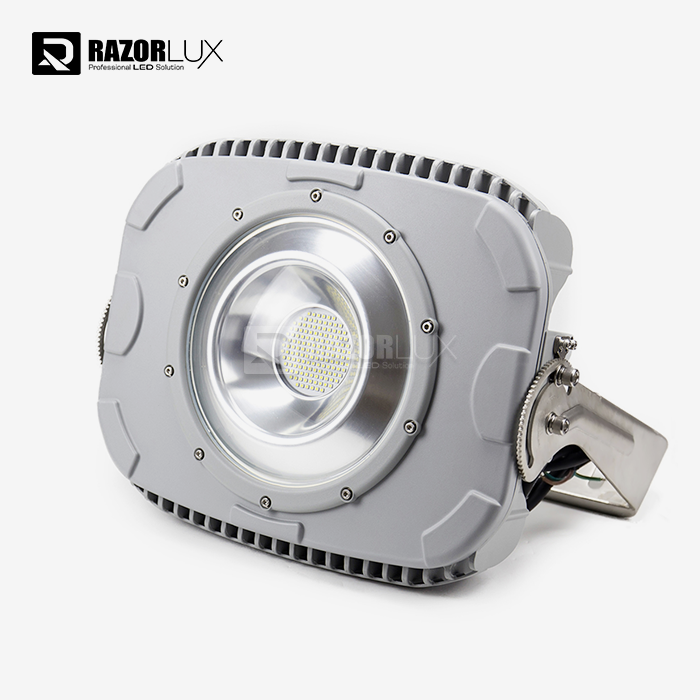
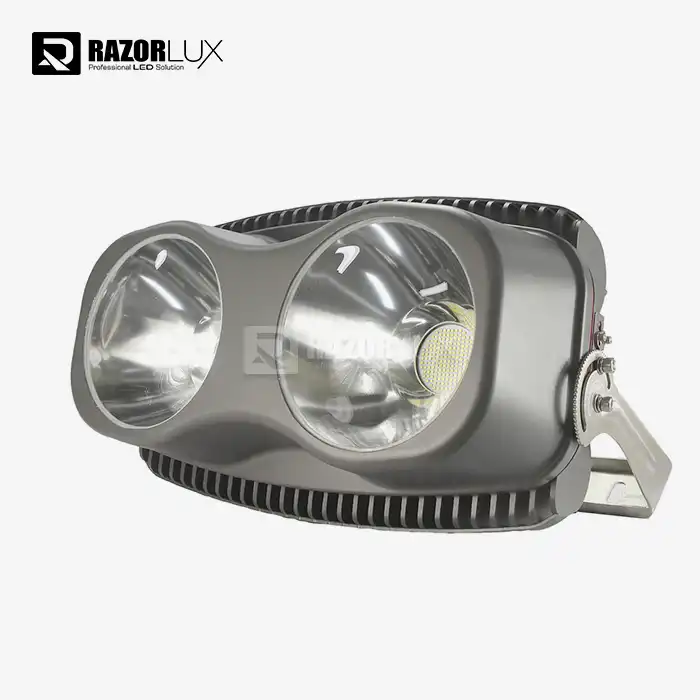
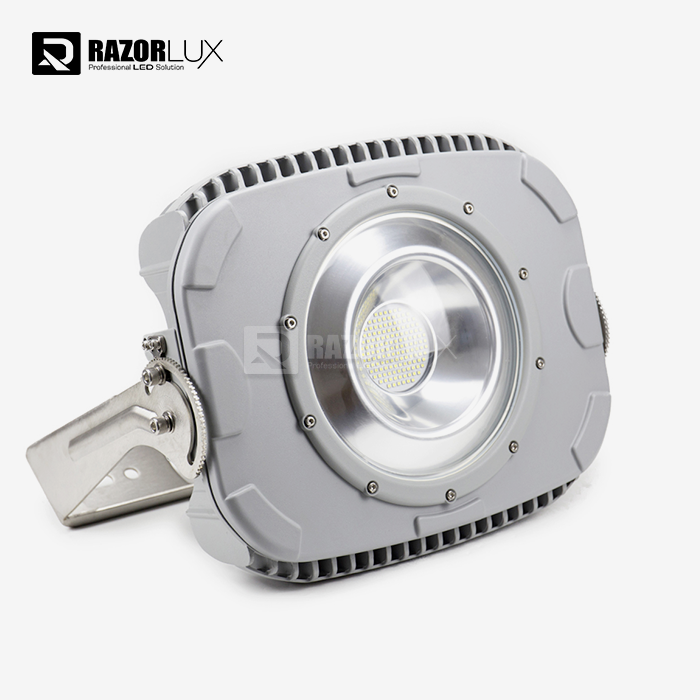
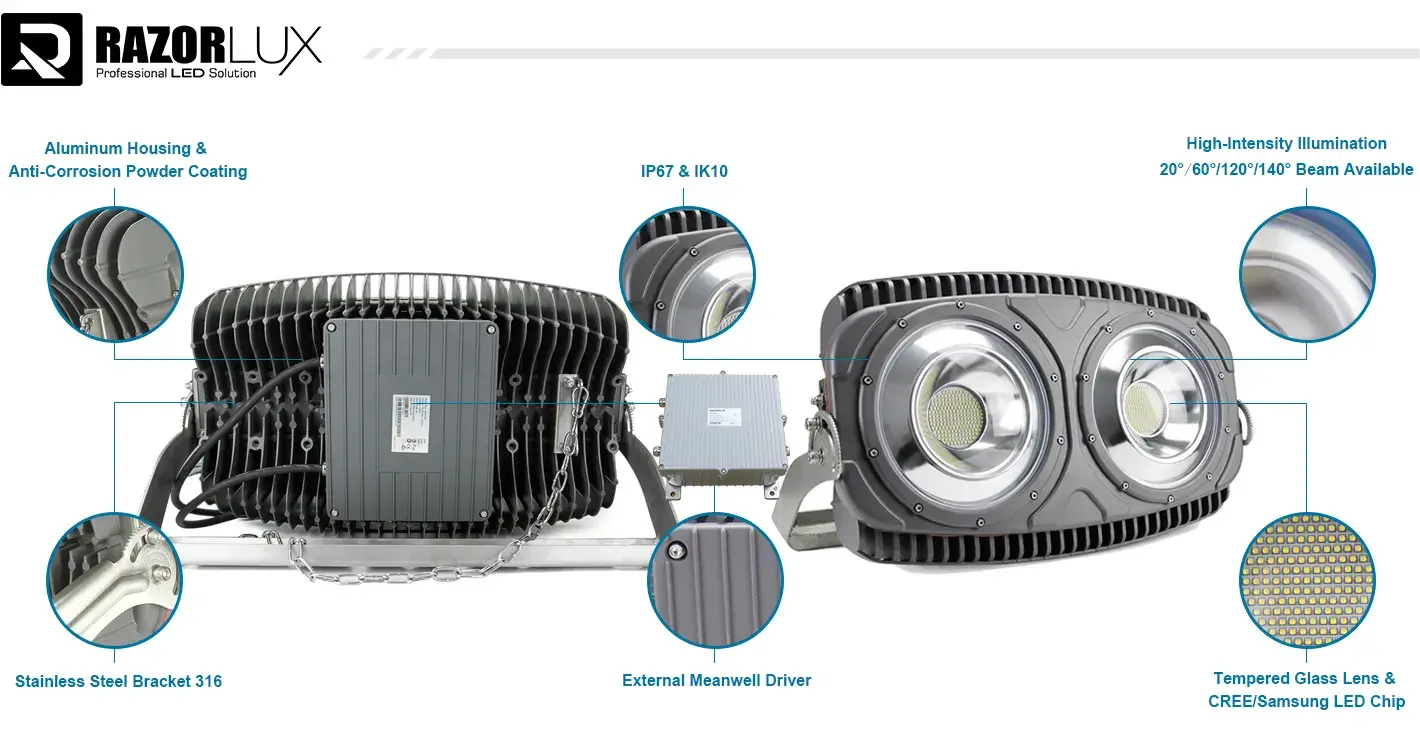
Professional naval flood lighting has changed a lot over the years, from metal halide systems that used a lot of energy to more modern LED designs. Modern 1000W lights use high-efficiency LED arrays and industrial-grade drivers that keep the output fixed even when the power changes, which is common in electrical systems on boats. Razorlux's RGL-1000P type is a good example of this change. It uses Samsung LED chips and Mean Well power sources to get 130 lumens per watt performance, which means it gives off over 130,000 lumens of light. This economy is very important for ships that run on generator power, since fuel use directly affects running costs. The technology used by the drivers needs extra attention. Unlike residential lights, naval uses are constantly shaken by engines and waves, and the power changes when the equipment starts up. Good naval lights can accept a wide range of voltages (AC90-305V or DC127-431V) and have active power factor adjustment that is greater than 0.98. This means they can work reliably no matter what the power conditions are. This technical base keeps the flickering and early failure that happen with cheap goods at bay.
Critical Specifications That Define Performance
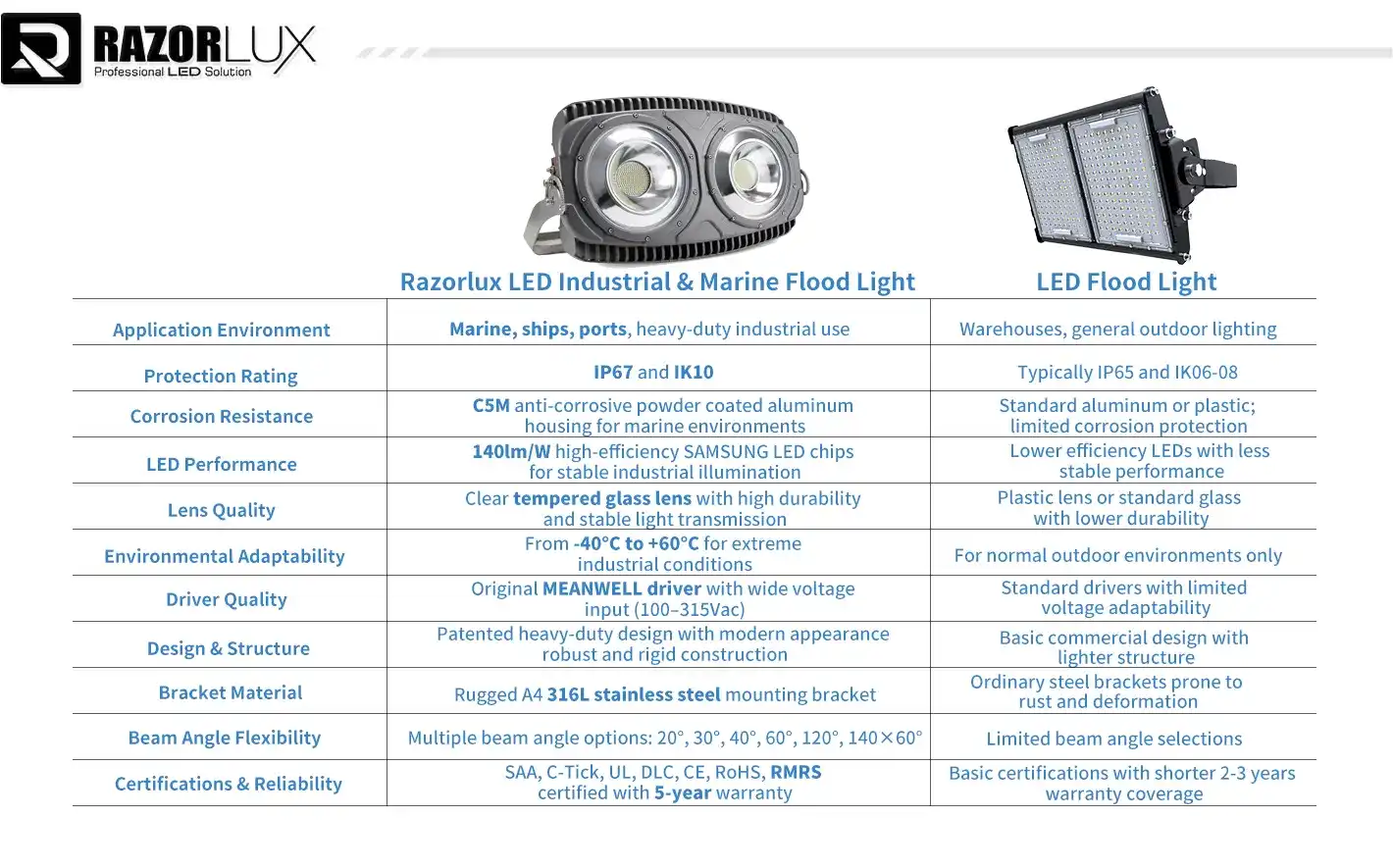
When looking at high-output naval lighting, there are a few specs that directly affect how well it works: Lumen Output and Distribution: The actual lumens provided are more important than the stated power. A well-made 1000W LED bulb puts out 100,000 to 130,000 lumens of light, and its precise specs make sure that the light goes where it's needed instead of losing it up in the air. You can choose from 15°, 20°, 30°, 40°, 60°, or 120° beam angles to suit your needs. For example, narrow beams are good for spotting things far away, while wide angles are good for lighting up deck work. Color Temperature Selection: Color temperature (2700K–6500K) has a big effect on underwater visibility, but it's easy to forget about. Cooler temperatures (5000K to 6500K) let more light through the water and show off the natural colors of fish, which helps workers judge the quality of the catch. Warmer temperatures (2700K–4000K) lower glare in foggy conditions and bother some species less. Environmental Protection Rating: The IP67 rating means that the product is completely dustproof and can withstand being submerged in water up to 1 meter for 30 minutes. This is important for fixtures that are mounted on decks that will be exposed to wave action. The IK10 impact grade shows that the toughened glass lens can handle 20 joules of impact energy, which is the same as dropping a 5 kg object from 40 cm. These aren't just numbers; they mean the difference between keeping things running and failing at a cost during important fishing activities.
| Specification | Standard Grade | Professional Marine Grade | Benefit |
|---|---|---|---|
| Input Voltage Range | 110-240V | AC90-305V / DC127-431V | Stable operation during generator fluctuations |
| Lumen Maintenance | 70% at 25,000hrs | 80% at 50,000hrs (L80B10) | Reduced replacement frequency |
| Corrosion Resistance | Standard powder coat | C5-M marine coating + 316L SS | Extended service life in salt environment |
| Operating Temperature | -20°C to 40°C | -40°C to 60°C | Reliable performance in Arctic/Tropical zones |
| Surge Protection | Basic | 10kV SPD integrated | Protection from lightning/electrical spikes |
Certification Requirements for Marine Applications
Responsible procurement managers put certification compliance at the top of their list of priorities. They know that having the right paperwork saves them from risk and makes sure their insurance covers them. For European markets, CE and RoHS certifications are necessary. In North America, UL certification is needed, and for ships that operate globally, DNV/GL, ABS, or Lloyd's Register approvals are needed. Razorlux has many certifications, such as the RMRS (Russian Maritime Register), the SAA (Australian Standards), and the C-Tick marking. This lets international ships buy from a single source without worrying about compliance.
Why 1000W Marine Flood Lights Are Essential for Night Fishing
Superior Illumination Transforms Operational Capability
How well you fish at night depends on how clear the water is, both above and below the surface. High-output flood lighting does a lot of important things at once. Above deck, it keeps the crew safe while they handle the nets, process the fish, and use the tools. Slippery floors, moving machinery, and fall dangers are more likely to hurt people when there isn't enough lighting. Below the surface, well-designed lighting brings in phototactic species like squid, sardines, and other migratory fish that are used for commercial fishing. The 1000W power level is a carefully chosen mix. Low-wattage lights (500W–750W) don't have enough power to reach deeper water or cover a larger tank, so you have to put more than one unit, which makes it more complicated and increases the chance of failure. Fixtures with more than 1500W, on the other hand, produce too much heat and need more aggressive cooling, which adds weight and cost and doesn't provide much benefit for most fishing applications. A color rendering index (CRI) above 75Ra makes sure that crews can accurately judge the freshness and quality of catch, which is important for premium markets where appearance directly affects price. For processing areas where color-critical sorting takes place, higher CRI choices (80Ra or 90Ra) are offered.
Durability Engineering for Harsh Marine Environments
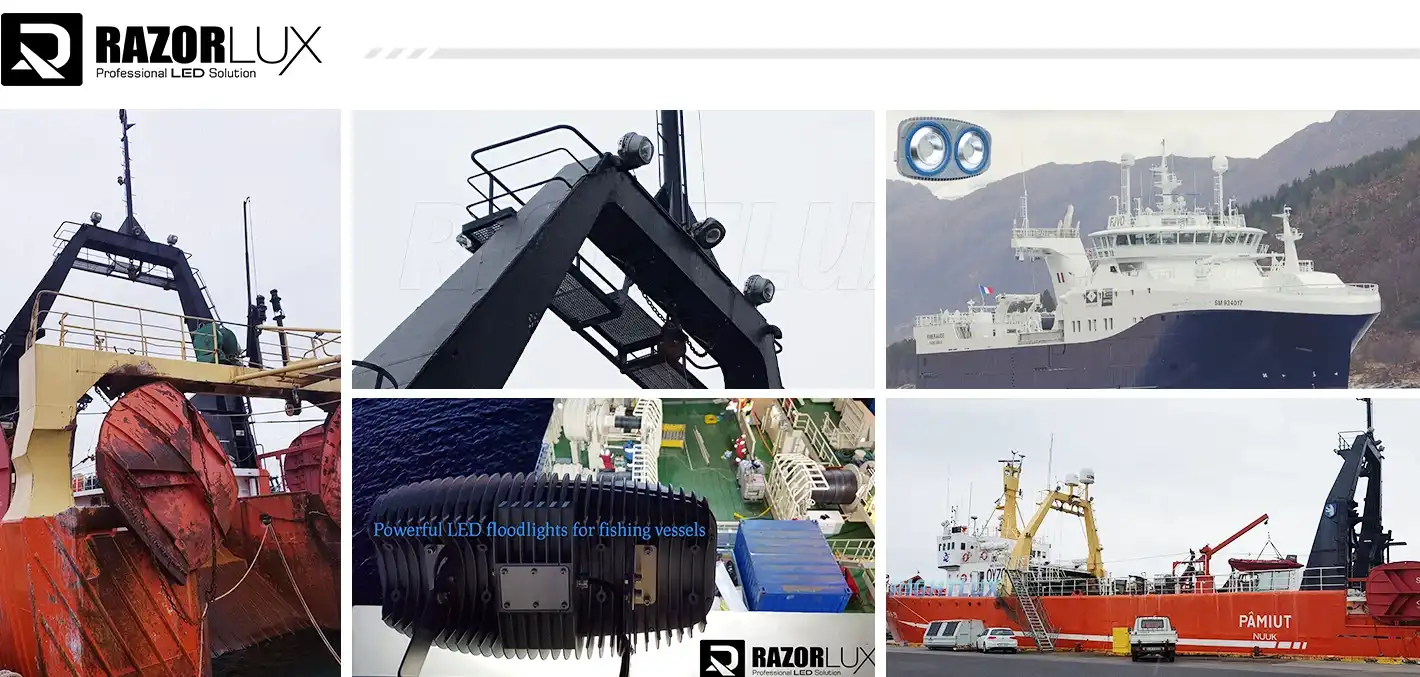
Marine Flood Lights 1000W. In some ways, saltwater settings are the hardest for electrical tools to work in. Continuous contact with salt spray, UV light, and changes in temperature quickly breaks down materials. Professional marine lighting uses more than one safety method that works together. Instead of the pressed steel used in industrial lighting, the housing is made of copper-free die-cast aluminum (ADC12) or marine-grade stainless steel (316L). Aluminum goes through a multi-step surface treatment process that includes shot blasting to prepare the surface, chromate conversion coating to stop corrosion, electrophoresis base coating for full coverage, and finally a C5-M rated polyester powder coating that can withstand salt spray for 3,000 hours or more, according to ASTM B117 testing. All external hardware, like brackets, mounting bolts, and adjustment mechanisms, is made of 316L stainless steel instead of 304 grade. While 304 is good at resisting corrosion in many situations, 316L is much better because it has more molybdenum, which is needed to protect against chloride-induced pitting corrosion from seawater. This choice of high-quality materials, rather than using cheaper alternatives, is reflected in the 29 kg weight of Razorlux's full light with stainless steel base.
Energy Efficiency Reduces Operational Expenses
Since fuel costs are a big part of running a fishing boat, how well the electricity works is directly related to how much money the boat makes. Metal halide systems that produce the same amount of light but use 2000W to 3000W use two to three times as much power as current LED systems. For a boat that uses four main work lights and some extra lights for eight hours a night, the difference is 40 to 60 kWh, which is equivalent to 4 to 6 gallons of diesel fuel assuming the generator is working at a typical efficiency level. Over the course of a 200-night fishing season, this efficiency advantage saves each boat about 1,000 gallons of diesel fuel. At the current price of industrial diesel, this saves between $3,000 and $4,000 a year in direct fuel costs, not counting the lower duty cycle, which means less generator upkeep. Usually, the lower running costs more than make up for the higher price of professional LED lights in the first year.
Comparing 1000W Marine Flood Lights to Other Options in the Market
LED Versus Traditional Lighting Technologies
The industrial fishing industry switched from metal halide and high-pressure sodium lighting to LED technology because it has three important benefits: it can turn on instantly, it doesn't get damaged by vibrations, and it requires less upkeep. Metal halide lights need 5 to 15 minutes to warm up before they work at full power, which is not acceptable when responding quickly to fish reports is key to a successful catch. They also have fragile electrodes and arc tubes that break easily when they are constantly vibrated and need to be replaced every 3,000 to 5,000 hours. LED technology gets rid of these problems by operating in a solid state without filaments, electrodes, or fragile parts. Full brightness happens right away when the power is turned on, which lets you handle tactical lighting. Vibration resistance is built in because there are no moving parts or fragile structures. Most importantly, good LED lights can work for 50,000 hours or more (L80B10 grade) before losing 80% of their lumens. That's 5 to 7 years of nonstop nighttime use before they need to be replaced. Heat generation patterns are also very different. Metal halide lights give off heat in all directions, which makes working conditions uncomfortable and requires a lot of space. LED lights mostly produce heat at the back heatsink, which lets them be installed looking forward with little space needed and keeps work areas cooler.
Power Level Selection: Why 1000W Optimizes Most Applications
To find the right light wattage, you have to weigh a lot of things, like the size of the tank, the fixing height, the coverage area you need, and the electrical system's power. For your reference, here are some common uses for fishing boats: Small to Medium Vessels (40 to 80 feet): Two to four 1000W lamps should be enough to light up work areas on deck and underwater attractions. Mounting heights are usually between 3 and 6 meters above deck, and fixtures are placed so that working areas don't get too much shade. For large commercial vessels (80 to 120 feet), four to eight 1000W fixtures cover the main work areas, and other lower-wattage fixtures (250W to 500W) are used in secondary areas like engine room access, storage areas, and navigation zones. The 1000W level has benefits beyond its raw output. Most electrical systems can handle more than one 1000W light on different lines. This way, if one fails, there are still others to use. Maintenance teams can stick to a single type of device, which makes it easier to keep track of parts and teach technicians. The 29 kg device weight can be handled by the installation tools without the need for structural support on most boats.
| Comparison Factor | 500W Marine LED | 1000W Marine LED | 1500W+ Marine LED |
|---|---|---|---|
| Typical Lumen Output | 65,000-75,000 | 100,000-130,000 | 150,000-180,000 |
| Coverage Area (deck) | 200-300 sq meters | 400-500 sq meters | 600-700 sq meters |
| Water Penetration Depth | 15-20 meters | 25-35 meters | 35-45 meters |
| Fixture Weight | 15-18kg | 28-32kg | 40-50kg |
| Heat Generation | Moderate | Moderate-High | High (active cooling required) |
| Optimal Application | Small vessels, auxiliary lighting | Primary work lights, most commercial vessels | Large trawlers, factory ships, and specialized applications |
Brand Reliability and Supply Chain Considerations
Marine Flood Lights 1000W Procurement professionals evaluating marine lighting must consider long-term supplier reliability alongside immediate product specifications. Fishing vessels often operate in remote locations where emergency replacement proves difficult and expensive. Establishing relationships with manufacturers offering global distribution networks, rapid replacement parts availability, and responsive technical support provides essential risk mitigation. Razorlux's 25-year history since 1998 demonstrates manufacturing stability uncommon in the LED lighting sector. Our operation of the Xi'an LED Lighting Engineering Laboratory (authorized by China National Development and Reform Commission), and Shaanxi LED Lighting Technology Research Center (supported by China National Science and Technology Ministry), provides engineering depth that translates to product reliability. With 436 patents granted and 300+ pending, our intellectual property portfolio reflects genuine innovation rather than generic product rebadging common among commodity suppliers. Component sourcing strategies directly impact long-term reliability. Razorlux specifies Samsung LED chips and Mean Well power supplies rather than cost-optimized alternatives. While this increases initial manufacturing cost, it dramatically reduces field failures and extends operational life. Mean Well's reputation for reliability in industrial applications, backed by a comprehensive global service infrastructure, ensures replacement drivers can be sourced quickly anywhere vessels operate.
How to Select and Install the Ideal 1000W Marine Flood Light for Night Fishing
Critical Selection Criteria for Procurement Teams
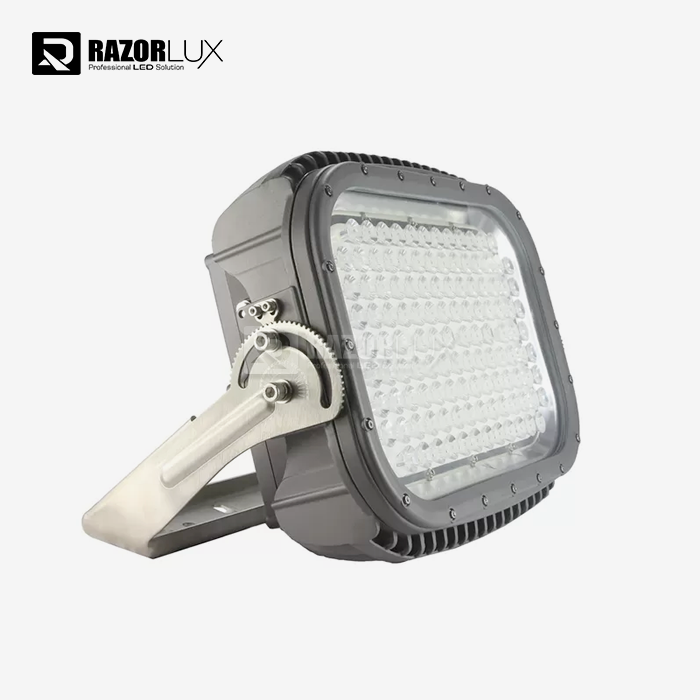
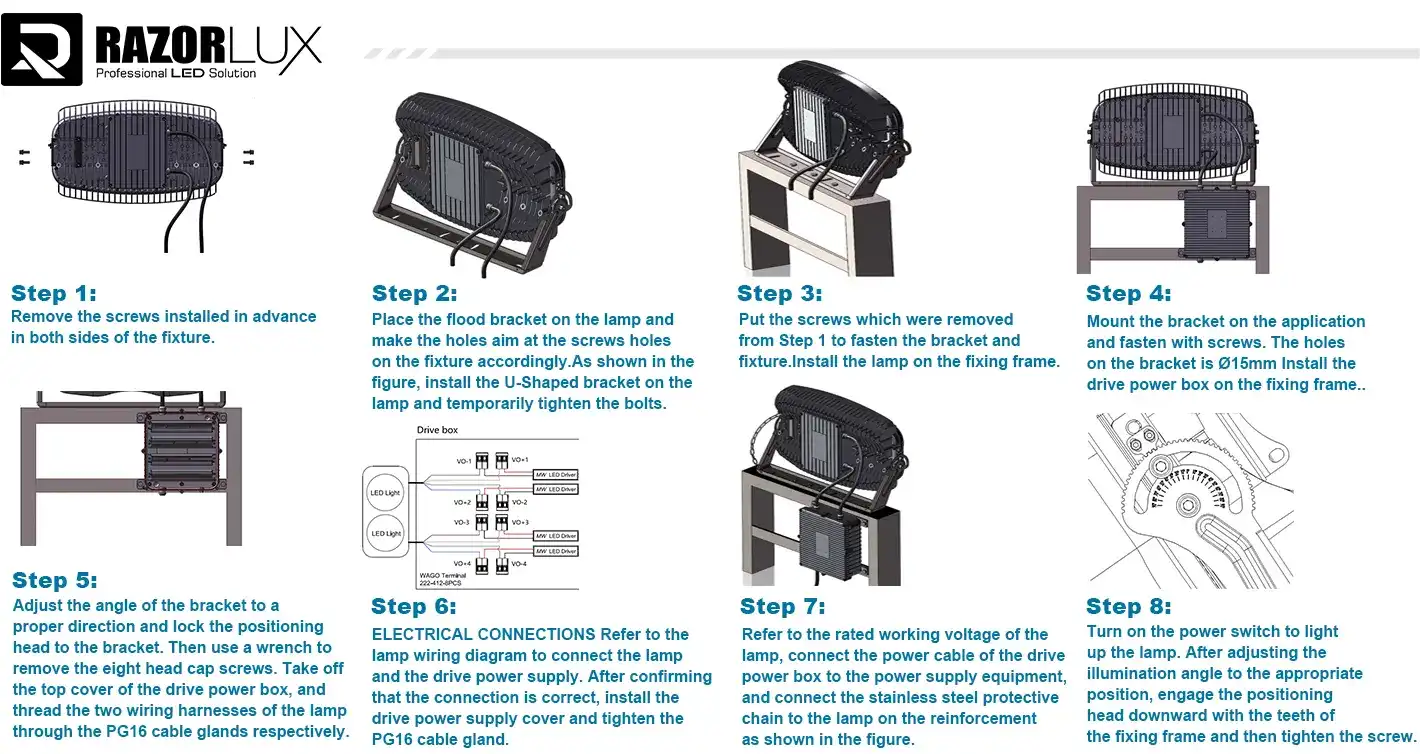
Successful procurement requires balancing multiple technical and operational requirements. Begin by documenting specific application requirements, including vessel type, mounting locations, coverage areas, and electrical system specifications. This foundation allows meaningful comparison between alternative products rather than defaulting to the lowest-cost options that ultimately increase total ownership costs. Electrical Compatibility: Verify that the fixture's input voltage range accommodates your vessel's electrical system, including potential voltage variations during generator startup or when heavy equipment operates simultaneously. Wide input range capability (AC90-305V for Razorlux RGL-1000P) provides an essential margin for real-world electrical conditions versus laboratory-rated specifications. Optical Configuration: Select beam angles appropriate for mounting height and coverage requirements. Narrow beams (15°-30°) suit mast-mounted fixtures illuminating distant work areas or providing directional underwater lighting. Wide beams (60°-120°) work better for low-mounted deck lighting where broad, even illumination matters more than distance projection. Multiple beam angle options from a single manufacturer simplify procurement while ensuring consistent quality across applications. Mounting and Adjustment Hardware: Evaluate bracket construction and adjustment range carefully. Stainless steel brackets with 270° positioning adjustment allow precise aiming adjustment during installation and subsequent re-aiming as operational needs change. Vibration-resistant locking mechanisms prevent gradual position drift that plagues fixtures with inadequate hardware. The 29kg weight of fully-assembled Razorlux fixtures, including brackets, requires robust mounting points—verify structural adequacy during procurement planning to avoid installation delays.
Professional Installation Best Practices
Proper installation significantly impacts fixture longevity and performance. Electrical connections represent the primary failure point in marine environments, making waterproof termination critical. Cable glands should achieve an IP67 rating, matching fixture body protection. All wiring should incorporate marine-grade tinned copper conductors resistant to corrosion, with heat-shrink tubing over all soldered connections before gland insertion. Mounting location selection requires careful consideration of water spray patterns, thermal environment, and maintenance accessibility. Avoid locations where fixtures receive direct high-pressure spray from deck cleaning operations—while an IP67 rating provides substantial water protection, minimizing exposure extends service life. Ensure adequate clearance around rear heatsink surfaces for passive convection cooling; restricting airflow causes junction temperature elevation that reduces LED lifespan. Position fixtures to minimize direct eye exposure at normal working heights. While necessary for effective illumination, 100,000+ lumen output causes temporary vision impairment with direct viewing. Tactical positioning behind superstructure elements or slight downward angling provides necessary illumination while reducing glare for crew members.
Procurement Strategies for Volume Orders
Organizations operating multiple vessels or conducting fleet upgrades should leverage volume procurement advantages. Manufacturers typically offer meaningful price reductions at quantity thresholds (50+ units, 100+ units), with additional discounts available for annual framework agreements guaranteeing minimum volumes. These arrangements also allow specification customization without typical small-order penalties. Razorlux accommodates OEM requirements, including custom color temperatures, specialized mounting brackets, and even private labeling for larger distributors. Engineering support includes photometric calculations for specific vessel layouts, ensuring adequate illumination before purchase rather than discovering deficiencies post-installation. For organizations managing fleets across multiple countries, our comprehensive certification portfolio (CE, RoHS, UL, DLC, SAA, RMRS) eliminates compliance complications. Lead time management becomes critical for scheduled maintenance windows when vessels require lighting upgrades between fishing seasons. Standard production runs typically require 3-4 weeks, with expedited options available for urgent requirements. Sample units ship within one week for evaluation purposes, allowing technical teams to verify performance before committing to large orders.
Maximizing ROI with 1000W Marine Flood Lights in Night Fishing
Total Cost of Ownership Analysis
Purchase price represents only one component of the actual lighting system cost. A comprehensive total cost of ownership (TCO) analysis incorporates energy consumption, maintenance labor, replacement parts, and operational downtime. This broader perspective often reveals that premium fixtures with higher initial costs deliver superior economic value over operational lifespan. Energy costs typically represent 40-50% of TCO for traditional lighting over 5 years, while LED systems reduce this proportion to 15-20% through higher efficiency. Maintenance costs shift dramatically as well. Metal halide systems require bulb replacement every 3,000-5,000 hours at $150-$300 per bulb plus 2-3 hours technician time. LED fixtures eliminate routine maintenance for 50,000+ hours—often outlasting the vessel's service life before requiring component replacement. Downtime costs prove difficult to quantify but carry a substantial impact. When primary work lights fail during active fishing operations, vessels face difficult choices: continue operations with impaired visibility (increasing injury risk), return to port for repair (losing fishing time), or deploy portable emergency lighting (disrupting normal workflow). Professional-grade LED fixtures with industrial components eliminate the majority of these scenarios through inherent reliability.
Documented Performance in Commercial Operations
Commercial fishing operators report measurable improvements after transitioning to high-output LED marine lighting. A Norwegian trawler fleet operating in North Atlantic waters documented 23% improvement in catch rates following LED installation, attributed to better underwater visibility allowing more precise net positioning. The same operators noted 40% reduction in deck injuries during night operations, crediting improved work area illumination. Southeast Asian squid fishing operations demonstrated even more dramatic results. LED flood lighting with optimized color temperature attracted 35% higher squid concentrations compared to traditional metal halide systems, directly increasing catch volumes. The instant-on capability allowed tactical lighting control—strobing patterns that enhanced attraction effectiveness, impossible with slow-starting conventional fixtures. Australian port service vessels replacing 2000W metal halide fixtures with 1000W LED alternatives reduced generator fuel consumption by 58% during night operations while improving illumination quality. The combination of energy savings and reduced maintenance costs produced 14-month payback periods despite higher initial fixture costs.
Future-Proofing Through Advanced Technology
Marine Flood Lights 1000W. The marine lighting sector continues evolving with emerging technologies offering additional operational advantages. Smart lighting systems with DMX or DALI control protocols allow centralized brightness adjustment, automated dimming schedules, and integration with vessel management systems. While currently specified primarily for larger commercial vessels and offshore platforms, these capabilities will become increasingly standard as control system costs decline.IoT-enabled fixtures with embedded sensors provide predictive maintenance alerts, reporting operating hours, junction temperatures, and power quality issues before failures occur. This connectivity allows shore-based fleet management teams to schedule maintenance during planned port calls rather than reacting to unexpected failures. The data also enables comparative analysis across fleets, identifying vessels with abnormal failure patterns indicating electrical system issues requiring attention. Razorlux's ongoing R&D investments, supported by our engineering laboratory infrastructure and substantial patent portfolio, ensure our products incorporate these advancing capabilities as they mature from experimental to proven technology. Organizations establishing supplier relationships now position themselves to adopt these innovations seamlessly as they become commercially viable.
Conclusion
Selecting appropriate Marine Flood Lights 1000W represents a strategic decision impacting operational safety, catch efficiency, energy costs, and maintenance requirements. Marine Flood Lights 1000W from manufacturers like Razorlux deliver the optimal balance of output, efficiency, and durability for most commercial fishing applications. The combination of 130,000+ lumen output, IP67/IK10 environmental protection, wide voltage input capability, and 50,000+ hour lifespan provides exceptional value despite premium initial costs. Procurement teams should prioritize comprehensive specifications including proven components, proper certifications, and manufacturer stability over short-term cost savings. The investment in professional-grade equipment returns value through reduced energy consumption, minimal maintenance, enhanced operational capability, and most critically, improved safety for crews working in challenging conditions.
FAQ
How long do professional 1000W marine flood lights typically last?
Quality fixtures utilizing premium components like Samsung LEDs and Mean Well drivers achieve 50,000+ hours of operation before reaching L80 lumen maintenance (80% of initial output). This translates to approximately 6-7 years of continuous night operation or 10-15 years of typical fishing vessel use patterns. Housing and heatsink components often outlast the LED modules, with 10-year housing warranties common for marine-grade construction. Actual lifespan depends heavily on operating conditions, including ambient temperature, voltage stability, and salt spray exposure.
Can 1000W LED fixtures really replace 2000W-3000W metal halide systems?
Absolutely. The efficiency advantage of LED technology (130 lm/W versus 70-80 lm/W for metal halide) combined with superior optical control means 1000W LED fixtures deliver equivalent or better effective illumination. Metal halide systems waste substantial light through omnidirectional emission, while LED optics direct output precisely where needed. Field comparisons consistently demonstrate that 1000W LED installations provide superior deck illumination and underwater penetration compared to previous 2000W+ metal halide systems.
What makes the IP67 rating essential for marine applications?
The IP67 designation confirms complete dust ingress protection and submersion resistance to 1 meter depth for 30 minutes. Deck-mounted fixtures routinely experience wave wash, pressurized deck cleaning, and continuous salt spray exposure that rapidly compromise inadequately sealed fixtures. Lower ratings like IP65 (water jet resistance) provide insufficient protection for marine service, typically resulting in corrosion and electrical failure within 1-2 years. The additional cost for proper IP67 sealing proves minimal compared to premature replacement costs and operational disruption.
Partner with a Trusted Marine Flood Lights 1000W Supplier
Razorlux stands ready to support your marine lighting requirements with proven expertise spanning over 25 years of specialized LED development and manufacturing. As a certified Marine Flood Lights 1000W supplier, we deliver not just products, but comprehensive lighting solutions backed by our Xi'an LED Lighting Engineering Laboratory and extensive international certification portfolio. Our technical team provides complimentary photometric analysis for your specific vessel layout, ensuring optimal fixture selection and positioning before purchase. Volume procurement programs offer competitive pricing with flexible delivery scheduling to match maintenance windows and project timelines. Contact our marine lighting specialists at sam@razorlux.com to discuss your requirements, request technical specifications, or arrange a sample unit evaluation. We respond to all inquiries within 24 hours with detailed technical guidance and transparent pricing—experience the difference that dedicated marine lighting expertise delivers.
References
1. Maritime Safety Committee. "Illumination Standards for Commercial Fishing Vessels." International Maritime Organization Technical Guidelines, 2021.
2. Chen, Robert and Patterson, James. "LED Lighting Technology for Marine Applications: Performance, Durability and Economic Analysis." Journal of Marine Engineering & Technology, Vol. 19, No. 3, 2020, pp. 156-174.
3. Nordic Fisheries Association. "Energy Efficiency in Commercial Fishing Operations: Lighting System Optimization." Scandinavian Marine Technology Report, 2022.
4. Williams, Sarah. "Corrosion Protection Strategies for Marine Electrical Equipment." Marine Technology Society Journal, Vol. 54, No. 2, 2021, pp. 88-103.
5. Australian Maritime Safety Authority. "Commercial Fishing Vessel Safety Standards: Lighting Requirements and Best Practices." AMSA Publication, 2023.
6. Yamamoto, Kenji and Liu, Wei. "High-Intensity LED Lighting for Night Fishing: Behavioral Response Analysis and Catch Optimization." Fisheries Science International Quarterly, Vol. 87, No. 4, 2022, pp. 445-462.