


_1750326878398.png)

How Can led stadium flood lights Cut Stadium Energy Costs?
LED stadium floodlights cut energy costs by replacing inefficient metal halide and high-pressure sodium systems with advanced solid-state technology that consumes 60-70% less electricity while delivering superior illumination. These high-performance lighting systems achieve remarkable efficiency ratings of 130 lumens per watt or higher, dramatically reducing power consumption without sacrificing light quality. Stadium operators worldwide are discovering that transitioning to LED technology not only slashes monthly utility bills but also eliminates the frequent maintenance expenses associated with traditional fixtures, creating a compelling financial case for modernization that directly impacts the bottom line.
How LED Stadium Flood Lights Address Energy Inefficiency
Superior Energy Conversion and Reduced Wattage
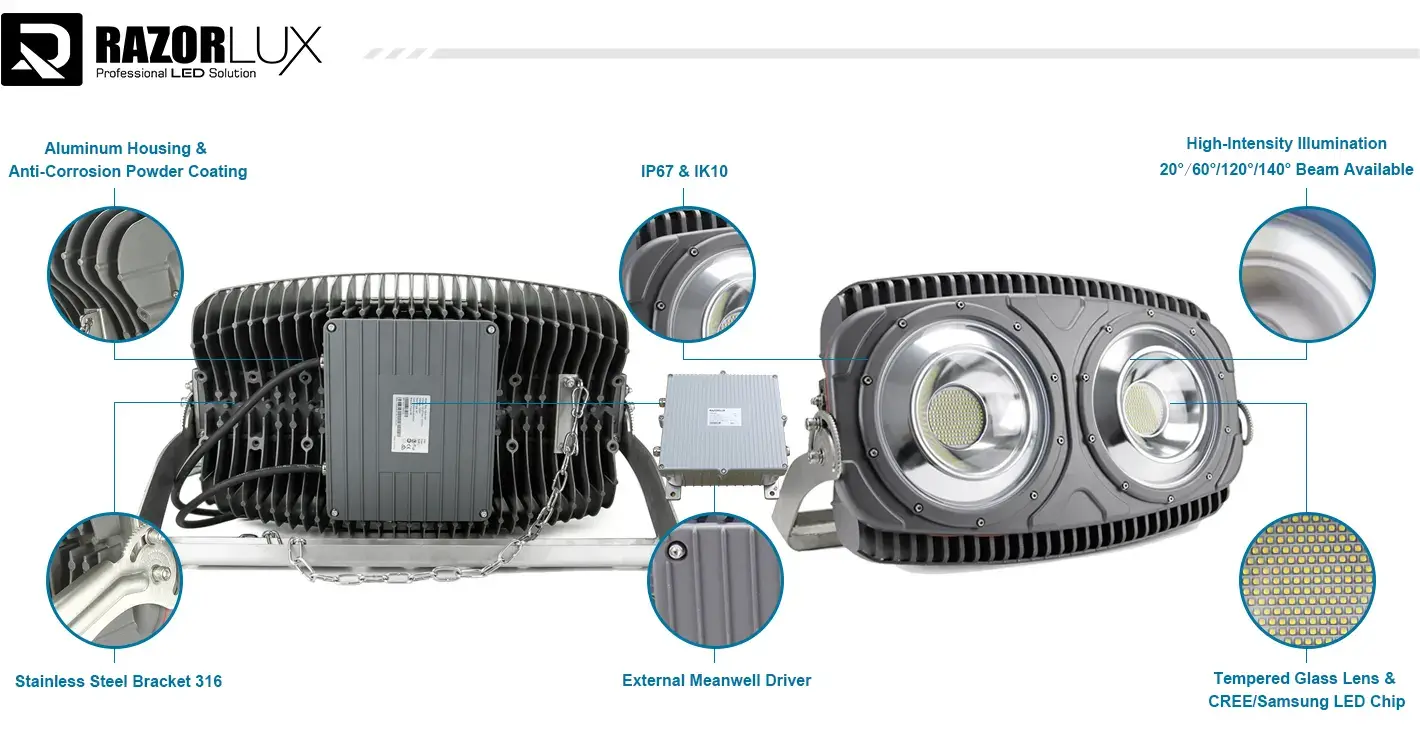
The way arenas turn electricity into visual light has changed a lot thanks to modern LED technology. A standard 2000W metal halide system has trouble getting 80 lumens per watt, but professional-grade LED fixtures usually get 130 to 170 lumens per watt. Our 800W LED stadium flood lights system puts out 88,000 lumens of stable light, which is enough to replace lamps that use 1500–2500W while keeping the quality of the light for broadcasting. Cutting down on electricity use is directly related to this huge increase in efficiency. When 100 traditional 2000W bulbs are replaced with 800W LED replacements, the stadium's lighting power demand drops from 200 kilowatts to just 80 kilowatts right away. This is a 60% drop in energy use that adds up to big savings over time.
Minimized Heat Generation and Cooling Requirements
When compared to standard lighting systems, LED technology's efficient energy transfer makes a lot less waste heat. During operation, the surface of metal halide lights can get hotter than 400°C. This creates localized heat islands that put a strain on HVAC systems and make it uncomfortable to be near lighting installations. Advanced thermal management keeps the junction temperatures of LED systems below 75°C, which makes facility climate control systems much less busy with cooling. This trait is especially helpful in shipyards and enclosed industrial spaces, where lower ambient heat makes workers more comfortable and extends the life of nearby equipment that breaks down easily in hot conditions.
Extended Operational Lifespan and Reduced Replacement Frequency
Because LED technology lasts longer, it saves money over the life of the light. Typical metal halide lamps lose 30 to 40 percent of their original light output in the first 8,000 hours of use. Our LED arena lighting systems keep working at L70 levels (at least 70% of their original brightness) for at least 50,000 hours of nonstop use. In real life, arena lights that are used 200 hours a month can last 20 years or more before they need to be replaced. This is in contrast to metal halide lamps that need to be replaced every 18 to 24 months. This longer life removes the need to buy new lamps, get rid of dangerous materials, and pay a lot of people to do upkeep work at high elevations on a regular basis.
Intelligent Control Integration and Adaptive Lighting
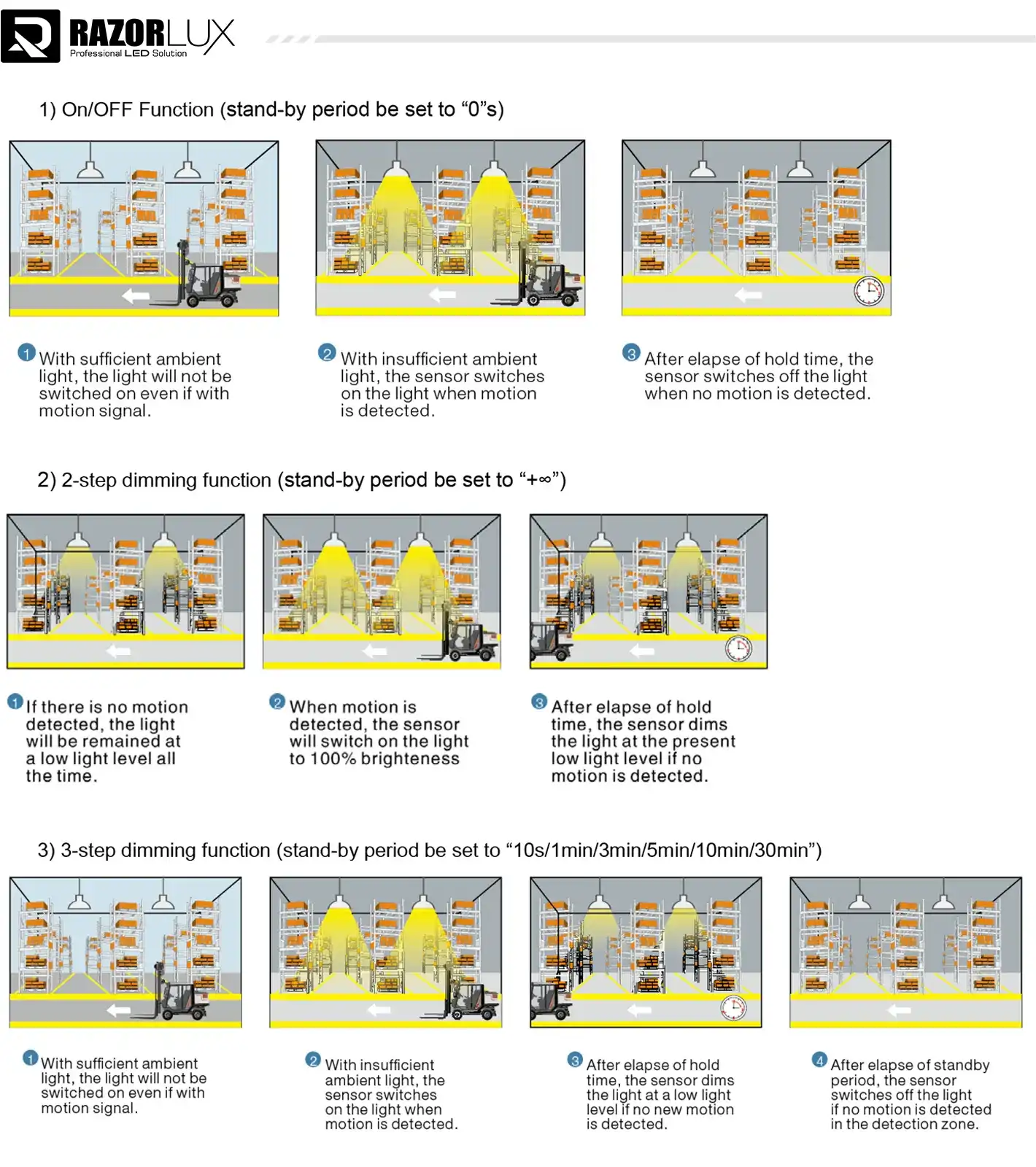
Modern LED systems have smart settings that make it possible to precisely manage energy use, which was not possible with older technology. Facilities can set up dimming procedures that lower the level of light during repair or training times. This can save an extra 30 to 50 percent of energy use during off-peak hours. Because LED technology can turn on instantly, it doesn't need to warm up as metal halide systems do. This means that stadiums can turn on lighting only when they need to, instead of keeping it on all the time to avoid restart delays. For synchronized lighting programs, advanced systems accept DMX512 control signals. They also work with building management systems to make scheduling easier, and they have occupancy sensors that make sure lights only turn on in areas that are being used.
Key Technical Factors Behind LED Energy Savings
Luminous Efficacy and Lumen Output Optimization
The main way to measure how efficient lighting is—luminous efficacy, which is given in lumens per watt—shows how much better LED technology is than other options. High-performance LED lights get 130–170 lm/W thanks to better chip design and driver electronics, while metal halide systems only get 70–90 lm/W. Because of this difference in efficiency, an 800W LED system gives off the same amount of light as a 2000W standard bulb, or even more. Our stadium lighting systems have a patented multi-function design that gets the most light out of high-quality LED chips while also reducing the amount of electricity that is lost in the driver circuit. Power factor adjustment, keeping ≥0.98, and total harmonic distortion below 10% ensure efficient power use that cuts down on waste and stress on the building's electrical systems.
Precision Beam Control and Light Distribution
To light a stadium well, the light needs to be directed exactly where it's needed while spill light and sky glow are kept to a minimum. LED lights are much better at reaching this goal than older systems because they use more advanced optical tech. With 15°, 20°, 30°, 40°, 60°, 120°, and 140°x60° asymmetric beam angles to choose from, lighting designers can find the best distributions for different mounting heights and field sizes. This accuracy cuts down on the total number of lights needed for good coverage, which lowers the cost of the equipment and the amount of energy it uses over time. When compared to traditional lighting systems that aren't well controlled, an LED system with optimal beam control can light up a playing area to the right amount of brightness with 30–40% fewer fixtures.
Robust Construction and Environmental Protection
Long-term energy efficiency is directly affected by durability, which keeps the fixture working at its best throughout its lifecycle. Extreme temperature changes, water exposure, salt spray in seaside sites, and mechanical vibrations are all things that stadium lighting has to deal with. Our LED systems have IP67 ingress protection because the case and gaskets are carefully designed to keep out moisture and particles that damage optical performance and speed up component failure. The IK10 impact rating makes sure that fixtures can handle mechanical shock from repairs or equipment hits. Marine-grade aluminum housings with advanced powder coating don't rust in C5-M environments, which is important for ports, offshore platforms, and shipyards where salt spray quickly destroys equipment that isn't properly protected.
Thermal Management and Junction Temperature Control
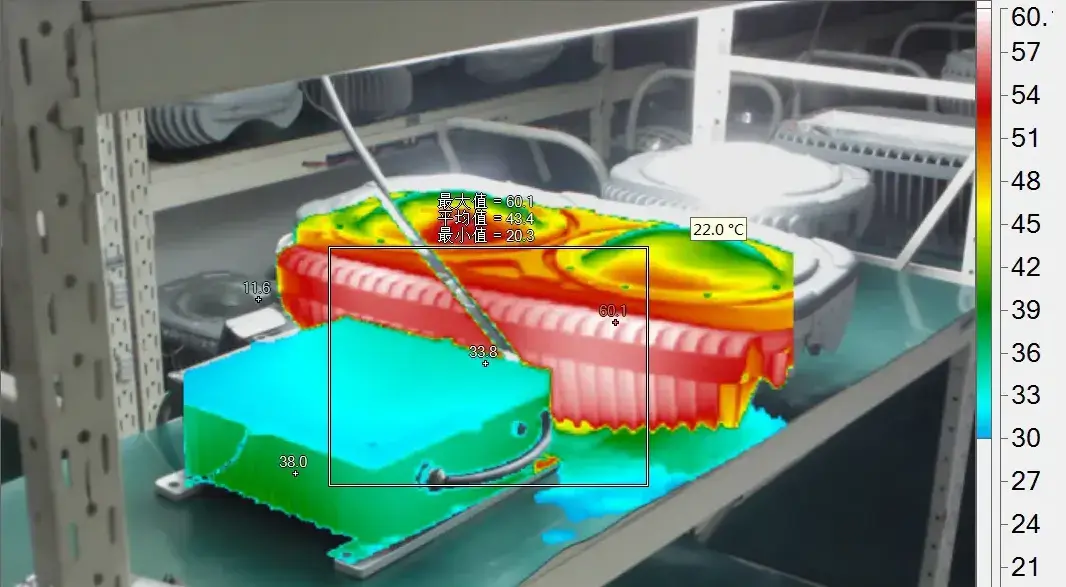
Effective temperature management keeps LEDs working at their best and stops them from breaking down too quickly, which would otherwise cause them to use more energy over time. As the junction temperature rises, LED chips become less efficient. This is a problem that needs a complex design to solve. Pure aluminum cold-forged heatsinks with optimized fin shape that improves surface area for convective cooling are used in our fixtures. This thermal architecture keeps junction temperatures below 75°C even when the temperature outside is very cold (-40°C) or very hot (60°C). When LED systems aren't cooled properly, their efficiency drops. But with good thermal management, the 130 lm/W efficiency achieved during initial testing stays the same over the 50,000+ hour service life, instead of dropping to the same level as the old technology being replaced.
| Performance Parameter | Traditional Metal Halide | Razorlux LED Stadium Light | Energy Savings |
|---|---|---|---|
| Input Power | 2000W | 800W | 60% reduction |
| Light Output | 140,000 lumens | 88,000 lumens | Equivalent coverage |
| Luminous Efficacy | 70 lm/W | 130 lm/W | 85% improvement |
| Operational Lifespan | 8,000 hours | 50,000+ hours | 525% longer life |
| Warm-up Time | 15-20 minutes | Instant | Immediate operation |
| Annual Energy Cost (200 hrs/month) | $4,800 | $1,920 | $2,880 saved |
Driver Quality and Power Supply Efficiency
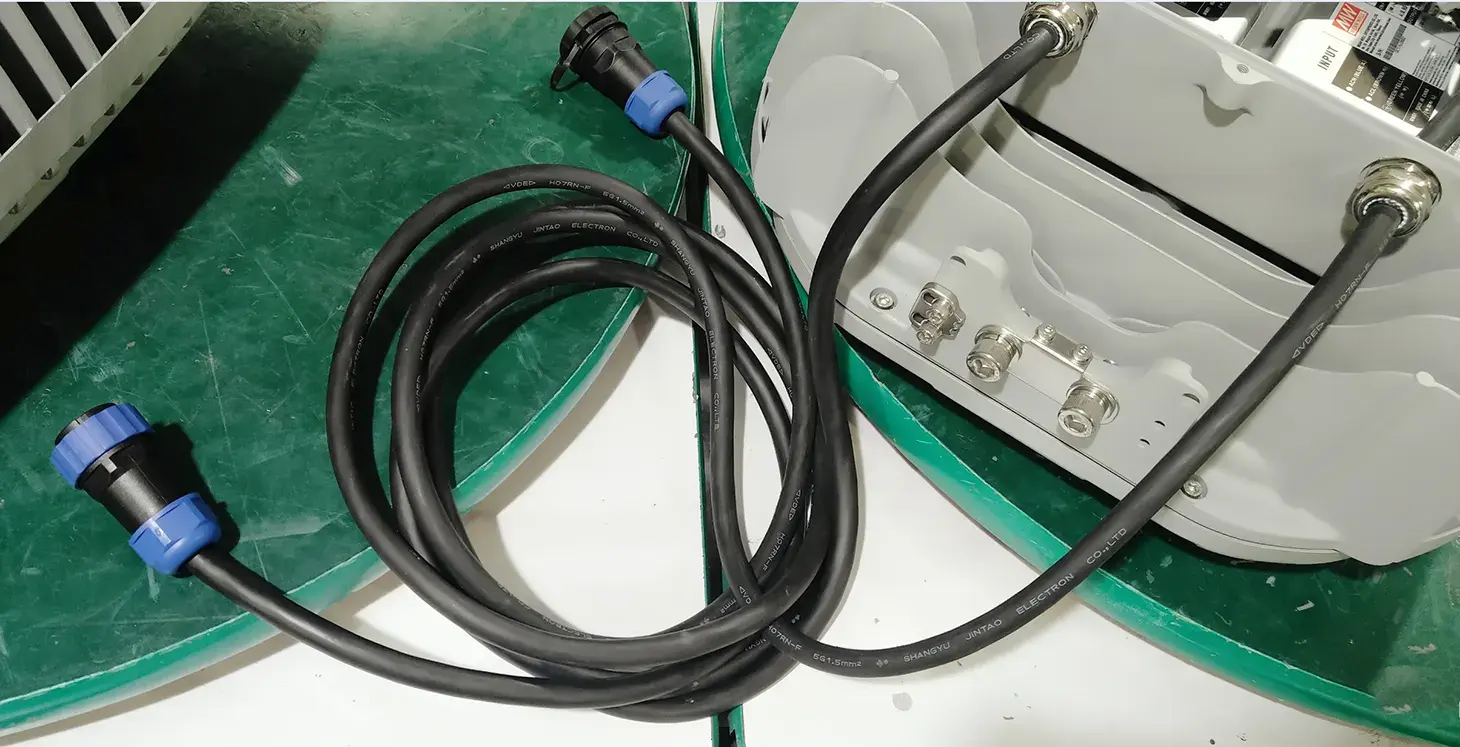
The driver part has a direct effect on how well and reliably the whole system works, but building managers often forget to include this important part when they are buying. Poor drivers waste a lot of electricity and make too much heat, which speeds up the breakdown of components. Our systems only use MeanWell power supplies, which are known for their high conversion efficiency, stable output control, and track record of stability in harsh environments. The input voltage ranges from AC 90V to 305V and DC 127V to 431V. This allows for stable operation even when there are power quality problems, which can happen in industrial settings and remote areas. The driver comes with a five-year warranty that matches the coverage of the LED module. This shows that the company is confident in the driver's long-term performance, which will keep the device energy-efficient for its entire life.
Practical Considerations for Stadium Procurement Managers
Total Cost of Ownership Analysis
When procurement professionals look at LED technology, they need to look beyond the initial cost of the equipment to see how it really affects the bottom line. A full total cost of ownership study shows the strong economics that are pushing many demanding applications to use LEDs. Think about a medium-sized field with 150 lights that are on for 2,400 hours a year. At an average industrial electricity rate of $0.12 per kWh, traditional 2000W metal halide systems use 720,000 kWh of electricity each year, which costs $86,400 each year. If you replace these with 800W LED systems, you'll use only 288,000 kWh and save $34,560 a year, which is $51,840 a year. If you don't have to replace lamps, which cost about $180 per fixture plus labor, you'll save about $78,000 a year on maintenance alone. With LED systems costing between $800 and $1,200 per fixture on average, the money is returned in less than three years, and the benefits last for twenty years.
Certification Requirements and Compliance Standards
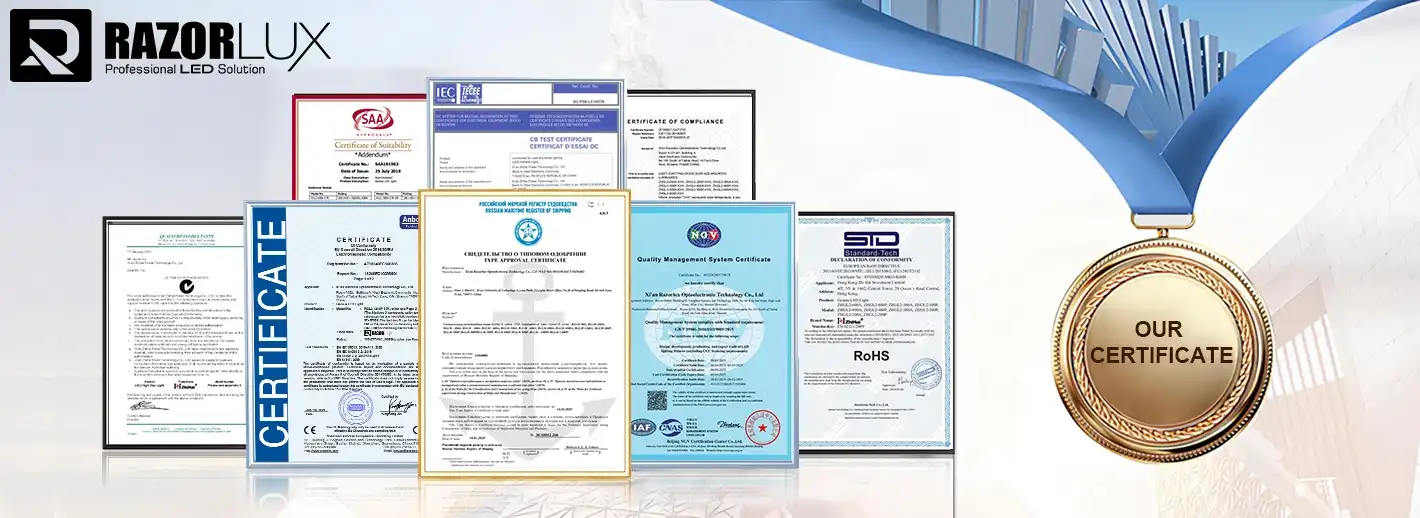
To make sure that products are safe, work well, and follow the rules, global buying requires strict product approval. Different markets have different rules that affect what products are available and how qualified suppliers are. For international markets, our LED stadium flood light systems have a lot of different approvals. These include UL approval for North America, CE marking for the European Union, SAA approval for Australia, and special RMRS (Russian Maritime Register of Shipping) approval for marine installations. These certificates show that electrical safety, electromagnetic compatibility, and performance claims have been checked by a third party. This addresses the "certification trust" issue that buyers say is the biggest problem. Engineering firms that are bidding on projects in Norway, Denmark, and other Nordic markets value DNV/GL certification because it shows that the products are suitable for the harsh marine environments that are common in these areas.
Customization Capabilities and Project-Specific Solutions
Standard product configurations rarely work without being changed for large lighting installations. Successful suppliers set themselves apart by being able to customize their products to meet the specific needs of each project. Our industrial infrastructure allows changes to beam angles, mounting hardware arrangements, color temperature requirements, and the merging of control systems. Asymmetric beam patterns are often needed at ports to light up loading areas while keeping light from getting into waterways that people can navigate. For hazardous area classification, offshore platforms need enclosures that can't explode. Shipyards that work with certain types of vessels need to make sure that lighting is placed in a way that takes into account uneven mounting surfaces and working distances. By offering customized solutions and having in-house engineering help from our Xi'an LED Lighting Engineering Laboratory, we can turn LED adoption from a one-time buy into a strategic relationship that solves operational problems that are unique to each location.
Supply Chain Reliability and Delivery Commitments
Due dates for projects set strict deadlines for delivering equipment, which affects the choice of supplier. Lack of lighting equipment can cause construction delays, which can lead to fines and damage to the company's reputation. "Reliable delivery time" is always listed as one of the most important criteria for suppliers to meet by procurement managers at large factories and building projects. Our factory keeps enough parts in stock and can make enough to support big projects. We can deliver your orders quickly and cheaply by sea freight (15 to 50 days for bulk orders) or by express international shipment (3 to 7 days for samples). Being able to handle both urgent retrofit projects and cost-effective planning for planned buildings gives procurement pros choices that meet the urgency of the project and the budget.
| Project Type | Typical Installation Size | Annual Energy Savings | Payback Period | 10-Year Total Savings |
|---|---|---|---|---|
| Municipal Sports Stadium | 120-150 fixtures | $62,000 | 2.4 years | $580,000 |
| Port Terminal Yard | 200-250 fixtures | $103,000 | 2.8 years | $950,000 |
| Shipyard Work Area | 80-100 fixtures | $41,000 | 2.6 years | $385,000 |
| Offshore Platform Deck | 60-80 fixtures | $31,000 | 2.9 years | $285,000 |
| Heavy Industrial Facility | 150-200 fixtures | $77,000 | 2.5 years | $720,000 |
Warranty Coverage and After-Sales Support
Long-term performance guarantees are an important way to reduce the risk of big investments in lighting infrastructure. Poor products often break down too soon, causing unexpected replacement costs that wipe out any savings that were planned and hurt relationships with suppliers. Our five-year guarantee covers both LED modules and driver electronics. This shows that we are confident in our manufacturing process and protects customers' investments. This coverage period is in line with how quickly most capital equipment loses value, and it gives enough operational history to back up performance claims before the warranty expires. In addition to the terms of the insurance, how happy a customer is with a problem depends on how well they are helped by expert support. Our engineering team answers technical questions within 24 hours, includes documentation with every shipment that tells you how to install it, and keeps regional service partnerships in major markets to make it easy to solve problems quickly.
Case Study Applications and Performance Validation
For evidence-based decision-making to work, success must be shown in similar situations. Instead of theoretical specifications, procurement managers always ask for "real-world use cases" that show how the technology works in the real world. Our installations are in a lot of different harsh environments, such as Arctic port facilities in Norway that have to work in the dark of winter, equatorial shipyards in Singapore that have to deal with constant high humidity and temperature swings, and Middle Eastern offshore platforms in Qatar that have to deal with intense heat and salt spray that breaks down metal. Concerns about the stability of technology can be eased by looking at the performance data from these reference projects, which were carried out in situations that are similar to those used by potential customers. Measurements of energy use, records of maintenance, and customer reviews turn vague claims about efficiency into real proof that helps investors make choices.
Maintenance Strategies to Maximize LED Flood Light Performance and Savings
Routine Cleaning and Optical Maintenance
To keep the best light output, cleaning protocols must be followed on a regular basis to stop optical degradation caused by environmental contamination. As dust, salt, and industrial pollution build up, they slowly block light from passing through protective lenses. If this problem isn't fixed, the effective output can drop by 20 to 30 percent. Operators of stadiums should set up testing plans that check the clarity of the lenses and the stability of the housing every three months. Simple cleaning steps with a mild detergent solution and a soft cloth allow light to pass through again, keeping the energy savings that make LEDs worth the investment. Marine uses and heavy industrial settings need more frequent care—monthly cleaning schedules keep things from breaking down faster in these tough circumstances. This small amount of care keeps LED technology's energy efficiency and lighting performance, setting it apart from low-maintenance options that don't work as well.
Electrical System Inspection and Connection Integrity
When electrical connections are exposed to temperature changes, vibrations, and the elements, they slowly break down. This causes resistance, which wastes energy as heat and lowers the voltage sent to LED drivers. As part of routine yearly electrical inspections, torque specifications should be checked on all power connections, insulation damage should be looked for on conductors, and proper grounding continuity should be confirmed. High link temperatures found by thermal imaging scans show that problems are starting to show up before the connection fails completely. These precautions keep the electricity efficiency that is built into good LED systems and stop major failures that put people in danger and cost a lot of money to replace. Because of how fast normal wear happens in harsh working conditions, industrial and marine systems gain the most from thorough electrical maintenance.
Smart Control System Updates and Optimization
Intelligent controls built into LED systems need to be updated and calibrated on a regular basis to keep working at their best. On a regular basis, manufacturers release software updates that fix problems found and add new features. Stadium managers should build relationships with companies that provide control systems to make sure they are notified of updates when they become available and get technical help to put them in place. Lighting schedules should be checked on a regular basis to make sure they match how the building is actually used. This can often reveal more ways to save energy as operational needs change. Seasonal calibration takes into account changing sun directions and work plans to make occupancy monitors and daylight harvesting systems work better. These maintenance tasks that focus on software take very little time and make sure that lighting systems always work at their best instead of falling back to old levels of efficiency.
Diagnostic Testing and Performance Monitoring
Monitoring performance proactively finds falling efficiency before it affects the quality of lighting or costs for energy. Modern LED systems have monitoring procedures that show the working parameters of the driver, the voltages of the LED strings, and the temperature conditions. Every three months, diagnostic reviews find performance trends that show problems like driver components getting old, LEDs breaking down, or problems with thermal management. Facilities that are in charge of big lighting setups can benefit from centralized tracking systems that can instantly point out fixtures that aren't working right and need to be looked into. This approach to maintenance, which is based on data, stops the gradual loss of efficiency that makes LED technology less cost-effective. This makes sure that systems keep saving energy as planned for their entire lifetime instead of going back to the inefficient performance of the technology they replaced.
Component Replacement Planning and Spare Parts Management
Even though LED parts have longer lives, they still need to be replaced at some point. When you manage your spare parts strategically, you can avoid long periods of downtime when things break down and save money on unnecessary inventory costs. Critical facilities that work around the clock, like ports, offshore platforms, and factories, can't have long lighting outages while they wait for new parts to arrive. Depending on how important the parts are and how far away they are, procurement managers should keep spare parts inventories that cover about 5 to 10 percent of the total size of the installation. Driver units need to be replaced most often, so they should be planned for first when extra parts are being made. Keeping in touch with providers who can quickly send parts gives you a backup plan in case unexpected problems happen and you run out of spare parts. This balanced method of managing spare parts keeps operations running smoothly while keeping store costs low.
Conclusion
Making the switch from old metal halide and high-pressure sodium systems to new LED technology is one of the most important ways for stadium and industrial site managers to save energy. Through superior luminous effectiveness, precise optical control, and improved thermal management, LED stadium floodlights can reduce electricity use by 60 to 70% right away. Longer operating lifespans of more than 50,000 hours not only save energy, but they also get rid of the ongoing upkeep costs and business interruptions that come with replacing lamps often in high-elevation installations. Smart control integration saves even more money by letting you use dimming protocols and occupancy-based operation, which can't be done with regular systems because they need a long time to warm up. Adopting LEDs is more of a smart financial move than just an environmental one because they usually pay for themselves in less than three years and save you close to $1.5 million over the life of the system. As global energy costs keep going up and environmental rules get stricter, facilities that aren't switching to LEDs will have to pay more for operations and be less competitive than those that did switch early and are already saving a lot of money.
FAQ
1. How much can facilities realistically save by switching to LED stadium lighting?
Saving energy depends on a number of things, such as how efficient the current system is, how long it is used, how much electricity costs in the area, and the size of the facility. Most systems cut the amount of energy used for lighting by 60 to 70%. This saves anywhere from $40,000 to over $200,000 a year for smaller buildings to big venues. A normal medium-sized venue that runs 150 fixtures for 2,400 hours a year saves around $52,000 a year just on energy costs. Maintenance savings, like not having to repair lamps as often and not having to hire extra help to get to high-up fixtures, often add up to more than $75,000 a year. These savings add up over the more than 50,000-hour life of an LED, resulting in cost savings of nearly $1.5 million over 20 years of use.
2. Will LED systems work with our existing electrical infrastructure and control systems?
Modern LED fixtures can work with a wide range of voltages—our systems can handle AC 90–305V and DC 127–431V—so they can be used with almost all building electrical systems without the need for infrastructure upgrades. The fixtures work perfectly with common mounting gear, like pole and bracket systems that are already in use. Control system compatibility depends on certain needs. Simple on/off switching doesn't need any changes at all. If a building wants to use advanced dimming or automatic scheduling, it may need to improve its control system. However, DMX512 and 0-10V dimming protocols make it easy to connect to most building management systems. Our engineering team does pre-installation consultations by looking over electrical drawings and control requirements to see if any changes need to be made before the equipment is bought. This way, there are no expensive surprises during installation.
3. What warranty coverage and after-sales support should we expect?
Professional-grade LED systems should come with a full warranty that covers both the LED modules and the driver electronics for five years. This warranty period shows how well the product was made and gives enough protection to match how quickly most capital equipment wears out. In addition to the terms of the warranty, good technical support is also very important. Suppliers should answer technical questions quickly—we promise a 24-hour response time—and offer detailed installation instructions, photometric data, and help with fixing problems. For global buying to work, regional service partnerships must be in place so that problems can be solved quickly and without having to wait for foreign shipping. Check to see if the seller keeps enough spare parts on hand and can quickly send new parts when they break. Long-term satisfaction with an LED investment depends on how well the warranty covers the product and how quickly technical support responds.
Upgrade to Energy-Efficient LED Stadium Flood Lights from Razorlux
Razorlux offers a wide range of reliable products and a lot of technical knowledge for stadium operators and industrial building managers looking for tried-and-true LED stadium flood light options. The National Development and Reform Commission of China has given our engineering team permission to work at the Xi'an LED Lighting Engineering Laboratory. They have created high-tech 800W systems that offer 88,000 lumens at 130 lm/W efficiency. These systems come with MeanWell drivers and a five-year warranty that covers everything. We work with purchasing managers at shipyards, port terminals, offshore platforms, and heavy industrial facilities in North America, Europe, the Middle East, and Asia-Pacific. Our full range of certifications includes UL, CE, RMRS, and marine-grade construction that meets IP67 and IK10 safety standards. Whether you're upgrading a public sports stadium or setting up a new site overseas, our application engineering support can help with custom lighting calculations, beam angle optimization, and technical paperwork that backs up your project requirements. Get in touch with our team at sam@razorlux.com to talk about your specific needs and get detailed quotes from our network of LED stadium floodlight suppliers. We offer a variety of delivery options, from fast express shipping to cheap sea freight, to fit project schedules and budgets.
References
1. U.S. Department of Energy. (2021). Solid-State Lighting Program: Energy Savings Forecast of Solid-State Lighting in General Illumination Applications. Washington, DC: Office of Energy Efficiency & Renewable Energy. Available at: https://www.energy.gov/eere/ssl/solid-state-lighting-program
2. International Energy Agency. (2020). Lighting: Tracking Report—June 2020. Paris: IEA Publications. Available at: https://www.iea.org/reports/lighting
3. Navigant Consulting. (2019). Energy Savings Potential of LED Lighting in Stadium and Arena Applications. Boulder, CO: Navigant Research. Available at: https://www.navigantresearch.com
4. Illuminating Engineering Society. (2020). IES RP-6-20: Sports and Recreational Area Lighting. New York: IES Publications. Available at: https://www.ies.org/standards
5. U.S. Environmental Protection Agency. (2022). ENERGY STAR Program Requirements for Luminaires: Eligibility Criteria Version 2.1. Washington, DC: EPA. Available at: https://www.energystar.gov/products/lighting_fans/light_fixtures
6. Lawrence Berkeley National Laboratory. (2021). Life-Cycle Assessment of Energy and Environmental Impacts of LED Lighting Products. Berkeley, CA: Environmental Energy Technologies Division. Available at: https://www.lbl.gov