


_1750326878398.png)

How to Maintain Outdoor Lighting for Volleyball Court Systems?
Maintaining sports lighting systems requires planning ahead and doing it consistently. Regular maintenance saves your outdoor lighting for the volleyball court investment and makes sure that players and onlookers can see clearly. Maintenance keeps things running smoothly, avoids costly breaks, increases the life of fixtures, and keeps energy savings high. This guide talks about important care methods that work best in harsh outdoor settings where temperature changes, moisture, and physical effects are constant problems that make equipment last less time. Facility managers can cut the total cost of ownership by a large amount while still meeting international lighting standards by using systematic inspection routines and focused interventions.
Understanding the Challenges in Maintaining Outdoor Volleyball Court Lighting
Environmental Factors Affecting Sports Lighting Systems
Outdoor Lighting For Volleyball Court systems has to deal with constant weather stress that internal systems never have to. Facilities near the coast have to deal with salty air that makes metal housing and electrical lines rust faster. Fixtures in industrial areas are exposed to dust that obstructs light passing through safety glasses. Changing temperatures from day to night cause materials to expand and contract, which can weaken seals and make ways for water to get in. Another very important issue is wind loading, especially for setups that are placed on tall poles. Long-term winds can cause vibrations that can break mounting gear and put stress on electrical connections. In places that go through freeze-thaw cycles, water that gets stuck can grow and crack lens assemblies or hurt internal parts.

Common Failure Modes and Root Causes
The most common problems with sports lighting systems can be traced back to ways they are known to break. Corrosion attacks mounting clamps, electrical connections, and housing penetrations and is one of the main reasons why things break down early. Even devices with an IP65 or IP67 rating need to be carefully checked because seal wear makes environmental protection less effective over time. Electrical problems are often caused by not having enough surge protection or covering on the wires wearing down. Lightning hits and sudden changes in power can damage LED drivers and control circuits, which can make the fixture stop working all together or only work sometimes. Connectors that are wet have higher resistance, which creates heat that speeds up the breakdown of the component. Over time, optical quality decreases because dirt builds up and stops light, and polycarbonate lenses turn yellow, which makes communication less effective. Most of the time, this slow decline isn't noticed until the lighting levels drop well below what was intended, which can affect the quality of play and could be against the law.
Impact on Performance and Operational Costs
Putting off upkeep causes problems that get worse over time and raise running costs. Because of less light output, buildings have to use more lamps to get enough light, which uses more energy. Uneven lighting makes peaks and shadows that make it harder for players to see and stay safe during important plays. Repairs that need to be done right away cost a lot more than planned upkeep. The costs are made worse by rush shipping for new parts, higher labor rates for service calls made after hours, and lost income from events that had to be canceled. Facilities that don't keep written records of their upkeep could have guarantee claims denied and have trouble showing that they are following the rules during reviews.
Key Principles and Best Practices for Maintaining Volleyball Court Lighting
Establishing Inspection Schedules and Protocols
Strategic maintenance planning begins with setting the right check frequency for outdoor lighting for volleyball court installations based on the surroundings and usage intensity. Installations near the coast and in industrial areas should be inspected every three months. Sites with mild temperatures may only need to be inspected every six months. High-use venues that house competitive events should plan checks before the busy seasons start to find any problems that might be happening. Checklists for thorough inspections should keep track of the state of fixtures, the soundness of mounting hardware, the cleanliness of the optics, and the performance of the electrical system. Using calibrated tools to take photometric readings gives you objective data that tracks the amount of light over time. By measuring the temperature of the housing's surfaces, problems with thermal management can be found before they lead to LED driver breakdowns.
Documentation is an important part of care that is often overlooked. Trend analysis, which finds patterns that can predict future failures, is only possible with detailed records. Photos with timestamps are useful for keeping track of how things have changed between checks. Maintenance logs are proof that guarantee claims are valid and show that you are following the rules during checks.

Cleaning Methods for Different Fixture Types
To clean LED sports lighting properly, you need to use special methods that protect delicate optical parts while letting the most light through. Turn off the power before you start cleaning to avoid electrical dangers. Let the fixtures cool down all the way, because lenses can break when cold water hits hot surfaces. Start by using compressed air or soft brushes to get rid of any loose dirt or bugs that have gathered. Use microfiber cloths or soft sponges to apply light detergent solutions to objects that can be reached from ground level or lift equipment. Polycarbonate lenses have protection layers that should not be scratched by rough materials. Harsh chemical cleaners can break down seal materials and hurt coats that stop light from reflecting.
Fixtures with an IP67 rating can handle being rinsed with low-pressure water, but high-pressure washing could damage the covers and let water into electrical areas. Once the gaskets and seals are clean, check them for compression set or damage that can be seen. To keep environmental protection scores, replace any seals that are broken right away.
Electrical System Checks and Preventive Actions
The first step in electrical repair is a careful eye check for signs of overheating, corrosion, or physical damage. Check the insulation around the wire for cracks, coloring, or brittleness that could mean it is breaking down. Check junction boxes for water getting in, bug nests, or loose connections that make the resistance higher and the heat rise. Check the right power supply by measuring the voltage at the fixture connections while they are under load. If the voltage drop is more than 3%, it means that the wires are too small or the connections are bad and need to be fixed. To make sure fault prevention works, test ground continuity. Check surge protectors for lights that show which parts are wearing out and need to be replaced.
How well an LED driver works has a direct effect on how reliable and long-lasting a light is. Check the input current against the nameplate specs to find drivers that aren't working within the design limits. Listen for noise that could mean that an internal part is under stress. Thermal imaging can show drivers that are getting too hot and need to be replaced before they break down completely.
Step-by-Step Guide to Maintaining Different Types of Lighting Systems
LED Sports Lighting Maintenance Procedures
Modern Outdoor Lighting For volleyball court systems, like Razorlux's RGL2-400A type, they have strong builds that require less upkeep while still providing excellent performance. These systems are 130 lm/W efficient, and the Mean Well drivers are rated to work for 50,000 hours or more. This means that they need a lot less service than older technologies.
Three-monthly maintenance chores for LED lights are:
- Visual inspections that check the stability of the case, the security of the mounting, and the state of the lens without having to turn off the power
- Optical cleaning gets rid of the buildup of dirt and dust that blocks light and causes glare hotspots.
- Thermal verification is used for thermal verification using infrared thermography to find odd running temperatures that mean heat dissipation isn't working as well as it should.
- Electrical testing that checks voltage, current, and power factor to find driver decline before it fails.
These proactive steps protect the big benefits that LED technology gives. The powder-coated metal housing doesn't rust and can handle tough coastal settings where other lights rust quickly. Stainless steel fixing clamps keep their shape even when they are exposed to salt spray and temperatures that range from -40°C to +60°C.
Monitoring heat control is especially helpful for LED systems. Junction temperatures that are higher than the design limits shorten the lives and speed up the loss of lumens. Heat sink fins that are blocked or thermal contact materials that are breaking down need to be fixed right away. Quality makers use a modular design philosophy that lets techs change LED modules or drivers without taking down whole fixtures. This cuts down on downtime and labor costs.

Metal Halide and Legacy System Maintenance
Even though LEDs are becoming more popular, many places still use metal halide systems. Different upkeep methods are needed for these high-intensity discharge systems because they have different ways of breaking down. Usually, lights need to be replaced every 6,000 to 10,000 hours because their lumen power slowly drops over time, even if they keep burning. Ballast state has a huge impact on how reliable the system is. Magnetic ballasts make a lot of heat, which speeds up the breakdown of capacitors. Check for strange clicking or buzzing sounds that could mean internal component stress. Check that the transformer is working correctly by measuring the volts at the input and output. Electronic ballasts fail more quickly, but they work better and are lighter.
Lamp seals and electrode systems are put under a lot of stress during warm-up and cool-down times. When facilities cut back on working hours by aggressive switching, lamp life is actually shortened compared to long-term constant operation. Set up minimum run-time rules to stop too many start-stop loops. Cleaning optical systems every three months is recommended because dirt builds up and makes them less effective.
Solar-Powered and Hybrid System Considerations
Photovoltaic cells, battery storage, and charge controllers are the major parts of autonomous solar lighting systems that need more upkeep. Panel surfaces get dirty with dust, pollen, and bird droppings, which makes charging much less effective. Cleaning it once a month keeps it working at its best, which is especially important in dry places where rain doesn't naturally clean itself. Battery health controls how reliable the system is and how long it can run on its own. Deep-cycle lead-acid batteries can be discharged and charged about 500 times before their capacity drops below what is considered reasonable. Lithium iron phosphate batteries have a longer run life than other batteries, but they cost more. When the battery is charged or under load, check the voltage to see if the capacity is dropping and the battery needs to be replaced.
Charge controls keep panels from overcharging and get the most energy out of them. Make sure that the set points are correct for the battery makeup. Check wire connections for corrosion at points that are exposed to changes in humidity and temperature. Motion sensors and sun sensors need to be calibrated on a regular basis to make sure they work at the right light levels.
Evaluating Outdoor Lighting Standards and Performance Metrics
Illumination Requirements and Testing Methods
Standard Outdoor Lighting For volleyball, court installations must meet strict performance standards set by the Illuminating Engineering Society (IES) and other foreign groups. For recreation areas, the lighting must be kept at a minimum of 200 to 300 lux, and the regularity ratio must not be higher than 2:1 across the playing field. Competitive sites that host live events need 500 lux or more of light with better uniformity to meet the needs of broadcast cameras. Controlling glare is just as important as making sure there is enough light. The Unified Glare Rating method measures how much pain and disability glare hurts a player's performance. Aiming correctly and controlling the optics prevent direct viewing of bright sources while tracking balls in the air vertically. Asymmetric beam distributions focus light on game areas while reducing the amount of spill light that affects qualities next to them.
Using calibrated lux meters to take readings in the field is a way to make sure that lighting plans meet requirements. Set up a measurement grid with points 3 to 5 meters apart that goes around the whole area and the edges. Take readings at ground level and 1 meter above to show how the vertical lighting affects the ball's sight. Compare the results to what the plan said would happen to find any differences that need to be fixed.
Energy Efficiency Monitoring and Optimization
LED technology changes the economy of sports lights by using a lot less energy than metal halide systems. A 400W LED light with 52,000 brightness can be used instead of 800-1000W HID lamps because it renders colors better and can turn on instantly. Through lower power use and no more relamping work, annual energy savings often cover the initial capital costs within two to three years. Real-time monitoring tools keep track of trends in energy use that show ways to save money. Time-based scheduling cuts down on working hours by turning lights down or off automatically when there is no activity. Occupancy cameras stop courts from being used when they are not being used. Daylight gathering lowers the need for artificial lighting when there is enough natural light in the early evening.
Power quality analysis finds problems that make things less efficient and shorten the life of tools. High overall harmonic distortion puts a lot of stress on the power grid and makes transformers less powerful. Demand charges make energy costs go up when the power factor is low. Good LED drivers, like the Mean Well units used in Razorlux lights, keep the power factor above 0.98 and the total harmonic distortion (THD) below 10%. This keeps the system running smoothly and efficiently.
Compliance Documentation and Regulatory Requirements
Keeping a lot of paperwork shows that you are following the rules and meet insurance standards. Photometric test records from approved laboratories show that the goods meet the claims made about them. Marks of certification like UL, DLC, CE, and RoHS show that the product meets safety and environmental rules. Marine-specific approvals, such as DNV/GL, prove that a system is suitable for harsh coastal conditions. Fixture sites, pointing angles, mounting heights, and circuit configurations should all be written down in installation records. By measuring illuminance on a regular basis, records are kept of how performance has changed over time. Maintenance logs show that regular work was done, which supports guarantee claims and can be used as a defense in court if someone gets hurt because of poor lighting.
Light trespass and skyglow are becoming more and more restricted by environmental laws, which affects astronomy views and wildlife. Shielded light bulbs that send light downward cut down on waste that goes up. Amber or filtered LEDs cut down on blue wavelength emissions that mess up insects' diurnal rhythms and behavior. Local laws may set curfews that limit business hours or require darkening during certain times.
Case Studies: Successful Maintenance Programs in Commercial Volleyball Courts
Coastal Recreation Facility LED Retrofit
A Southern California outdoor lighting complex for volleyball courts got rid of its failed 1000W metal halide lights and replaced them with 400W LED systems. This fixed the problem of constant corrosion and lamp failures. Traditional fixtures were exposed to salt spray in coastal areas, which sped up their breakdown even though they were made of high-quality stainless steel. Relamping and replacing the ballasts on 24 poles cost more than $15,000 a year in upkeep costs. The LED upgrade called for lights that are marked IP67 and have a marine-grade powder finish and brackets made of stainless steel. The city set up routine inspections that happen every three months and record the state of fixtures, clean optical systems, and check electrical connections. After three years, the center said that none of the fixtures had broken and that 92% of the original lumen output had been kept.

Better optical control led to a 62% drop in energy use and an increase in light consistency from 1.8:1 to 1.3:1. The ability to dim the light meant that 50% less power was used during practice sessions, which saved more energy than just comparing wattage. The five-year warranty covered all costs for upkeep, which took away the uncertainty that had been affecting property management.
Industrial Complex Preventive Maintenance Strategy
A petroleum company that provided volleyball courts for employees' leisure set up routine maintenance procedures that made equipment last longer and cut down on the number of times it had to be fixed in an emergency. Fixtures had to be strong. They were exposed to high temperatures, vibrations from nearby machines, and chemicals on occasion because they were in a harsh industrial setting. Maintenance teams used binoculars and spotting scopes to look at things from ground level once a month as part of eye checks. Boom lifts allowed for thorough checks, cleaning, and small fixes every three months. Infrared thermography, electrical testing, and photometric readings were used in annual complete reviews to show performance trends.
Over four years, the program cut unexpected failures by 78% compared to the old method of reactive maintenance. Detailed records showed specific patterns of failure that made it possible to target remedies. Regularly replacing gaskets stopped water from getting inside before it did damage. The data-driven method made the best use of parts inventory, which cut down on handling costs and made sure that important parts were always available.
University Athletic Department Partnership Model
A large university's sports department teamed up with its lighting supplier to create a full-service deal that included performance guarantees, inspections, and upkeep. Maintenance work was given to professionals with the right tools and technical know-how, and the agreement set fixed yearly costs to make the budget more stable. All of the sports lighting systems at several venues were cleaned, adjusted, and tested every three months as part of repair trips. Real-time tracking tools let service teams know about problems, which leads to investigations on the scene. The seller kept a supply of parts on hand so that they could be quickly replaced when things went wrong, even though precautions were taken to avoid them.
The relationship got rid of the need for internal maintenance, which allowed staff in the sports department to focus on their main jobs. Guaranteed minimum lighting levels made sure that regulations were followed and that the game conditions were ideal. Over five years, the program kept the system up and running 99.2% of the time while lowering the total cost of ownership by 23% compared to care that was done by the owner.
Practical Maintenance Recommendations for Facility Managers
Building Internal Maintenance Capability
To improve internal Outdoor Lighting For Volleyball Court upkeep skills, money needs to be spent on training, tools, and methods for keeping records. Staff members need to know how to safely spot common failure modes and do regular interventions. Training programs offered by the manufacturer teach best practices for fitting, how to fix problems, and how to keep the product in good shape.
Calibrated lux meters are needed for photometric proof, infrared thermometers are used to check temperature performance, and multimeters are used to test electrical systems. Safe entry to fixtures is made possible by lift tools or fall protection systems. Using the right cleaning tools for each type of fixture will keep it from breaking during upkeep.
Standard operating procedures list specific jobs, the tools that are needed, safety measures to take, and the standards that must be met. Checklists make sure that all techs do the same thing and keep people from missing important check points. Digital systems for maintenance management plan regular chores, keep records of previous work, and keep track of parts supplies, which helps people make decisions based on data.
Vendor Partnership and Technical Support
Building relationships with qualified lighting providers gives you access to expert tools that go beyond what a normal building can offer. Manufacturers with a good reputation offer field service support, online troubleshooting help, and application engineering knowledge to solve difficult issues. These relationships are especially helpful when commissioning a new system for the first time and fixing performance problems that need expert knowledge.
To manage a warranty, you need to know about the covering terms, what the limits are, and how to file a claim. Manufacturers usually cover LED modules and drivers for 5 years, but they might not cover damage caused by bad installation, illegal changes, or not enough upkeep. Keeping upkeep records that show proper care guarantees claims stronger and may allow coverage to last longer than the standard terms.
Parts supply and lead times have a big effect on how long repairs take and how much time the building is closed. When it comes to quickly getting popular replacement parts, preferred sellers make sure they have enough stock on hand. Setting up trade inventory deals keeps important parts on-site so they can be used right away, and payment is put off until the parts are used.
Long-Term Planning and System Upgrades
Sports lighting systems are big expenses that need more than just regular upkeep. They need to be planned for in advance. When comparing options, life cycle cost analysis looks at how much they cost to buy, how much they cost to run, how much upkeep they need, and how long they are expected to last. LED technology offers appealing economics, even though it costs more at first, because it uses less energy and needs to be replaced less often.
Control system retrofits improve setups that are already there without replacing all the fixtures. Using time clocks, photocells, and occupancy monitors can help cut down on working hours and wasted energy. Networked controls make it possible to handle various facilities from one place, coordinate schedules, and keep an eye on things from afar. Most of the time, these improvements are eligible for utility refunds that cover the costs of installation within 12 to 18 months.
Setting aside enough money in your budget for a new system in the future keeps you from having to make decisions later on that slow down the system over time. Planning replacement cycles around big building improvements or busy event times keeps things running as smoothly as possible. Hiring skilled lighting designers makes sure that new systems use the latest best practices and cutting-edge technologies to give you the best performance.
Advanced Troubleshooting and Problem Resolution
Diagnostic Procedures for Common Issues
Systematic methods for debugging Outdoor Lighting For Volleyball Court systems quickly find problems so that they can be fixed in the right way. When a fixture only works sometimes, it's usually because of loose connections, failed drivers, or thermal safety going off. Check the voltage at the fixture connections when there is a fault to tell the difference between problems with the power source and problems with internal parts. Thermal imaging during operation shows parts that are getting too hot and need to be fixed.
Sudden complete fastener failure all of a sudden could mean a fatal driver failure, damage from a lightning strike, or an open circuit. Check that power is getting to the light connections. Check the voltages of the LED strings to find open circuits. Check for damage that can be seen that was caused by water getting in, bugs getting in, or direct impact. Before getting replacements, swap suspected parts with known-good ones to prove the diagnosis.
Gradual light loss is usually caused by normal LED lumen loss, visual contamination, or a drop in driver power. Clear the optical parts and check the brightness by comparing the readings to the starting point. If cleaning does not improve performance, check the forward voltage of the LED to find diode degradation. Measuring the driver output voltage shows that there are problems with the control that affect the light output.
Emergency Repair Strategies
Critical events that need lights restored right away require the ability to act quickly. Having extra fixtures on hand lets you change them quickly, so you can wait to do a full diagnosis until after the event is over. Mobile stands with temporary lighting can be used as a backup source of light if the main system fails and cannot be fixed right away. By building ties with companies that rent out tools, you can get emergency supplies within hours.
Even if parts of the system fail, it may still be possible to keep it running by strategically switching lights and moving them around. To make up for failed units, dimming the remaining lights to their full power. Moving mobile tools around is an addition to fixed systems. These temporary steps allow the building to keep running while new parts are sourced and scheduled for repairs.
Lightning damage usually hits more than one device at the same time. If surge currents damage interconnecting wires or centralized control equipment, replacing parts that are clearly broken might not fix the whole system. All the broken parts are found by checking the whole system, from the power source to the branch circuits and back to the power source. You might want to add better surge security to stop this from happening again.
Conclusion
Properly taking care of outdoor lighting for volleyball court systems saves big investments while making sure the best conditions for playing and following the rules. This guide's tactics stress proactive inspection, systematic cleaning, electrical verification, and paperwork that supports long-term dependability. The modern LED technology used in Razorlux's strong fixtures greatly lowers the amount of upkeep needed because the fixtures last longer, protect the environment better, and don't need to be relit as often as older systems do. When facilities use disciplined maintenance procedures and high-quality equipment, their total ownership costs are much lower, and they can keep up their performance to meet player standards and competitive needs.
FAQ
How often should I check the lights for my outdoor volleyball court?
The main thing that determines how often outdoor lighting for a volleyball court installation needs to be inspected is the surroundings around it. Facilities near the coast and industrial areas need to be inspected every three months to deal with faster rusting and pollution. Moderate temperature setups can be done every six months instead of every year without losing their reliability. Comprehensive pre-season reviews help high-use competitive sites find problems before important events.
What are the specific upkeep benefits of LED lights over metal halide fixtures?
LED sports lighting doesn't need to be relamped as often, which saves money on work and materials. As output slowly drops, metal halide systems need to be replaced every 6,000 to 10,000 hours. Solid-state design means that LED lights keep working at 90% or higher for more than 50,000 hours. Better ingress protection grades and vibration resistance make LEDs more reliable in tough outdoor settings.
Does regular repair affect the length of the warranty?
Manufacturers usually only cover warranties if the product is installed correctly, used correctly, and has enough upkeep records. Not doing regular cleaning and inspections could make guarantee claims invalid if the failure was caused by carelessness. Keeping detailed records of regular maintenance improves guarantee claims and may lead to coverage beyond the standard terms if care is shown.
Partner with Razorlux for Reliable Sports Lighting Solutions
Picking the right Outdoor Lighting For volleyball, "court provider" can mean the difference between having to deal with frequent problems and years of trouble-free use. Razorlux was founded in 1998 and has more than 200 patents. They make industrial-grade LED sports lighting that is designed to work in harsh conditions. Our RGL2-400A type has 400W of power, 130 lm/W of efficiency, IP67 protection against the elements, IK10 impact resistance, and Mean Well drivers that guarantee operation for 50,000 hours or more. Full certificates, such as UL, DLC, CE, and ISO 9001, show that we are dedicated to quality and following the rules. Email our engineering team at sam@razorlux.com to talk about the needs of your particular application. We give you full help during installation and operation, as well as thorough specs, photometric analysis, and sample units for testing. You can be sure that your project will be successful with our five-year warranty and track record of successful naval, industrial, and business installs around the world.
References
1. Illuminating Engineering Society. (2020). Recommended Practice for Sports and Recreational Area Lighting (IES RP-6-15). New York: IES.
2. International Commission on Illumination. (2018). Guide on the Limitation of the Effects of Obtrusive Light from Outdoor Lighting Installations (CIE 150:2017). Vienna: CIE Central Bureau.
3. Rensselaer Polytechnic Institute Lighting Research Center. (2019). LED Outdoor Lighting Systems: Maintenance and Reliability Considerations. Troy, NY: LRC Publications.
4. National Electrical Manufacturers Association. (2021). ANSI C137.4-2021: American National Standard for LED Indoor and Outdoor Lighting Systems Maintenance. Rosslyn, VA: NEMA.
5. European Committee for Standardization. (2019). EN 12193:2018 Light and Lighting - Sports Lighting. Brussels: CEN.
6. International Dark-Sky Association. (2020). Outdoor Sports Lighting Best Management Practices. Tucson, AZ: IDA Technical Resources.
 VIEW MOREwarehouse led high bay lights
 VIEW MOREshuttle court lights
 VIEW MOREcricket stadium flood light
 VIEW MOREhigh power outdoor led flood lights
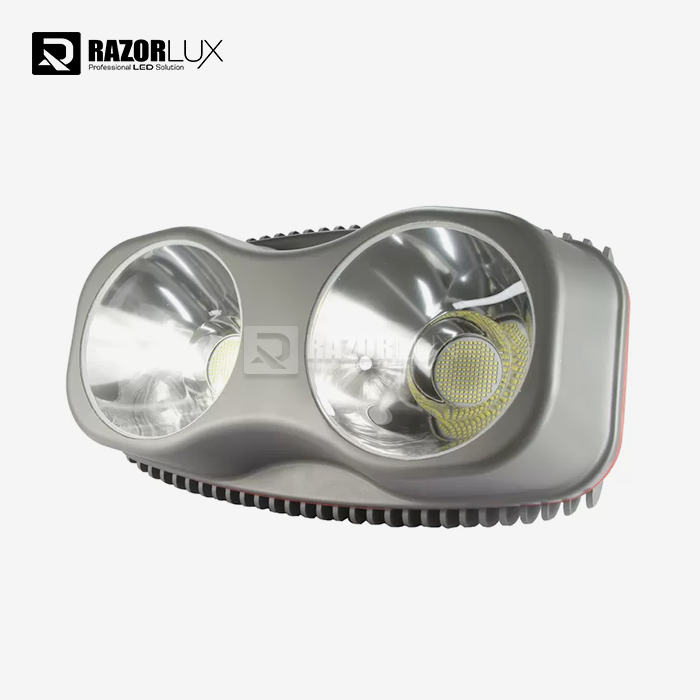 VIEW MOREAluminum Alloy 120000lm Sports Light Fixture 1000w Led Stadium Lights 5000K
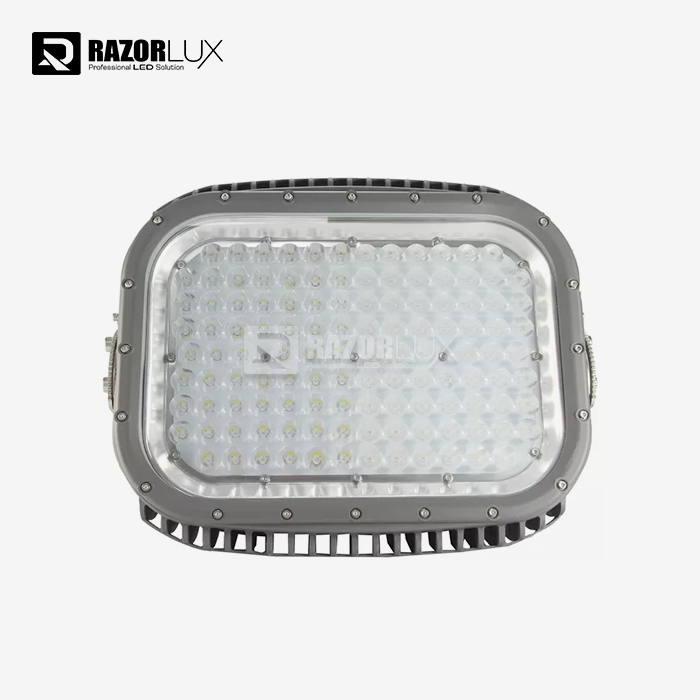 VIEW MORESMD Led Industrial Flood Light 500W 55000 Lm High Power Flood Light
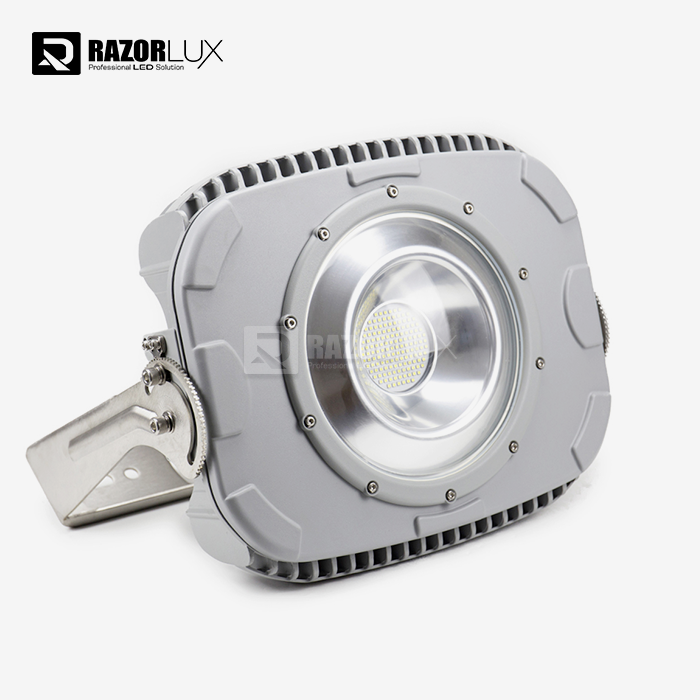 VIEW MOREThe Best Flood Lights
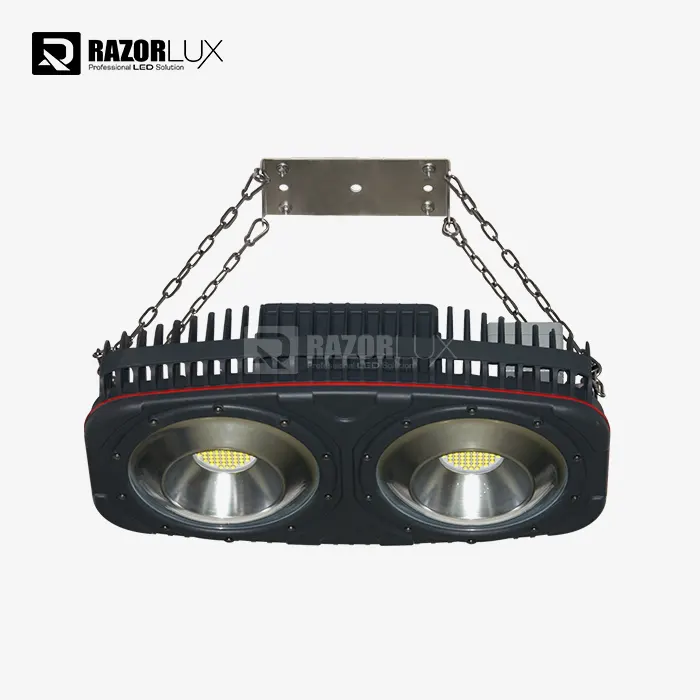 VIEW MOREOutdoor Ceiling Flood Lights