

_1750326878398.png)

How Do LED Overhead Crane Lights Improve Load Handling Accuracy?
Led Overhead Crane Lights make it much easier to handle loads accurately by providing even, high-intensity lighting that gets rid of shadows and makes it easier to see depth. Crane workers need clear, visible cues to place loads correctly and avoid collisions and delays in work. Traditional lighting creates dark areas and glare that hide important details. But new LED fixtures with flicker-free output, wide-voltage drivers, and adjustable beam angles make sure that operators keep their spatial awareness even when they're doing difficult lifting tasks in tough industrial settings.
Understanding the Challenges in Load Handling with Traditional Crane Lights
Why Conventional Lighting Falls Short in Industrial Crane Operations?
Halogen, fluorescent, and metal halide lamps have been the main types of crane lighting for decades, but they keep making it hard for workers to move big loads. These older technologies don't spread light evenly, so there are shadows under hook systems and load areas. When the quality of the light changes, it's hard for operators to correctly judge distances, especially when they need to make quick moves to place racks, machines, or people. Metal halide lamps need time to warm up, which makes things even more difficult because teams have to work in dim light during startup processes.

The Hidden Costs of Poor Illumination
Poor lighting has a direct effect on safety measures and the speed of operations. When crane workers can't see the sides of the load, the rigging points, or the things that are nearby, they often make mistakes when positioning. Clearances that aren't thought through properly can damage products, damage buildings, and lead to more insurance claims. When maintenance teams have to replace broken lamps at height, they have to deal with extra problems that require more downtime and special lift equipment. The effects of these problems add up to measured losses in output across shifts.
How Lighting Quality Affects Operator Performance?
Color rendering and even brightness are very important for correct load control. It can be hard to tell the difference between different materials or read warning signs on loads when traditional lamps give off yellowish light with color rendering values below Ra70. Ballasts that are getting old cause flickering, which makes eyes tired and strains them, making it harder for operators to focus during long shifts. These restrictions are especially annoying in places that are open 24 hours a day, seven days a week, because the lighting has to be the same for everyone to be productive all the time.
The Science Behind LED Overhead Crane Lights and Their Working Principles
How LED Technology Transforms Crane Illumination
LED lamps change the way industrial lighting is done by using semiconductor technology to turn electricity directly into light, so they don't need to waste time and energy heating wires or exciting gases. Because of this basic difference, LED overhead crane lights can produce more useful light per watt than any other type. The solid-state design gets rid of fragile parts like glass envelopes and filaments, making fixtures that are naturally vibration-resistant and perfect for crane settings where mechanical stress is constant.
Key Design Features for Heavy-Duty Applications
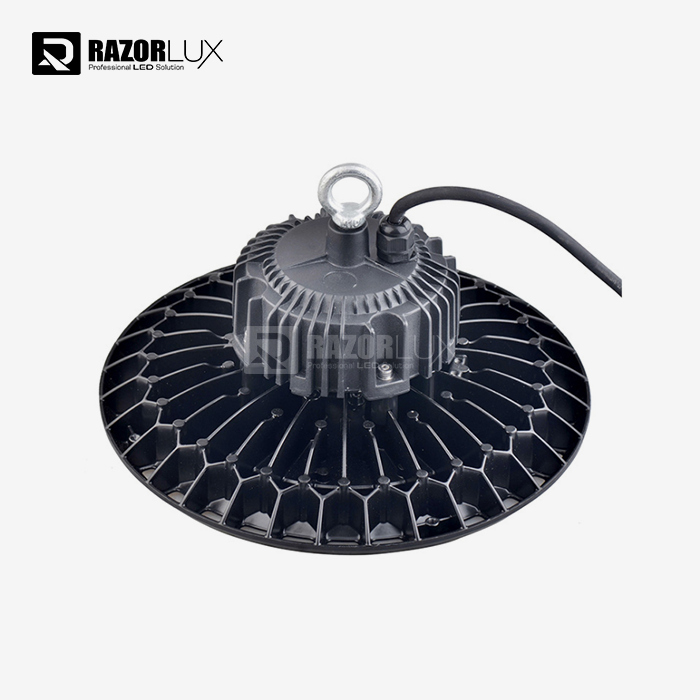
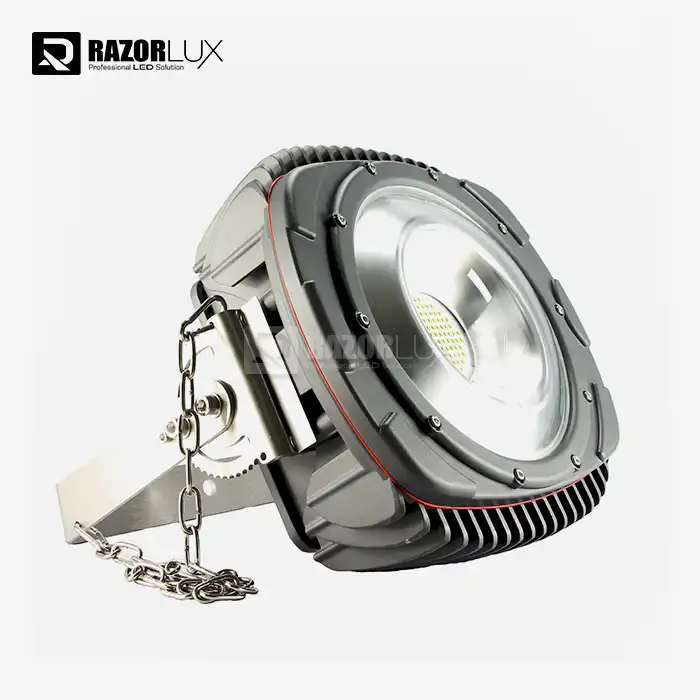
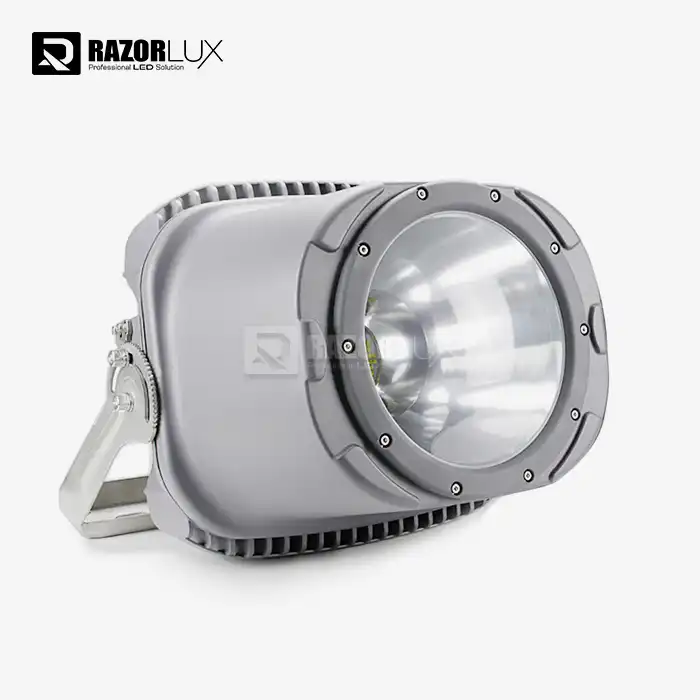
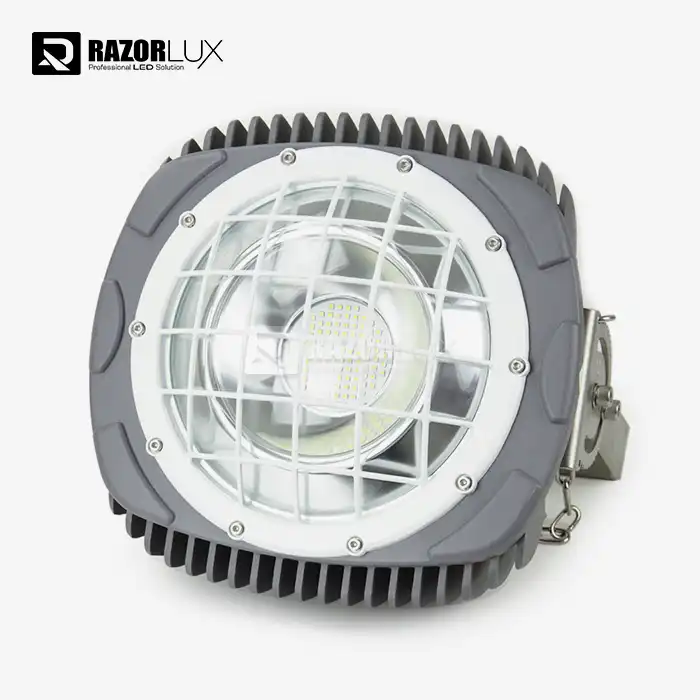
Professional LED overhead crane lights use advanced tech to deal with problems in the workplace. With a wide input voltage range of 80 to 315VAC, this adapter can handle voltage changes that are frequent in crane power systems without the need for extra adapters or transformers. Meanwell power sources with power factors higher than 0.98 have very little harmonic distortion, which keeps wireless remotes and crane control systems from getting messed up. Designs for thermal management that use metal housings with powder coating successfully get rid of heat, so the light output stays the same even when the temperature outside is between -40°C and 60°C.
The following table compares critical performance metrics across lighting technologies:
| Performance Metric | LED | Metal Halide | Fluorescent |
|---|---|---|---|
| Luminous Efficacy (lm/W) | 130+ | 65-85 | 60-75 |
| Rated Lifespan (hours) | 50,000+ | 10,000-15,000 | 15,000-20,000 |
| Warm-up Time | Instant | 5-10 minutes | 1-2 minutes |
| Vibration Resistance | Excellent | Poor | Moderate |
| Power Factor | ≥0.98 | 0.5-0.7 | 0.85-0.95 |
Customization Through Adjustable Beam Angles
For different crane tasks, different light designs are needed. Narrow 60-degree beam angles focus light on work areas instead of spreading it across walls and ceilings, which is better for high-bay setups with mounting heights above 15 meters. On the other hand, lower-mounted lights work better in small rooms with 120-degree or asymmetrical 140°x60° patterns that cover more ground without casting sharp shadows. Because of this, lighting designers can make setups work best with certain types of cranes, ceiling heights, and work processes.

Key Ways LED Overhead Crane Lights Improve Load Handling Accuracy
Enhanced Visibility Through Superior Light Distribution
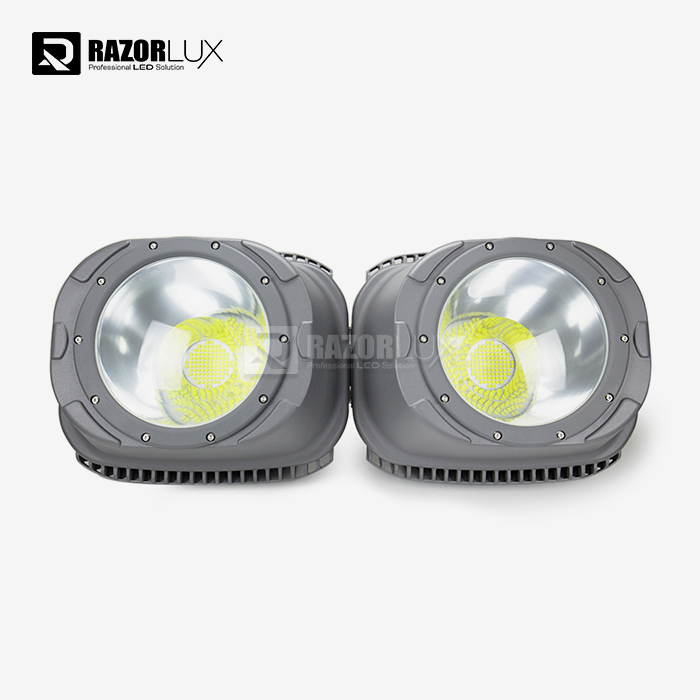
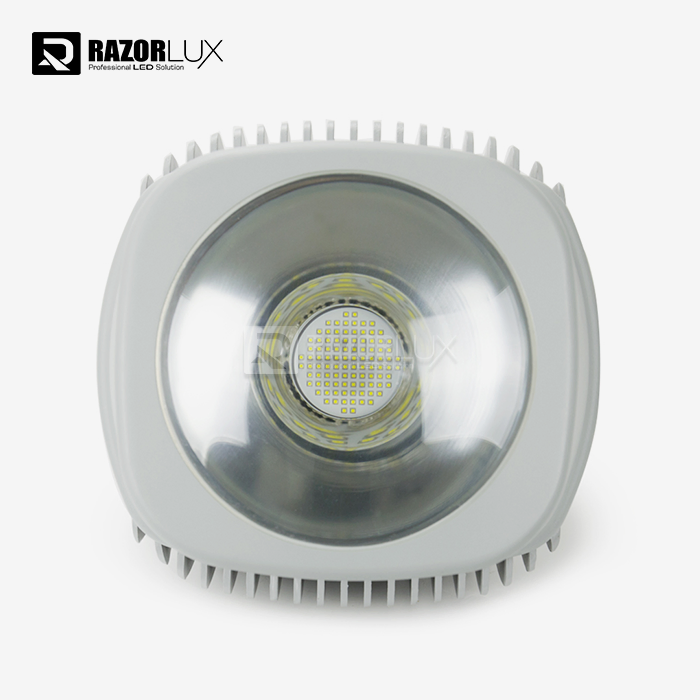
Traditional crane lighting has dark spots and shadows that are gone with modern LED overhead crane lights. Manufacturers make uniform lighting patterns that keep lux levels the same across the whole coverage area by placing multiple LED arrays inside a single frame and using precise optics. From anywhere in the crane cab, operators can clearly see the edges of the load, the places where the rigging attaches, and any objects in the way. This wide field of view is especially helpful when working with loads that aren't perfectly round or when working close to rack structures, where shadows used to make it hard to see important gaps.
Improved Depth Perception and Spatial Awareness
To place loads correctly, you need to be able to accurately sense depth, which depends a lot on the quality of the lights. Color temperatures between 5000K and 5700K LED lamps give off bright, neutral white light that looks a lot like sunshine. This spectral quality makes contrast better and helps workers see farther than when they are using high-pressure sodium lights, which have a yellowish cast. The consistent light output also gets rid of the delays that workers experience when they have to adjust their eyesight when going from areas with lots of light to areas with less light.
Reduction of Glare and Eye Fatigue
Professional LED overhead crane lights have anti-glare features that use diffusers and optical lenses to spread the light widely without making bright spots that could temporarily blind operators. Flicker-free drivers that work above 20kHz get rid of the slight buzzing that happens in lights that use electromagnetic ballasts. This makes working eight-hour shifts less tiring on the eyes. Operators stay focused and alert throughout their shifts, which means they make fewer mistakes when making the last few crucial placement moves. Color rendering indices above Ra75 make sure that colors are correctly perceived, which helps workers quickly and easily tell the difference between different types of loads and warning signs.
Real-World Performance Gains in Industrial Settings
When a big shipping port in Southeast Asia switched from metal halide to LED lighting for its gantry cranes, they saw real gains. Operators said that they were able to position containers 40% faster on average during the night shifts because they could see the corner casts and twist lock mechanisms better. In the first year after the system was put in place, the number of small accidents at the site dropped by 35%. Steel companies that switched to LED overhead crane lights also said that there were fewer mistakes in positioning ladles, lower costs for cleaning up, and more reliable pour scheduling across all production processes.
The operational benefits extend beyond immediate accuracy gains:
- Reduced maintenance interventions: Less upkeep is needed because LED lights last 50,000 hours or more, so they don't need to be relamped as often as metal halide systems do. This means that cranes don't have to be shut down as often, and dangerous lamp replacements don't have to be done at heights.
- Lower power consumption: When 400W metal halide lights are replaced with 120W LED versions, 70% less energy is used while the same or better lighting levels are maintained. This immediately lowers running costs and supports sustainability efforts.
- Improved safety compliance: Better lighting for work areas helps facilities meet OSHA lighting standards, which lowers their risk of liability and helps with safety certification checks.
How to Choose the Best LED Overhead Crane Lights for Your Industrial Needs?
Assessing Your Operational Requirements
Before you can choose the right LED overhead crane lights, you need to know how they will be used. Facilities that work with small, precise parts need more light and better beam control than those that move large amounts of material. Types of cranes are also important. For example, bridge cranes that work in wide bays need different covering patterns than jib cranes that work in small work cells. Write down the standard shift times, mounting heights, and temperature ranges to set the basic needs that lighting specs must meet.
Critical Technical Specifications to Evaluate
When considering LED overhead crane lights, industrial buying managers should put a number of important factors at the top of their lists. Specifications for brightness should take mounting height into account, and lights should provide enough lumens at the work surface instead of just promoting high total lumen outputs. Protection ratings are very important in tough settings. For example, IP67-rated fixtures can handle high-pressure washdowns and the dusty conditions that are common in foundries. IK10 impact protection makes sure that fixtures will survive being hit by hanging loads or rigging equipment. Make sure that the input voltage ranges work with the way power is distributed in your building, especially if you are in an area where the grid isn't stable.

The following table outlines selection criteria based on the application environment:
| Application Environment | Recommended IP Rating | Typical Mounting Height | Preferred Beam Angle | Additional Requirements |
|---|---|---|---|---|
| Indoor Warehouses | IP65 | 8-12 meters | 120° | Standard temperature range |
| Steel Mills/Foundries | IP67 | 15-25 meters | 60° | High-temperature drivers, corrosion-resistant coating |
| Shipyards/Marine | IP67 | 10-20 meters | 90°-120° | Salt-spray resistance (ASTM B117), stainless steel brackets |
| Cold Storage | IP65 | 6-10 meters | 120° | Low-temperature operation (-40°C), condensation resistance |
Evaluating Long-Term Cost Performance
The initial buying price is only one part of the total costs of owning. Lifecycle costs include things like energy use, upkeep work, replacement parts, and downtime for the business. When 300W metal halide lamps are replaced with 120W LED fixtures, a lot of energy is saved. For example, a facility that runs 20 crane lights for 16 hours a day saves about $18,000 a year at average US industrial electricity rates. When you add up the savings from not having to pay for relamping and renting a repair crane less often, you can see the full financial benefit. Fixtures with full five-year warranties give you even more peace of mind about their value.
Certification and Component Quality Verification
International approvals show that safety and efficiency standards that are important for industry uses have been met. The CE label shows that the product meets the rules of the European Union, and the UL and DLC listings show that it meets the safety standards of North America. For marine uses, you need special certificates from classification societies like DNV/GL or ABS that say the product is safe to put on a ship. The quality of the components is also important. Fixtures that use Meanwell drivers and Samsung LED chips have lower failure rates in the field than units that use generic components from unknown sources because they use proven reliability from tier-one makers.
Working with Trusted Manufacturers and Suppliers
Well-known LED overhead crane light makers offer benefits that go beyond the specs of their products. Companies that have been in the industrial lighting business for decades know the practical problems that procurement managers face and can make suggestions that are tailored to each application. Look for sellers who keep a lot of stock and offer a range of shipping choices to meet project deadlines. Check out the technical support—responsive engineering teams that help with installation, photometric analysis, and quick fixing are very helpful throughout the duration of a product. Ask for customer references from companies in the same industry to check the promises of success and the quality of the service.
Installation and Maintenance Best Practices for Optimal Performance
Pre-Installation Planning and Safety Considerations
A thorough plan that takes into account structural, electrical, and safety needs is the first step to a proper installation of LED overhead crane lights. Check to see if the crane girders or mounting surfaces can hold the weight of the fixture plus the dynamic loads from the crane moving. For example, an 8-kg LED fixture may be subjected to forces of more than 80 kg when high-speed cranes have to stop suddenly. Find the places where the wires join and make sure that the circuit values allow for the total load of all the fixtures with enough safety margins. Plan installations for times when repair is already planned to avoid stopping production, and make sure that the installation teams have the right fall protection and electrical safety gear.

Step-by-Step Mounting Procedures
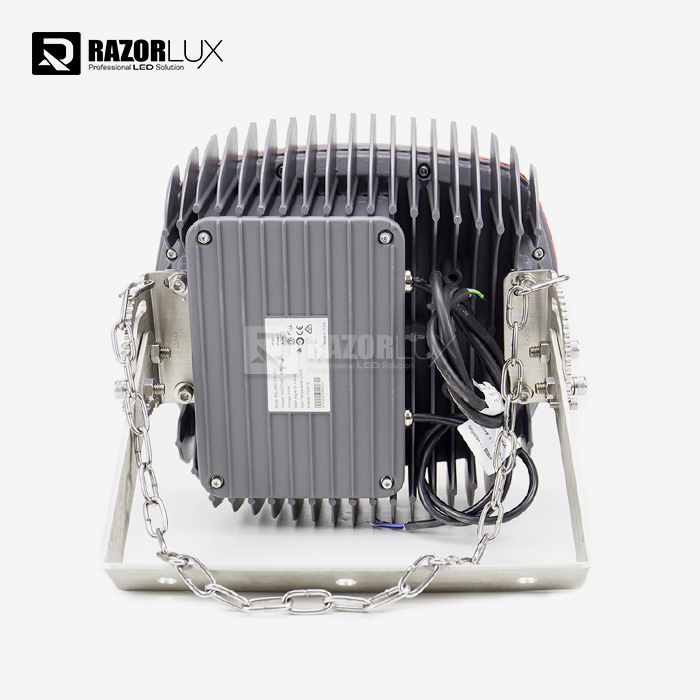
To start, use grade 8.8 or higher bolts with lock washers to firmly connect stainless steel mounting mounts to crane structures. This will keep them from coming away from vibrations. Place the fixtures so that the intended beam angle coverage is reached. Use the movable fixing plates to fine-tune the aim points toward the main work areas. Power lines should be run through secure conduit or cable carriers that can bend with the crane so that fixture connections don't get pinched or strained. As a backup against fixtures coming loose, install secondary safety retaining cables. These simple wire rope systems keep fixtures from falling if the primary mounts fail. Complete the electrical connections using industrial-grade plugs that are rated for shaking and weather exposure at the same level as the IP rating of the fixture.
Optimizing Beam Angle Configuration
A lot of professional LED overhead crane lights have changing optical lenses or rotatable mounting clips that let you change the position of the beam. During the initial installation, try out different settings to find the one that gives you the best coverage for your needs. Operators should check the view from normal cab places when the crane is loaded and when it is empty. You might want to use tighter beam angles for the main work area right under the hook and wider-angle secondary fixtures to light the approach paths and areas around the hook. In maintenance records, write down the final settings so that they can be used to guide future changes or replacements.
Establishing Routine Maintenance Schedules
Compared to traditional lighting, LED fixtures don't need as much upkeep. However, regular checks keep them working well and extend their service life. Visual checks should be done every three months to look for physical damage, loose mounting hardware, or signs of water getting in around seals and cable openings. Once every six months, use a gentle soap and soft cloth to clean the optical surfaces. Over time, dust and dirt can lower the light output by 20 to 30 percent. Every year, check the electrical connections and tighten any loose leads. Also, look at the lines for insulating damage from wear and tear or exposure to the environment.
Maintenance teams should keep records that track:
- Installation dates and initial performance measurements: Baseline lux readings can be compared with regular measures to find lights that are breaking down too quickly.
- Cleaning schedules and observed conditions: Keeping records helps make cleaning more effective by using real contamination rates instead of made-up schedules.
- Any anomalous behavior or repairs: Looking at failure trends across groups of fixtures finds widespread problems that need supplier input or design changes.
Troubleshooting Common Performance Issues
This is usually a sign of a problem with the driver or control systems that don't work well together. If there are dimming settings, make sure they work with the fixture's protocols. For example, 0-10V analog and DALI digital systems need different wires. Most of the time, gradual dimming over time is caused by surface dirt building up instead of LED degradation. A thorough cleaning usually brings back the full brightness. If a fixture fails, you should check the power source lines and circuit breakers right away before calling maker's support. Most professional LED makers offer expert support by phone or email, helping with troubleshooting in the field and setting up warranty service when needed.
Conclusion
Industrial sites that want to improve the accuracy of their load handling while lowering costs and upkeep requirements should look into LED overhead crane lights. The mix of better lighting quality, longer service life, and low power use solves some of the biggest problems that buying managers in shipyards, marine equipment integrators, and heavy industry facilities deal with every day. Facilities that switch from standard lighting report gains in positioning accuracy, user happiness, and safety performance that can be measured. Investing in professional-grade LED overhead crane lighting pays off in a concrete way: lower energy bills, no more relamping costs, and fewer accidents involving damage because of better sight.
FAQ
What is the typical lifespan of LED crane lights compared to traditional options?
Professional LED overhead crane lights that are approved for 50,000 hours or more of use last a lot longer than metal halide fixtures (10,000 to 15,000 hours) and fluorescent systems (15,000 to 20,000 hours). This longer lifespan means that it will last about 10 to 15 years in normal workplace settings that run 12 to 16 hours a day, compared to 2 to 4 years for other options. The solid-state design stops filament failures and electrode degradation, and good drivers from companies like Meanwell keep the output steady for the full rated life.
Can LED crane lights operate reliably in extreme industrial environments?
For crane uses, high-quality LED fixtures are designed with features that make them effective even in tough circumstances. Units with an IP67 grade can handle dust, water, and high-pressure washing that is typical in foundries and marine facilities. It can work in a wide range of temperatures, from -40°C to 60°C, so it can be used in both cold stores and steel mills. Using reinforced circuit boards and safety retention wires in buildings that don't shake means that the machine can keep running even when the crane is moving.
How much energy can facilities save by switching to LED crane lighting?
Energy savings depend on the specific fixtures being replaced, but in most cases, lighting uses are cut by 60 to 70%. When a facility replaces 300W metal halide crane lights with 120W LED versions, each fixture saves 180W. Twenty fixtures running 16 hours a day add up to about 18,000 kWh, which saves the facility $18,000 a year at $0.10/kWh industrial rates. Over the 50,000-hour lifetime of an LED, these savings keep adding up, giving a large overall value.
Partner with Razorlux for Superior LED Crane Lighting Solutions
Razorlux specializes in designing and manufacturing LED overhead crane lights that change the way factories work by providing better lighting and being reliable. Our RGL-120A type gives off 14,400 lumens of flicker-free light at 130 lm/W efficiency. It comes in a tough IP67-rated housing made for harsh crane settings. With full CE, RoHS, UL, and DLC certifications and a five-year guarantee, Razorlux fixtures give shipyard buying managers and industrial building planners the performance confidence they need.
We maintain an extensive inventory, enabling rapid sample delivery and bulk order fulfillment to support your project timelines. Our expert team gives you full photometric analysis and installation advice that is made to fit the way your crane is set up and how you need to use it. Razorlux has the knowledge and high-quality products that picky procurement professionals look for, whether they're improving existing buildings or selecting lighting for brand-new ones. Email our team at sam@razorlux.com to talk about your needs and get a personalized lighting solution from a reputable LED overhead crane lights maker that serves industrial markets around the world.
References
1. Anderson, M.J. (2021). Industrial Lighting Design: Principles and Applications for Heavy Manufacturing. Technical Publishing International.
2. Chen, W. & Roberts, K.P. (2022). LED lighting performance in vibration-intensive industrial environments. Journal of Industrial Safety Engineering, 38(4), 267-283.
3. European Committee for Standardization (2020). EN 12464-1: Light and lighting – Lighting of work places – Part 1: Indoor work places. CEN Brussels.
4. Illuminating Engineering Society (2019). IES RP-7-17: Recommended Practice for Lighting Industrial Facilities. IES Publications, New York.
5. Maritime and Coastguard Agency (2021). Lighting requirements for commercial vessels and offshore installations: Technical guidance. UK Department for Transport.
6. Rea, M.S. (2020). The IESNA Lighting Handbook: Reference and Application (10th ed.). Illuminating Engineering Society of North America.