

_1750326878398.png)

Marine LED Flood Light vs Halogen Marine Lights: Key Differences
When you compare Marine LED Flood Lights to halogen options, the main difference is in how much energy they use, how long they last, and how well they handle being outside. Marine LED flood lights use semiconductor technology to turn electricity straight into light with very little heat loss. They have a light output of over 130 lumens per watt and last over 50,000 hours. Halogen lights, on the other hand, use incandescent bulb technology, which uses 70–80% more power and needs to be replaced every 2,000–5,000 hours. This efficiency gap directly leads to ships using less fuel and putting out less carbon dioxide. These are important factors for shipyard buying managers and offshore platform engineers who have to balance working budgets and environmental rules.
Introduction
Commercial ships, offshore oil rigs, port hubs, and shipyards that are open 24 hours a day depend on marine flood lighting to keep everyone safe and get work done. Choosing between LED and gas technology affects not only the quality of light right away, but also long-term costs, upkeep schedules, and compliance with regulations. Halogen lamps have been used in marine applications for a long time because they are easy to use and cheap at first. However, they use a lot of energy and break down often in saltwater environments, which adds to their hidden costs. These problems can be fixed with modern LED systems that have better thermal control, enclosures that are rated IP67, and certificates from groups like RMRS and DNV/GL. More and more, procurement professionals in Northern Europe, Southeast Asia, and the Middle East are realizing that investing up front in marine LED flood light technology pays off in the form of lower energy costs, longer repair intervals, and safer crews during important deck operations.
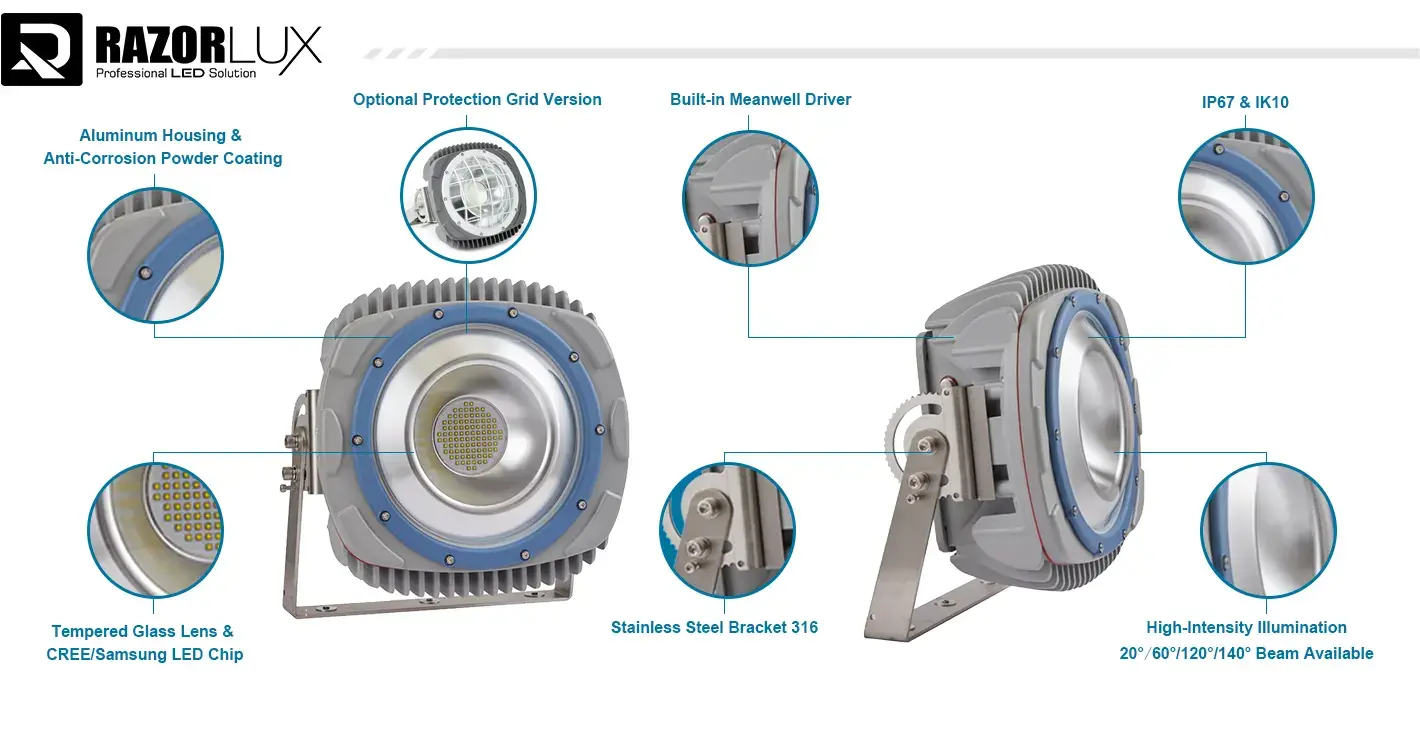
Understanding Marine LED Flood Lights and Halogen Marine Lights
How Marine LED Flood Lights Operate
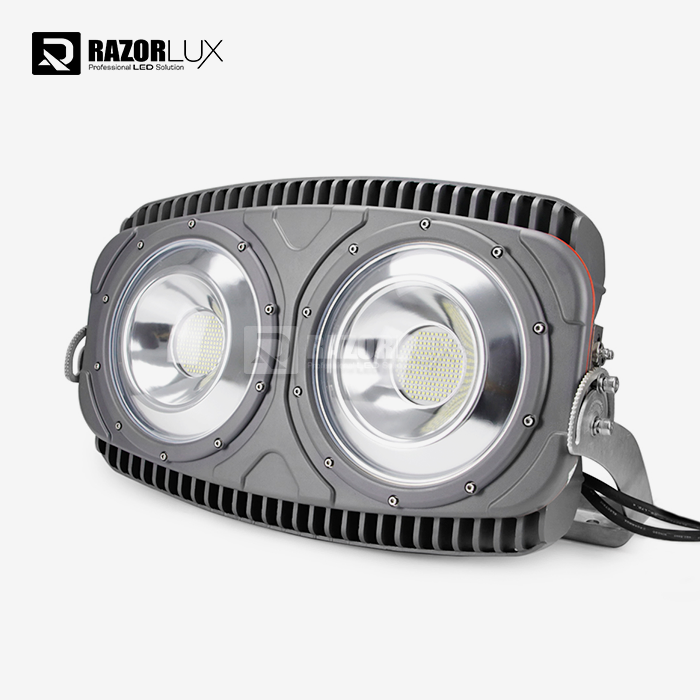
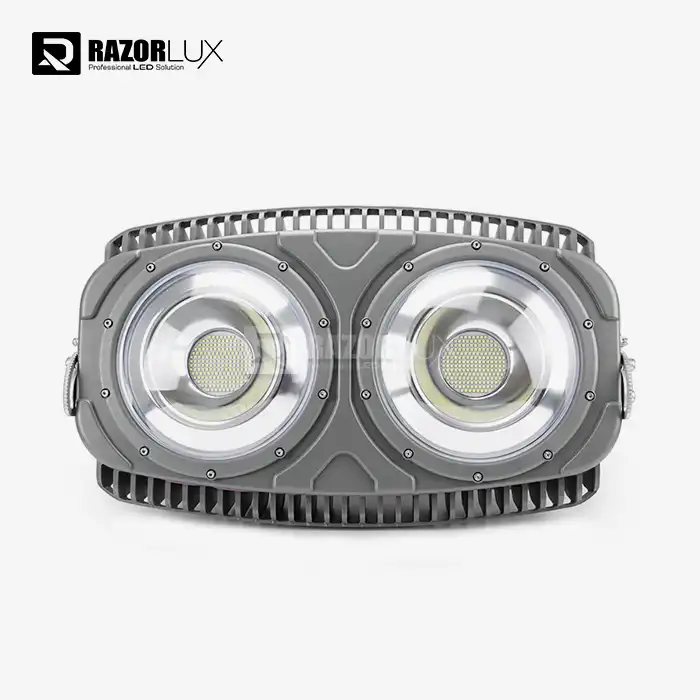
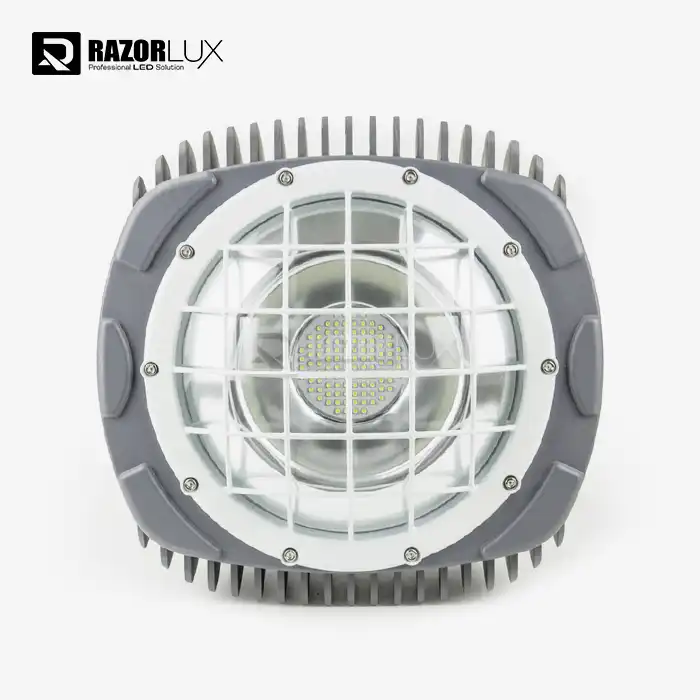
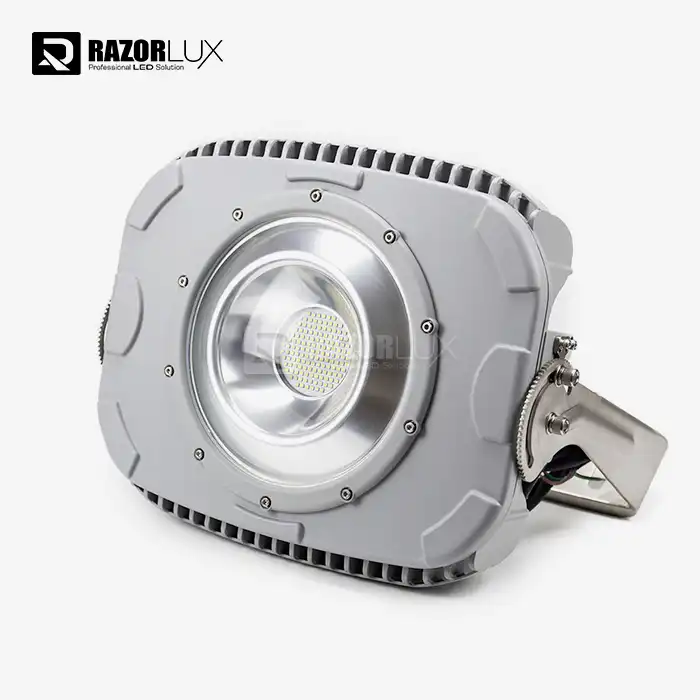
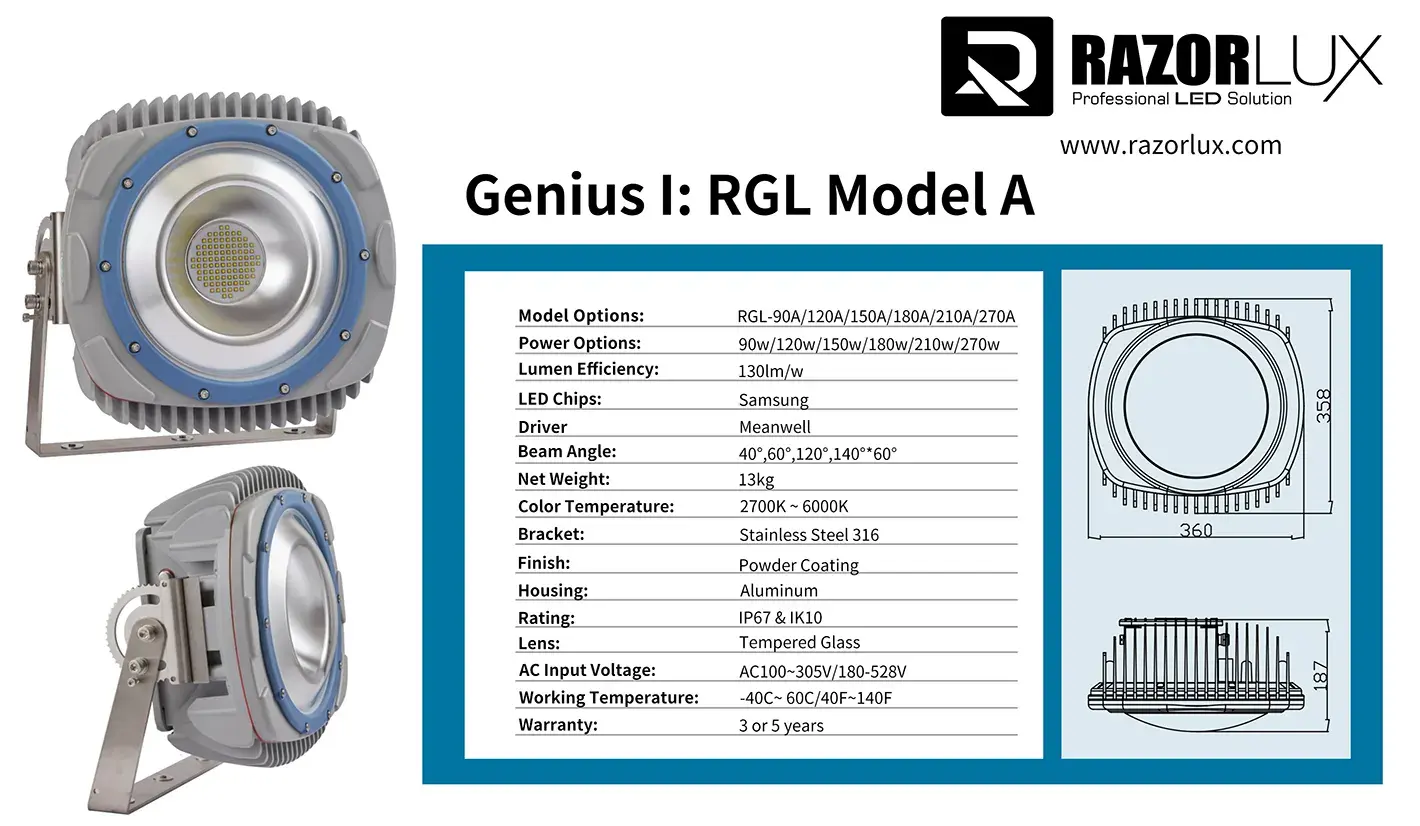
Solid-state marine LED flood light technology makes light by running electricity through a semiconductor chip, which creates photons without using fragile filaments or gases that can catch fire. Good marine-grade lights have LED chips made by Samsung or Philips paired with Mean Well drivers. This keeps the output stable even when the voltage on board changes (AC90-305V, DC127-431V), which happens a lot. Leading makers use a unique multi-function design that effectively gets rid of heat through aluminum metal housings that have built-in heat sinks. This stops the junction temperature from rising, which lowers the luminous flux. Tempered glass lenses can survive impacts up to the IK10 grade and still keep their clarity even after being exposed to salt spray. Color temperature ranges from 2700K to 6500K, which means that it can be changed to fit different tasks. For example, warmer tones can be used in places where crew members stay, such as marine LED flood lights, while cooler sun spectrums can be used for precise maintenance work that needs Ra>75 color rendering.
Operational Principles of Halogen Marine Lights
In halogen lighting, a tungsten filament inside a quartz shell filled with halogen gas is heated. This causes incandescence, which produces bright white light. The halogen cycle puts back onto the filament any tungsten that has evaporated. This makes the light last longer than a regular incandescent bulb but still much shorter than an LED bulb. A lot of infrared radiation comes from these units; up to 90% of the energy they use is wasted as heat instead of visible light. This amount of heat needs strong airflow and makes people nervous when they are in small places or near things that can catch fire. The filament's mechanical susceptibility to vibration is still a problem on ships with constant engine rumble and wave-induced hull flex, which causes early breakdowns that stop operations during important night sailing or cargo handling.
Core Differences Between Marine LED and Halogen Flood Lights
Energy Consumption and Operating Costs
The difference in how well these technologies use energy has a direct effect on operating costs. At 130 lumens per watt, a 180W marine LED flood light makes about 23,400 lumens, while a similar halogen fixture needs 500–750W to create the same amount of light. This saves 18,000 kWh of electricity per light over the 50,000 hours of use that most high-quality LED goods have. This means that business ships that use diesel fuel to make electricity will save about 5,400 liters of fuel per light unit over the course of their working life. By switching to LEDs, port facilities with hundreds of lights can cut their yearly power costs by 60 to 75 percent. The cost analysis goes beyond energy costs. A halogen bulb lasts for 2,000 to 5,000 hours, which means it needs to be replaced 10 to 25 times, while an LED bulb only needs to be installed once. This saves money on labor costs for techs who have to work at heights on scaffolding or in small machinery areas.
Durability and Environmental Resilience
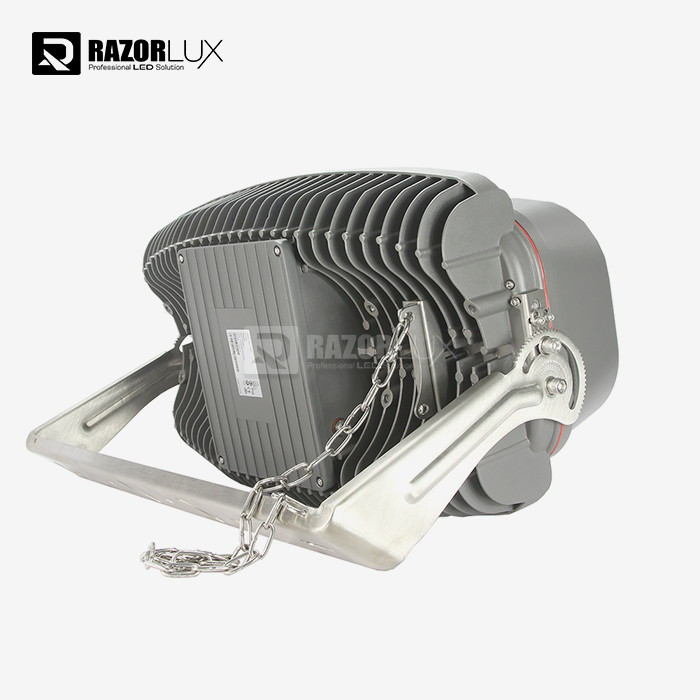
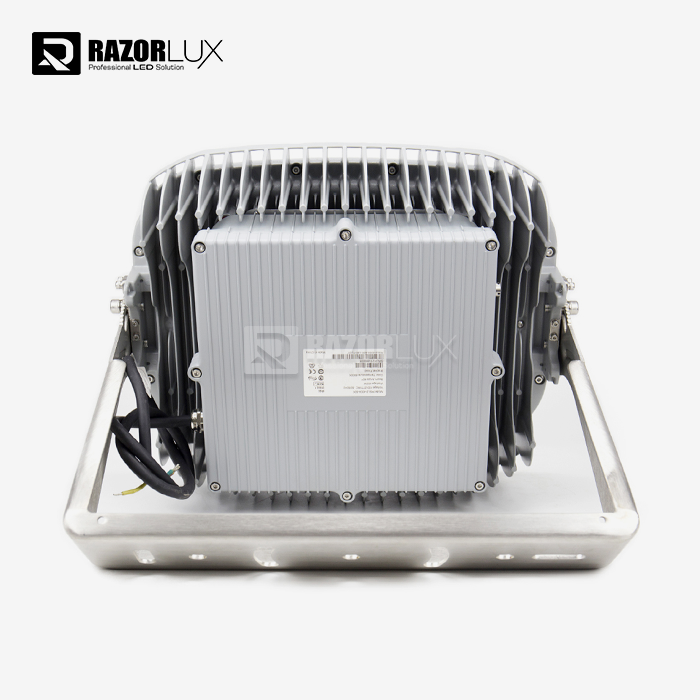
In marine settings, lighting is exposed to factors that speed up degradation that aren't present on land. Salty air causes galvanic rust on metals that are not the same and can get into spaces that are not properly sealed. Marine LED flood lights of good quality have bases made of 316-grade stainless steel and housings made of low-copper aluminum. They also have a multi-layer powder marine LED flood light coating that has been tested under ASTM B117 salt spray standards for more than 1,000 hours. IP67 entry protection stops water from getting in during pressure washing or bad weather, and IK10 impact resistance stands up to dropped tools and accidents while moving goods. Solid-state LED design doesn't use weak filaments that can break from vibrations, which is a problem with halogen lights in places where engines are always moving back and forth. Integrated heat sinks keep the junction temperature within safe limits. This stops the thermal runaway failures that happen when light lamps get dusty or have a blockage in the air flow.
| Performance Factor | marine LED flood light | Halogen Marine Light |
|---|---|---|
| Energy Efficiency | 130 lumens/W | 15-20 lm/W |
| Rated Lifespan | 50,000 hours or more | 2,000 to 5,000 hours |
| Heat Generation | Not very much (heat control) | Extreme (heat makes up 90% of energy) |
| Vibration Resistance | Very good (solid-state) | Not good (fragile thread) |
| IP Rating | The IP67/IP68 standard | Different (often IP65) |
| Color Temperature Options | 2700K to 6500K | Fixed (about 3000K) |
Procurement Considerations for Marine Flood Lights
Total Cost of Ownership Analysis
When buying something, choices need to be made that take into account more than just the purchase price. A good 180W marine LED flood light costs three to five times more at first than a similar halogen light, but it pays for itself in 18 to 24 months by saving money on energy costs and not having to be replaced as often. Detailed TCO estimates should include energy costs based on the location, maintenance work valued at standard technician pay, including the cost of renting a scaffolding or crane for access, and disposal fees for used halogen lamps that contain tiny amounts of dangerous materials. Buying LED lights in bulk (usually 50 or more units for medium-sized shipyards) lets you get big discounts and spreads out the cost of shipping over a larger order. Reputable manufacturers offer extended 5-year guarantees that protect against early failures. On the other hand, halogen purchases usually come with short 90-day warranties that reflect their expected short service life.
Supplier Selection and Certification Verification
To find reliable marine LED flood light providers, you need to do a lot more than just compare prices. Manufacturing experience of 20 years or more shows that quality systems are well-established. Razorlux's start in 1998 shows that they have proven skills in maritime lighting. Maintaining ISO9001 certification for 22 years in a row shows a mindset of consistent process control and ongoing growth. Marine approvals from classification societies (RMRS, DNV/GL, ABS) make sure that products meet strict requirements for installation on ships. Regional licenses (UL for North America, CE for Europe, and SAA for Australia) make sure that products are legal to import. Being clear about where your components come from boosts trust. For example, specifying Samsung/Philips LED chips and Mean Well drivers shows a dedication to proven reliability over saving money by using cheaper options. To check if IP67/IK10 protection numbers are true, procurement managers should ask for salt spray test records, vibration resistance data, and temperature cycling results.
Making the Right Choice: When to Opt for LED or Halogen Marine Flood Lights
Operational Environment Assessment
The selection factors should put operational criticality and environmental needs at the top of the list. Offshore sites, where lighting problems could put people at risk during helicopter landings or emergency evacuations, need reliable LEDs even though they cost more at first. Commercial fishing boats that go on long trips away from port facilities can't handle having to change halogen bulbs all the time, which takes up important fishing time and supplies. On the other hand, small marinas with shore power and easy access for upkeep might be willing to accept halogen's lower initial costs even though it costs more to replace over time. Extreme temperatures in the environment are good for LED thermal management. For example, operations in the Arctic (-40°C) and the heat of the Persian Gulf (+60°C) test halogen's thermal expansion limits, but LED's solid-state design keeps performance up. The level of vibration on older ships with uneven engines or areas with a lot of machinery makes halogen filaments wear out faster, which is better for LEDs because they can handle shocks better.
Real-World Implementation Case Studies
In 2021, 240 halogen deck lights were changed with 180W marine LED flood lights at a Norwegian port that worked in the North Sea offshore sector. After the installation, monitoring showed that 68% less energy was used, which saved $87,000 a year on power costs and got rid of the need to spend 180 hours a year on upkeep tasks like replacing lamps. Even though Norway has relatively low energy rates, the project paid for itself in 22 months. It also had other benefits, such as better sight for workers (23,400 lumens vs. 18,000 lumens before) and less cooling load in enclosed workplace areas. A shipping port in Singapore switched 400 gantry crane lights to LED technology. This saved 1.2 million kWh of energy each year and cut carbon emissions by 480 tonnes CO2 equivalent. Better color rendering (Ra>75) made it possible to check for damage to containers more quickly, and instant-on capability got rid of the 5-minute HID warm-up delays that used to slow down crane readiness.
| Decision Factor | Choose a marine LED flood light | Consider Halogen Alternative |
|---|---|---|
| Operational Criticality | High (offshore, responding to emergencies) | Low (additional, based on land) |
| Maintenance Access | Difficult (high places, small areas) | Easy (on the ground, easy to get to) |
| Energy Costs | High (diesel makes, top rates) | Low (shore power at a low cost) |
| Environmental Conditions | Extreme (heat, shaking, salt spray) | Moderate (safety and temperature control) |
| Budget Horizon | Lifecycle (plans for 3–5 years) | First-year capital (budgets) |
| Regulatory Pressure | High (goals for pollution, certifications) | Very little (grandfathered equipment) |
Long-Term Strategic Advantages
Adopting marine LED flood light technology puts businesses ahead of the expected changes that will happen in their industries. Building up in-house skills in LED installation, setup, and servicing gets technical teams ready for future projects while halogen-experienced workers are getting close to retirement. Building partnerships with reliable marine LED flood light makers protects the supply chain from a lack of parts that affect older technologies. Early adoption gives service providers a competitive edge. For example, shipyards that advertise LED refit capabilities draw ship owners who care about the environment, and remote companies show how sophisticated their operations are by using modern equipment. Modern, well-lit facilities project operational excellence and a safety culture more effectively than old, dimly lit spaces that have a lot of power outages. Don't underestimate the psychological impact on crew mood and how clients see the company.
Conclusion
Starting to use marine LED flood lights instead of halogen lights is a big change in how nautical lighting works and how much it costs. LEDs are better at saving energy (130 lm/W), last longer (50,000 hours or more), and are more durable (IP67/IK10 ratings). These features solve major problems like high costs, needing regular upkeep, and breaking down early in harsh marine settings. Even though the original costs are higher, a full total cost of ownership study always shows payback times of 18 to 24 months through energy savings and no longer having to repair things as often. To make sure the investment is worth it, procurement professionals should give priority to sources with proven maritime knowledge, full certifications (RMRS, UL, CE), and high-quality parts (Samsung chips, Mean Well drivers).
FAQ
1. What lifespan differences exist between LED and halogen marine fixtures?
If you take care of your marine LED flood light properly, it can last for more than 50,000 hours, which is about 5 to 6 years of continuous 24/7 use or 15 to 20 years of normal 8-hour daily use. Halogen alternatives usually last between 2,000 and 5,000 hours, which means they need to be replaced 10 to 25 times in that time. This difference has a big effect on arranging upkeep, keeping extra parts on hand, and labor costs in places where getting to fixtures requires renting scaffolding, a crane, or a permit to enter a confined area.
2. How do IP ratings affect operational reliability in marine environments?
IP67 rates for ingress protection make sure that no dust can get in and that the product can withstand immersion up to 1 meter deep for 30 minutes. This is important for protecting against pressure washing, heavy rain, and unexpected submersion. Lower-rated halogen lights (often IP65) may let water in through damaged gaskets or thermal cycles, which can lead to early electrical failures and rust. IK10 impact resistance protects LED lights even more against dropped tools, accidents involving moving goods, and vandalism that is common in industrial marine settings.
3. Can existing halogen fixtures be retrofitted with LED technology?
How possible retrofitting is depends on how the mounting is set up and the electricity connections. Because LEDs have a smaller thermal output and a different way of dissipating heat, they may be able to be installed in places where halogens are used, though they need different ventilation. Universal voltage flexibility (AC90-305V, DC127-431V) makes it easier to connect electrical parts in different types of vessel systems. However, replacing the whole fixture is often more cost-effective than trying to adapt just the lamps. This is because the whole fixture is better at managing heat and getting the most out of LED benefits like beam angle optimization and modern control integration.
Partner with Razorlux for Your Marine Lighting Upgrade
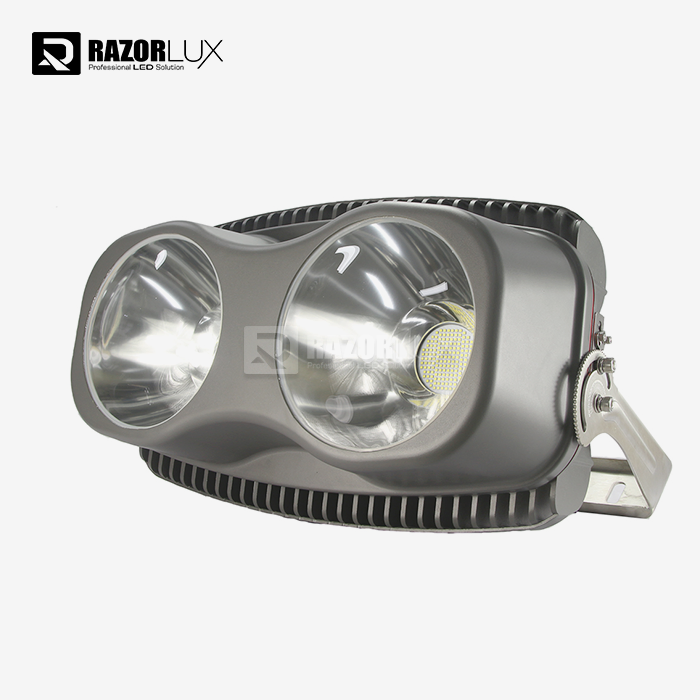
Razorlux has been making lighting solutions for boats since 1998, mixing more than 25 years of experience in the marine industry with the latest LED technology. Our RMRS-certified RGL-180A marine LED flood light gives off 23,400 lumens at an impressive 130 lumens per watt. It also comes with a 5-year guarantee that covers everything. With their IP67/IK10 ratings and Samsung LED chips, Mean Well drivers, and construction, our fixtures solve the operating problems that buying managers at shipyards and offshore platform engineers around the world face. We keep a large inventory so that orders can be filled quickly, and we can also make beam angles (15°–140°x60°) that fit the needs of your unique purpose. Our expert team does photometric calculations, gives installation advice, and provides classification society paperwork to help projects get approved smoothly. We support bulk procurement programs with volume prices and flexible shipping choices (air, rail, and sea), meeting project timelines across Northern Europe, Southeast Asia, and the Middle East. We are a reputable marine LED flood light maker. Contact sam@razorlux.com to get technical specs, sample units to test in the field, or custom quotes for your marine lighting upgrade project. Our procurement specialists will get back to you within 24 hours with full solutions that meet your operational and certification needs.
References
1. International Maritime Organization. (2022). "Energy Efficiency Measures for Ships: MARPOL Annex VI Regulations." IMO Publishing, London.
2. Society of Naval Architects and Marine Engineers. (2021). "Marine Electrical Systems and Lighting Design Standards." SNAME Technical Bulletin T&R-4-28, Alexandria, VA.
3. Illuminating Engineering Society. (2020). "Recommended Practice for Lighting Marine Vessels and Offshore Structures." IES RP-12-20, New York.
4. Norwegian Maritime Authority. (2023). "Comparative Analysis of LED and Conventional Lighting Systems in Offshore Applications." NMA Technical Report Series, Oslo.
5. Singapore Maritime and Port Authority. (2021). "Port Infrastructure Energy Efficiency: Case Studies in LED Conversion." MPA Sustainability Research Paper 2021-7, Singapore.
6. American Bureau of Shipping. (2022). "Guide for LED Lighting Systems on Marine Vessels: Testing and Certification Requirements." ABS Technical Publication TP-LED-2022, Houston, TX.