


_1750326878398.png)

How to Choose Cost-Effective Low Mast Light Systems?
Picking the right lighting system can make or break the budget and Low Mast Light efficiency of an industrial project. Understanding what a Low Mast Light is and how to match it to your specific needs is important for choosing a cost-effective option. These outdoor lighting systems, which are usually set up 8 to 15 meters high, are between regular street poles and very tall mast installations. For medium-sized business areas, parking lots, and industrial sites, they provide exact, localized lighting without the high energy costs or complicated installation processes of higher options. A smart selection method looks at upfront costs and long-term operational savings, focused on things like environmental compliance, energy efficiency, and ease of upkeep. By looking at technical specs, seller dependability, and site-specific needs, procurement managers can find lighting options that make things safer, lower costs, and meet strict industry standards.
Understanding Low Mast Lighting Systems
What Defines a Low Mast Light?
A Low Mast Light is a type of outdoor lighting that is placed on poles that are 8 to 15 meters high. Unlike high mast systems that are taller than 18 meters and serve large areas like airports or major roads, Low Mast Light installations are used to light up smaller areas that need to be managed. These systems fix certain problems that happen in business and factory settings. For example, they cut down on shadows in stacked container yards, reduce glare in areas where people walk, and make upkeep easier without the need for expensive cranes. Asymmetric optics and wide beam distributions are important parts of the design because they make sure that the light spreads evenly and keep the costs of installation and maintenance low.
Primary Uses and Advantages
Many different types of businesses use Low Mast Light systems because they are flexible and useful. Human-scale lighting on municipal secondary roads helps walkers recognize faces better and makes it easier for drivers to see at crossings with lots of turns. These lights are used in industrial logistics parks to shine horizontal light into loading bays and under truck covers. This keeps people safe from the shadows that longer poles would cast. Commercial parking lots use Low Mast Light solutions for both better security camera performance and better sight. This means that the lights need to have high Color Rendering Index values and wide distribution patterns. The energy economy is one of the best things about it. These days, low-mast light fixtures that use LEDs use up to 60% less power than old high-intensity discharge lamps and put out more lumens. Their lower installation height also cuts down on light spill and upward waste, which is in line with efforts to protect the dark sky and city rules. Accessibility for maintenance is also very helpful; service teams can use regular bucket trucks instead of specialty lowering systems, which cuts the cost of normal maintenance by almost half compared to high mast options.
Key Criteria for Selecting Cost-Effective Low Mast Light Systems
Assessing Site-Specific Requirements
A good lighting plan starts with a careful study of the space. Managers in charge of buying things have to think about how much room needs to be lit, how high the fixtures can be mounted, and what the space will be used for. A loading dock, a public area, and a parking lot all need different kinds of lighting. Regulatory standards are also very important. For example, many places require minimum brightness levels for safety reasons and limit the amount of light that can cross property lines. By knowing these factors ahead of time, you can avoid expensive Low Mast Light redesigns and make sure that the system you choose meets both legal and useful requirements.
Comparing Cost Structures
A full cost study looks at more than just the buying price. It also looks at the total cost of ownership. Only 20–30% of the total costs over the lifetime are related to the initial purchase. The rest are mostly related to energy use, upkeep work, and new parts. LED systems cost more up front, but they pay for themselves in energy savings and have almost no need for relamping within two to three years. Traditional lights may seem cheaper at first, but they cost more in the long run because they need more bulbs and electricity.
| Cost Factor | LED Low Mast Light | Traditional HID |
|---|---|---|
| Initial Unit Cost | $450-$800 | $250-$400 |
| Energy Use (Annual) | $45-$65 | $120-$180 |
| Maintenance (5 Years) | $50-$100 | $300-$500 |
| Lifespan | 50,000+ hours | 10,000-15,000 hours |
| Total 10-Year Cost | $1,200-$1,800 | $3,500-$5,000 |
These numbers show how valuable LED technology will be in the long run. Instead of using averages from the industry, procurement teams should use real energy rates and usage trends for each location to figure out payback periods.
Comparing Market Solutions and Suppliers for Optimal Choice
Leading Manufacturer Profiles
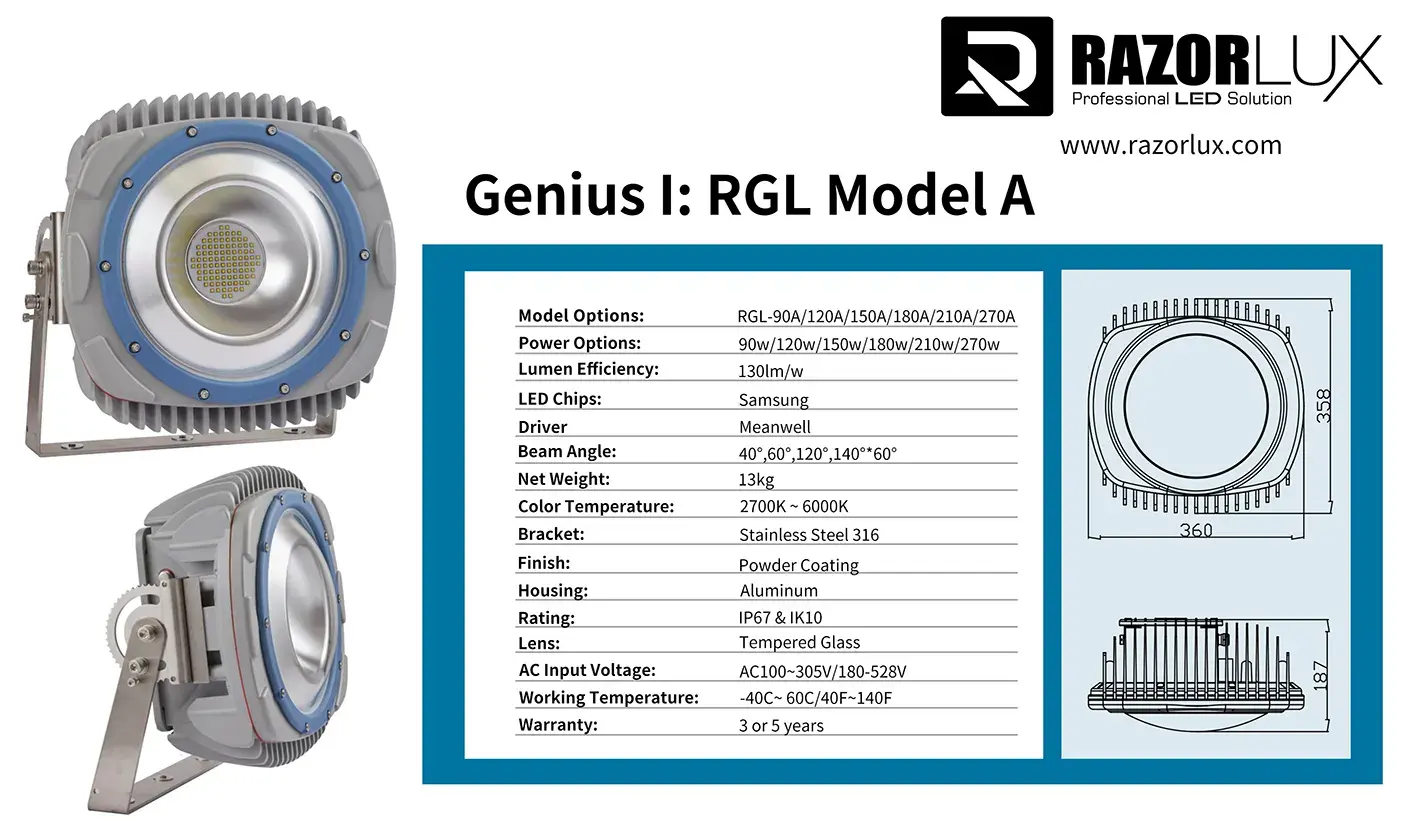
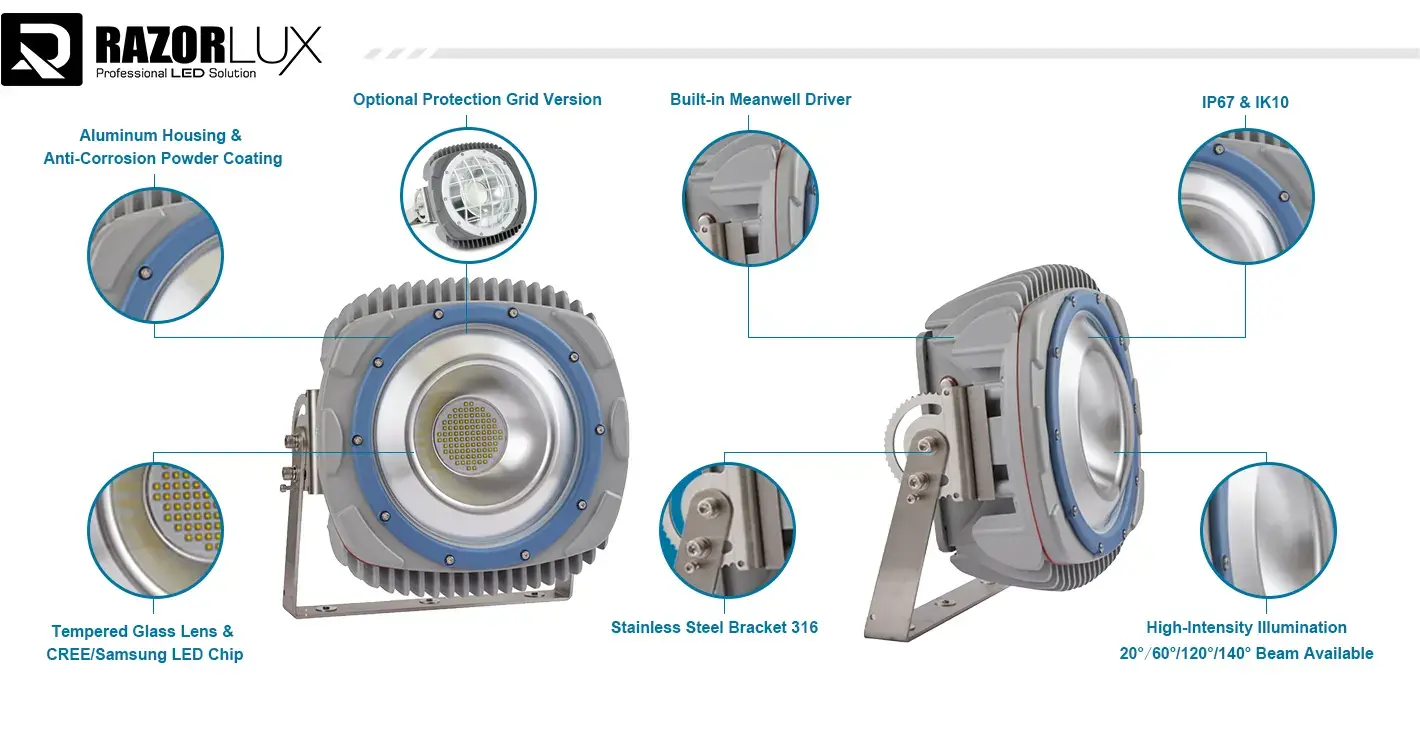
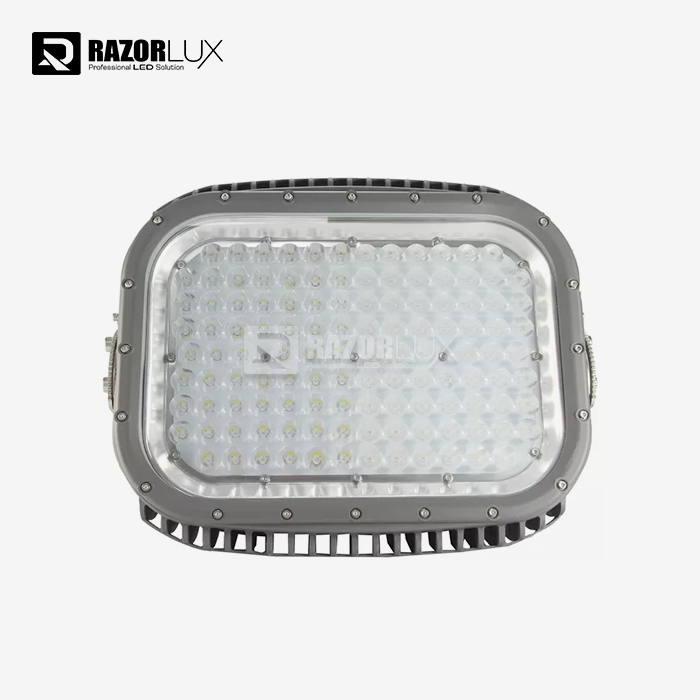
In the Low Mast Light business, there are both well-known companies and new ones that are just starting. Philips Lighting, which has changed its name to Signify, has a big part of the market thanks to its wide range of products used in public, business, and industrial settings. Because they have a history in traditional lighting, they have a lot of photometric knowledge, but their high prices show how they place their brand. Cree Lighting works on LED innovation with its own chip technology, aiming for uses where the best color quality and efficiency make the higher investment worth it. Holophane is an expert in precise optics and can make custom beam distributions for lighting situations that are hard to work with. Razorlux is a great option for procurement managers who want industrial-grade speed and quick customization. Since our company was founded in 1998, we have a lot of experience with lighting in difficult environments, like on ships and offshore platforms. This directly applies to low-mast light uses that need to be very durable. This method is shown by our RGL-120A model, which has a unique multi-function design that lets it handle different beam angles (60°, 120°, or 140°x60°) within a single housing platform. This makes it easier for facilities to keep track of supplies for different lighting zones. We have more than 200 patents that cover things like thermal management, surge protection, and corrosion resistance. This gives us the technical depth of bigger companies while still keeping the speed of smaller providers.
Procurement Strategy Insights
Total value optimization is part of strategic buying, which goes beyond negotiating unit prices. When you order in bulk, you can usually get discounts of 10 to 15 percent, but buying teams have to weigh the savings against the costs of keeping inventory and the risk of technology becoming obsolete. The frame deals with chosen providers to make sure that prices stay the same and allow for flexible buying that fits with the schedule of the project. For large-scale deployments, asking for pre-production samples lets you test them in the field under real working conditions before committing to full amounts. When buying something, people often don't pay enough attention to the warranty discussion. Standard words usually cover flaws in the way the product was made, but they might not cover problems caused by surges, rust, or high temperatures. Getting replacement promises ahead of time keeps operations going—getting a new unit within 48 hours of returning the broken device stops production from stopping. If you know how to file a warranty claim for a Low Mast Light ahead of time, you won't have to deal with anger when something goes wrong. For example, some makers require a lot of paperwork and pre-approval, while others let you file a claim online easily and quickly.
| Evaluation Criteria | Razorlux RGL-120A | Competitor A | Competitor B |
|---|---|---|---|
| Luminous Efficacy | 130 lm/W | 125 lm/W | 140 lm/W |
| IP Rating | IP67 | IP65 | IP66 |
| Operating Temp Range | -40°C to +60°C | -30°C to +50°C | -20°C to +55°C |
| Warranty (Driver) | 5 years | 3 years | 5 years |
| Beam Angle Options | 3 configurations | Fixed 120° | 2 configurations |
| Unit Price (100+ qty) | </td><td> | $ | $ |
How to Match Low Mast Lighting Solutions to Your Project Needs
Segmentation by Application Type
In different work settings, the lighting needs to be different. For security and direction, parking lots need even lighting, which means symmetrical beam patterns and cool color temperatures that make cameras work better. Task lighting at workstations in industrial production areas needs to be focused, but there needs to be enough ambient lighting for safe movement. Asymmetric optics direct light downward and forward, which keeps glare to a minimum for equipment operators. High mounting points with wide beam spreads are good for logistics and distribution centers because they cover large floor areas while keeping things out of the way of material handling equipment. When it comes to municipal applications, there are both practical and aesthetic needs. For pedestrian plazas and public meeting areas, warmer color temperatures (3000K–4000K) are often recommended to make the space feel more welcoming while still allowing for good sight. Architectural themes can be matched with decorative pole designs that don't compromise lighting performance. Enhanced rust protection is needed in coastal areas. 316 stainless steel brackets and conformal coating on electrical parts make them last longer in salty settings.
Energy Source Evaluation
Grid-connected LED systems are the best choice for most permanent setups because they work reliably and have the lowest lifecycle costs where there is already an electricity infrastructure. Solar power is a good option for rural areas that don't have access to the power grid, but the size of the system needs to take into account changes in the seasons and days with clouds. The setup costs a lot more when the batteries can't hold enough power for three to five days of running on their own. Hybrid solar/grid setups offer backup power, but they are more complicated than is usually needed for anything but important infrastructure. The factors for making a decision should take into account the abundance of infrastructure, the cost of energy, and the need for reliability. In places where grid power isn't stable, solar may be worth the higher initial cost, especially if the costs of running a generator are higher than the costs of solar depreciation. Solar growth is sometimes driven by environmental goals instead of economic ones. This is especially true for businesses that want to get sustainability licenses or show their commitment to corporate responsibility.
Case Studies and Best Practices in Implementing Low Mast Lighting
Successful Implementation Examples
An important distribution center for car parts in the southeast of the United States replaced old 400W metal halide lights with LED Low Mast Light systems. This cut energy use by 68% and raised average lux levels by 35%. The building called for 12-meter poles with 120-degree beam patterns. This made the 80,000-square-meter yard more than 4:1 consistent. Even though the fixtures were more expensive, the payback time was only 2.8 years, thanks mostly to lower energy costs and no more relamping work. The repair team liked having tool-free access to the drivers because it made replacements quick when a bolt broke for the first time in three years of operation. Extreme weather, salt spray corrosion, and strict marine certifications were some of the problems that a remote supply base feeding North Sea oil rigs had to deal with. Fixtures with 316L stainless steel brackets and conformal-coated electronics with an IP67 rating were used in the building. After four years of nonstop operation through winter storms and summer heat, the system is still 98% operationally available and has had no breakdowns due to corrosion. This success proved how important it is to specify the right products for harsh conditions. Similar facilities that chose standard industrial parts had 30% of their systems fail within 18 months, which meant they had to be replaced completely, which cost a lot more than the Low Mast Lightthey had planned.
Common Mistakes and How to Avoid Them
A common design mistake is choosing the wrong pole height. When lights are installed too high, they cause too much glare and bad vertical lighting, even when horizontal lux readings are good. When you mount something too low, you need more fixtures and lighting hotspots with poor regularity. These problems can be avoided by using photometric modeling during the planning process. However, many facilities skip this step to save money on consulting fees, only to have to pay a lot of money to fix things later. When choosing a supplier based only on price, the results are always disappointing. Manufacturers who don't have enough capital may be able to fill the first orders, but they may not be able to provide service support or continue production for subsequent orders. When parts are switched out without warning, performance goes down. For example, a different LED bin or driver type changes the photometric output and reliability traits. These risks can be reduced by setting clear standards with inspection holdpoints and demanding maker certifications for important parts. It's usually cheaper to pay 15 to 20 percent more for a source that has been around for a while and has recorded quality systems than to deal with failures from cheaper options.
Implementation Best Practices
A complete recording of needs is the first step to a successful project. By recording not only the necessary lux levels but also the uniformity ratios, color rendering standards, and weather conditions, providers can come up with custom solutions instead of just general ones. Including standards for repair accessibility and spare parts plans in the initial specs ensures that operational issues are taken into account when design decisions are made. Before full-scale rollout, pilot sites check that the design assumptions are correct. By putting up 5–10 fixtures in a typical area, operational teams can check how well the fixtures are working, find problems during installation, and make sure that upkeep methods are correct. This method doesn't cost much compared to finding problems after putting in hundreds of fittings. Getting feedback from operations teams, security staff, and other stakeholders during tests often shows needs that weren't clear during paper planning. Managing both budget limits and operational risk is possible with phased adoption. Replacing the zones that don't work well right away improves awareness and safety right away while showing that the system works. As suppliers fight for bigger follow-on volumes, lessons learned can help later phases, which could also lead to better prices. Using the same types of fixtures across all stages keeps spare parts common and training in upkeep useful.
Conclusion
Instead of just looking for the lowest price, choosing cost-effective Low Mast Light solutions means weighing several technical, practical, and financial factors. When procurement managers take the time to learn about their unique operating conditions, long-term upkeep plans, and environmental factors, they always get better results. To be successful, you need to carefully evaluate suppliers based on their track records rather than just their marketing claims, do a full total cost of ownership study that covers 10 years of operations, and be ready to pay a small premium for quality that can be proven. The market for low-mast lighting has a lot of great options across a range of price points and technology platforms. The hard part is making sure that the system features fit the needs of the application, rather than choosing based on vague requirements or short-term budget constraints.
FAQ
1. What mounting height is considered standard for low mast lighting?
Low Mast Light systems usually work in the 8–15 meter range, but the exact height relies on how much space needs to be covered and the lighting design. 10 to 12 meter poles are often used on city streets, while 8 to 9 meter poles may be used in parking spots. In industrial yards that need to cover a larger area, the range can go up to 15 meters before switching to high mast options.
2. How do LED fixtures compare to traditional options regarding energy efficiency?
Metal halide systems give off 60 to 80 lumens per watt, but modern LED Low Mast Light lamps give off 130 lumens or more per watt. This means that 50–60% less energy is used to get the same amount of light. Total cost of ownership usually favors LED, even though they cost more to buy. This is because LEDs last longer and require less upkeep.
3. What warranty terms should procurement managers expect from reputable suppliers?
LED modules, drivers, and housing are all covered by guarantees that last at least 5 years from reputable makers. Some companies offer different warranty terms. For example, LED modules are covered for 5 to 7 years, while drivers are covered for 3 to 5 years. Full warranties that cover all parts for the same amount of time show that the maker trusts the system's trustworthiness. Terms should include options for early replacement that keep business downtime to a minimum.
Partner with Razorlux for Your Low Mast Light Requirements
Razorlux is ready to help you with your lighting infrastructure projects with industrial-grade products and more than 20 years of experience working in tough environments. As a trusted Low Mast Light maker that works with shipyards, offshore platforms, and heavy industrial sites around the world, we know how important it is for operating safety and efficiency to have reliable lighting. Our RGL-120A type has an output of 130 lm/W, is protected by IP67, and can be set up in a variety of beam setups. It also comes with a full 5-year warranty and quick technical support. Our engineering team can help you with the procurement process by providing photometric analysis, custom samples, and thorough paperwork. This is true whether you're upgrading an existing building or selecting lighting for a new one. Get in touch with our experts at sam@razorlux.com to talk about your unique needs and ask for technical details. We give your operations the success they need and give your projects the partnership approach they deserve.
References
1. Illuminating Engineering Society. "RP-8-18: Recommended Practice for Design and Maintenance of Roadway and Parking Facility Lighting." New York: IES, 2018.
2. U.S. Department of Energy. "LED Lighting for Parking Structures and Garages: A Guide to Best Practices." Washington, DC: Office of Energy Efficiency and Renewable Energy, 2019.
3. International Electrotechnical Commission. "IEC 60598-2-3: Luminaires for Road and Street Lighting—Particular Requirements." Geneva: IEC, 2021.
4. Bullough, John D., et al. "Energy Savings and Performance Comparisons of LED and HID Lighting for Industrial Applications." Lighting Research Center, Rensselaer Polytechnic Institute, 2020.
5. Marine Equipment Trade Association. "Specification Guidelines for Marine and Offshore Lighting Systems." London: META Publications, 2022.
6. American Society for Testing and Materials. "ASTM B117-19: Standard Practice for Operating Salt Spray Apparatus for Corrosion Testing." West Conshohocken, PA: ASTM International, 2019.
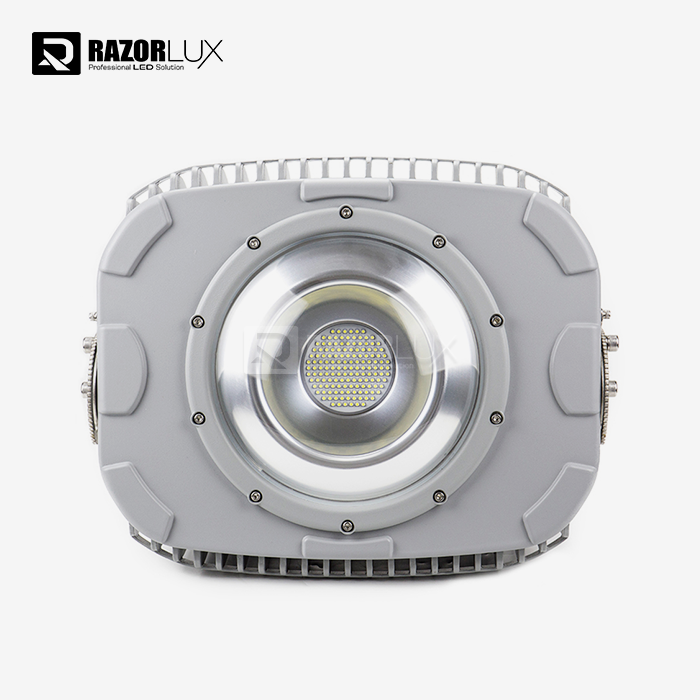 VIEW MOREled crane lights
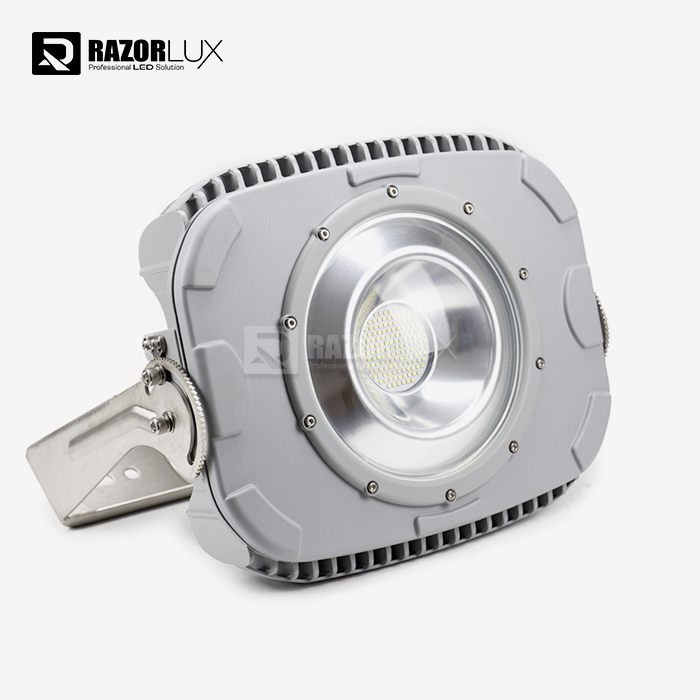 VIEW MOREoutdoor horse arena lights
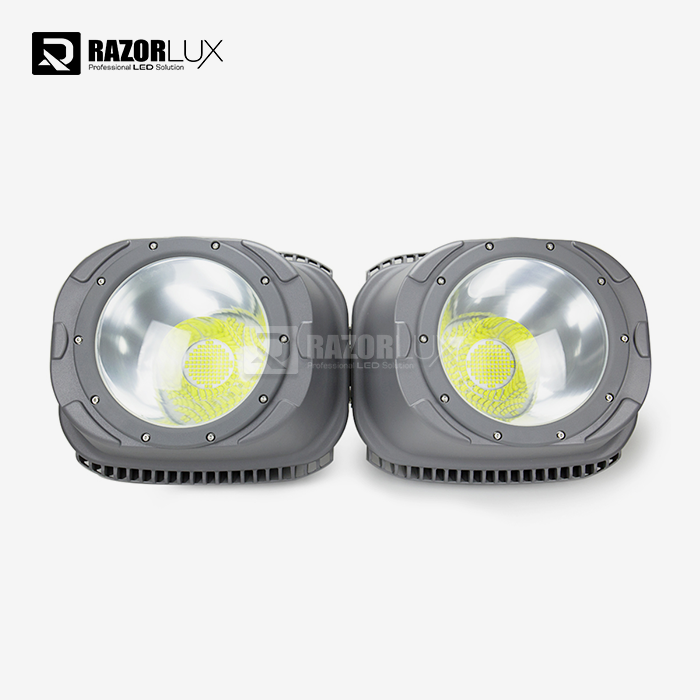 VIEW MOREled outdoor sport light
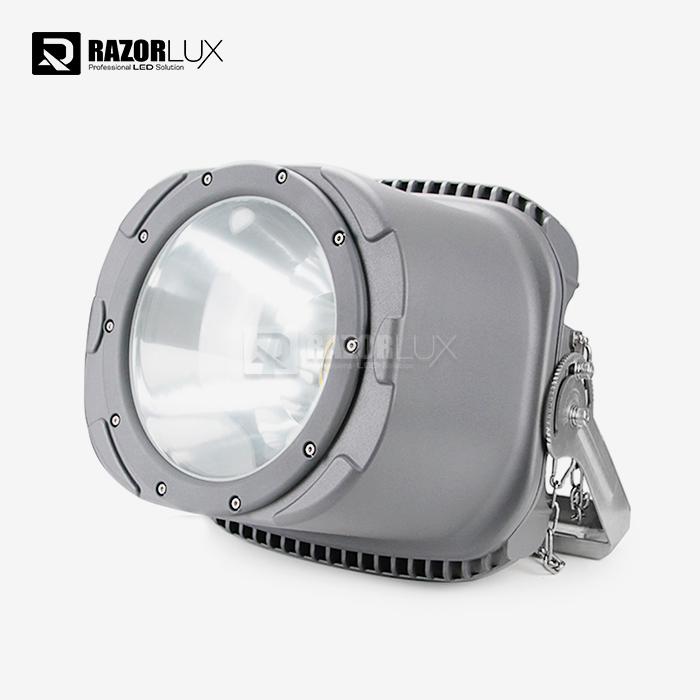 VIEW MOREfloodlight 500w led
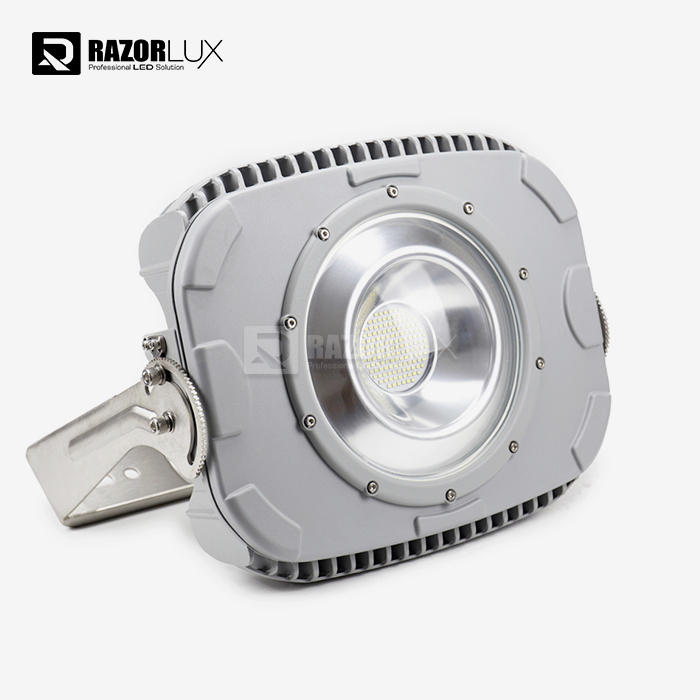 VIEW MORE2700K Outdoor Flood Light
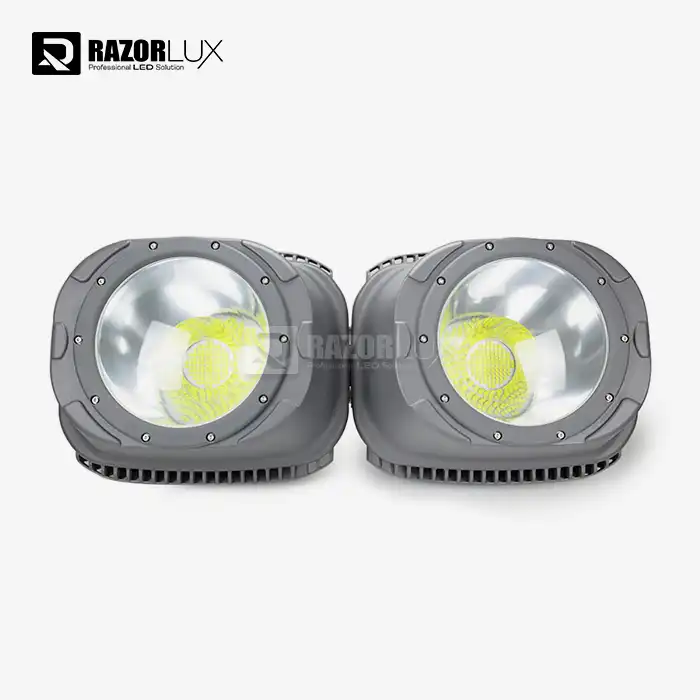 VIEW MOREOutdoor Flood Light Fixtures Waterproof
 VIEW MORESMD Led Industrial Flood Light 500W 55000 Lm High Power Flood Light
 VIEW MORERoHS High Bay Led Lighting Industry Shop 150 Watt High Luminous