

_1750326878398.png)

Tennis Court LED Flood Lights Installation Guide for Beginners
Putting in good lighting on a tennis court changes how it's played at night, makes the venue open later, and makes it safer for players. When compared to old metal halide or halogen systems, Tennis Court Led Flood Lights work better because they are brighter, use less energy, and last longer. This installation guide walks you through the whole process, from knowing the technical requirements to placing the lights and fixing common problems. This way, you can make sure that your court meets professional lighting standards while keeping costs as low as possible.
Understanding Tennis Court LED Flood Lights and Their Benefits
Why LED Technology Outperforms Traditional Lighting Systems
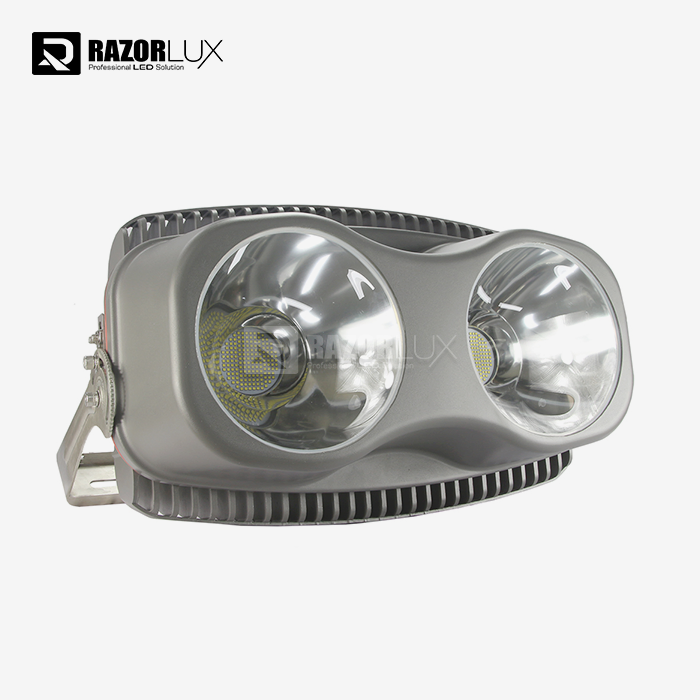
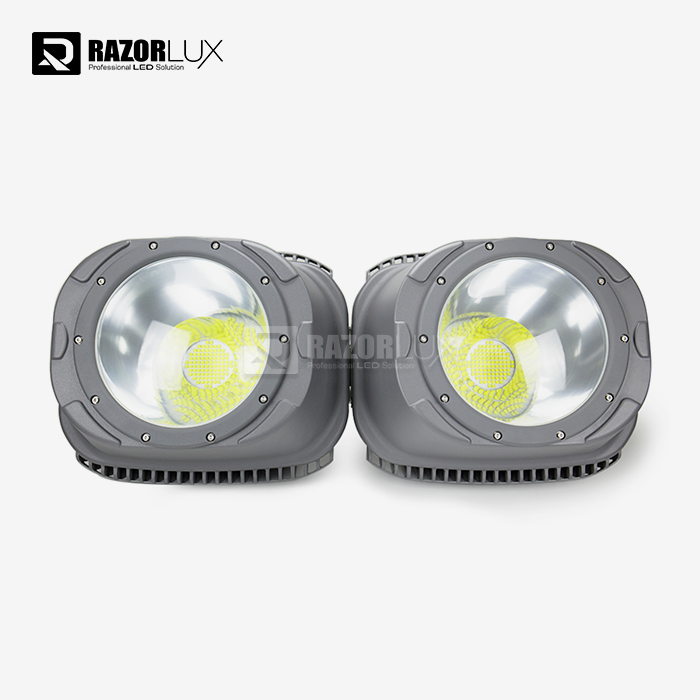
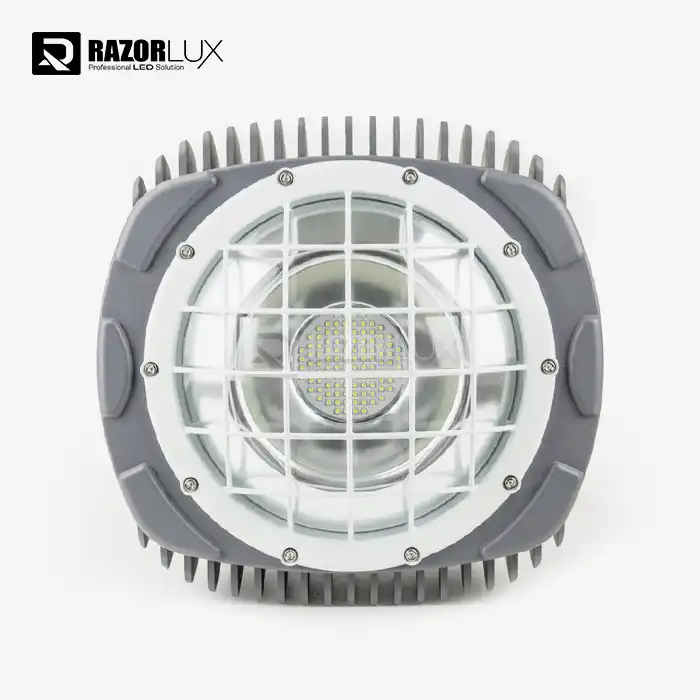
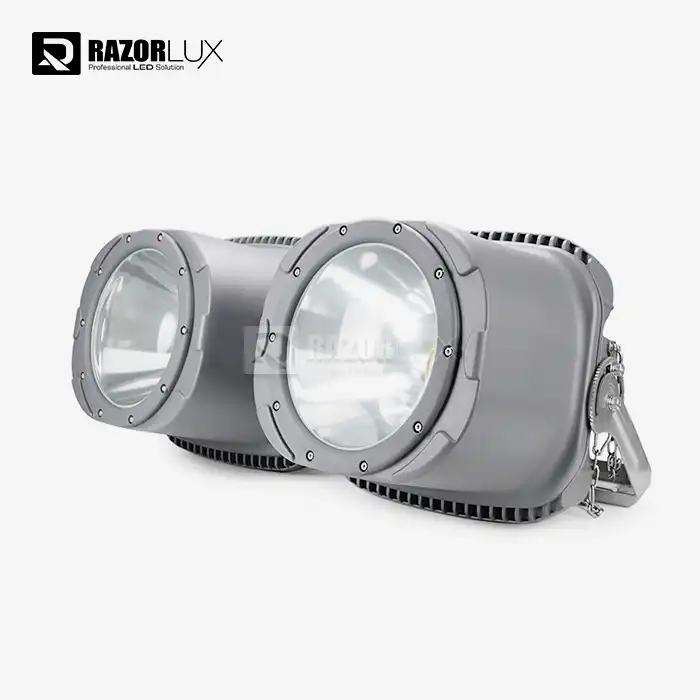
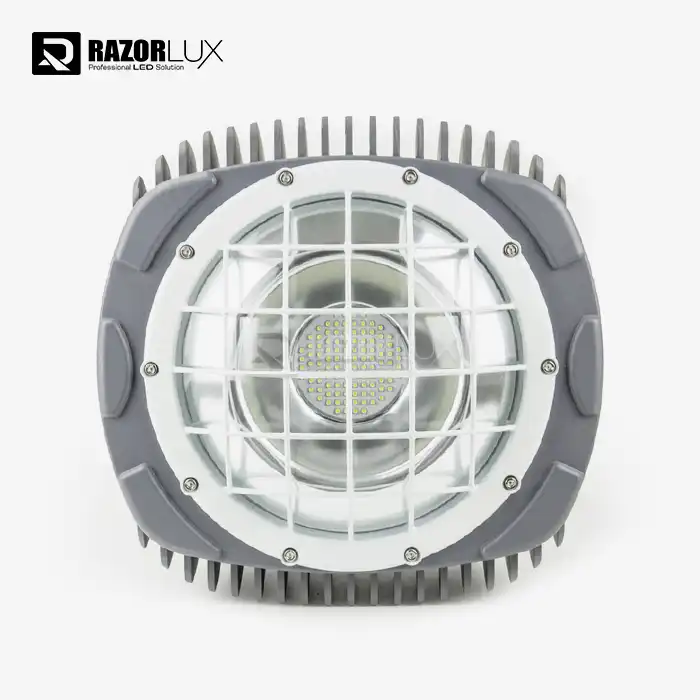
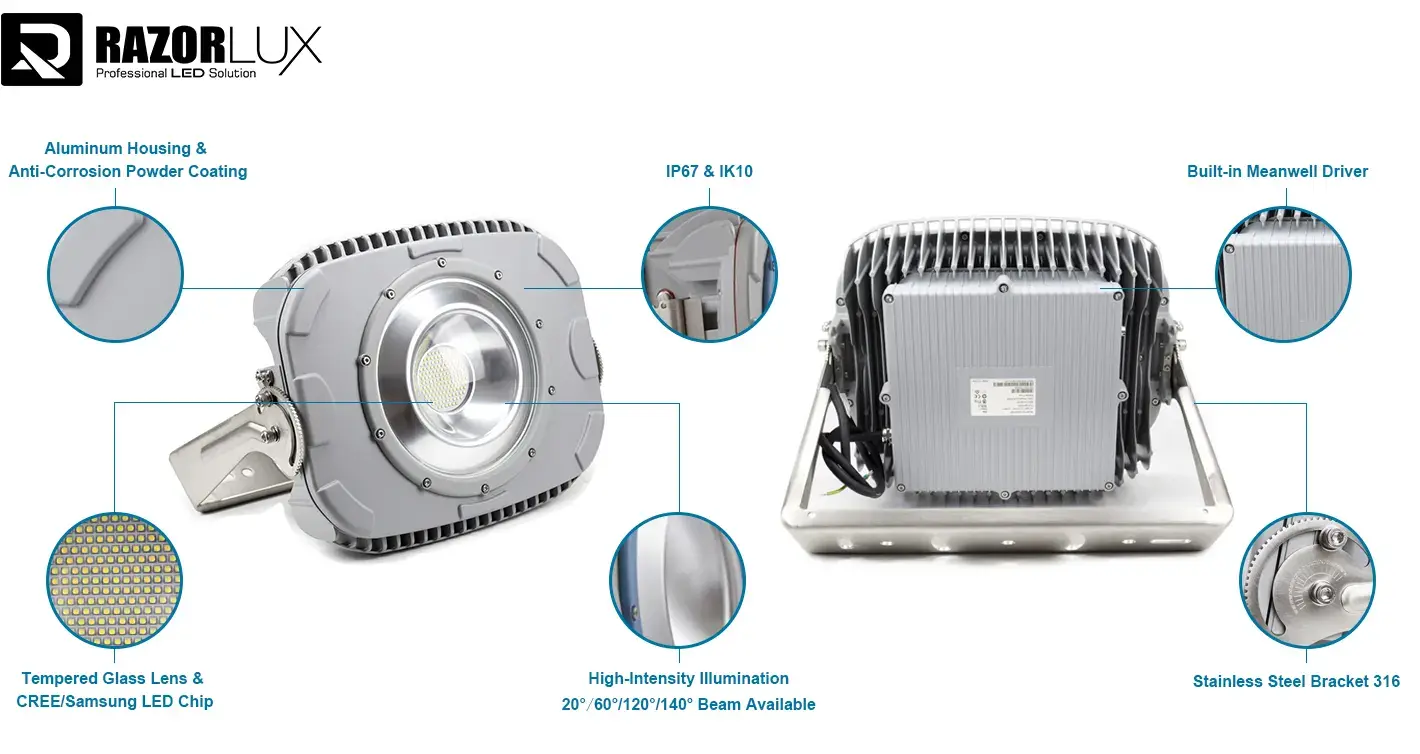
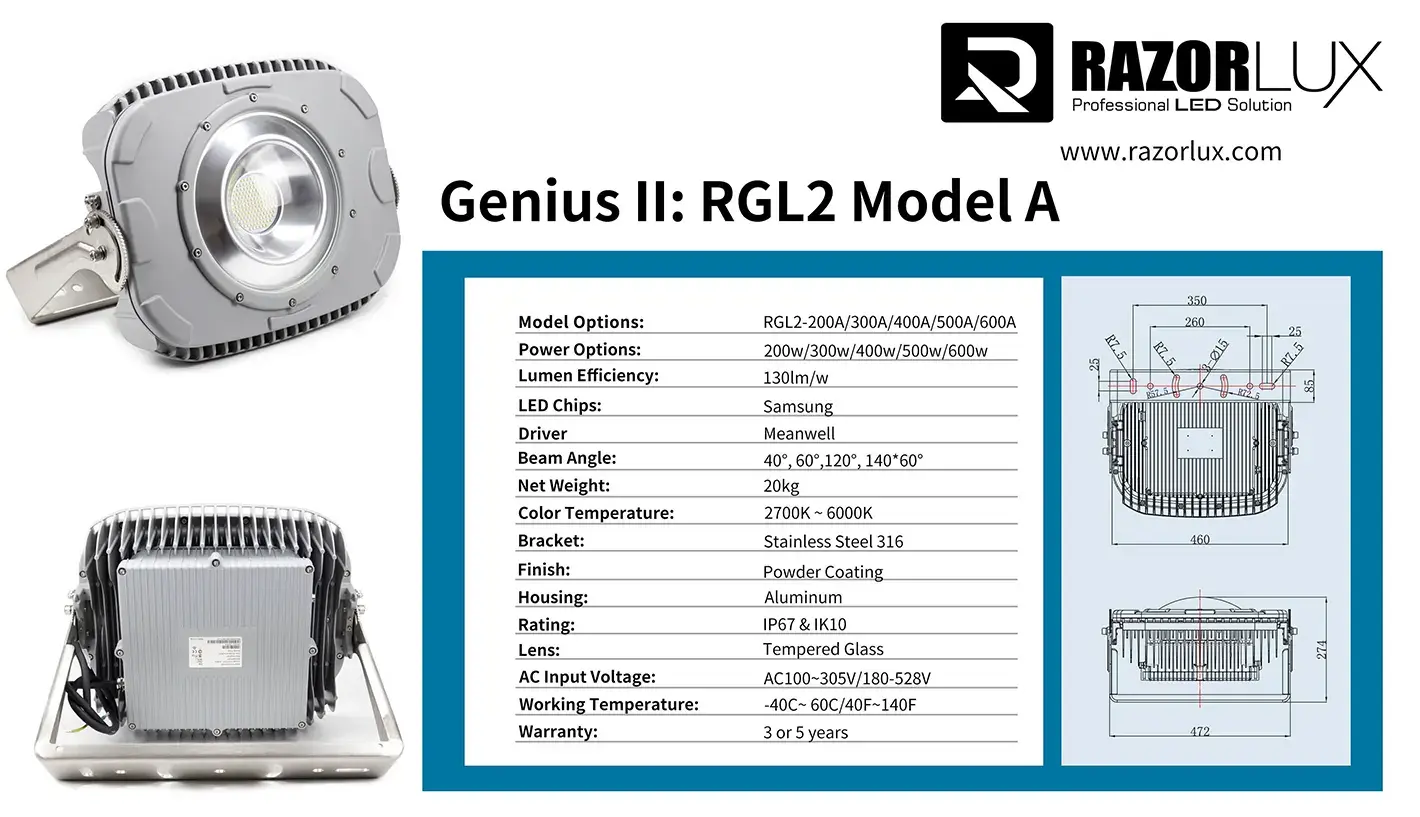
Traditional metal halide lights use between 800 and 1000W per fitting and need to have their bulbs changed every 6,000 to 10,000 hours. LED flood lights, like the Razorlux RGL2-400A, only use 400W but give off 52,000 lumens at 130 lumens per watt. This makes the light better and more even, and it also cuts your energy costs by up to 60%. Instant-on technology gets rid of warm-up delays, so games can begin right away without having to wait for the lights to get fully bright. LED systems also make upkeep a lot easier. With a lifespan of more than 50,000 hours, these lights can be used normally for 15 to 20 years without needing new bulbs. The powder finish and strong metal body guard against harsh weather. The IP67 and IK10 grades make sure that water can't get in and that stray balls can't damage the device.
Environmental and Economic Advantages of LED Court Lighting
Changing to LED flood lights is in line with sustainable goals because they get rid of harmful materials found in older lamp technologies and lower carbon emissions. Lowering energy use directly lowers running costs, making the investment worthwhile within two to three years for most facilities. High-conductivity heat sinks and advanced thermal management keep junction temperatures low, which stops LEDs from breaking down too soon. This tech makes sure that the light output stays the same over the life of the bulb, so the game conditions are always perfect.
Technical Specifications and Lighting Requirements for Tennis Courts
Illumination Standards for Recreational and Competitive Play
The right way to plan lights relies on the type of court and what it will be used for. Class III recreational courts need an average of 200 to 300 lux of horizontal lighting and are good for relaxed play and neighborhood clubs. For daily competitive games, commercial and club spaces (Class II) need 500 lights. For television cams and fast play analysis, professional competition sites (Class I) need 750 to 1000 lux or more. Uniformity ratios are just as important as raw light. The difference (Uo) between the lowest and highest levels of light should be greater than 0.5, and the difference (Ul) between the lowest and highest levels of light should be greater than 0.3. These measures stop dark spots and sharp shadows that make it hard to track the ball.
Critical Technical Parameters for Fixture Selection
To choose the right LED flood lights, you need to look at a number of specs that all affect each other. These include color temperature and rendering. For tennis courts, the best color temperature is between 5000K and 5700K, which gives off a bright, daylight-like light that makes it easier to see the ball on the court. Color Rendering Index (CRI) should be at least Ra>75, and Ra>80 is better for more accurate color reproduction. Beam Angle and Light Distribution: Beam angles between 40° and 140° can be changed depending on the height of the pole and how it is mounted. Asymmetric lenses, like 140°×60°, spread light evenly across the floor while reducing glare and spilling light upwards. This design keeps the light out of the eyes of players who are looking up for lobs or serves. Voltage Compatibility and Power Quality: Industrial-grade lamps can accept a wide range of input voltages (AC110–480V or DC100–800V) without the need for extra adapters, so they can work with a variety of electrical systems. Power factor >0.98 and Total Harmonic Distortion (THD) <10% make sure that the product works with building electrical systems and keep power lines from being overloaded.
| Parameter | Recreational (Class III) | Club/Commercial (Class II) | Professional (Class I) |
|---|---|---|---|
| Average Illuminance | 200-300 lux | 500 lux | 750-1000+ lux |
| Uniformity (Uo) | >0.4 | >0.5 | >0.6 |
| Color Temperature | 5000-5700K | 5000-5700K | 5000-5700K |
| CRI (Ra) | >75 | >80 | >80 |
| Recommended Fixture Wattage | 200-300W | 300-500W | 400-750W |
These benchmarks help procurement managers and engineers specify lighting solutions that balance performance requirements with budget constraints.
Weather Resistance and Durability Standards
Tennis Court Led Flood Lights for tennis courts that are outside put lighting systems in tough environments. IP67 protection keeps out dust completely and resists short-term soaking in water, which is very important for sites near the coast or in places where it rains a lot. IK10 impact resistance guards against high-speed ball hits. Operating temperature ranges from -40°C to 60°C work for a variety of conditions, from the cold winters of the Nordic countries to the hot summers of the Middle East. In tropical or sea settings, problems caused by wetness can be avoided by a humidity tolerance range of 10% to 95%.
Step-by-Step Installation Guide for Tennis Court LED Flood Lights
Pre-Installation Site Assessment and Planning
Before installing any lights, you should do a full site study to check out the current electrical equipment, where the poles are located, and the size of the court. For singles play, a standard tennis court is 23.77m × 10.97m, with extra space needed for doubles matches and safety zones. Figure out how many fixtures are needed based on the court size and the amount of light you want. To get even, high-intensity lighting, a normal leisure court needs 4 to 8 lights, while a professional facility might need 12 to 16 units. Mounting heights are usually between 6 and 12 meters, with higher poles lowering glare and improving regularity. Check your area's electricity rules and get any permits you need. Make sure that the circuit switches, wire gauges, and grounding systems can handle the load of your lights.
Tools and Materials Preparation
Gather essential installation equipment before starting work:
- Telescoping ladder or bucket truck rated for your pole height
- Torque wrench and socket set (10-24mm)
- Wire strippers and crimping tools
- Voltage tester and multimeter
- Cable ties and weather-resistant wiring connectors
- Stainless steel mounting brackets and hardware
- Safety harness and fall protection equipment
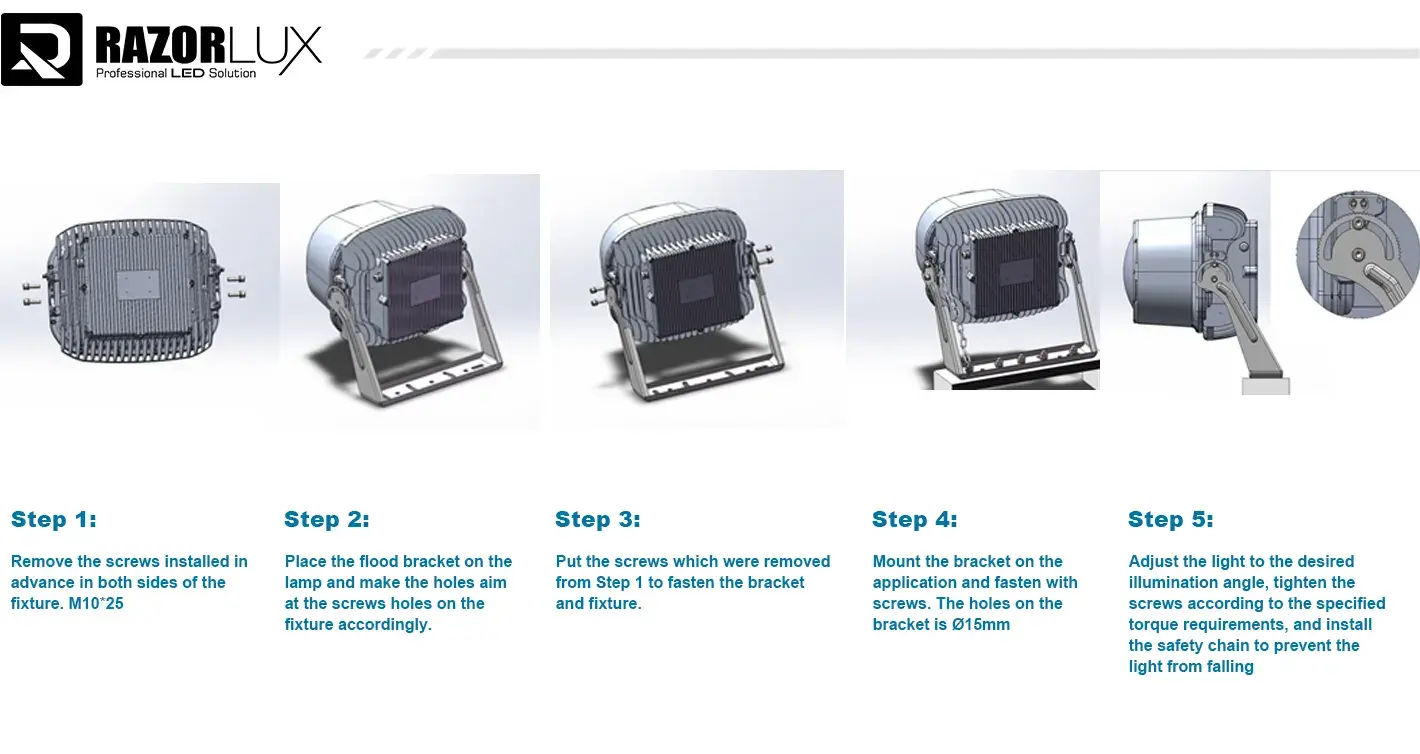
Ensure all electrical components match fixture specifications. The Razorlux RGL2-400A requires secure attachment to the included stainless steel bracket, which allows 360-degree rotation for precise aiming.
Mounting and Wiring LED Flood Lights
First, turn off the power to the circuit at the main switch panel and make sure there is no energy at the connection points. Attach the corrosion-resistant stainless steel bracket to the pole using bolts that are torqued to the manufacturer's specs (usually 40–60 Nm). Attach the bulb to the bracket, making sure that the pointing angle points light at the right angle toward the court center line. Asymmetric optics should be set up so that light moves across the game area. Tighten the locking devices so that they don't move when there is wind or shaking. Run the electrical lines through weather-sealed tubing, making sure that the wires are well separated and that there are no sharp bends that could damage the insulation. Follow the wiring diagram for the light to connect the line, neutral, and ground wires. The terminals on Mean Well motors are clearly marked, and they can accept both AC (110–480V) and DC (100–800V) inputs.
Testing and Commissioning Procedures
Once all the links are complete, do a full pre-energization check. Make sure that all of the fixing hardware is tight, that all of the electrical connections are safe, and that nothing is blocking the light path. Make sure that the ground continuity measurement is less than 1 ohm. Turn on the power again and use a measured lux meter to check the lighting levels at several grid points across the court surface. Take readings in the middle, sides, and service boxes and compare them to the design goals. If you need to, make 5–10 degree changes to the fixture angles to make them more regular. Watch the fixtures for the first hour of operation to make sure they are working properly and that the drivers are working. The junction temperatures should stay within the range of tolerances, and the light output should stay the same, with no shifting or color changes.
Maintenance Tips and Troubleshooting for Long-Term Performance
Routine Maintenance Procedures for Maximum Lifespan
LED flood lights don't need as much upkeep as standard systems, but regular care makes them last longer. Set up checks every six months to find problems before they get worse. Cleaning the Lens and Housing: Dust, pollen, and other flying particles settle on the lens surfaces and slowly lower the light output. Every three months, use a soft microfiber cloth and a light cleaning solution to clean your lenses. Do not use rough tools or materials that could scratch protected layers. Before turning the lights back on, make sure the fixtures are completely dry and rinsed well. Electrical Connection Inspection: Over time, thermal cycling and shaking can break wire connections. De-energize circuits once a year and check the terminal blocks for signs of burning and the right amount of force. Tighten the links and replace any parts that are rusted or broken. Mounting Hardware Verification: Make sure the bolts and locking mechanisms on the brackets are tight. Installations near the coast or in places with a lot of wind may need to be inspected more often because rust and mechanical stress happen more quickly there.
Common Issues and Practical Solutions
Even though Tennis Court Led Flood Lights are built to last, sometimes problems happen:Flickering or Unstable Light Output: This is usually a sign of a problem with the driver or a change in power in the supply circuit. Check the input voltage between 110V and 480V AC while the load is on it to make sure it stays in that range. If the voltage stays the same but the dimming keeps happening, the driver may need to be replaced. Razorlux covers LED modules and drivers with a 5-year guarantee, which makes sure that any problems are fixed quickly. Less Brightness Over Time: LEDs naturally lose lumens as they age, but a faster drop could mean that there are problems with how the heat is being managed. Make sure that the heat sinks are clean and that air can flow freely around the devices. Clean the cooling fins of any dirt that has built up and make sure the fixing position allows for natural airflow. Moisture Ingress or Condensation: IP67-rated fixtures are resistant to water entry, but broken seals or cable entries that aren't properly sealed can let water in. Check all of the covering areas for damage or cracks. Change out old covers and seal wire glands with marine-grade sealant.
| Symptom | Possible Cause | Solution |
|---|---|---|
| Flickering | Voltage instability, driver failure | Check input voltage; replace driver if needed |
| Reduced brightness | Thermal issues, LED degradation | Clean heat sinks; verify mounting orientation |
| Moisture inside fixture | Gasket failure, damaged seals | Replace gaskets; reseal cable entries |
| Complete outage | Circuit breaker trip, wiring fault | Reset breaker; inspect connections |
| Uneven illumination | Fixture misalignment | Re-aim fixtures; verify beam angles |
These troubleshooting steps help facility managers quickly diagnose and resolve common operational issues.
When to Consider Fixture Replacement or Upgrades
LED technology keeps getting better, adding more features and making them more efficient. When lights hit the L70 level (70% of original lumens), which usually happens after 50,000 to 100,000 hours, you might want to think about replacing them. Check to see if the performance improvements from newer models are enough to support the cost of upgrading. Facilities that want to offer more services or meet competitive play standards may need more lights or units with higher wattages. ROI can be found by comparing the costs of upgrades to the amount of money saved on energy and upkeep.
How to Choose the Best Tennis Court LED Flood Lights for Your Business Needs
Evaluating Court Dimensions and Usage Patterns
The number of fixtures and power needed are directly related to the size of the court. Single-court sports centers where people play for fun need 4-6 300-400W units. To reach the desired level of lighting, multi-court buildings that host professional matches need proportionally more lamps and higher watts. When figuring out how much energy you can save, you should take into account the number of hours the lights are used. Courts that are used every night for 4 to 6 hours see faster payback from LED updates than courts that are only used sometimes at night. Peak demand charges are another part of the economic study for businesses.
Warranty Coverage and Supplier Reliability
Full guarantee terms protect your investment and show that the maker trusts you. The Razorlux RGL2-400A comes with a 10-year case warranty and a 5-year guarantee on the LED modules and drivers. This extra security lowers the total cost of ownership and keeps financial instability to a minimum. The trustworthiness of the supplier is also important. Razorlux was started in 1998 as Xi'an Zhihai Power Technology. It has more than 200 patents that cover things like LED packing, power control, and building design. Products have certificates from CE, RoHS, UL, DLC, and ISO:9001, which show they meet world quality standards.
Customization Options and Advanced Features
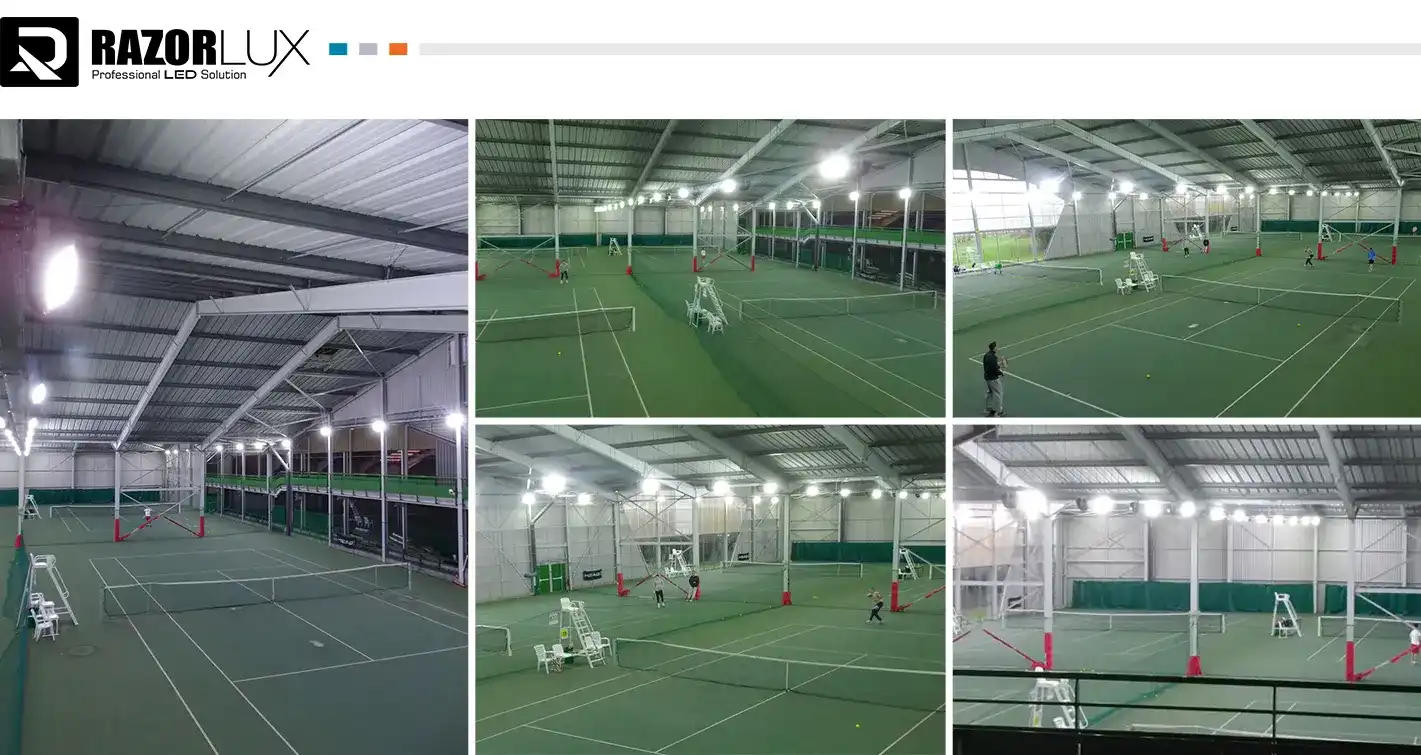
Tennis Court Led Flood Lights Modern LED systems can do more than just light up a room. For example, 0-10V and DALI dimmer protocols let you change the light levels on the fly, which saves energy during practice sessions or off-peak hours. Corrosion-Resistant Materials: Marine-grade systems benefit from special finishes and stainless steel parts. Integrated sensors allow automatic ordering and operation based on occupation. Wide Voltage Compatibility: The patented multi-function design accepts AC110-480V and DC100-800V inputs without adapters, making installation easier in places with non-standard electrical systems. Powder-coated aluminum housings and stainless steel brackets make Razorlux very durable in salt spray environments. This adaptability comes in handy for foreign projects or places that are far away.
Procurement Strategies for Cost Efficiency
When you buy in bulk, you save a lot on shipping costs and the cost of each unit. Facilities that are planning projects with multiple stages should talk about outline deals that cover future installations. During the evaluation phase, ask for specific technical documents such as photometric files (IES/LDT), installation plans, and copies of the certifications. Sample testing gets rid of any doubts before big orders. Razorlux offers trial units that let expert staff check how well the product works in real-life site circumstances. This careful work stops design mistakes that cost a lot of money and makes sure that everyone is happy.
Conclusion
Installing Tennis Court Led Flood Lights fields changes everything because they provide better lighting, use a lot less energy, and need very little upkeep. To make the right choice, you need to carefully look at the technical specs, mounting options, and seller references. The full construction process, from evaluating the site to finishing, makes sure that the system works well and lasts a long time. The system will work well for many decades if it gets regular upkeep and is troubleshooted before problems happen. Facility managers can upgrade lighting systems to meet today's performance standards and get ready for tomorrow's needs by following this plan and working with experienced makers like Razorlux.
FAQ
What illumination level do I need for my tennis court?
Recreational courts require 200-300 lux average horizontal illuminance for casual play. Club and commercial facilities need 500 lux to support regular competitive matches. Professional tournament venues demand 750-1000+ lux to accommodate broadcast cameras and high-level play. Uniformity ratios (Uo >0.5) are equally important to prevent dark spots that interfere with ball tracking.
Can I install LED flood lights myself or should I hire professionals?
Basic electrical knowledge and comfort working at heights allow capable individuals to install LED fixtures, but professional installation ensures compliance with local codes and manufacturer specifications. Licensed electricians verify proper circuit sizing, grounding, and weatherproofing, reducing liability risks. Complex projects involving multiple poles or custom aiming angles benefit significantly from professional expertise.
How long do Tennis Court Led Flood Lights last before replacement?
Quality LED systems like the Razorlux RGL2-400A operate for 50,000-100,000 hours before reaching the L70 threshold (70% of initial brightness). Under typical usage of 4-6 hours nightly, this translates to 15-25 years of service. Mean Well drivers and robust thermal management extend operational life by preventing premature component failures.
What maintenance does LED court lighting require?
Maintenance needs are minimal. Clean lens surfaces quarterly to remove accumulated dust and debris. Inspect electrical connections and mounting hardware annually, tightening any loose components. Verify that heat sinks remain unobstructed and drainage ports function properly. Replace worn gaskets or seals as needed to maintain IP67 weather protection.
Partner with Razorlux for Your Tennis Court Lighting Upgrade
Upgrading to high-performance Tennis Court Led Flood Lights transforms your facility's capabilities while slashing energy costs and maintenance burdens. Razorlux, a trusted LED lighting manufacturer since 1998, delivers proven solutions backed by over 200 patents and comprehensive international certifications. Our RGL2-400A fixtures combine 130 lm/W efficiency, IP67/IK10 protection, and Mean Well drivers to ensure reliable operation in any environment. We offer customized lighting designs, sample testing, and professional installation support to meet your specific requirements. Contact our technical team at sam@razorlux.com to discuss your project needs, request detailed specifications, or arrange a sample shipment. Experience the Razorlux difference—where engineering excellence meets decades of industry expertise.
References
1. International Tennis Federation. (2020). ITF Court Lighting Guidelines for Tennis Facilities. London: ITF Technical Department.
2. Illuminating Engineering Society. (2019). IES RP-6-15: Sports and Recreational Area Lighting Recommended Practice. New York: IES Publications.
3. American Society for Testing and Materials. (2021). ASTM E1837-17: Standard Test Method for Measuring Photometric Characteristics of LED Systems. West Conshohocken: ASTM International.
4. Department of Energy. (2022). LED Lighting for Sports Facilities: Energy Efficiency and Performance Guidelines. Washington: DOE Building Technologies Office.
5. European Committee for Standardization. (2018). EN 12193: Light and Lighting - Sports Lighting Standards. Brussels: CEN Technical Committee.
6. Lee, H., & Nakamura, S. (2021). Thermal Management in High-Power LED Sports Lighting Applications. Journal of Solid-State Lighting, 8(2), 145-162.