


_1750326878398.png)

What Makes Marine Flood Lights Corrosion-Resistant in Saltwater?
Marine flood lights face an unforgiving adversary: saltwater. The corrosion resistance of these fixtures hinges on three critical defense layers—specialized material selection, protective coating systems, and sealed enclosure designs. High-performance units utilize marine-grade aluminum alloys or 316L stainless steel housings treated with anodizing or powder coating to block salt ion penetration. Sealed construction meeting IP67 standards prevents moisture ingress, while internal components like Meanwell drivers and premium LED modules withstand humidity and thermal cycling. These engineering choices determine whether a light lasts five years or fails within months, directly impacting maintenance costs and operational safety for shipyards, offshore platforms, and port facilities.
Understanding Corrosion Challenges in Saltwater Environments
When we install marine flood lights on boats or other coastal structures, we put them in one of the harshest conditions you can imagine. Saltwater doesn't just wet things; it also attacks metal parts through complicated electrolytic processes that can break things down fairly quickly.
The Electrochemical Attack Process
Electrolytes are salt ions dissolved in seawater. They make an electrical medium that speeds up the flow of electrons between metals or even between different parts of the same metal surface. This reaction, called galvanic rusting, gets stronger when metals that are not the same type touch each other in saltwater. Oxygen dissolved in seawater takes part in cathodic processes, while anodic dissolving happens on metal surfaces and wears away at the structure over time.
Three Primary Corrosion Types in Marine Settings
Pitting corrosion makes small holes in metal that go deep into it and are usually not noticeable until the metal breaks. In places where there isn't much room for airflow, like where gaskets meet or where mounting brackets meet, crevice corrosion can happen. When aluminum objects touch stainless steel bolts without being properly separated, galvanic corrosion takes place. A procurement manager at a Norwegian port once said that their old LED deck lights leaked through pinholes after only eight months because the company that made them didn't treat the metal to be marine-grade. The cost of replacing the marine flood lights was three times what they had paid for the original ones.
Environmental Factors Amplifying Degradation
Changes in temperature cause cycles of expansion and contraction that damage seals and protective coatings. In tropical seas near Singapore or Qatar, the water stays hot all the time, which speeds up chemical reactions. In the Arctic, operations expose marine flood lights to freeze-thaw cycles that break housings. UV radiation from being in the sun all the time breaks down polymer gaskets and lens materials. When an engine runs or waves hit something, they cause mechanical vibrations that make tiny movements that wear through protected layers. We put our marine flood lights through 2,000-hour salt spray chambers and vibration tables that mimicked five years of conditions on an offshore platform. These tests tell the difference between real marine-grade equipment and rebranded industrial lights.
Key Materials and Design Features that Enhance Corrosion Resistance
The key to making marine flood lights that don't rust is choosing the right mix of materials and design architecture. Based on real-world performance data from installations in every maritime climate zone, we've spent more than 20 years making these choices better.
Marine-Grade Material Selection
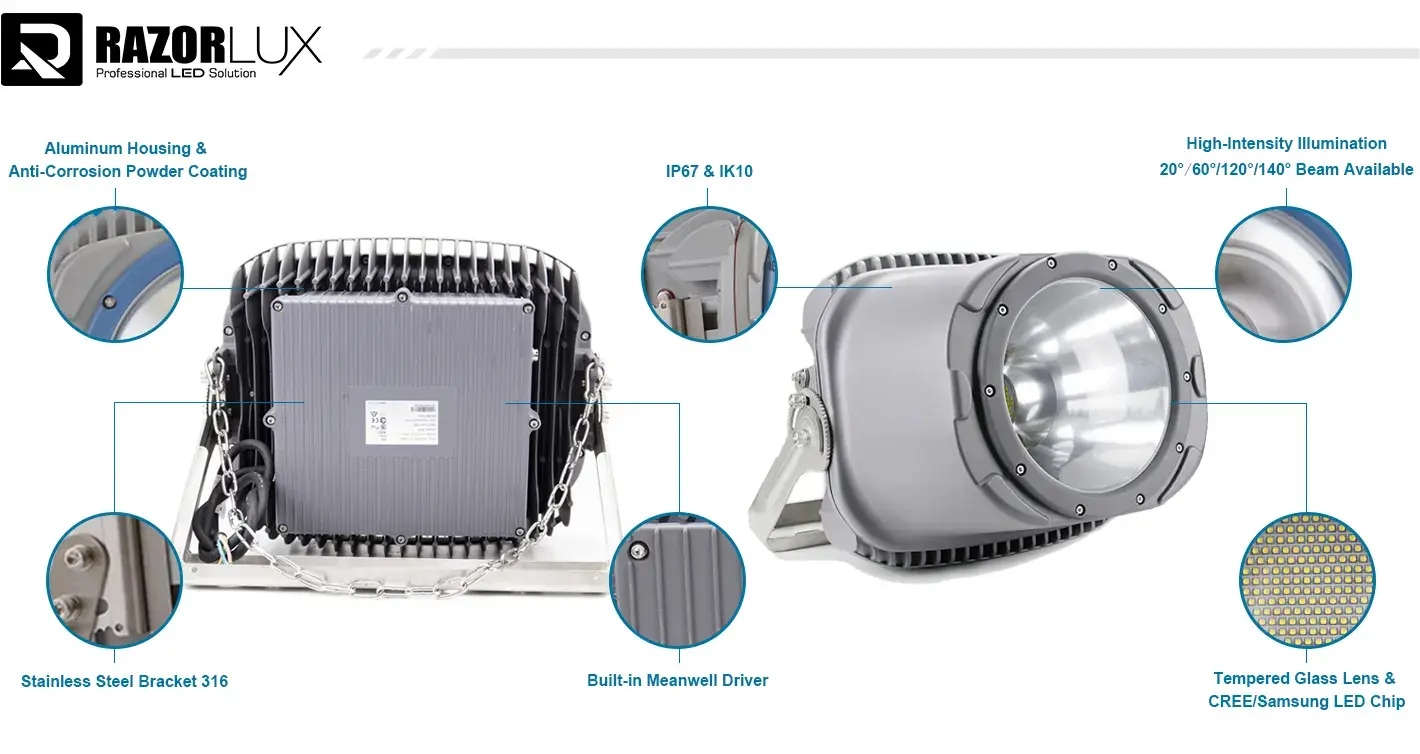
The main protection for the marine flood light is the material that makes up the case. When handled correctly, marine-grade aluminum alloys (5000 and 6000 series) are very resistant to rust and are strong enough to be mounted on a deck. In contrast to regular aluminum, which breaks down quickly in salt spray, these metals have magnesium and silicon in them, which make stable oxide layers. Our 270W marine flood light has an aluminum housing with a special powder coating that protects in two ways: the base material doesn't rust, and the coating stops salt from touching it at first.
Protective Coating Technologies
Through electrical processes, anodizing makes a thick, hard oxide layer on metal surfaces. This layer, which is usually 25 to 50 microns thick, protects well against wear and tear and stops salt from getting through. Powder coating puts on layers of polymers that are sealed by heat and fully seal the surface. In our manufacturing process, powder coating is put on top of anodized aluminum. This creates extra protection: if the polymer layer on top chips from impact, the anodized layer below keeps protecting the base metal.
IP Rating Standards and Sealed Enclosure Design
IP (Ingress Protection) ratings tell you how well something protects against solid particles and water getting in. IP67 certification means that something is completely dust-proof and can withstand being submerged in water for up to one meter. This is very important for deck lights that may be hit by waves or temporarily submerged in ship water during storms. For this rating to be met, the gaskets must be carefully designed, the lens assemblies must be compressed and sealed, and the cable gland systems must be able to hold up against thousands of thermal cycles.
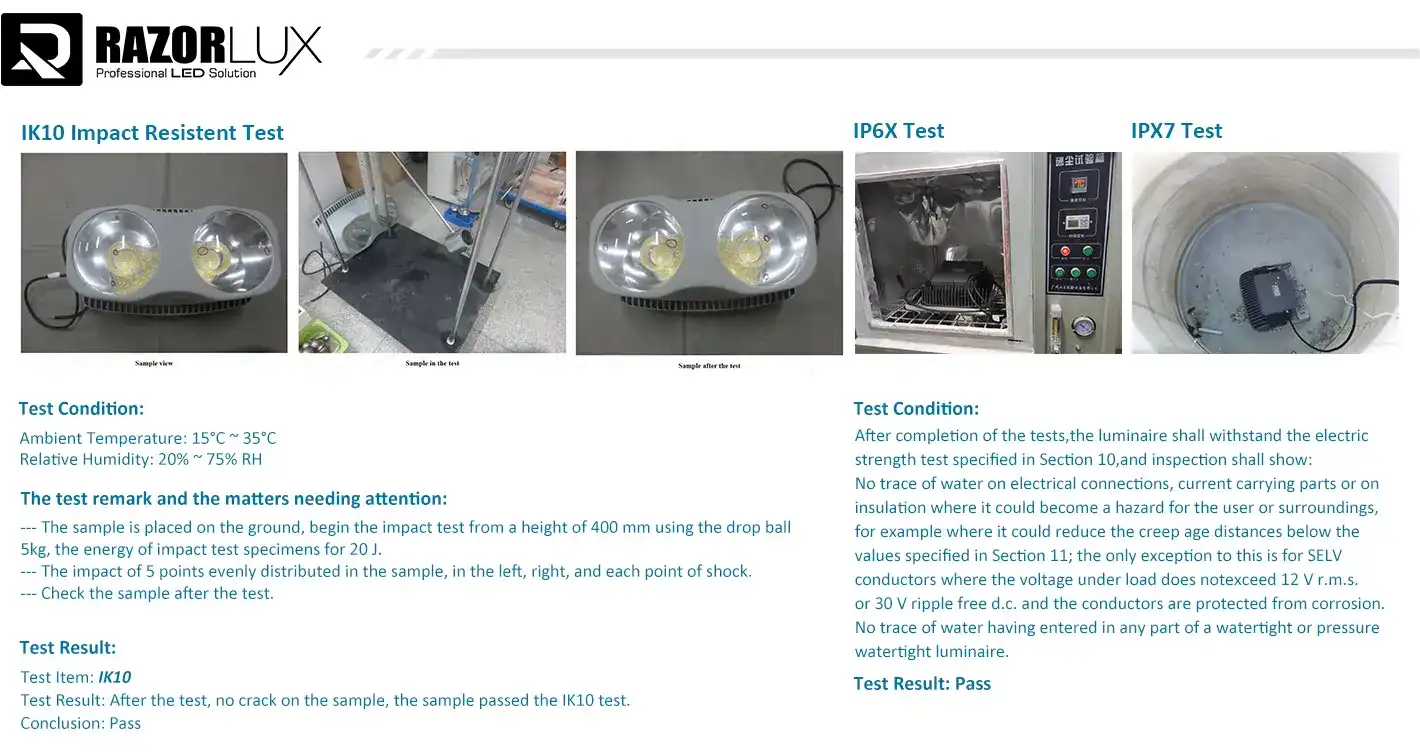
| IP Rating Component | Protection Level | Marine Application Requirement |
|---|---|---|
| IP6X (First Digit) | Dust-tight, no ingress of particles | Keeps salt crystals from building up inside fitting |
| IPX7 (Second Digit) | Protected against temporary immersion (up to 1m for 30 minutes) | Holds up against wave wash and deck flooding |
| IP67 Combined | Complete protection from dust and temporary water immersion | Minimum standard for nautical lights that are placed on the deck |
| IP68 Option | Extended immersion protection | Only needed for applications that will be submerged underwater or all the time |
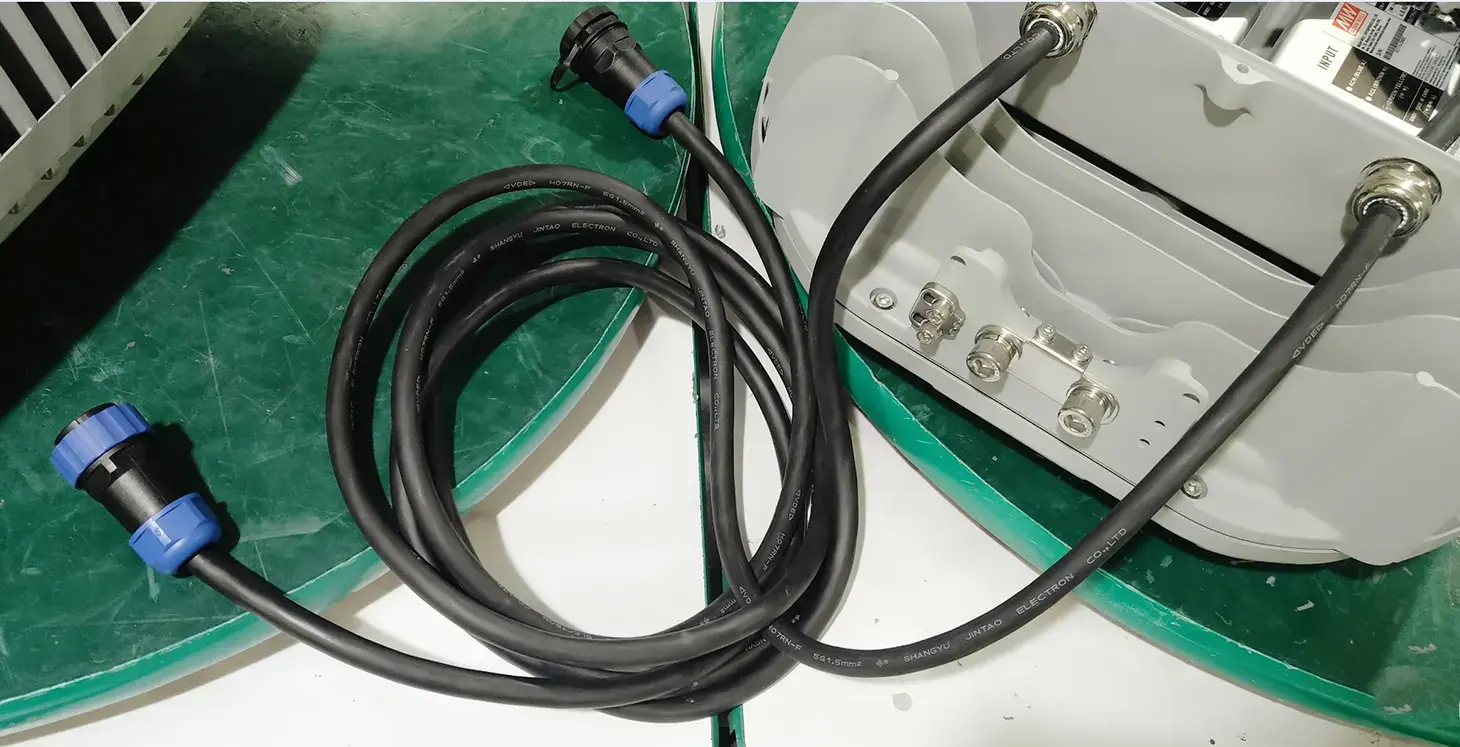
Our container design has more than one way to seal it. Marine-grade cable glands with compression seals are used at the points where cables enter. These glands grip the cable jacket and keep it watertight. The lens assembly is pressed against a silicone gasket by stainless steel retaining screws that have been tightened to the right level. More protection is added to the inside of the driver spaces to keep sensitive electronics safe from humidity that could get in through the cable paths over time.
Advanced Technologies Driving Marine Flood Light Durability
Modern LED technology has made marine flood lights much more reliable, but not all LED fixtures are as resistant to rust as others. Real-world longevity is based on how well certain component choices and new safety features work together.
LED Components and System Architecture
Our marine flood lights use LED arrays that were made for marine use, where the choice of parts directly affects how long they last and how resistant they are to corrosion. The LED modules work at 130 lm/W, which means they produce less heat, which is better for the seals and speeds up the movement of the electrolyte inside the bulb. Lower operating temperatures make both the LEDs and the drivers last longer and put less stress on the housing seals from thermal expansion.
Nano-Coating and Hydrophobic Surface Treatments
New developments in nanotechnology have added extra layers of safety for important parts. When applied to internal surfaces, hydrophobic nano-coatings stop water drops from spreading and getting into cracks. Instead, they ball up and roll off. These molecular-scale coats fill in tiny flaws on the surface, getting rid of the safe places where crevice rust can start.
Cathodic Protection Integration Points
Large marine sites sometimes have cathodic protection systems, which can be sacrificial anodes or impressed current systems. These systems make the whole hull or structure of the platform cathodic in the electrochemical cell, which keeps it from rusting. To keep these systems from getting messed up, our marine flood lights use electrical separation to keep the right grounding for safety.
| Technology Category | Specific Implementation | Corrosion Resistance Benefit |
|---|---|---|
| LED Array Design | 130 lm/W efficiency, reduced heat generation | Lower operating temperature extends seal life and reduces thermal stress |
| Power Supply | Meanwell drivers with conformal coating | Protects electronics from salt deposits and failures caused by air |
| Nano-Coating | Hydrophobic molecular treatment on internal surfaces | Prevents water adhesion and crevice corrosion in concealed areas |
| Cable Management | Marine-grade cable glands with double compression seals | Eliminates moisture ingress pathway through cable entries |
| Electrical Isolation | Dielectric mounting hardware options | Prevents galvanic corrosion between fixture and vessel structure |
Thermal Management Without Ventilation
Most traditional outdoor floodlights have ventilated designs that let air flow to cool things down but also let salty air and spray get in. The only way our sealed design works is for heat to move through the building by conduction and convection. The heat from the LED array is moved to the outside cooling fins by the metal design, which is very good at conducting heat.
Best Practices for Installation and Maintenance to Maximize Corrosion Resistance
Even marine flood lights that are very resistant to rust need to be installed and maintained correctly in order to last as long as they were made to. We came up with these rules after decades of working in the field and hearing from customers who work in the toughest conditions.
Installation Techniques That Prevent Corrosion
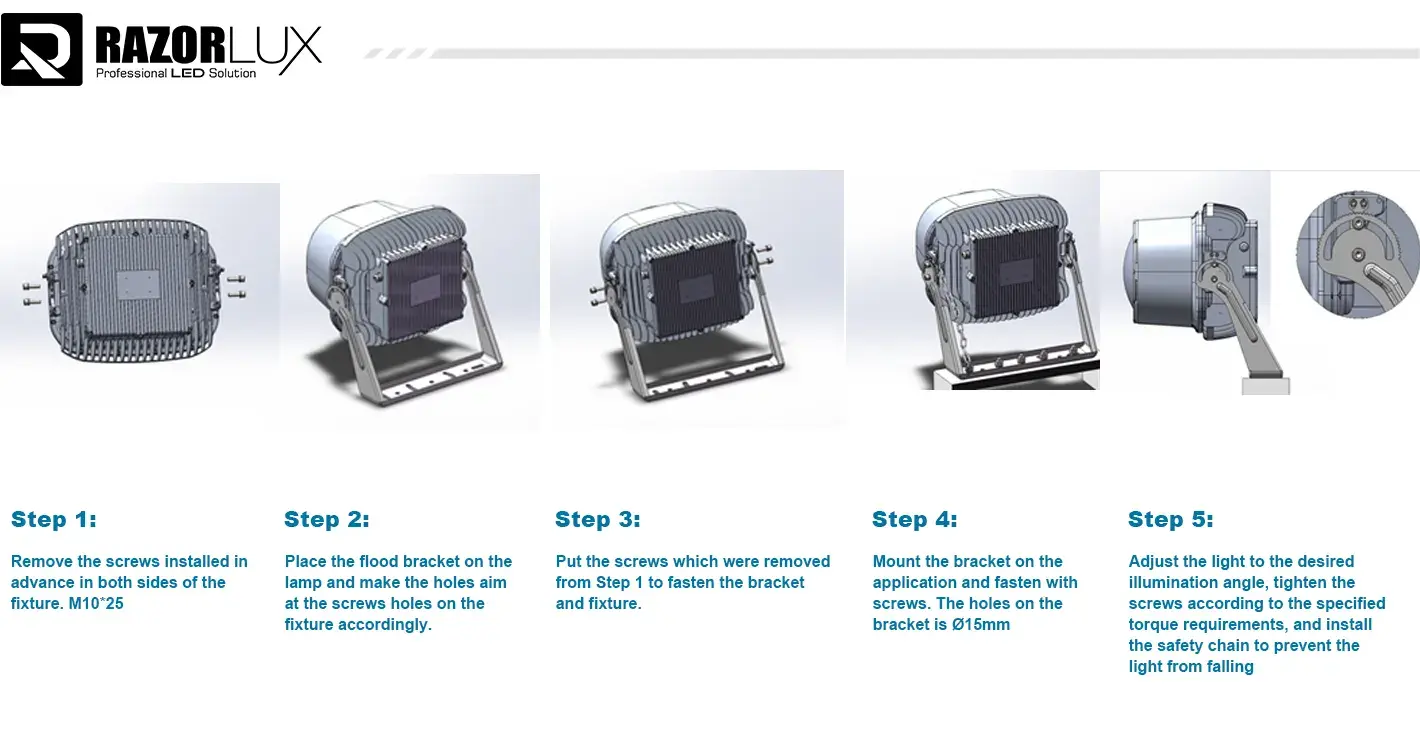
The mounting gear you choose has a huge impact on how well it works in the long run. For attaching marine flood lights, you should always use bolts, screws, and nuts made of 316L stainless steel. Standard screws from hardware stores are usually made of 304 stainless steel or zinc-plated carbon steel. Both of these materials rust quickly in marine settings and finally break. We ship our marine flood lights with the right fastener kits to make sure they are installed correctly from the start.
Before the marine flood light is installed, the mounting surface needs to be prepared. Clean the area of the deck or wall where the marine flood light will go of any rust, loose paint, or other contamination. Before installing, use a marine-grade paint and topcoat to cover any bare metal. This preparation makes sure that the marine flood light closes properly against the mounting surface and stops rust from starting under the base of the fixture.
Cable Entry and Electrical Connection Protection
To keep the IP67 rating, cable glands must be put in the right way. The cable width needs to be within the range given by the gland. If it's too small, water can get around the cable, and if it's too big, the seal won't close properly. Only remove the bare minimum of insulation needed for connections. Before the cables go into the marine flood light, route them with drip loops. This way, any water that runs along the cable will drip away instead of going into the box with the cable.
Put dielectric grease on the electrical lines inside the junction box for the marine flood light. This grease moves water away and keeps connection points from rusting. Instead of oil-based products, which can damage wire insulation over time, we suggest marine-grade silicone dielectric grease. A Danish shipping company says that this is why their marine flood lights haven't broken down in four years: during yearly repair checks, they use fresh dielectric grease.
Maintenance Protocols for Extended Service Life
Cleaning often gets rid of salt layers before they build up and damage protective coats. Rinse marine flood lights with clean water once a month in places with a lot of salt spray and once a week when you'll be at sea for a long time. Instead of high-pressure water, which can push water past seals, use low-pressure water. After rinsing, look at the lens for cracks or scratches that could mean UV damage or damage from impact.
Mounting fasteners should be checked for rust every year, gaskets should be checked for compression set or cracks, and coatings should be checked for chips or delamination. Tighten the fixing bolts to the manufacturer's specifications. Loose screws let small movements happen that wear down coatings and seals. If you find any damaged gaskets, you should replace them right away. A weak seal lets water in, which corrodes internal parts and leads to a catastrophic failure.
Environmental Monitoring and Predictive Maintenance
Advanced operators keep an eye on metrics that measure marine flood light performance to spot declines before they happen. Use mobile lux meters to keep an eye on the light output during regular checks. A slow drop means that the LEDs are breaking down or the lens is getting dirty, while a quick drop means that there is moisture inside the device. Using infrared cameras to check the temperature can find thermal management that isn't working right—hot spots mean that the seals or drivers aren't working right.
Set up a new plan that is based on business hours instead of the calendar. The rating life of our marine flood lights is 50,000 hours. This point is reached in about 11 years by a ship that runs its lights 12 hours a day, and in about 5.7 years by an offshore base that runs its lights 24 hours a day. Keeping track of operating hours lets you replace things before they break down for no reason. This is especially helpful for installations that need to be accessed by expensively mobilizing work crews and equipment.
Choosing the Right Corrosion-Resistant Marine Flood Light for Your Business Needs
When buying marine flood lights, you have to think about more than just the original purchase price. The actual cost includes the cost of installation, any repairs that need to be done, the energy used, and the number of times the product needs to be replaced over its useful life.
Evaluating Critical Specifications
IP ratings set the standard for protecting the environment. For any installation below the deck, IP67 certification should be the bare minimum. If a manufacturer says something is suitable for marine use without giving certified IP ratings, you should question them. These claims are often more about marketing than engineering truth. Instead of depending on the manufacturer's self-certification, check licenses with independent testing labs.
Warranty Coverage and Support Infrastructure
Warranty terms show that the company that made the marine flood light is confident in its longevity. Our five-year warranty on LED modules and drivers and ten-year guarantee on the housing is based on how long things last in real life. If you compare this to the usual three-year warranty in the industry, you'll see that the difference is our extra safety margin in design and component choice.
Total Cost of Ownership Analysis
The initial purchase price is only one part of the total cost. Figure out how much energy the marine flood light will use over its lifetime. Our 270W fixture, which gives off 29,700 lumens, can replace 600–1000W HID lamps, which cuts costs by 60–75%. For every 50,000 hours of use, this difference in economy saves thousands of dollars in power costs.
Supplier Reliability and Procurement Process
Stability in the supply chain is important for big projects and ongoing business. Check out the manufacturer's ability to make things, keep a lot of stock, and move things around. We keep up enough production to fill container-load orders with lead times of four weeks, and our inventory of parts protects us against supply problems. For urgent needs, our global logistics network offers air freight, rail service to Europe, and low ocean freight rates for large orders.
Conclusion
Marine flood lights don't rust because the materials used, protective coatings, sealed construction, and quality of the parts were all carefully chosen and engineered. The marine environment is very difficult because of the salt spray, humidity, extreme temperatures, and mechanical stress that destroy marine flood lights quickly if they weren't designed well. Marine-grade metal or 316L stainless steel, IP67-rated sealed enclosures, quality LED components, and conformal-coated electronics are all things that are needed for good corrosion protection. Good installation and care practices also make the service last longer. For example, using the right mounting tools, organizing the cables properly, and cleaning it regularly are all very important. When making purchases, people should look at the total cost of ownership instead of just the initial price. To find real long-term value, they should look at things like warranty coverage, energy efficiency, maintenance needs, and the supplier's support infrastructure.
FAQ
How do we verify that a fixture genuinely meets IP67 standards?
Ask a recognized lab, like TUV, Intertek, or UL, to give you the IP certification test result. The report should list the exact model of the product that was tested, explain how the tests were done according to IEC 60529 standards, and show that water did not get in during the IPX7 submersion test. Products that haven't been tested are ones that the manufacturer certifies themselves or makes hazy claims without any proof. With every order, we include full certification paperwork so that your technical team can check the protection ratings before installing.
What causes the yellowing we see on older marine light lenses?
Photo-oxidation is the process by which UV light breaks down polycarbonate and acrylic lens materials, discoloring them and breaking molecular bonds. Plastics that aren't very good don't have UV protectors that take in dangerous wavelengths before they damage the polymer structure. This yellowing cuts light transmission by 20–40%, making the light less bright even though the LED remains functional. Our lamps use UV-stabilized tempered glass lenses that keep their visual clarity over the course of their service life. This means that the light output stays the same, and you don't have to worry about replacing the lenses on a regular basis.
Can we retrofit our existing HID fixtures with marine-grade LED lamps?
In marine environments, retrofitting doesn't work very often. HID lights have housings with vents to get rid of the a lot of heat that these lamps produce. This ventilation lets salt spray in, which damages LED drivers and electrical connections. The mounting clamps and seals that come with HID lights aren't made to work with the sealed construction that LED systems need. If you change the fixture, it loses its guarantee coverage and makes it less resistant to rust. Custom-built LED fixtures, like our 270W model, offer better optics, IP67 protection, and proper thermal management that retrofit solutions can't match. The whole fastener repair method works better and is more reliable, and it costs less in the long run than trying to use old technology.
Partner with a Trusted Marine Flood Lights Manufacturer
Razorlux brings over 25 years of LED lighting expertise to your marine and heavy-duty applications, backed by more than 200 patents covering critical technologies in corrosion resistance, thermal management, and power control. Our 270W marine flood lights deliver 130 lm/W efficiency with IP67 protection, 316L stainless steel mounting hardware, and Meanwell drivers in a patented multi-function design suitable for vessels, offshore platforms, ports, and heavy industrial facilities worldwide. We hold RMRS, CE, RoHS, UL, and additional certifications that streamline your compliance requirements. Every fixture includes our comprehensive five-year warranty and access to technical support that helps you specify, install, and maintain optimal lighting performance. Contact our team at sam@razorlux.com to discuss your project requirements, request technical documentation, or arrange evaluation samples. Whether you need a single fixture or container-load quantities, we provide the responsive service and reliable marine flood lights that protect your operations and your investment.
References
1. Chen, W., & Maritime Engineering Institute. (2021). Corrosion Mechanisms and Prevention Strategies in Marine Electrical Equipment. Journal of Maritime Technology and Engineering, 18(3), 445-462.
2. International Electrotechnical Commission. (2013). IEC 60529: Degrees of Protection Provided by Enclosures (IP Code), Third Edition. Geneva: IEC Central Office.
3. Johnson, R. T., & Offshore Technology Research Group. (2020). LED Lighting Performance in Harsh Marine Environments: A Five-Year Field Study. Offshore Engineering Quarterly, 34(2), 78-95.
4. Maritime Equipment Manufacturers Association. (2019). Technical Standards for Marine Lighting Systems: Design, Installation, and Maintenance Guidelines. London: MEMA Publications.
5. Nakamura, H., & Corrosion Science Laboratory. (2022). Advanced Coating Technologies for Marine Applications: Nano-scale Protection Against Saltwater Degradation. Materials Science in Maritime Engineering, 29(4), 312-329.
6. Wu, S., Zhang, L., & International Maritime Safety Council. (2018). Comparative Analysis of Corrosion Resistance in Marine-Grade Aluminum Alloys Under Accelerated Salt Spray Conditions. Maritime Materials Research, 15(1), 124-141.