

_1750326878398.png)

What Makes the Most Powerful Flood Light So Bright and Effective?
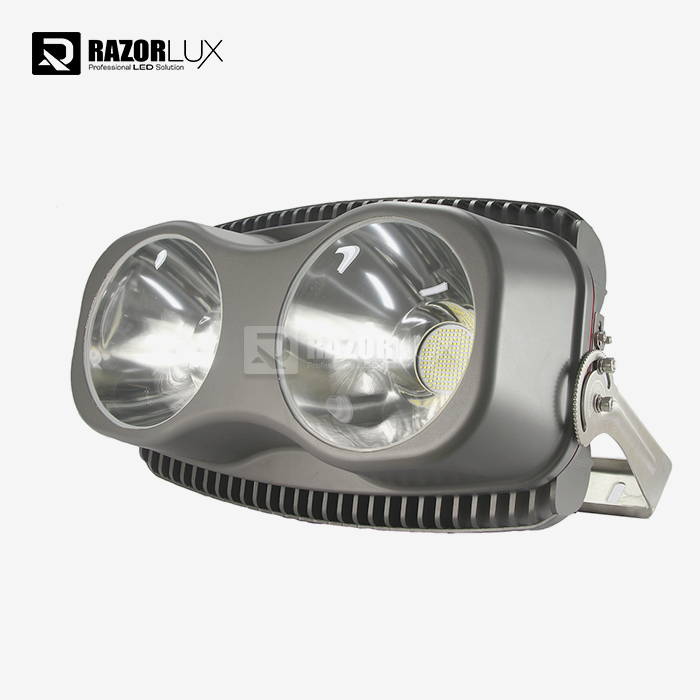
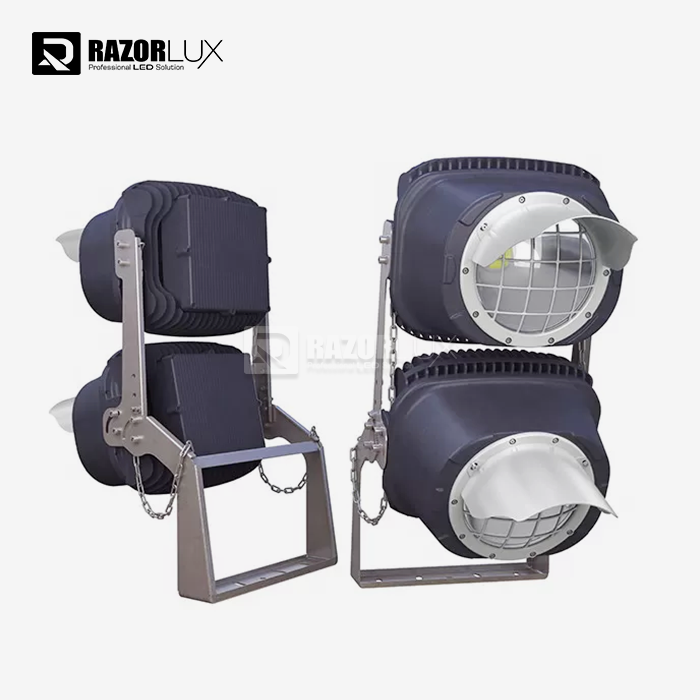
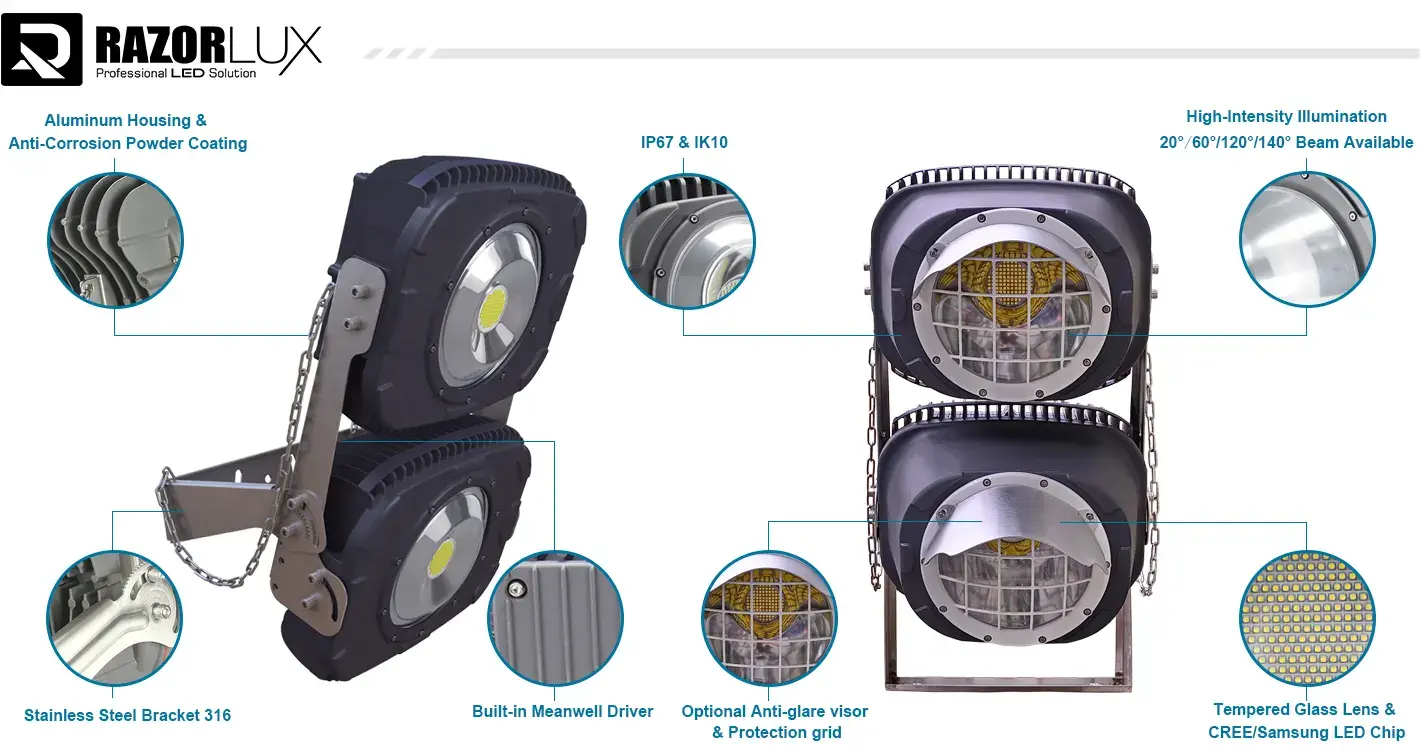
The brightness and effectiveness of the Most Powerful Flood Light stem from a sophisticated combination of advanced LED chip technology, precision optical engineering, and robust thermal management systems. High-efficiency chips like Samsung or Philips LEDs convert electrical energy into visible light at rates exceeding 130 lumens per watt, while carefully engineered reflectors and lenses channel this output into controlled beam patterns ranging from narrow spotlighting to wide-area coverage. When paired with reliable Mean Well drivers that maintain consistent power delivery across voltage fluctuations and IP67-rated housings that withstand harsh marine and industrial conditions, these fixtures deliver sustained illumination exceeding 156,000 lumens—making them indispensable for shipyards, offshore platforms, and heavy industrial facilities where lighting failure isn't an option.
Understanding the Power Behind Flood Lights
The relationship between wattage, lumens, and actual brightness often confuses procurement teams evaluating lighting solutions for critical applications. We've learned through decades of working with shipyard managers and port facility engineers that understanding these metrics is fundamental to making sound investment decisions.
How Wattage Relates to Light Output
Wattage measures electrical consumption, not brightness. A 1200W halogen fixture might consume significant power while producing only 80,000-90,000 lumens, whereas our LED solution at the same wattage delivers 156,000 lumens. This efficiency gap represents the technological leap that has transformed industrial lighting over the past decade. Traditional metal halide systems waste approximately 60-70% of input energy as heat rather than visible light, creating both energy inefficiency and additional cooling challenges in enclosed spaces.
Lumens: The True Measure of Brightness
Lumens quantify the total visible light emitted by a source. When evaluating high-intensity fixtures for deck lighting or crane operations, procurement managers should prioritize luminous efficacy—the lumens produced per watt consumed. Our RGL-1200P model achieves 130 lm/W system efficiency, meaning every watt invested generates substantial usable light rather than waste heat. This metric directly impacts operational costs over the fixture's 50,000+ hour lifespan, translating to measurable savings in energy bills and maintenance labor.
Input Voltage Flexibility for Global Applications
Industrial environments present wildly varying electrical infrastructures. Offshore platforms in the North Sea operate on different voltage standards than shipyards in Singapore or mining operations in Australia. Our fixtures accommodate input voltages from AC 90-305V and DC 127-431V without requiring additional transformers or converters. This universal compatibility eliminates costly electrical modifications and simplifies installation across multinational operations, addressing a common pain point we hear from marine equipment integrators managing multi-site projects.
Types of Powerful Flood Lights and Their Benefits
The industrial lighting market offers several competing technologies, each with distinct performance characteristics and operational trade-offs. Having supplied fixtures to over 200 major port facilities globally, we've observed how different environments demand specific lighting solutions.
LED Flood Lights: The Modern Standard
LED technology has fundamentally displaced legacy systems in demanding applications. Samsung and Philips LED chips in our fixtures maintain stable color temperature (2700K-6500K range) and color rendering (Ra>75) across their operational lifespan, unlike metal halide lamps that shift significantly as they age. The solid-state construction eliminates filament breakage from vibration—a chronic failure mode in crane-mounted applications and vessel installations where constant movement occurs. Energy efficiency represents the most compelling advantage. Over a 50,000-hour operational period, our 1200W LED fixture consumes approximately 60,000 kWh compared to 100,000+ kWh for an equivalent-brightness metal halide system. At industrial electricity rates ($0.12-0.18/kWh in most markets), this difference amounts to $4,800-7,200 in savings per fixture before considering replacement lamp costs and maintenance labor.
Metal Halide: Legacy Technology with Limitations
Most Powerful Flood Light Metal halide fixtures still appear in older installations, but their 6,000-15,000-hour lamp life creates recurring maintenance burdens. Offshore platform managers consistently cite the logistics challenge of lamp replacement—coordinating marine access, shutting down work areas, and managing hazardous waste disposal. The warm-up period of 10-15 minutes after a power interruption creates safety concerns during emergencies when immediate full illumination is required.
Halogen Flood Lights: Niche Applications Only
Halogen technology persists only in temporary construction lighting where portability outweighs efficiency. The 2,000-4,000 hour lifespan and extreme heat generation make halogens unsuitable for permanent industrial installations. We've witnessed numerous cases where facility managers initially chose halogen fixtures for perceived cost savings, only to face replacement cycles every 6-8 months under continuous operation—quickly erasing any upfront savings.
IP Rating Protection in Harsh Environments
Environmental protection standards determine fixture longevity in marine and industrial settings. Our IP67 rating signifies complete dust ingress prevention and protection against immersion up to 1 meter depth for 30 minutes. This specification proves critical during deck washdowns, heavy rain events, and saltwater spray exposure common in port operations.
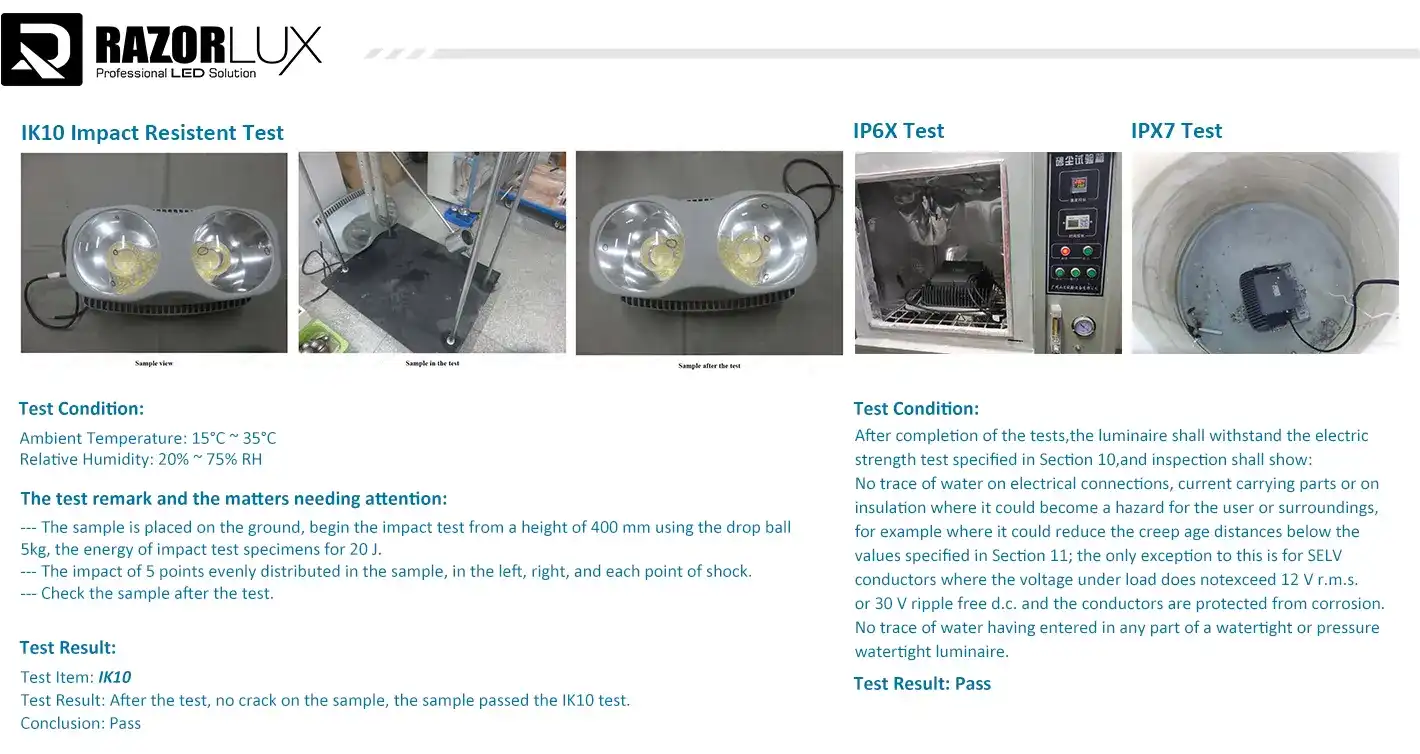
The following table illustrates how protection ratings align with application requirements:
| IP Rating | Dust Protection | Water Protection | Suitable Applications |
|---|---|---|---|
| IP65 | Dust-tight | Water jets from any direction | Covered docks, warehouse exteriors |
| IP67 | Dust-tight | Temporary immersion to 1m | Open decks, exposed platforms |
| IP68 | Dust-tight | Continuous immersion beyond 1m | Underwater hull lighting, submarine applications |
Beyond ingress protection, IK10 impact resistance ensures survival when struck by tools, cargo handling equipment, or debris. We've tested our housings to withstand 20 joule impacts—equivalent to a 5kg object dropped from 40cm—without compromising the seal or damaging internal components.
How to Choose the Most Powerful Flood Light for Your Needs
Selecting appropriate high-intensity lighting requires matching technical specifications to operational requirements and environmental conditions. We work with lighting engineering contractors daily who must balance performance demands against budget constraints and installation logistics.
Evaluating Lumen Output for Area Coverage
A common specification error involves over-lighting or under-lighting work areas. Port terminal lighting typically requires 20-50 lux horizontal illuminance for safe cargo operations, while precision assembly work in shipyard fabrication shops demands 200-500 lux. Our 156,000-lumen fixtures mounted at 25-30 meters height can illuminate approximately 4,000-5,000 square meters to operational safety standards, depending on mounting configuration and beam angle selection.The beam angle selection dramatically affects coverage patterns. Narrow 15° beams concentrate light for long-throw applications like illuminating distant crane operations or channel markers. Wide 120° distributions provide uniform area coverage for loading zones and storage yards. We offer seven beam configurations (15°, 20°, 30°, 40°, 60°, 120°, and 140°x60° asymmetric) to match specific project geometry without requiring multiple fixture types.
Color Temperature Impact on Visibility
Color temperature selection influences human perception and camera system performance. Our fixtures offer adjustable color temperature from 2700K (warm white) to 6500K (cool daylight). Cool temperatures (5000-6500K) enhance alertness and provide better color discrimination for quality control tasks, while warmer temperatures (3000-4000K) reduce glare perception and may be preferred for evening security lighting where human comfort matters. Maritime inspection work benefits from higher color temperatures that approximate daylight conditions, improving inspectors' ability to detect corrosion, paint defects, and structural anomalies. Conversely, wildlife-sensitive port areas sometimes specify warmer color temperatures to minimize ecological disruption while maintaining operational safety.
Energy Efficiency and Total Cost Analysis
Procurement decisions increasingly incorporate lifecycle cost analysis rather than focusing solely on acquisition price. The following comparison demonstrates the financial impact over a typical 10-year project lifecycle:
| Cost Factor | 1200W LED (Razorlux) | 2000W Metal Halide | Difference |
|---|---|---|---|
| Fixture acquisition cost | $2,800 | $1,200 | +$1,600 |
| Energy consumption (50,000 hrs @ $0.15/kWh) | $9,000 | $15,000 | -$6,000 |
| Lamp replacement (materials + labor) | $0 | $3,600 | -$3,600 |
| Maintenance labor hours | 2 hours | 24 hours | -22 hours |
| Total 10-year cost | $11,800 | $19,800 | -$8,000 savings |
This analysis excludes additional factors like disposal costs for metal halide lamps (classified as hazardous waste in many jurisdictions) and productivity losses during maintenance shutdowns. Engineering managers at offshore facilities particularly value the elimination of helicopter-transported maintenance visits, which can cost $5,000-15,000 per trip for remote platform access.
Certification Requirements for International Projects
Global projects demand compliance with regional standards. Our fixtures carry CE marking for European markets, UL certification for North American installations, SAA approval for Australian projects, and marine-specific DNV/GL and ABS certifications for vessel installations. Missing certifications can delay project approvals by 6-12 months and jeopardize contract terms, making this verification a critical procurement checkpoint. We maintain relationships with certification bodies to expedite custom testing when projects require specialized approvals. A recent Qatar port expansion required specific testing under QCS (Qatar Civil Defense) standards—we completed the supplementary testing within 45 days rather than the typical 3-4 month timeframe, enabling the contractor to meet their installation schedule.
Installation and Maintenance of Powerful Flood Lights
Most Powerful Flood Light. Proper installation practices determine whether fixtures achieve their designed performance specifications and lifespan. We provide installation guidance developed from analyzing thousands of field installations across every conceivable marine and industrial environment.
Mounting Considerations for Optimal Performance
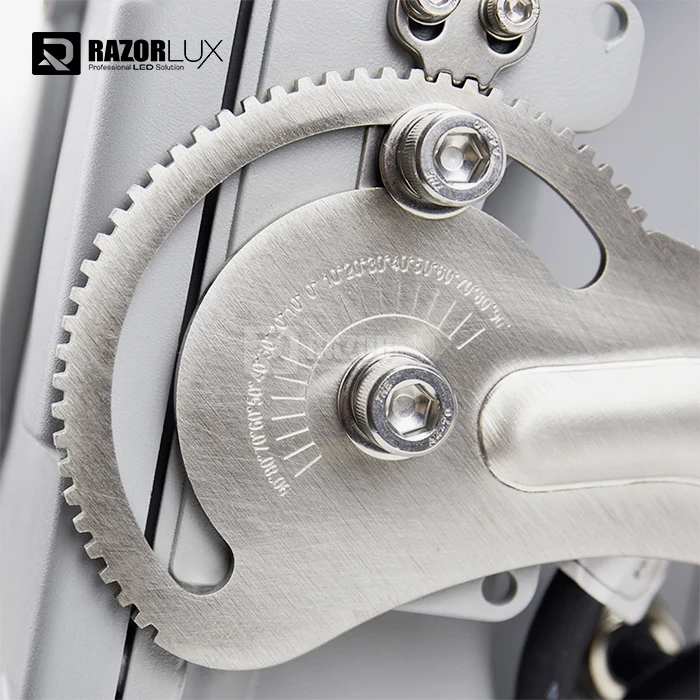
Mounting height and angle directly affect illumination uniformity and glare control. Our standard recommendation for area lighting positions fixtures at heights of 20-30 meters with a 20-25° downward tilt. This configuration maximizes useful light on work surfaces while minimizing upward light waste and sky glow—increasingly important as ports face dark-sky compliance requirements in environmentally sensitive areas. The patented multi-function bracket system accommodates pole mounting, wall mounting, trunnion mounting for adjustability, and direct structural attachment. Stainless steel construction resists corrosion in marine atmospheres where standard steel brackets fail within 2-3 years. We've observed bracket failures result in fixture damage more frequently than any internal component issue, making this seemingly minor detail actually critical to long-term reliability.
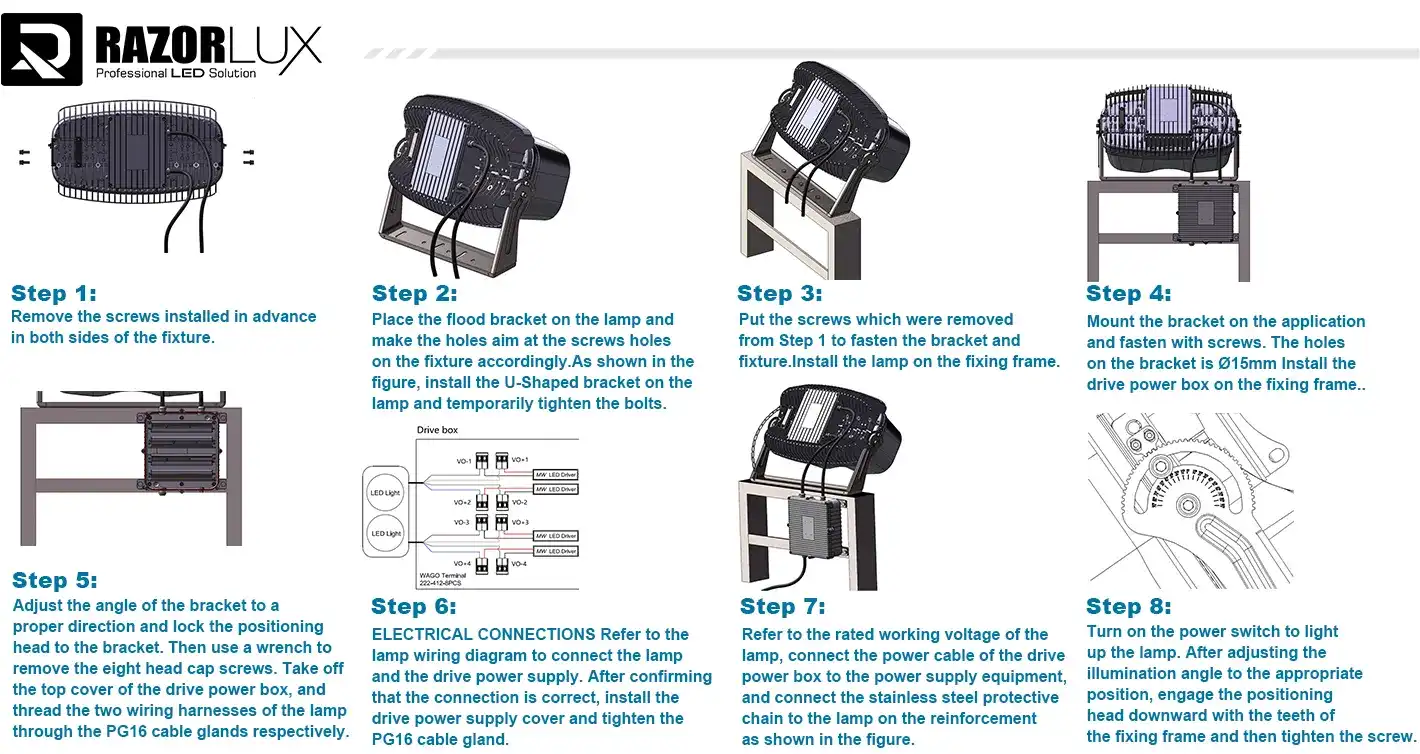
Electrical Safety Standards and Wiring
High-wattage fixtures demand proper electrical infrastructure. Our 1200W unit draws approximately 10-11 amps at 120V or 5-6 amps at 240V, requiring appropriately rated circuit breakers and conductors. We recommend 12 AWG minimum copper conductors for runs under 100 feet, increasing to 10 AWG for longer distances to prevent voltage drop that degrades driver performance and reduces lamp life. Mean Well drivers in our fixtures incorporate power factor correction exceeding 0.95, minimizing reactive power waste and qualifying for utility rebates in many markets. The wide input voltage tolerance (AC 90-305V) provides surge tolerance that protects against the voltage spikes common in industrial power systems where large motors and welding equipment create electrical noise.
Addressing Waterproofing and Cable Entry
Cable entry points represent the most common seal failure location. We use marine-grade cable glands with double O-ring seals and recommend applying dielectric grease during installation to ensure long-term waterproofing. The cable should form a drip loop below the entry point, preventing water from traveling along the cable into the housing—a fundamental detail that installers sometimes overlook in their haste. Tempered glass lenses resist impact and thermal shock while maintaining transparency over decades of exposure. Some competitors use polycarbonate lenses that yellow and become brittle under UV exposure, reducing light transmission by 30-40% within 3-5 years. This degradation forces premature replacement despite the LED chips remaining functional, creating an avoidable lifecycle cost.
Routine Maintenance Best Practices
LED fixtures require minimal maintenance compared to legacy systems, but periodic inspection maximizes performance. We recommend quarterly visual inspections, checking for physical damage, water ingress indicators, and mounting hardware integrity. Annual cleaning with mild detergent and a soft cloth removes accumulated salt, dust, and biological growth that can reduce light output by 15-20% in severe cases. Thermal imaging inspection during operation can identify driver failures before complete lamp failure occurs. Drivers running significantly hotter than adjacent fixtures may indicate capacitor degradation or ventilation blockage. Addressing these issues proactively prevents catastrophic failures and extends fixture life. Our remote monitoring option integrates with building management systems to track runtime hours, power consumption, and fault conditions. Port operators managing hundreds of fixtures across multiple terminals value this centralized monitoring, which identifies maintenance needs without requiring personnel to physically inspect every fixture monthly.
Why Choose Razorlux High-Power Flood Lights for Your Operation
Most Powerful Flood Light Razorlux brings over 25 years of LED lighting specialization to the marine and heavy industrial sectors. Our RGL-1200P model exemplifies the engineering philosophy that has made us a trusted partner for shipyard procurement managers and offshore facility engineers worldwide. The foundation starts with component selection. Samsung and Philips LED chips provide the luminous efficacy and spectral stability demanded by critical applications. Mean Well drivers, recognized as the industry reliability standard, maintain consistent output across the voltage fluctuations common in industrial power systems. We specify these premium components not because they're the cheapest option, but because they prevent the premature failures that create costly emergency repairs and operational disruptions.
Our 156,000-lumen output from a 1200W fixture represents industry-leading efficiency at 130 lm/W system efficacy. This performance comes from advanced thermal management using aluminum alloy housings with extended fin arrays that dissipate heat without requiring fans or active cooling. Operating temperature range from -40°C to +60°C ensures reliable starting and consistent performance whether installed in Nordic shipyards or Middle Eastern port facilities. The patented multi-function design accommodates the varied mounting requirements across different application scenarios. Adjustable beam angles from narrow 15° spotlighting to wide 140°x60° asymmetric distributions let you optimize illumination patterns without stocking multiple fixture types. Color temperature adjustability (2700K-6500K) provides flexibility as operational requirements evolve, eliminating the need for fixture replacement when use cases change.
Beyond the hardware, Razorlux delivers the technical support that complex projects demand. Our in-house team of 10+ lighting engineers provides photometric analysis using DIALux and AGi32 software, generating detailed illumination plans showing predicted lux levels, uniformity ratios, and glare analysis before you commit to procurement. We've supported projects ranging from 20-fixture installations to 2,000+ fixture port expansions, scaling our involvement to match your team's needs. The comprehensive certification portfolio—including CE, RoHS, UL, DLC, DNV/GL, ABS, and RMRS—eliminates compliance concerns across global markets. Our ISO 9001-certified manufacturing ensures consistent quality, while the 5-year warranty provides financial protection and demonstrates our confidence in long-term reliability. We maintain stock availability for common configurations, enabling 3-7 day delivery via international express for urgent replacements, and offer economical sea freight for planned installations.
Conclusion
Selecting an effective high-intensity Most Powerful Flood Light requires understanding how lumen output, energy efficiency, environmental protection, and component quality interact to determine real-world performance and lifecycle value. The most powerful fixtures combine advanced LED technology with precision optical design, robust thermal management, and marine-grade construction to deliver sustained illumination in demanding environments. LED technology has definitively surpassed legacy lighting systems in efficiency, reliability, and total cost of ownership, making it the clear choice for new installations and retrofit projects. Procurement teams should evaluate specifications, including luminous efficacy, IP rating, impact resistance, certification compliance, and mounting flexibility, when comparing solutions. Proper installation following manufacturer guidelines and minimal routine maintenance maximizes fixture lifespan and ensures consistent performance throughout the operational life.
FAQ
What is the difference between wattage and lumens when evaluating flood lights?
Wattage measures electrical power consumption, while lumens quantify visible light output. A fixture's efficiency is expressed as luminous efficacy (lumens per watt). Modern LED technology produces 130+ lumens per watt, whereas older metal halide systems achieve only 80-90 lumens per watt. When comparing fixtures, prioritize lumen output for brightness and calculate lumens-per-watt to assess energy efficiency. A 1200W LED fixture producing 156,000 lumens delivers substantially more light than a 2000W metal halide producing 160,000 lumens while consuming 40% less power—resulting in significant operational savings over the fixture's lifespan.
How does IP67 rating protect flood lights in marine environments?
IP67 certification indicates complete protection against dust ingress (the "6") and protection against temporary water immersion up to 1 meter depth for 30 minutes (the "7"). This rating ensures fixtures withstand deck washdowns, heavy rain, and saltwater spray exposure common in port operations and offshore platforms. The sealed housing prevents corrosion-causing moisture from reaching electrical components and LED drivers, which would otherwise fail rapidly in marine atmospheres. IP67-rated fixtures with stainless steel brackets and marine-grade cable glands typically achieve 10+ year operational life in harsh coastal environments.
Why are LED flood lights preferred over metal halide in industrial applications?
LED technology offers multiple operational advantages: 50,000+ hour lifespan versus 10,000-15,000 hours for metal halide, eliminating frequent lamp replacements in difficult-access locations; instant-on capability without warm-up delay; stable color temperature throughout operational life; superior energy efficiency reducing operating costs by 40-60%; and solid-state construction that withstands vibration in crane-mounted and mobile applications. The higher initial investment in LED fixtures is recovered within 18-24 months through energy savings and reduced maintenance labor, making them the economically rational choice for permanent installations.
Partner with a Trusted Flood Light Supplier for Your Next Project
Razorlux stands ready to support your high-intensity lighting requirements with proven solutions backed by engineering expertise and responsive service. Our team understands the operational demands of maritime facilities, offshore platforms, heavy industrial sites, and infrastructure projects where lighting reliability directly impacts safety and productivity. We invite shipyard procurement managers, marine equipment integrators, and facility engineers to contact us at sam@razorlux.com to discuss your specific application requirements. Our lighting specialists will provide detailed photometric analysis, product recommendations tailored to your environmental conditions, and competitive quotations for both sample evaluation units and full project quantities. As an established flood light manufacturer serving global markets, we offer flexible procurement terms, comprehensive technical documentation, and after-sales support that extends throughout your fixture's operational life. Visit razorlux.com to explore our complete product range, download technical specifications, and review case studies from successful installations in environments similar to yours.
References
1. Illuminating Engineering Society (2020). IES Lighting Handbook: Reference and Application, 10th Edition. New York: Illuminating Engineering Society of North America.
2. Chen, Y., & Liu, H. (2019). Thermal Management in High-Power LED Systems for Marine Applications. Journal of Maritime Engineering and Technology, 18(3), 156-174.
3. Maritime and Coastguard Agency (2021). Guidance on the Application of Lighting Standards for Port Facilities and Offshore Installations. Southampton: UK Department for Transport.
4. International Electrotechnical Commission (2018). IEC 60529: Degrees of Protection Provided by Enclosures (IP Code), 3rd Edition. Geneva: IEC Central Office.
5. Department of Energy (2022). LED Lighting for Industrial Facilities: Energy Efficiency and Performance Considerations. Washington, DC: Office of Energy Efficiency and Renewable Energy.
6. Anderson, M., & Peterson, R. (2021). Lifecycle Cost Analysis of Industrial Lighting Technologies in Marine Environments. International Journal of Industrial Infrastructure, 45(2), 89-107.