

_1750326878398.png)

What Voltage Options Are Available for Marine Flood Lights?
Understanding voltage compatibility is very important when choosing lights for ships and sites in the ocean. Marine flood lights usually work with a range of voltages so they can work with a variety of ship electrical systems. Low-voltage DC configurations (12V and 24V for smaller boats and emergency systems) and high-voltage AC configurations (110V to 240V for business ships and industrial platforms) are standard. Modern fixtures, like those made by Razorlux, are very flexible because they can accept a wide range of voltages (AC90-305V and DC127-431V). This makes them compatible with a wide range of maritime uses around the world and keeps their performance stable even when power changes, which is common in marine settings.
Understanding Marine Flood Light Voltage Basics
What Is Voltage and Why Does It Matter in Marine Lighting?
Voltage is the difference in electrical potential that makes current flow through lighting circuits. Choosing the right voltage for maritime uses has a direct effect on operating safety, energy economy, and the life of the equipment. In contrast to systems on land that are connected to a stable power grid, voltage changes on boats are caused by changes in generator load, engine start-up surges, and battery discharge cycles. When the power is properly matched, your lighting equipment will work reliably and won't break down early, which could be dangerous. The electricity systems on ships are very different depending on their size and purpose. Most recreational boats use 12V DC battery systems, while business ships have 110V or 220V AC engines built in. Knowing these basic differences helps procurement managers avoid mistakes that cost a lot of money and make sure that the new system works well with the old electricity system.
Common Voltage Ranges in Maritime Environments
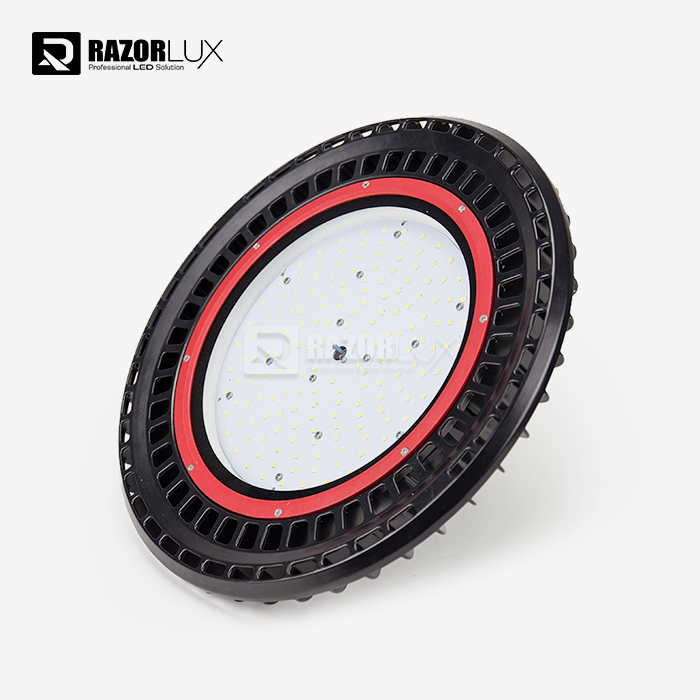
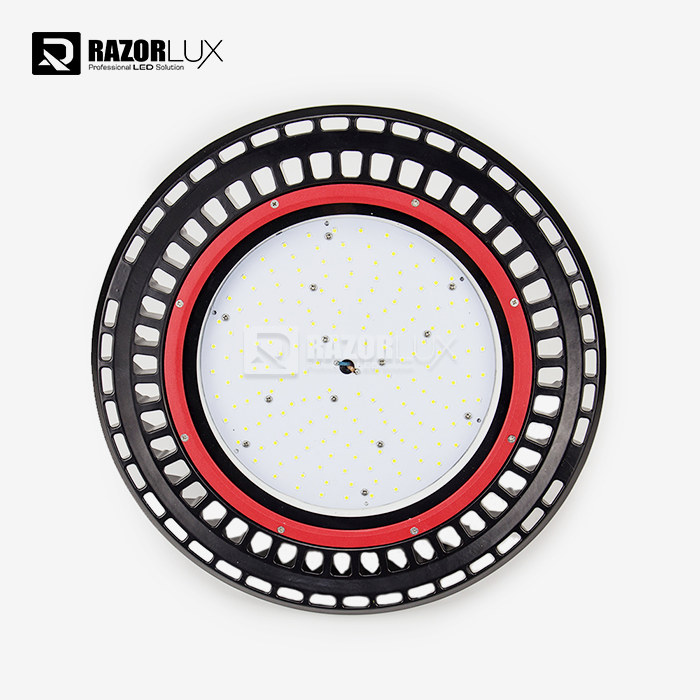
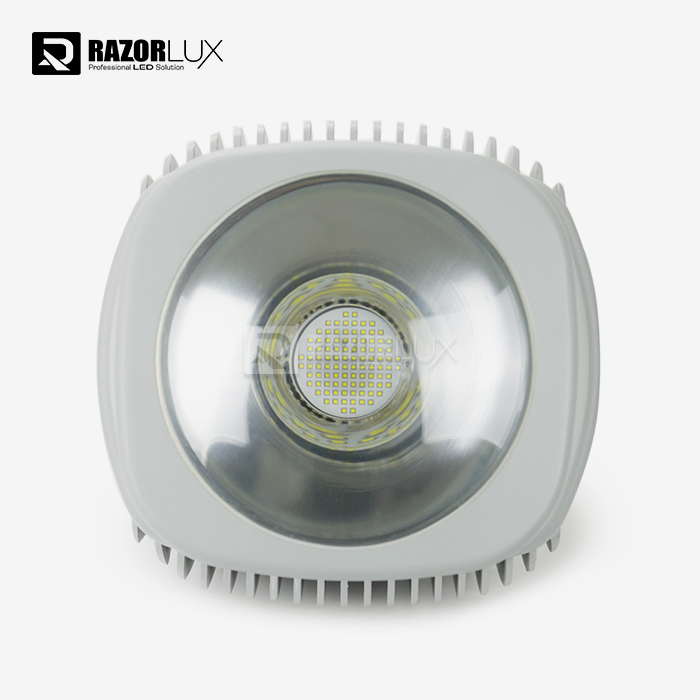
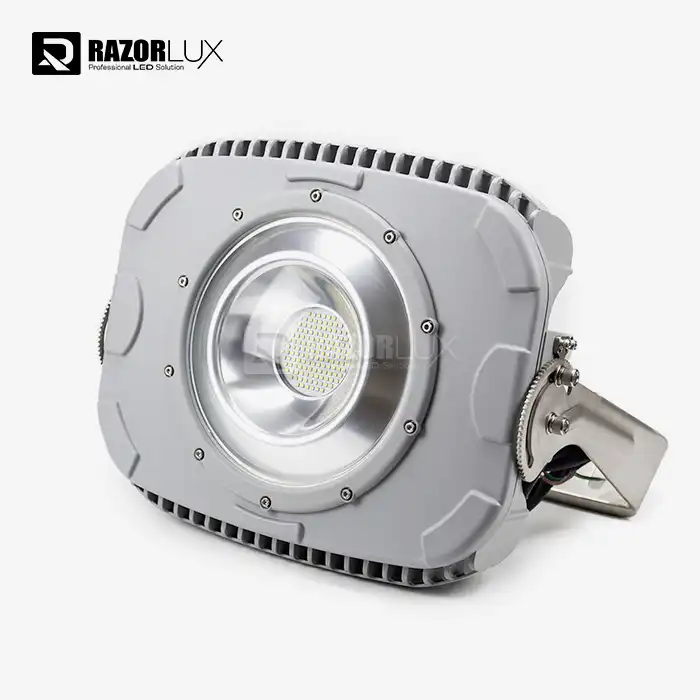
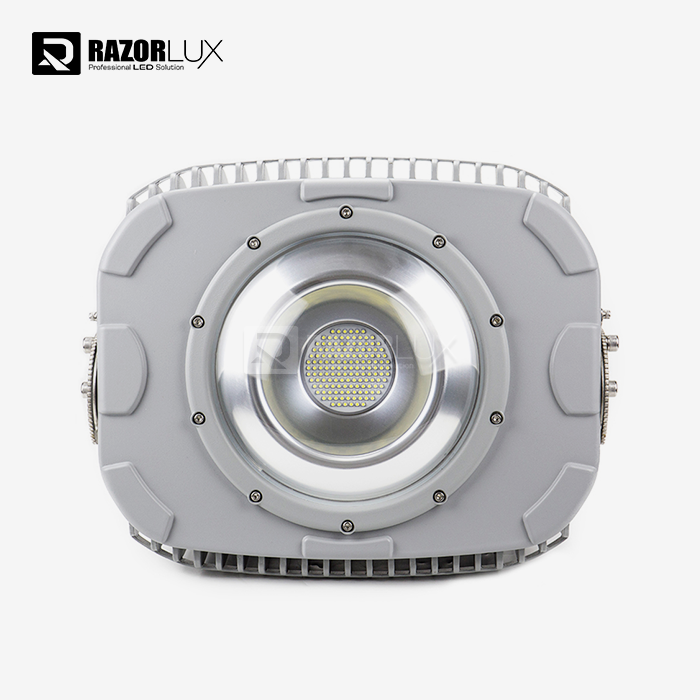
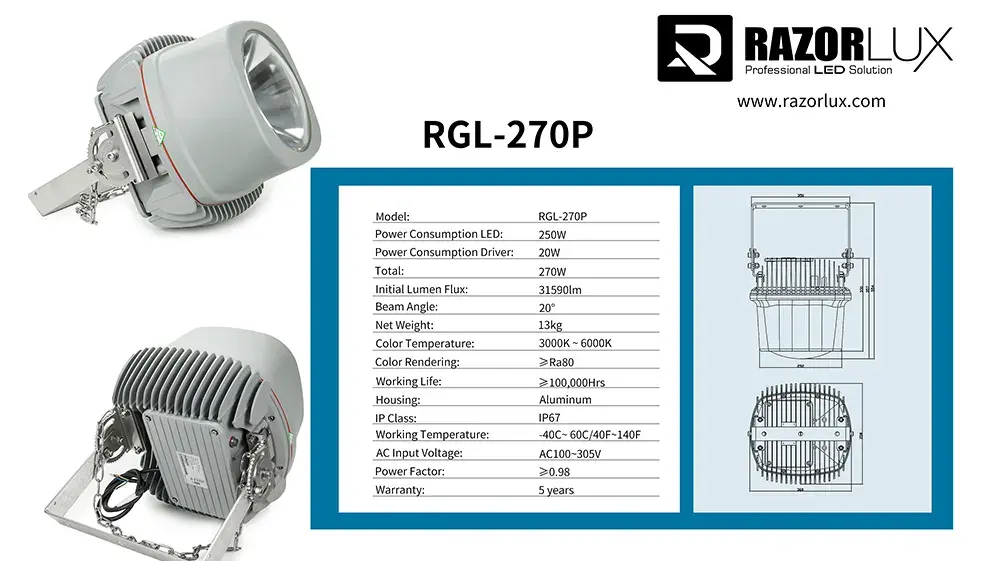
Three main types of power are used for maritime lighting uses. Low-voltage DC systems (12V-24V) are most common on smaller boats and in emergency backup circuits. They are safer because they reduce the risk of shock and make it easier to connect batteries. Mid-range voltage systems (110V AC) are common on business ships in North America because they meet the region's electrical guidelines. High-voltage configurations (220–240V AC) are used by international shipping companies and offshore sites with equipment that needs a lot of power. Razorlux's unique multi-function design meets all of these different needs by supporting all kinds of input devices. Our RGL-270P type can accept sources from AC90-305V and DC127-431V without the need for extra adapters. This means that you don't have to keep stock of voltage-specific items, and it's easier to buy things from other countries. This adaptability is very helpful when updating mixed ships or sending parts for global marine projects.
Regional Voltage Standards Across Global Maritime Markets
There are a lot of different electrical standards in foreign waters. European marine rules mostly call for 230V AC devices, which is what all EU member states' shore-based infrastructure uses. North American ships usually use 120V AC lines, which is the same as homes and businesses in the US and Canada. More variety can be found in the Asia-Pacific marine areas. For example, Japan uses 100V systems, while Singapore and Malaysia use 230V standards. It's not enough to just match the voltage to meet area guidelines. For example, to get a CE mark for European markets, UL approval for operations in North America, or RMRS clearance for use in Russian maritime use, the product has to go through strict testing at certain voltage levels. Our fixtures have a lot of foreign certifications, like RMRS, CE, RoHS, SAA, C-Tick, UL, DLC, CB, and ISO:9001. This paperwork helps technical departments review specifications and helps buying departments find good vendors.
Key Voltage Options Available for Marine Flood Lights
12V DC Systems for Small Vessels and Emergency Applications
Low-voltage 12V DC lighting systems are great for leisure boats, tenders, and backup power systems in case of a disaster. Battery-powered 12V devices don't need a generator to work, so they can be used to light up even when the engine is being serviced or when the power goes out. The lower voltage lowers the risk of electricity in wet places where crew members often touch things when the seas are rough. However, 12V units have some problems that make them less useful. Voltage drop is a problem for long wire runs because they need lines that are too big, which raises the cost of installation and adds weight. At lower voltages, current flow increases. For example, a 100W fixture running on 12V needs about 8.3 amps, but only 0.9 amps at 110V. This means that the wire needs to be thicker and the circuit safety needs to be stronger. Because of these things, 12V setups work best for small systems with short cable runs.
Even with these problems, new LED technology has brought low-voltage uses back to life. High-efficiency LEDs that give 130LM/W use a lot less power than older halogen marine flood lights, which means that battery-powered 12V systems can be used for longer periods of time. When 12V LED floodlights are combined with solar charging systems, they make environmentally friendly lighting options for remote maritime sites and anchored boats.
24V DC Systems: Balancing Efficiency and Performance
The 24V DC configuration is a good compromise for business boats, workboats, and security boats that are about the same size. When you double the voltage compared to 12V systems, the current draw drops by half for the same amount of power output. This lets you use smaller conductors in longer wire runs. This voltage level stays low enough to keep safety features that are strong while also making the whole distribution system more efficient. 24V lighting solutions are especially helpful for commercial fishing boats. Floodlights placed on the deck that run on 24V power provide strong lighting for handling nets and processing fish, even when heavy machinery and diesel engines are running all the time. Because less current is needed, wire harnesses can be made more easily and can handle the rough conditions of industrial fishing.
The fact that 24V systems can work with battery banks makes the case even stronger. A lot of business ships use 24V starter batteries and other power systems, which lets lighting circuits connect straight to the ship's current electrical system. This combination makes installation easier and gets rid of the need for voltage conversion equipment, which adds more places where things can go wrong and needs more upkeep.
High-Voltage AC Systems (110V-240V) for Commercial and Industrial Applications
Large business ships, offshore platforms, and port buildings need high-voltage AC lighting systems that can handle a lot of fixtures spread out over a long distance. Running at 110V, 220V, or 240V AC makes it possible to send power across hundreds of meters of ship superstructures without having to worry about high wire costs or voltage drop, which are problems that come up with low-voltage systems.
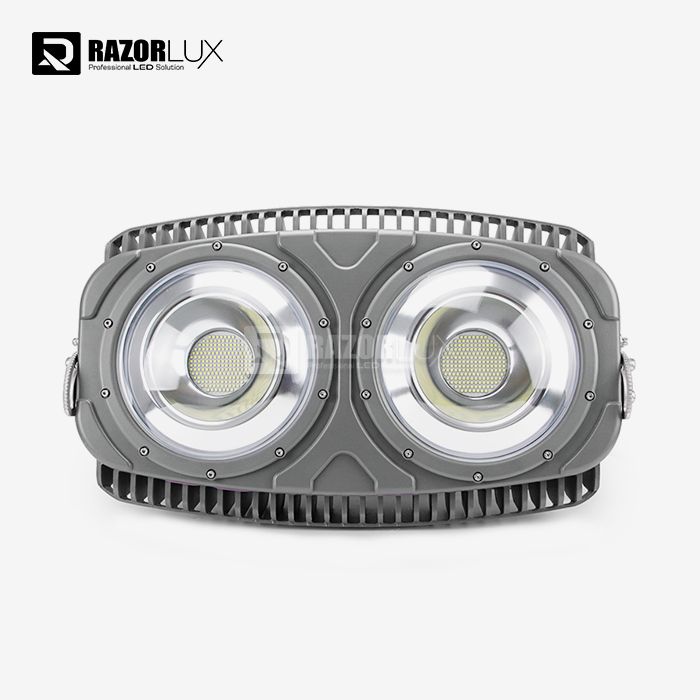
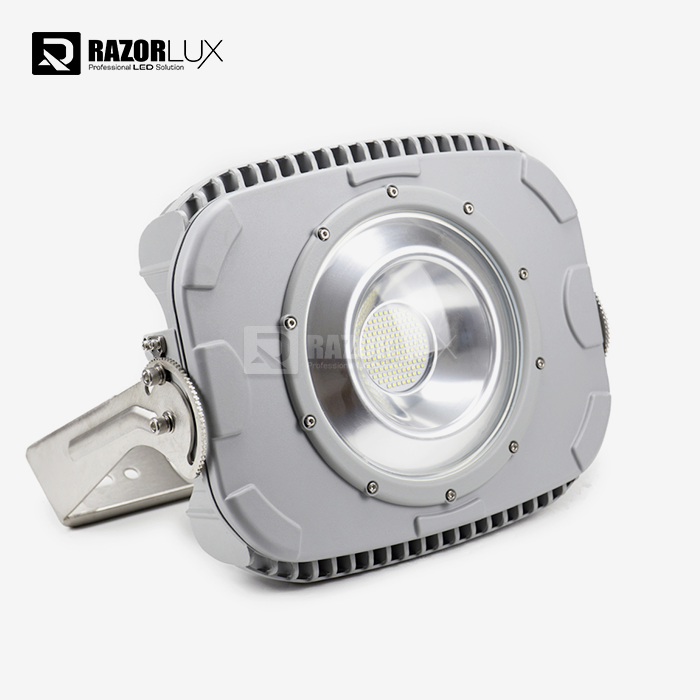
Fixtures made for industry that work on high-voltage AC lines give better results in tough situations. Our 270W RGL-270P type, which has a steady flux output of 29,700 lumens, can replace 600–1000W HID lights and uses 80% less energy. This huge increase in efficiency cuts down on generator fuel use, which is very important for offshore platforms and long-distance shipping operations, where every liter of diesel has cost and logistics effects.
The following table illustrates key performance characteristics across voltage configurations:
| Voltage Type | Typical Applications | Cable Run Efficiency | Safety Profile | Generator Compatibility |
|---|---|---|---|---|
| 12V DC | Boats for fun, emergency links | Not good (high current) | Very good (low chance of pain) | Dependent on battery |
| 24V DC | Workboats and fishing boats | Moderate | Very good | Dual-battery devices can use it |
| 110V AC | Commercial ships in North America | Good | Good (must have GFCI) | Normal power for a generator |
| 220-240V AC | Offshore bases and international shipping | Excellent | Good (needs the right foundation) | The world standard |
When installing high-voltage equipment, you have to be very careful. Marine-grade circuit breakers, proper grounding, and waterproof connections marked IP67 or higher stop electrical problems that could put the safety of the vessel at risk. Razorlux lights use modern driver technology that has power factors above 0.98 and overall harmonic distortion below 10%. This makes sure that the electricity works cleanly, which lowers the stress on generators and makes equipment last longer.
How to Choose the Right Voltage for Your Marine Flood Lights?
Assessing Your Vessel's Electrical Infrastructure
Before choosing a voltage, all current electrical systems must be carefully looked over. Write down the generator output voltage, battery bank setup, and distribution panel specs for your boat. When building something new, shipyard buying managers should ask for full electrical schematics. When fixing something old, they should have trained marine electricians do detailed surveys.
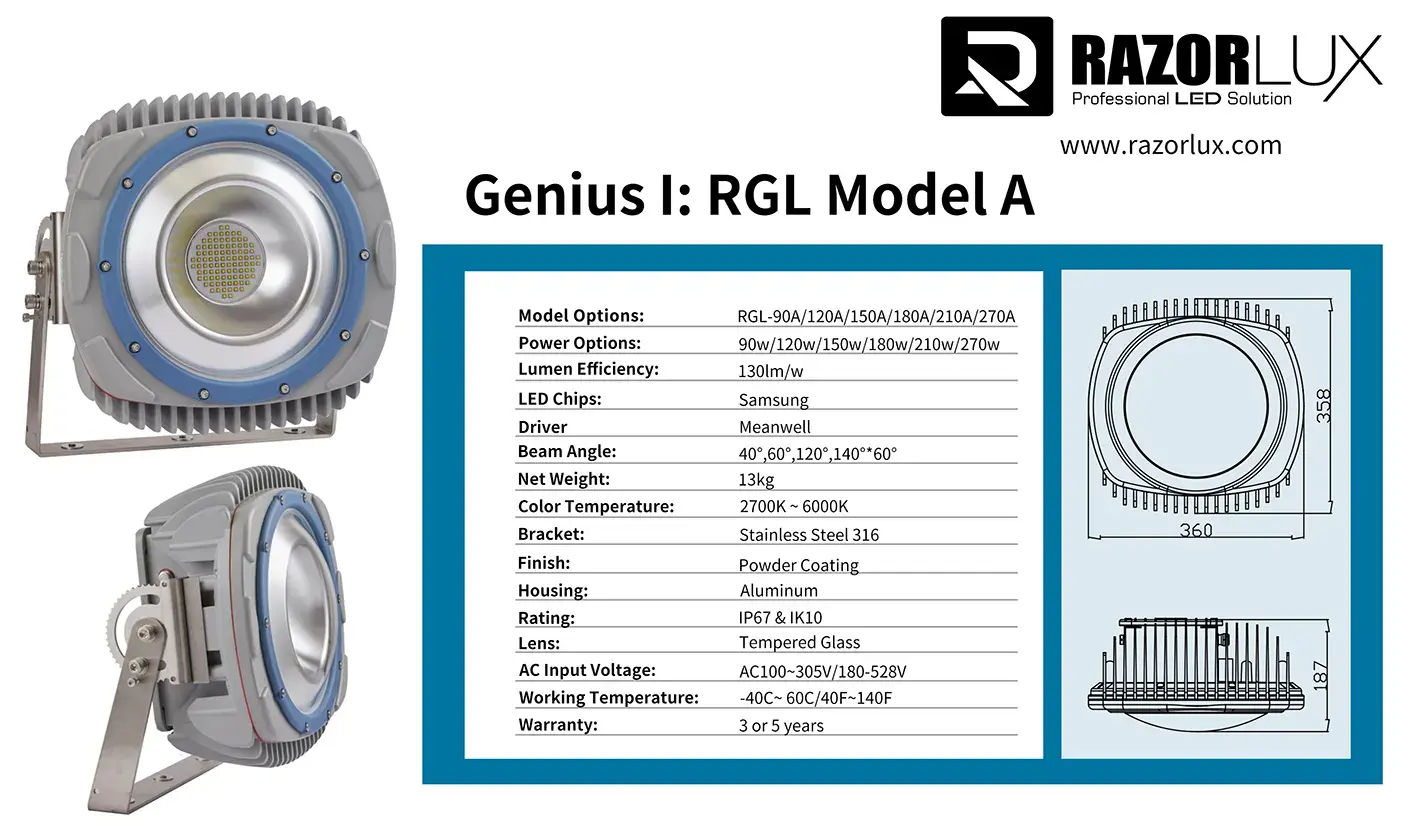
During initial reviews, think about how much space will be needed for future growth. Lighting systems with wide input voltage limits are helpful for ships that are getting small updates to their equipment. Razorlux's universal input range (AC90-305V, DC127-431V) works with ships that are switching between different electrical setups or that are working in countries where the voltages on land are different. This adaptability keeps things from becoming outdated too quickly and safeguards big investments made in lighting systems.
Another important issue is the electrical load capacity. Figure out how much lighting power is needed in all installation zones, then make sure the generator has enough power and the circuit breakers are rated correctly. Marine electrical systems usually leave 20 to 30 percent of their capacity available to handle starting spikes and running multiple pieces of equipment at the same time. If you go over these limits, you could get annoying circuit breaker trips and engine overloads.
Regulatory Compliance and Safety Standards
International rules are very strict about how maritime lighting systems must work. Several classification groups, such as DNV/GL (Det Norske Veritas/Germanischer Lloyd) and ABS (American Bureau of Shipping), set voltage-dependent safety standards for things like insulation resistance, grounding setups, and circuit protection methods. Installations that don't follow the rules put vessel licenses at risk and make companies more likely to be sued in marine accidents.
Adding to the confusion are regional laws. European Union marine laws say that all electrical equipment on EU-flagged ships must meet CE compliance standards. This means that the equipment must be tested in writing at minimum voltage levels with tolerance ranges. The US Coast Guard's rules refer to UL marine standards, which list different building needs based on the voltage level. Certification from the Russian Maritime Register of Shipping (RMRS) includes special testing procedures that are especially important for ships that work in the Arctic.
Purchasing managers should give more weight to makers with complete certification packages. Our parts have been approved all over the world, so there are no gaps in the paperwork that slow down project approvals and vessel checks. When technical teams look over specs, full certification packages show that they did their research and make the buying process go faster.
Operational Cost Implications and Energy Efficiency
The total cost of ownership includes more than just the price of buying the item. Lifecycle costs are affected by how much energy is used, how often maintenance is needed, and how often replacements are needed over the usual 10 to 15-year service terms for maritime equipment. When compared to old metal halide or high-pressure sodium lights that used 40 to 60 LM/W, LED technology's 130 LM/W economy saves a lot of money on operations.
Use real operating profiles to figure out the annual cost of energy. Every year, offshore platforms that are lit up 24 hours a day, seven days a week, add up to 8,760 hours of operation, while commercial ships usually log between 4,000 and 6,000 hours, based on trade routes and operational trends. A 270W LED light that is used for 6,000 hours a year uses 1,620 kWh, while the same 1000W HID lamp uses 6,000 kWh. This is a 73% energy savings that directly translates to fuel savings.
The following table presents lifecycle cost comparisons across lighting technologies:
| Technology | Initial Cost | Annual Energy Cost (6000 hrs) | Maintenance Cost/Year | Lifespan | 10-Year Total Cost |
|---|---|---|---|---|---|
| HID 1000W | $850 | $600 | $200 (new lamps and ballasts) | 6,000 hours | $9,850 |
| LED 270W (Razorlux RGL-270P) | $1,200 | $162 | $40 (the least) | 50,000 hours | $2,820 |
These estimates are based on the assumption that diesel generators use energy at a rate of $0.10/kWh. Even more money is saved on offshore sites where fuel costs are higher. Reduced upkeep needs make LEDs even more cost-effective—our fixtures have a 50,000-hour life, so they don't need to be relamped many times, which wastes expensive expert time and causes the ship to be shut down.
Tailored Recommendations for Different Marine Applications
Recreational boats that are less than 40 feet long should focus on 12V DC systems that can connect to current battery systems. Choose lights that don't use a lot of power to make the battery last longer and reduce the number of times it needs to be charged. Think about LED floodlights that can be powered by the sun for long-term use at anchorages that don't have access to port power.
24V DC setups are good for commercial fishing boats between 60 and 120 feet long because they provide enough power for deck activities while also making the electricity safer. Choose fixtures with an IK10 impact grade and an IP67 sealing to make sure they can handle being washed harshly and being hit by fishing gear. In harsh working conditions, construction that doesn't shake is important.
Large business ships, offshore platforms, and port infrastructure sites need high-voltage AC systems (110V–240V) that can power a lot of fixtures. Focus on energy efficiency to keep power loads and fuel use as low as possible. Choose fixtures that can handle a wide range of input voltages so they can be used in international operations and with shore power lines that use different electrical standards.
Installation Best Practices and Challenges Related to Voltage
Wiring Considerations and Voltage Drop Prevention
Things to think about when wiring and how to stop voltage drops: when conductors are the right size, voltage drops don't happen, which hurts lights and poses safety risks. Marine electrical rules set maximum voltage drop limits, which are usually 3% for lighting systems, to keep the voltage at the fixture connections at a safe level. Figure out the voltage drop by using the wire's gauge, length, current draw, and the qualities of the material it's made of. Then, choose conductors that are the right size and meet or exceed the requirements. For low-voltage systems, the size of the conductors needs extra care. Over long wire runs, the voltage drops a lot for a 100W 12V light that draws 8.3 amps. A 50-foot cable run with 14AWG copper wire causes a drop of about 2.1 volts, which is 17.5% of the standard voltage. This seriously lowers the light output and could damage LED drivers. If you switch to 10AWG wires, the voltage drop drops to 0.8 volts (6.7%), which is still within acceptable performance limits.
Because they need less power, high-voltage circuits can handle longer wire runs with smaller conductors. At 220V, a 270W light only uses 1.2 amps, which means that 14AWG wires can be used for 100-foot cable runs with no voltage drop. This benefit makes installs easier on big ships and lowers the cost of copper in large lighting networks.
Circuit Protection and Safety Devices
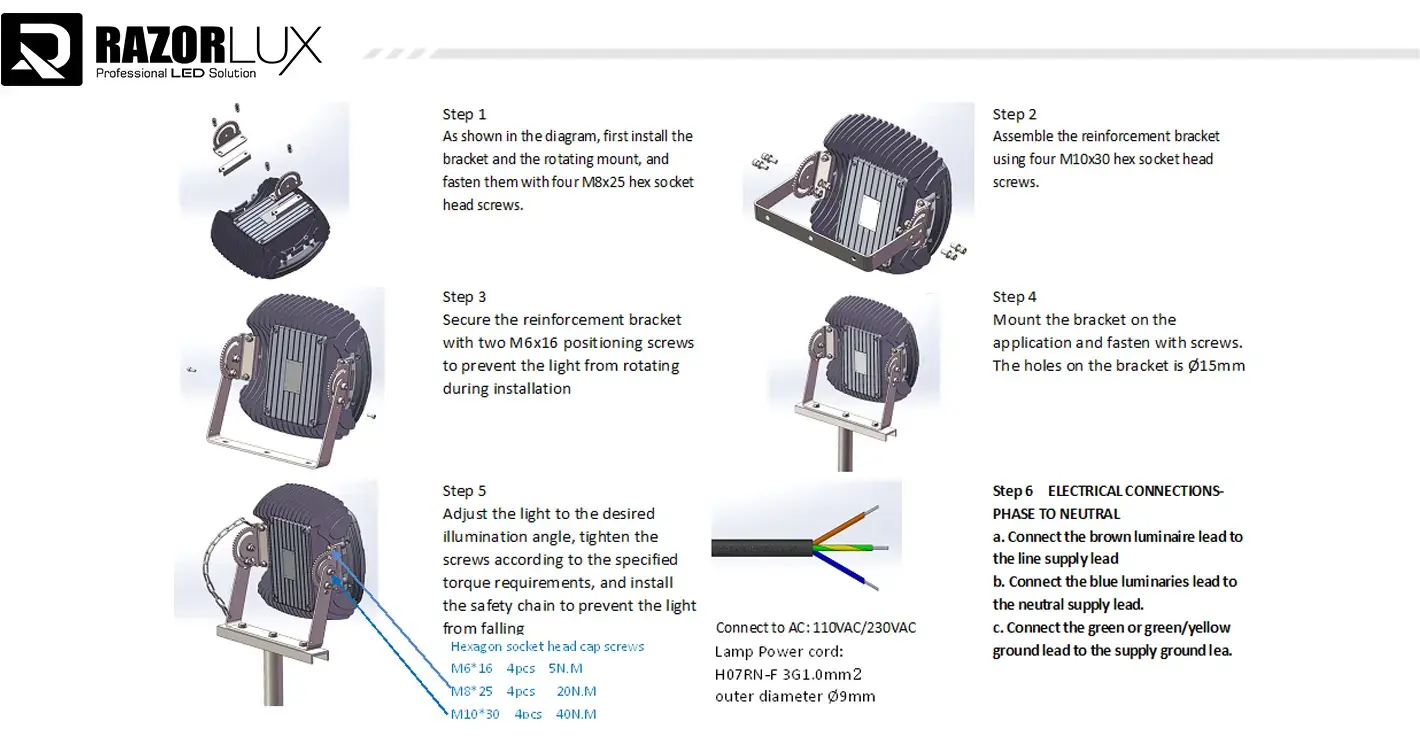
In marine settings, strong circuit protection is needed to keep electrical fires and shocks from happening. Choose marine-rated circuit breakers or fuses that are matched to the ampacity of the conductors and the load factors of the fixtures. When LED drivers are first turned on, they leave behind special electrical fingerprints that could cause annoying trips if the right safety devices are not used. Choose circuit breakers or fuses that blow slowly and have the right time-current qualities to handle LED inrush currents. In wet maritime settings, ground fault prevention is very important. Ground Fault Circuit Interrupters (GFCI) stop circuits before someone gets electrocuted when they sense current leaks, which can be caused by insulation failure or water getting in. DC ground fault monitoring devices offer the same level of safety for low-voltage setups as AC ground fault monitoring devices. Razorlux fixtures have Class I insulation and the right grounding features, so they work with the electrical safety systems on the vessel.
Surge protection devices keep expensive LED drivers safe from voltage spikes caused by lightning strikes, sudden changes in generator switching, and the magnetic load disconnections that happen a lot on ships. Our fixtures have internal surge safety with a rating of 4kV to 10kV, which takes care of normal electricity problems. When placed at distribution panels, external surge protective devices give extra protection to important equipment on communication ships and bases in the ocean.
Marine-Grade Waterproofing and Corrosion Resistance
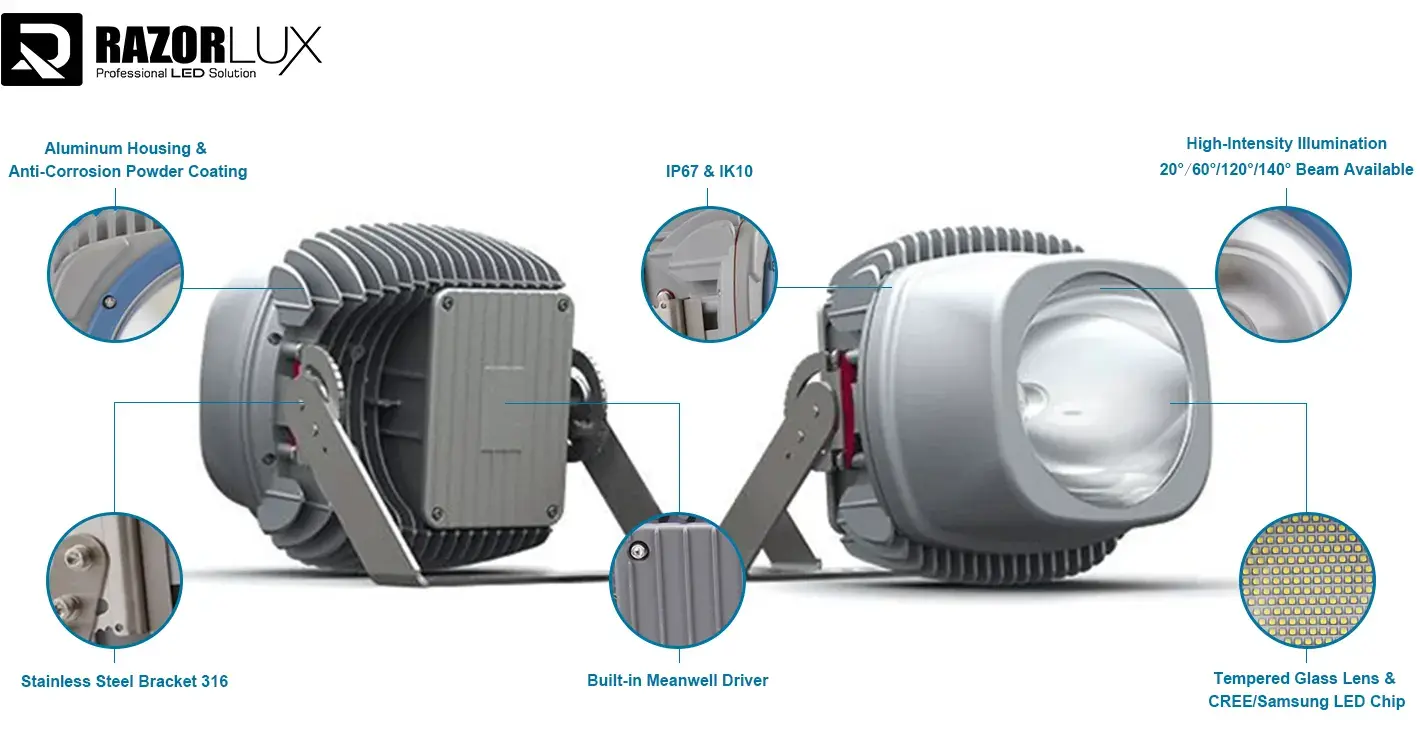
Electrical connections in harsh marine settings are exposed to salt spray, humidity, vibration, and temperature changes that quickly damage parts that aren't properly protected. IP (Ingress Protection) ratings show how well a seal keeps out water or other harmful elements. For example, IP67-rated fixtures can handle being submerged in water for a short time and being washed down continuously on the deck, which is necessary for keeping fishing boats and offshore platforms clean.
The choice of connector is also very important. Choose marine-grade cable glands that have multiple closing surfaces, ways to relieve stress, and materials that won't rust. Stainless steel ports with rubber or silicone seals are a safe way to protect the environment. Marine-grade dielectric grease can be used on threaded joints to keep them from rusting and to keep the electricity flowing throughout their service life.
Corrosion protection is more than just keeping water out. When different metals come into contact with chemicals in saltwater, galvanic rusting happens. Marine-grade aluminum housings with a powder finish and stainless steel brackets keep galvanic reactions from happening in Razorlux lights. Our 316L stainless steel parts don't rust or pit when exposed to salt, which can happen in ocean use and weaken structures. Use dielectric isolation washers to stop galvanic pairs between metals that are not the same when putting lights on aluminum superstructures.
Common Voltage-Related Troubleshooting
Failures caused by voltage show up in several ways. Lights that flicker often mean that connections are loose, the circuit isn't strong enough, or the voltage drop is too high for the equipment to handle. Check the connections at fixings, switch boxes, and distribution panels on a regular basis to make sure they are tight. Check the voltage at the fastener connections while the load is on them and compare the results to the recommended system voltage.
Long-term overvoltage situations often cause LED drivers to fail before they should. Generator voltage controls sometimes break down, sending out voltages that are higher than what the equipment can handle. Choose lights that can handle a wide range of input voltages. Razorlux's AC90-305V range can handle big changes in voltage, which protects electronics further down the line. Install voltage tracking devices that will let repair staff know about problems with the electrical system before they cause damage to equipment.
Undervoltage conditions cause dim lighting and could damage drivers because power sources work outside of their designed limits to keep output steady. Check the generator's output voltage when it's fully loaded, since voltage control often gets worse as generators age. Check the voltage drop across distribution circuits to find wires that are too small or links that are corroded, which raises the resistance of the circuit.
Comparing Voltage-Based Marine Flood Lighting Solutions in the Market
LED Technology Advantages Over Legacy Lighting Systems
LED lighting technology changed the way ships are lit by making them more efficient, lasting longer, and easier to control. Legacy HID (High Intensity Discharge) lamps need 600–1000W to produce the same amount of light as 270W LED bulbs. This means they use three to four times as much energy and make a lot of heat that needs to be cooled down. This efficiency benefit directly lowers the amount of generator fuel used, which is very important for offshore platforms and long-distance ships where fuel costs are a big part of the operating costs.
Differences in operational lifetimes are just as convincing. HID lights usually need to be replaced every 6,000 to 12,000 hours of use, which means that they have to be relamped often, which takes time and resources from the mechanic and the ship. Razorlux LED fixtures have a working life of 50,000 hours, which means they could last for 10 to 15 years in most maritime settings. This means that they don't need much upkeep other than regular equipment service times. Because they last so long, you don't have to keep as many extra parts on hand, and replacing lamps on ships that are traveling on long, winding trade routes is no longer a problem.
Another benefit of LEDs that is especially useful for safety purposes is that they can turn on instantly. HID lamps need 5 to 15 minutes to warm up before they can produce their full brightness. This can cause dangerous delays in emergency scenarios where light is needed right away. When there is a safety issue, a security threat, or an operational emergency that needs quick exposure, LED fixtures become fully bright right away.
Evaluating Manufacturer Capabilities and Warranty Support
Long-term satisfaction with lighting purchases is greatly affected by the image and support system of the manufacturer. People are more likely to trust established makers with a track record in maritime applications than to trust newbies who don't have a documented performance history. Razorlux has been a leader in LED innovation for 25 years and has over 200 patents covering LED Packaging, power control, and structure design. This shows that they are committed to the market and have strong technical skills.
The terms of the warranty show that the maker trusts the product to work well. Standard industrial guarantees last for two to three years, but luxury marine flood lights come with longer warranties that reflect the higher quality of their building and parts. The LED modules and drivers in our RGL-270P type are fully covered by a 5-year warranty, and the housing is covered by a 10-year guarantee against structural failures. This extra safety lowers the risk of buying things and protects your finances in case equipment breaks down too soon.
When fixing problems with installation or speed, how quickly technical help responds is very important. Check the quality of the technical documents, the availability of application engineering, and the ease of access to extra parts in the manufacturer's support infrastructure. Throughout the lifecycle of a project, our team provides full technical drawings, installation guides, and quick email help at sam@razorlux.com to answer questions about purchasing and meeting application-specific needs.
Cost-Benefit Analysis for Bulk Procurement
Strategic methods to buying things help big marine lighting projects keep quality standards high while lowering unit costs. Volume purchases usually get discounts of 15–30% compared to small sales. This means that projects adding dozens or hundreds of units can save a lot of money on each one. Buying things from more than one ship or facility at once saves even more money.
Ask for thorough quotes that include shipping costs, payment terms, and arrival times. International shipping costs a lot—about 10 to 20 percent of the value of the goods for air freight and 5 to 10 percent for ocean freight—and they affect the overall budgets for projects. Razorlux provides a variety of shipping choices, including international express (3–7 days), air freight (5–10 days), China–Europe train (18–22 days), and ocean freight (15–50 days), so that project deadlines can be met while keeping costs low.
When comparing different plans, think about the total cost of ownership. When energy use, upkeep costs, and replacement processes are taken into account, the lowest price at purchase rarely gives the best long-term value. The energy-efficient fixtures we sell have longer lifespans, need less upkeep, and constantly provide better lifetime economics than cheaper options using inferior parts, even if the initial investment may be higher.
Conclusion
When choosing the right voltage options for marine flood lights, you have to balance technical performance, legal compliance, and the cost of running the business. Low-voltage DC systems work best for smaller ships and emergencies where electrical safety is important, while high-voltage AC systems work best for business ships and offshore platforms that need to be as efficient as possible. Modern LED technology has huge benefits, such as using very little energy, lasting longer, and lighting up right away. These benefits make LED fixtures the best choice for many marine uses. Razorlux's wide input voltage range (AC90-305V, DC127-431V) and many foreign certifications make buying easier for maritime activities around the world. Paying close attention to installation methods, like using the right-sized conductors, protecting circuits, and marine-grade sealing, makes sure that the system works well in tough seafaring settings.
FAQ
Can Marine Flood Lights Support Multiple Voltage Inputs?
Modern marine LED lights have input drivers that can handle a wide range of voltages. Razorlux's RGL-270P model can work with either AC90-305V or DC127-431V sources and doesn't need any voltage-specific settings or adapter modules. This adaptability helps ships that go to different countries with different levels of shore power, and it makes inventory management easier for fleet workers who take care of ships with different electrical systems. The ability to accept inputs from all types saves equipment during voltage changes that happen a lot in marine engine systems.
What Is the Safest Voltage Option for Marine Applications?
Lower volts (12V-24V DC) offer better shock safety, making it less likely that someone will get electrocuted in wet areas. However, current marine-grade lights that work at higher voltages (110V–240V AC) have several safety features—including Class I grounding, IP67 environmental sealing, and proper circuit protection—that provide the same level of safety when placed properly. The best voltage relies on the electrical system of the vessel and the rules that must be followed, not on safety alone.
How Does Voltage Rating Affect Waterproofing and Certification?
IP (Ingress Protection) ratings, which are not related to voltage standards, measure how well an area is sealed. But the rules for approval tests are different for each voltage class. More thorough tests are used to check the insulation resistance and dielectric strength of higher voltage lights. Marine certifications (RMRS, DNV/GL, ABS, and UL) spell out voltage-dependent testing needs to make sure proper electrical isolation and grounding rules are followed to avoid shock risks in marine settings.
Partner with Razorlux for Superior Marine Lighting Solutions
Razorlux is the name you can trust when it comes to marine flood lights. They offer professional LED lighting that is designed to work in harsh seafaring settings. Our RGL-270P fixtures are designed to work with a wide range of voltages (AC90-305V, DC127-431V), are very efficient (130LM/W), and are protected by IP67/IK10 standards. They meet the exact needs of purchasing managers in shipyards, offshore platform engineers, and commercial vessel owners. Our solutions come with 5-year warranties and a wide range of foreign certificates, including RMRS, CE, UL, and SAA. This makes them the most reliable on the market and reduces the risk of buying them. We know that you are worried about the stability of the quality, the completeness of the paperwork, and the dependability of the delivery. Our ISO9001-certified production processes and flexible global logistics make sure that the delivery happens on time and that you get full expert support. Contact our team at sam@razorlux.com to talk about your unique voltage needs, get detailed paperwork, or set up a free evaluation. You'll find out why maritime workers all over the world choose Razorlux for important lighting purposes.
References
1. International Maritime Organization. (2018). Guidelines on Maritime Electrical Installation Standards and Voltage Specifications for Commercial Vessels. London: IMO Publishing.
2. American Bureau of Shipping. (2020). Rules for Building and Classing Steel Vessels: Electrical Systems and Equipment Requirements. Houston: ABS Technical Publications.
3.Det Norske Veritas. (2019). Maritime LED Lighting Systems: Performance Standards and Certification Requirements. Oslo: DNV-GL Publications.
4. Marine Electrical Engineering Institute. (2021). Voltage Drop Calculations and Cable Sizing for Maritime Applications. Technical Manual Series, Volume 12.
5. International Electrotechnical Commission. (2017). IEC 60533: Electrical and Electronic Installations in Ships - Electromagnetic Compatibility. Geneva: IEC Standards Board.
6. Society of Naval Architects and Marine Engineers. (2022). Energy Efficiency in Marine Lighting: LED Technology Implementation and Lifecycle Cost Analysis. Jersey City: SNAME Technical Journal, Volume 130, Issue 3.