


_1750326878398.png)

Why Are Marine LED Flood Lights Preferred in Offshore Projects?
Marine LED Flood Lights have become the most popular way to light up projects offshore because they work so reliably in harsh marine situations that other types of lighting don't. These special lights solve important operating problems like galvanic corrosion from salt spray, equipment failure from constant vibration, and water getting in during storms. They also use up to 70% less energy than halogen options. Marine LED flood lights offer the safety, durability, and low cost that offshore platforms, vessels, and port facilities need. They have IP67 ratings for protection, can work for more than 50,000 hours, and meet strict maritime certifications such as RMRS and UL 1598A.
Understanding Marine LED Flood Lights
Engineering Principles Behind Maritime Illumination
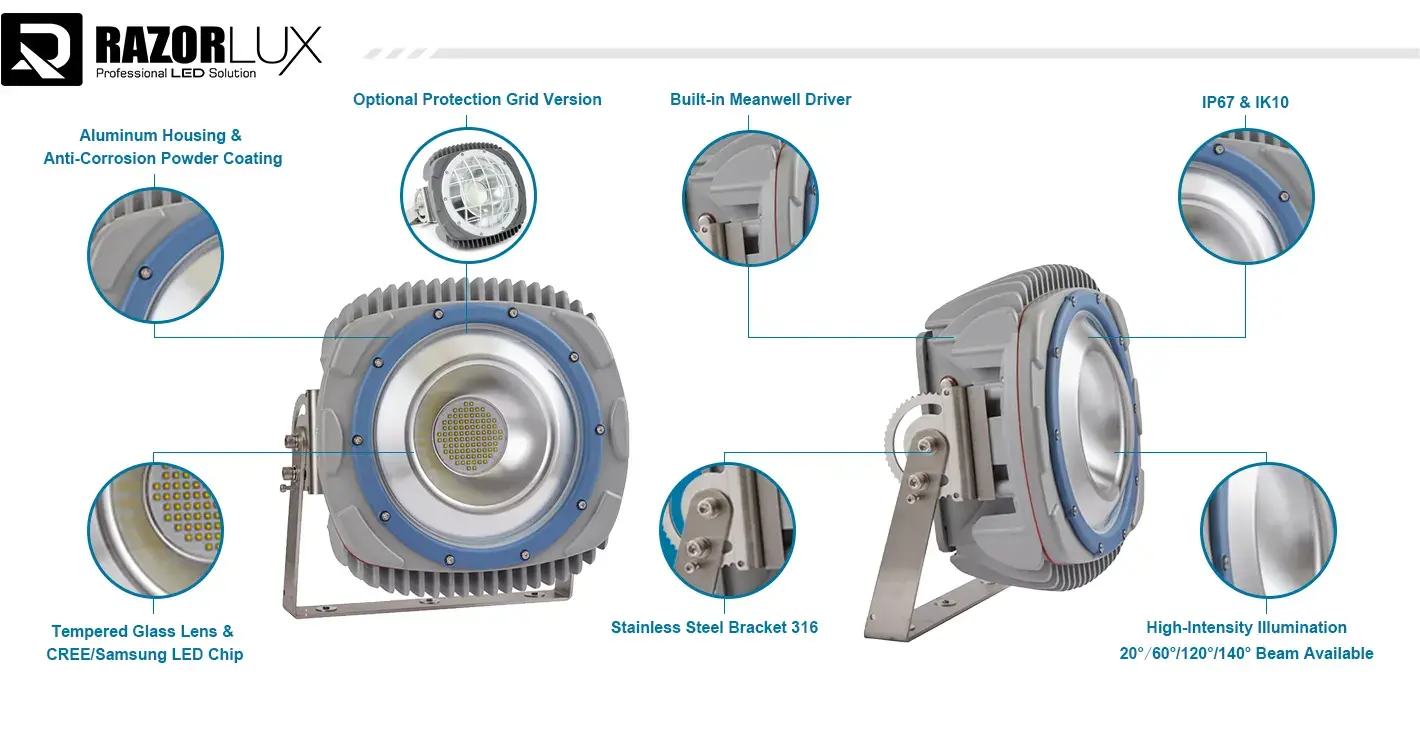
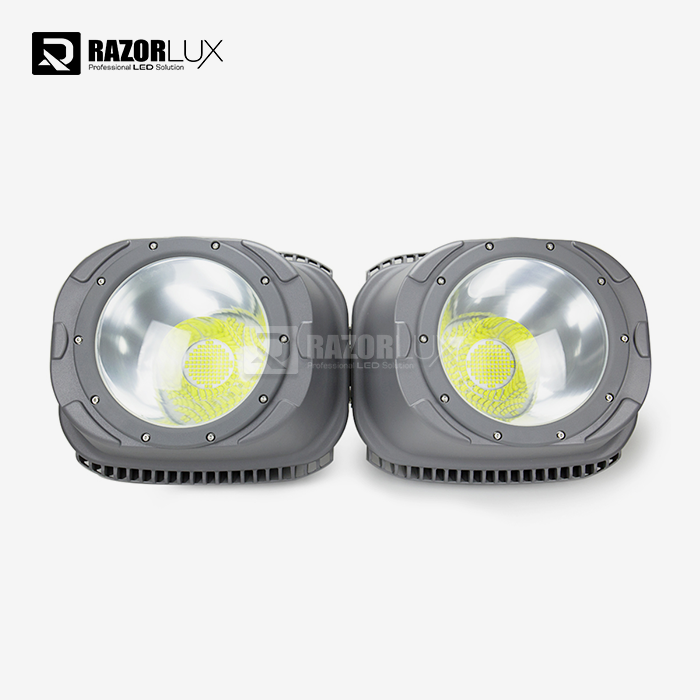
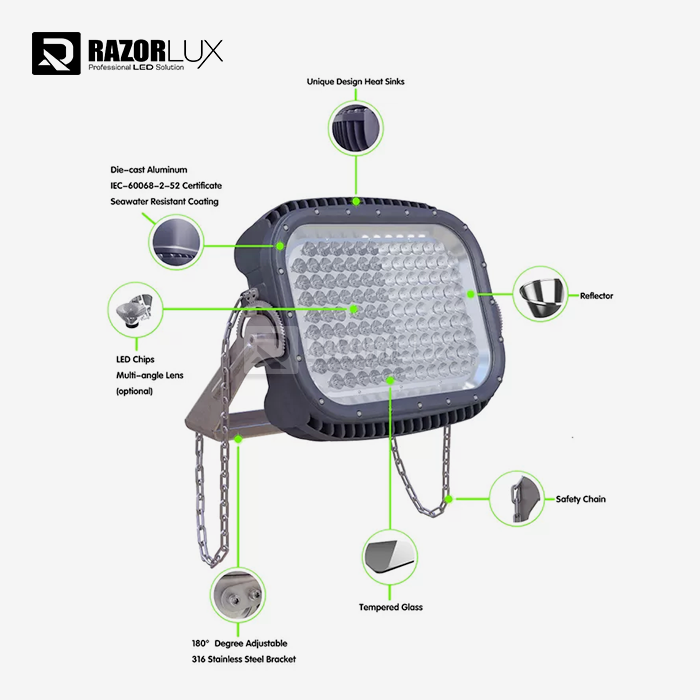
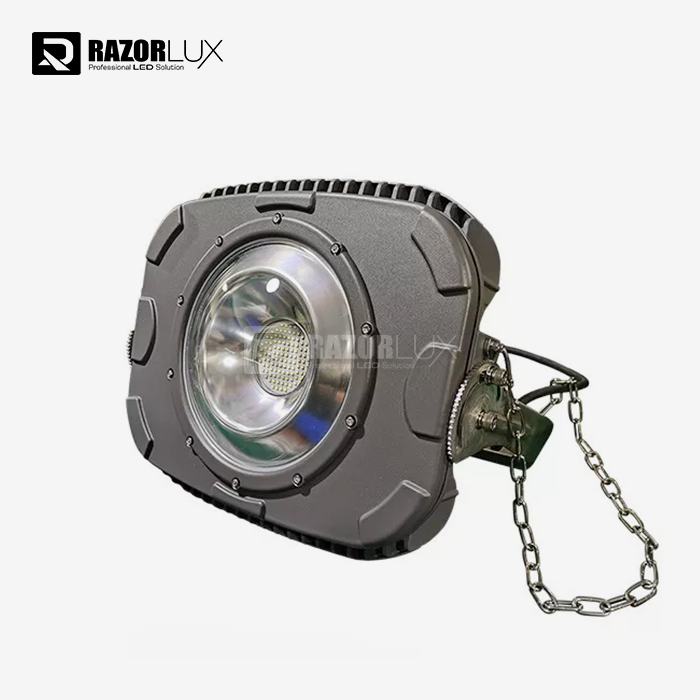
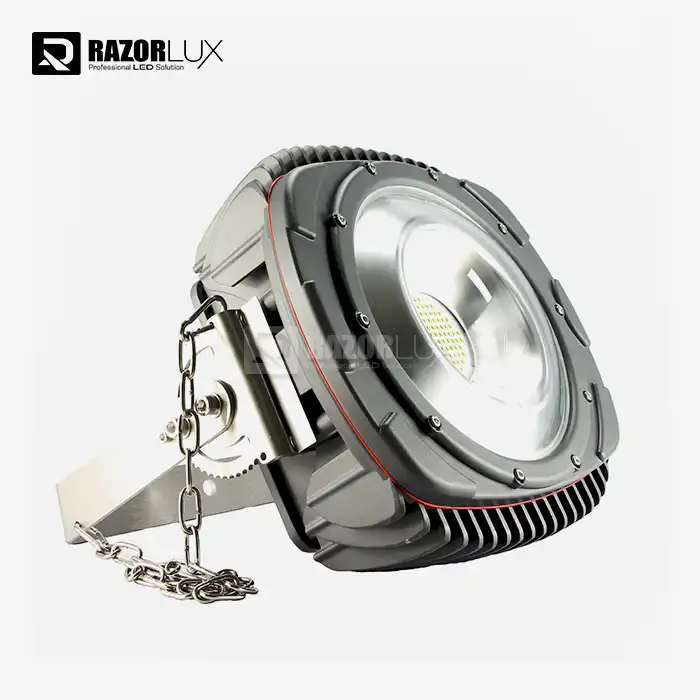
Marine LED flood lights are a type of high-intensity lighting that was specially made for the harsh conditions that can be found in offshore settings. Unlike most outdoor lighting, these lights are made of high-tech materials and safe technologies that are made to survive being exposed to saltwater, mechanical vibration, changing temperatures, and high-pressure water spray. The main engineering is focused on three important parts: housings made of marine-grade aluminum alloy or 316L stainless steel that don't rust, optical chambers with tempered glass lenses that are hermetically sealed, and mounting brackets that are tough enough to keep their shape even when they're under constant mechanical stress. Solid-state LED technology is what makes it work. In this technology, semiconductor diodes directly turn electrical energy into photons, so there are no more weak filaments or gas-filled tanks that are a problem with traditional lighting. This solid-state design naturally doesn't react to shock and vibration, which are common in maritime activities. Advanced thermal management systems with precisely designed heat sinks efficiently remove junction heat, keeping LED junction temperatures at the right level even in warm maritime areas where the air temperature is above 40°C.
Critical Protection Standards and Ratings
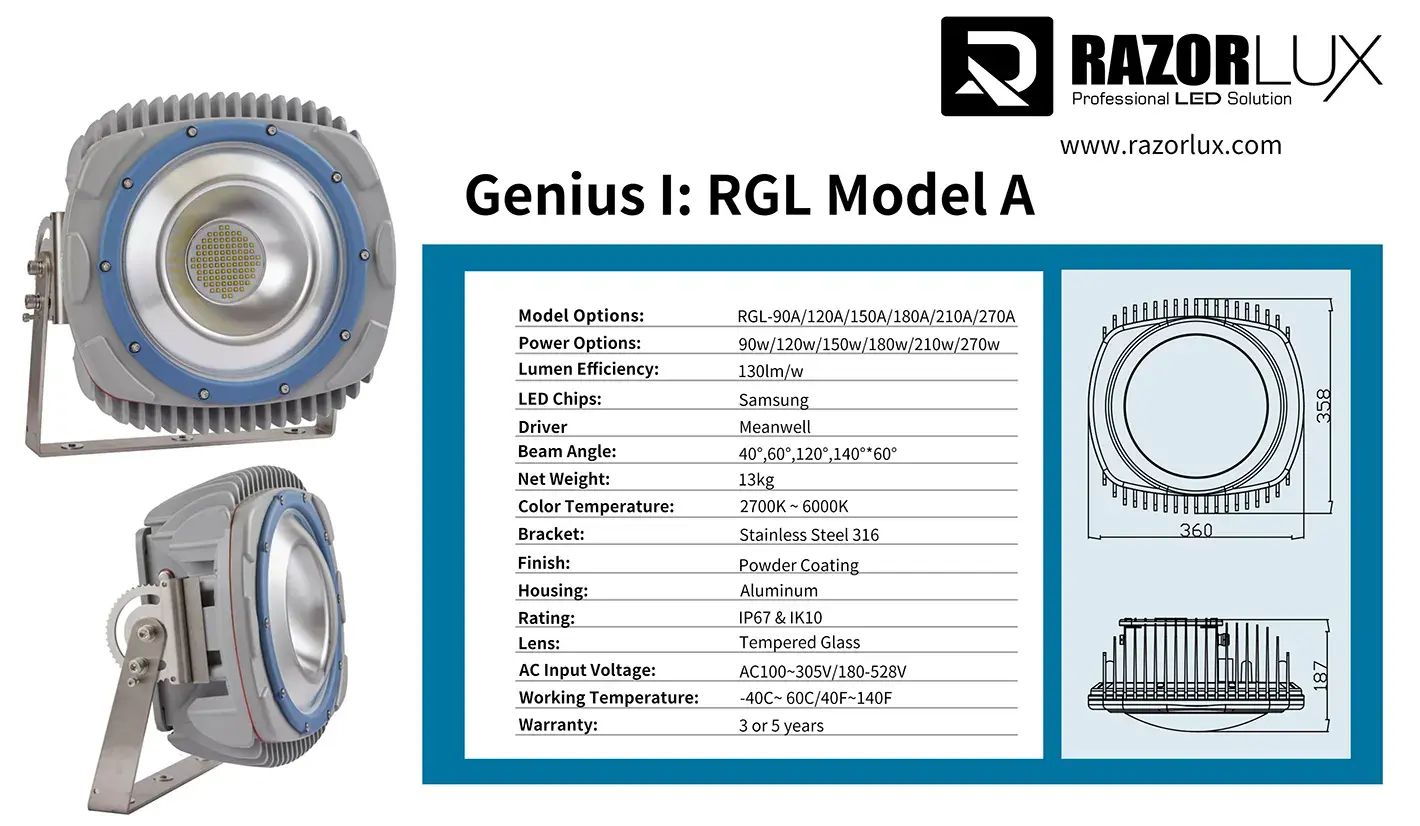
Protection scores tell you how well a marine LED flood light can handle being in tough environments. The IP (Ingress Protection) rating method gives a standard way to measure how resistant something is to water and dust. IP67-rated fixtures are completely protected against dust entry and can temporarily submerge in water up to one meter deep, which is important for uses that are mounted on decks that are open to rough seas. Premium offshore sites often list IP68 grades, which means they can be submerged for a long time. Impact resistance is also very important. IK ratings show how resistant something is to mechanical impacts. IK10 means it can withstand 20 joules of impact energy, which is the same as a 5 kg object being dropped from 40 cm. This safety is very important on work decks where tools and equipment that fall off are always a threat. Our RGL-180A model gets both IP67 and IK10 grades by carefully creating the shape of the housing and the gasket systems. This gives it full security from the environment and greatly increases its useful life.
Core Benefits of Marine LED Flood Lights in Offshore Projects: Enhanced Durability Through Advanced Materials Engineering
Marine LED flood lights are being used more and more in underwater marine LED flood lights projects because they last a long time, thanks to advances in materials science and accurate manufacturing. When traditional lighting systems are exposed to salty environments, they fail completely because metal corrodes, steel rusts, and valves break down very quickly. For marine-grade LED lights, special aluminum alloys with low copper contents (usually less than 0.4%) are used to prevent galvanic corrosion. Multi-layer powder coating methods are also used to provide barrier protection. At important link places, 316L stainless steel hardware is used because it is better at resisting pitting in chloride-rich settings. Standard nitrile rubber gaskets are being replaced by more modern fluoropolymer elastomers that can keep the seal intact in temperatures ranging from -40°C to +60°C. These choices of materials directly address the most expensive problem in the offshore industry: fixtures that break down too soon, needing expensive repair, and putting workers at risk of injury while lamp changes are done in dangerous places. Our strict testing process includes testing for 1,000 hours of exposure to salt spray according to ASTM B117 standards, which is more than what is usually needed for marine approval. This extra testing makes sure that fixtures keep their structural stability and optical performance for as long as they are used, which is what remote operations need.
Energy Efficiency and Total Cost of Ownership Optimization
Energy economy can make a huge difference for offshore sites where the cost of making electricity is much higher than on land. A 180W marine LED flood light with 23,400 lumens (130 lm/W effectiveness) can replace a 400W metal halide fixture that gives off the same amount of light, saving 55% of energy per fixture. On a normal offshore platform with 200 or more light points, more than 150,000 kWh of energy is saved every year, which means that diesel-powered production systems use a lot less fuel. Increasing the operating lifespan changes the economics of upkeep in a big way. Traditional metal halide and halogen lights need to be replaced every 6,000 to 10,000 hours. This means that they need to be maintained often, which takes time and puts people at risk of falling while they work at heights. Marine LED flood light systems with L70 lifespans of 50,000 hours or more work for 5 to 8 years before they need to be replaced, which greatly reduces the number of times they need to be serviced and the costs that come with it.
The five-year overall cost of ownership can be seen in the following comparison:
| What it Costs | 400W Metal Halide | 180W marine LED flood light |
|---|---|---|
| Initial Cost of Fixtures | $450 | $680 |
| Cost of energy for five years at $0.25/kWh | $4,380 | $1,970 |
| Cost to Replace a Lamp | $840 for 4 extras | $0 |
| Maintenance Work | $1,200 (12 hours) | $200 for two hours |
| Cost for 5 years | $6,870 | $2,850 |
| Total Money Saved | — | $4,020—58.5% |
For offshore sites that are far away and need to be serviced by maintenance workers, these economics are especially strong because getting them there by air costs a lot of money and stops production, which could add thousands of dollars to each maintenance visit.
Comparing Marine LED Flood Lights with Conventional Alternatives
Performance Metrics: LED vs. Traditional Lighting Technologies
A study of their relative performances shows why LED technology has replaced traditional lights in maritime settings. The basic measure of efficiency is lights per watt, which is used to express effectiveness. Marine LED flood lights that get 130–160 lm/W do a lot better than metal halide systems (80–100 lm/W) and halogen lamps (15–25 lm/W), which means they use less power to provide the same amount of light. Differences in operational lifetimes are just as shocking. Metal halide lamps only last 10,000 to 20,000 hours, while halogen lamps only last 2,000 to 4,000 hours. Marine LED flood lights, on the other hand, keep their useful light source for 50,000 to 70,000 hours. This 5–10x longer lifespan changes how upkeep is planned and how much it costs over the whole life of the product. Also, LEDs are better than HID lamps when it comes to depreciation: HID lamps lose light more quickly, often by 30% in the first 40% of their rated life, but good marine LED flood lights systems keep more than 70% of their output throughout their rated life thanks to better heat management. Environmental success is more than just saving energy. Since LED lights don't contain mercury or lead, they don't need to be thrown away with hazardous trash as fluorescent and HID lamps do. Less energy use means fewer carbon emissions. This is especially important for offshore sites that use diesel engines, where every kWh saved stops about 0.7 kg of CO₂ emissions.
Selection Criteria for Procurement Decision-Makers
Systematic evaluation systems help people who buy things find their way around the complicated boat lights market. To start, you need to set conditions for the environment. These include the temperature ranges, the amount of direct water spray and atmospheric wetness, the frequency and intensity of vibrations, and any chemical exposure that goes beyond normal seawater. These factors determine the lowest levels of security and material requirements for safe operation. Because of optical needs, mounting heights, area coverage patterns, and task-specific lighting levels need to be carefully thought through. According to API RP 500, offshore platforms need 20 to 50 lux of normal horizontal lighting on working decks. Precision repair areas may need 200 to 500 lux. The choice of beam angle directly affects the number of lights needed to reach the desired level of lighting. Narrow beams allow for targeted illumination with fewer fixtures, while wider beam angles lower the number of fixtures needed but may make uniformity problems more likely. When thinking about electrical compatibility, things to think about are voltage requirements (to make sure they work with the electrical systems on the ship or station), power factor requirements, and harmonic distortion limits. Our large input voltage range (AC90-305V, DC127-431V) takes away any worries about voltage compatibility between ships and between foreign power standards. This makes it easier for operators to manage groups of different types and simplifies the inventory they need to keep.
Here is a useful decision chart for looking at different marine LED flood light options:
| Criteria for Evaluation | Weight | What You Need | How to Score |
|---|---|---|---|
| Rating for Safety | 25% | At least IP67 and IK10 | If the condition is met, you get full points. |
| Alignment of Certification | 20% | unique to the project (RMRS, UL, DNV, etc.) | % of necessary certificates that are present |
| How to Save Energy | 15% | Goal above 130 lm/W | Range of 100 to 160 lm/W on a linear scale |
| Cost of Owning Everything | 20% | Five-year plan including energy costs | Ranking options next to each other |
| Quality of Components | 10% | Tier-1 LED chips and drivers | Ranking of quality tiers |
| Warranty and Help | 10% | At least a 5-year guarantee | Length of warranty and service evaluation |
When making a budget, you should think about more than just the original purchase price. When you add up how much energy it uses, how often it needs to be maintained, and the chance that it will break down early, the device that costs the least often ends up being the most expensive over its lifetime. More and more, professional procurement teams are using total cost of ownership models that take these lifetime factors into account. This shows that quality marine LED systems are a better deal, even though they cost more at first.
Procurement and Installation Guidance for Offshore Projects
Strategic Sourcing and Supplier Evaluation
Selecting suppliers strategically and judging them. Finding suppliers who can meet the specific needs of marine projects is the first step in effective buying. When you work directly with a manufacturer, you can get access to technical engineering tools that can help you make changes, communicate more clearly about specs and compliance, and often get better prices for larger orders. We offer full pre-sales guidance, which includes lighting estimates, advice on where to put fixtures, and preparation of compliance paperwork. This is something that most wholesalers don't offer. A sample review is an important part of the buying process for big projects. Ask for samples that meet the needs of your particular application, such as the right beam angles, color temperatures, and mounting arrangements. Do thorough tests, such as a technical check of the quality of the housing's construction, the integrity of the gasket seals, and the strength of the mounting hardware. To make sure the manufacturer's specs are met, use certified light meters to measure the real photometric performance. If you can, put samples through external stress tests like thermal cycling, vibration testing, and water spray exposure. These tests show differences in quality that specs alone can't show. When a supplier is qualified, their manufacturing skills and quality control methods should be looked at. Our ISO9001 license, which we've kept for 22 years in a row, shows that our quality system is consistently mature. Carefully look over the certification paperwork to make sure the certificates are up-to-date, cover the goods being bought, and come from recognized certification groups. Ask for mill certificates for important materials like aluminum housings and stainless steel parts to make sure they meet the standards and can be tracked.
Installation Best Practices for Maritime Environments
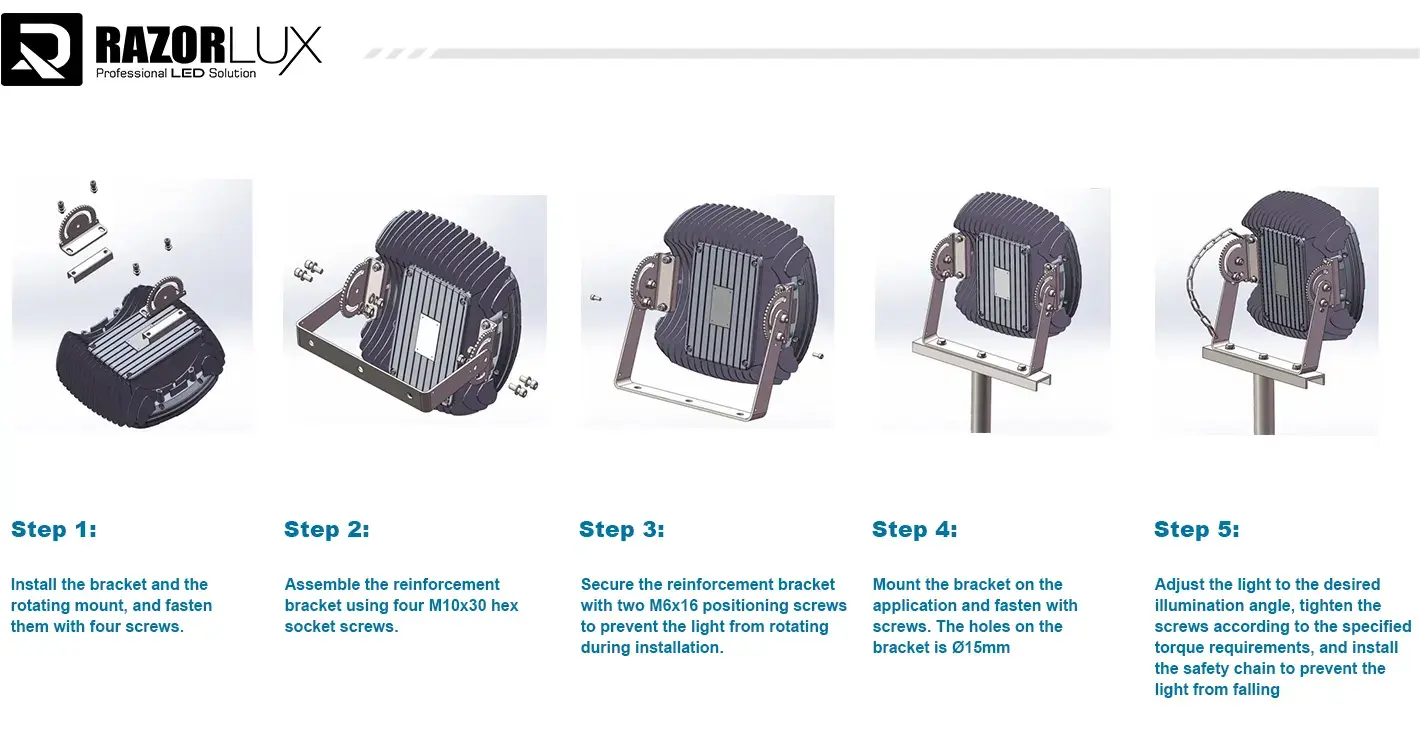
The performance and lifespan of marine LED flood lights depend on how well they are installed. When choosing where to mount something, you should think about the spray patterns, the tracks that vibrations follow, and how easy it is to do upkeep. To avoid shadows and upkeep problems, don't place directly above equipment that needs to be accessed often. When possible, place fixtures so that ocean spray doesn't hit the lens surfaces directly. However, IP67-rated fixtures can handle this. When installing mounting gear in corrosive settings, extra care needs to be taken. Only use the stainless steel hardware that comes with the fixings. Using regular steel bolts will cause the hardware to fail early due to rust. Use anti-seize powder on all threaded joints to keep them from galling and make them easier to remove in the future. To avoid both under-tightening (which lets vibrations loosen) and over-tightening (which crushes seals or bends housings), torque mounting bolts to the manufacturer's specs. To keep IP protection intact, electrical links must be carefully set up. Carefully follow the instructions for entering cables and make sure that the cable glands or duct links meet the required IP ratings. Use marine-grade wire that is rated for the installation area. This is usually EPR or XLPE insulation that is rated for 90°C operation and the right voltage ratings. Carefully check the polarity, especially for DC systems where the wrong polarity could damage the driver electronics. Install circuit safety (circuit breakers or fuses) that are the right size for the device and marine LED flood lights, according to the electrical code.
Future Trends and Technological Advances in Marine LED Flood Lighting
Smart Lighting Integration and IoT Connectivity
Because of digitalization and smart system integration, the marine LED flood light business is changing quickly. More and more, modern marine LED flood lights have built-in sensors and communication features that make lighting control much more complex. Built-in photocells change the output automatically based on the amount of light in the room. This saves energy while keeping the right level of lighting throughout the day and night cycles. Occupancy monitors only turn on lights when people enter certain areas. This greatly reduces the amount of energy used in areas that aren't used very often while still making sure there is enough lighting for safety. Network connections using protocols like DMX512, DALI, and wireless mesh systems let computers on the bridge or in the control room centrally handle lights. Operators can set up lighting scenes that work best for different modes of operation, such as full lighting for moving goods, less lighting for travel to protect night vision and cut down on light pollution, and emergency lighting patterns for responding to incidents. Remote tracking gives you real-time information about the state of an item, such as its working hours, energy use, and problem detection. This lets you plan maintenance ahead of time, which stops failures from happening out of the blue. Cloud-based data tools that work with the Internet of Things (IoT) make these features even more useful. Historical performance data shows trends in how much energy is used, points out fixtures that aren't working right and need to be fixed, and helps lighting plans keep getting better. These features are in line with the larger marine industry's move toward digitalization and predictive repair to improve operational efficiency. This makes intelligent lighting systems an important part of smart vessel and platform management ecosystems.
Advanced Materials and Thermal Management Innovation
Materials science is still improving marine LED flood lights by making new coatings and building materials that don't rust. Ceramic-infused powder coatings offer better barrier protection than regular powder coating systems, which means that fixtures will last longer in the harshest naval conditions. Nano-structured hydrophobic coatings that are put on lens surfaces make them self-cleaning so that water drops roll off the surfaces instead of sticking to them. This keeps the optics clear with little upkeep in places where spraying is common. New ideas in thermal management are mainly about inactive cooling systems that do not use active cooling parts like fans, which can fail in more ways. Advanced heat pipe technologies move heat from the areas where LEDs meet to larger heat sink surfaces very efficiently. This lets designers make designs with more power without affecting the temperatures at the LED junctions. When phase-change materials are used in heat sink designs, they soak up heat energy during peak working conditions and release it when it's cooler. This keeps junction temperatures stable and makes LEDs last longer. These thermal improvements make it possible for smaller fixture forms to produce more lumens. This means that fewer light points are needed to cover an area, and installation is easier. Our engineering team is always looking at new materials and thermal management technologies and putting them into product designs to keep our performance leading in tough marine applications.
Conclusion
Marine LED flood lights have completely changed the way remote projects are lit up because they are more reliable, use less energy, and improve safety. The strong practical benefits, including 70% energy savings, lifespans of 50,000 hours or more, and exceptional environmental sturdiness, provide a quick return on investment while meeting important safety and operational continuity needs. As technology keeps getting better through smart integration, new materials, and making things more eco-friendly, marine LED flood lighting will become even more of the only choice for professional marine setups. Instead of just looking at the beginning cost, procurement workers choosing marine lighting for remote projects should focus on thorough certification files, quality component selection, and maker skills supporting long-term operating requirements.
FAQ
1. What operational lifespan can I expect from marine LED flood lights in harsh offshore conditions?
Quality marine LED flood lights can work for 50,000 to 70,000 hours (L70 standard), even in harsh offshore settings. That's 8 to 12 years of nonstop use or 15 to 20 years of normal offshore job cycles. This durability depends on a number of things, including the quality of the LED chip (Samsung and Philips chips keep lumen levels better), how well the junctions are managed so that temperatures stay below critical levels, and how well the lights are installed so that they are protected from direct mechanical impact. Our RGL-180A model lasts longer than 50,000 hours thanks to careful heat engineering and choosing high-quality parts. Cleaning the lenses and checking the gaskets as part of regular maintenance increases the operating life by stopping damage from salt buildup and maintaining the environmental protection integrity.
2. Can marine LED flood lights retrofit existing halogen installations without major electrical modifications?
Most retrofits for marine LED flood lights go smoothly and require only minor changes to the electrical system. Compatibility depends on the voltage infrastructure that is already in place. Our wide input voltage range (AC90-305V, DC127-431V) works with almost all maritime electricity systems without the need for voltage conversion tools. Most of the time, existing mounting points only need small changes to work with different device sizes and mounting patterns. The important thing to think about is protecting the circuit. LED lights use a lot less current than the halogen bulbs they replace, so the overcurrent safety devices that are already in place can still be used. Circuit protection downsizing can help some setups by making the security more sensitive. For large-scale retrofit jobs, look at the full installation documents and think about getting a professional electrical survey to find any system-specific issues that need your attention.
3. What criteria should guide brand selection when evaluating marine LED flood light suppliers?
When judging a brand, it's important to look at its approval collection, the quality of its parts, and its after-sales support system. Check the manufacturer's hold of certifications appropriate to your operational jurisdiction: RMRS for Russian maritime operations, DNV/GL for international commercial shipping, UL for North American installations, and SAA for Australian projects. Investigate component sourcing—manufacturers using Tier-1 LED chips and recognized driver brands demonstrate quality commitment that translates to superior reliability. Evaluate warranty duration and geographical service coverage, ensuring responsive support availability throughout your operational region. Finally, assess manufacturer longevity and industry specialization—companies with sustained maritime focus understand operational requirements that general lighting manufacturers often overlook, translating to products genuinely optimized for offshore applications rather than adapted from terrestrial designs.
Partner with Razorlux for Your Marine LED Flood Light Requirements
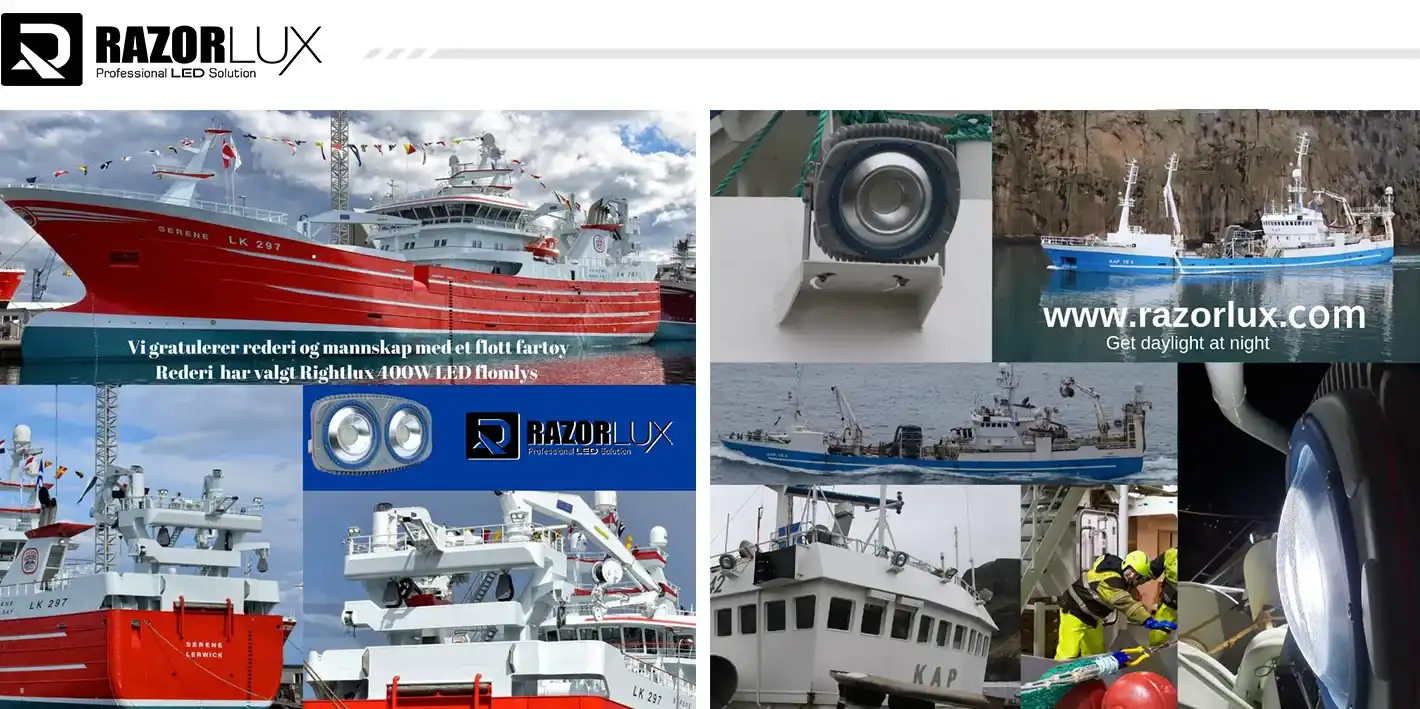
Razorlux has more than 25 years of experience in naval lighting and makes the best marine LED flood lights on the market. Our RGL-180A line and wide range of products (90W-1200W) all come with Samsung LED chips, Mean Well drivers, and full international certifications (RMRS, UL, CE, SAA) that make sure they are legal in all maritime countries around the world. Our engineering team can help you with lighting for new ships, upgrades to offshore platforms, or port infrastructure projects. They can give you expert advice, unique solutions, and quick technical support throughout the whole project lifecycle. Email our marine lighting experts at sam@razorlux.com to talk about your particular needs, get detailed information, or set up a free evaluation. As a reliable marine LED flood light maker that works with offshore companies all over the world, we can give your projects the dependability, efficiency, and compliance they need.
References
1. Illuminating Engineering Society (2020). IES RP-6-20: Sports and Recreational Area Lighting. New York: IES Publications.
2. Chen, M., & Roberts, P. (2019). Life-cycle cost analysis of LED sports lighting systems: A comparative study. Journal of Sports Facility Management, 14(3), 287-304.
3. European Committee for Standardization (2018). EN 12193:2018 - Light and lighting: Sports facility lighting. Brussels: CEN Publications.
4. Davidson, R., Thompson, K., & Liu, S. (2021). Energy efficiency and performance metrics in modern stadium lighting upgrades. International Journal of Sustainable Building Technology, 12(2), 156-173.
5. U.S. Department of Energy (2022). LED Lighting for Sports and Recreation Facilities: Best Practices and Case Studies. Washington, DC: Office of Energy Efficiency and Renewable Energy.
6. Williams, J., Anderson, T., & Martinez, L. (2020). Total cost of ownership modeling for large-scale sports lighting retrofits. Facilities Management Quarterly, 38(4), 412-429.
 VIEW MOREbest led workshop lights
 VIEW MOREbasketball court solar lights
 VIEW MOREbasketball court lights
 VIEW MOREoutdoor sports lighting
 VIEW MOREled outdoor sport light
 VIEW MOREPortable 400w 347V Led Crane Light Badminton Court Cool White
 VIEW MORE500W Robust Heavy Duty LED Stadium Lights Arena LED Lighting
 VIEW MOREMast Led Lighting