

_1750326878398.png)

How to Select a Marine Spot Flood Light for Rescue Operations?
When rescue teams respond to maritime emergencies in darkness, fog, or stormy conditions, inadequate lighting can mean the difference between life and death. Whether you're searching for a vessel in distress, locating a person overboard, or navigating treacherous waters during critical missions, selecting the right Marine Spot Flood Light becomes paramount for operational success. This comprehensive guide explores the essential factors, technical specifications, and practical considerations that rescue operators must evaluate to ensure their lighting equipment delivers reliable, high-performance illumination when seconds count and lives hang in the balance.
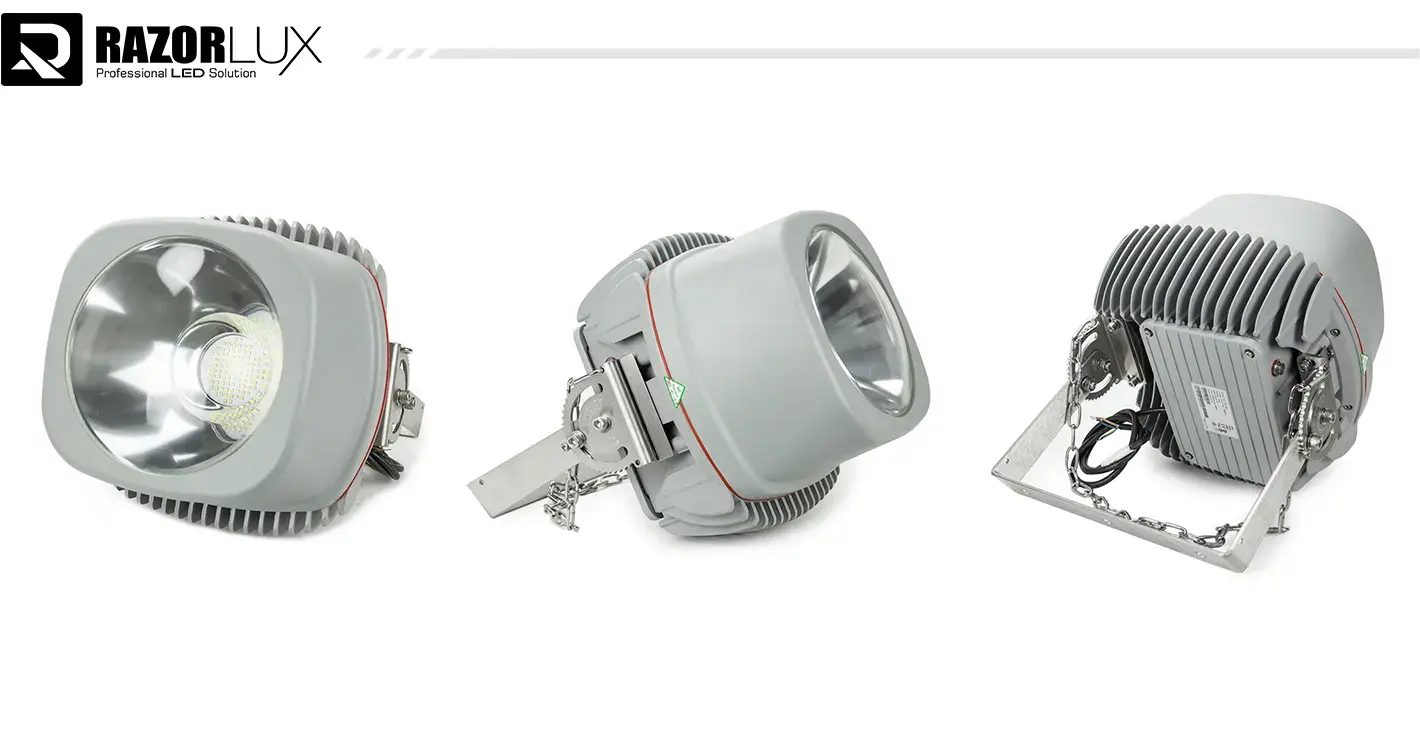
Understanding Marine Spot Flood Light Requirements for Rescue Missions
Critical Performance Specifications for Emergency Response
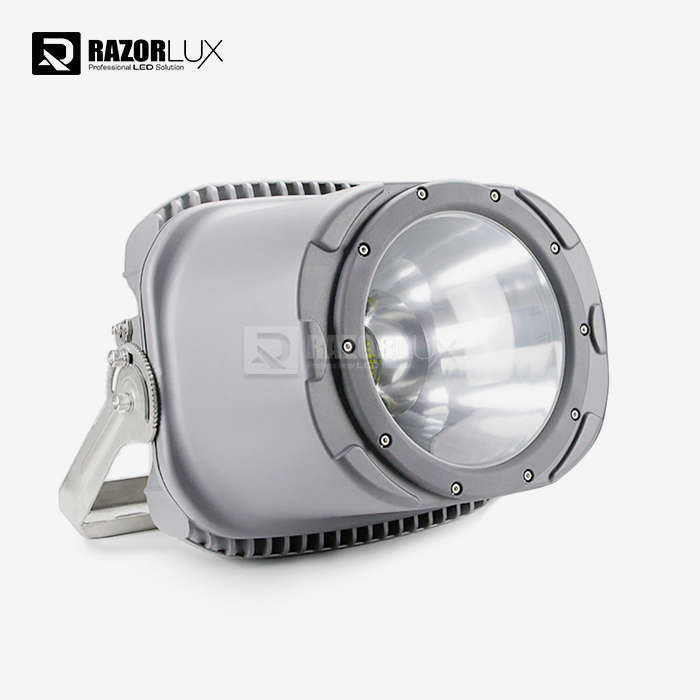
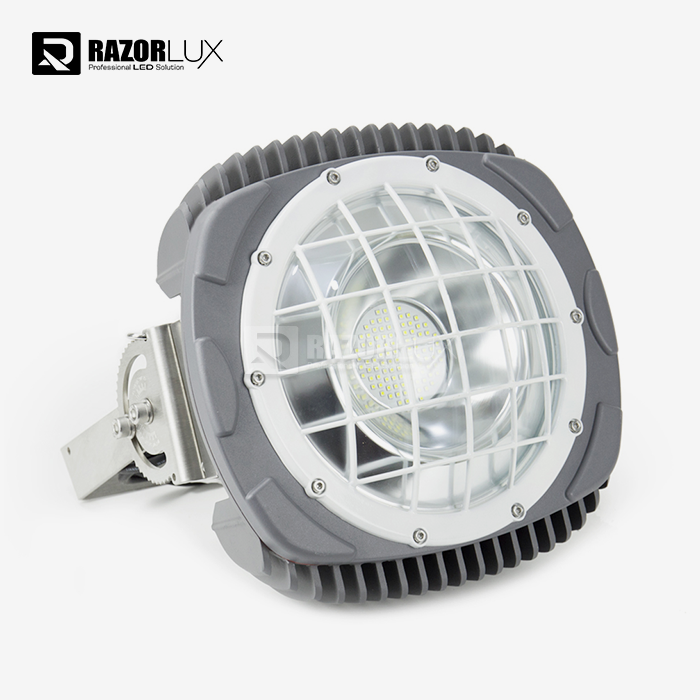
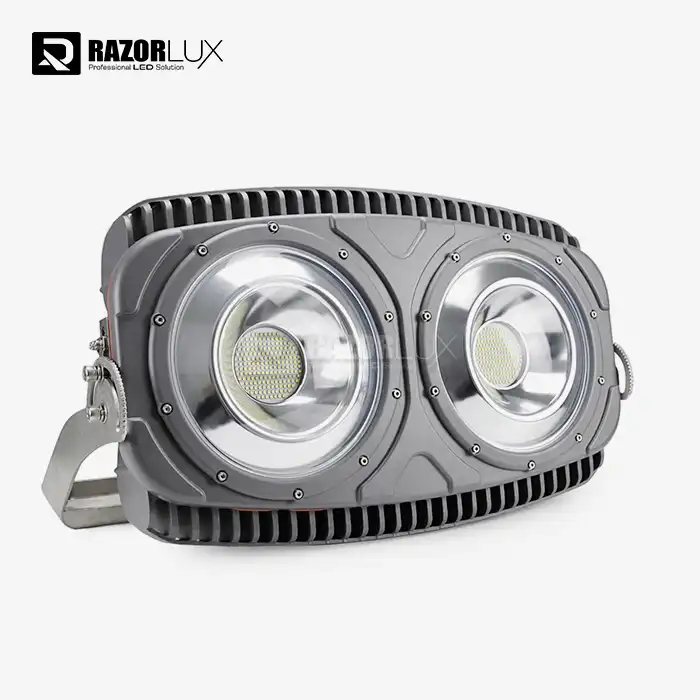
Rescue operations demand Marine Spot Flood Light systems that deliver exceptional brightness under the most challenging conditions. The luminous output must be substantial enough to penetrate adverse weather conditions including fog, rain, and sea spray that commonly occur during emergency situations. Professional rescue vessels typically require lighting systems producing at least 40,000 to 50,000 lumens to effectively illuminate search areas extending several hundred meters from the vessel. The lamp efficiency rating, measured in lumens per watt, determines how effectively the Marine Spot Flood Light converts electrical power into useful illumination. Modern LED-based systems achieving 130 lm/W or higher provide superior performance compared to traditional halogen alternatives, reducing power consumption while delivering brighter output. For rescue operations requiring extended deployment times, energy-efficient lighting systems minimize strain on vessel electrical systems and enable longer operational periods without recharging or refueling.
Environmental Durability and Protection Standards
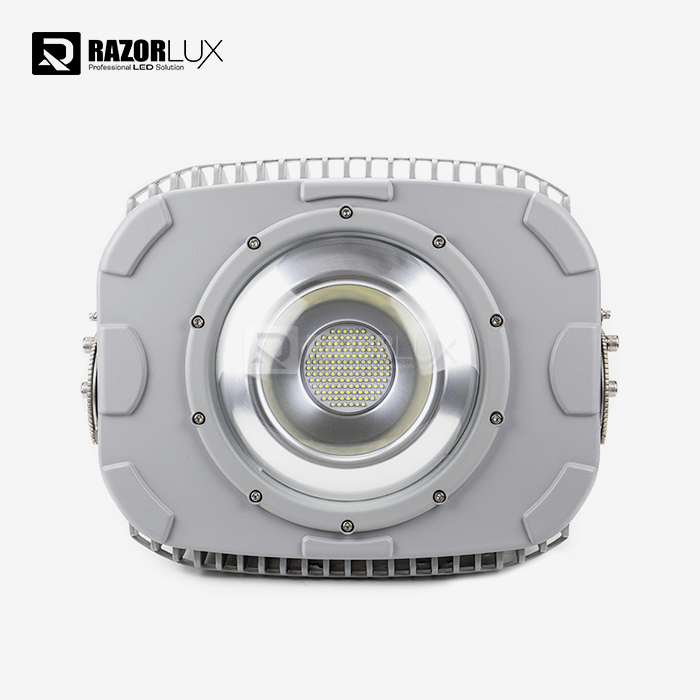
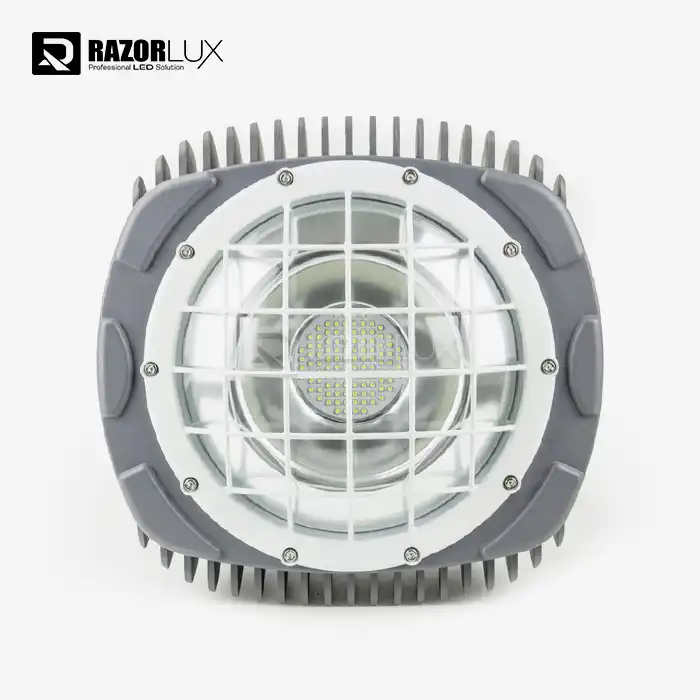
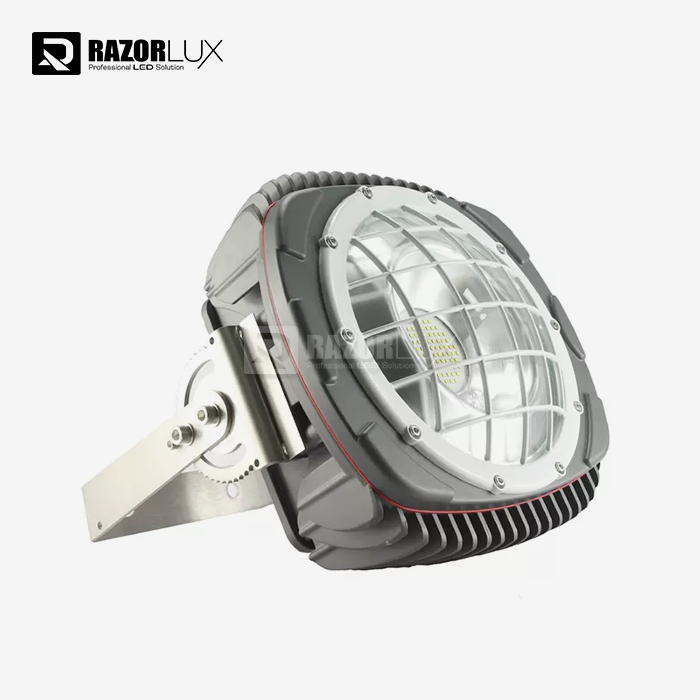
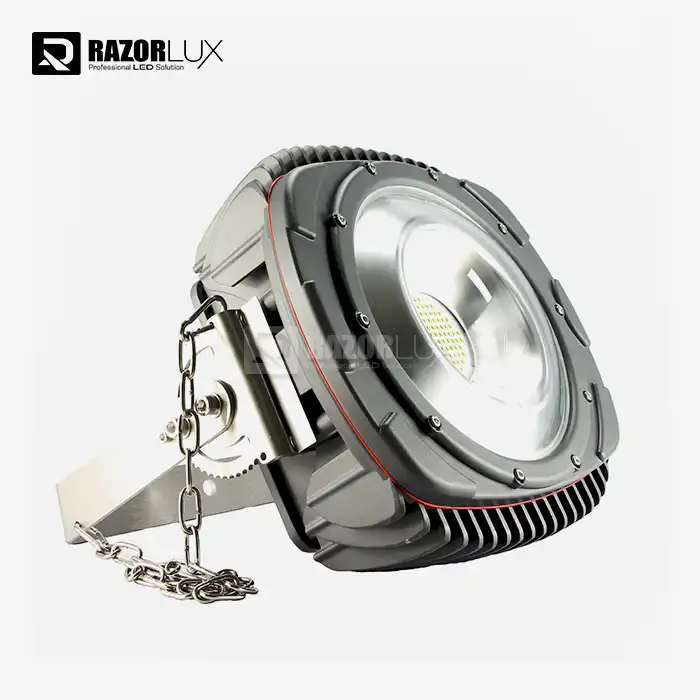
Maritime rescue environments expose lighting equipment to saltwater corrosion, constant vibration, extreme temperatures, and physical impacts that would destroy lesser equipment. The Ingress Protection rating indicates how well a Marine Spot Flood Light resists water and solid particle intrusion, with IP67 representing the minimum acceptable standard for serious rescue applications. IP67-rated fixtures can withstand temporary immersion in water up to one meter deep for thirty minutes, protecting internal components during wave strikes and heavy weather operations. Beyond basic waterproofing, rescue-grade Marine Spot Flood Light systems require marine-grade anti-corrosion coatings on all metal components to prevent degradation from constant saltwater exposure. Stainless steel brackets and aluminum housings with specialized powder coatings ensure structural integrity throughout years of demanding service in harsh marine environments where ordinary materials would quickly fail.
Power Supply Flexibility and Voltage Compatibility
Rescue vessels operate diverse electrical systems ranging from standard 12-24V DC configurations on smaller craft to complex AC systems on larger ships and commercial platforms. A versatile Marine Spot Flood Light must accommodate wide voltage input ranges to ensure compatibility across different vessel types without requiring specialized adapters or transformers. Advanced power supply systems accepting AC80-305V or DC100-400V inputs provide operational flexibility that proves invaluable during multi-agency rescue operations involving vessels with varying electrical specifications. Some rescue scenarios involve prolonged operations where primary vessel power becomes unavailable due to engine failure, electrical system damage, or fuel depletion. Marine Spot Flood Light systems incorporating emergency battery backup capabilities can continue operating for two hours or more on reserve power, maintaining critical illumination during the most desperate phases of rescue operations when conventional power sources fail.
Essential Features and Technical Considerations
Beam Angle Selection and Coverage Patterns
| Beam Angle | Coverage Distance | Optimal Applications | Typical Lumen Output |
|---|---|---|---|
| 40° Narrow Spot | 800-1000+ meters | Long-range search, navigation marker identification | 48,000+ lm |
| 60° Medium Spot | 500-700 meters | Person overboard location, vessel identification | 45,000+ lm |
| 120° Wide Flood | 200-400 meters | Deck operations, close-range illumination | 42,000+ lm |
| 140° Ultra-Wide Flood | 100-300 meters | Work area lighting, rescue boat deployment | 40,000+ lm |
The beam angle configuration fundamentally determines how a Marine Spot Flood Light distributes illumination across the operational area, directly impacting search effectiveness and rescue team situational awareness. Narrow beam angles between 40-60 degrees concentrate light into focused beams that penetrate fog and darkness over extreme distances, making them essential for initial search patterns when the distress location remains uncertain. These concentrated beams enable rescue teams to scan vast ocean areas methodically, identifying distant vessels or floating objects that would remain invisible under broader illumination patterns. Conversely, wider beam angles from 120-140 degrees provide expansive coverage ideal for close-range rescue operations once victims have been located. When rescue swimmers deploy, when transferring survivors aboard, or when coordinating multiple rescue craft in confined areas, wide-angle Marine Spot Flood Light systems eliminate dangerous shadows and ensure complete visibility of the operational environment.

Color Temperature and Visibility Enhancement
Color temperature measured in Kelvin degrees significantly influences how effectively rescue teams perceive objects, judge distances, and distinguish critical details during night operations. Marine Spot Flood Light systems offering adjustable color temperature ranges from 2700K to 6500K provide operational flexibility to match lighting conditions to specific mission requirements. Cooler color temperatures around 5000-6500K produce brilliant white light that enhances visibility in clear conditions, making distant objects appear sharper and improving color discrimination for identifying vessel markings or survivor clothing. Warmer color temperatures near 2700-3000K reduce glare and eye strain during extended operations while penetrating fog and atmospheric moisture more effectively, though they may slightly compromise color accuracy. Many professional rescue operators prefer Marine Spot Flood Light systems around 5700K as this neutral white temperature balances excellent visibility with reduced glare, providing comfortable illumination during multi-hour rescue operations without causing excessive eye fatigue among crew members.
Thermal Management and Operational Longevity
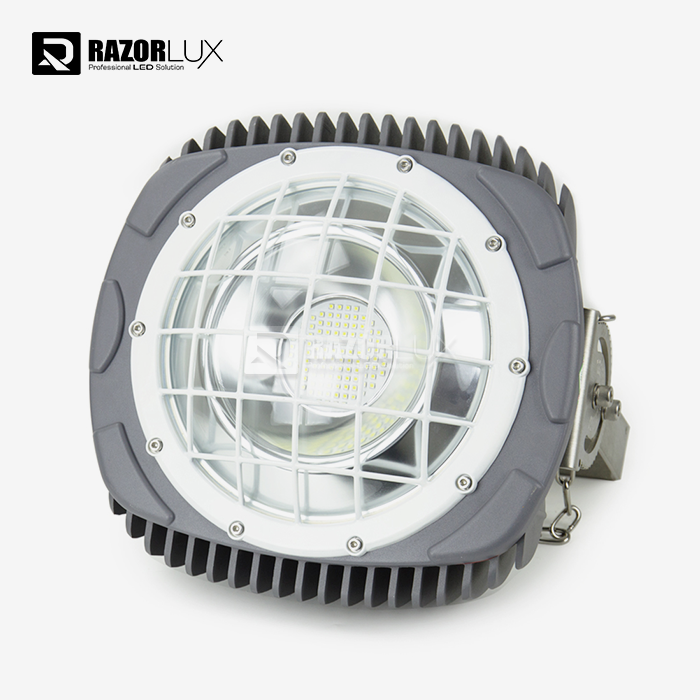
High-power Marine Spot Flood Light systems generate substantial heat during operation, and inadequate thermal management leads to reduced light output, shortened LED lifespan, and potential component failure during critical rescue operations. Advanced heat sink designs incorporating aluminum fins, thermal conductive pathways, and strategic ventilation channels dissipate heat efficiently, maintaining optimal operating temperatures even during extended continuous operation. Proper thermal management extends LED operational life beyond 50,000 hours, ensuring rescue vessels can depend on their lighting systems throughout years of demanding service without performance degradation. The Marine Spot Flood Light housing material plays crucial roles in thermal performance, with die-cast aluminum constructions providing excellent heat dissipation while maintaining structural strength under impacts and vibration. Premium thermal management systems maintain stable luminous output regardless of ambient temperatures, preventing the light output reduction that commonly affects lesser fixtures during prolonged operation in hot climates or enclosed mounting locations.
Regulatory Compliance and Quality Assurance
International Maritime Standards and Certifications
| Certification | Issuing Authority | Compliance Requirements | Rescue Application Importance |
|---|---|---|---|
| RMRS | Russian Maritime Register | Shock, vibration, environmental resistance | Essential for international operations |
| UL Listed | Underwriters Laboratories | Electrical safety, fire prevention | Required for US-flagged vessels |
| CE Marking | European Commission | EU safety, health, environmental standards | Mandatory for European operations |
| IEC 60945 | International Electrotechnical Commission | Maritime navigation equipment standards | Global maritime compliance |
Professional rescue organizations cannot risk equipment failures caused by substandard manufacturing, inadequate testing, or non-compliant designs that endanger missions and compromise crew safety. Marine Spot Flood Light systems bearing genuine certifications from recognized maritime authorities demonstrate compliance with rigorous performance standards through independent testing and quality verification. The Russian Maritime Register of Shipping certification confirms equipment withstands extreme shock, vibration, and environmental conditions encountered during rescue operations in rough seas, while UL certification verifies electrical safety and fire prevention measures meet stringent North American standards. Rescue operators should demand comprehensive certification documentation proving Marine Spot Flood Light systems comply with applicable international standards rather than accepting manufacturer claims without independent verification. Multiple certifications including CE, RoHS, SAA, and DLC demonstrate manufacturers commit to producing quality products meeting diverse global standards, suggesting reliable construction and performance across international rescue operations.
Quality Control Processes and Reliability Testing
Manufacturing quality directly determines whether Marine Spot Flood Light equipment performs reliably when rescue teams need it most, making thorough quality control processes essential distinguishing factors between professional-grade and consumer-level products. ISO 9001 certification indicates manufacturers implement systematic quality management throughout production, ensuring consistent manufacturing standards, comprehensive component testing, and rigorous final inspection procedures. Premium Marine Spot Flood Light manufacturers conduct extensive environmental testing including salt spray exposure, temperature cycling, vibration resistance, and waterproof integrity verification to ensure products withstand actual marine conditions rather than merely meeting minimum specification requirements. Aging tests running fixtures continuously for extended periods identify potential premature failures, verify thermal management effectiveness, and confirm long-term reliability before products reach rescue vessels. Photometric testing using integrating sphere equipment ensures each Marine Spot Flood Light meets specified lumen output, color temperature, and beam angle parameters, preventing substandard units from reaching customers.

Component Quality and Material Selection
The reliability of Marine Spot Flood Light systems depends fundamentally on component quality, with premium LED chips, power supplies, and structural materials determining whether equipment survives years of demanding rescue service. Professional-grade fixtures incorporate LED chips from recognized manufacturers producing consistent output, excellent color rendering with CRI values above 75, and proven longevity exceeding 50,000 operating hours without significant degradation. Meanwell power supplies represent industry-standard quality for Marine Spot Flood Light applications, providing stable power delivery, excellent power factor above 0.98, minimal total harmonic distortion below 10 percent, and built-in protection against voltage fluctuations and electrical faults. Structural components including housings, brackets, and mounting hardware must utilize marine-grade materials such as powder-coated aluminum, stainless steel fasteners, and corrosion-resistant coatings rather than standard hardware that corrodes rapidly in saltwater environments.
Installation, Maintenance, and Operational Best Practices
Strategic Mounting and Positioning Considerations
Proper Marine Spot Flood Light installation maximizes illumination effectiveness while ensuring equipment reliability throughout demanding rescue operations. Elevated mounting positions on vessel superstructures, mast platforms, or dedicated light towers provide optimal coverage by positioning lights above deck obstructions and wave spray while minimizing glare affecting crew operations. Multiple Marine Spot Flood Light fixtures with complementary beam angles create comprehensive coverage patterns eliminating dangerous shadows around rescue operations, with narrow spot beams scanning distant areas while wide flood patterns illuminate near-field work zones. Adjustable brackets enabling horizontal rotation and vertical tilt allow rescue teams to direct illumination precisely where needed without repositioning vessels, significantly improving response times during dynamic rescue scenarios. Mounting locations must consider electrical routing, maintaining clean cable runs protected from physical damage while ensuring convenient access for maintenance and aiming adjustments without requiring extensive disassembly.
Maintenance Protocols and Inspection Schedules
Regular maintenance ensures Marine Spot Flood Light systems remain ready for immediate deployment when rescue calls arrive unexpectedly, preventing equipment failures during critical operations. Monthly visual inspections should verify mounting hardware remains tight, check for physical damage to housings and brackets, examine electrical connections for corrosion or looseness, and test operational functionality including beam adjustment mechanisms. Quarterly deep cleaning removes salt accumulation from lenses and housings, inspects seal integrity around lens assemblies, verifies wire connections inside junction boxes remain secure and corrosion-free, and documents any performance changes indicating developing issues. Annual comprehensive servicing by qualified technicians includes photometric testing verifying maintained light output, thermal imaging detecting heat buildup suggesting component degradation, electrical testing confirming proper voltage and current characteristics, and detailed documentation creating maintenance history records. Proactive maintenance identifying minor issues before they escalate into operational failures proves vastly more cost-effective than emergency repairs following equipment breakdown during actual rescue operations.
Operational Techniques and Tactical Deployment
Effective Marine Spot Flood Light utilization during rescue operations requires trained operators understanding both equipment capabilities and tactical lighting principles. Initial search patterns typically employ narrow-beam spotlights scanning systematically across designated search sectors, with operators maintaining consistent sweep speeds allowing sufficient dwell time for identifying distant objects without excessive backtracking that wastes precious time. Once potential targets are identified, operators transition to intermediate beam angles providing balanced visibility for approach navigation while maintaining adequate peripheral illumination for situational awareness and collision avoidance. Final rescue phases benefit from wide-angle flood illumination eliminating shadows around rescue operations, ensuring complete visibility during survivor recovery, medical assessment, and transfer procedures where poor lighting could result in injuries to victims or rescue personnel. Coordinated lighting between multiple vessels requires communication protocols preventing conflicting illumination that causes confusing shadows or blinds operators with inadvertent glare, with designated primary illumination vessels and supporting lights positioned to complement rather than compete.
Conclusion
Selecting appropriate Marine Spot Flood Light systems for rescue operations requires careful evaluation of brightness specifications, environmental durability, beam configurations, and regulatory compliance to ensure reliable performance during life-saving missions. Professional rescue organizations must prioritize equipment meeting stringent maritime standards, incorporating quality components, and demonstrating proven reliability through comprehensive testing and certification. The investment in premium Marine Spot Flood Light systems delivers operational capabilities that directly impact mission success rates, crew safety, and ultimately, the survival of individuals depending on effective rescue response.
Xi'an Razorlux Optoelectronic Technology Co., Ltd. stands as a trusted China Marine Spot Flood Light manufacturer with over two decades of experience delivering high-performance lighting solutions for maritime rescue and emergency operations worldwide. As a leading China Marine Spot Flood Light supplier, we provide IP67-rated systems featuring 130 lm/W efficiency, 400W rated power, and versatile beam angles from 40° to 140° meeting RMRS, UL, CE, and international standards. Our China Marine Spot Flood Light factory maintains ISO 9001 certification with rigorous quality control ensuring every fixture withstands harsh marine environments. Contact our professional team at sam@razorlux.com for technical specifications, customized solutions, or to request evaluation samples demonstrating why rescue operators choose Razorlux Marine Spot Flood Light for sale offerings backed by 5-year warranties. Whether you need immediate Marine Spot Flood Light wholesale pricing for fleet upgrades or custom configurations for specialized rescue vessels, our engineering team delivers responsive support ensuring your critical lighting requirements are met. Bookmark this comprehensive selection guide for future reference—as a premier China Marine Spot Flood Light supplier, we're committed to supporting rescue professionals with reliable illumination solutions when every second counts and lives depend on equipment performance you can trust.
References
1. International Maritime Organization, "Guidelines for the Design and Installation of Lighting Systems on Ships," Maritime Safety Committee, 2023
2. Thompson, R. & Martinez, E., "LED Illumination Systems for Search and Rescue Operations," Journal of Maritime Technology and Engineering, Vol. 18, No. 3, 2024
3. National Association of Search and Rescue, "Equipment Standards for Maritime Emergency Response," Technical Standards Committee, 2024
4. Chen, W., "Optical Performance Characteristics of Marine-Grade LED Lighting in Adverse Weather Conditions," Marine Engineering Technology, 2023
5. International Electrotechnical Commission, "IEC 60945: Maritime Navigation and Radiocommunication Equipment - General Requirements, Methods of Testing and Required Test Results," 4th Edition, 2023