


_1750326878398.png)

What Makes Outdoor Lighting for Volleyball Courts Energy Efficient?
Energy efficiency in sports lighting isn't just about lowering energy costs; it's also about improving performance, making equipment last longer, and meeting sustainability standards that are becoming more and more important in both the commercial and leisure sectors. Outdoor Lighting For Volleyball Courts that is energy-efficient provides exact lighting for fast-paced vertical play while reducing lost lumens, excessive heat production, and maintenance breaks. High-efficacy LED technology supports this efficiency with better light output per watt (usually more than 130 lm/W), along with smart controls, advanced thermal management, and optical accuracy that guides light precisely where it's needed without spilling into adjacent areas.
Understanding the Core Technologies Behind Energy-Efficient Court Lighting
Energy-efficient lighting systems use a number of technologies that work together to get the best results while using the least amount of power. Knowing about these parts helps purchasing managers, building engineers, and lighting contractors make smart choices that balance the cost of the initial investment with the savings they will make in the long run.
LED Technology: The Foundation of Modern Sports Lighting
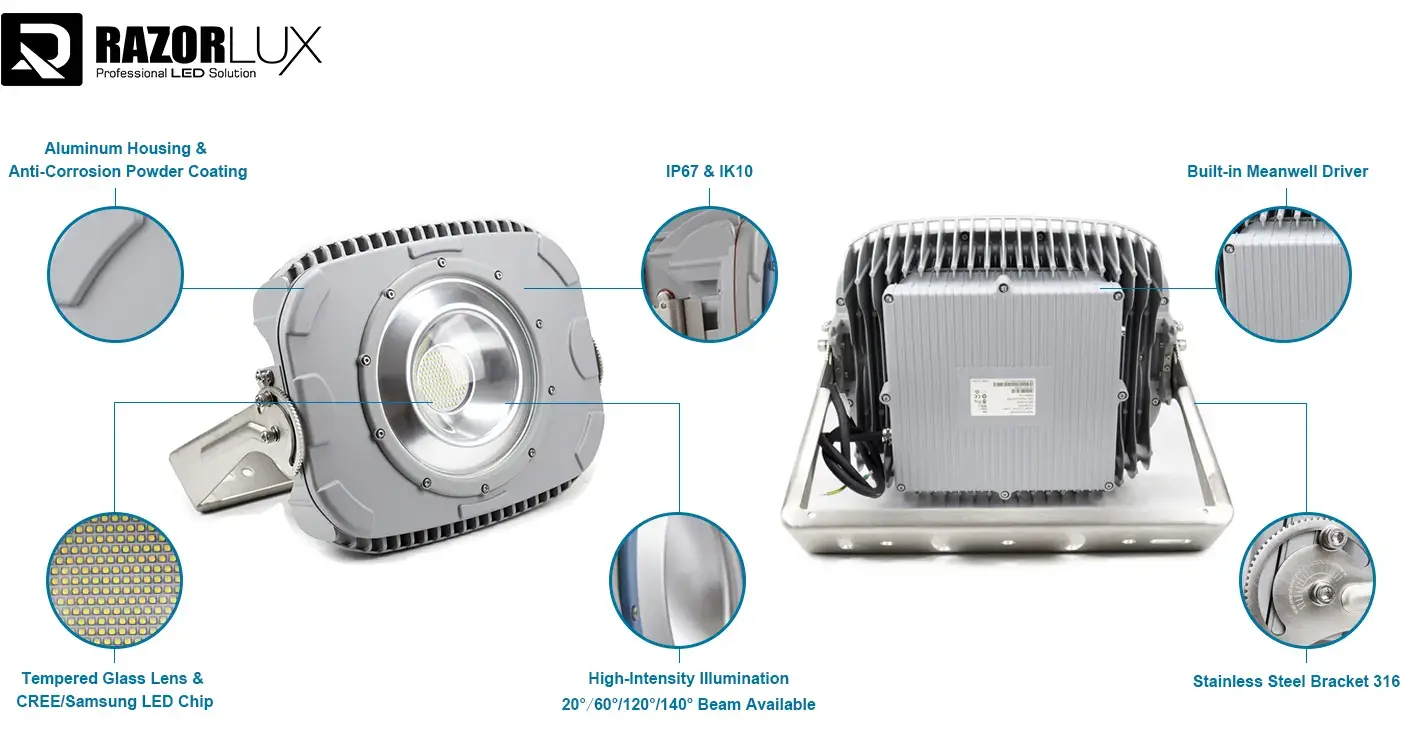
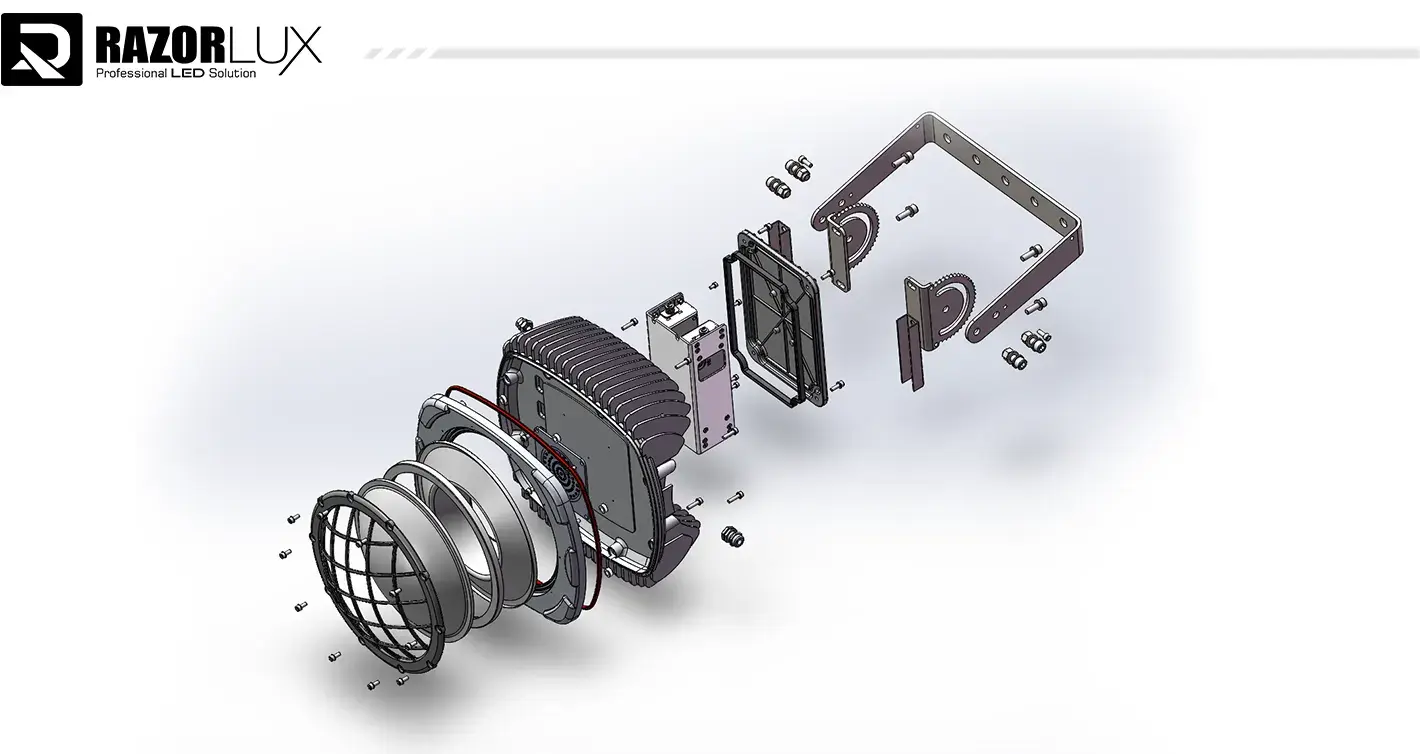
Metal halide and high-pressure sodium systems, which lose a lot of energy as heat instead of light, have been replaced by LED lights, which are the industry standard for energy-efficient sports lighting. Modern LED chips are very good at turning electricity into photons; in good lights, they can get luminous efficacy rates above 130 lm/W. This efficiency comes from the way semiconductors work: electrons rejoin with electron holes inside the LED material, giving off energy as photons instead of heat resistance. This greatly lowers the amount of power used—a 400W LED system can replace 800–1000W HID lamps and provide the same or better lighting. Temperature control has a big effect on how well LEDs work and how long they last. High-quality lights have cold-forged metal heat sinks that move heat away from the LED junction and keep the working temperature below 85°C. This thermal control keeps the light's brightness and extends its useful life beyond 50,000 hours. This means that expensive lamps don't have to be replaced as often, and maintenance workers don't have to be paid as much. This is especially helpful for facilities that are far away or that need special access equipment like high-mast platforms.
Precision Optics and Beam Control
Optical tech is what makes professional sports lighting different from regular floodlights. Energy economy isn't just about making lumens; it's also about putting those lumens exactly where they need to be on the playing field with as little waste as possible. Photons are directed onto the 18m x 9m outdoor lighting for the volleyball court with advanced lens systems, mirrors, and asymmetric optics. There is little spillage into nearby areas.
Engineers can change the way light is spread based on the mounting height, bulb placement, and court layout by choosing from beam angles of 40°, 60°, 120°, or asymmetric patterns like 140° x 60°. Narrow beam angles focus the light for high-mounting uses, while wider distributions work better for lower installation heights or multi-court sites that need lighting zones that overlap. This accuracy lowers the number of fixtures needed to reach the desired amount of illumination. This directly leads to lower initial costs and lower ongoing energy use.
Intelligent Control Systems and Adaptive Lighting
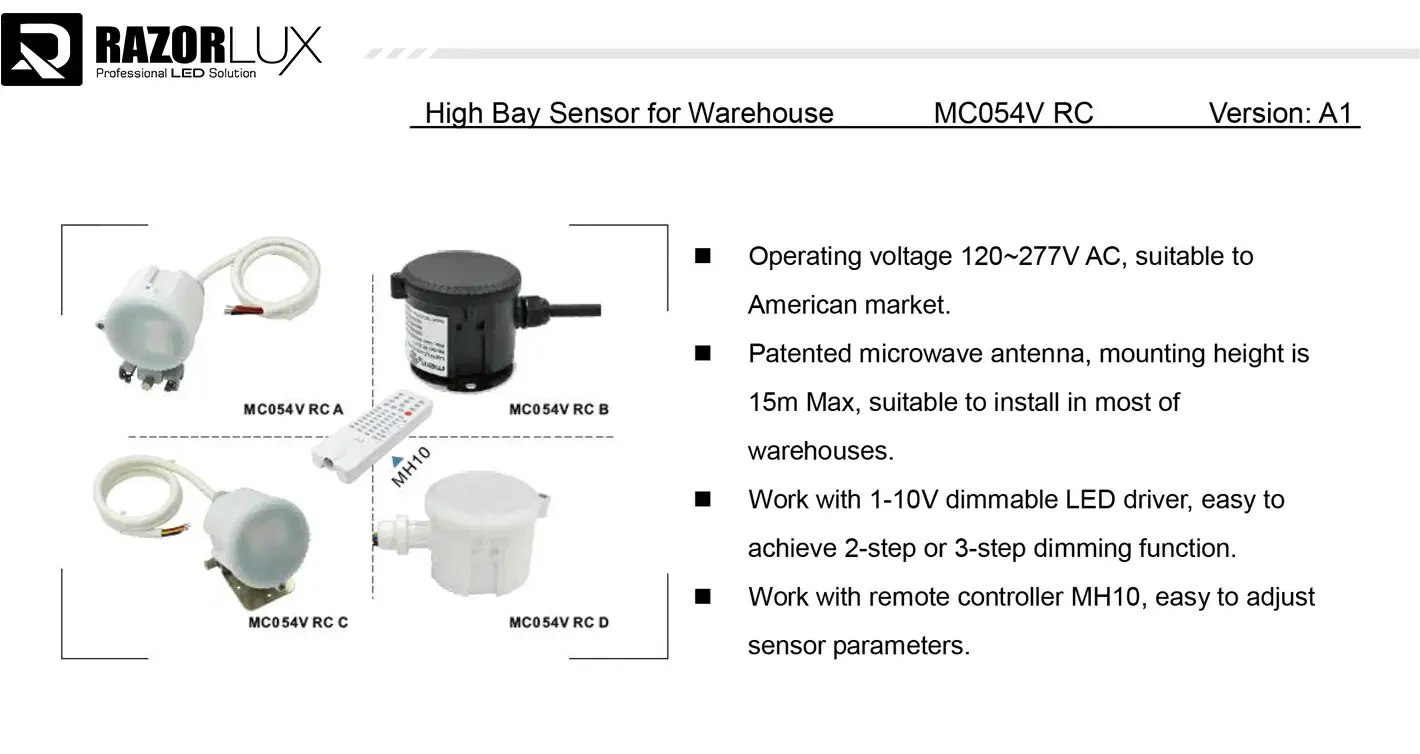
Smart settings make LED technology even more efficient by matching how much energy is used to how it is actually used. Programmable timing systems turn lights down or off automatically during daylight hours or times when they aren't being used. This stops lights from using energy when they don't need to. Motion sensors identify when the court is being used and only turn on the lights when they are needed. This is especially helpful for buildings with multiple courts where use changes throughout the day. Dimming can do more than just turn something on or off. Modern LED drivers work with smooth 0-10V or DALI lowering protocols, which let facilities lower the output during practice sessions (which usually need 300–500 lux) and raise it to full strength for games (750+ lux). This stepwise control can cut energy use by 30–50% over the course of a day's operations while also increasing the life of LEDs because lower working currents put less stress on semiconductor materials thermally.
Quantifying Energy Savings: LED vs. Traditional Lighting Technologies
To understand the financial and practical benefits of lighting that uses less energy, you need to directly compare performance across a number of different areas. These measures are used to figure out the total cost of ownership, which is important for capital planning and buying things.
| Parameter | LED Lighting (400W) | Metal Halide (1000W) | Advantage |
|---|---|---|---|
| Power Consumption | 400W | 1000W | 60% reduction |
| Luminous Efficacy | 130+ lm/W | 75-90 lm/W | 45-73% improvement |
| Operational Lifespan | 50,000+ hours | 10,000-15,000 hours | 3-5x longer service life |
| Warm-up Time | Instant on | 5-15 minutes | Immediate full output |
| Color Rendering Index | Ra>75 (Ra>90 available) | Ra 65-70 | Enhanced visibility |
| Maintenance Frequency | Every 5+ years | Every 12-18 months | 70% reduction in service calls |
Over the lifecycle of the machine, these competitive benefits get stronger. A typical outdoor lighting system for a volleyball court that uses its lights for 3,000 hours a year would use 1,200 kWh of electricity a year with a 400W LED system and 3,000 kWh with a 1000W metal halide system. At an average of $0.12/kWh for industrial energy in North American markets, this saves $216 a year per fixture, and that's before you take into account the cost savings from less repair work and lamp replacements.
Because LED systems turn on right away, they don't lose output during the warm-up times that metal halide systems do. Traditional HID lights need 10 to 15 minutes to reach full brightness after being turned on. This makes them less useful for places where people only use them sometimes or when there is an emergency that needs lighting. LED lights reach their full power right away, which supports dynamic timing and makes the user experience better.
Critical Performance Specifications That Enable Efficiency
There's more to energy economy in sports lights than just wattage numbers. A thorough knowledge of photometric, electrical, and mechanical specs is needed to make sure that systems work well in harsh weather conditions for a long time.
Luminous Efficacy and Optical Efficiency
Luminous efficiency, which is given in lumens per watt (lm/W), shows how well a light source turns electricity into visible light. Quality sports lighting systems get scores of 130 lm/W or higher, and the best ones get close to 150 lm/W or more thanks to better LED chip selection, phosphor coats, and less optical loss. This measure has a direct effect on operational costs: better efficacy means using less electricity to provide the same amount of light.
Optical efficiency tells you what percentage of the lumens that are made actually leave the device and hit the target area. Even very efficient LEDs lose their power if the light gets stuck in a badly designed housing or is absorbed by materials that aren't very good for reflectors. Professional-grade lamps use high-reflectance metal or polycarbonate optics with reflectance values above 95%. This makes sure that the most light gets to the playing area and the least amount of heat gets lost inside the fixture.
Power Quality and Electrical Characteristics
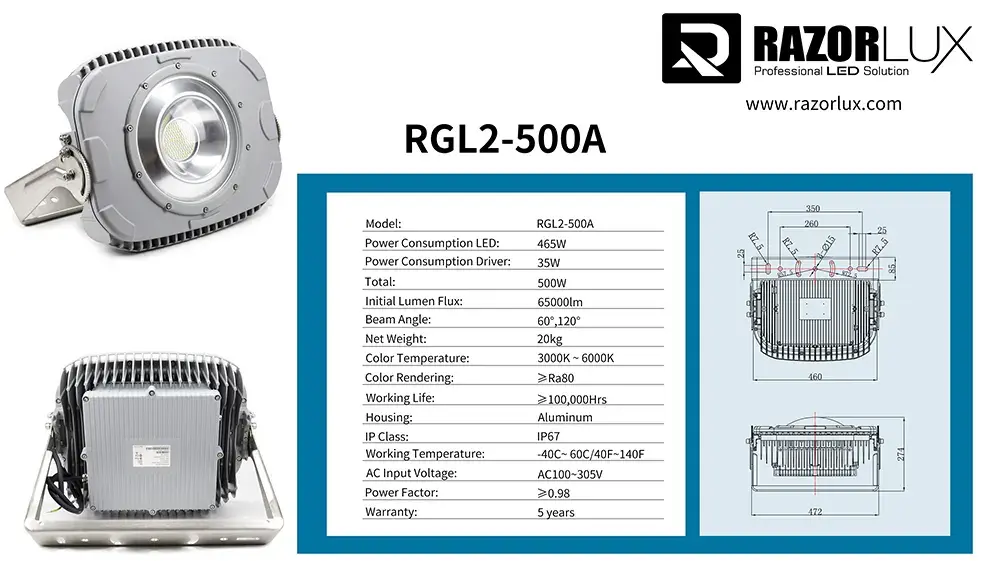
Input power is not the only thing that affects electrical efficiency. The power factor (PF) of a device shows how well it changes the visible power (volt-amperes) into real power (watts) that can do work. Good LED drivers have power factors higher than 0.98, which means they lose less reactive power and put less stress on the infrastructure that distributes electricity. This is especially important in big buildings where dozens of lights are running at the same time.
A total harmonic distortion (THD) level below 10% guarantees a clean electrical draw without adding current waveform distortions that could damage other sensitive equipment or cause annoying circuit breaker trips. Low THD also makes the general power quality of the facility better, which could lower demand charges in business rate structures that punish bad power factors.
Wide input voltage ranges (AC110-480V or even DC100-400V in Razorlux systems) mean that you don't need any extra voltage adapters or transformers. This makes the system simpler and less likely to have problems or lose power. This feature of universal input comes in handy for foreign projects or places with electricity systems that aren't standard.
Environmental Resilience and Thermal Performance
When things break early because of the surroundings, energy efficiency drops quickly. Enclosures with an IP67 rating keep out wetness and dust, which can damage electrical connections and make LEDs less effective. IK10 impact resistance can handle mechanical shocks from loose balls or servicing hits without affecting the integrity of the seal.
Operating temperature ranges from -40°C to +60°C make sure that the equipment works the same way in all kinds of regions, from the harsh winters in Norway to the scorching summers in the Middle East. To keep junction temperatures stable across these wide ranges, advanced thermal engineering is needed. For example, Razorlux lights use metal housings with a powder coating that effectively removes heat and prevents corrosion in salt-spray conditions common in outdoor lighting for volleyball courts near the coast.
Design Strategies That Maximize Energy Efficiency
Technical specs don't always mean that something will use less energy. Fixtures, controls, and mounting hardware should all be carefully planned so that the system works as well as possible while keeping installation and running costs as low as possible.
Strategic Fixture Placement and Mounting Height
The mounting height has a big effect on both the regularity of light and the efficiency of the energy used. When you place lights lower (6 to 8 meters), the inverse-square losses that come with light propagation are lessened. This means that lower-wattage fixtures can reach their goal lux levels. However, lower placement makes glare more likely because fixtures will be in the way of players' direct vision when they are watching the ball above them.
Higher mounting (10–12 meters) makes it easier to see because the fixtures are higher above normal sight lines. However, to make up for the longer photon trip distance, higher-wattage systems or more lights are needed. The best balance relies on how the outdoor lighting for the volleyball court is set up, what obstacles are in the way, and whether the facility is used for leisure or competition. Photometric modeling software is often used by professionals to try out different setups before finishing designs.
Zoning and Selective Illumination
Zoned lighting control that only lights up the courts that are being used saves a lot of energy in multi-court buildings. Intelligent systems don't run all of the lights at full power all the time. Instead, they turn on lighting zones based on occupancy sensors, set schedules, or human control inputs. This selected lighting lowers the total energy use of the building in a way that matches how it is actually used.
Bi-level switching or dimming lets you make even more fine-tuned adjustments: lights near busy courts work at full output, while zones next to them keep the minimum level of safety lighting at 20–30% output. This graded lighting keeps the whole site visible for safety and navigation while focusing energy use on areas that are actually useful.
Integration with Renewable Energy Sources
Solar-augmented systems reduce the amount of energy that is used by the grid. This is especially useful for sites that are in remote areas that don't have easy access to utilities or that are in places where solar power is cheap. Photovoltaic panels make energy during the day, which is kept in battery banks. In the evening, the batteries are discharged. Solar systems have higher initial costs, but they don't need to be charged for energy, and they don't depend on the power grid, which is helpful in case of a disaster. Grid and solar sources are combined in hybrid setups, which use green energy to lower peak-demand charges that happen when electricity rates are the highest. Smart charge controls and energy management systems find the best mix between self-generation and buying energy from the grid based on current rate structures and generation conditions.
Maintenance Practices That Preserve Energy Efficiency
Without proper care, even the most energy-efficient lighting systems break down over time. Proactive service practices keep performance high and stop losses in efficiency that raise business costs.
Regular Cleaning and Optical Maintenance
Over time, dust, bug droppings, and air pollution make it harder for light to pass through bulb lenses, which means that fewer useful lumens reach the playing area. A 20% drop in light output because of dirty optics means that more fixtures or longer hours of operation are needed to keep the same level of lighting, which directly reverses the gains in energy economy. Cleaning schedules—quarterly for areas with a lot of pollution, every six months for areas with mild pollution—bring back visual transmission to its original levels. Non-abrasive products and approved chemicals that won't damage polycarbonate glasses or anti-reflective coatings must be used for cleaning. Facilities near the coast need to be serviced more often because salt spray builds up and speeds up the loss of sight quality.
Thermal Pathway Inspection
Over time, debris builds up on heat sink fins and air channels, blocking convective cooling and raising LED junction temperatures, which speeds up light loss. Using thermal imaging during maintenance checks to find items that are running above their recommended temperatures lets you clean or repair them before they break. Making sure that the thermal interface materials between the LED modules and the heat sinks stay in good contact stops the rise in thermal resistance that lowers the cooling effectiveness. This care for temperature management protects the 50,000-hour reported lifespan that makes investing in LED systems worth it.
Driver and Control System Updates
LED drivers are the most common type of technological failure in modern lights because they are constantly under stress from heat and electricity. Control tools that track how well drivers are doing let you change them before they break and cause fixture outages. Good fixtures use Meanwell or other well-known drivers that have a history of being reliable, but even the best parts break down over time. Updating the software on a control system lets it be optimized based on data gathered over time about how it is actually used. As the way a building is used changes, machine learning algorithms can improve dimming plans, change the lines between zones, and find the best ways to use energy. This adaptable optimization makes sure that lighting systems stay in line with what they need to do their job, not with fixed design assumptions.
Real-World Implementation: Razorlux RGL2-400A Performance Data
Putting the theoretical benefits of efficiency into real-world uses needs performance data from real setups that have been proven to work. With the Razorlux RGL2-400A, you can see how smart engineering can improve operations in a wide range of outdoor lighting for volleyball court settings.
| Specification | Value | Operational Impact |
|---|---|---|
| Rated Power | 400W | Replaces 800-1000W HID systems |
| Luminous Efficacy | 130 lm/W | 52,000 lumens total output |
| Input Voltage Range | AC110-480V / DC100-800V | Universal compatibility, no transformers |
| Color Temperature | 2700K-6500K | Customizable for application requirements |
| Beam Angle Options | 40°, 60°, 120°, 140° x 60° | Precision light distribution |
| Operating Temperature | -40°C to +60°C | Extreme climate resilience |
| Enclosure Rating | IP67 / IK10 | Marine-grade environmental protection |
| Operational Lifespan | 50,000+ hours | 5-year warranty coverage |
| Power Factor | ≥0.98 | Minimal reactive power losses |
| Total Harmonic Distortion | <10% | Clean electrical operation |
When buying managers look at the total cost of ownership, these standards give them real benefits. When eight 1000W metal halide lights are replaced with Razorlux 400W LED systems, the related load drops from 8,000W to 3,200W, which is a 60% drop in power use. Running for 3,000 hours a year at $0.12/kWh, this change saves $1,728 a year on power costs and cuts down on repair work by making service intervals longer.
The ability to accept voltages from all over the world is especially useful for foreign projects that use different types of electrical equipment. Engineers choose a single fixture type for installations in Norway (230V), the UAE (240V), Singapore (230V), or remote ocean platforms running DC power systems (100–800V). This simplifies inventory and makes sure that all global deployments have the same level of performance.
Cost-Benefit Analysis: Investing in Energy Efficiency
To figure out the return on investment for LED lights, you need to do a full lifecycle study that looks at the system's initial cost, its running costs, and any repairs that need to be done over its lifetime.
Capital Cost Considerations
When compared to older technologies, LED lights usually cost two to three times as much per unit as similar metal halide systems. However, the original premium purchases cut running costs by a huge amount and increased the service life. To figure out payback times, you have to compare the total cost of installation (fixtures, controls, mounting infrastructure, and installation work) to the total amount of money you'll save over time.
If an average eight-court building switched from metal halide lighting to LED lighting, the difference in installation costs could hit $15,000. Annual operating savings (including energy and maintenance) are usually between $3,000 and $5,000, with simple payback times of 3 to 7 years. This is well within the 15 to 20-year service life of a good LED system. When you do a discounted cash flow analysis that takes into account rising energy costs and the cost of maintenance work, you can often find internal rates of return that are higher than 15% to 20%. This is a good return compared to other capital assets.
Operational Cost Reduction
The most obvious practical benefit is saving energy, but that doesn't show the full value offered. Less upkeep work, no need to replace lamps, and lower HVAC loads (because fixtures produce less heat) all add up to extra savings that often add up to 30 to 50 percent of the direct electricity savings.
Facilities in rural areas or that need special tools to get to change lamps save a lot on upkeep. An offshore platform installation that needs to be moved by chopper and has to have qualified techs change the lamps could cost more than $2,000 per service call. Changing service times from once a year for metal halide to five or more years for LED saves a lot of money, and not just on the cost of the fixtures.
Risk Mitigation and Operational Continuity
When lighting fails early during planned events, it hurts the organization's image and could leave it open to risk in ways that can't be measured. Because LED systems last longer and are more reliable, there is less chance that they will go out, so arranged matches can go on as planned without any lighting problems. This continuity of operations is especially helpful for commercial sites that make money by renting out courts or having tournaments.
Quality assurance methods used by well-known makers, such as testing all fixtures before they are shipped, using certified parts (Meanwell drivers, Samsung LEDs), and offering full guarantee coverage, further reduce the risk of purchasing. Razorlux's five-year guarantee on LED modules and drivers, which is backed by ISO 9001:2015 certification, lets you know that promises of high efficiency will actually be met in the real world.
Selecting the Right Energy-Efficient Lighting Partner
Technical specs and cost analysis are objective ways to judge, but the success of a project also depends on the skills of the maker, the dependability of the supply chain, and the support provided after installation.
Manufacturing Expertise and Quality Control
Optical, heat, electrical, and mechanical engineering are all very important in LED lighting systems. Manufacturers who don't have their own research and development departments often buy stock parts without making sure they work well together. This leads to pieces that don't meet specs or break down too soon in real-world situations.
Razorlux has more than 200 patents covering LED Packaging, power control, and structure design. These patents show real engineering innovation, not just putting together parts. In-house research and development (R&D) teams create unique ways to handle heat, custom optical designs, and advanced driver systems that work best in tough industrial and marine settings. This vertical integration makes sure that every part of the system adds to its general strength and stability instead of being a weakness.
Comprehensive quality control methods make sure that promises about performance are true before the goods get to customers. 100% fixture testing finds flaws in the production process, and outdoor chamber validation makes sure the product works in all temperature ranges that are listed. Photometric testing in calibrated integrating spheres verifies claims about light output and effectiveness, making sure that goods provided match the specs that were released.
Certification Portfolio and Compliance
International licenses show that safety standards are met and make it easier to get through customs, especially for projects that go through more than one country. Having a lot of different certifications, like CE, RoHS, UL, DLC, SAA, C-Tick, and CB, shows that a company wants to meet a lot of different governmental needs instead of just focusing on one market.
Marine-specific certificates (DNV/GL, ABS) show that fixings can handle vibrations, salt spray, and the normal thermal cycle that happens on ships. When dock procurement managers and marine engineers look at lights for offshore platforms, port facilities, or vessel retrofits—uses where failure too soon can have unfair effects—these specialized approvals are very important for outdoor lighting for volleyball courts.
Supply Chain Capabilities and Project Support
For large-scale installations to go smoothly, they need reliable shipping plans, enough inventory, and quick expert help during the whole procurement process. Manufacturers who don't have a mature supply chain infrastructure find it hard to meet project deadlines, which causes building plans to slip.
Razorlux keeps a lot of stock on hand so that standard setups can be filled quickly. They also offer customization services (OEM/ODM) for projects with unique needs. Flexible buying lets you buy small amounts for testing purposes or large amounts for deployments across multiple sites. Global transportation relationships make sure that goods get to factories in Norway, ports in Singapore, and mining operations in Australia on time.
Technical advice given before a sale helps engineers make the best decisions about device specs, mounting arrangements, and control integration. Technical models with lots of details, photometric files (IES format), and installation instructions all help the job go smoothly. Support for commissioning after installation and service under a five-year guarantee make sure that systems keep working as designed for as long as they are in use.
Conclusion
Advanced LED technology, precise optical engineering, clever controls, and marine-grade building come together to make energy-efficient outdoor lighting. For volleyball court lighting that works better in a wide range of demanding situations. Facility managers can lower power costs, make maintenance easier, and improve lighting quality all at the same time by using systems that can produce 130+ lm/W of light while withstanding high temperatures, salt spray, and mechanical impacts. When old HID systems are replaced with new LED platforms, 50–70% less energy is used, service intervals are increased by 3–5 times, and instant-on operation makes the user experience better. Implementations that work well combine technical requirements with a study of the total cost of ownership, the manufacturer's abilities, and a wide range of support services. Razorlux has been developing LEDs for 25 years and has a large portfolio of patents. Our products have been tested and proven to work reliably in marine and industrial settings, making us a great partner for procurement managers who want lighting solutions that will last for decades and bring in money.
FAQ
What mounting height works best for energy-efficient volleyball court lighting?
The best mounting height strikes a mix between saving energy and being able to see clearly. Inverse-square light losses are lessened at lower heights (6–8 meters), which lets lower-wattage lighting reach the desired amount of illumination. When fixtures are mounted below 6 meters, however, they get in the way of players' vertical sight lines during overhead ball tracking, which makes the glare worse. Higher ceilings make it easier to see, but they need more lights or higher wattage to make up for the longer distance. Most professional setups aim for an 8–10-meter mount with precise optics (40–60° beam angles) that focus light on the playing area while reducing spillage upwards on the outdoor lighting for the volleyball court.
How do smart controls contribute to energy savings?
Through adaptable operation, intelligent control systems make LEDs more efficient. Programmable timing turns lights off or dims them instantly during daylight hours or times when they aren't being used, so no energy is wasted. Motion sensors identify movement on the court and only turn on the lights when they're needed. This is helpful for venues that get a lot of different uses. Gradient output is possible with dimming protocols (0-10V, DALI), which lowers power use by 30–50% during practice sessions while keeping the strength at full level during matches. With zoned control, only the courts that are being used are lit up in buildings with more than one court. This lowers the facility's overall energy use.
What certifications matter most for outdoor volleyball court lighting?
Important approvals include CE (for safety in Europe), UL (for safety in North America), and RoHS (for limits on dangerous substances). The IP67 rating shows that the building is dust- and watertight, and the IK10 rating shows that it can withstand impacts from mechanical shocks. Fixtures that are listed on the DLC can get energy rebates in North America, which directly lowers the cost of capital. Marine-specific certifications (DNV/GL, ABS) show that the product is resistant to vibration and salt spray rust, which is very important for seaside sites, offshore platforms, and port facilities. ISO 9001:2015 approval means that strong quality control is used in manufacturing.
Partner with Razorlux for Industrial-Grade Sports Lighting Solutions
Razorlux blends 26 years of experience in LED tech with marine-grade building standards to make outdoor lighting for volleyball courts that can work in the roughest conditions. Our RGL2-400A floodlight has a patented multi-function design that is backed by full international certifications. It has 130 lm/W of light output, IP67/IK10 safety, and global input voltage compatibility (AC110-480V, DC100-800V). We are a reliable Outdoor Lighting For Volleyball Court manufacturer that works with shipyards, offshore platforms, and heavy industrial facilities in Northern Europe, Southeast Asia, and the Middle East. We offer full technical documentation, samples, and a five-year warranty that is backed by Meanwell drivers and Samsung LED chips. Email our engineering team at sam@razorlux.com to talk about the needs of your project, ask for photometric estimates, or set up a review of a sample. Our quick procurement support makes sure you get clear specs, cheap quotes, and expert advice on how to get the most out of your lighting investment in terms of both energy savings and dependability.
References
1. Illuminating Engineering Society, "Recommended Practice for Sports and Recreational Area Lighting (RP-6-15)," IES Standards Committee, 2015.
2. Chen, J., & Wang, L., "Thermal Management Strategies for High-Power LED Luminaires in Outdoor Applications," Journal of Solid State Lighting, Vol. 8, No. 3, 2021, pp. 145-162.
3. European Committee for Standardization, "Light and Lighting - Lighting of Work Places - Part 2: Outdoor Work Places (EN 12464-2)," CEN Technical Committee, 2014.
4. Martinez, R., & Thompson, K., "Life Cycle Cost Analysis of LED vs. Traditional Sports Lighting Systems," Energy Efficiency in Building Services, Vol. 15, No. 2, 2020, pp. 78-94.
5. International Commission on Illumination, "Guide on the Limitation of the Effects of Obtrusive Light from Outdoor Lighting Installations (CIE 150:2017)," CIE Technical Report, 2017.
6. Anderson, P., et al., "Performance Degradation Mechanisms in Outdoor LED Luminaires: A Five-Year Field Study," IEEE Transactions on Industrial Electronics, Vol. 67, No. 11, 2020, pp. 9523-9531.
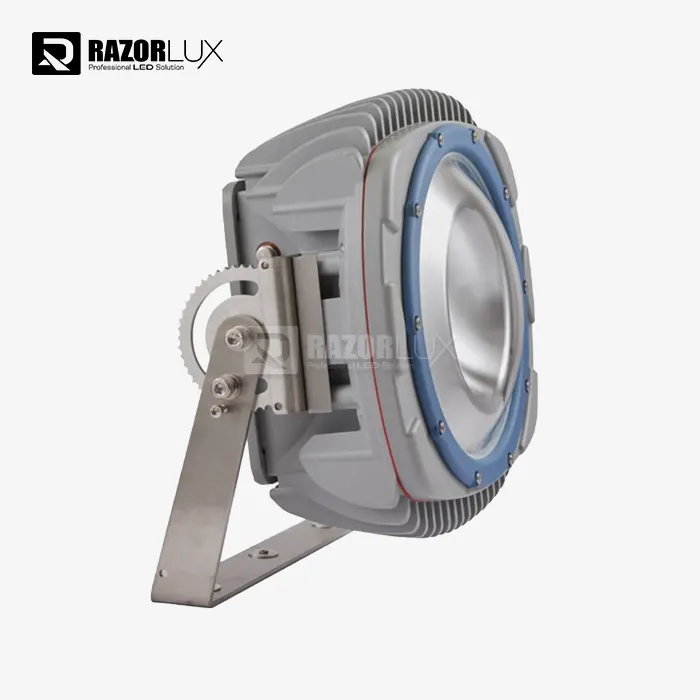 VIEW MOREled boat deck light
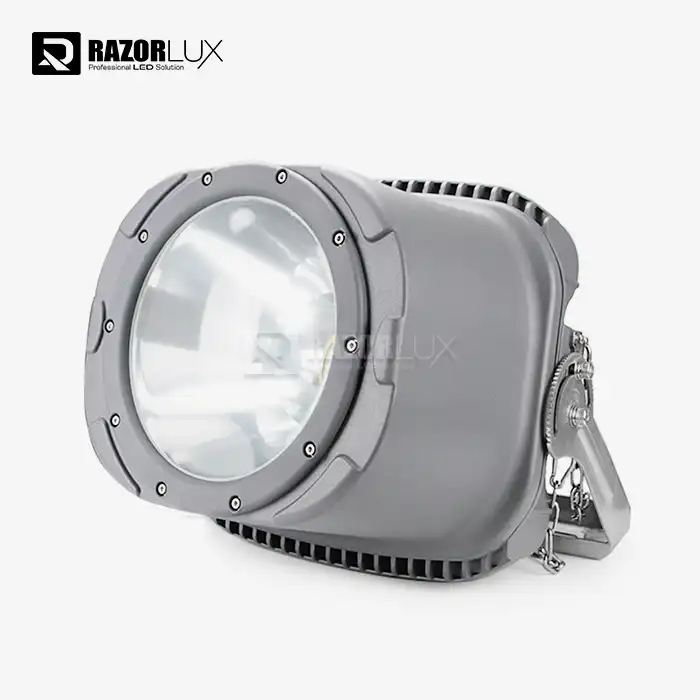 VIEW MORELed Indoor Arena Lights
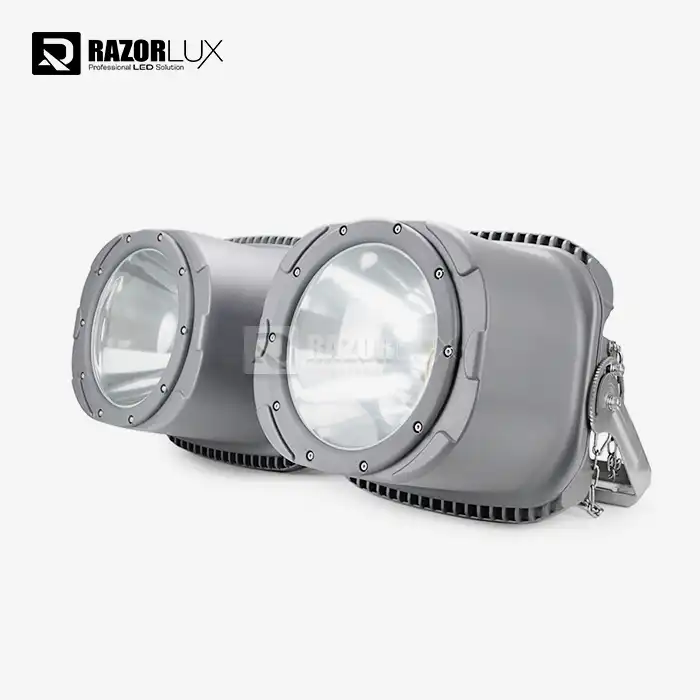 VIEW MOREMarine Led Flood Lights 120V
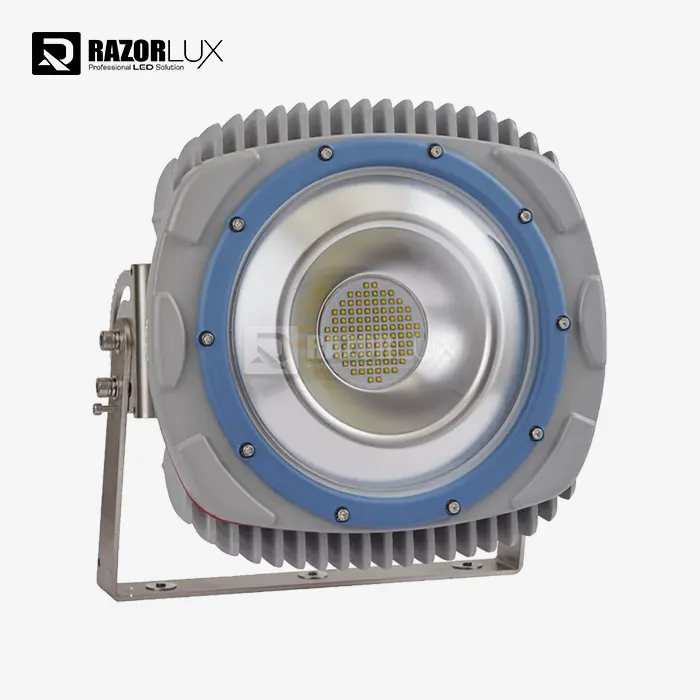 VIEW MOREHigh Pole Garden Flood Lights 10800 Lm 90w Led Flood Light Ip67
 VIEW MOREWaterproof IP67 6500K Led Football Stadium Lights Badminton Court 52000lm
 VIEW MOREDimmable Indoor Flood Lights
 VIEW MORE2 Head Led Flood Light
 VIEW MOREHigh Voltage Flood Lights