


_1750326878398.png)

Which LED Overhead Crane Lights Offer the Best Durability and Value?
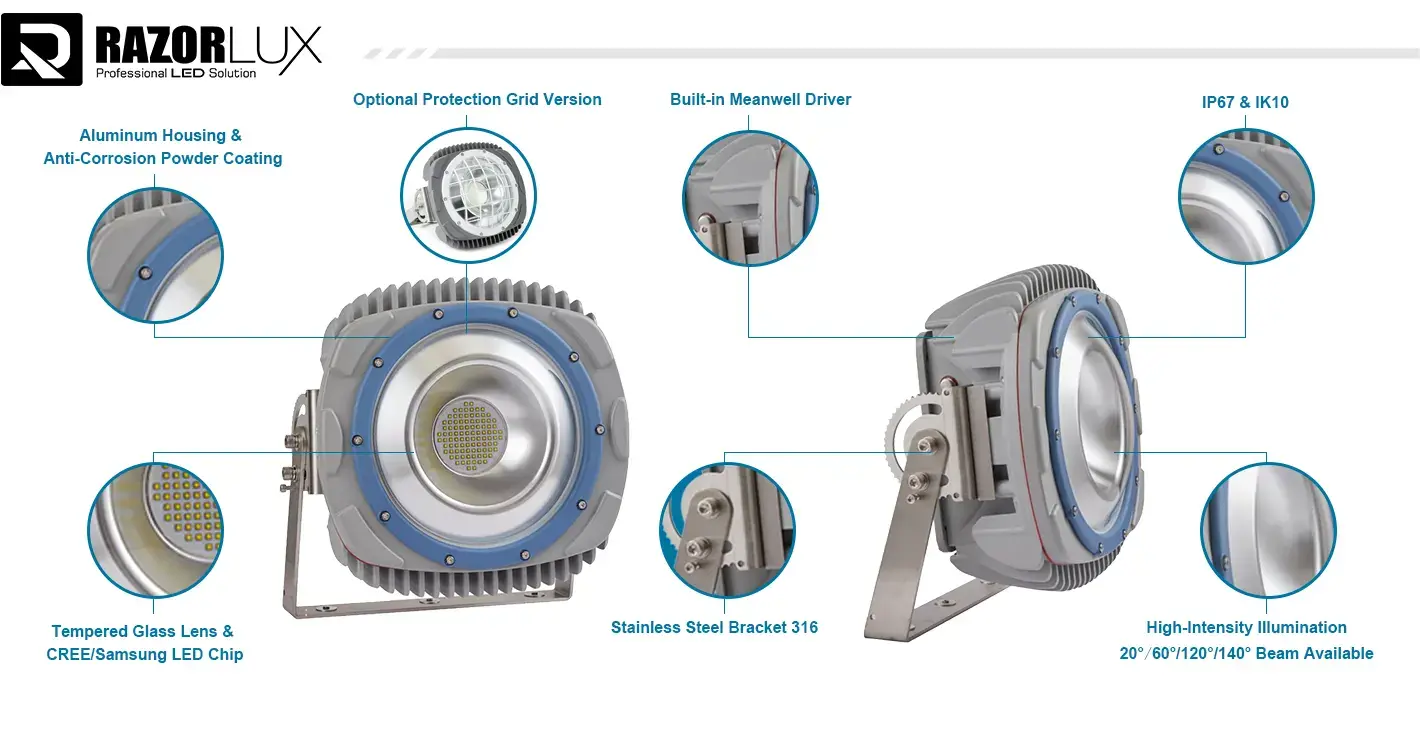
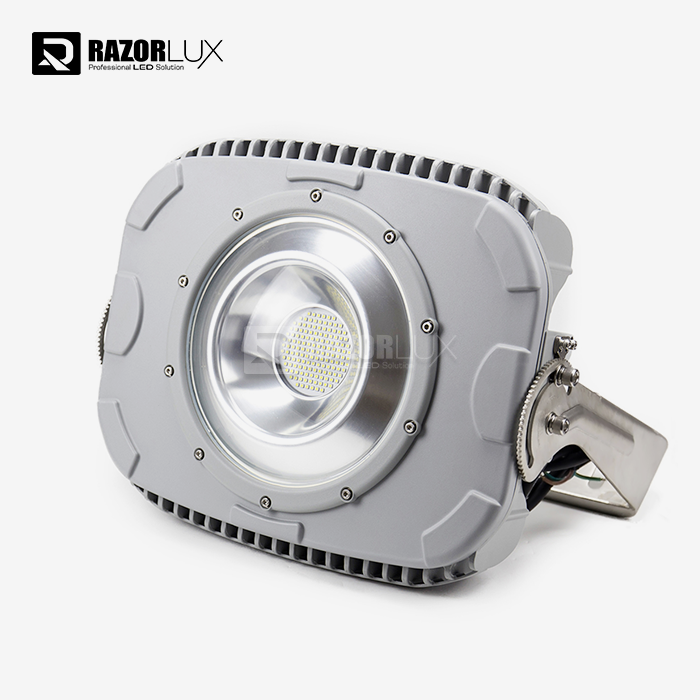
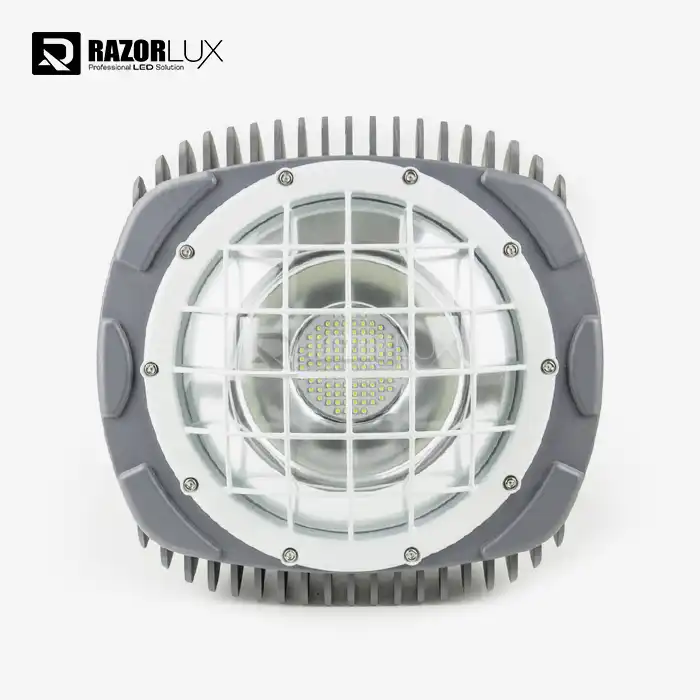
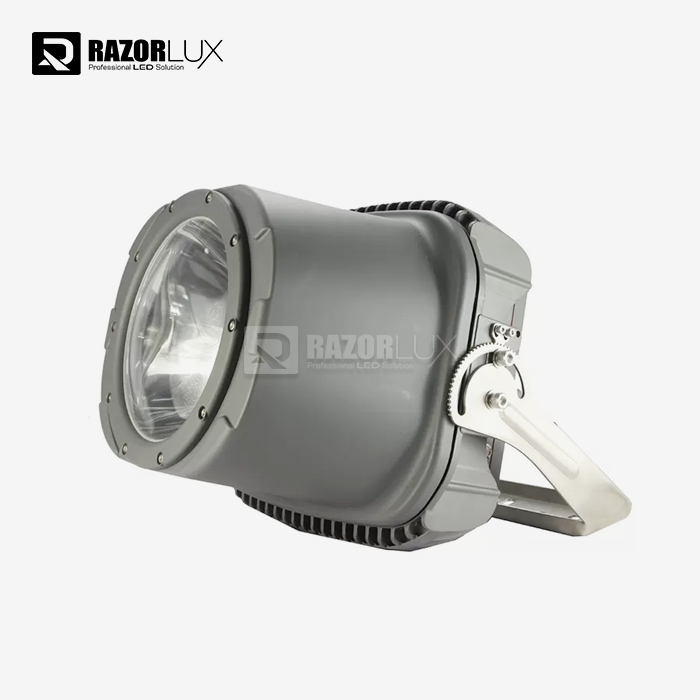
When workers are looking for long-lasting and cost-effective crane lighting solutions, they need systems that are made to work in harsh industrial settings. When it comes to longevity and value, the best Led Overhead Crane Lights have IP67 security ratings, better vibration resistance thanks to solid-state technology, and energy efficiency levels above 130 lm/W. Our Razorlux RGL-120A model meets this standard perfectly. It has a Meanwell power source, works with a wide range of voltages (AC80-315V), and comes with a full 5-year protection that is backed by over 200 patents and certifications from UL, CE, and RoHS. Traditional 250–300W metal halide lamps can be replaced by these fixtures, which only use 120W. This directly addresses procurement worries about running costs and repair downtime.
Understanding LED Overhead Crane Lights: Benefits and Working Principles
When industrial cranes are used, they need lighting systems that work reliably even when they are under a lot of mechanical stress, high temperatures, or dirty conditions. Modern LED overhead crane lights that are placed on cranes deal with these problems using very different technology than older systems.
How Does LED Technology Transform Crane Visibility?
In contrast to incandescent or halogen bulbs, which use heat to make filaments glow, LEDs use electroluminescence in semiconductors to make light. This solid-state design gets rid of weak parts that could break from constant shaking, which is a big plus when the lights are on moving bridge cranes that are under 5G to 10G of mechanical load. Razorlux engineering uses stronger PCB pins and extra safety retention systems to keep the fixture's integrity even when there is an emergency stop.
Since there is no warm-up time, the light is on full brightness right away, which improves operator reaction during important load moves. When turned on, our 120W light gives off 14,400 lumens right away, so crane workers and people on the ground can always see what's hanging from the ceiling.
Energy Performance and Operational Cost Reduction
When a facility runs multiple cranes on long shifts, energy savings has a direct effect on the total cost of ownership. LED systems are 130 lm/W efficient, while metal halide systems are only 60 to 80 lm/W efficient. This means 70% less power use, which is a big savings for places that run 20 or more cranes all the time.
Besides saving money on power, less heat production makes parts last longer. Traditional high-intensity discharge lights work at temperatures above 300°C, which speeds up the breakdown of the housing and means it needs to be relamped often. Advanced thermal management keeps the temperatures at the LED junctions under control. This helps the lights last the normal 50,000 hours of use.
Specialized Design Features for Crane Applications
Effective crane lighting does more than just shine light on the area. Safety zone projection systems, which usually have red or blue spot projectors, make moving floor marks that move with the crane hook to alert people on the ground to dangers above. This solves a problem that has been bothering the industry for a long time: permanent floor marks wear off in places with a lot of foot traffic and don't show when cranes are stopped.
The choice of beam angle is very important for mounting heights. For buildings with crane clearances of 15 to 20 meters, 60° narrow beams are needed to focus light on work areas instead of spreading it out along walls. Razorlux lets you change the lens (60°, 120°, 140°×60°) to fit the shape of your building and make sure there are enough footcandles where workers need to see.
Comparing LED Overhead Crane Lights with Traditional Lighting Solutions
When making choices about what to buy, it helps to know how the performance of different LED overhead crane light systems differs in areas that affect safety, maintenance schedules, and lifecycle costs.
Performance Metrics: LED vs. Metal Halide vs. Halogen
| Performance Factor | LED (Razorlux RGL-120A) | Metal Halide (250W) | Halogen (300W) |
|---|---|---|---|
| Luminous Efficacy | 130 lm/W | 70 lm/W | 20 lm/W |
| Operational Lifespan | 50,000 hours | 12,000 hours | 2,000 hours |
| Warm-Up Time | Instant | 5-15 minutes | Instant |
| Vibration Resistance | Excellent (solid-state) | Poor (arc tube failure) | Poor (filament breakage) |
| Color Rendering Index | Ra>75 (Ra>90 available) | Ra65-70 | Ra100 |
| Operating Temperature Range | -40°C to 60°C | -20°C to 40°C | -10°C to 50°C |
Real-World Application Scenarios
This comparison shows why ships and steel mills are choosing LED systems for crane repair projects more and more. The longer lifespan alone gets rid of the need for planned repair breaks, which is important when crane downtime affects whole production lines.
Environmental factors make technology differences stand out more in outdoor gantry crane setups at container ports. Traditional lamp sockets and reflectors break down in 18 to 24 months because of salt spray and rust, which is a problem that always happens in marine settings. Marine-grade metal housings with powder coating and stainless steel brackets are used in Razorlux lights, which meet ASTM B117 standards for salt spray protection. Our IP67 grade makes sure that no dust can get in and that the product can withstand being submerged in water up to 1 meter deep. This is very important for equipment that will be cleaned.
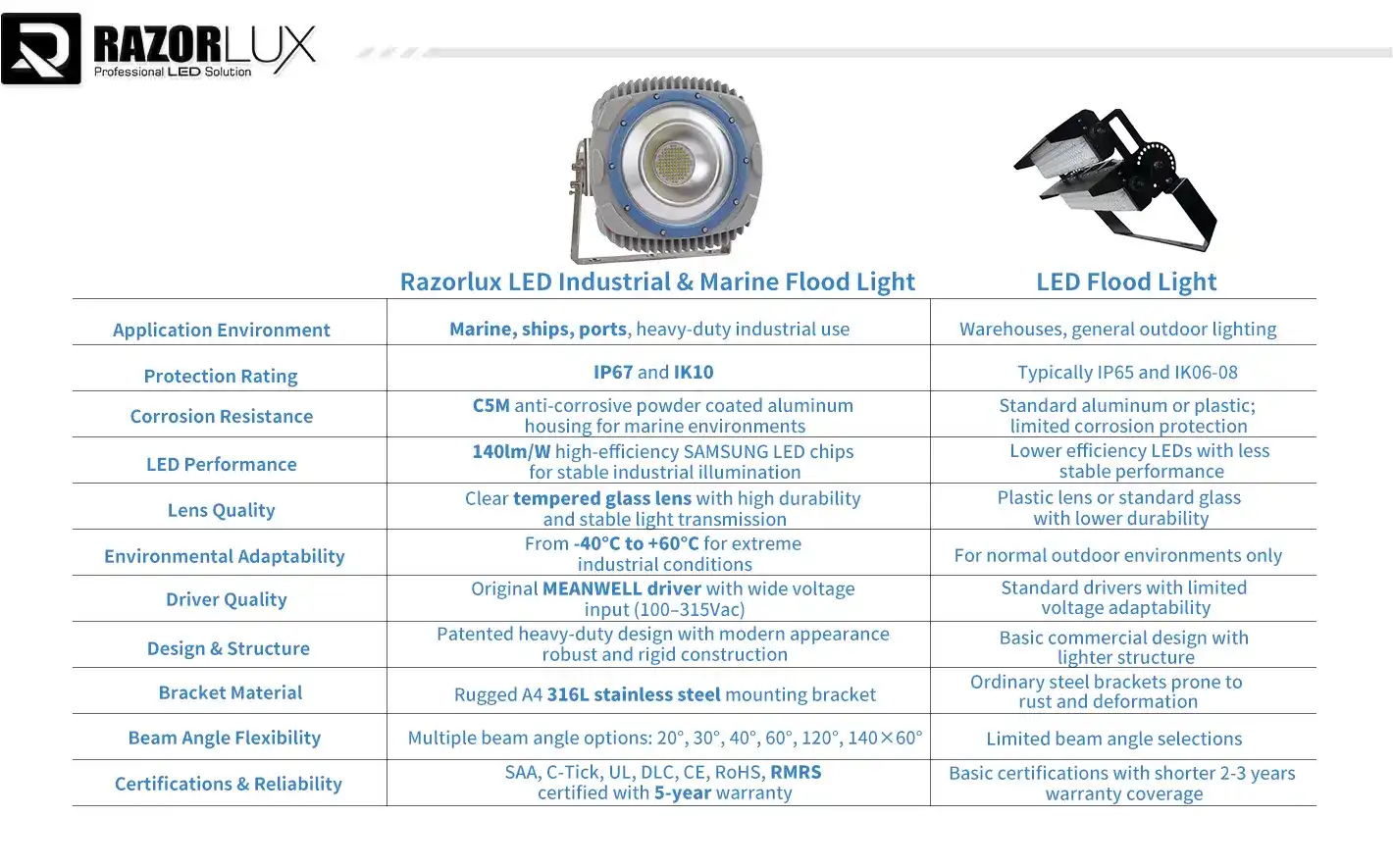
There are different problems that come up with indoor bridge cranes in steel foundries. Near furnaces, the air can be hotter than 60°C, and particles in the air can cover shiny surfaces. When used beyond their stated temperature limits, HID lamps lose 30 to 40 percent of their lumen output, but LED systems keep their light output fixed. The protected optical chamber keeps dust from building up on the LED arrays, so the lighting stays the same for the full 5-year warranty time.
Cost-Efficiency Analysis Over Equipment Lifecycle
By figuring out the total cost of ownership, you can see that LED is more cost-effective, even though it costs more at first. Ten 250W metal halide crane lights are used for 16 hours a day, two shifts, at $0.12/kWh industrial rates. This means that the building spends about $17,520 a year just on energy. With equivalent LED lights, this drops to $5,256, which saves $12,264 a year.
The difference is made bigger by the cost of maintenance. Every 12 to 18 months, metal halide lamps need to be replaced, which takes time for the electrician, the crane to be shut down, and the lift equipment to be rented. At $150 per repair event for ten fixtures, the total cost of yearly upkeep is $1,500. Since LED systems don't need to be relamped for 5+ years, this cost goes away, and production doesn't stop.
How to Choose the Best LED Overhead Crane Lights for Durability and Value?
Finding the best LED overhead crane lights means matching technical specs to practical needs and thinking about long-term value beyond the purchase price.
Environmental Assessment and Protection Requirements
Choosing the right security level is based on knowing the unique conditions of your location. The IP (Ingress Protection) rating method uses two numbers to show how resistant something is to dust and water: the first number (0–6) shows protection against solid particles, and the second number (0–9) shows protection against liquid entry.
Fixtures with an IP65 rating have dust-tight seals and protection against water jets, which is good for industrial settings that are cleaned down every so often. The IP67 grade that comes standard on Razorlux crane lights protects against dust and water for a short time, which is important for outdoor setups or buildings with deluge fire-suppression systems.
Impact strength, which is measured by IK scores, is also very important. The housing meets the highest standard, IK10, which means it can take 20 joules of impact energy, which is the same as a 5 kg mass being dropped from 40 cm. This keeps them from being touched by mistake during repair or when moving heavy loads.
Critical Evaluation Metrics for Industrial Buyers
The following technical factors should be included in the procurement specifications:
Lumen Output and Efficacy: Check the real lumens provided instead of the theoretical numbers for LED chips. Good makers give you photometric test results that show stable flux after thermal equilibrium (for example, Razorlux says 14,400 lm at 5700K after one hour of use). If the efficiency is above 130 lm/W, it means that the LED driver is working well.
Voltage Compatibility: Motor starting loads can cause voltage changes in crane power systems. Wide-input drivers (AC80-315V) can handle these changes without the need for extra voltage control. Razorlux lights can also take DC80–400V input, which means they can work with battery-powered crane systems in places that need to keep running even when the power goes out.
Color Temperature Selection: The best color temperature for fine details is between 5000K and 5700K, but some jobs work better with other temperatures. Warm white (2700–3000K) makes it easier on the eyes when you're watching for a long time, and cool white (6000–6500K) makes metal surfaces stand out more. Razorlux has choices between 2700K and 6500K to meet operating needs.
Power Factor and Harmonics: To avoid fines from the utility company and stress on the electrical system, places that check the power quality should choose lights with a power factor of at least 0.95 and a total harmonic distortion of less than 10%.
Customization Options for Specialized Applications
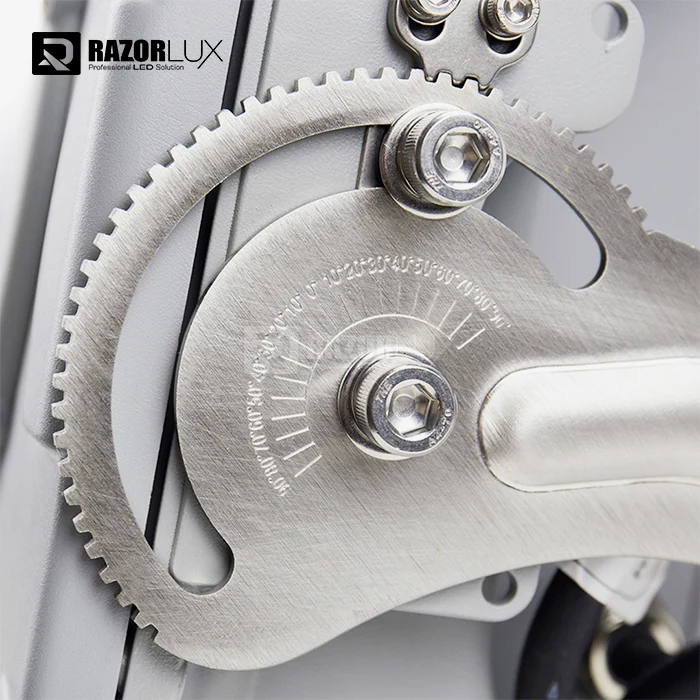
Modular lighting systems are adaptable to changing business needs. Different crane beam shapes can be used with adjustable mounting pieces that don't need to be made from scratch. When facilities rearrange storage plans or change the areas that cranes cover, they can change the beam position by using interchangeable optics.
In addition to simple lighting, some uses benefit from having built-in safety features. Razorlux can add warning lights (blue or red spot projectors) to crane fixture kits, making unified systems that are easier to install and need less power distribution. These hybrid designs put danger zones on the ground while keeping the lights in the work area as a whole.
Warranty structure and spare parts availability significantly impact long-term value. Full coverage should talk about LED modules, drivers, and housing parts separately and in clear language. Razorlux backs its 5-year warranties on both LED arrays and Meanwell drivers with a 10-year warranty on housings. The warranties are backed by recorded component traceability and a new part inventory kept at our Xi'an facility.
Maintenance Tips and Best Practices for Maximizing LED Overhead Crane Light Lifespan
Even though industrial LED overhead crane lights need regular care to last as long as they're supposed to and keep working at their best for as long as they're supposed to.
Routine Inspection Protocols
Visual checks every three months find problems before they get bad enough to cause crashes. The people who work in maintenance should check:
Mounting Integrity: Make sure that all of the screws are still properly torqued. Even with lock nuts, constant shaking can loosen connections over time. For mounting clamps, torque specs are usually between 15 and 25 Nm; check the manufacturer's instructions for exact numbers.
Housing Condition: Look for physical damage, rust, or seal wear. Marine-grade metal doesn't rust, but protective coats can be damaged by impacts. Fix scratches right away with touch-up paint to stop rust from getting worse.
Optical Clarity: Check the lenses for dust, grease, and other things that stick to them and block light. Even lamps that are sealed with IP67 get dirt and grime on the outside that lowers the light they give off by 15 to 20 percent if they are not cleaned.
Cleaning Procedures and Environmental Considerations
When you clean it the right way, you can keep the light output without hurting the protected layers or seals. Use microfiber cloths and cleaning solutions that are pH-neutral. Stay away from rough materials or strong solvents that break down polycarbonate or plastic lens materials. Before putting fixtures back into work, make sure they are totally dry and rinsed well.
In harsh places like foundries, chemical processing plants, or sea settings, cleaning plans may need to be changed from three times a year to once a month. Keep track of when you cleaned and any trends of wear and tear you saw to find the best care intervals for your building.
Extreme temperatures have a predictable effect on how well LEDs work. Good lights can work in temperatures ranging from -40°C to 60°C, but using them at higher temperatures for a long time speeds up brightness loss. Make sure there is enough airflow around things that are attached to cranes, and think about using heat shields when the cranes are near boilers or other high-temperature equipment.
Troubleshooting Common Issues
Intermittent or flickering operation: This usually means that the electrical links are loose or the drivers are failing. Check the ends of the wires at both the device and the power source. If the links are safe, you may need to change the drivers. Good makers, like Razorlux, sell new drivers separately, so you don't have to change the whole fixture when a single part fails.
Dimming or Reduced Output: It's normal for lumens to lose some of their brightness over time (the L70 standard says that after 7 years, the output will drop to 70%). Suddenly lower power could mean a problem with the driver or with the temperature. Check that the device works within the recommended temperature ranges and look at the materials that connect the LED clusters to the heat sinks.
Complete Failure: Make sure there is power coming in at the device connection point. Surges can be stopped by wide-voltage drivers, but over-voltage or phase loss that lasts for a long time can damage the electronics permanently. If the power source is fine, replacing the driver usually fixes the problem. Most LED arrays don't break all the way, but sometimes they do get damaged.
Safety rules during maintenance must be followed at all times. Always use lockout/tagout methods to turn off wires before working on fixtures. Crane-mounted lights may stay on even when hoists are turned off; use the right testing tools to make sure there is no electrical interference. When working on lights on high-up cranes, always wear fall protection and never do repair work alone.
Documenting Maintenance History
Predictive maintenance tactics are possible with full service records. Write down the results of all inspections, cleaning dates, part repairs, and problems with how things work. This paperwork shows trends that help with preventative actions, like finding specific crane lines that get dirty more quickly because they are close to a process.
Service history also supports warranty claims by showing that the car was properly maintained. When manufacturers look at early failures, they usually need proof of proper care. Digital maintenance management systems make this paperwork easier and set up automatic times for regular inspections.
Procurement Strategies: Where and How to Buy Reliable LED Overhead Crane Lights
Finding the right goods is only part of effective buying. You also need to build relationships with suppliers that meet your long-term business needs.
Evaluating Manufacturers and Suppliers
Certification files show that quality management and product compliance are real. Some important approvals for industrial LED overhead crane lights include UL marking, CE marking (which shows agreement with the EU Low Voltage and EMC Directive), and CB scheme approval for global acceptance.
Marine Classifications: DNV, ABS, or Lloyd's Register approval for systems on ships, proving resistance to vibration, durability against salt spray, and electrical safety in marine settings.
Quality Management: Having ISO 9001 approval means that quality control is carried out systematically throughout the whole production process.
Razorlux is fully certified to meet all of these standards, and you can easily find paperwork to help you with the bidding and specification steps. With more than 200 patents, our ongoing R&D investment in LED Packaging, thermal management, and optical design shows that we have specialized skills that go beyond basic manufacturing.
A manufacturing capability review should look at how much can be made, where to get parts, and how quality control is done. Suppliers you can trust will give you tours of the plant or thorough instructions on how to put things together. Razorlux runs GMP-certified factories that keep records of all the parts they use. For quality control and guarantee support, they keep track of all the LED chips, drivers, and optical parts in every fixture.
Selecting Appropriate Purchasing Channels
Different types of purchases are better with different provider involvement models:
Direct Manufacturer Relationships: This is best for places that have more than one crane or that are in the process of remodeling. Direct engagement gives you access to expert help, the chance to make changes, and better prices for large orders. Razorlux can help with direct sourcing for projects of any size, and as part of our pre-sales service, we offer engineering advice.
Authorized Distributors: Regional distributors have stock that is close by, so small orders can be delivered faster, and they may also be able to help with installation. Check to see if the distributors you're dealing with sell real goods with valid warranties. Fake industrial lighting is dangerous and doesn't come with maker support.
Project-Based Procurement: Engineering companies or system designers are often used to move big capital projects forward. When installing lighting for a crane as part of a larger building project, make sure that the lighting specs spell out exactly what certifications, performance measures, and warranty terms are needed. This will keep you from having to replace better products during value engineering.
Total Cost of Ownership Considerations
Purchase price represents only one component of lighting system costs over operational life. A comprehensive evaluation includes the following:
| Cost Factor | LED Initial Investment | 5-Year Total Cost |
|---|---|---|
| Fixture Purchase (10 units @ $450/ea) | $4,500 | $4,500 |
| Installation Labor | $1,200 | $1,200 |
| Energy Consumption (16 hrs/day) | - | $26,280 |
| Maintenance/Relamping | - | $0 |
| Total | $5,700 | $31,980 |
Compared to options for metal halides that cost less at first but more to run:
| Cost Factor | Metal Halide Initial Investment | 5-Year Total Cost |
|---|---|---|
| Fixture Purchase (10 units @ $280/ea) | $2,800 | $2,800 |
| Installation Labor | $1,200 | $1,200 |
| Energy Consumption (16 hrs/day) | - | $87,600 |
| Maintenance/Relamping | - | $7,500 |
| Total | $4,000 | $99,100 |
Building Long-Term Supplier Partnerships
Setting up relationships with chosen suppliers makes future purchases easier and guarantees consistent product quality and expert support. When looking at possible partners, think about response time: Ask potential providers specialized questions and rate the quality and speed of their answers. Industrial operations need providers who know how important it is to respond quickly. Razorlux promises to answer technical questions within 24 hours and give quotes within 48 hours of receiving specifications.
Suppliers who offer modification services are helpful for facilities with specific needs. Our tech team can change the way the equipment is mounted, add special optics, or change the wiring requirements to work with the equipment that is already in place.
Sample Programs: Before placing a big order, ask for test units. Razorlux gives you evaluation samples so that your expert teams can check how well the lights work in real-world situations, measure the light levels, and make sure they can be installed correctly.
After-Sales Infrastructure: Make it clear how to file a warranty claim, get expert help, and keep extra parts on hand. We keep a stockpile of parts to support warranty service and offer replacement parts for setups that are past the warranty time.
Conclusion
To choose LED overhead crane lights that are both durable and good over their lifetime, you need to look at protection rates, energy efficiency, the quality of the parts, and the supplier's skills. When compared to older systems, LED technology has clear benefits such as better resistance to shaking, longer operating life, and lower energy use. These features are built into Razorlux RGL-120A lights, which also have IP67/IK10 protection, 130 lm/W economy, Meanwell drivers, and full 5-year warranties. Setting up relationships with suppliers that offer technical support, customization options, and dependable delivery are all important parts of successful buying. Facilities that care more about the total cost of ownership than the initial purchase price regularly find that LED Crane Lighting saves them a lot of money while also making them safer and lowering the upkeep load.
FAQ
What IP rating do I need for outdoor crane applications?
The IP67 grade gives outdoor gantry cranes the safety they need from rain, snow, and cleaning processes. This grade proves that the product is completely resistant to dust and can be submerged temporarily up to a depth of 1 meter. Indoor bridge cranes that are used in controlled settings may be able to get by with IP65 fixtures, but IP67 gives more protection against water that comes in from fire suppression systems or leaks.
How do LED crane lights perform in extreme temperatures?
Good industrial LED overhead crane lights work effectively in temperatures ranging from -40°C to 60°C, which is most industry settings. Razorlux designs have thermal control methods that keep the junction temperatures of LEDs fixed over this range. If you work in a place with consistently high temperatures, like near furnaces or in a tropical environment without climate control, you should check the fixture's recommended working range and think about using heat shielding for cranes that are close to heat sources.
Can LED fixtures withstand constant crane vibration?
Solid-state LED technology gets rid of weak parts like filaments and arc tubes, making it naturally resistant to shaking. Industrial-grade fixings have extra design features like stronger PCB mounting, driver setups that reduce vibration, and extra safety retention systems. Razorlux crane lights are tested against 5G-10G shaking loads that are common in emergency stop situations. This makes sure that the fixtures stay in good shape for the whole life of the crane.
Partner with Razorlux for Superior LED Overhead Crane Light Solutions
Razorlux is ready to help you with your LED overhead crane light needs. They have 25 years of engineering experience in naval and heavy-duty industrial settings. Our qualifications as a seller include more than 200 patents, a wide range of foreign certifications, and successful installs in shipyards, steel mills, and ports around the world. Send an email to sam@razorlux.com to talk to our technical team about your unique application needs, get full specs, or set up evaluation samples. We offer full pre-sales support, including photometric analysis, mounting suggestions, and estimates of the total cost of ownership to help you make your purchasing choice.
References
1. Illuminating Engineering Society, "Recommended Practice for Industrial Lighting," IES RP-7-17, 2017.
2. National Electrical Manufacturers Association, "Application Guide for LED Equipment in Hazardous Locations," NEMA Standards Publication, 2019.
3. Marine Equipment Trade Association, "Guidance on LED Lighting Systems for Marine Applications," Technical Bulletin 2020-03.
4. Society of Naval Architects and Marine Engineers, "Lighting Requirements for Shipyard Operations," SNAME Technical Research Bulletin 4-58, 2018.
5. International Association of Ports and Harbors, "Best Practices for Port Infrastructure Lighting," IAPH Guideline Document 2021.
6. American Institute of Steel Construction, "Design Guide for Industrial Crane Systems," AISC Design Guide 34, 2020.
 VIEW MOREoutdoor stadium lights
 VIEW MOREled field lights
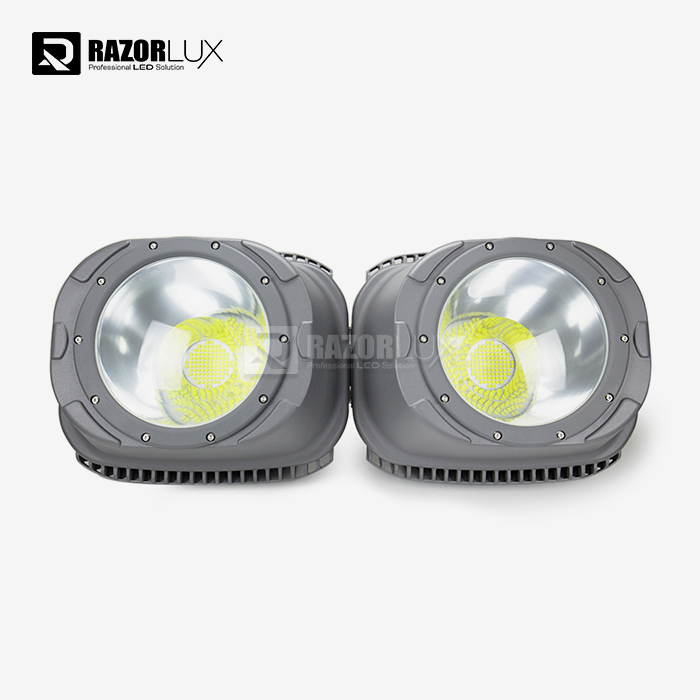 VIEW MOREhigh wattage flood lights
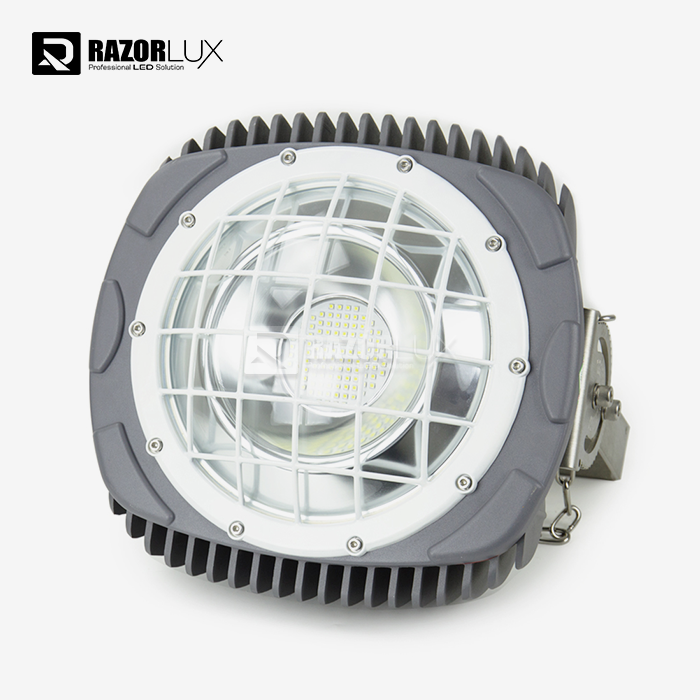 VIEW MOREmarine led flood light
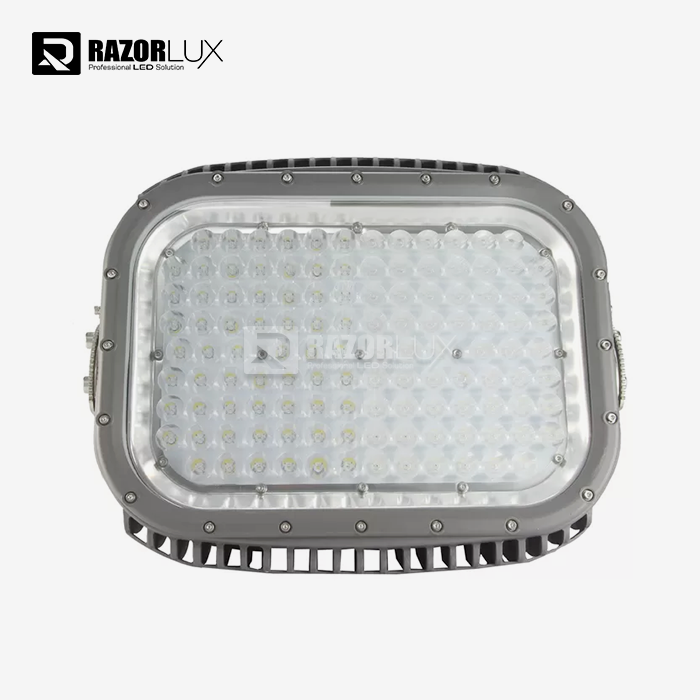 VIEW MOREEnergy Saving Dimmable LED Flood Light With Stainless Steel Bracket
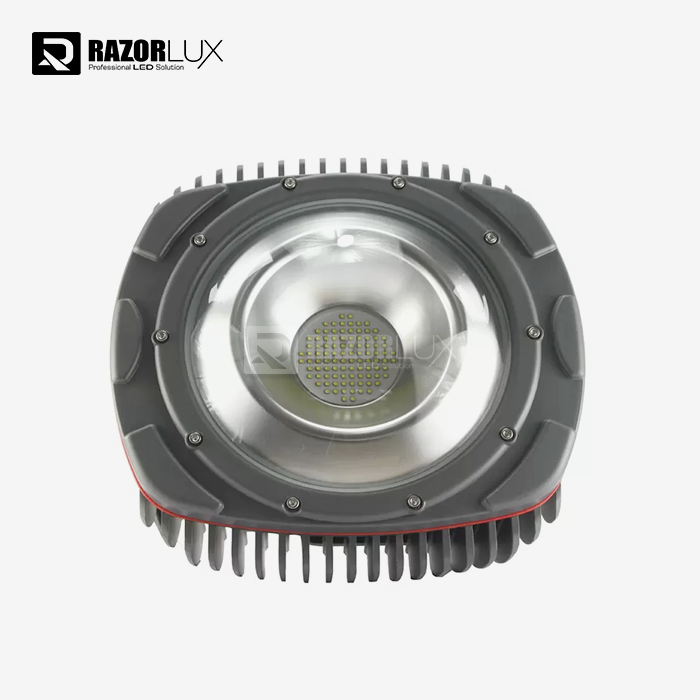 VIEW MORERound 120w Led Industrial Flood Light 14400lm Anti Glare Led Flood Light
 VIEW MORELed Sports Flood Lights
 VIEW MOREBlack Exterior Flood Lights