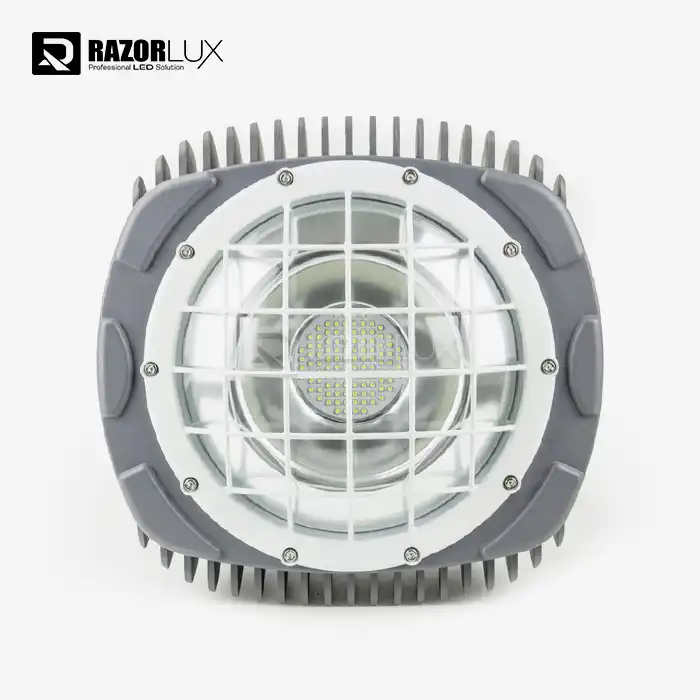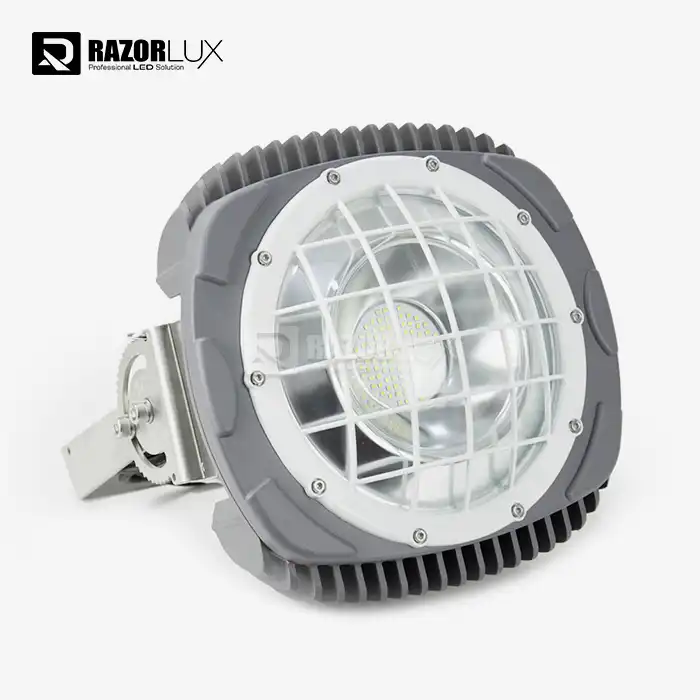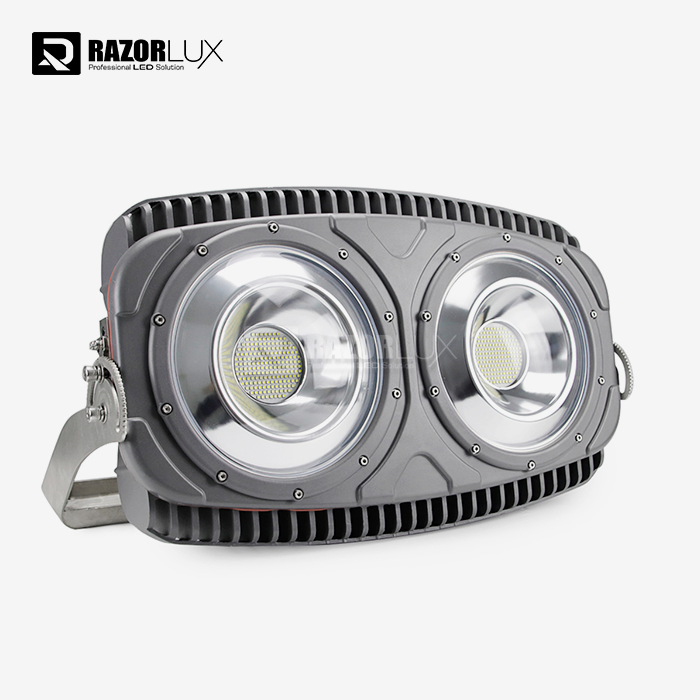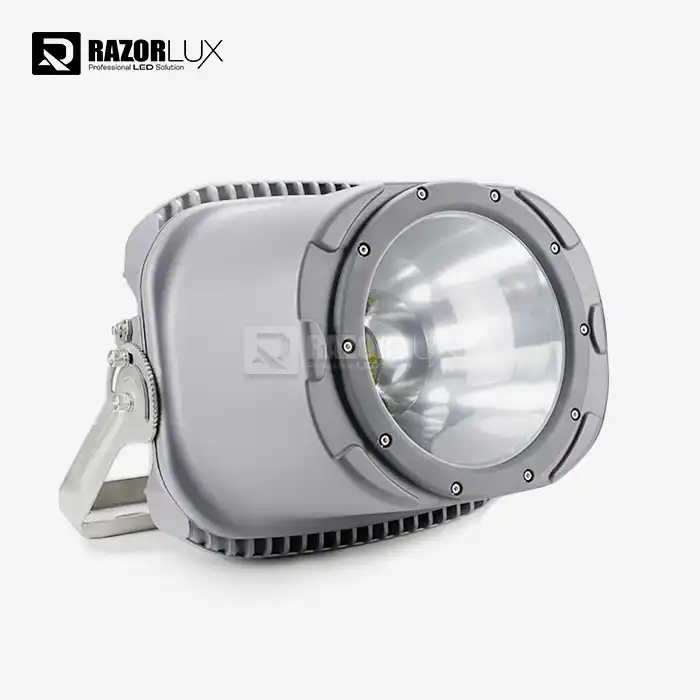


_1750326878398.png)

How to Choose the Best LED Overhead Crane Lights Supplier?
Choosing the right provider for Led Overhead Crane Lights has a direct effect on how safe operations are, how much energy costs, and how well long-term upkeep works. Industrial buildings, like docks and steel mills, need lighting systems that can work in all kinds of weather and situations. When picking a provider, you need to look at their technical specs, certifications, ability to customize products, and help after the sale. A strategic relationship will make sure that your lighting system meets the needs of today and can be changed to meet the needs of tomorrow. This will cut down on downtime and keep your employees safe.
Understanding LED Overhead Crane Lights and Their Industrial Value
Lighting for industrial cranes has changed a lot in the last 20 years. Metal halide and high-pressure sodium lights used to be the most common type of lighting in warehouses and factories, but they often broke down because of shaking, heat, and dust, which made them unsafe and hard to maintain. LED overhead crane lights came about as a solution designed to meet the needs of these tough jobs.
What Makes Crane-Mounted LED Lighting Different?
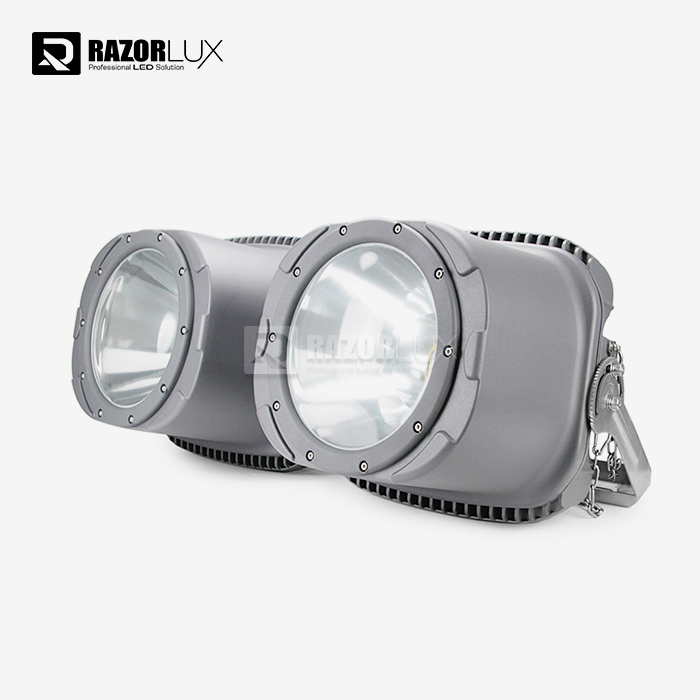
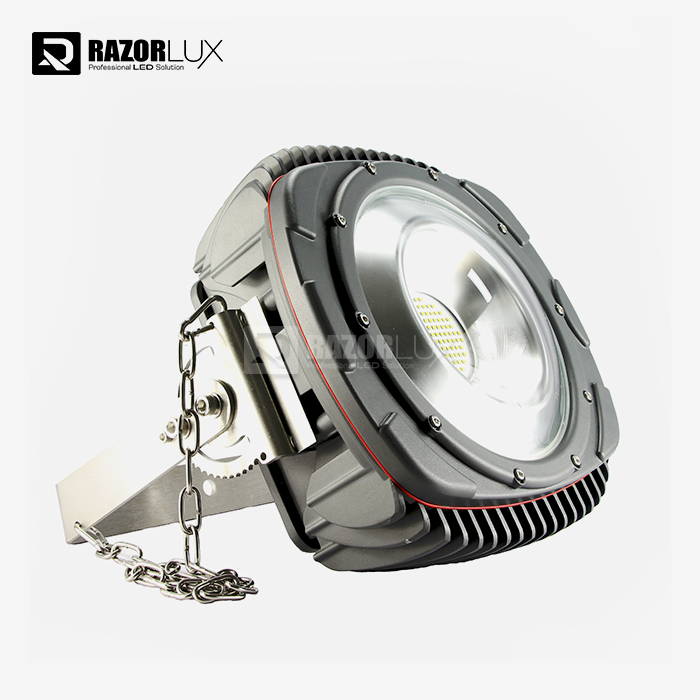
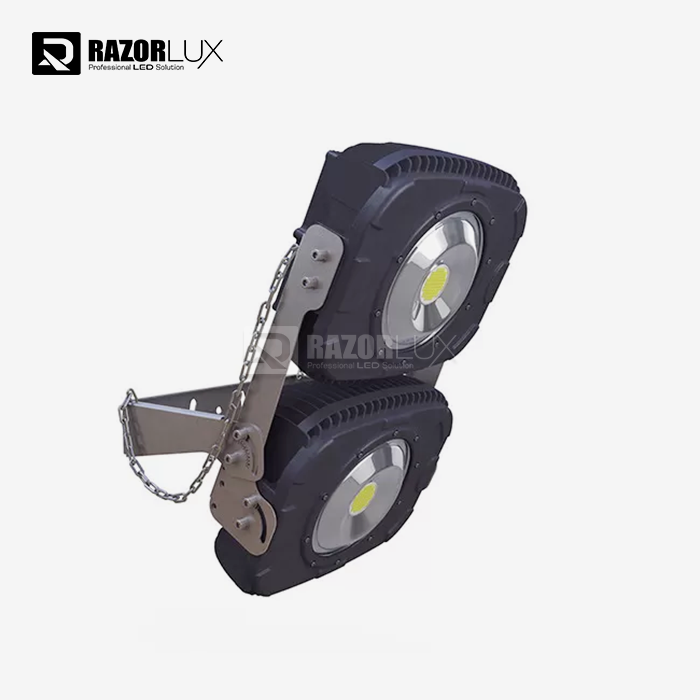
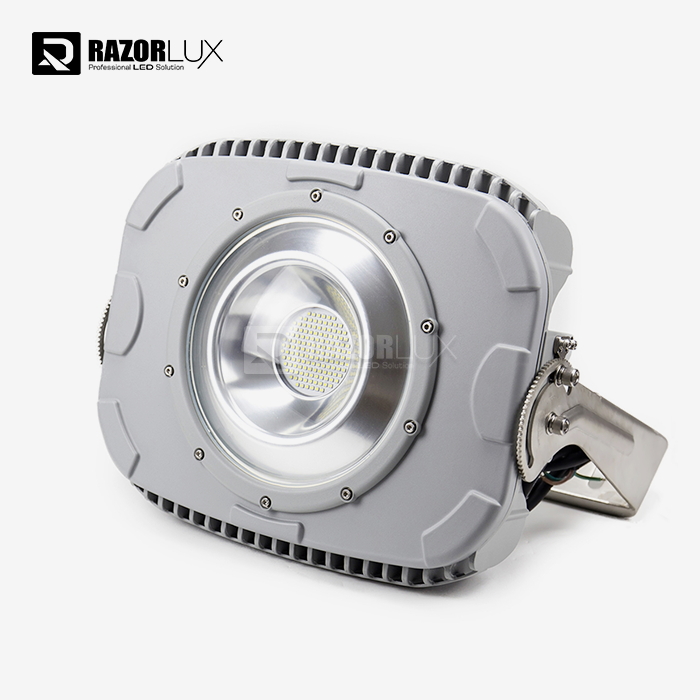
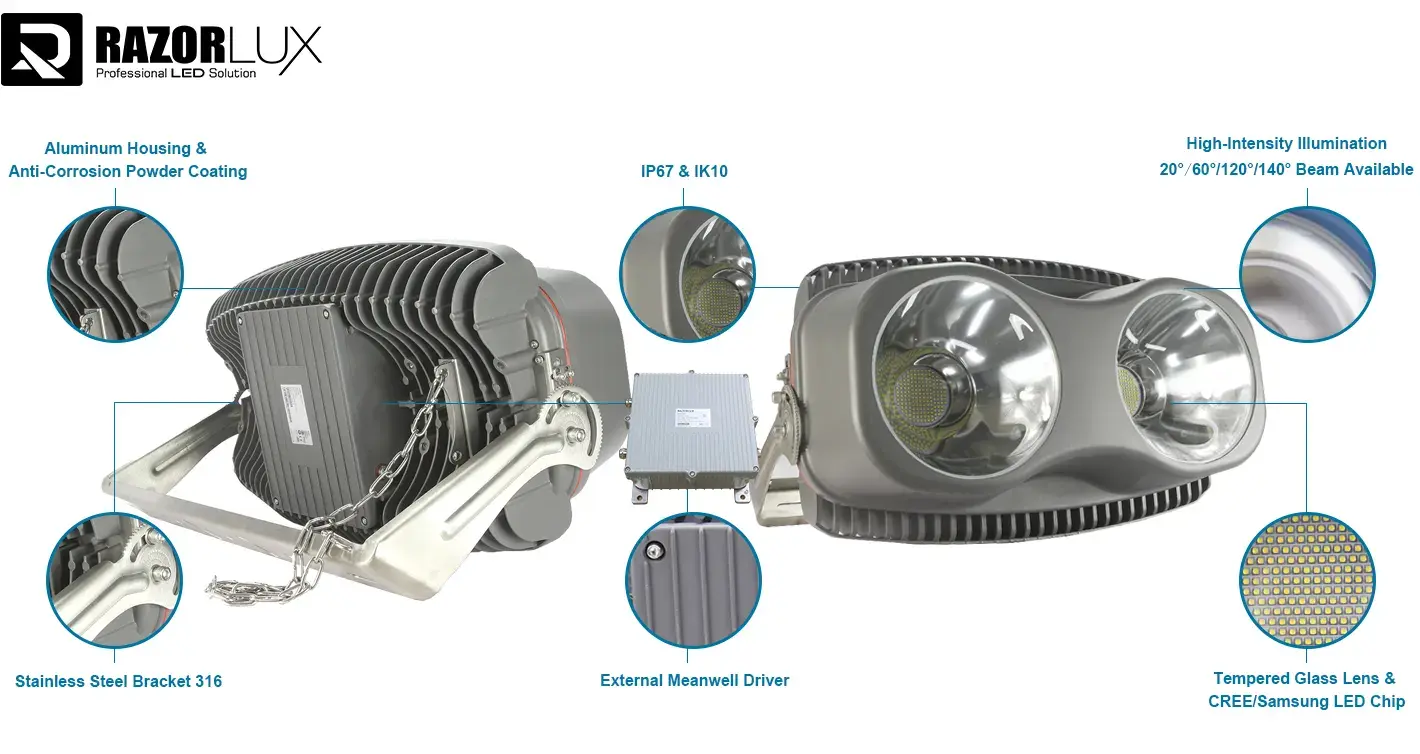
Crane-mounted luminaires have to deal with mechanical loads that regular industrial lights never have to. Vibrations with 5G to 10G forces are caused by every action that speeds up or slows down or lifts something. These lights use solid-state technology and come with stronger fixing bases and extra safety systems that keep the fixtures from coming loose and hurting people on the ground. LEDs last longer than regular bulbs because they don't have fragile wires or glass covers. Regular bulbs would break within weeks.
Core Performance Features That Matter
For certain uses, industrial cranes need certain technology specs. IP67-rated shelters keep water and dust out of internal parts, which is very important in coastal docks where salt spray speeds up corrosion. Impact resistance of IK10 makes sure that the housing can handle accidental impacts with loads that are suspended. Wide voltage input ranges, like AC 80-315V or DC 80-400V, handle power changes that happen a lot in big industrial electrical systems. Built-in surge safety with a rating of 6kV to 10kV handles spikes that happen when motors switch on and off.
Modern LED overhead crane lights have a luminous efficiency of more than 130 lm/W, which means they give off more light while using 70% less energy than older systems. Color temps between 2700K and 6500K can be changed to fit the needs of the job. For example, warmer tones make it easier on the eyes during long shifts, while cooler temperatures make contrast better for precise work. Adjustable beam angles, from narrow 30° spots for high-mounting situations to wide 140° floods for area coverage, make sure that the light is spread evenly no matter how high the crane is or how big the operating zone is.
Safety and Operational Benefits
These systems do more than just provide light; they also solve important safety problems in the workplace. A lot of setups have colored spot-projection features that put red or blue warning zones on the floor below loads that are moving. This dynamic visual boundary moves with the crane to warn forklift drivers and people walking by in noisy areas where audio alarms don't work. Studies done in European port sites showed that projected warning zones cut down on near-miss events by 40%, showing that safety had improved in a measurable way.
Industrial LEDs have a long life—usually 50,000 to 100,000 operating hours at L70 standards—which means they don't need to be serviced as often. For facilities with three shifts, the light output will drop to 70% of its original amount after 6 to 12 years of use. Because they last so long, they don't need to be maintained at dangerously high levels, which keeps technicians safer and keeps production running smoothly.
Key Criteria to Evaluate When Choosing a Supplier
Procurement decisions go beyond just specifying products. The connection with your supplier decides whether your lighting investment lasts or causes problems in the workplace. For review to be useful, it needs to be done in a planned way across many areas.
Certification Compliance and Quality Standards
International approvals are a neutral way to make sure that a product is safe and works well. The CE mark shows that the product meets the safety standards set by the European Union for electromagnetic compatibility and low power. UL and DLC entries show that a product meets North American electrical standards and benchmarks for energy efficiency. For marine and offshore uses, approvals from DNV/GL or ABS classification societies are needed to make sure the product is resistant to rust in saltwater and safe for use in explosive atmospheres.
These certificates aren't just pieces of paper; they're proof of thorough testing by a third party. A provider that provides thorough paperwork shows that they are dedicated to quality control and following all regulations. Ask for copies of test results and certification ranges when you're looking at possible partners. Check that the certifications cover the exact types and setups of the products you want to buy, since the length of time a certificate is good depends on the voltage, wattage, and housing design.
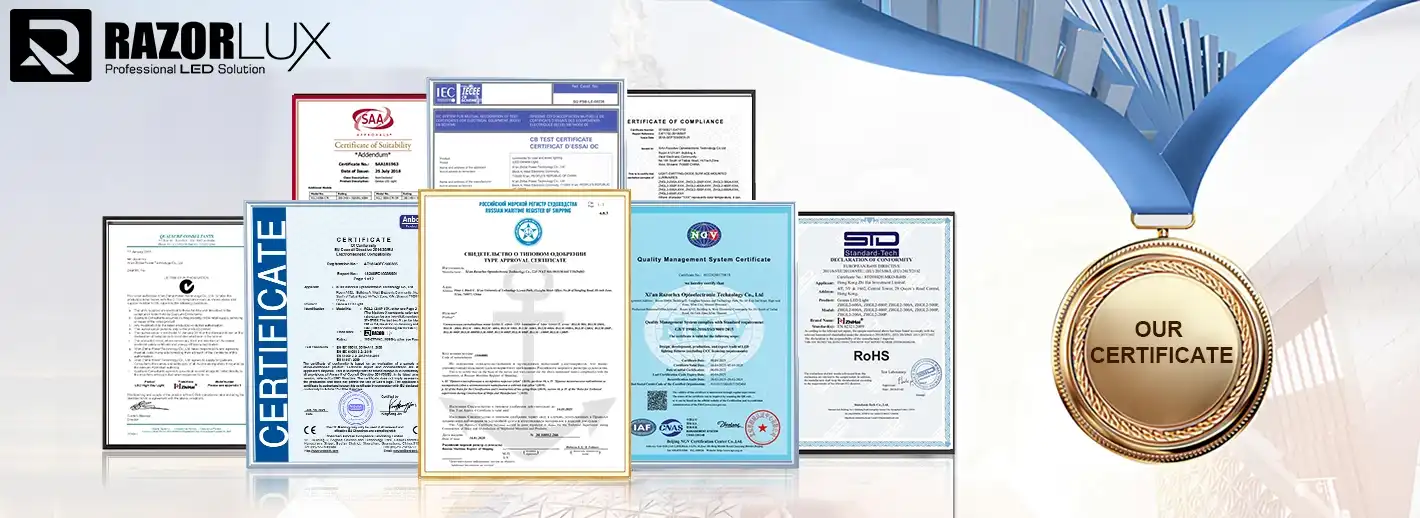
Quality methods for manufacturing are just as important. ISO 9001 certification means that production processes are standardized, quality control steps are written down, and methods for ongoing growth are used. Suppliers who use advanced quality control cut down on defects and make sure that each batch is the same, which is important for sites that buy more than a few dozen or hundreds of luminaires.
Technical Capabilities and Customization Options
Standard requirements are rarely met in industrial settings. Mounting heights range from 6 meters in places where things are put together to 30 meters in steel foundries. Temperatures outside range from -40°C in Arctic port sites to +60°C close to where furnaces are used. In different places and situations, voltage systems come in 120V, 230V, 480V, and DC forms.
A good provider lets you customize a lot of different factors. Different placement heights can be accommodated by beam angles that can be changed without the need for multiple product lines. Custom color temperatures are made to meet specific visual needs. For example, 4000K neutral white is often best for precise assembly work, and 5700K daylight temperatures make it easier to work outside at a container port. For some projects, unique features are needed, such as dimmer controls that work with building management systems or wireless remote adjustments that can be made in response to changing operating conditions.
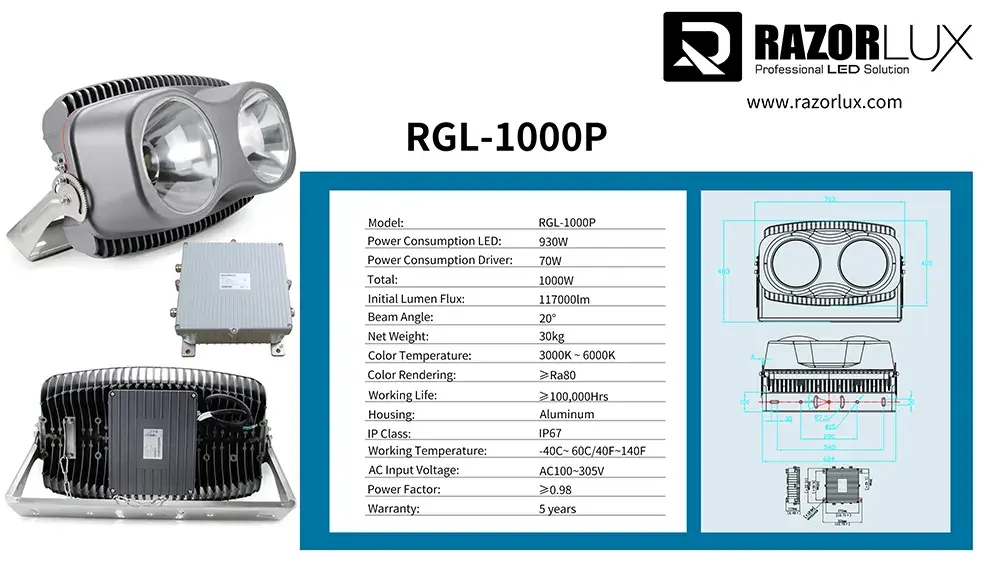
Being able to get parts from reputable makers makes a product more reliable. Meanwell power sources and Samsung LED chips set the highest quality standards in their fields. When sellers make it clear where parts come from and give technical datasheets, procurement teams are more confident in their long-term performance standards.
Service Infrastructure and Support Capabilities
The provider connection doesn't end when the product is delivered; it starts. Help with installation, help with testing, and quick troubleshooting are what set exceptional providers apart from average ones. When evaluating vendors, procurement managers should look at the service infrastructure.
Does the seller keep up area service networks, or does it only use remote support? For multinational projects that involve more than one facility, having local expert presence speeds up problem-solving and lowers travel costs. Can the provider train support teams on-site for installation? Full knowledge sharing makes sure that your employees learn how to place fixtures, connect electrical components, and do preventative maintenance.
The warranty terms show how confident the source is in the product's longevity. LED modules and drivers are covered by normal industry warranties for five years. Some makers offer housing warranties that last up to ten years. Processes for filing warranty claims are also very important. Simplified steps with clear due dates for responses help keep operations running smoothly when parts fail. Suppliers with advance repair programs send out new units before they get back faulty ones. This cuts down on downtime while the warranty is being processed.
Comparing Industrial Lighting Solutions and Supplier Offerings
There are global conglomerates, specialty makers, and regional providers in the industrial LED market. Depending on your procurement objectives, each group has its own benefits.
Evaluating Technical Specifications Across Suppliers
To do a comparative study, you need to know how to translate requirements into operational results. The following table shows important details for common types of industrial crane lighting:
| Specification | Standard Industrial LED | Heavy-Duty Crane LED | Specialized Marine LED |
|---|---|---|---|
| Luminous Efficacy | 110–120 lm/W | 130–140 lm/W | 130 to 150 lm/W |
| Vibration Resistance | 3G | 5G to 10G | 10G+ and shock guards |
| Operating Temperature | -20°C to +45°C | -40°C to +60°C | -40°C to +60°C |
| Corrosion Protection | Standard covering with powder | Stronger coating | Marine-grade solution to stop rust |
| Warranty Duration | 3 years | 5 years | 5 to 10 years |
| Typical Lifespan | 30,000 to 40,000 hours | 50,000 to 70,000 hours | 70,000 to 100,000 hours |
The total cost of ownership is affected by these factors. A heavy-duty 120W crane light with 140 lm/W efficiency can be used instead of a 250–300W metal halide bulb and give off more light. Savings on energy alone can cover 60–80% of the cost of acquisition over 50,000 hours of usage. When you consider the time and work saved on upkeep (since you won't have to replace the bulbs every three months like with older systems), the return on investment usually happens within 18 to 30 months.
Supplier Strengths and Market Positioning
Global names like Osram and Philips use a lot of research and development tools and service networks that span the globe. Their product lines cover a wide range of general industrial uses. However, if you need a customized product for a specific crane, it may take longer to get and cost more. These companies are great at large-scale standard deployments where clear specs keep technical risk to a minimum.
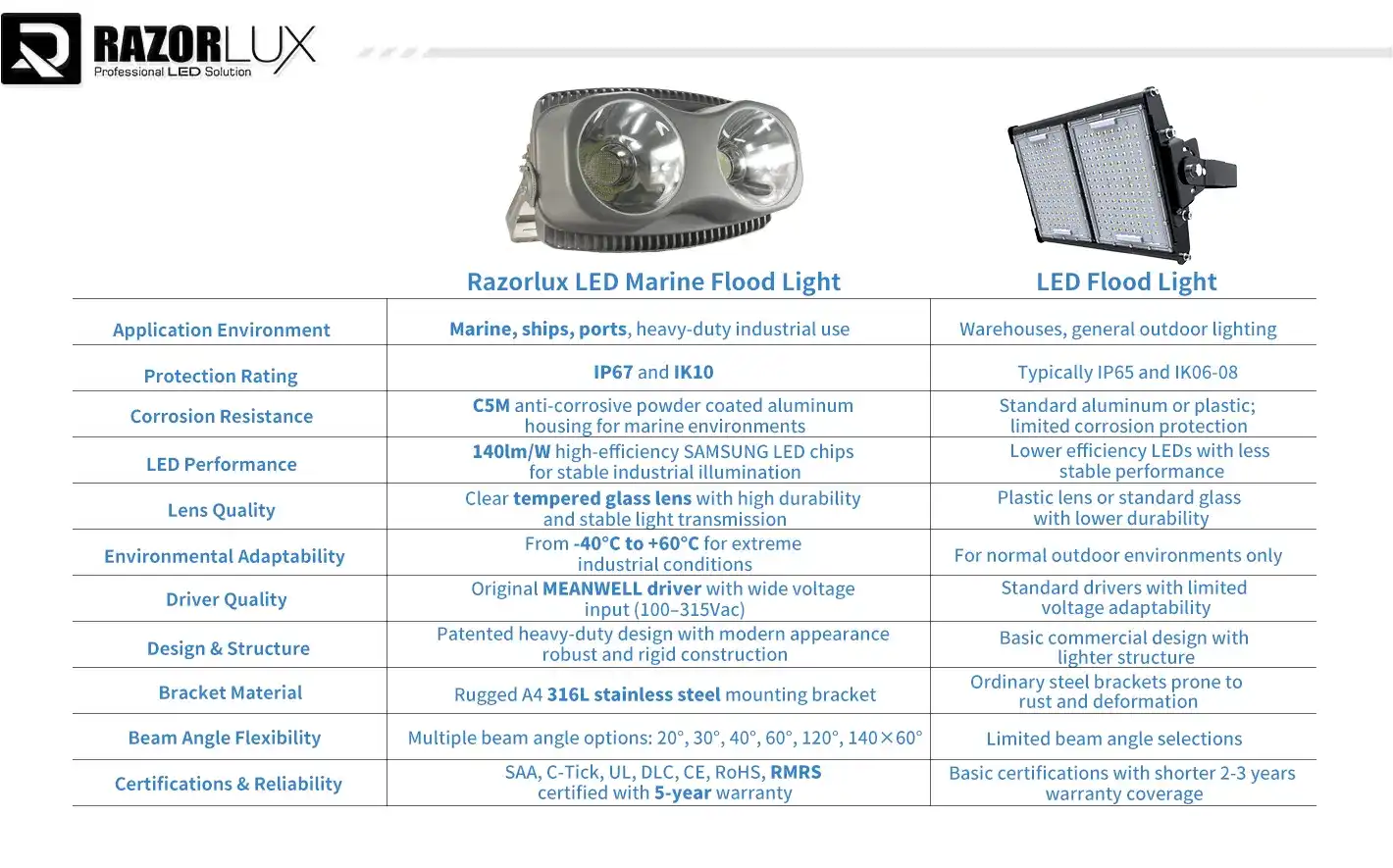
Manufacturers of specialized industrial lighting only make lights for tough jobs. Companies that are certified for naval and heavy-duty work know how to deal with the problems that come with vibration, rust, and tough conditions. Their engineering teams often give application-specific design advice, suggesting the best beam angles, mounting arrangements, and extra features based on how the building is laid out and what the needs of the operation are. This knowledge comes in handy for complicated setups that need to deal with odd mounting heights, classifications for explosive atmospheres, or integrating with existing control systems.
Regional providers may have competitive prices for standard setups, but buying teams should make sure that the certifications are real and that the parts are of good quality. The lower costs may not last if they break down too soon and cost more to replace, and cause less work to get done than the initial savings.
Real-World Application Performance
A Norwegian dock case study shows how choosing a provider can affect operations. The factory changed 200 metal halide lights in gantry cranes and assembly halls with 120W LED overhead crane lights that can work in temperatures as low as -40°C and are protected by IP67 standards. The chosen provider did site surveys before the installation, made mounting brackets to fit existing infrastructure, and provided detailed documents on how to integrate the electricity.
Over the course of 24 months, the results showed a 68% drop in energy use, the end of quarterly repair rounds, and no fixture failures, even though the coastal conditions were tough. The purchasing manager said that quick technical support during commissioning, such as fixing on-site when the original dimming controls needed programming changes, was just as helpful as the product specs themselves. This experience shows that a supplier's skills go beyond the product description and are what make a project successful.
Installation and Maintenance: Partnering with Your Supplier for Sustained Performance
The basis for effective long-term function is set by proper installation. Even high-end fixtures don't work well if they are placed incorrectly or tied to bad electrical equipment.
Professional Installation Requirements and Supplier Support
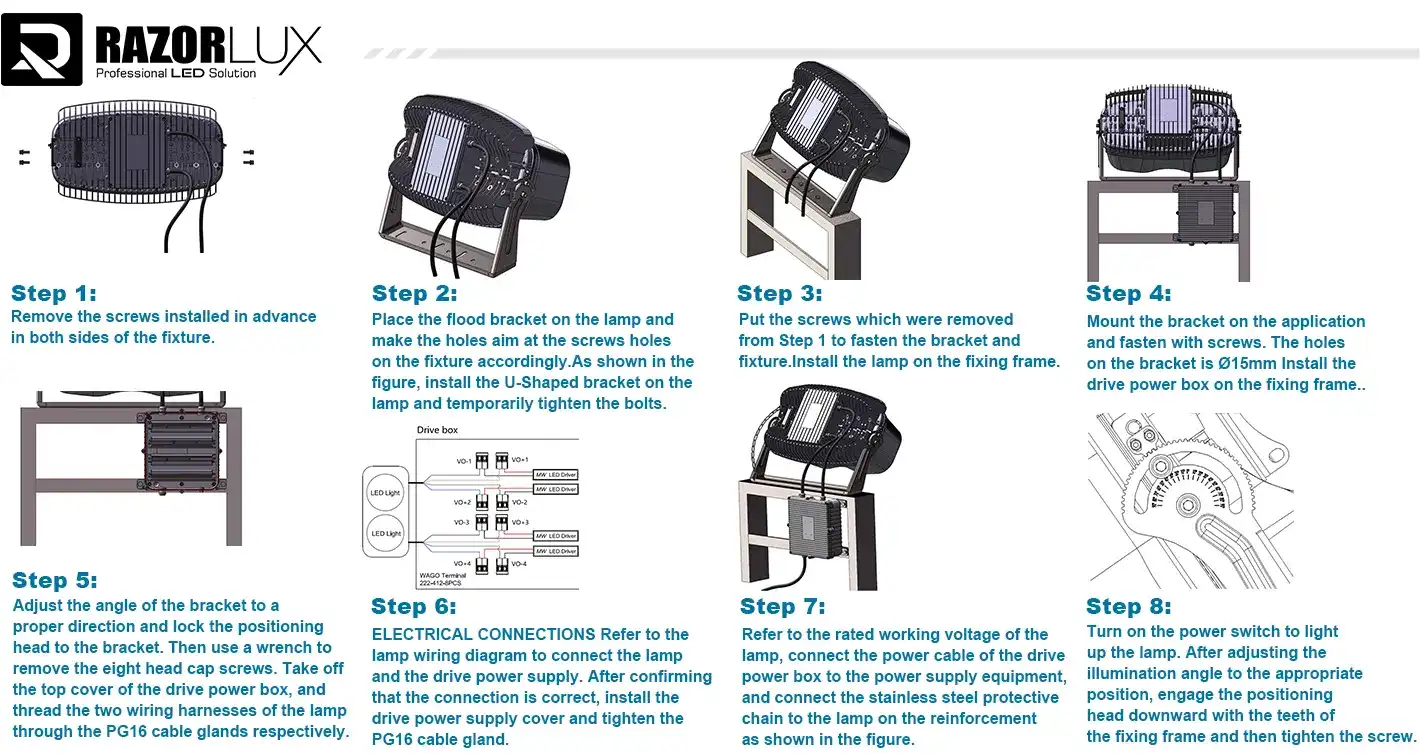
Crane-mounted lighting systems require working at heights, making electrical connections in places that could be dangerous, and integrating with equipment that is moving. All installation work should be done by qualified electricians who follow the manufacturer's instructions and area electrical rules. Mounting brackets need to be able to handle movement from operations. Suppliers should list the torque requirements for all bolts and suggest thread-locking solutions to keep them from coming loose.
The best sellers give thorough installation guides with measurements, wiring layouts, and step-by-step instructions. Some have video lessons that show how to properly place things and connect wires. For big projects, having on-site commissioning help makes sure that everything is installed correctly and that any problems can be fixed right away, before the facility starts running normally.
Electrical issues are more complicated than just connecting wires. Wide-input-voltage devices can handle changes in the power source, but proper grounding is still necessary to keep people safe and protect equipment. If a building has a lot of electromagnetic interference from variable frequency drives or welding equipment, the fixings should have EMC protection to keep it from messing up crane control systems or wireless remote controls.
Maintenance Best Practices for Maximum Lifespan
LED technology cuts down on upkeep needs but doesn't get rid of them completely. Checking for physical harm, the stability of the mounting bracket, and lens cleaning should be done every three months. When dust builds up on heat sinks, it makes thermal management worse, which could shorten the life of LEDs. In places with a lot of dust, like foundries or places that move large amounts of materials, cleaning with compressed air every six months keeps the temperatures at the right level.
Electrical lines need to be checked on a regular basis, especially in places where there is a lot of shaking. When links aren't tight, they cause heat and power drops that put stress on driver parts. Electrical checking once a year makes sure that the right power levels are being used and finds problems before they become major problems.
Suppliers that want to keep customers for a long time offer upkeep training programs for building staff. During these classes, you will learn how to do inspections, fix problems, and clean properly. Some makers offer troubleshooting tools, like thermal imaging cameras for finding parts that are getting too hot or lux meters for keeping track of how much light is being used over time.
Warranty Administration and Failure Response
Even though the structure is strong, parts do fail sometimes. Good providers keep an inventory of replacement parts and keep their guarantee promises on time. When looking at possible partners, make sure you understand how to file a service claim and what paperwork is needed. How quickly do they agree with claims? Do they give replacements ahead of time to cut down on downtime?
When it comes to industrial LED lighting, the usual 5-year guarantee should cover both the LED modules and the driver electronics, since 60–70% of early fixture problems are caused by driver failures. Some makers offer housing guarantees that last up to 10 years, which shows that they are confident in the housing's ability to last mechanically and prevent corrosion.
When evaluating vendors, facilities with important production lines should talk about their emergency response capabilities. Suppliers with regional delivery centers can usually ship replacement units within 24 to 48 hours. On the other hand, suppliers who only make things overseas may have to wait weeks for replacement orders. This difference is very important when crane lighting problems put workers' safety or production at risk.
Finalizing Your Supplier Partnership and Procurement Strategy
Technical needs, financial concerns, and relationship issues must all be balanced for buying to work well. The following table shows choice structures based on the features of the facility:
| Facility Type | Primary Selection Criteria | Recommended Approach |
|---|---|---|
| Large Shipyard | Marine-grade rust protection that meets certification requirements | RFQ from multiple suppliers with a detailed scoring grid |
| Manufacturing Plant | Energy efficiency and the ability to make changes | Pilot project with the chosen source; if it goes well, grow it. |
| Port Terminal | Vibration protection and weatherproofing for outside use | Visits to suppliers' sites to check on their production skills |
| Heavy Industrial | Options that can handle high temperatures and won't explode | In-depth scientific advice and testing of samples |
| MRO Service Provider | Prices that are competitive and fast service | Set up framework deals that offer savings for large orders |
Negotiating Terms That Protect Your Investment
Bulk sales require more than just unit prices to be negotiated. Orders of 50 to 100 units usually get a volume discount, and tier-based price systems offer even more savings at higher numbers. Teams in charge of buying things should ask for clear cost breakdowns that show the differences between component prices, factory overhead, and margin components. This makes it easier to negotiate terms that are good for both sides instead of price pressure that is meant to hurt one side.
Payment terms show how willing both parties are to take risks and how mature the relationship is. Standard terms for first sales are usually a 30% down payment and 70% before shipment. For ongoing MRO needs, established relationships may support open account terms or transfer inventory arrangements. Letters of credit are used to protect large foreign deals, but they come with banking fees that must be added to the total cost of buying them.
When setting delivery plans, it's important to be reasonable. Standard setups usually ship between 2 and 4 weeks, but customized options that need special parts or licenses may take 6 to 10 weeks. Procurement managers should be clear about when projects need to be done so that providers can plan their work and find any possible problems early on.
Building Long-Term Supplier Relationships
When you use transactional procurement methods, you give up the practical benefits of strategic relationships. Over time, suppliers who take the time to learn about your facility's specific needs provide more and more useful advice. Based on past installations, they can guess when replacements will be needed, suggest new technologies that could be useful for your business, and put your needs first when there are capacity issues.
Regular performance reviews keep relationships in good shape and show where improvements can be made. Every three months, you should check how reliable the delivery is, how good the products are (failure rates, guarantee claims), how quickly you answer technical questions, and how competitive your prices are. These talks hold each other accountable and show that you value the relationship beyond the short-term deals.
Suppliers can hold production capacity and find specialized parts ahead of time when they work together to plan building expansions or equipment upgrades. This planning keeps people from rushing at the last minute and cramming plans too closely together, which raises costs and lowers quality.
Conclusion
When choosing an LED overhead crane light provider, you need to look at more than just the product specs. You also need to look at certifications, the ability to customize, and the service infrastructure. Industrial sites get the most out of relationships with specialized makers that show they know how to handle difficult projects, communicate clearly, and are dedicated to long-term customer success. Tough supplier evaluation methods, like technical analysis, reference checks, and pilot testing, lower the risks of purchasing things and set the stage for long-term operating success. Carefully choosing a provider is an investment that pays off in higher safety, lower energy costs, and less work for support staff.
FAQ
How long do industrial crane LED lights last compared to traditional lighting?
At L70 levels, industrial LED systems usually last between 50,000 and 100,000 hours of operation. This is when the output dims to 70% of its original light. This means that it will last for 6 to 12 years in three-shift operations, while metal halide systems only last for 10,000 to 15,000 hours before they need to be replaced every year. Because they last longer, they don't need to be serviced as often, which saves money on labor and lowers the safety risks that come with fixing crane-mounted fixtures.
Are explosion-proof fixtures necessary for all industrial crane applications?
In listed dangerous areas with flammable gases, vapors, or dust that can catch fire, explosion-proof grades are required. ATEX or UL Class I Division 1 licenses are usually needed in places like paint shops, grain elevators, chemical processing plants, and oil refineries. Strong IP67/IK10 fixtures are safe to use in most industrial settings, like factories, assembly lines, and general manufacturing, unless certain process risks cause explosive atmospheres.
How can I verify a supplier's certification authenticity and manufacturing quality?
Ask for full certification paperwork from third-party labs that have been approved, such as test results and certificate scopes. Check the validity of license numbers by comparing them to websites of the granting authorities. When making big purchases, you might want to have a factory audit done to look at the production methods, quality control techniques, and where the parts come from. Reliable sellers accept openness and provide a lot of paperwork to show that they meet the standards they say they do.
Partner with Razorlux for Superior Industrial Crane Lighting Solutions
Razorlux has over 20 years of tech excellence and more than 200 patents to back up its heavy-duty LED lighting skills. Our 120W crane lights with 130 lm/W efficiency, IP67 protection, and Meanwell drivers will last as long as your operations need them to. We offer full technical paperwork, quick and helpful consultations, and full 5-year contracts to help you feel confident in your purchase. Get in touch with our team at sam@razorlux.com to talk about your needs and ask for examples. As a reputable maker of LED overhead crane lights, we're dedicated to making your building safer and more productive.
References
1. Maritime Administration. (2019). Energy Efficiency in Port Operations: LED Lighting Case Studies. U.S. Department of Transportation.
2. Illuminating Engineering Society. (2020). Recommended Practice for Industrial Lighting Design. IES RP-7-20.
3. European Committee for Standardization. (2018). Luminaires for Explosive Atmospheres: Performance Requirements. EN 60079-0.
4. International Association of Ports and Harbors. (2021). Best Practices for Heavy-Duty Industrial Lighting Systems. Technical Report Series.
5. American Welding Society. (2020). Lighting for Welding and Related Processes. AWS Safety and Health Fact Sheet No. 35.
6. National Electrical Manufacturers Association. (2022). High-Bay and Low-Bay Luminaires: Application Guide. NEMA LSD 62.