

_1750326878398.png)

How to Choose the Right High Mast Led Flood Light Wattage?
Picture this scenario: Your new port facility has impressive infrastructure, yet nighttime operations struggle with inadequate visibility. Workers squint under dim lighting, safety risks multiply, and productivity plummets. The culprit? Improperly selected High Mast Led Flood Light wattage that fails to meet operational demands. Selecting the appropriate wattage for High Mast Led Flood Light systems determines whether your large-scale outdoor spaces function safely and efficiently after dark. This comprehensive guide reveals the critical factors influencing wattage selection, helping you avoid costly mistakes while maximizing illumination performance and energy savings.
Understanding High Mast Led Flood Light Wattage Requirements
Wattage selection for High Mast Led Flood Light installations represents far more than simply choosing the highest number available. Modern LED technology has revolutionized how we approach outdoor lighting calculations, shifting focus from raw power consumption to actual light output measured in lumens. The relationship between wattage, lumens, and application-specific needs forms the foundation for intelligent lighting decisions.
The Relationship Between Wattage and Lumen Output
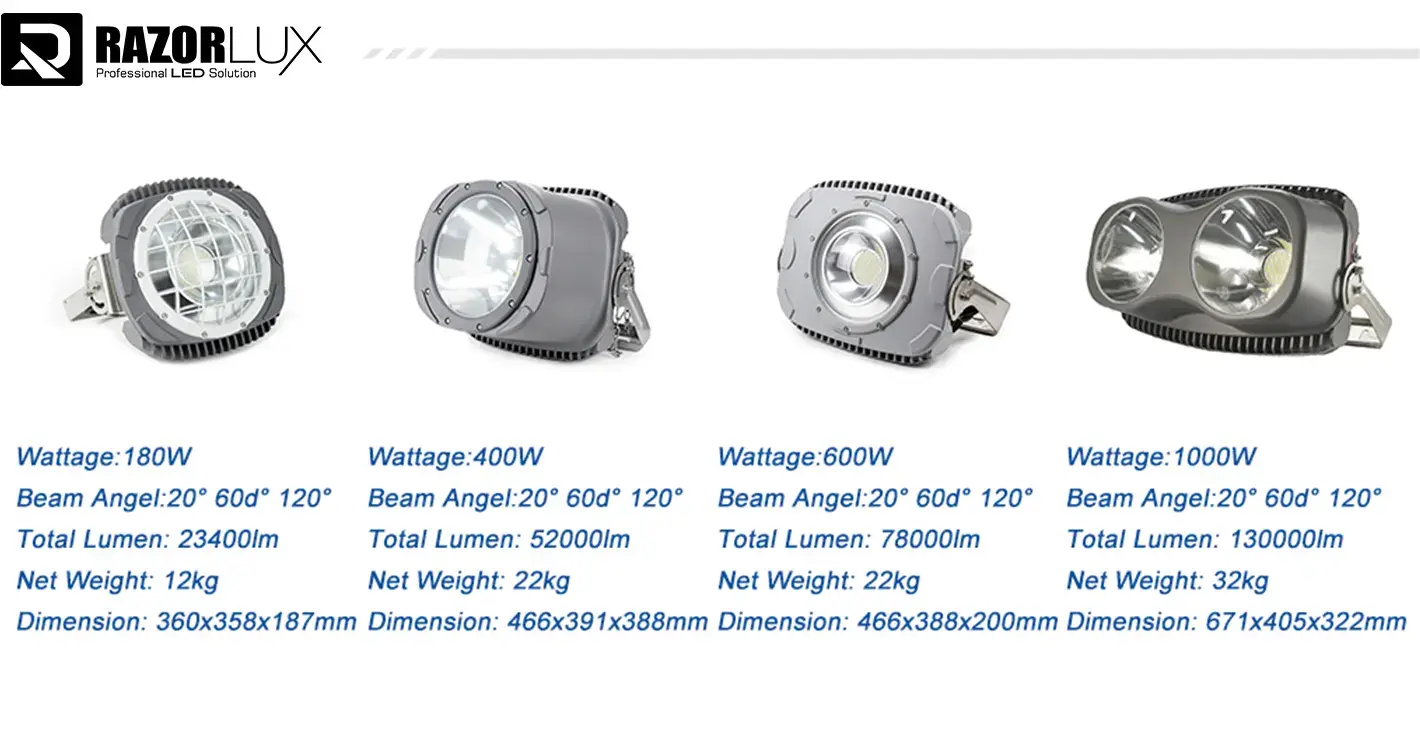
Traditional lighting approaches measured brightness primarily through wattage, creating the misconception that higher watts automatically meant better illumination. However, High Mast Led Flood Light technology demonstrates remarkable efficiency, producing substantially more lumens per watt than conventional lighting systems. A professional-grade 1000W High Mast Led Flood Light from Xi'an Razorlux, for instance, delivers approximately 130,000 lumens with a lamp efficiency of 130LM/W, effectively replacing 2000-3000W traditional HID lamps while consuming significantly less power. This efficiency translates directly into operational cost savings, with electricity consumption reduced by 50-70% compared to legacy systems. Understanding efficacy ratings helps facility managers calculate total lumen requirements first, then work backward to determine appropriate wattage, ensuring neither over-lighting nor under-lighting scenarios compromise safety or budgets.
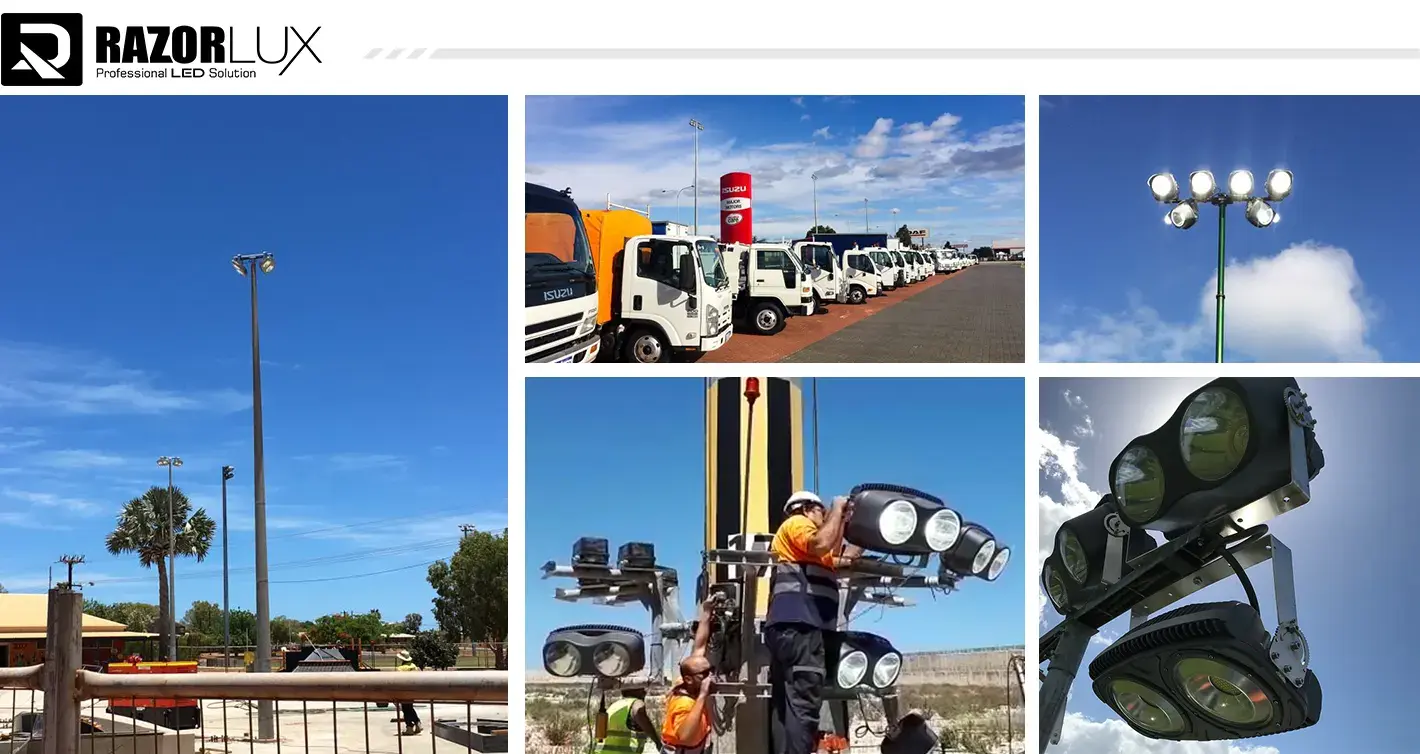
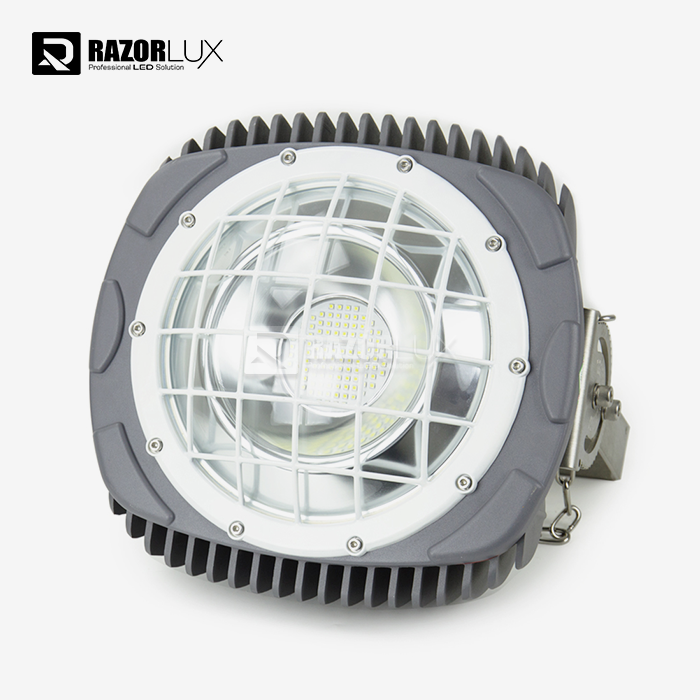
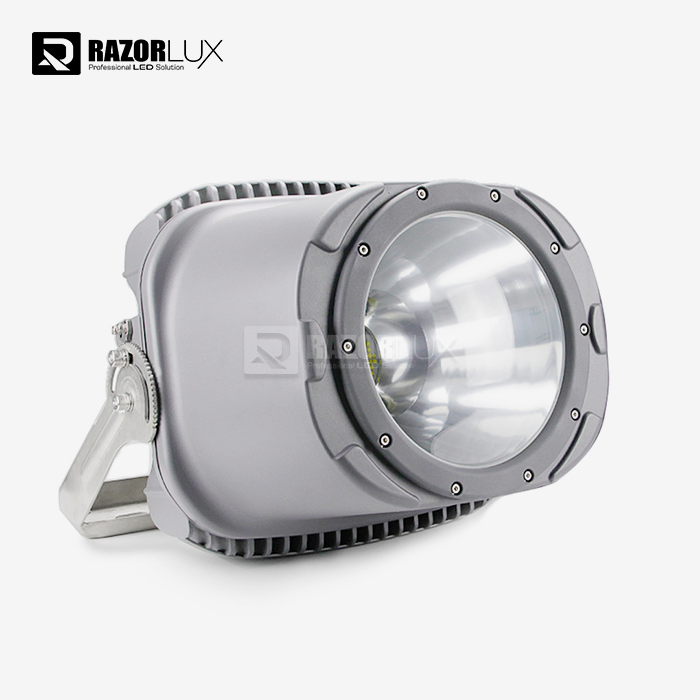
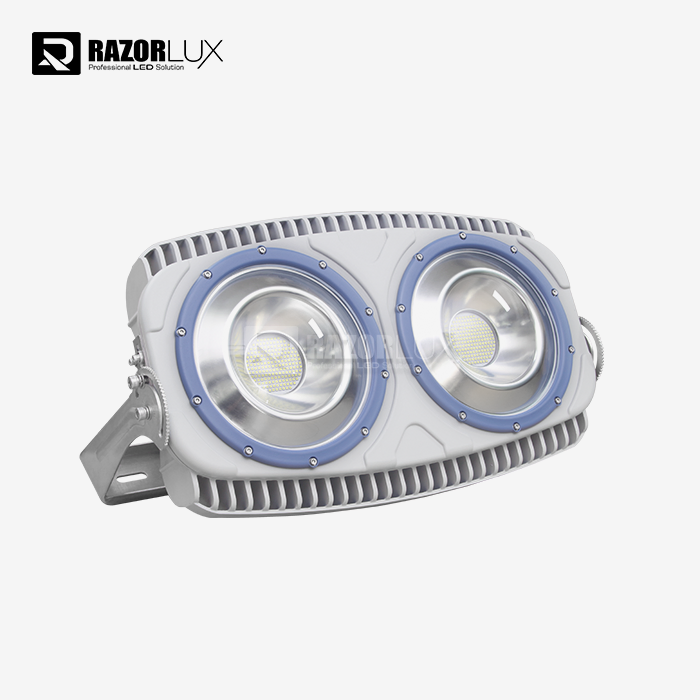
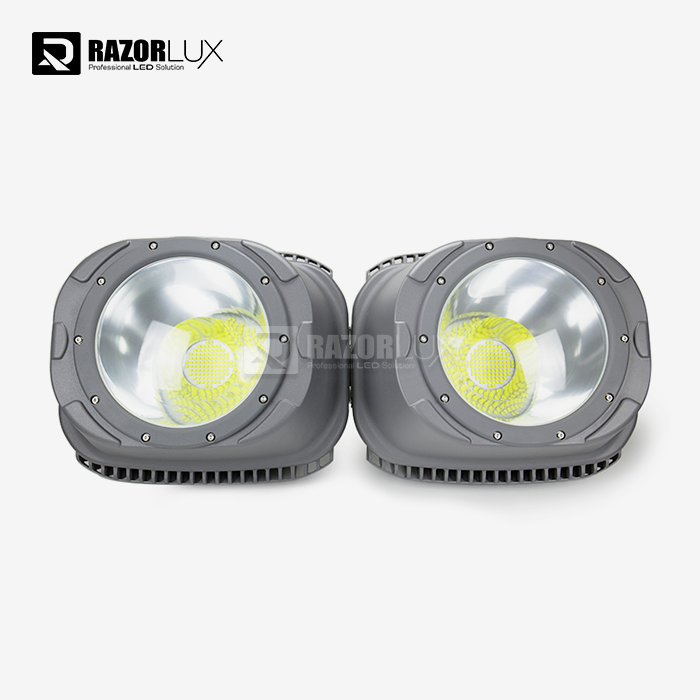
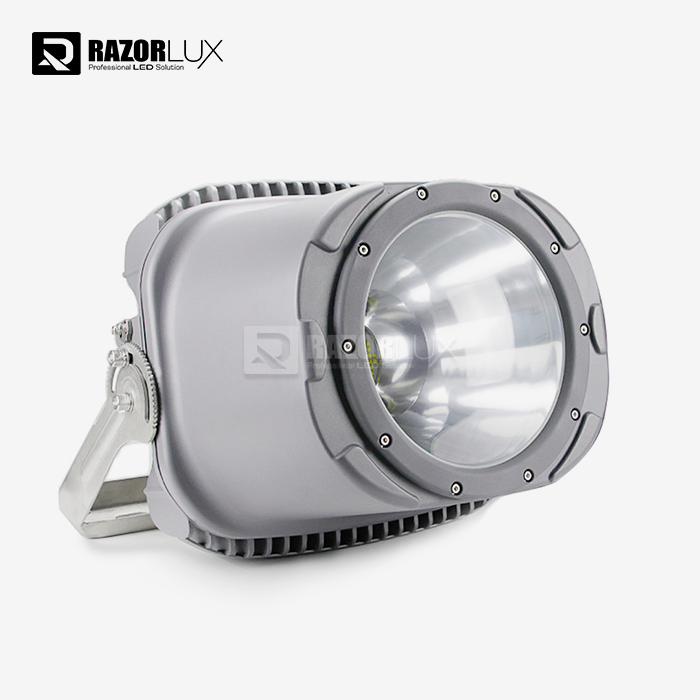
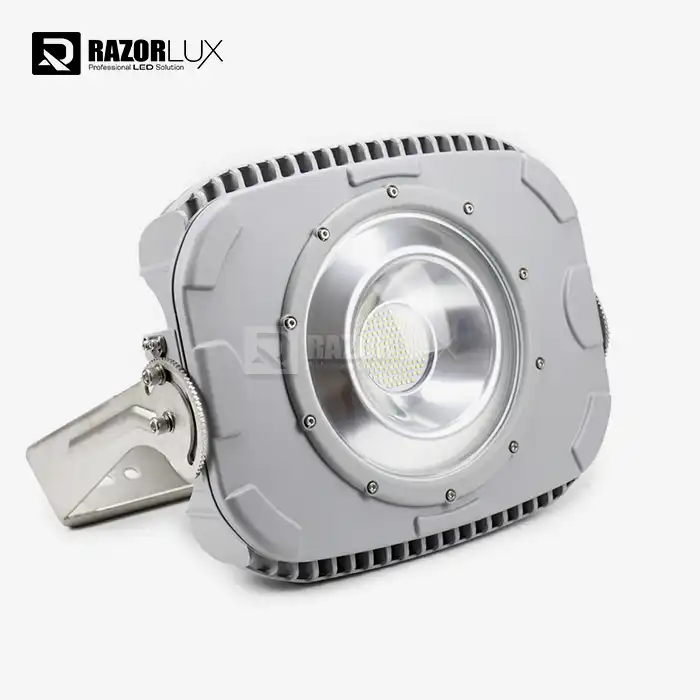
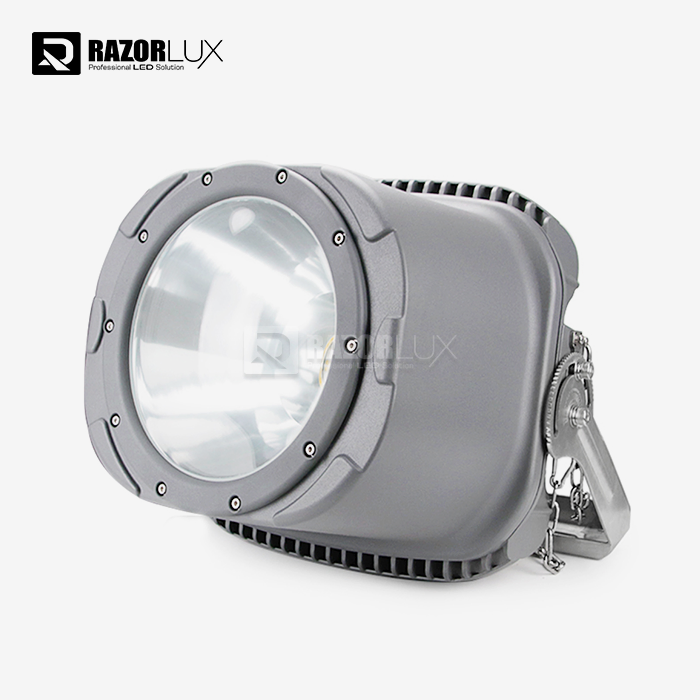
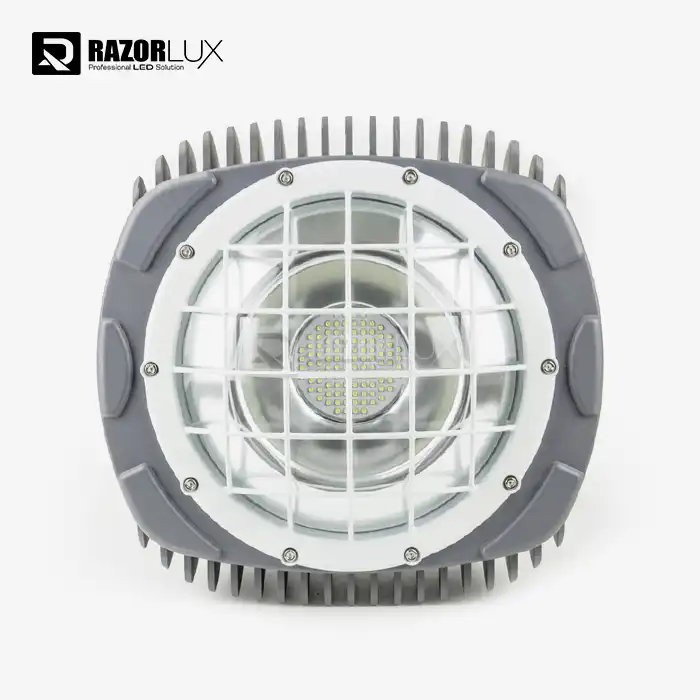
Different outdoor environments demand vastly different illumination levels, making application context essential for High Mast Led Flood Light wattage selection. Airports and seaports require intense, uniform lighting across massive areas, typically necessitating fixtures in the 500-1000W range mounted on poles 25-40 meters high. Highway interchanges and toll plazas benefit from 300-500W units that provide adequate visibility for traffic flow without creating dangerous glare conditions. Industrial yards and construction sites often utilize 400-600W High Mast Led Flood Light configurations to support round-the-clock operations safely. Sports stadiums present unique challenges, requiring precise wattage calculations to meet broadcast standards while ensuring player and spectator comfort. The Razorlux RGL-1000A model exemplifies versatile engineering with its 1000W total power consumption (900W LEDs plus 100W driver), offering multiple beam angle options including 40°, 60°, 120°, and 140°x60° to accommodate diverse application needs from concentrated spotlighting to broad area coverage.
Mounting Height and Coverage Area Calculations
Mounting height profoundly influences the wattage requirements for High Mast Led Flood Light systems, as light intensity diminishes according to the inverse square law. Fixtures mounted at 30 meters require significantly higher wattage to achieve ground-level illumination comparable to units installed at 15 meters. Professional lighting designers calculate coverage by considering both horizontal and vertical distances, factoring in the fixture's beam angle to determine effective illuminated area. A 1000W High Mast Led Flood Light with a 60° beam angle mounted at 35 meters typically covers approximately 1500-2000 square meters with adequate lux levels for industrial applications. The Razorlux high mast solutions accommodate varying installation heights through beam angle customization, ensuring optimal light distribution regardless of pole height. Additionally, environmental factors like atmospheric conditions, surrounding reflective surfaces, and light pollution regulations impact final wattage determinations, requiring comprehensive site assessment before specification.
Key Technical Specifications for Wattage Selection
Beyond raw wattage numbers, several technical specifications critically influence High Mast Led Flood Light performance and suitability for specific applications. Understanding these parameters enables informed purchasing decisions that balance initial investment against long-term operational efficiency.
Power Consumption vs. Light Output Efficiency
| Performance Metric | Razorlux RGL-1000A | Traditional 2000W HID | Performance Advantage |
|---|---|---|---|
| Total Power Consumption | 1000W (900W LED + 100W Driver) | 2000-3000W | 50-67% energy reduction |
| Stable Lumen Output | 130,000 lm | 80,000-100,000 lm | 30-62% more light |
| Lamp Efficiency | 130 LM/W | 40-50 LM/W | 160-225% efficiency gain |
| Working Lifespan | ≥50,000 hours | 10,000-15,000 hours | 3-5x longer service life |
| Maintenance Requirements | Minimal | Frequent relamping | 70% maintenance cost reduction |
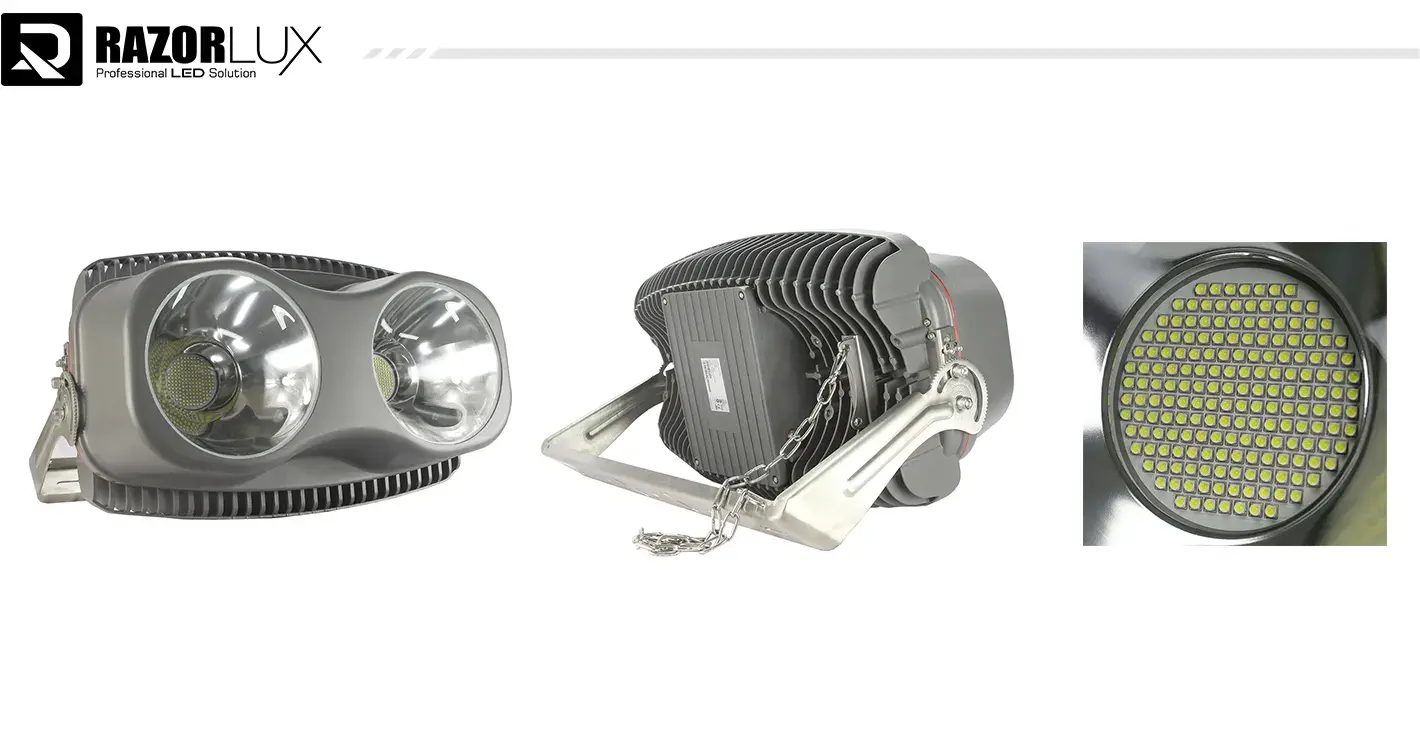
The efficiency advantage of High Mast Led Flood Light technology becomes strikingly apparent when comparing comprehensive performance metrics. Xi'an Razorlux products demonstrate how advanced LED Packaging, superior thermal management, and precision power control combine to deliver exceptional value. The 130 LM/W efficiency rating represents cutting-edge performance in industrial lighting, ensuring maximum illumination per watt consumed. This efficiency proves particularly valuable for facilities operating lights continuously or for extended periods, where cumulative energy savings substantially offset higher initial fixture costs. Furthermore, the ≥50,000-hour lifespan drastically reduces maintenance expenses, labor disruption, and replacement part inventory requirements, contributing to total cost of ownership advantages that typically achieve positive return on investment within 2-3 years.
Color Temperature and Beam Angle Impact on Wattage
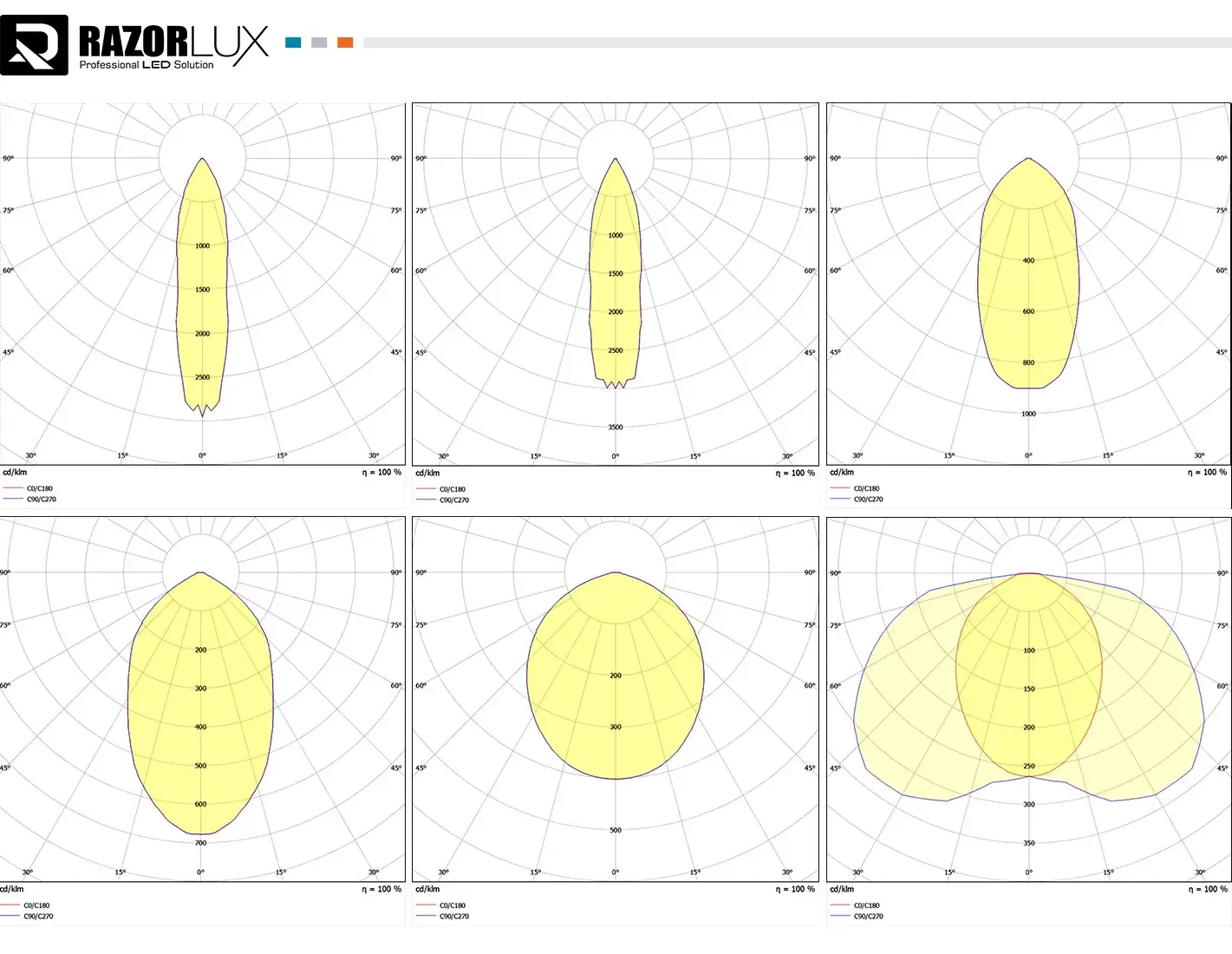
Color temperature selection, measured in Kelvin, significantly affects perceived brightness and appropriate wattage choices for High Mast Led Flood Light installations. Razorlux fixtures offer customizable color temperatures ranging from 2700K (warm white) to 6500K (cool daylight), with 5700K representing the standard specification for most industrial applications. Higher color temperatures generally appear brighter to the human eye at equivalent lumen outputs, potentially allowing for slightly reduced wattage while maintaining perceived illumination levels. Beam angle selection proves equally critical, as concentrated beams (40°-60°) deliver higher center beam candlepower but cover smaller areas, while wide beams (120°-140°) distribute light more broadly but with reduced intensity at coverage edges. The RGL-1000A model's multiple beam angle options enable precise tailoring to specific site geometries, whether illuminating narrow roadways requiring 40° optics or broad parking areas better served by 140°x60° asymmetric distributions. Strategic beam angle selection optimizes wattage efficiency by directing light exactly where needed rather than over-illuminating or creating dark spots that necessitate additional fixtures.
Input Voltage Compatibility and Power Factor
High Mast Led Flood Light wattage performance depends substantially on stable, compatible power supply conditions. Razorlux fixtures accommodate remarkably broad input voltage ranges including AC 80-305Vac for standard applications, plus DC 100-400Vdc and 500-800Vdc options for specialized installations with emergency backup systems or renewable energy integration. This voltage flexibility ensures consistent light output regardless of grid fluctuations common in industrial environments or remote locations. The power factor rating of ≥0.98 demonstrates exceptional electrical efficiency, meaning virtually all consumed power converts to useful light output rather than waste heat or harmonic distortion. High power factor reduces total current draw for equivalent wattage, minimizing electrical infrastructure demands and potentially allowing more fixtures per circuit. The integrated Meanwell power supply in Razorlux products provides stable performance across temperature extremes (-40°C to 60°C) while maintaining THD <10%, ensuring reliable operation in demanding climatic conditions from Arctic ports to desert construction sites.
Environmental and Operational Factors Affecting Wattage Choices
Real-world High Mast Led Flood Light performance extends beyond laboratory specifications, requiring consideration of environmental conditions, operational patterns, and site-specific requirements that influence optimal wattage selection.
Environmental Protection and Durability Requirements
The IP (Ingress Protection) rating of High Mast LED flood light fixtures directly impacts long-term wattage performance by protecting internal components from moisture, dust, and contaminants that degrade efficiency. Razorlux products feature IP65 standard protection with IP67 upgradability, ensuring sealed enclosures withstand direct water jets and temporary submersion conditions common in marine environments, heavy rainfall, or high-pressure washing operations. The IK10 impact resistance rating provides mechanical protection against vandalism, flying debris, or accidental contact during maintenance activities. Marine-grade anti-corrosion coatings protect aluminum housing and stainless steel brackets from salt spray, chemical exposure, and atmospheric corrosion that otherwise compromise structural integrity and thermal management over time. These protective features maintain designed wattage-to-lumen relationships throughout the fixture's 50,000+ hour lifespan by preventing LED degradation, driver component failure, and optical contamination that reduce light output. Facilities in harsh environments should prioritize robust construction specifications even if initial fixture costs increase slightly, as premature failures necessitate complete unit replacement rather than simple relamping.
Operating Temperature and Thermal Management
| Environmental Condition | Impact on High Mast Led Flood Light Performance | Razorlux Design Response |
|---|---|---|
| Extreme Cold (-40°C) | LED efficiency increases but drivers may fail | Cold-rated components, stable performance to -40°F |
| Extreme Heat (60°C) | LED efficiency decreases, accelerated degradation | Advanced heat sink design, powder-coated aluminum housing |
| High Humidity (95%) | Condensation risks, electrical failure potential | Sealed IP67 design, conformal coated PCBs |
| Temperature Cycling | Thermal expansion stress, seal compromise | Engineered materials, reinforced gasket systems |
| Dust/Particulate | Optical surface contamination, reduced output | IP65/67 protection, sealed optical chambers |
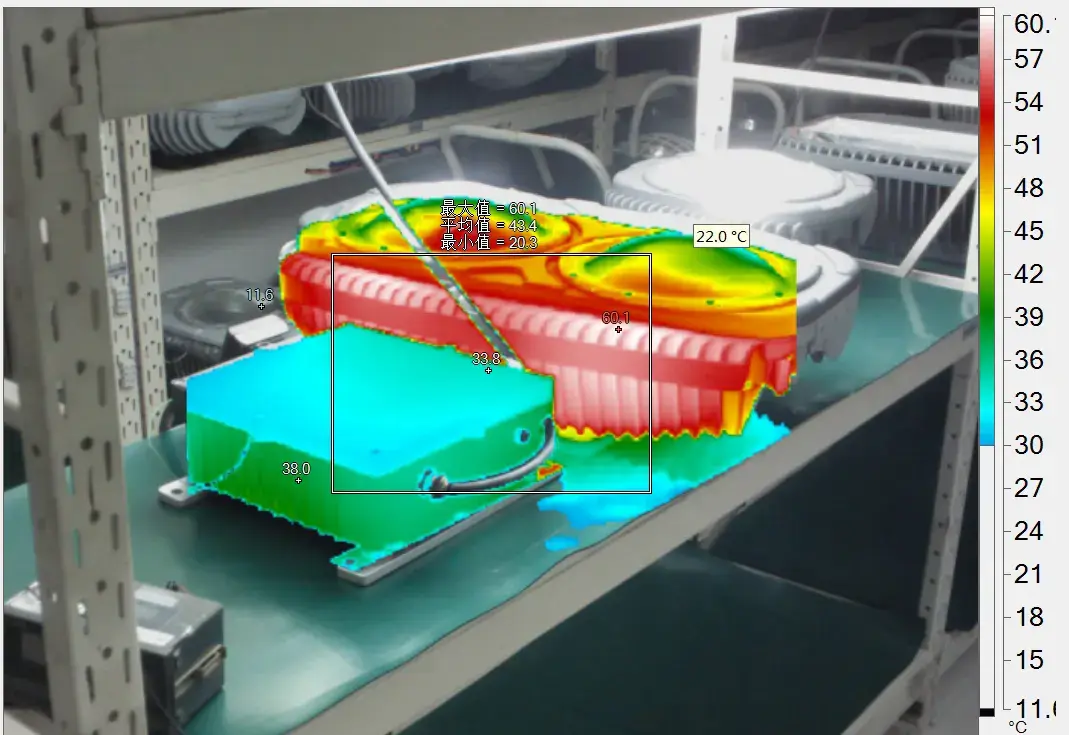
Thermal management represents perhaps the most critical factor influencing sustained High Mast Led Flood Light wattage performance over time. LEDs generate approximately 70% of consumed energy as heat, requiring efficient dissipation to maintain rated lumen output and lifespan. Razorlux fixtures incorporate precision-engineered aluminum heat sinks with powder coating that maximizes surface area while protecting against corrosion, facilitating passive convection cooling without mechanical fans that introduce failure points. The 671mm x 405mm x 379mm housing dimensions of the RGL-1000A model provide substantial thermal mass for heat distribution, preventing localized hot spots that accelerate LED phosphor degradation. Operating temperature specifications spanning -40°C to 60°C ensure reliable performance across global climate zones, from frozen northern ports to equatorial construction sites. Proper thermal performance maintains designed 130 LM/W efficiency throughout the fixture's operational life, whereas inadequate heat management in inferior products causes lumen depreciation that may reduce effective output by 30-40% within 2-3 years, essentially requiring higher initial wattage specifications to compensate for anticipated degradation.
Maintenance Access and Emergency Backup Capabilities
Operational continuity requirements influence High Mast Led Flood Light wattage selection strategies, particularly for critical infrastructure installations where lighting failure creates safety hazards or operational shutdowns. The 29kg net weight of Razorlux 1000W fixtures represents manageable handling for maintenance teams using standard lifting equipment, facilitating periodic inspection and cleaning that maintains optimal light output. Modular design philosophy enables field replacement of driver assemblies or LED modules without complete fixture removal, reducing downtime and maintenance labor costs. For mission-critical applications, Razorlux has developed emergency power functionality enabling two-hour operation during grid outages, essential for airports, hospitals, and emergency service facilities. This capability allows lower baseline wattage specifications during normal operations while ensuring adequate emergency illumination from battery backup systems. The comprehensive 5-year warranty covering both LED modules and drivers provides installation confidence, protecting against premature failures that could necessitate emergency replacements or temporary high-wattage supplemental lighting. Facilities should calculate total cost of ownership including anticipated maintenance requirements, energy costs over 10+ years, and potential downtime expenses when evaluating wattage options across different product tiers.
Conclusion
Selecting appropriate wattage for High Mast Led Flood Light systems requires comprehensive analysis balancing illumination requirements, energy efficiency, environmental conditions, and operational needs. Modern LED technology from manufacturers like Xi'an Razorlux delivers exceptional performance through high-efficiency designs that substantially reduce power consumption while exceeding traditional lighting output. Facility managers should prioritize lumen-per-watt efficiency, application-specific beam angles, robust environmental protection, and long-term reliability over simple wattage comparisons. Professional lighting assessments ensure optimal specifications that maximize safety, productivity, and return on investment across diverse applications from ports to stadiums.
Ready to illuminate your facility with industry-leading High Mast Led Flood Light solutions? Xi'an Razorlux Optoelectronic Technology Co., Ltd. combines over two decades of manufacturing excellence with cutting-edge R&D capabilities and comprehensive global support. As a trusted China High Mast Led Flood Light manufacturer, our China High Mast Led Flood Light factory produces premium fixtures backed by 5-year warranties and international certifications including CE, RoHS, UL, and DLC. Whether you need High Mast Led Flood Light for sale for immediate projects or seek competitive High Mast Led Flood Light price quotes for large-scale deployments, our China High Mast Led Flood Light supplier network ensures timely delivery worldwide via express, air, rail, or sea freight. Contact China High Mast Led Flood Light wholesale specialist teams at sam@razorlux.com today for customized lighting solutions, technical specifications, and samples. Bookmark this guide for future reference when planning your next high-mast illumination project.
References
1. Illuminating Engineering Society, "Recommended Practice for Outdoor Environment Lighting," IES RP-33-14, Technical Committee on Outdoor Lighting.
2. Chen, Y., and Wang, L., "Energy Efficiency Analysis of LED Flood Lighting Systems in Large-Scale Industrial Applications," Journal of Industrial Illumination Engineering, Vol. 42, No. 3.
3. Department of Energy, "Solid-State Lighting Program: LED Luminaire Lifetime and Performance in High-Mast Applications," U.S. DOE Building Technologies Office.
4. International Commission on Illumination, "Guide on the Limitation of the Effects of Obtrusive Light from Outdoor Lighting Installations," CIE Technical Report 150:2017.
5. Miller, N.J., and McKinlay, A., "High-Intensity LED Outdoor Lighting: Thermal Management and Optical Performance Considerations," Proceedings of the International Symposium on Advanced Lighting Technology.