


_1750326878398.png)

The Best LED Sports Light - LED Stadium Light
Picture this: a critical championship game goes into overtime, but your stadium lights flicker and dim, disappointing thousands of spectators and jeopardizing player safety. This nightmare scenario highlights why choosing the best LED Stadium Lights isn't just about illumination—it's about reliability, performance, and creating unforgettable sports experiences. Modern LED Stadium Lights deliver exceptional brightness, energy efficiency, and durability that traditional lighting simply cannot match, transforming how venues operate while dramatically reducing operational costs.
Understanding LED Stadium Lights Technology and Innovation
Advanced LED Chip Technology for Superior Performance
Modern LED Stadium Lights utilize cutting-edge semiconductor technology that revolutionizes sports venue illumination. The core of these lighting systems relies on premium LED chips from industry leaders like Samsung and Philips, which convert electrical energy into light with remarkable efficiency. These chips are engineered to deliver consistent color temperature ranging from 2700K to 6500K, allowing facility managers to customize the lighting atmosphere for different events. The lamp efficiency of 130LM/W ensures that Outdoor Led Stadium Lights produce maximum brightness while consuming minimal power, making them ideal for large-scale applications where energy costs significantly impact operational budgets.

Intelligent Power Control Systems
The sophistication of LED Stadium Lights extends beyond the light source to encompass advanced power management systems. These fixtures operate on a wide input voltage range of AC90-305V and DC127-431V, providing exceptional flexibility for various electrical infrastructures worldwide. The integration of Meanwell drivers ensures stable power delivery, preventing flickering and extending the lifespan of the LED components. This intelligent power control allows Outdoor LED Stadium Lights to maintain consistent performance regardless of voltage fluctuations, a critical feature for facilities in regions with unstable power grids or those requiring backup power solutions.
Precision Optical Design and Beam Control
One of the most remarkable aspects of modern LED Stadium Lights is their precision-engineered optical systems. These fixtures offer multiple beam angle options including 15°, 20°, 30°, 40°, 60°, 120°, and 140°x60°, enabling lighting designers to create perfectly tailored illumination plans for any sports venue. The tempered glass lens protects the LED array while maintaining optimal light transmission, and the high CRI (Ra>75) ensures accurate color rendering crucial for broadcasting and spectator experience. This level of optical control means that Outdoor LED Stadium Lights can eliminate dark spots and shadows, providing uniform illumination across playing surfaces that meets professional broadcasting standards.
Durability and Environmental Protection
Professional-grade LED Stadium Lights are built to withstand the harshest environmental conditions encountered in outdoor sports venues. With IP67 protection ratings and IK10 impact resistance, these fixtures resist water ingress, dust penetration, and physical impacts that would destroy conventional lighting. The aluminum alloy housing incorporates advanced thermal management systems that dissipate heat efficiently, allowing the fixtures to operate in temperatures ranging from -40°F to 140°F. The marine-grade anti-corrosion coating and stainless steel brackets ensure that Outdoor LED Stadium Lights maintain structural integrity even in coastal environments or industrial areas with challenging atmospheric conditions.
Comprehensive Comparison: LED Stadium Lights vs Traditional Lighting
| Feature | LED Stadium Lights | Traditional Metal Halide | Traditional HPS |
|---|---|---|---|
| Energy Efficiency | 130 LM/W | 60-80 LM/W | 80-100 LM/W |
| Lifespan | 50,000-100,000 hours | 10,000-20,000 hours | 15,000-24,000 hours |
| Warm-up Time | Instant on | 15-20 minutes | 5-10 minutes |
| Color Temperature | 2700K-6500K adjustable | 3700K-4200K fixed | 2000K-2200K fixed |
| Dimming Capability | 0-100% smooth dimming | Limited or none | Very limited |
| Maintenance Cost | Very low | High | Moderate |
| Emergency Power Compatible | Yes (2-hour backup) | No | No |
| Environmental Impact | Mercury-free, recyclable | Contains mercury | High heat output |
Energy Efficiency and Cost Savings Analysis
When evaluating LED Stadium Lights against traditional lighting technologies, the energy efficiency advantage becomes immediately apparent through both technical specifications and real-world operational costs. LED Stadium Lights achieve luminous efficacy of 130 lumens per watt, nearly doubling the performance of metal halide systems while providing superior light quality and controllability. For a typical sports stadium requiring 120,000 lumens of illumination per fixture, LED technology consumes approximately 1000W compared to 1500-2000W for equivalent metal halide systems. Over the course of a year with 2000 hours of operation, this translates to substantial electricity savings that often recover the initial investment within 2-3 years.
Instant On Performance and Operational Flexibility
Unlike traditional lighting systems that require lengthy warm-up periods, Outdoor LED Stadium Lights deliver full brightness instantaneously, providing unprecedented operational flexibility for modern sports venues. This instant-on capability eliminates the frustrating delays associated with metal halide and high-pressure sodium fixtures, which can take 15-20 minutes to reach full output after being switched on. For venues hosting multiple events or requiring lighting adjustments during games, LED Stadium Lights enable dynamic lighting scenarios, dramatic entrances, and responsive adjustments to weather conditions without operational penalties or premature lamp failure.
Maintenance Requirements and Lifecycle Benefits
The extended operational lifespan of LED Stadium Lights fundamentally transforms maintenance planning and operational budgeting for sports facilities. With rated lifespans exceeding 50,000 hours compared to 10,000-20,000 hours for metal halide systems, these fixtures require significantly fewer replacements over their service life. The robust construction with IP67 protection and IK10 impact resistance further reduces maintenance incidents caused by environmental factors or accidental impacts. Facilities benefit from reduced labor costs, eliminated crane rental expenses, and minimized disruption to scheduled events, while the 5-year warranty from manufacturers like Razorlux provides additional financial protection and peace of mind.
Environmental Impact and Sustainability
Modern sports venues increasingly prioritize environmental sustainability, and LED Stadium Lights deliver substantial ecological benefits compared to traditional lighting technologies. These fixtures contain no mercury or hazardous materials, eliminating disposal concerns and reducing environmental liability. The dramatically lower energy consumption directly translates to reduced carbon emissions, with a typical stadium conversion eliminating 50-70 tons of CO2 emissions annually. Additionally, Outdoor LED Stadium Lights generate minimal infrared radiation, reducing cooling loads in enclosed or semi-enclosed venues and providing further energy savings that contribute to LEED certification and corporate sustainability goals.
Essential Selection Criteria for LED Stadium Lights
| Specification | Professional Stadium | College/High School | Recreational Facility |
|---|---|---|---|
| Recommended Power | 800W-1200W per fixture | 400W-800W per fixture | 200W-500W per fixture |
| Mounting Height | 25-50 meters | 15-30 meters | 8-20 meters |
| Beam Angle Primary | 15°-30° narrow beam | 30°-60° medium beam | 60°-120° wide beam |
| Illumination Level | 1500-2000 lux | 500-1000 lux | 200-500 lux |
| Color Temperature | 5000K-5700K (broadcast) | 4000K-5000K (standard) | 3000K-4000K (general) |
| Control System | DMX/DALI advanced | 0-10V dimming | On/off switching |
| Backup Power Required | Yes (2-hour minimum) | Recommended | Optional |
| CRI Requirement | Ra>80 (broadcasting) | Ra>75 (standard) | Ra>70 (acceptable) |
Power Requirements and Illumination Standards
Selecting appropriate LED Stadium Lights begins with understanding the illumination requirements specific to your venue type and usage patterns. Professional sports stadiums hosting broadcast events require illumination levels between 1500-2000 lux with exceptional uniformity ratios to meet international broadcasting standards. These demanding applications benefit from high-power fixtures in the 1000W range, such as Razorlux's RGL-1000P model, which delivers 120,000 lumens with precision optical control. College and high school athletic facilities typically require 500-1000 lux for competitive play without broadcasting, making 400-800W fixtures optimal for balancing performance and budget constraints while maintaining player safety and spectator experience.
Mounting Configuration and Beam Angle Selection
The geometric relationship between mounting height, beam angle, and coverage area represents a critical factor in LED Stadium Lights system design that directly impacts both performance and cost efficiency. Facilities with tall mounting positions of 30-50 meters require narrow beam angles of 15°-30° to project light effectively across long distances while maintaining adequate illumination levels at ground level. Conversely, venues with lower mounting heights of 15-25 meters benefit from medium beam angles of 40°-60° that provide broader coverage with fewer fixtures. The patented multi-function design of modern Outdoor LED Stadium Lights offers adjustable mounting brackets and multiple beam angle options, enabling precise customization for each unique venue configuration.

Color Temperature and Quality Considerations
The color temperature selection for LED Stadium Lights significantly influences both the visual experience and functional performance of sports lighting installations. Professional venues hosting televised events typically specify color temperatures between 5000K-5700K, which provides crisp white light that enhances video quality and accurately represents team colors on broadcast feeds. The high CRI (Ra>75) ensures that colors appear natural and vibrant both to spectators in the stands and viewers watching on television. Recreational facilities may opt for warmer color temperatures of 3000K-4000K that create a more welcoming atmosphere while still providing adequate visibility for safe play in outdoor stadium environments.
Control Systems and Smart Integration
Advanced control capabilities transform LED Stadium Lights from simple illumination devices into sophisticated systems that enhance venue operations and create dynamic experiences. Professional-grade fixtures support 0-10V analog dimming and DALI digital protocols, enabling precise intensity control and integration with building management systems. These capabilities allow facility managers to create pre-programmed lighting scenes for different event types, adjust illumination levels to conserve energy during practice sessions, and synchronize lighting effects with music and announcements during game entrances. The emergency power function developed by manufacturers like Razorlux ensures that critical lighting continues for two hours during power outages, maintaining safety and allowing events to continue or spectators to exit safely.
Technical Specifications and Performance Metrics
Comprehensive Product Parameter Analysis
Understanding the detailed specifications of LED Stadium Lights enables informed decision-making and ensures that selected fixtures meet both current needs and future requirements. The RGL-1000P model from Razorlux exemplifies professional-grade specifications with its 1000W rated power delivering 120,000 lumens of high-quality illumination. The wide input voltage range of AC100-305V and DC127-431V accommodates various electrical infrastructures globally, while the lamp efficiency of 120LM/W demonstrates the energy-saving potential compared to traditional lighting technologies. The color temperature flexibility from 2700K to 6500K provides versatility for different applications, and the multiple beam angle options from 15° to 140°x60° enable precise optical control for any venue configuration.
Environmental Resilience and Protection Standards
The harsh operating environments of outdoor sports venues demand LED Stadium Lights built to exceptional durability standards that ensure reliable performance regardless of weather conditions or environmental challenges. The IP67 protection rating indicates complete protection against dust ingress and water immersion up to one meter depth, making these fixtures suitable for installations in areas subject to heavy rain, snow, or wash-down cleaning procedures. The IK10 impact resistance rating represents the highest level of mechanical protection, ensuring that Outdoor LED Stadium Lights can withstand impacts from balls, debris, or vandalism without compromising functionality. The wide operating temperature range from -40°F to 140°F enables installation in extreme climates from arctic to tropical environments.
Quality Components and Manufacturing Excellence
The reliability and longevity of LED Stadium Lights depend fundamentally on the quality of internal components and manufacturing processes employed during production. Premium fixtures utilize LED chips from industry leaders like Samsung and Philips, which undergo rigorous selection and binning processes to ensure consistent color temperature, brightness, and longevity. The Meanwell LED drivers provide stable power conversion with protection against voltage spikes, overcurrent, and thermal issues that could damage sensitive LED arrays. The aluminum alloy housing undergoes precision die-casting and CNC machining to ensure optimal thermal management and structural integrity, while the marine-grade anti-corrosion coating protects against environmental degradation in coastal or industrial installations where Outdoor LED Stadium Lights face accelerated corrosion.

Certification Compliance and International Standards
Professional LED Stadium Lights must comply with numerous international safety, performance, and environmental standards to ensure legal operation across global markets and protect facility operators from liability. Certifications including CE, RoHS, SAA, C-Tick, UL, DLC, CB, and ISO:9001 demonstrate that fixtures have undergone independent third-party testing and meet stringent requirements for electrical safety, electromagnetic compatibility, energy efficiency, and manufacturing quality. The UL and DLC certifications particularly relevant to North American markets often qualify facilities for utility rebates and incentive programs that significantly reduce the net cost of LED Stadium Lights upgrades. The RoHS compliance ensures that fixtures contain no hazardous materials, facilitating responsible disposal at end-of-life and supporting corporate environmental initiatives.
Real-World Applications and Installation Success
Professional Sports Stadium Implementations
Large-scale professional sports venues represent the most demanding applications for LED Stadium Lights, requiring systems that meet exacting standards for illumination uniformity, color rendering, and reliability under intense scrutiny. These facilities typically install arrays of high-power fixtures ranging from 800W to 1200W mounted on tall poles or structures 30-50 meters above the playing surface. The Outdoor LED Stadium Lights must deliver illumination levels exceeding 1500 lux with uniformity ratios better than 0.7 to satisfy broadcasting requirements for high-definition and ultra-high-definition television production. Installation projects often involve hundreds of fixtures with sophisticated control systems that enable dynamic lighting effects for player introductions, halftime shows, and victory celebrations while maintaining instant switching capability for different sports and event types.

Educational Facility Lighting Solutions
College and high school athletic facilities benefit tremendously from LED Stadium Lights upgrades that improve both athletic performance and fiscal responsibility through reduced operating costs. These venues typically require illumination levels between 500-1000 lux suitable for competitive play without professional broadcasting demands, making 400-800W fixtures optimal for balancing performance and budget constraints. The instant-on capability of LED technology eliminates the warm-up delays that plagued traditional metal halide systems, allowing schools to maximize facility utilization by scheduling back-to-back practices and events without lighting transition gaps. The dramatic energy savings often enable self-funding upgrades through utility rebate programs and operational cost reductions, while the extended lifespan and reduced maintenance requirements free up limited maintenance staff for other critical facility needs.
Multi-Purpose Arena Versatility
Indoor and covered arenas hosting diverse events from basketball and hockey to concerts and conventions require LED Stadium Lights with exceptional versatility and sophisticated control capabilities. The adjustable color temperature from 2700K to 6500K allows facility managers to optimize lighting for different event types, with cooler temperatures enhancing athletic competitions and warmer temperatures creating inviting atmospheres for social gatherings. The smooth dimming capability from 0-100% enables precise ambiance control and dramatic lighting effects synchronized with music and presentations. The patented multi-function design of modern Outdoor LED Stadium Lights accommodates various mounting configurations required by complex arena structures, while the minimal infrared output reduces cooling loads in enclosed spaces, contributing to overall energy efficiency.
Outdoor Recreation and Community Spaces
Community sports complexes, tennis facilities, and recreational areas increasingly adopt LED Stadium Lights to extend usable hours and enhance safety while managing municipal budgets responsibly. These applications typically involve lower mounting heights of 8-20 meters and broader beam angles of 60°-120° that provide economical coverage with fewer fixtures. The wide input voltage range and robust environmental protection enable reliable operation in remote locations with less stable electrical infrastructure and exposure to harsh weather conditions. Community facilities particularly value the reduced maintenance requirements of LED technology, as limited budgets and staff constrain the ability to perform frequent lamp replacements on tall poles, making the 50,000+ hour lifespan of quality Outdoor LED Stadium Lights especially beneficial for sustainable municipal operations.

Conclusion
Selecting the best LED Stadium Lights requires balancing performance, efficiency, and long-term value. Quality LED Stadium Lights deliver superior illumination, dramatic energy savings, and minimal maintenance compared to outdated technologies. Investment in professional-grade Outdoor LED Stadium Lights from experienced manufacturers ensures reliable performance that enhances both athletic competition and spectator experience while reducing operational costs.
Ready to transform your sports venue with cutting-edge LED Stadium Lights? Xi'an Razorlux Optoelectronic Technology Co., Ltd., a premier China LED Stadium Lights manufacturer and China LED Stadium Lights supplier, offers comprehensive solutions backed by over 200 patents and 20+ years of expertise. Our China LED Stadium Lights factory produces premium fixtures with competitive LED Stadium Lights price and LED Stadium Lights for sale globally. As a trusted China LED Stadium Lights wholesale provider, we deliver customized solutions with 5-year warranties, professional technical support, and global shipping options. contact us at sam@razorlux.com for detailed specifications, custom samples, and expert consultation to find the perfect lighting solution for your facility.
References
1. Illuminating Engineering Society. "Sports and Recreational Area Lighting." IES Lighting Handbook, 10th Edition. Illuminating Engineering Society of North America.
2. Zhang, Wei and Liu, Hongming. "LED Lighting Technology and Application in Large Sports Venues." Journal of Sports Science and Engineering, Vol. 15, Issue 3.
3. International Commission on Illumination (CIE). "Guide on the Limitation of the Effects of Obtrusive Light from Outdoor Lighting Installations." CIE Technical Report 150:2017.
4. Smith, David R. and Johnson, Mark A. "Energy Efficiency and Performance Analysis of LED Stadium Lighting Systems." IEEE Transactions on Industrial Electronics, Vol. 68, No. 7.
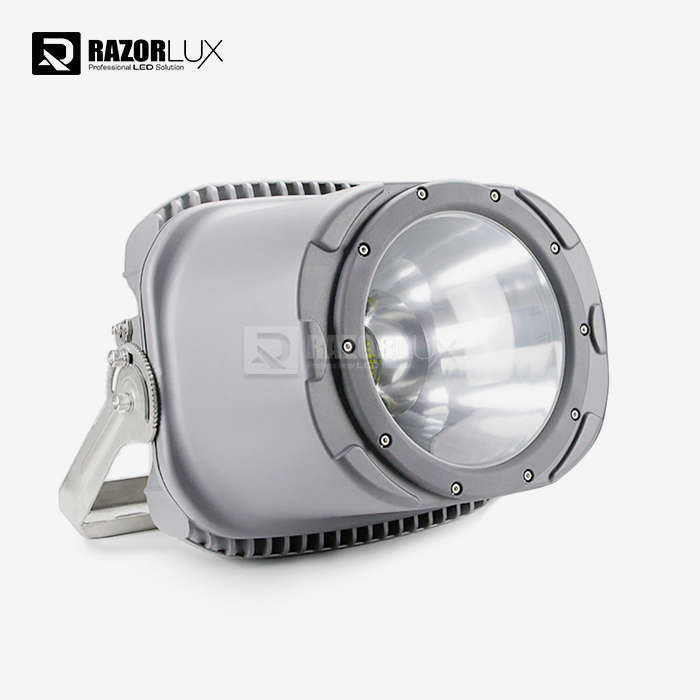
 VIEW MOREoutdoor stadium flood lights
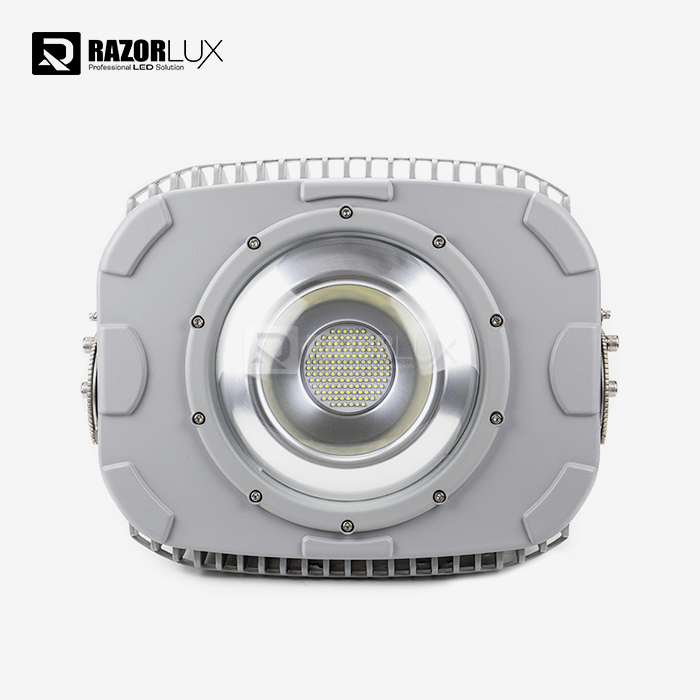
 VIEW MOREbadminton led light
 VIEW MORE120V Led Outdoor Flood Light
 VIEW MORE6000K 270w Dimmable Outdoor Light 60 Degree Flood Light For Basketball Court
 VIEW MORESports Venue 120000lm Led Sports Light 347 Vac Basketball Court Lights
 VIEW MOREHot Products Aluminum Alloy floodlight 1000w led flood light for Indoor Outdoor Sports Venue
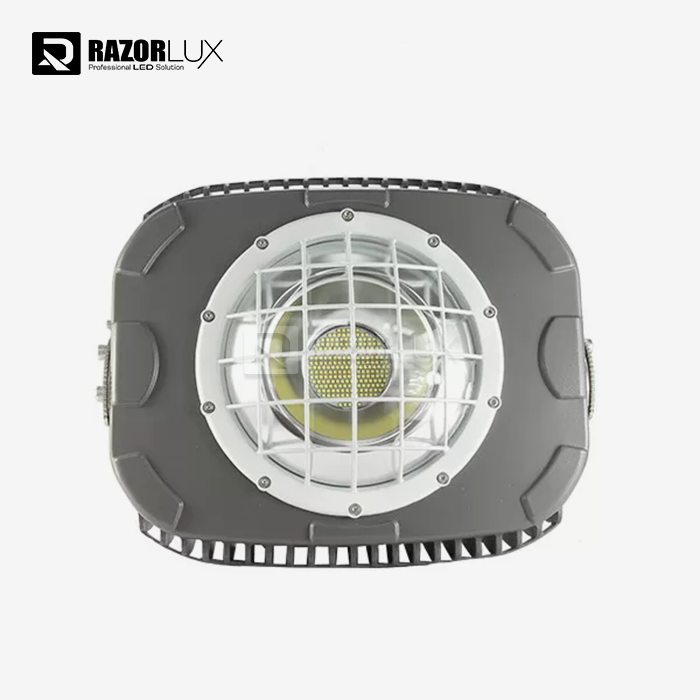 VIEW MOREWaterproof IP67 6500K Led Football Stadium Lights Badminton Court 52000lm
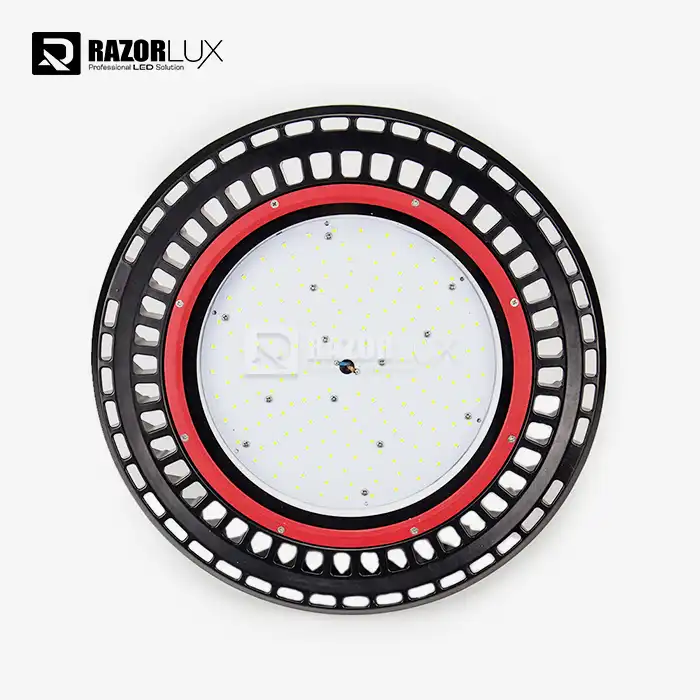 VIEW MORELed Bay Lighting Warehouse