


_1750326878398.png)

Top Outdoor Batting Cage Lights for Backyard & Commercial Use
Have you ever struggled with poor visibility during evening batting practice sessions? Whether you're training a youth team after school hours or operating a commercial facility that needs extended operating hours, inadequate Outdoor Batting Cage Lights can severely limit player performance and safety. Shadows, uneven illumination, and insufficient brightness not only hinder skill development but also increase injury risks when players cannot clearly track fast-moving baseballs. This comprehensive guide explores the top outdoor batting cage lights for both backyard installations and commercial applications, helping you select lighting solutions that transform your practice environment while maximizing energy efficiency and operational reliability.
Essential Features of High-Performance Outdoor Batting Cage Lights
When selecting outdoor batting cage lights for your training facility, understanding the critical technical specifications ensures optimal performance and long-term value. Modern LED technology has revolutionized sports lighting, offering brightness levels, energy efficiency, and durability that far surpass traditional metal halide systems. Professional-grade outdoor batting cage lights must deliver consistent illumination across the entire practice area while withstanding demanding weather conditions and mechanical impacts from stray balls.
Optimal Lighting Power and Brightness Levels
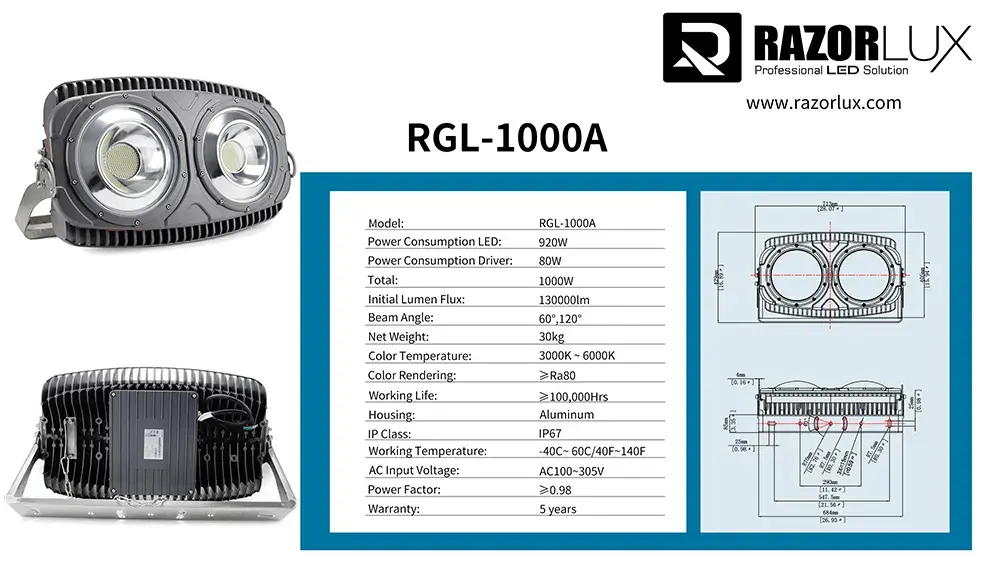
The power requirements for outdoor batting cage lights vary significantly based on installation height, cage dimensions, and intended usage level. For backyard batting cages measuring approximately seventy feet by fourteen feet, professional lighting designers recommend fixtures ranging from three hundred to five hundred watts per light to achieve illumination levels between twenty and thirty footcandles. Commercial facilities with multiple batting lanes typically require one thousand watt outdoor batting cage lights mounted at heights between twenty-five and thirty feet to deliver uniform brightness exceeding thirty footcandles across all practice stations. Xi'an Razorlux Optoelectronic Technology Co., Ltd. manufactures the RGL-1000A model featuring one thousand watts of total power consumption, delivering one hundred thirty thousand lumens with exceptional one hundred thirty lumens per watt efficiency that replaces traditional two thousand to three thousand watt metal halide fixtures while reducing energy costs by approximately seventy percent.
Weather Resistance and Durability Standards
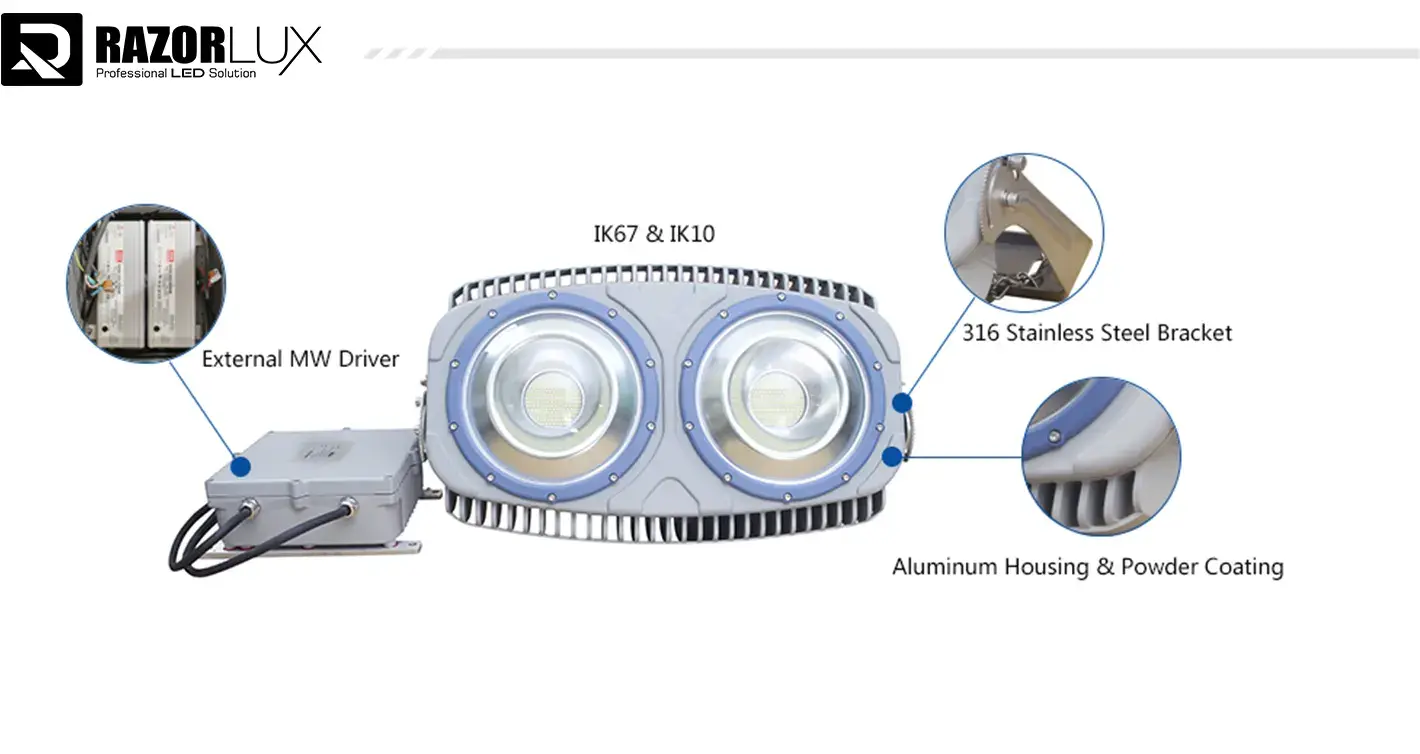
Outdoor batting cage lights must withstand extreme environmental conditions including temperature fluctuations from negative forty degrees Celsius to positive sixty degrees Celsius, humidity levels reaching ninety-five percent, and direct exposure to rain, snow, and intense sunlight. Premium outdoor batting cage lights feature IP65 or IP67 weatherproofing ratings, ensuring complete protection against dust ingress and powerful water jets from any direction. The housing construction typically utilizes marine-grade aluminum with powder coating finishes that resist corrosion and UV degradation over decades of continuous outdoor exposure. Xi'an Razorlux outdoor batting cage lights incorporate IP67-rated enclosures with stainless steel mounting brackets, IK10 impact resistance capable of withstanding direct baseball impacts, and marine-grade anti-corrosion coatings originally developed for offshore platform installations where salt spray and moisture create the harshest operating environments.
Beam Angle Configuration and Light Distribution
Proper beam angle selection determines whether outdoor batting cage lights provide uniform coverage or create problematic bright spots and shadow areas that interfere with player visibility. Most professional installations utilize fixtures with forty to sixty degree beam angles for precision mounting configurations, while wider one hundred twenty degree beams work effectively for lower mounting heights in backyard applications. Asymmetric optics with specific patterns like Type III distribution excel at perimeter mounting arrangements, directing light exactly where athletes need illumination while minimizing spill light beyond cage boundaries that could disturb neighbors or waste energy. The Razorlux RGL-1000A model offers four selectable beam angle configurations including forty, sixty, one hundred twenty, and one hundred forty by sixty degree asymmetric patterns, allowing facility managers to customize light distribution for their specific cage layout whether mounting fixtures on side poles, overhead structures, or end-mounted configurations for optimal player visibility.
Comparing Backyard Versus Commercial Outdoor Batting Cage Lighting Solutions
Understanding the distinct requirements between residential backyard installations and commercial training facilities helps facility planners select appropriately sized outdoor batting cage lights that balance performance requirements with budget constraints. Backyard applications prioritize simplicity, moderate brightness levels, and straightforward installation processes, while commercial facilities demand professional-grade illumination, extended operational lifespans, and comprehensive dimming control for various training scenarios.
| Application Type | Recommended Wattage | Mounting Height | Typical Illumination | Number of Fixtures | Average Project Cost |
|---|---|---|---|---|---|
| Backyard Single Cage | 300-500W per fixture | 16-20 feet | 20-30 footcandles | 2-4 fixtures | $2,500-$5,000 |
| Semi-Professional Facility | 500-800W per fixture | 20-25 feet | 30-50 footcandles | 4-8 fixtures | $8,000-$15,000 |
| Commercial Multi-Lane Complex | 800-1000W per fixture | 25-35 feet | 50-75 footcandles | 8-16 fixtures | $20,000-$40,000 |
| Professional Training Center | 1000-1500W per fixture | 30-40 feet | 75-100 footcandles | 12-24 fixtures | $50,000-$100,000 |
Backyard Outdoor Batting Cage Lights Installation Requirements
Residential backyard batting cage lights typically operate on standard one hundred twenty volt household electrical circuits, though professional-grade fixtures supporting one hundred twenty to two hundred seventy-seven volt operation provide greater flexibility for future expansion. Most homeowners install two to four fixtures mounted on twenty-foot poles positioned along one or both sides of the cage perimeter, creating adequate illumination for recreational practice sessions without requiring extensive electrical infrastructure upgrades. Installation complexity remains moderate, often completed within four to eight hours by licensed electricians who connect fixtures to dedicated circuit breakers protecting against overload conditions. Backyard outdoor batting cage lights should incorporate photocell sensors or programmable timers that automatically activate illumination at dusk and deactivate at dawn, maximizing convenience while preventing unnecessary energy consumption during daylight hours when natural lighting provides sufficient visibility.
Commercial Facility Lighting Design Considerations
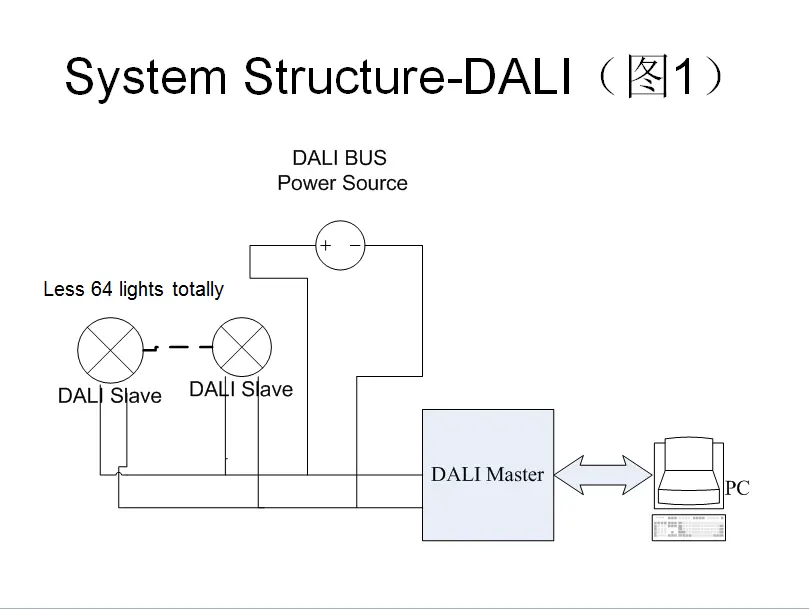
Commercial batting cage facilities serving schools, sports complexes, and professional training academies require comprehensive lighting designs developed by certified sports lighting engineers using specialized photometric modeling software. These detailed plans account for mounting height variations, cage spacing configurations, surrounding structure reflectance values, and maintenance factor calculations that predict long-term illumination levels after lens degradation and dust accumulation. Professional outdoor batting cage lights installations typically specify fixtures with selectable wattage drivers allowing facility managers to adjust brightness between multiple preset levels like eight hundred, nine hundred, or one thousand watts depending on seasonal usage patterns and specific training requirements. Commercial facilities also integrate advanced control systems including DALI dimming protocols, zero to ten volt analog controls, and wireless management platforms that enable centralized monitoring of fixture performance, automated maintenance scheduling, and energy optimization strategies that reduce operational costs while maintaining consistent illumination quality.
Energy Efficiency and Operating Cost Analysis
Modern LED outdoor batting cage lights deliver remarkable energy efficiency improvements compared to legacy metal halide technology that dominated sports lighting for decades. A typical one thousand watt LED fixture consuming one thousand watts of total power while producing one hundred thirty thousand lumens replaces a traditional two thousand watt metal halide system, reducing electricity consumption by approximately fifty percent while delivering superior light quality and color rendering. For commercial facilities operating batting cages four hours daily, this translates to annual energy savings exceeding eight hundred kilowatt-hours per fixture, generating cost reductions between eighty and one hundred twenty dollars annually depending on local electricity rates. Additionally, LED outdoor batting cage lights eliminate expensive relamping procedures required every two thousand hours with metal halide technology, instead providing maintenance-free operation exceeding fifty thousand hours before any component replacements become necessary.
Advanced Technology Integration in Modern Outdoor Batting Cage Lights
Contemporary outdoor batting cage lights incorporate sophisticated electronic controls, intelligent thermal management systems, and optional emergency backup capabilities that enhance operational reliability and user convenience. These advanced features distinguish professional-grade lighting solutions from basic commodity fixtures, providing measurable benefits for facility managers who prioritize long-term performance and total cost of ownership over initial purchase price considerations.
Intelligent Power Management and Dimming Controls
Professional outdoor batting cage lights integrate programmable power supplies supporting multiple dimming protocols including phase-cut dimming, zero to ten volt analog control, and DALI digital addressable lighting interface systems. These sophisticated control capabilities allow facility managers to reduce light output during less demanding training activities like soft-toss drills or batting tee practice, extending fixture lifespan while reducing energy consumption during periods when full brightness proves unnecessary. The Razorlux RGL-1000A features a Meanwell power supply with greater than ninety-eight percent power factor correction and less than ten percent total harmonic distortion, ensuring clean electrical operation that prevents interference with other facility equipment while maximizing energy efficiency. Advanced dimming capabilities also enable automated scheduling where outdoor batting cage lights gradually increase brightness during twilight hours, maintain full output during peak usage periods, then automatically reduce intensity during late-evening sessions when fewer athletes utilize training facilities.
Thermal Management and Extended Operational Lifespan
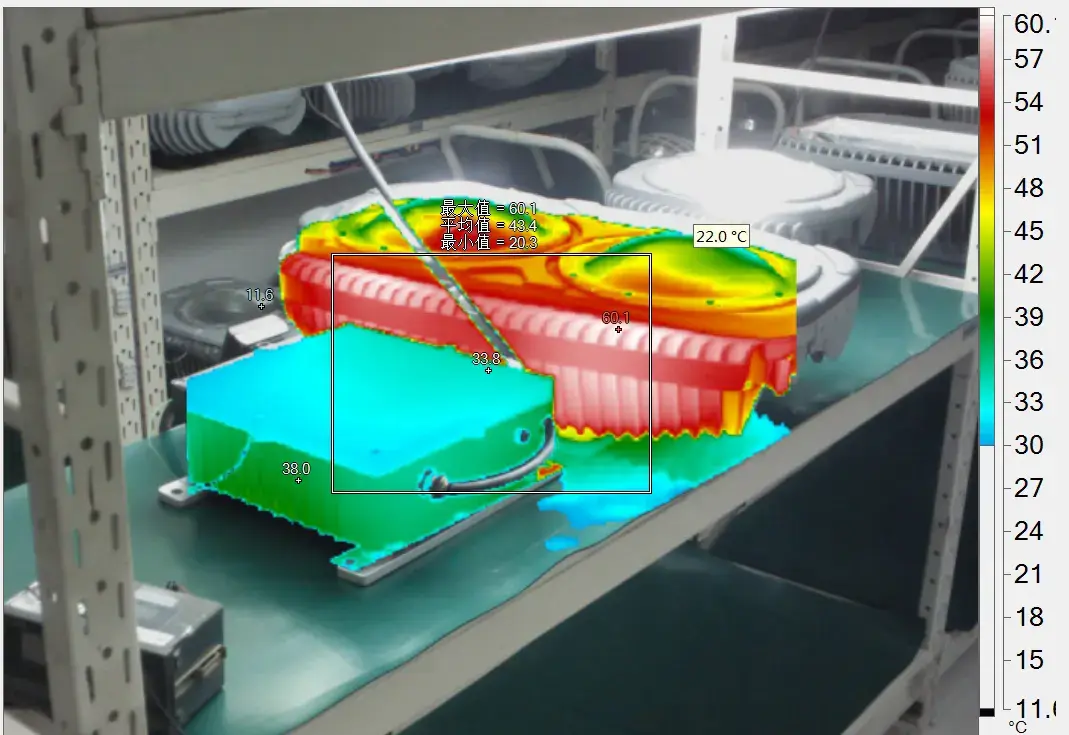
Effective thermal management represents the most critical factor determining LED fixture longevity, as excessive junction temperatures accelerate lumen depreciation and shorten operational lifespan. Premium outdoor batting cage lights utilize oversized aluminum heat sinks with optimized fin geometries that maximize convective cooling, maintaining LED junction temperatures below eighty degrees Celsius even during continuous operation in hot climates. The Razorlux housing design incorporates powder-coated aluminum construction with strategically positioned ventilation channels that promote natural air circulation, dissipating heat without requiring active cooling fans that introduce additional failure points and maintenance requirements. This passive cooling approach enables outdoor batting cage lights to operate reliably for more than fifty thousand hours before lumen output depreciation exceeds thirty percent, translating to approximately twelve years of maintenance-free service when operating four hours daily throughout the baseball season.
Emergency Backup Power Capabilities
Xi'an Razorlux Optoelectronic Technology Co., Ltd. has developed integrated emergency power functionality enabling outdoor batting cage lights to continue operating for two hours during utility power interruptions. This innovative feature proves particularly valuable for commercial training facilities where sudden darkness during active batting practice could create serious safety hazards as athletes lose visibility of pitched baseballs traveling at high velocities. The emergency backup system automatically detects power loss conditions and seamlessly transitions to battery operation without any interruption in illumination, allowing athletes to safely complete their current practice session or evacuate the facility with adequate lighting. This technology also benefits outdoor facilities located in areas prone to frequent power disruptions caused by severe weather events, ensuring consistent training availability regardless of electrical grid reliability.
Installation Methods and Professional Setup Guidelines for Outdoor Batting Cage Lights
Proper installation technique significantly impacts the long-term performance and safety of outdoor batting cage lights, requiring careful attention to electrical connections, structural mounting integrity, and precise fixture positioning. While basic residential installations may proceed as do-it-yourself projects for homeowners with electrical experience, commercial facilities should always retain licensed electricians and certified sports lighting specialists to ensure compliance with local building codes and professional installation standards.
| Installation Component | Backyard Application | Semi-Professional | Commercial Facility | Professional Stadium |
|---|---|---|---|---|
| Pole Height | 16-20 feet | 20-25 feet | 25-30 feet | 30-40 feet |
| Pole Material | Galvanized steel | Heavy-duty steel | Engineered steel | Reinforced steel |
| Foundation Depth | 3-4 feet | 4-5 feet | 5-6 feet | 6-8 feet |
| Concrete Base Size | 18"x18"x36" | 24"x24"x48" | 30"x30"x60" | 36"x36"x72" |
| Wire Gauge | 10 AWG | 8 AWG | 6 AWG | 4 AWG |
| Circuit Protection | 30A breaker | 40A breaker | 60A breaker | 100A breaker |
Mounting Pole Selection and Foundation Requirements
The structural foundation supporting outdoor batting cage lights must withstand significant wind loads, especially when fixtures mount at heights exceeding twenty feet where wind velocity increases substantially. Professional installations specify galvanized steel poles with minimum four-inch diameter dimensions and wall thickness exceeding one-eighth inch, providing adequate structural strength to resist deflection under maximum anticipated wind conditions. Pole foundations require excavation to depths below the local frost line, typically three to four feet in temperate climates and up to six feet in northern regions experiencing deep ground freezing. Concrete footings should extend at least twelve inches beyond pole diameter in all directions, utilizing rapid-setting concrete mixes with compressive strength ratings exceeding three thousand pounds per square inch after twenty-eight day curing periods.
Electrical Wiring and Circuit Protection Standards
Outdoor batting cage lights require dedicated electrical circuits protected by appropriately sized circuit breakers matching the total connected fixture load. For typical backyard installations utilizing four three-hundred watt LED fixtures totaling twelve hundred watts continuous load, minimum circuit capacity should provide twenty percent safety margin, requiring fifteen ampere breakers for one hundred twenty volt circuits or ten ampere breakers for two hundred forty volt applications. All outdoor wiring must utilize UL-listed direct burial rated cable with appropriate ampacity ratings, typically twelve AWG copper conductors for circuits under fifteen amperes and ten AWG for circuits between fifteen and twenty amperes. Professional electricians install weatherproof junction boxes at pole locations with strain relief connectors preventing water infiltration and mechanical stress on electrical terminations. Ground fault circuit interrupter protection provides essential safety against electrical shock hazards in outdoor environments where moisture exposure remains constant.
Fixture Aiming and Photometric Verification
After completing physical installation, outdoor batting cage lights require precise aiming to achieve uniform illumination across the entire practice area while minimizing light spillage beyond cage boundaries. Professional lighting designers utilize specialized photometric software generating three-dimensional models that predict light distribution patterns based on mounting height, fixture spacing, and selected beam angles. Initial aiming typically positions fixtures with slight downward tilt angles between fifteen and twenty-five degrees from horizontal, though final adjustments should occur during nighttime verification testing using calibrated light meters measuring illumination levels at multiple positions throughout the batting cage. Proper aiming eliminates problematic shadow areas, reduces glare that could impair player vision, and ensures compliance with local lighting ordinances restricting light trespass onto adjacent properties.
Conclusion
Selecting appropriate outdoor batting cage lights transforms your training facility into a professional-grade practice environment that extends operational hours and enhances athlete development. Whether installing a simple backyard setup or designing a comprehensive commercial facility, prioritizing fixtures with robust weather protection, optimal brightness levels, and energy-efficient LED technology ensures long-term performance and value. The specifications outlined throughout this guide provide actionable criteria for evaluating lighting options, from understanding essential features like IP67 weatherproofing and one hundred thirty lumens per watt efficiency to comparing installation requirements across different facility types and budgets.
Ready to upgrade your batting facility with professional-grade illumination? Xi'an Razorlux Optoelectronic Technology Co., Ltd. stands as a trusted China Outdoor Batting Cage Lights manufacturer with over two decades of LED technology expertise since 1998. As a leading China Outdoor Batting Cage Lights supplier, we provide comprehensive solutions from pre-sales consultation through technical support, ensuring you receive perfectly matched lighting for your specific requirements. Our China Outdoor Batting Cage Lights factory produces certified fixtures complying with UL, CE, RoHS, and SAA international standards, backed by our industry-leading five-year warranty coverage. Whether you need China Outdoor Batting Cage Lights wholesale pricing for multi-facility projects or want to explore our competitively priced Outdoor Batting Cage Lights for sale inventory, our experienced team delivers customized solutions with flexible shipping options including express, air, rail, and sea transport. contact us today at sam@razorlux.com to discuss your project specifications, request detailed technical drawings, or arrange sample evaluation—our Outdoor Batting Cage Lights price structures accommodate projects of all scales while maintaining the exceptional quality and reliability that facility managers worldwide trust for their critical sports lighting applications.
References
1. "LED Sports Lighting Design Guide for Baseball and Softball Facilities" - Illuminating Engineering Society, Technical Committee on Sports and Recreational Area Lighting
2. "Weatherproofing Standards for Outdoor Athletic Lighting Systems" - International Electrotechnical Commission, Technical Report IEC 60529
3. "Energy Efficiency Analysis of LED Versus Metal Halide Sports Lighting" - U.S. Department of Energy, Building Technologies Office
4. "Photometric Design Principles for Batting Cage Illumination" - National Electrical Manufacturers Association, Lighting Systems Division
5. "Safety Standards for Outdoor Sports Facility Electrical Installations" - National Fire Protection Association, Article 680 Swimming Pools and Similar Installations
_1750410540049.webp) VIEW MOREExplosion Proof Flood Lights
VIEW MOREExplosion Proof Flood Lights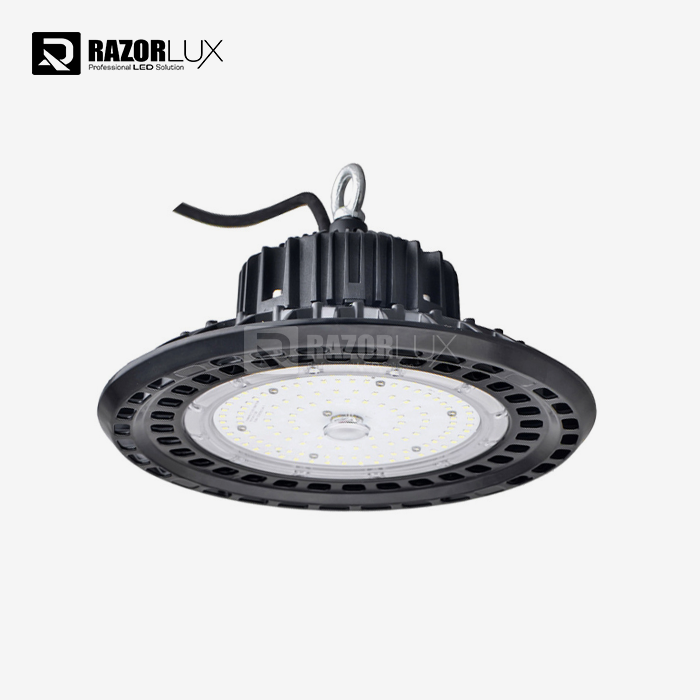 VIEW MOREoutdoor warehouse led lights
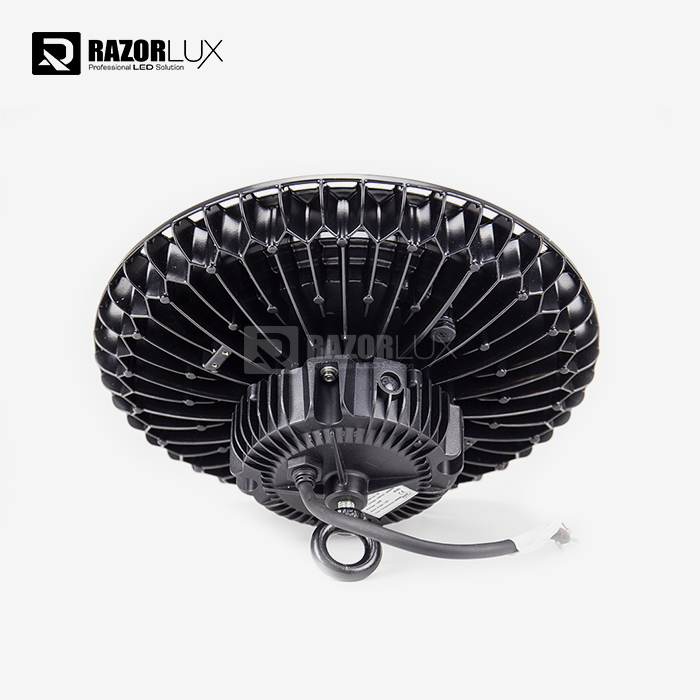 VIEW MOREwarehouse led high bay lights
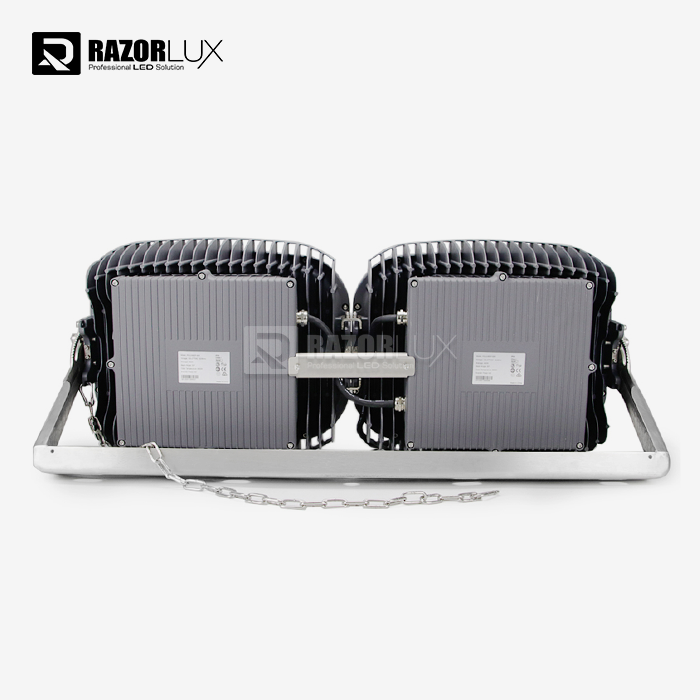 VIEW MOREled high power flood light
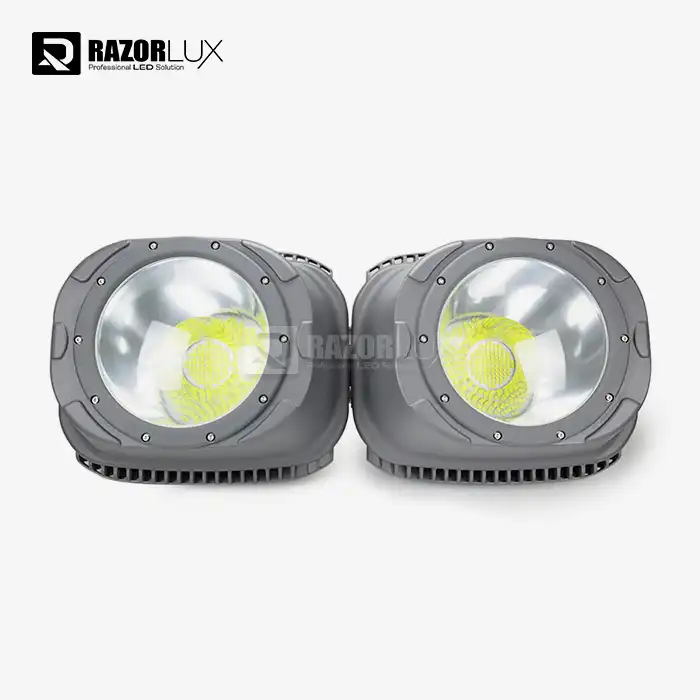 VIEW MOREFloodlight For Boat
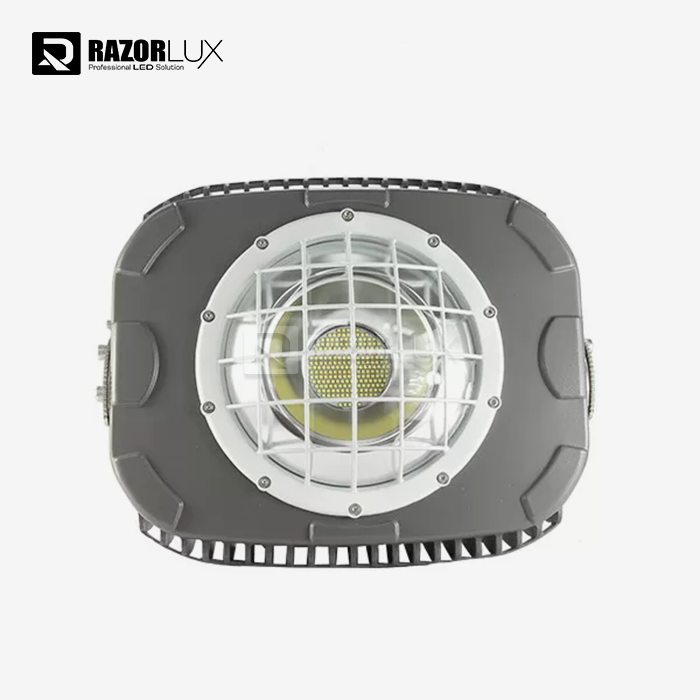 VIEW MOREWaterproof IP67 6500K Led Football Stadium Lights Badminton Court 52000lm
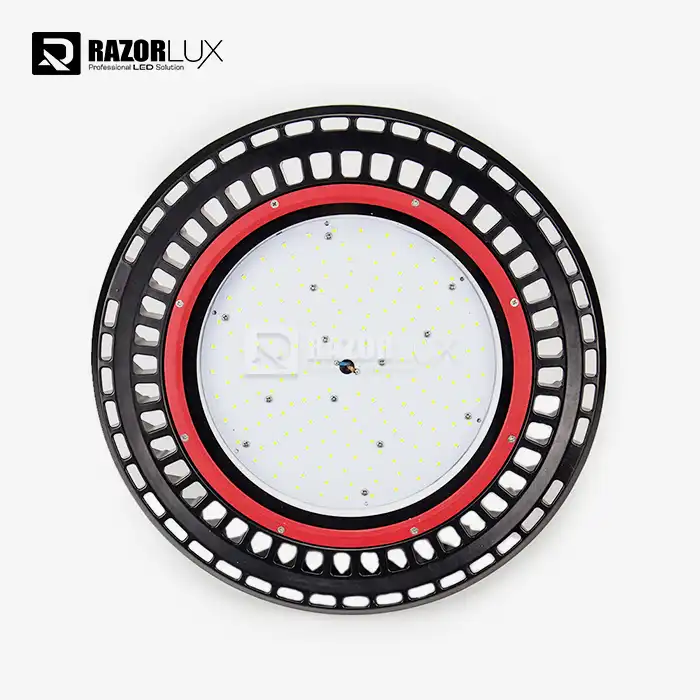 VIEW MORELed Bay Lighting Warehouse
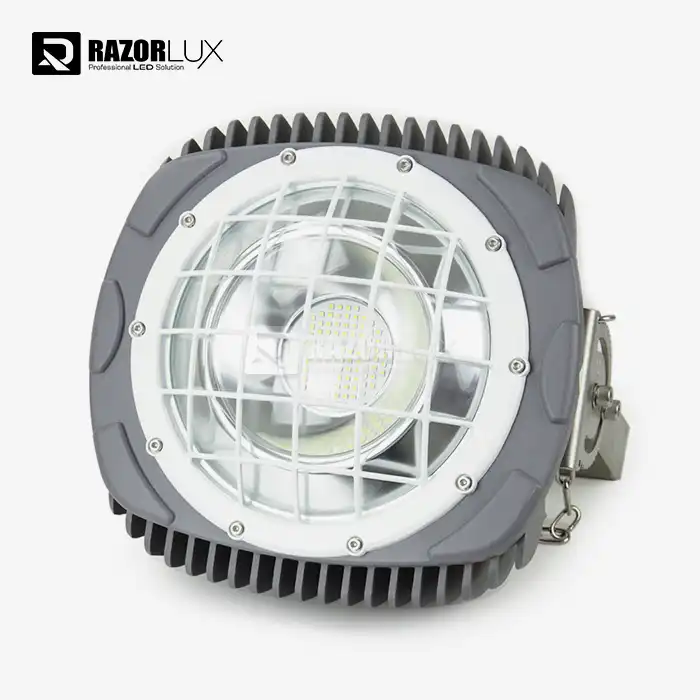 VIEW MORESports Field Flood Lights