


_1750326878398.png)

What High Mast Light Wattage Do You Need for Stadiums?
Picture a stadium plunged into darkness during a crucial match because of inadequate lighting—players struggle to see, spectators miss critical moments, and broadcasters capture grainy footage. This nightmare scenario happens when facility managers choose the wrong High Mast Light Wattage for their venue. Selecting proper stadium lighting is not just about brightness; it's about safety, performance, broadcasting quality, and spectator experience. Understanding High Mast Light Wattage requirements ensures your stadium meets professional standards while optimizing energy costs. This comprehensive guide walks you through everything you need to know about choosing the right wattage, from field dimensions to mounting heights, helping you make informed decisions that illuminate your venue perfectly while avoiding costly mistakes.
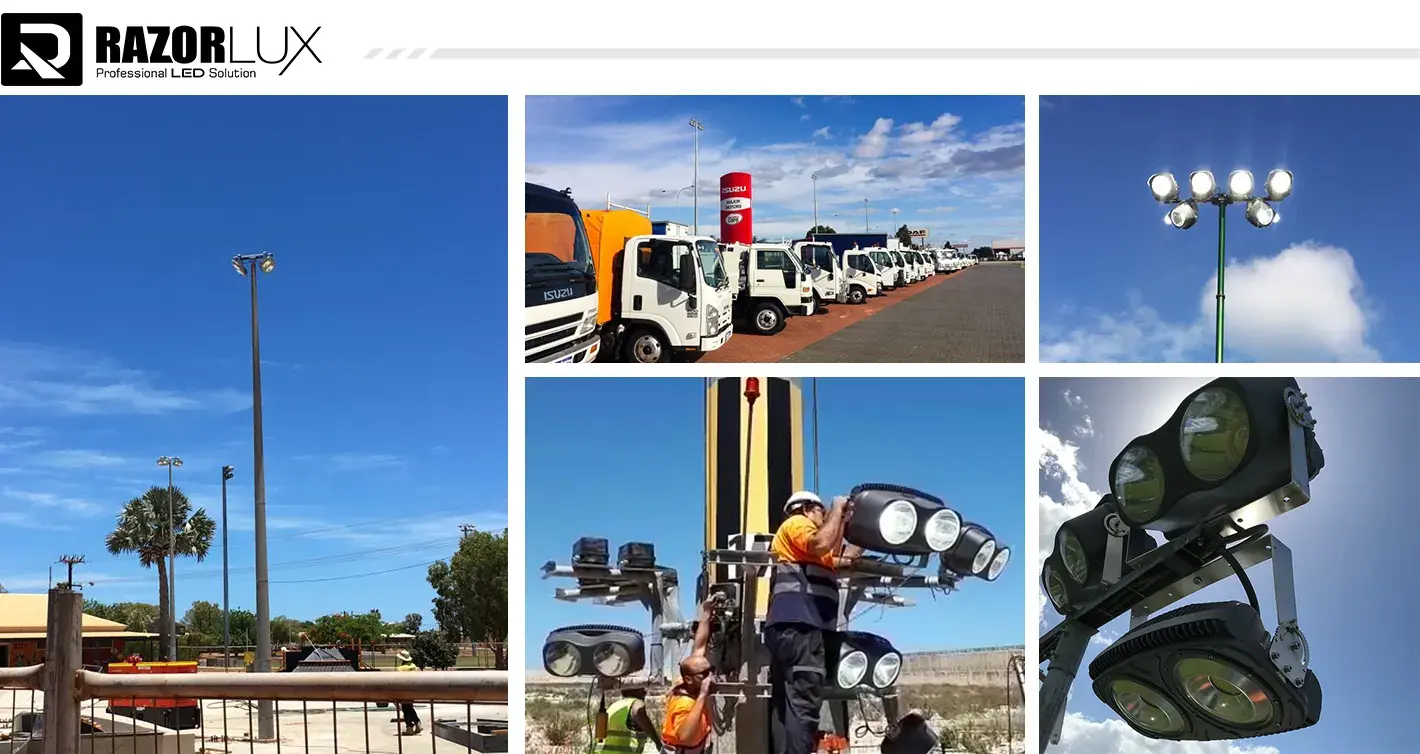
Understanding High Mast Light Wattage Requirements for Different Stadium Types
Determining the correct High Mast Light Wattage for stadiums depends on multiple factors including venue size, competition level, and lighting standards. Professional stadiums hosting international competitions require significantly higher wattage compared to community sports facilities. The relationship between wattage and illumination quality directly affects player performance, spectator satisfaction, and broadcasting capabilities. Modern LED technology has transformed how we approach stadium lighting, offering superior efficiency compared to traditional metal halide or high-pressure sodium fixtures that once dominated the industry.
Wattage Selection Based on Competition Level
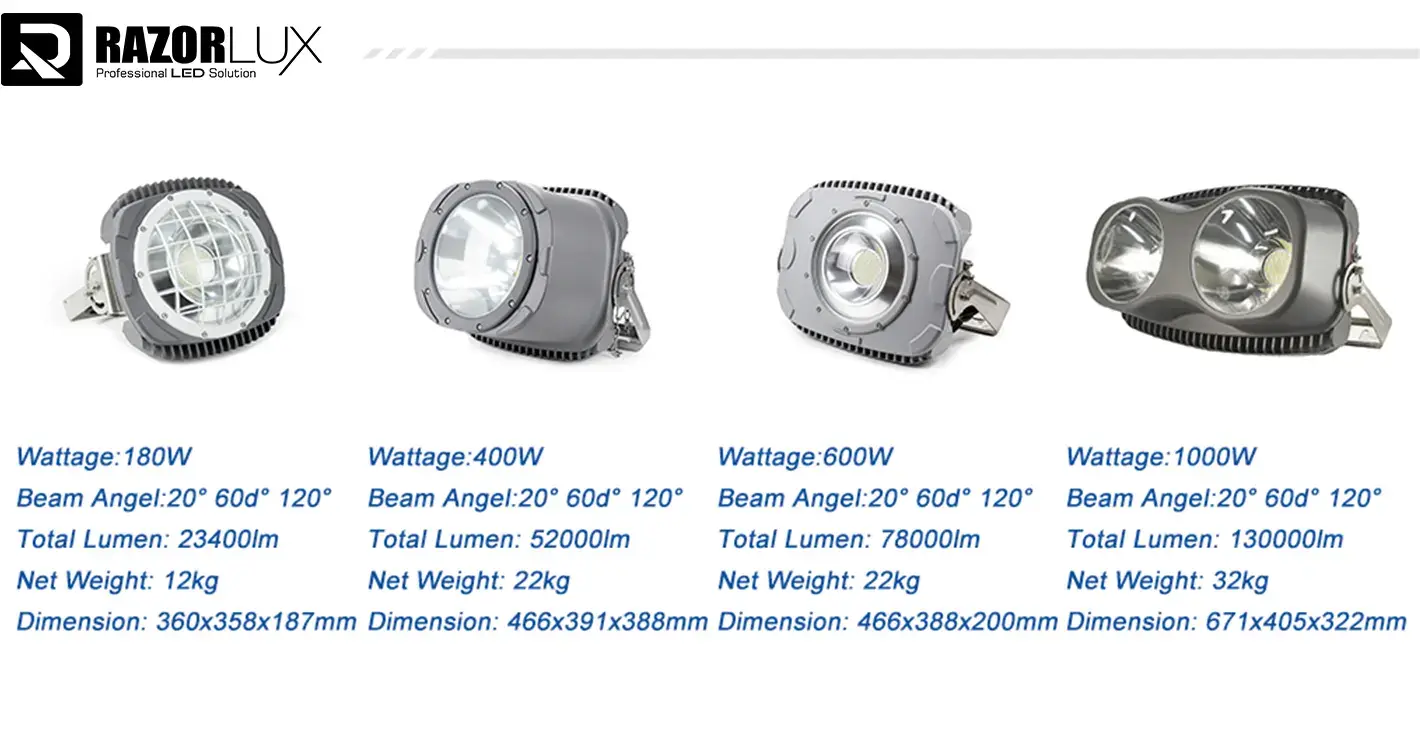
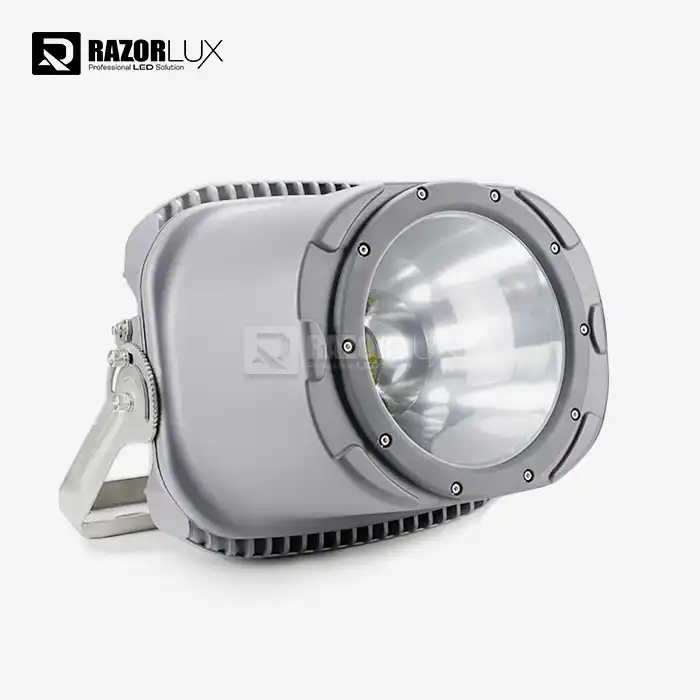
Amateur and recreational facilities typically require lighting levels between 200 to 500 lux, which can be achieved using High Mast Light Wattage ranging from 400W to 800W per fixture. Semi-professional venues need 500 to 750 lux illumination, requiring fixtures between 800W and 1200W. Professional stadiums hosting broadcasting events demand 1000 to 2000 lux levels, necessitating High Mast Light Wattage from 1200W to 2000W per fixture. Xi'an Razorlux Optoelectronic Technology Co., Ltd. offers comprehensive solutions with their RGL-150P model featuring 150W rated power and 130LM/W lamp efficiency, suitable for smaller facilities, while their range extends to higher wattage options for professional venues. The company's patented multi-function design ensures optimal performance across all working environments, with IP67 protection and marine-grade construction guaranteeing reliability in demanding outdoor conditions.
Field Dimensions and Coverage Area Calculations
Stadium size directly determines High Mast Light Wattage requirements and fixture quantity. A standard soccer field measuring approximately 105 meters by 68 meters requires significantly more powerful lighting than a basketball court measuring 28 meters by 15 meters. For large soccer stadiums, fixtures with 800W to 1200W are typically distributed across multiple high mast poles, usually six poles for an eleven-player field. Basketball courts may only need 400W to 600W fixtures due to their smaller dimensions. The calculation must account for uniform illumination across the entire playing surface, eliminating dark spots that could compromise player safety. Xi'an Razorlux Optoelectronic Technology provides expert pre-sales consultation to help clients select the most suitable LED lighting products, considering power, beam angle, and coverage requirements specific to their field dimensions, ensuring comprehensive illumination without excessive energy consumption.
Mounting Height Impact on Wattage Selection
Installation height significantly influences High Mast Light Wattage requirements because light intensity decreases with distance. For every doubling of mounting height, wattage must increase approximately fourfold to maintain equivalent ground illumination. Poles at 15 to 25 meters typically accommodate medium-power fixtures with wider beam angles, while installations at 25 to 35 meters require higher wattage with medium beam angles. Stadium poles reaching 40 to 50 meters must utilize high-power LED lights of 800W, 1200W, or higher with narrower beam angles to ensure adequate illumination reaches the playing surface. The RGL-150P from Xi'an Razorlux features a 20-degree beam angle and delivers 13,200 lumens stable flux, making it suitable for moderate heights. For taller installations, the company offers customization in wattage and mounting options, supported by detailed technical drawings and installation guides that help engineering teams plan projects accurately.
Comparing High Mast Light Wattage Options: 400W to 1200W Solutions
Modern stadium lighting solutions offer various High Mast Light Wattage options, each serving specific requirements based on venue characteristics and performance expectations. The choice between 400W, 750W, and 1200W fixtures involves balancing initial investment, operational costs, coverage area, and lighting quality. Understanding these differences enables facility managers to optimize their lighting infrastructure while meeting regulatory standards and spectator expectations. LED technology has revolutionized this landscape by delivering superior luminous efficacy compared to traditional HID lamps, which previously ranged from 400W to 2000W but offered poor energy efficiency and shorter lifespans.
| Wattage | Lumen Output | Coverage Area | Best Application | Energy Efficiency | Installation Cost |
|---|---|---|---|---|---|
| 400W | 50,000-60,000 lm | Medium areas | Community fields, training facilities | High efficiency, lower operating costs | Lower per-unit cost, may need more fixtures |
| 750W | 90,000-120,000 lm | Large areas | Semi-professional stadiums, large parking lots | Balanced efficiency and output | Moderate cost, fewer fixtures needed |
| 1200W | 160,000-180,000 lm | Extensive areas | Professional stadiums, broadcast venues | Maximum output, higher consumption but still efficient vs HID | Higher per-unit cost, minimal fixtures required |
400W LED High Mast Light Specifications
The 400W High Mast Light Wattage category represents an excellent entry point for community sports facilities, training grounds, and smaller stadiums not requiring broadcast-grade illumination. These fixtures typically produce 50,000 to 60,000 lumens with excellent uniformity and color rendering above Ra75. The lower wattage translates to reduced energy consumption, making them cost-effective for venues operating on limited budgets. Xi'an Razorlux Optoelectronic Technology specializes in LED solutions with luminous efficacy reaching 130LM/W, significantly outperforming traditional metal halide lamps. Their fixtures feature aluminum housing with powder coating, Meanwell power supplies, and IP67 protection, ensuring durability in harsh weather conditions. The 400W option works exceptionally well for mounting heights between 15 to 25 meters, providing adequate illumination for recreational activities while minimizing light pollution through precise beam angle control and anti-glare optics.
750W LED Stadium Light Performance
Mid-range High Mast Light Wattage solutions like 750W fixtures deliver 90,000 to 120,000 lumens, making them ideal for semi-professional venues, large outdoor parking facilities, and stadiums requiring higher illumination levels than recreational facilities. These fixtures offer an optimal balance between powerful light output and energy efficiency, with modern LED technology achieving 150 to 180 lumens per watt. The 750W category reduces the total number of fixtures needed compared to 400W options, consequently lowering installation costs despite higher per-unit prices. Xi'an Razorlux provides flexible manufacturing capabilities allowing customization in color temperature from 2700K to 6500K, housing materials, and control systems including 0-10V and DALI dimming. Their fixtures incorporate advanced thermal management through aluminum construction, maintaining performance during extended operation without overheating. The 5-year warranty on LED modules and drivers demonstrates confidence in long-term reliability, while comprehensive after-sales support ensures any technical issues receive prompt resolution.
1200W High-Power Stadium Lighting Systems
Professional stadiums hosting broadcast events require maximum High Mast Light Wattage solutions, with 1200W fixtures producing 160,000 to 180,000 lumens of intense, uniform illumination. These high-power systems meet stringent broadcasting requirements for HD and UHD coverage, ensuring cameras capture crisp, clear images without flickering or inadequate brightness. The broader coverage area of 1200W fixtures means fewer poles and fixtures are necessary, which paradoxically can reduce overall installation costs despite higher individual unit prices. Modern LED technology ensures even 1200W fixtures remain energy-efficient compared to traditional 2000W metal halide lamps they replace, offering 60% to 80% energy savings. Xi'an Razorlux manufactures high-power solutions certified by UL, RMRS, TUV, CE, SAA, and RoHS, ensuring compliance with international quality and safety standards. Their production facilities maintain ISO 9001 certification with stringent quality control throughout assembly lines, photometric testing using integrating spheres, and comprehensive aging tests guaranteeing performance reliability for installations demanding the highest professional standards.
Technical Specifications and Performance Factors for Stadium High Mast Light Wattage
Beyond simply selecting wattage numbers, understanding technical specifications that influence actual lighting performance ensures optimal results. Factors including luminous efficacy, beam angle, color rendering index, and environmental protection ratings all contribute to how effectively High Mast Light Wattage translates into usable illumination on the playing field. Professional-grade stadium lighting requires careful attention to these details, as compromises in any area can result in inadequate performance despite seemingly sufficient wattage. Xi'an Razorlux Optoelectronic Technology combines over 200 patents covering LED Packaging, power control, and structural design with two decades of manufacturing experience, delivering comprehensive solutions that address all critical performance parameters.
Luminous Efficacy and Energy Efficiency Standards
Luminous efficacy, measured in lumens per watt, determines how efficiently High Mast Light Wattage converts electrical energy into visible light. Modern LED fixtures achieve 130 to 180 lumens per watt, dramatically surpassing traditional HID lamps that typically delivered only 60 to 90 lumens per watt. This efficiency translates directly to operational cost savings—a single 1000W HID high mast light can cost up to $6,300 annually in electricity, while an equivalent LED fixture consuming 400W to 500W might cost only $2,000 to $2,500 yearly. The RGL-150P from Xi'an Razorlux achieves 130LM/W efficiency with just 150W consumption, replacing 300W to 400W HID lamps while delivering 13,200 lumens stable flux. Beyond energy savings, LED technology eliminates warm-up delays, provides instant start capabilities, and maintains consistent output without the accelerated lumen degradation that plagued metal halide lamps, ensuring the lighting remains effective throughout its 50,000-hour working life backed by comprehensive 5-year warranties.
Color Temperature and Rendering Requirements
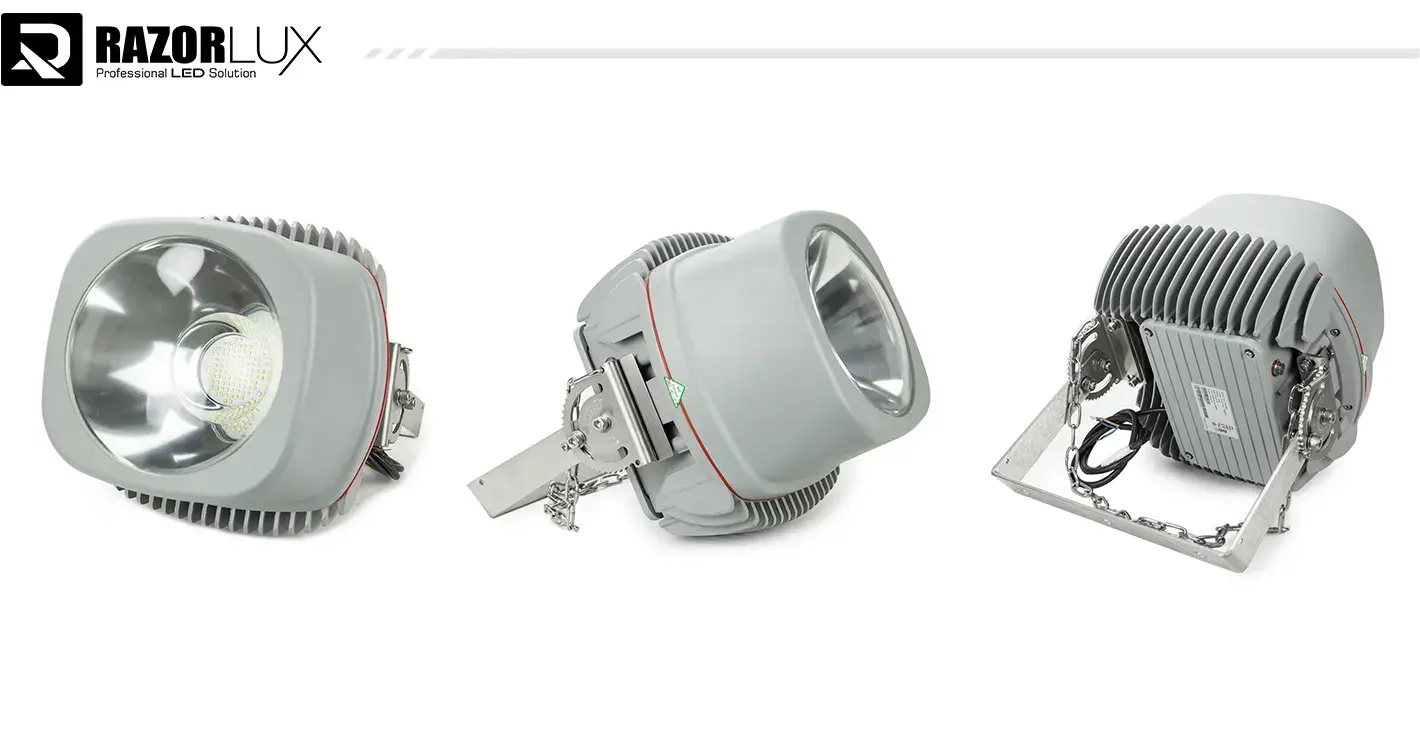
Color temperature and color rendering index significantly impact how players perceive the playing field and how cameras reproduce colors for broadcasts. High Mast Light Wattage fixtures typically offer color temperatures ranging from 2700K (warm white) to 6500K (cool daylight), with 5000K to 5700K being preferred for most stadium applications as it closely mimics natural daylight. Color Rendering Index (CRI) of Ra75 or higher ensures accurate color perception, crucial for referee decisions and television broadcasts. Professional venues often require CRI above Ra80 or even Ra90 to meet broadcasting standards for high-definition and ultra-high-definition coverage. Xi'an Razorlux fixtures provide adjustable color temperatures from 2000K to 6000K with CRI≥Ra75 as standard, with Ra80 and Ra90 available upon request. This flexibility allows facilities to customize lighting characteristics based on specific sport requirements—for example, soccer and rugby might prefer cooler temperatures for alertness, while baseball might opt for warmer tones that reduce glare during day-to-night transition periods.
| Specification | Standard Range | Professional Requirement | Razorlux RGL-150P | Performance Impact |
|---|---|---|---|---|
| Luminous Efficacy | 120-150 lm/W | 150-180 lm/W | 130 lm/W | Energy cost reduction, brightness per watt |
| Color Temperature | 4000K-5000K | 5000K-5700K | 2000K-6000K (customizable) | Visual clarity, camera reproduction |
| Color Rendering Index | ≥Ra70 | ≥Ra80-90 | ≥Ra75 (Ra80/90 available) | Color accuracy, broadcast quality |
| Beam Angle | 25°-60° | Multiple options | 20° (customizable) | Coverage pattern, glare control |
| IP Rating | IP65 | IP67 | IP67 | Weather resistance, longevity |
Environmental Protection and Durability Considerations
Stadium High Mast Light Wattage fixtures must withstand extreme environmental conditions including temperature fluctuations, heavy rain, dust, and coastal corrosion. IP ratings indicate protection levels—IP65 provides dust-tight sealing and protection against water jets, while IP67 offers superior protection against temporary water immersion. Professional installations should specify IP67-rated fixtures, particularly in coastal areas or regions with severe weather. Impact protection measured by IK ratings is equally important, with IK10 indicating resistance to 20 joules of impact force, protecting against vandalism and accidental damage. Xi'an Razorlux manufactures fixtures with IP67 classification and IK10 impact resistance, utilizing marine-grade anti-corrosion coating and robust stainless steel brackets. Their housing combines aluminum construction with specialized powder coating, operating reliably in temperatures from -40°C to 60°C and humidity from 10% to 95%, ensuring consistent performance whether installed in Arctic conditions or tropical environments with comprehensive 10-year housing warranty coverage.
Installation and Operational Considerations for Optimal High Mast Light Wattage Performance
Proper installation and operational practices maximize the effectiveness of stadium High Mast Light Wattage systems, ensuring long-term performance and return on investment. Even the most advanced LED fixtures will underperform if incorrectly positioned, inadequately powered, or poorly maintained. Facility managers must consider electrical infrastructure capacity, photometric analysis, maintenance accessibility, and intelligent control systems to optimize their lighting investment. Xi'an Razorlux Optoelectronic Technology provides comprehensive support throughout the installation process, from pre-sales consultation and custom sampling to detailed technical documentation and after-sales service, ensuring clients achieve optimal results from their High Mast Light Wattage installations.
Electrical Infrastructure and Power Supply Requirements
Stadium High Mast Light Wattage systems demand robust electrical infrastructure capable of handling significant power loads while maintaining voltage stability. LED fixtures offer flexibility with AC input typically accepting 80-315Vac without additional adapters, though some applications may utilize DC input from 80 to 400Vdc. Power factor above 0.98 and total harmonic distortion below 10% ensure efficient energy transfer and minimize electrical system stress. Facility managers must verify existing infrastructure capacity before specifying High Mast Light Wattage quantities, as inadequate electrical systems can lead to voltage drops, flickering, and premature fixture failure. Xi'an Razorlux fixtures incorporate Meanwell power supplies renowned for reliability and efficiency, with Class I insulation ensuring electrical safety. Their emergency power function enables lights to operate for two hours during power outages, critical for maintaining safety during evacuation scenarios or continuing events during temporary power disruptions. This feature, combined with wide voltage acceptance ranges, makes their systems adaptable to various power supply conditions encountered in different countries and remote locations.
Photometric Analysis and Light Distribution Planning
Professional High Mast Light Wattage installations require comprehensive photometric analysis to ensure uniform illumination meeting sport-specific standards. Lighting designers create computer simulations accounting for mounting height, fixture placement, beam angles, and wattage to predict illumination patterns, uniformity ratios, and potential glare issues before installation begins. Different sports have varying illumination requirements—soccer fields need 200 to 2000 lux depending on competition level, while basketball courts might require 300 to 750 lux with different uniformity standards. The goal is achieving consistent lighting across the entire playing surface without excessive variation between brightest and darkest areas. Xi'an Razorlux provides technical drawing and documentation services including detailed product specifications and installation guides supporting engineering and project planning needs. Their team offers expert guidance helping clients select appropriate power, beam angle options, and fixture quantities for specific applications. Custom sampling and prototyping services allow evaluation of actual lighting quality and performance before committing to bulk orders, ensuring the selected High Mast Light Wattage configuration delivers desired results.
Maintenance Accessibility and Long-term Cost Management
High mast installations present unique maintenance challenges due to their elevation, with pole heights ranging from 15 to 50 meters making routine service expensive and disruptive. Traditional HID fixtures required frequent lamp replacements and ballast changes—maintaining a single exterior HID high mast fixture could cost $2,000 in labor and materials over three years. LED technology dramatically reduces maintenance requirements through 50,000-hour working lives and elimination of consumable lamps. Xi'an Razorlux fixtures feature tool-less LED driver box designs that can be remotely mounted, greatly facilitating commissioning and maintenance activities. Their comprehensive 5-year warranty on LED modules and drivers, plus 10-year warranty on housing, provides long-term cost protection. Streamlined production and global shipping options including air, rail, and sea freight ensure replacement parts arrive quickly when needed. Individual foam base packaging, sealed cartons reinforced with plastic straps, and optional wooden crate protection guarantee products arrive undamaged. After-sales support includes technical assistance, maintenance guidance, and prompt resolution of any issues, helping facility managers maximize the operational lifespan of their High Mast Light Wattage investments.
Conclusion
Selecting the appropriate High Mast Light Wattage for stadiums involves balancing competition requirements, field dimensions, mounting heights, and budget constraints while meeting safety and broadcasting standards. Professional solutions from trusted manufacturers ensure optimal performance and long-term reliability.
Ready to upgrade your stadium lighting with professional High Mast Light Wattage solutions? Xi'an Razorlux Optoelectronic Technology Co., Ltd., a leading China High Mast Light Wattage manufacturer with over 200 patents and two decades of experience, offers comprehensive LED lighting solutions from 150W to 1200W. As a premier China High Mast Light Wattage supplier, we provide competitive High Mast Light Wattage price options backed by industry-leading 5-year warranties. Our China High Mast Light Wattage factory delivers High Mast Light Wattage for sale with IP67 protection, marine-grade construction, and global certifications. Whether you need China High Mast Light Wattage wholesale orders or custom OEM/ODM services, our expert team provides pre-sales consultation, custom sampling, technical documentation, and reliable logistics with 3-7 day express delivery. Contact our professional sales team today at sam@razorlux.com to discuss your stadium lighting project and receive personalized recommendations that illuminate your venue brilliantly while optimizing energy costs. Save this article for future reference when planning your lighting upgrades.
References
1. Illuminating Engineering Society. "Recommended Practice for Sports and Recreational Area Lighting." IES RP-6-15. Authors: Technical Committee on Sports and Recreational Area Lighting.
2. Commission Internationale de l'Eclairage (CIE). "Guide on the Limitation of the Effects of Obtrusive Light from Outdoor Lighting Installations." CIE 150:2017. Authors: CIE Division 4 Technical Committee.
3. U.S. Department of Energy. "LED Lighting for Sports and Athletic Facilities: Energy Savings and Performance Considerations." Solid-State Lighting Program. Authors: DOE Office of Energy Efficiency and Renewable Energy.
4. Federation Internationale de Football Association (FIFA). "Football Stadiums: Technical Recommendations and Requirements." 5th Edition. Authors: FIFA Stadium and Security Committee.
5. International Association of Lighting Designers. "Professional Stadium and Arena Lighting Design Guidelines." IALD Technical Paper Series. Authors: IALD Sports Lighting Working Group.
 VIEW MOREhigh bay led warehouse lights
 VIEW MOREoutdoor stadium flood lights
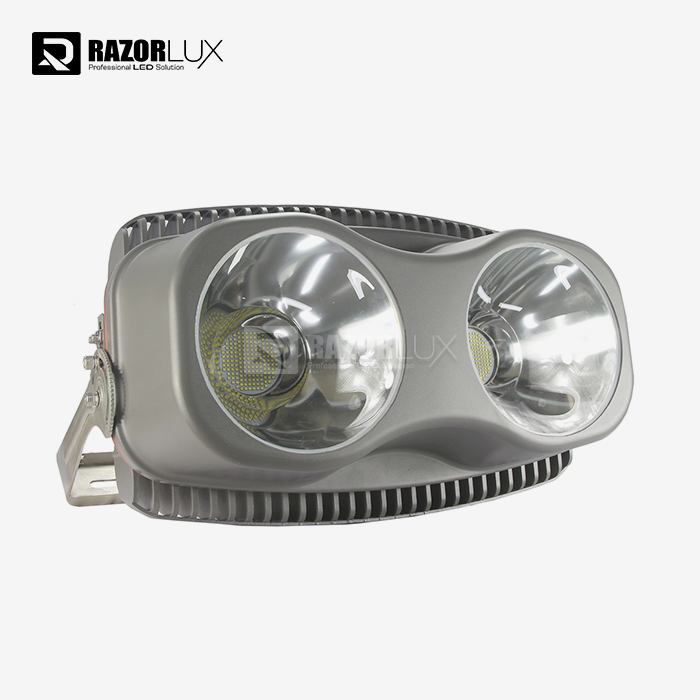 VIEW MOREled sports stadium lighting
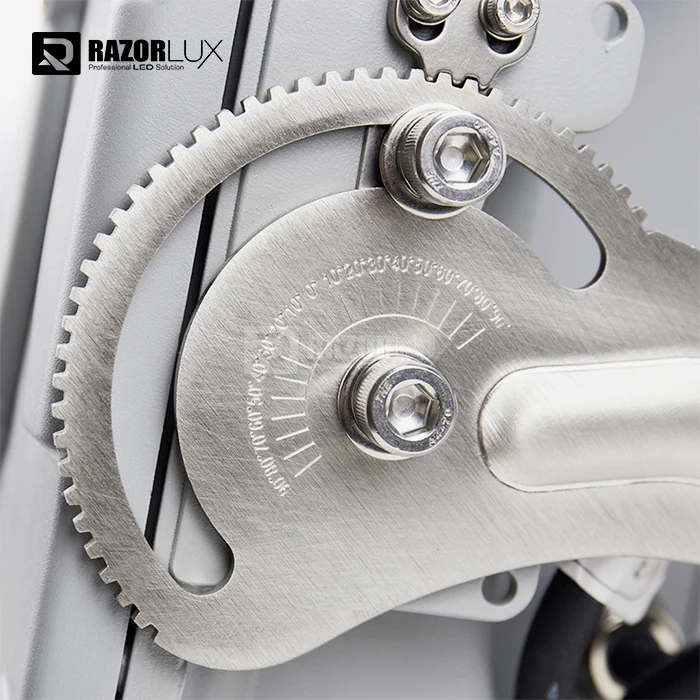 VIEW MOREbest outdoor basketball lights
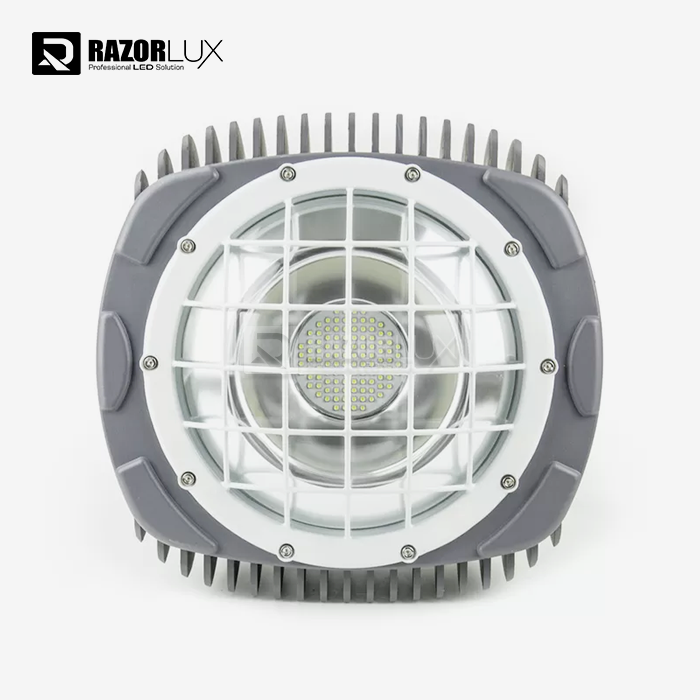 VIEW MORELED softball field lighting high mast flood light systems
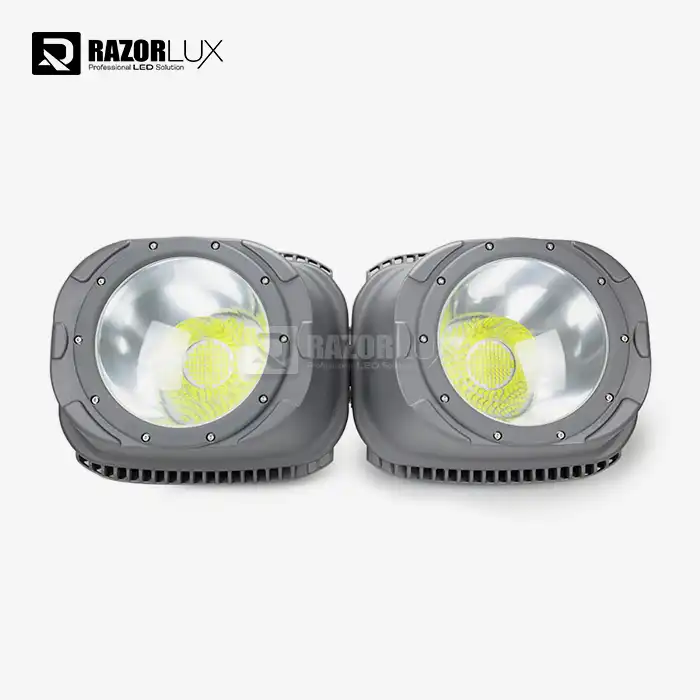 VIEW MOREStylish Outdoor Flood Lights
 VIEW MORE110V Floodlight
 VIEW MOREOutdoor Landscape Flood Lights