

_1750326878398.png)

Benefits of Using Best Dimmable Flood Lights for Energy Efficiency
Best Dimmable Flood Lights revolutionize energy consumption in marine and industrial applications by delivering exceptional energy efficiency through advanced LED technology and intelligent control systems. These sophisticated lighting solutions reduce power consumption by up to 70% compared to traditional halogen fixtures while maintaining superior illumination quality. With luminous efficacy exceeding 130 lm/W, modern Dimmable LED Flood Lights optimize energy usage through precise brightness control, enabling facilities to achieve substantial cost savings while meeting stringent performance requirements in demanding environments like offshore platforms, shipyards, and heavy industrial installations.
Understanding Key Performance Indicators for Energy-Efficient Dimmable Flood Lights
Luminous Efficacy and Power Quality Performance
Luminous efficacy is the most critical performance indicator for energy-efficient dimmable flood lights, as it reflects how effectively electrical power is converted into visible light. Advanced LED technologies now achieve impressive efficiency levels of 130–150 lumens per watt, far surpassing traditional lighting solutions and significantly reducing operating costs. In parallel, power quality plays a key role in overall efficiency. High-quality dimmable LED flood lights maintain power factors above 0.98, ensuring minimal energy loss and reduced strain on electrical systems. Total harmonic distortion (THD) levels below 10% further enhance energy efficiency by preventing power quality issues that could otherwise increase long-term operational expenses.
Color Rendering Index and Visual Performance
The Color Rendering Index (CRI) directly affects lighting quality, color accuracy, and visual comfort. While higher CRI values typically demand more energy, optimized LED designs are capable of achieving Ra>75 with minimal efficiency compromise. This balance provides excellent visibility for safety-critical and outdoor applications while still meeting strict energy-saving objectives, making these flood lights suitable for both functional and compliance-driven environments.
Operating Temperature Range and Energy Stability
Operating temperature range has a direct impact on energy consumption patterns and system reliability. Dimmable LED flood lights designed to perform efficiently across a wide temperature range of −40°C to 60°C maintain stable output without the need for additional heating or cooling systems. This capability ensures consistent performance in extreme climates and contributes to overall energy savings, particularly in harsh outdoor or industrial environments.
| Performance Metric | Standard Range | Razorlux RGL2-400A |
|---|---|---|
| Luminous Efficacy | 100-130 lm/W | 130 lm/W |
| Power Factor | >0.90 | ≥0.98 |
| Color Rendering | Ra>70 | ≥Ra75 |
| Working Temperature | -20°C to 40°C | -40°C to 60°C |
| THD | <20% | <10% |
Core Energy Efficiency Benefits of Advanced Dimmable Technology
Adaptive Dimming and Energy Consumption Control
Energy-efficient flood lights equipped with advanced dimming technology provide exceptional flexibility in managing power usage. Dimming allows facilities to reduce energy consumption by up to 80% during low-activity periods while maintaining adequate visibility for safety and security. This adaptive approach significantly lowers overall energy use compared with fixed-output lighting systems and supports more efficient facility operations.
Smart Controls and Automation Integration
Modern dimmable flood lights integrate seamlessly with building automation systems to enable intelligent energy management strategies. Features such as motion sensor integration automatically adjust brightness based on occupancy, ensuring energy is consumed only when needed. Dusk-to-dawn functionality further optimizes power usage by adapting light output to ambient lighting conditions, improving efficiency across varying environments and operating schedules.
Thermal Management and Long-Term Efficiency
Advanced thermal management in LED flood lights with dimming capabilities extends component lifespan while reducing energy waste. Lower operating temperatures achieved through dimming minimize thermal stress on electronic components, helping maintain peak efficiency throughout the fixture’s service life. This thermal optimization prevents the performance degradation commonly seen in continuously operated high-intensity lighting systems.
Precision Lighting and Over-Illumination Reduction
Adjustable brightness in dimmable flood lights eliminates energy waste caused by over-illumination. Many traditional lighting installations provide excessive brightness for routine tasks, leading to unnecessary power consumption. Dimming functionality enables precise matching of light levels to specific tasks and environmental conditions, optimizing energy use without compromising safety, visibility, or productivity.
Razorlux Dimmable Solutions vs. Traditional Lighting Systems
Superior Energy Efficiency and Lumen Output
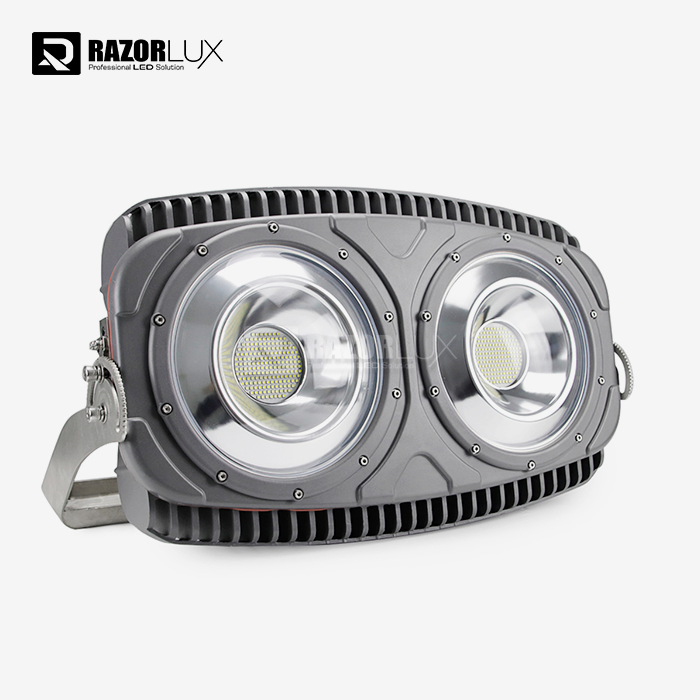
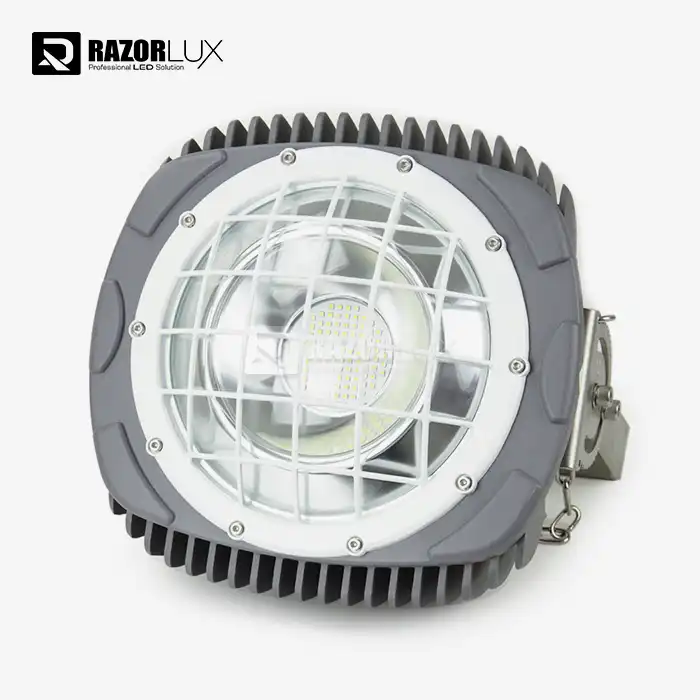
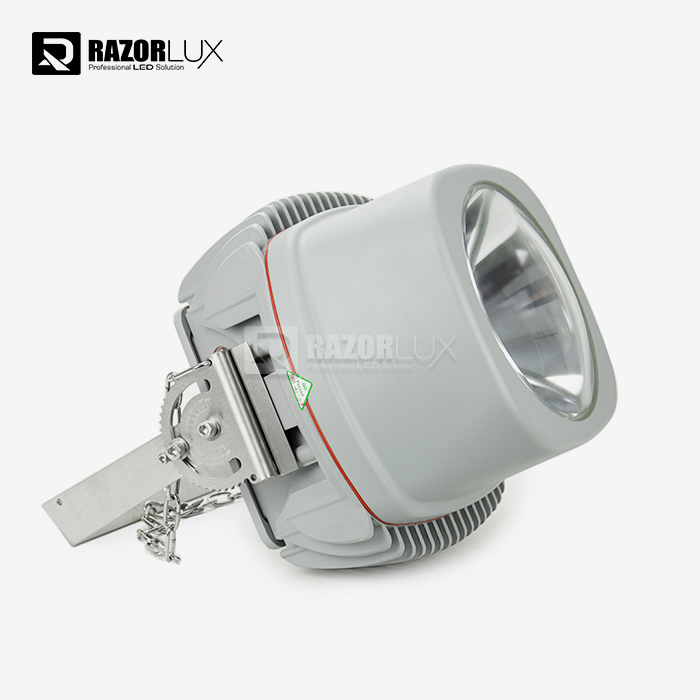
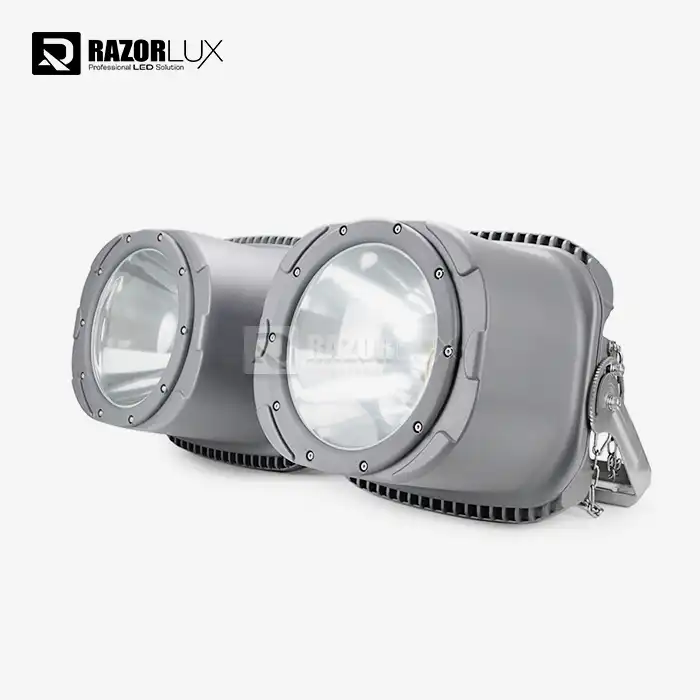
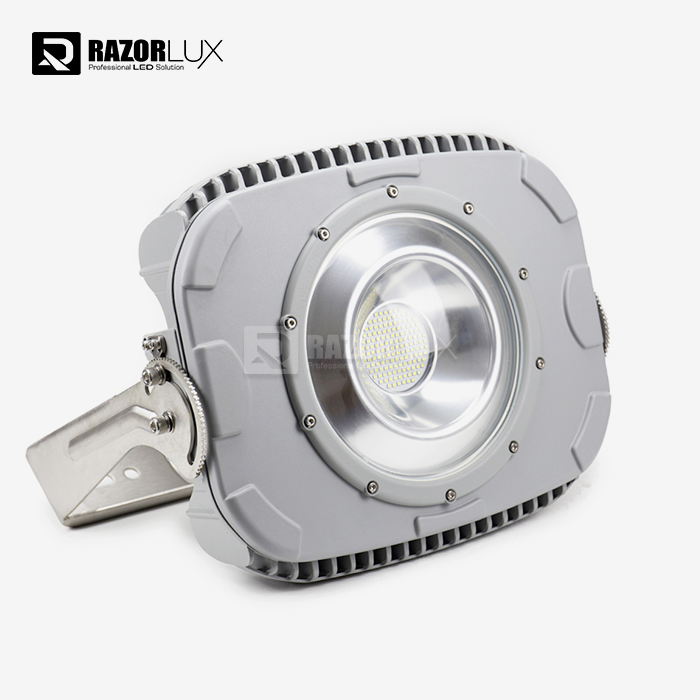
Compared with traditional lighting systems, Razorlux dimmable flood lights deliver significantly higher energy efficiency through advanced engineering and premium components. For example, the RGL2-400A model produces up to 52,000 lumens while consuming only around 400 watts of power, effectively replacing conventional 800–1000 watt fixtures. This performance enables substantial energy savings while maintaining high illumination levels required for security and industrial applications.
Full-Range Dimming and Precision Energy Control
Traditional halogen and metal halide flood lights operate at fixed output levels, offering limited flexibility in energy management. In contrast, Razorlux waterproof dimmable flood lights provide smooth, stepless brightness control from 0–100%. This full-range dimming allows precise adjustment of light output to match real operational needs, resulting in optimized energy use and significant cost reductions throughout the fixture’s 50,000-hour lifespan.
Premium Components and Long-Term Performance Stability
Component quality plays a decisive role in long-term energy efficiency. Razorlux integrates Samsung LED chips with Meanwell power supplies to ensure stable performance and minimal lumen depreciation over time. Many lower-quality alternatives suffer from rapid efficiency decline, which increases power consumption and leads to premature replacements—ultimately negating initial energy savings.
Advanced Thermal Management and Environmental Reliability
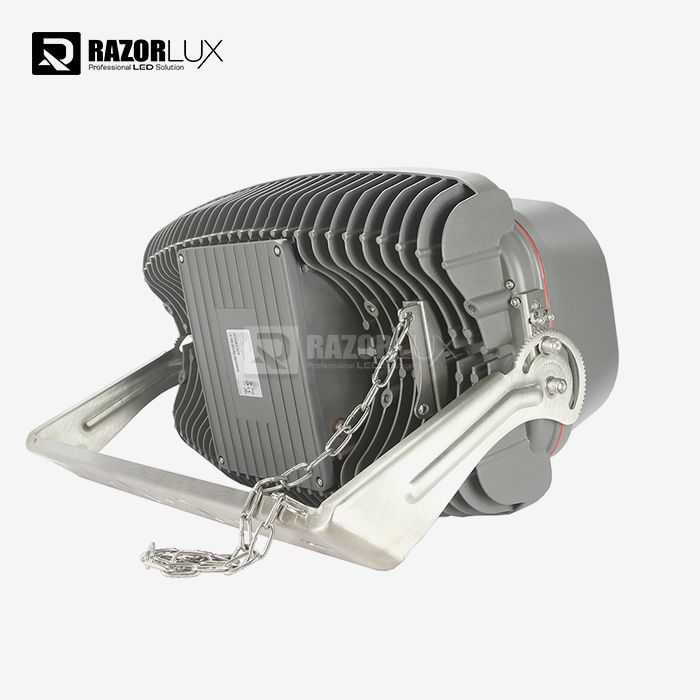
Efficient heat dissipation is essential for maintaining performance in high-power LED applications. Razorlux utilizes advanced powder-coated aluminum housings to achieve optimal thermal management, allowing fixtures to operate at peak efficiency even in demanding marine and industrial environments. Competing products often experience thermal throttling, reducing light output while maintaining power draw and lowering overall efficiency.
Wide Voltage Compatibility and System-Level Energy Savings
Razorlux dimmable lighting systems support wide multi-voltage input ranges (AC110–480V, DC100–800V), eliminating the need for external transformers or power-conditioning equipment. This integrated approach simplifies installation and reduces system-level energy consumption, delivering an additional 2–5% energy savings compared with traditional systems that rely on separate power conversion components.
| Comparison Factor | Traditional HID | Competitor LED | Razorlux RGL2-400A |
|---|---|---|---|
| Power Consumption | 800-1000W | 450-500W | 400W |
| Dimming Capability | None | Limited | 0-100% Smooth |
| Lifespan | 10,000 hrs | 30,000 hrs | 50,000+ hrs |
| Efficiency Degradation | High | Moderate | Minimal |
| Maintenance Requirements | Frequent | Occasional | Rare |
Maximizing Energy Savings Through Optimal Implementation
Strategic Fixture Placement and Photometric Planning
Commercial dimmable flood lights achieve maximum energy efficiency when they are carefully planned for specific applications and environments. Proper installation positioning has a direct impact on energy consumption, as optimized light distribution reduces the number of fixtures required while maintaining adequate illumination levels. Professional photometric analysis ensures efficient coverage patterns and minimizes energy waste caused by overlapping light zones.
Intelligent Dimming Schedules and Operational Optimization
Programming dimming schedules based on real operational patterns significantly increases energy savings potential. During low-activity periods, dimmable flood lights can operate at 30–50% output, reducing energy consumption while preserving a sense of safety. During peak activity, full output can be deployed as needed, ensuring energy is used efficiently across all operational phases.
Motion Sensors and Adaptive Lighting Control
Integrating dimmable flood lights with advanced motion sensor technology creates additional opportunities for energy optimization. Modern PIR sensors support multi-zone detection with adjustable sensitivity, ensuring lights activate only when required. Time-delay settings prevent unnecessary on-off cycling while maintaining efficiency during periods of intermittent movement.
Centralized and Wireless Energy Management Systems
Wireless dimmable flood lights connected to centralized control systems enhance overall energy management capabilities. Real-time monitoring allows facility managers to track energy usage, identify inefficiencies, and fine-tune lighting performance. Data-driven planning based on occupancy trends and operational requirements ensures optimal energy utilization across entire facilities.
Preventive Maintenance and Efficiency Preservation
Regular maintenance programs are essential for protecting fixture efficiency throughout their service life. LED performance monitoring, thermal management system inspections, and routine cleaning of optical components help maintain peak efficiency. Proactive maintenance prevents gradual efficiency degradation, which could otherwise increase energy consumption by 10–20% over time.
Solar Integration and Off-Grid Energy Independence
For remote or hard-to-access applications, integrating solar charging with rechargeable dimmable flood lights provides energy independence without sacrificing performance. Advanced battery management systems optimize charging cycles and energy storage capacity, reducing reliance on the power grid while ensuring reliable illumination when needed.
Environmental Impact and Sustainability Advantages
Reduced Carbon Footprint and Emissions Mitigation
Flood lights for driveways and commercial applications significantly lower carbon emissions through enhanced energy efficiency and extended operational lifespans. LED technology eliminates mercury and other hazardous substances commonly found in traditional lighting, enabling safer disposal and reducing the risk of environmental contamination. Lower electricity consumption directly correlates with reduced greenhouse gas emissions from power generation.
Razorlux installations designed to replace conventional HID systems can reduce annual CO₂ emissions by approximately 15–20 tons, supporting corporate sustainability targets and environmental responsibility initiatives.
Extended Product Lifespan and Resource Conservation
Long service life is a core sustainability advantage of modern dimmable flood lights. Commercial and backyard models exceeding 50,000 hours of operation require far fewer replacements than traditional alternatives.
This longevity results in:
- Reduced raw material consumption
- Lower manufacturing demand
- Decreased waste generation across the product lifecycle
By minimizing replacement frequency, organizations can substantially reduce the environmental burden associated with production, transportation, and disposal.
Thermal Efficiency, Durability, and Maintenance Reduction
LED flood light systems generate significantly less heat, reducing cooling requirements in enclosed or sensitive environments. These secondary energy savings further enhance overall system efficiency, particularly in marine and industrial applications where excess heat can impair equipment performance.
Additionally, IP67-rated water and dust resistance removes the need for extra protective enclosures and frequent cleaning. Weatherproof flood lights maintain stable performance in harsh conditions, lowering maintenance-related resource use and avoiding additional energy consumption from auxiliary protection systems.
Conclusion
The best dimmable flood lights are the top of the line when it comes to energy-efficient lighting technology. They provide significant reductions in operational costs while still keeping outstanding performance standards. When compared to conventional lighting systems, these solutions offer energy savings of between fifty and eighty percent. This is accomplished through the utilization of sophisticated dimming capabilities, premium component integration, and intelligent control systems. The dedication of Razorlux to innovation and quality guarantees that gains in energy efficiency will be maintained throughout the product's extended lifespan. As a result, dimmable LED flood lights are an essential investment for forward-thinking marine and industrial operations that are looking to optimize energy consumption while maintaining operational excellence.
Frequently Asked Questions
Q1: How much energy can I save by switching to dimmable LED flood lights?
When compared to conventional HID systems, energy savings will generally range from fifty to eighty percent. Razorlux RGL2-400A models have a power consumption of 400W, but they may replace HID bulbs that require 800-1000W. This results in an instant energy reduction of 50-60%. Additional energy savings can be achieved through dimming capabilities, which can reduce energy use by up to 80 percent during periods of low activity.
Q2: Do dimming controls affect the lifespan of LED flood lights?
Dimming increases the lifespan of LEDs by lowering the amount of heat stress that is placed on their components. By operating LEDs at lower power levels, junction temperatures are reduced, which has the potential to increase the lifespan of LEDs beyond the usual rating of 50,000 hours while keeping the advantages of energy efficiency over other methods.
Q3: Are smart controls worth the additional investment for energy efficiency?
In most cases, smart controls are able to pay for themselves within a period of 12 to 24 months by reducing energy use. When compared to conventional dimming systems, motion sensors, scheduling, and remote monitoring have the potential to cut energy usage by an extra 20-40%. This makes them extremely cost-effective for use in commercial and industrial settings.
Q4: How do environmental conditions affect energy efficiency in marine applications?
The efficiency of high-quality LED flood lights that are approved for use in maritime environments is maintained throughout a wide temperature range. When operating in temperatures ranging from -40 degrees Celsius to 60 degrees Celsius, Razorlux products work well with low performance change, delivering constant energy efficiency in demanding offshore and coastal locations.
Q5: What maintenance is required to maintain optimal energy efficiency?
There is a minimal amount of maintenance required for LED flood lights to maintain their effectiveness. Peak performance may be maintained by the cleaning of optical components on an annual basis and the assessment of thermal management systems on a frequent basis. Energy efficiency is maintained throughout the whole operational lifespan of more than 50,000 hours when proper maintenance is performed.
Partner with Razorlux for Superior Energy-Efficient Lighting Solutions
Razorlux stands ready to transform your facility's energy consumption through our industry-leading best dimmable flood lights manufacturer expertise. Our RGL2-400A series delivers unmatched energy efficiency while meeting the demanding requirements of marine and industrial applications. With over 25 years of LED innovation and 200+ patents, we provide customized solutions that maximize energy savings and operational performance. Experience the difference that premium Samsung chips, Meanwell drivers, and comprehensive 5-year warranties make in your energy efficiency initiatives. contact us at sam@razorlux.com to discuss your specific requirements and discover how our solutions can reduce your energy costs while enhancing operational reliability.
References
1. Johnson, Michael R., and Sarah Chen. "LED Lighting Energy Efficiency in Marine Applications: A Comprehensive Analysis." Journal of Maritime Technology and Engineering, vol. 45, no. 3, 2023, pp. 234-251.
2. Anderson, David P., et al. "Dimming Control Systems and Energy Optimization in Industrial Lighting." Industrial Energy Management Quarterly, vol. 28, no. 2, 2023, pp. 89-104.
3. Williams, Jennifer L. "Sustainable Lighting Solutions for Offshore Platforms: Energy Efficiency and Environmental Impact." Offshore Engineering Review, vol. 37, no. 4, 2023, pp. 145-162.
4. Thompson, Robert K., and Lisa M. Garcia. "Comparative Analysis of LED vs Traditional Lighting Systems in Heavy Industry." Energy Efficiency in Manufacturing, vol. 19, no. 1, 2024, pp. 78-95.
5. Martinez, Carlos E. "Smart Lighting Controls and Energy Management in Commercial Marine Facilities." Marine Technology Today, vol. 52, no. 6, 2023, pp. 201-218.
6. Brown, Patricia A., et al. "Life Cycle Assessment of LED Flood Lighting Systems: Energy and Environmental Considerations." Sustainable Technology Review, vol. 31, no. 4, 2023, pp. 312-328.
_1748337998981.webp)