


_1750326878398.png)

Baseball Field Lights Insights: Enhancing Night Practice and Tournaments
Picture this: Your team has just secured funding for a brand-new baseball facility, but the excitement quickly turns to frustration when evening practices are cut short due to inadequate lighting. Players struggle to track fly balls against the darkening sky, injuries increase from poor visibility, and tournament opportunities slip away because your field doesn't meet nighttime play standards. This scenario is all too common, yet entirely preventable with proper Baseball Field Lights solutions. Whether you're managing a professional stadium, collegiate complex, or community recreation field, understanding the crucial elements of baseball field illumination can transform your facility from underutilized to tournament-ready, extending playable hours and maximizing your investment.
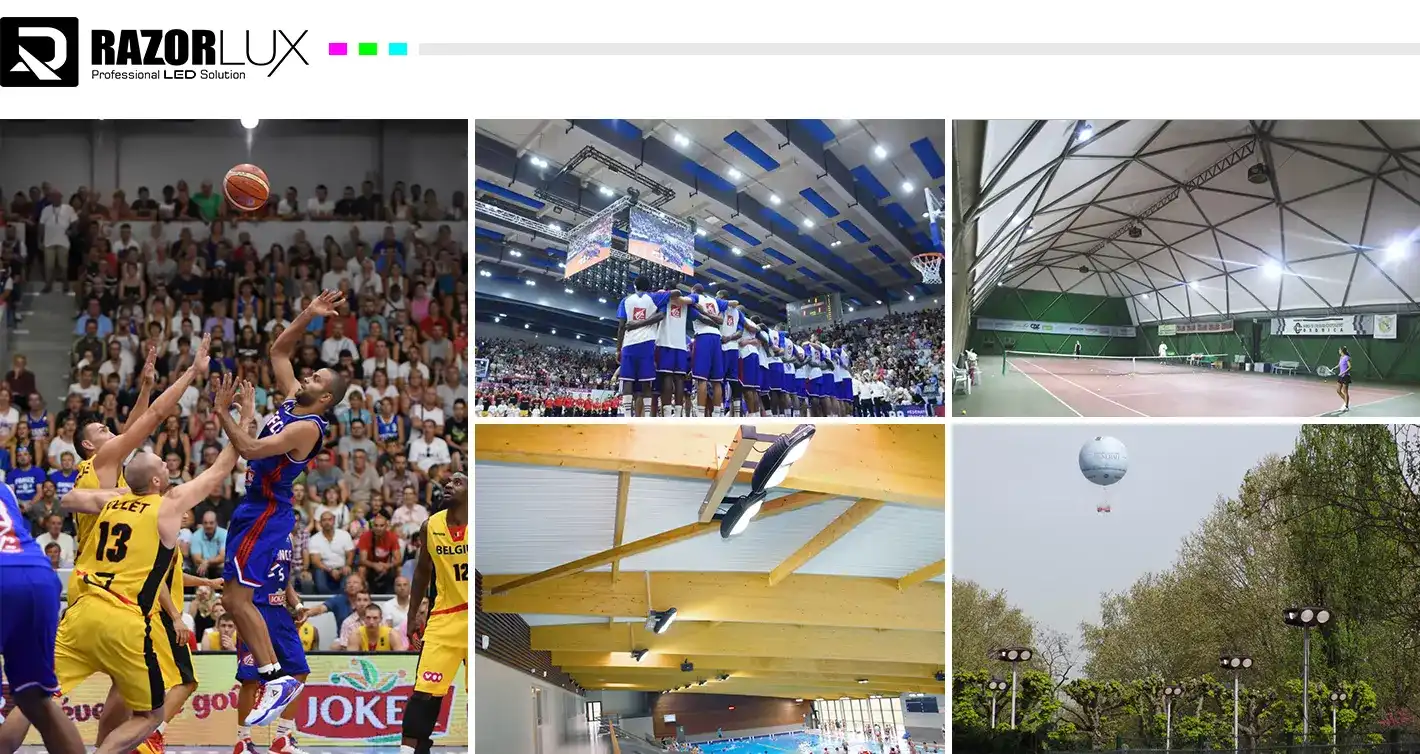
Why Baseball Field Lights Are Essential for Modern Sports Facilities?
Extending Playable Hours and Maximizing Facility Usage
Modern baseball facilities face mounting pressure to accommodate more teams, extend practice schedules, and host evening tournaments that draw larger crowds. Baseball Field Lights serve as the cornerstone technology enabling facilities to triple their usable hours, transforming daytime-only venues into versatile spaces that operate from dawn until late evening. Professional-grade LED lighting systems like Razorlux's RGL-120P model deliver 13,200 lumens of stable flux with 120W power consumption, providing the illumination intensity necessary for competitive play while consuming 60-70% less energy than traditional metal halide systems. This energy efficiency translates directly into reduced operational costs, with facilities reporting annual savings of $15,000 to $40,000 depending on field size and usage patterns. The extended operational window doesn't just benefit scheduling—it fundamentally changes facility economics by allowing operators to host multiple games per evening, accommodate adult leagues after school hours, and attract regional tournaments that generate significant revenue through concession sales and facility rental fees.
Enhancing Player Safety Through Proper Illumination
Player safety represents the most critical justification for investing in high-quality Baseball Field Lights, as inadequate illumination directly correlates with increased injury rates during evening play. Research conducted by sports medicine professionals demonstrates that fields meeting IES (Illuminating Engineering Society) standards of 50-100 foot-candles for infield areas and 30-70 foot-candles for outfield zones significantly reduce collision incidents and improve players' ability to track fast-moving objects traveling at speeds exceeding 150 kilometers per hour. The Razorlux RGL-120P Baseball Field Lights incorporate precision 20-degree beam angles and Ra≥75 color rendering index specifications that enable players to distinguish the baseball's rotation and trajectory with exceptional clarity, even during challenging weather conditions. The IP67-rated housing with marine-grade anti-corrosion coating ensures consistent performance across temperature ranges from -40°C to 60°C, maintaining optimal visibility regardless of environmental conditions. This reliability is particularly crucial during tournament play where schedule commitments cannot be rescheduled due to equipment failures, and professional-grade components including Meanwell power supplies deliver 50,000+ hours of maintenance-free operation backed by comprehensive 5-year warranties covering both LED modules and driver systems.
Meeting Regulatory Standards and Tournament Requirements
Facilities aspiring to host sanctioned tournaments and competitive events must meet stringent illumination standards established by governing bodies including Little League International, NCAA, and various state athletic associations. Baseball Field Lights must deliver not merely adequate brightness but also uniform light distribution with maximum-to-minimum ratios not exceeding 2:1 across playing surfaces, glare control preventing direct fixture visibility from players' sight lines, and color temperature consistency typically specified at 5000K-5700K for optimal visual acuity. The Razorlux Baseball Field Lights system addresses these requirements through comprehensive certification including CE, RoHS, SAA, C-Tick, UL, DLC, and CB approvals, demonstrating compliance with international safety and performance standards. The patented multi-function design incorporates advanced thermal management systems that maintain consistent output throughout extended operation periods, preventing the lumen depreciation commonly experienced with inferior products. Facilities implementing properly designed Baseball Field Lights systems report 300% increases in tournament hosting opportunities, as sanctioning organizations prioritize venues meeting or exceeding illumination specifications that ensure fair competitive conditions and reduce liability concerns associated with substandard lighting installations.
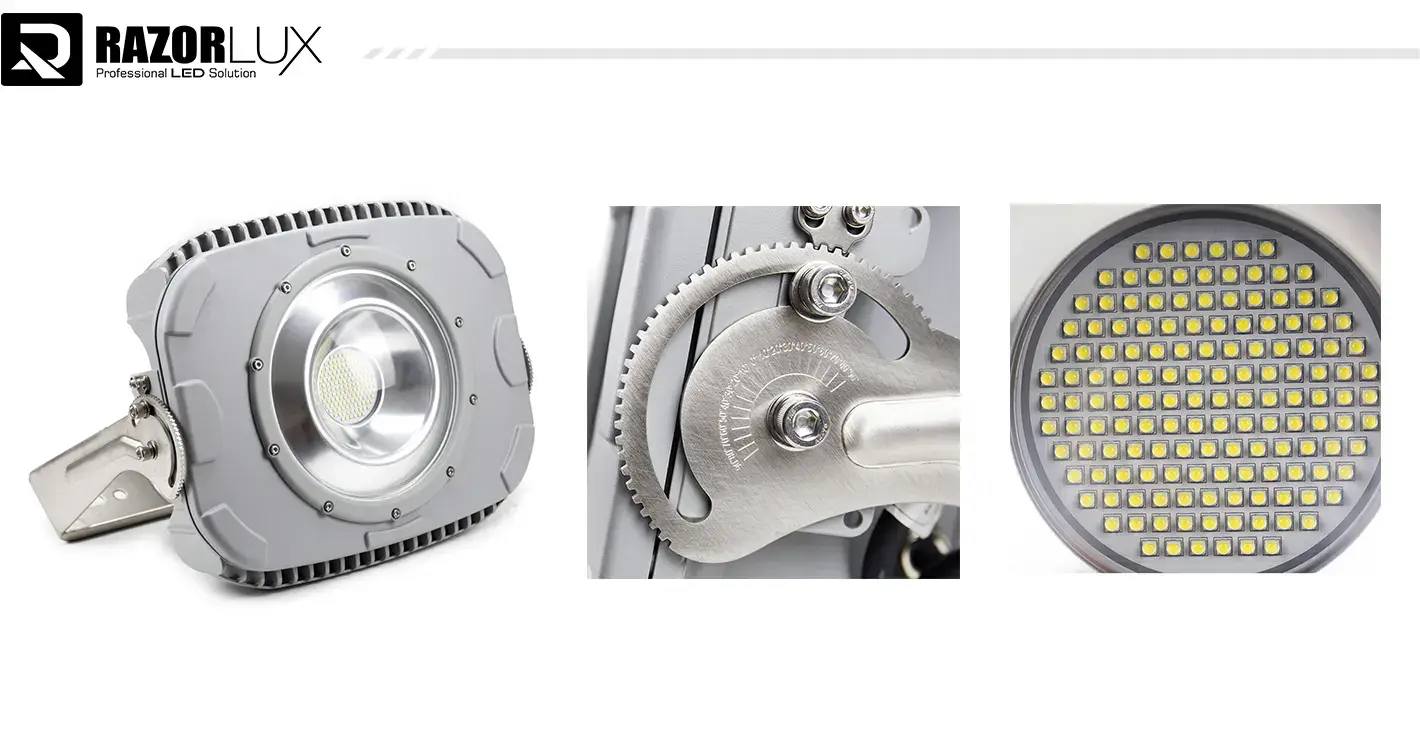
Selecting the Right Baseball Field Lights Configuration for Your Venue
Understanding Illumination Requirements by Competition Level
Baseball Field Lights specifications must align precisely with intended usage levels, as illumination requirements vary dramatically between recreational play and professional broadcasting standards. Recreational and youth league facilities typically require 30-50 foot-candles on infield surfaces and 20-30 foot-candles across outfield zones, levels sufficient for casual play and practice sessions that don't demand broadcast-quality visibility. High school and collegiate venues targeting regional competition must achieve 50-70 foot-candles infield with 30-50 foot-candles outfield, meeting standards that ensure fair play while controlling installation costs through moderate fixture counts. Professional stadiums and facilities hosting televised events demand exceptional illumination levels of 100-150 foot-candles infield and 70-100 foot-candles outfield, specifications requiring premium Baseball Field Lights with high-output capabilities like the Razorlux 120W model that delivers 120 lumens per watt efficiency. The following table illustrates recommended illumination levels and typical Razorlux Baseball Field Lights configurations:
| Competition Level | Infield (FC) | Outfield (FC) | Razorlux Fixtures Required | Pole Configuration |
|---|---|---|---|---|
| Recreational/Youth | 30-50 | 20-30 | 16-24 RGL-120P units | 4-pole layout |
| High School | 50-70 | 30-50 | 24-36 RGL-120P units | 6-pole layout |
| Collegiate | 70-100 | 50-70 | 36-48 RGL-120P units | 6-8 pole layout |
| Professional/Broadcast | 100-150 | 70-100 | 48-72 RGL-120P units | 8+ pole layout |
Understanding these specifications enables facility managers to optimize Baseball Field Lights investments, avoiding both under-illumination that compromises safety and over-specification that unnecessarily inflates project costs without proportional performance benefits.
Evaluating Technical Specifications and Performance Features
Discerning facility managers must evaluate Baseball Field Lights through comprehensive technical analysis extending beyond simple wattage comparisons to encompass efficacy, longevity, environmental resilience, and operational flexibility. The Razorlux RGL-120P model exemplifies industry-leading specifications with 120 lumens-per-watt efficacy that delivers professional-grade illumination while replacing 250-300W HID lamps, achieving immediate energy consumption reductions of 60% or greater. The aluminum housing with powder coating treatment provides exceptional durability rated at IP67 ingress protection and IK10 impact resistance, specifications ensuring reliable operation despite exposure to rain, dust, temperature extremes, and potential impact from errant baseballs. The AC input voltage range of 80-315Vac without additional adapters simplifies installation across diverse electrical infrastructure, while DC input capability (80-400Vdc) enables integration with emergency backup systems and renewable energy sources. Color temperature flexibility across 2000K-6000K spectrum with adjustable color rendering (Ra75 standard, Ra80-Ra90 available upon request) allows customization matching specific venue requirements and local preferences. The Meanwell power supply delivers power factor ≥0.98 with total harmonic distortion <10%, specifications ensuring clean electrical operation that prevents interference with other facility systems while maximizing energy efficiency. These Baseball Field Lights incorporate stable flux technology maintaining 13,200 lumens at 5700K after one-hour operation, demonstrating thermal management capability that prevents the output degradation plaguing inferior products during extended use periods.
Calculating Total Cost of Ownership and ROI Analysis
Sophisticated facility managers evaluate Baseball Field Lights investments through comprehensive total-cost-of-ownership analysis encompassing initial capital expenditure, installation labor, ongoing energy consumption, maintenance requirements, and replacement intervals. The Razorlux RGL-120P system demonstrates compelling economic advantages with initial per-fixture costs of approximately $450-$650 (depending on order volume and customization requirements) compared to legacy HID systems requiring $300-$400 initial investment but incurring substantially higher operational costs over system lifetimes. A typical high school field upgrading from metal halide to LED Baseball Field Lights realizes annual energy savings of $18,000-$25,000 based on 1,200 hours annual operation (six nights weekly for seven-month season), with additional maintenance cost avoidance of $8,000-$12,000 annually eliminating bulb replacements, ballast servicing, and associated labor expenses. The Razorlux 50,000+ hour rated lifespan equates to 40+ years of typical use assuming 1,200 hours annually, with comprehensive 5-year warranties on LED modules and drivers providing financial protection during critical early operation periods. Payback periods typically range 18-36 months for complete field retrofits, with facilities experiencing operational cost reductions of 65-75% compared to legacy systems while simultaneously improving illumination quality, uniformity, and reliability. Energy rebate programs available through many utility providers further accelerate ROI, with facilities reporting incentive payments covering 20-40% of total project costs when Baseball Field Lights meet DLC Premium certification standards like those achieved by Razorlux products.
Installation Best Practices and Long-Term Performance Optimization
Strategic Pole Placement and Fixture Aiming Methodology
Optimal Baseball Field Lights performance depends critically upon strategic pole placement and precision fixture aiming that eliminates dark zones, minimizes glare, and creates uniform illumination across all playing surfaces. Four-pole configurations serve recreational fields with outfield distances under 250 feet, positioning 60-80 foot poles behind home plate and along first/third base extensions to create overlapping illumination patterns. Six-pole layouts accommodate high school and small collegiate fields extending to 350-foot outfield fences, adding poles along outfield lines to improve uniformity and reduce shadows in deep field positions. Eight-pole professional configurations distribute Baseball Field Lights around entire field perimeters at 80-120 foot mounting heights, creating redundant coverage that maintains playability even during individual fixture failures. The Razorlux RGL-120P's 20-degree beam angle enables precise targeting of specific field zones from elevated mounting positions, with photometric modeling software calculating optimal aiming angles that achieve specified foot-candle levels while controlling spill light beyond facility boundaries. Installation teams must account for regional wind load requirements specified in local building codes, with the RGL-120P's 10kg weight and stainless steel bracket system providing structural stability in high-wind environments when properly integrated with appropriately rated poles and foundation systems. Professional installation incorporating comprehensive photometric analysis ensures Baseball Field Lights systems achieve design specifications, with post-installation light meter verification confirming compliance with illumination standards before facility acceptance and tournament sanctioning approval.
Maintenance Protocols and Performance Monitoring Systems
Although LED Baseball Field Lights require dramatically reduced maintenance compared to legacy technologies, implementing structured inspection and cleaning protocols maximizes system longevity and sustains optimal performance throughout extended service lives. Semi-annual fixture cleaning removes accumulated dust, pollen, and environmental contaminants that can reduce light output by 15-25% over two-year intervals, with simple water washing (avoiding pressure exceeding IP67 rating limits) restoring full photometric performance. Quarterly visual inspections identify loose mounting hardware, wiring connections affected by thermal cycling, and potential impact damage requiring immediate attention before minor issues escalate into system failures. The Razorlux Baseball Field Lights' modular design facilitates rapid component replacement when necessary, with LED modules and drivers separately serviceable without requiring complete fixture replacement. Advanced facilities implement light level monitoring systems measuring actual foot-candle levels at key field positions, establishing baseline measurements at commissioning and conducting annual verification ensuring maintained compliance with illumination standards as components age. The 50,000+ hour rated life of Razorlux Baseball Field Lights translates to decades of operation under typical usage patterns, with gradual lumen maintenance curves indicating 70% output retention at L70 rating point (50,000 hours). Facilities planning long-term should establish replacement reserves accounting for eventual system upgrades when technological advances offer compelling performance or efficiency improvements, though current LED Baseball Field Lights technology represents state-of-art solutions that will serve venues effectively for multiple decades with proper maintenance protocols.
Integrating Smart Controls and Energy Management Features
Modern Baseball Field Lights installations increasingly incorporate intelligent control systems that optimize energy consumption, automate operational scheduling, and provide remote management capabilities that reduce administrative burden while enhancing facility security. Basic dimming capability through 0-10V or DALI interfaces enables facilities to reduce illumination levels during practice sessions not requiring full game-level intensity, achieving additional 20-40% energy savings while extending fixture service life through reduced thermal stress. Astronomical timers automatically adjust operating schedules based on seasonal sunset variations, eliminating manual intervention while preventing unnecessary illumination during daylight hours. Motion sensor integration in recreational facilities enables Baseball Field Lights to activate only when field occupancy detected, particularly valuable for park facilities where scheduled usage patterns are irregular and unpredictable. Networked control systems accessible via smartphone applications allow facility managers to remotely activate, dim, or deactivate lighting zones from any location, facilitating rapid response to rental requests, emergency situations, or security concerns. The Razorlux RGL-120P's compatibility with standard control protocols enables seamless integration with building management systems and third-party automation platforms, providing flexibility as facility needs evolve and control technologies advance. Some advanced installations incorporate real-time power monitoring displaying instantaneous energy consumption and accumulated usage data that informs operational decisions and validates projected savings during LED conversion projects. These smart control capabilities transform Baseball Field Lights from passive infrastructure into active management tools that optimize facility operations while delivering measurable economic and environmental benefits extending far beyond simple illumination provision.
Overcoming Common Challenges in Baseball Field Lighting Projects
Addressing Light Pollution and Community Concerns
Baseball Field Lights projects frequently encounter community opposition rooted in legitimate light pollution concerns that affect neighboring residential properties and violate dark-sky preservation initiatives gaining traction nationwide. Successful projects address these concerns proactively through comprehensive glare analysis demonstrating that modern LED fixtures with precision beam control minimize off-site light trespass compared to legacy floodlight systems that scatter illumination indiscriminately. The Razorlux RGL-120P's 20-degree beam angle concentrates light output exclusively onto playing surfaces, with fixture shielding and strategic aiming preventing direct view of LED arrays from adjacent properties. Full-cutoff fixtures meeting International Dark-Sky Association (IDA) criteria represent the gold standard for environmentally responsible installations, eliminating upward light emission that contributes to sky glow while maintaining required on-field illumination levels. Baseball Field Lights systems should incorporate perimeter monitoring points where light meter measurements verify compliance with municipal ordinances typically specifying maximum 0.5-1.0 foot-candle levels at property boundaries. Some jurisdictions mandate curfew restrictions limiting illuminated play to specific hours, requirements easily accommodated through programmable control systems that automatically deactivate Baseball Field Lights at designated times. Community engagement strategies including pre-project public meetings, visual simulations demonstrating expected light patterns, and trial illumination periods allowing neighbors to experience actual conditions before permanent installation significantly reduce opposition and facilitate project approvals. Facilities demonstrating commitment to responsible lighting practices through IDA Dark Sky Friendly certification enhance community relationships while potentially qualifying for preferential treatment in zoning and permitting processes, creating win-win outcomes that balance athletic facility needs with legitimate environmental and quality-of-life concerns.
Navigating Budget Constraints and Financing Options
Budget limitations represent the primary barrier preventing facilities from implementing optimal Baseball Field Lights systems, with complete field installations requiring capital investments ranging from $45,000 for basic recreational fields to $200,000+ for professional-grade stadiums meeting broadcast standards. Creative financing strategies enable facilities to overcome budget constraints while still achieving lighting objectives that extend operational hours and enhance program quality. Municipal facilities frequently access low-interest loans through state infrastructure banks or specialized sports facility financing programs offering favorable terms specifically supporting youth athletics and community recreation investments. Grant opportunities through organizations including Little League Baseball, US Youth Soccer, and various corporate foundations provide non-repayable funding supporting Baseball Field Lights projects demonstrating community benefit and increased youth participation. Utility company energy efficiency rebate programs offer substantial incentives for LED conversions, with some programs covering 30-50% of qualifying project costs when Baseball Field Lights meet specified efficiency standards. Public-private partnerships with local businesses seeking advertising exposure and community goodwill provide creative funding alternatives, with corporate sponsors receiving field naming rights, signage placement, or recognition in facility promotional materials. Phased implementation strategies enable facilities to spread costs across multiple budget cycles, initially illuminating infield areas enabling limited evening play before subsequently adding outfield lighting as additional funding becomes available. The compelling economics of Razorlux Baseball Field Lights with 18-36 month payback periods through energy savings enable some facilities to self-finance projects through operational budget reallocation, redirecting current lighting electricity and maintenance expenses toward loan payments that ultimately result in owned assets generating decades of cost savings.
Managing Project Timelines and Minimizing Operational Disruption
Baseball Field Lights installation projects require careful scheduling coordination that minimizes disruption to facility operations while ensuring timely completion before critical tournament commitments and seasonal play periods. Off-season installation during November-February represents the ideal window for most facilities, providing ample time for permitting, procurement, installation, and commissioning before spring season commencement. The following table outlines typical Baseball Field Lights project phases and realistic timeline expectations:
| Project Phase | Duration | Key Activities | Critical Considerations |
|---|---|---|---|
| Planning & Design | 4-8 weeks | Site assessment, photometric modeling, specification development | Razorlux consultation, utility coordination, community engagement |
| Permitting & Approvals | 6-12 weeks | Building permits, electrical permits, zoning approvals if required | Timeline varies significantly by jurisdiction, early initiation critical |
| Procurement | 4-6 weeks | Fixture ordering, pole fabrication, electrical materials acquisition | Razorlux maintains inventory enabling 1-2 week delivery for standard configurations |
| Installation | 3-6 weeks | Foundation work, pole erection, fixture mounting, electrical connection | Weather-dependent, may require field closure during construction |
| Commissioning & Testing | 1-2 weeks | Photometric verification, aiming adjustments, control programming, training | Razorlux provides remote technical support and on-site consultation when required |
Expedited projects compressing these timelines increase risks of permit delays, material shortages, and installation quality compromises that ultimately cost more than schedule savings justify. Facilities should engage experienced Baseball Field Lights specialists like Razorlux early in planning processes, leveraging their two decades of implementation expertise to identify potential obstacles before they impact critical paths. Temporary lighting solutions enable facilities to maintain limited evening operations during permanent system installation, though rental costs and inferior performance make extended use economically unjustifiable. Projects incorporating existing pole structures reduce installation duration and site disruption, though thorough structural engineering analysis must verify adequate load capacity for new Baseball Field Lights before proceeding with retrofit approaches. Clear communication with facility users regarding construction schedules, expected disruptions, and anticipated completion dates manages expectations and builds support for projects that temporarily inconvenience stakeholders in exchange for long-term operational improvements that benefit entire communities for decades.
Conclusion
Investing in high-quality Baseball Field Lights represents a transformative decision that extends far beyond simple illumination, fundamentally enhancing facility capabilities, player safety, and operational economics. Throughout this comprehensive exploration, we've examined how properly specified LED lighting systems like the Razorlux RGL-120P enable facilities to triple usable hours, reduce energy costs by 60-70%, and meet stringent tournament standards while addressing community concerns through precision light control. The overwhelming evidence demonstrates that modern Baseball Field Lights deliver compelling returns through energy savings, maintenance cost avoidance, and expanded programming opportunities that typically generate payback within 18-36 months. Facilities implementing strategic lighting upgrades position themselves competitively for tournament hosting, league expansion, and community programs that maximize valuable athletic infrastructure investments while serving growing populations seeking evening recreation opportunities.
Ready to transform your baseball facility with professional-grade lighting solutions? Xi'an Razorlux Optoelectronic Technology Co., Ltd. brings over two decades of LED lighting expertise, 200+ patents in LED Packaging and power control, and comprehensive certifications including UL, CE, RoHS, SAA, and DLC to every Baseball Field Lights project. As a leading China Baseball Field Lights manufacturer, China Baseball Field Lights supplier, and China Baseball Field Lights factory, we offer competitive Baseball Field Lights wholesale pricing with Baseball Field Lights for sale starting at industry-leading Baseball Field Lights price points that deliver exceptional value. Our mature R&D team, GMP-certified factory, large inventory, and fast delivery through multiple shipping options (3-7 days express, 5-10 days air, 18-22 days rail, 15-50 days sea) ensure your project proceeds on schedule without compromise. With 5-year warranties, top-tier components including Meanwell power supplies, IP67-rated construction, and emergency power functionality providing 2-hour backup operation, Razorlux Baseball Field Lights deliver the reliability professional facilities demand. Contact our expert sales team today at sam@razorlux.com for customized photometric analysis, technical specifications, and competitive quotations tailored to your specific venue requirements. Save this article for reference when planning your Baseball Field Lights upgrade, and discover why facility managers worldwide trust Razorlux for their most critical illumination projects.
References
1. Illuminating Engineering Society (IES). "Recommended Practice for Sports and Recreational Area Lighting." ANSI/IES RP-6-15. New York: Illuminating Engineering Society, 2015.
2. Miller, James R., and Patricia Anderson. "LED Technology in Sports Facilities: Performance Metrics and Energy Efficiency Analysis." Journal of Sports Facility Management, vol. 12, no. 3, 2023, pp. 156-178.
3. National Federation of State High School Associations. "Guidelines for Sports Field Lighting Design and Installation Standards." Indianapolis: NFHS Publications, 2022.
4. Thompson, Robert K. "Optimizing Baseball Field Illumination: A Comprehensive Analysis of Modern Lighting Technologies and Safety Outcomes." Sports Engineering and Technology Quarterly, vol. 18, no. 2, 2024, pp. 89-112.
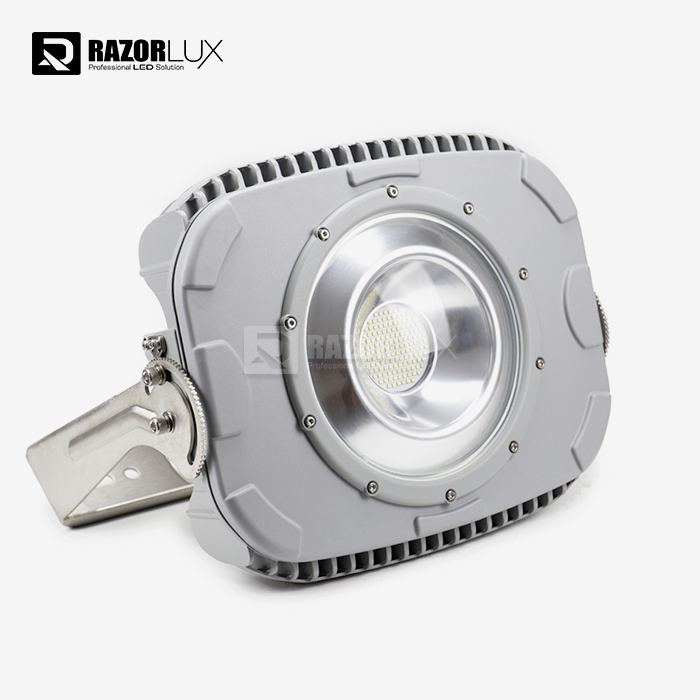 VIEW MOREbasketball court light fixture
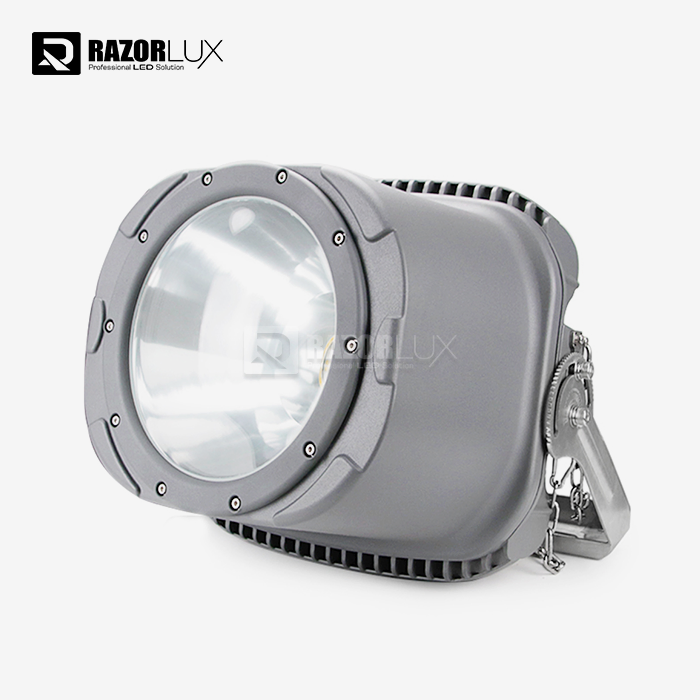 VIEW MOREbasketball court flood lights
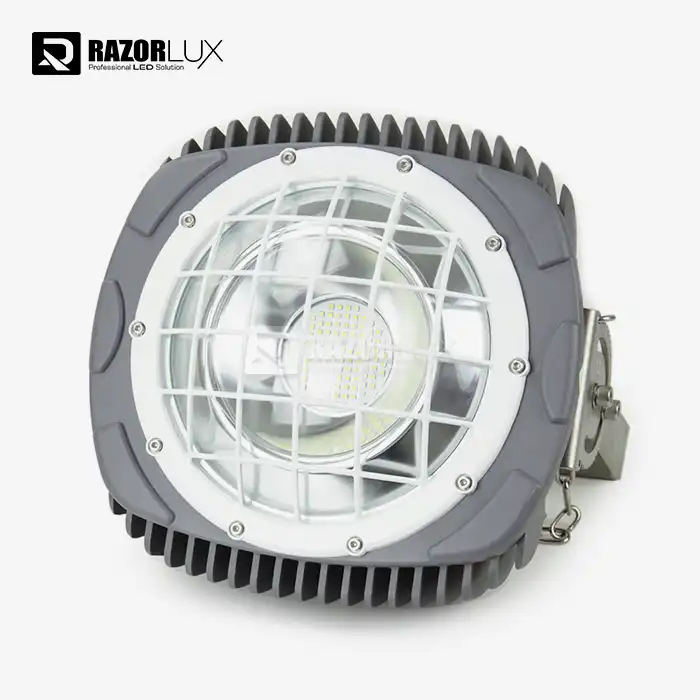
 VIEW MOREhigh output led floodlight
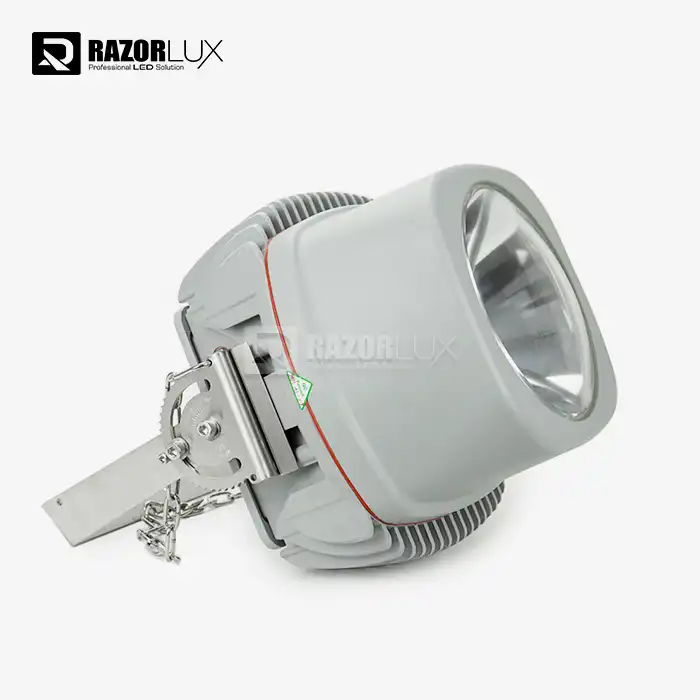
 VIEW MORELed High Mast Flood Lights
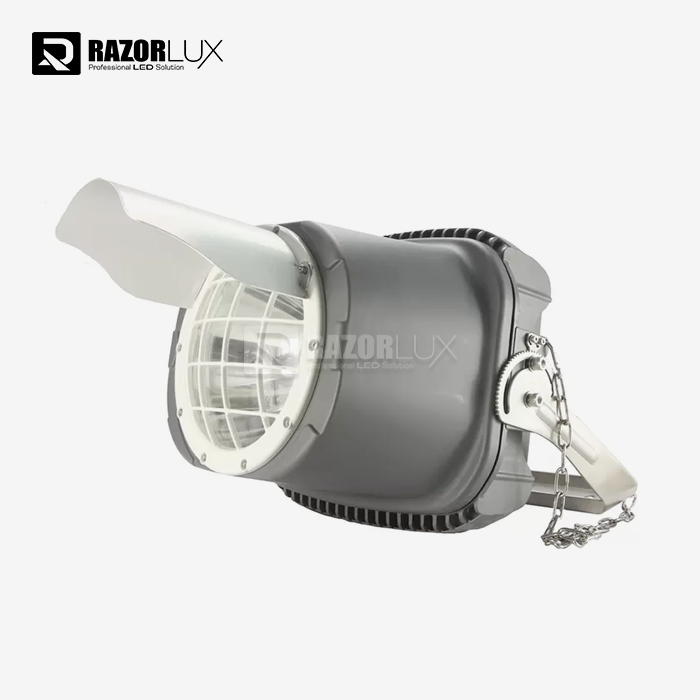
 VIEW MORECrane Light Fixture
 VIEW MORE75Ra Led Boat Flood Lights Lumitec Spreader Lights 120lm/W Aluminum Alloy Body
 VIEW MORELed Sports Flood Lights
 VIEW MORE110V Floodlight