


_1750326878398.png)

How to Maintain Crane Boom Lights on Active Sites?
Many facility managers are all too aware of how hard it is to keep industrial lighting fixtures in good shape on busy construction and port sites. Crane Boom Lights need regular maintenance to keep shining brightly from heights above 100 meters while standing up to constant shaking, salt spray, and changes in temperature. According to studies on port operations, downtime can be cut by up to 40% with a proactive repair plan that includes regular inspections, choosing high-quality parts, and cleaning to keep things clean. This detailed guide explains how to maintain Crane Boom Lights for procurement managers, dock engineers, and industrial equipment leaders who want to get the most out of their investments.
Understanding Crane Boom Lights and Their Maintenance Needs
Active industrial areas need lighting systems that are built to go above and beyond what is normally required. Crane Boom Lights are subject to stresses that regular floodlights never have to deal with, so maintenance planning needs to start from the very beginning.
Types of Industrial Boom Lighting Systems
Based on the type of light source used, modern Crane Boom Lights can be broken down into two main groups. LED systems now make up most new installations because they last more than 50,000 hours and are solid-state, so they don't break when they get hit or shaken. Older halogen options still work with old equipment, but the bulbs need to be replaced every 2,000 to 5,000 hours, and they produce too much heat, which speeds up the breakdown of the housing. There are many types of control systems, from manual switches that need to be accessed by an operator to remote wireless systems that let changes be made without shutting down the crane. Remotely controlled Crane Boom Lights are being used more and more in projects at offshore sites to get rid of the dangers of working at heights during repair windows.

Operating Environment Challenges
Industrial sites put Crane Boom Lights through conditions that quickly break down lights that weren't properly designed. Coastal docks and port hubs create corrosive environments where salt particles settle on all surfaces. Within months, these particles can get through weak seals and damage electrical connections. Dust from mining operations is rough and clogs ventilation holes and scratches optical lenses, cutting light output by 30% in one season without any help. Constant shaking from the crane moving, the trolley speeding up, and the mechanical shock that happens during emergency stops wear down mounting brackets and loosen electrical connections. When the temperature changes from -40°C at night to +60°C during the summer peak loads, it causes expansion and contraction cycles that break down cheap lens materials and put stress on solder joints.
Regulatory Compliance Requirements
Safety authorities in the marine and heavy industries require that formal logbooks keep track of specific repair intervals for Crane Boom Lights. In the US, OSHA rules say that companies must make sure that all workplaces have enough light. Different types of tasks have different minimum lux levels that must be met. As part of renewing their approval, classification societies like DNV-GL and ABS check the lighting systems on ships on a regular basis. They check not only the amount of light they put out, but also the quality of the electrical insulation and the safety of the mountings. The European ATEX regulations describe how to do repair work in places like oil terminals and chemical processing plants where there is a risk of explosion. Documentation must show that repair tasks were done at the right times, by experienced workers, using approved replacement parts.
Systematic Approach to Maintaining Crane Boom Lights
Structured maintenance programs separate fixes that need to be done right away in an emergency from planned actions that stop problems before they affect operations. This methodical approach lowers the total cost of ownership and increases the useful life of Crane Boom Lights.
Identifying Common Failure Points
Field data from Crane Boom Lights shows trends of failure that can be predicted. Electrical connections are the most vulnerable part, especially where flexible crane cables meet fixed fixture terminals. Over time, vibration can make these connections come loose. When aluminium housings meet stainless steel brackets, corrosion attacks the different metals that meet there. This causes galvanic reactions that are sped up by moisture getting in. LED driver electronics fail when thermal management isn't good enough, letting junction temperatures rise above what's supposed to happen while they're running for a long time in hot conditions. Metal fatigue happens in mounting hardware where there is a lot of stress, like where brackets connect to crane structural parts that are being loaded and unloaded quickly.

Root Cause Analysis Methods
Maintenance programs that work look into problems deeper than the signs they show. When Crane Boom Lights break too soon, maintenance teams look at the installation conditions, such as how the fixtures are mounted (which can trap water), how the cables are routed (which can cause them to bend too much), and the quality of the power supply (which can cause voltage spikes that affect the drivers). Thermal imaging during operation shows that heat isn't escaping properly because of clogged vents or worn-out thermal contact materials. Vibration analysis finds the frequencies where the way the crane is mounted makes the movement stronger instead of softer. Documenting environmental conditions like temperature extremes, humidity levels, and exposure to contamination can help correlation analysis find patterns in many failures.
Preventive Maintenance Scheduling
Maintenance times that are based on data balance the prices of repairs with the risks of failure. Crane Boom Lights with good drivers and IP67-rated construction usually need a thorough checkup every 6,000 hours of use, or about once a year for sites with two shifts or once every 18 months for sites with one shift. Cleaning times rely on how dirty the area is. In dusty mines, cleaning can happen every three months, while in controlled indoor facilities, it can happen once a year. During major checks, the electrical link is checked by retorquing the terminal screws to the manufacturer's specs and looking for corrosion or broken strands. Optical performance testing with calibrated light meters records how the lens is degrading over time. When output drops below 80% of its original level, the lens needs to be cleaned or replaced.
Quality Replacement Component Selection
The quality of the parts is very important to how well the maintenance program works. Genuine parts from the manufacturer make sure that they work with the thermal and electrical designs of the Crane Boom Lights, which keeps the certifications in order and protects the warranty. LED modules should choose high-quality chip makers like Samsung, Osram, or Lumileds that have LM-80 longevity data that can be proven. When replacing a driver, it needs to meet the same or higher standards as the original equipment. This is especially true for power factor correction, harmonic distortion, and surge protection. For naval uses, silicone or fluoroelastomer compounds should be used instead of regular EPDM rubber for gaskets and seals because they are rated for that setting. Hardware made of stainless steel should be grade 316 for marine environments instead of 304, which rusts in salty air.
| maintenance activity | Frequency | Required Tools | Estimated Duration |
|---|---|---|---|
| Visual Inspection | Monthly | None | 10 minutes |
| Lens Cleaning | Quarterly | Soft cloth, isopropyl alcohol | 20 minutes |
| Electrical Connection Check | Semi-annually | Torque wrench, multimeter | 30 minutes |
| Full Gasket Inspection | Annually | Replacement gaskets, sealant | 3 hours |
| Optical Performance Test | Annually | Calibrated light meter | 30 minutes |
Practical Installation and Maintenance Tips for Crane Boom Lights
When you put something correctly, it will work well for a long time without needing much care. Most early failures can be avoided by paying close attention to mounting details, waterproofing integrity, and wire management for Crane Boom Lights.
Installation Best Practices
The mounting point has a big effect on how much upkeep is needed and how well the optics work. When Crane Boom Lights are put in place, the lens surfaces should be angled so that water doesn't pool. Usually, they should be at least 15 degrees from horizontal to allow for drainage. Attachment places for brackets should spread loads across the crane's structural parts instead of concentrating stress. If needed, backing plates should be used to stop metal from wearing out in one area. At the places where the cables enter, they need to be protected from damage caused by bending while the crane moves. This can be done with service rings that allow for thermal expansion without putting stress on the electrical connections. When applied to mounting hardware, threadlocker stops vibration-induced tightening while still letting it be removed with standard tools in the future.

Waterproofing and Environmental Sealing
Even Crane Boom Lights with an IP67 rating need to be installed with care so that they continue to protect the environment. For a cable gland to work properly, the outer diameter of the cable must be the same as the sealing element must be compressed to the manufacturer's torque values, not just "hand tight" during installation. When Crane Boom Lights are fed by conduit systems, junction boxes should be put on top of the light heads to keep water from moving down the wiring and into the fixture housing. Vent plugs that balance the pressure inside while keeping moisture out need to be checked regularly because clogged membranes create negative pressure when cooling that pulls in dirty air. Silicone glue put on housing joints makes gasket seals stronger, but surfaces need to be cleaned, dried, and oil-free before they will stick properly.
Routine Cleaning Procedures
Optical surfaces get dirty over time, which lowers the light output without breaking the Crane Boom Lights. This is why cleaning is the most common upkeep job. Isopropyl alcohol breaks down salt layers and oil films without hurting protection coatings, and soft microfibre cloths clear dust that isn't stuck to polycarbonate or glass lenses. Rough materials or cleaners that are abrasive leave microscopic scratches that spread light and create starting points for faster contamination buildup. Housing surfaces should be cleaned with light detergent solutions on a regular basis to get rid of conductive dirt that could create electrical leaking paths. Ventilation ports and heat sink fins need to be cleaned with compressed air to get rid of buildup that gets in the way of managing temperature.
Electrical Integrity Verification
Testing the electrical system on a regular basis makes sure it is still working properly before the insulation starts to break down. When power is turned off and megohm testing is done between live Crane Boom Lights wires and ground, it makes sure that the insulation resistance stays above minimum levels, which are usually 2 megohms for low-voltage systems and higher for mains-voltage equipment. Voltage readings at the light ends show that the supply is working properly and that there isn't too much drop in voltage due to bad connections or cables that aren't the right size. Using thermal imaging during long-term operation can find hot spots at the ends of wires or inside parts that mean they are about to break. Testing for ground continuity makes sure that safe earth lines keep low-resistance paths even when there is corrosion and shaking.
Troubleshooting Common Issues
Systematic diagnosis quickly fixes problems without having to replace Crane Boom Lights parts that aren't needed. Most of the time, flickering is caused by loose connections, failing drivers, or unstable supply voltage, not problems with the LED modules themselves. Before replacing any parts, you should check the connections and measure the stability of the voltage. For full outages, testing must be done in order, starting with the power source and moving down through the cables and Crane Boom Lights to find the exact spot where the problem is occurring before ordering replacement parts. Over time, dimming could be caused by optical surface contamination that needs to be cleaned instead of LED degradation. This is why it is important to test the performance of the module after cleaning it before deciding that it needs to be replaced. If the colour changes, it means that there is thermal stress from not enough heat discharge. This means that ventilation problems or placement that keeps heat in need to be looked into.
Professional Service Requirements
Some upkeep tasks are too hard for regular employees to do and need to be done by a professional. To fix internal Crane Boom Lights drivers, you need to know a lot about electronics and have access to blueprints for individual parts, which is something that building maintenance teams don't always have. Specialised training and tools are needed to make sure that Crane Boom Lights with focusing systems are perfectly aligned optically. To make sure that ongoing agreement with the rules set by the marine classification society, certification testing must be done in approved test labs using instruments that have been properly calibrated. Working at very high levels on moving cranes requires special rigging and fall safety systems that aren't usually available in the repair department. For big service events, this means hiring a contractor.
Choosing the Right Crane Boom Lights for Easier Maintenance and Longevity
The choice of equipment has a big impact on how much upkeep is needed over its entire life. Choosing Crane Boom Lights that are easy to maintain during the procurement process lowers lifetime costs, even if the initial investment is higher.
LED Technology Advantages
With solid-state LED technology, you don't have to change bulbs as often, which is the biggest maintenance problem with regular lighting. Metal halide or halogen lights only last 2,000 to 5,000 hours before they need to be replaced, but good Crane Boom Lights can last 50,000 to 100,000 hours before the modules need to be replaced. Since there are no weak filaments or electrodes, shaking and shock don't hurt the light source itself. They only hurt the outside parts, like drivers and mounting hardware, which would break no matter what lamp technology was used. Lower operating temperatures make all Crane Boom Light parts less stressed by heat, which increases the life of the housing, gasket, and wiring. With instant-on capability and no warm-up times, switching cycles don't cost anything. This makes sensor-based control possible, which lowers working hours without affecting the equipment.

Key Maintenance-Friendly Features
Modular designs let you change out Crane Boom Lights parts without having to replace the whole fixture. Driver units that are put on the outside or in sections that are easy to get to mean that they can be replaced in minutes instead of hours, when the crane is not in use. Using quarter-turn fasteners or spring clips to remove lenses without tools speeds up cleaning tasks compared to Crane Boom Lights that need screwdrivers or hex keys. Standardised mounting interfaces let you upgrade Crane Boom Lights without changing the structural attachments to the crane. This protects the large investment you made in installation labour. Wide input voltage ranges (80-315V AC or 80-400V DC) can handle changes in the supply without damage. This is important for crane electrical systems that have to deal with motor starting transients and changes in generator frequency.
Protection Rating Considerations
Environmental sealing affects whether Crane Boom Lights will last or break down in the site conditions. For maritime uses and outdoor locations that get a lot of rain, the IP67 rating is necessary for submersion security. For covered industrial settings, the IP65 rating is enough. IK10 impact resistance stops damage from swinging loads, dropped tools, and the kind of debris that often falls in construction zones. For better corrosion protection, marine-grade aluminium alloys (5000 or 6000 series) or 316 stainless steel housings are used instead of mild steel painted with paint that chips and peels after months of being exposed to saltwater.
Evaluating Supplier Support Capabilities
Support from the manufacturer determines whether maintenance goes smoothly or turns into a nightmare for purchasing. When technical Crane Boom Lights paperwork like wiring diagrams, exploded-view parts drawings, and troubleshooting flowcharts are available, they can be used for in-house repair instead of costly factory returns. Policies for stocking spare parts decide whether important replacements come within days or have to be back-ordered for weeks. Manufacturers who include warranty terms that cover not only manufacturing flaws but also Crane Boom Lights failures in environmental sealing and driver life show that they are confident in the durability of their products. Application engineering support helps choose the best mounting arrangements and repair schedules based on how things work at the site.
Warranty Coverage Analysis
Long warranty terms show that the maker trusts you and protects your Crane Boom Lights upkeep funds. Standard one-year coverage doesn't last much longer than the time it takes to commission a project, leaving operators open to risk during the service's useful life. Three-year guarantees are the bare minimum for protecting LED industrial lights. This is because they cover the early failure period when manufacturing flaws usually show up. A five-year warranty that includes both LED modules and driver electronics shows that the Crane Boom Lights are premium products and lowers lifetime costs by getting rid of the need to change parts in the middle of their useful life. The warranty should say how long it takes to respond to questions about technical support and ship replacement parts, because waiting too long to respond during unplanned outages costs a lot more in lost productivity than the value of the fixture.
Procurement Insights: Maximizing Value When Purchasing Crane Boom Lights
Strategic buying takes into account more than just the price per unit. The real economic picture can be seen by adding up the total cost of ownership for Crane Boom Lights, which includes installation labour, energy use, maintenance costs, and downtime costs.
Total Cost of Ownership Calculations
The price of the Crane Boom Lights only makes up 20–30% of its total lifetime costs. Installation labour for boom-mounted Crane Boom Lights can cost up to $2,000 per fixture, depending on the type of crane and how easy it is to get to the site. This makes premature failures that need to be reinstalled very expensive. At industrial power rates, energy costs for Crane Boom Lights with a 50,000-hour life reach $6,000 to $8,000. This means that changes in luminous effectiveness of 20 to 30 lumens per watt mean big savings. Maintenance work can cost more than $1,000 per service event, especially for offshore platforms or remote mining sites that need special entry tools and trip time. Downtime costs vary a lot depending on the application. For example, if a port crane breaks down during the busiest shipping season, the lost income could be over $10,000 per hour, which is a lot more than any equipment saves from cheaper fixtures.
Supplier Qualification Criteria
Choosing the right vendor determines whether Crane Boom Lights procurement goes smoothly or has problems. Having manufacturing certificates, such as ISO 9001 quality management, shows that production is controlled in a planned way, rather than being unevenly made by hand. Product certifications from well-known testing labs (UL, CE, SAA) show that the Crane Boom Lights meet safety standards and electrical codes. This keeps the product from being rejected during expensive commissioning inspections, which could be expensive. Industry-specific approvals, like DNV-GL or ABS certification for marine applications, show that the manufacturer knows more about the needs of that sector than just making general industrial products. References from similar sites are more reliable than marketing claims, especially for harsh environments where only experience in the field can show that the design is right.

Customization Options for Site-Specific Requirements
Standard catalogue Crane Boom Lights don't always work perfectly for every situation. Choosing a colour temperature between 2700K warm white and 6500K cool white affects how aware the operator is and how colours are shown for different tasks. For example, 5700K daylight equivalents are usually required for container port operations, while 4000K neutral white is fine for general building sites. Beam angles range from a narrow 20-degree spot optics to a wide 60-degree flood pattern to accommodate different mounting heights and coverage needs. Voltage ranges from 80V DC to 400V DC so that different crane electrical systems can work without having to use an external power converter. By getting rid of field terminations, custom Crane Boom Lights wire lengths and connector types cut down on assembly work. Mounting bracket designs can be changed in the workshop to fit certain crane structural shapes. This makes sure that the load is distributed correctly without having to make changes in the field.
Strategic Supplier Partnerships
Building long-term ties with capable Crane Boom Lights providers is more valuable than just buying things once. Framework deals that set prices, specs, and delivery terms for several years get rid of the need to bid on each project over and over again and make sure that the quality of the products is the same across all of them. Consignment stocking agreements, in which suppliers keep spare Crane Boom Lights parts on-site, lower a facility's working capital while making sure that replacements are available right away in case of an emergency. Joint maintenance training programs give in-house staff the supplier's application knowledge, which makes it easier to figure out what's wrong and cuts down on the number of times parts need to be replaced. When problems happen, collaborative failure analysis finds the root causes and design changes instead of pointing fingers, which improves product quality over time.
Sample Testing Programs
When Crane Boom Lights sample evaluations come before bulk sales, procurement risks are greatly reduced. Physical inspection makes sure that the catalogue specs correctly describe the delivered goods. It checks the quality of the housing materials, the optics, and the assembly work. Before agreeing to full amounts, installation trials on sample equipment are used to find any problems with mounting or electrical integration. Environmental lab testing puts samples through a range of temperature, humidity, and pressure levels that are similar to those at the site. This shows if the Crane Boom Lights designs aren't good enough before they fail in the field. Long-term burn-in testing at high temperatures for 1,000 hours or more speeds up problems that would normally happen during the warranty time that affect infant mortality.
Additional Considerations for Heavy-Duty Applications
Specialised industrial settings have Crane Boom Light needs that go beyond those of standard business settings. Understanding these needs during buying keeps you from having to pay a lot of money to do things over and makes sure you follow the rules.
Explosive Atmosphere Compliance
Crane Boom Lights that are approved for hazardous areas are needed in places that deal with flammable gases, vapours, or dusts that can catch fire. In North America, sites use the NEC Class/Division or Class/Zone system, which needs the right type of enclosure (explosion-proof, purged, fundamentally safe) for the danger. The European ATEX directives use the same types of zones but different certification marks. When maintaining Crane Boom Lights in a dangerous area, it's important to follow the manufacturer's instructions to the letter, since mistakes in repairs that compromise explosion protection features can lead to huge problems. Division 1/Zone 1 Crane Boom Lights can work in dangerous environments even when things aren't going according to plan. Division 2/Zone 2 fixtures, on the other hand, think that dangers only happen when things aren't going as planned.
Electromagnetic Compatibility Requirements
Electromagnetic radiation can be hard for electronic crane boom light controls and drivers to work with in crane electrical settings. When motor processors use variable frequency drives, they make high-frequency noise that can get into nearby cables and make LED drivers not work right or fail before they should. Good fixtures have built-in EMI filtering and shielded construction that keeps them working even in places with a lot more electrical noise than homes or businesses. Meeting the emission limits set by EN 55015 and the protection standards set by EN 61000-4 guarantees that Crane Boom Lights don't cause problems with interference or give in to background electrical noise.
Thermal Management in Extreme Climates
Arctic locations at -40°C and desert areas above +60°C present challenges for Crane Boom Lights cooling systems. When LEDs are in cold places, their output is temporarily less efficient until the junction temperatures rise. This could affect the lighting at startup. Extreme heat needs to be lowered, or heat sinking needs to be improved to keep junction temperatures from going over the maximum values, which speeds up the decline of LEDs. Driver circuits have the same problems because the failure rates of capacitors and semiconductors change with temperature. Crane Boom Lights that are meant to work in harsh regions should show that they can work in all temperatures, not just survive being stored in harsh temperatures.

Conclusion
Crane Boom Lights that are maintained regularly pay for themselves by lasting longer, having less downtime, and providing consistent lighting quality. When buying something, choosing features that are easy to maintain (like flexible construction, high-quality parts, and full environmental sealing) can lower the overall cost over time, even if the original investment is higher. Scheduled preventive actions, smart component selection, and partnerships with suppliers are all parts of programs that work well. When you switch from gas to LED technology, you no longer have to do as much upkeep, and you also save a lot of energy. It's no longer just nice to have reliable Crane Boom Lights systems; businesses need them to be able to run 24 hours a day, seven days a week.
FAQ
Crane Boom Lights: How Often Should They Be Inspected?
How often a professional inspects Crane Boom Lights depends on how bad the environment is and what the rules say. Classification societies usually do inspections of maritime sites once a year. In less demanding indoor industry settings, the intervals may be 18 to 24 months. In addition to formal inspections, monthly visual checks by operators find obvious damage or wear and tear between more in-depth examinations. Operations that take place in corrosive environments or areas with a lot of contamination should increase the number of inspections they do.
What Advantages Do LED Systems Offer Over Traditional Metal Halide?
With LED technology, crane boom light lamps don't need to be changed as often, which would require expensive crane downtime and access to work at heights. Vibration and shock can break weak discharge lamps within months of installation, but solid-state design can handle it. Compared to metal halide output, this type of lighting uses 50–70% less energy, which saves a lot of money over 50,000-hour service lives. When the power goes out, metal halide needs 15 minutes to cool down and then can be lit again right away. This is to keep things safe.
Can In-House Maintenance Teams Handle All Service Requirements?
Cleaning, eye inspection, and connection testing are all routine Crane Boom Lights maintenance tasks that can be done by people in-house with basic electrical knowledge. Replacing a driver takes some electrical knowledge, but most facility repair workers already know how to do it. Specialist workers with the right tools and training are usually needed for internal repairs, precise optical changes, and certification tests. In extreme working-at-height situations, you may need specialised crane workers even for regular maintenance.
Partner with Razorlux for Superior Crane Boom Lights Built for Minimal Maintenance
Razorlux offers designed Crane Boom Light solutions that make your job much easier and safer while lowering the amount of care you have to do. Our 150W boom lighting systems have Meanwell drivers with 50,000-hour service lives, Samsung LED chips that offer 130 lm/W efficiency, and housings that are rated IP67/IK10 for the harshest industrial conditions. We know exactly what procurement managers and facility engineers need: reliable performance, little to no intervention, and quick technical support. We have over 200 patents and have been constantly improving our products since 1998. Our team can help you figure out the best way to mount things, how to do preventative maintenance, and what customisation choices will work best for your unique Crane Boom Lights needs. Email our experts at sam@razorlux.com to talk about your project needs and get detailed technical information. As a Crane Boom Lights company that cares about your long-term success, we back up every light with a full five-year warranty and parts that can be sent anywhere in the world.
References
1. International Association of Ports and Harbors, "Guidelines for Port Lighting Design and Maintenance," Technical Standards Publication, 2021.
2. Marine Equipment Trade Association, "LED Lighting Reliability in Maritime Applications: Field Performance Analysis," Industry Research Report, 2022.
3. Illuminating Engineering Society, "Recommended Practice for Industrial Lighting Maintenance," IES RP-36-18, 2018.
4. American Society of Mechanical Engineers, "Crane Safety Standards: Electrical and Lighting Requirements," ASME B30.2-2020.
5. Norwegian Maritime Authority, "Guidance on Lighting Systems for Offshore Installations," Technical Regulation Series, 2020.
6. International Commission on Illumination, "Maintenance Factors for LED Lighting Systems," CIE Technical Report 234:2019.
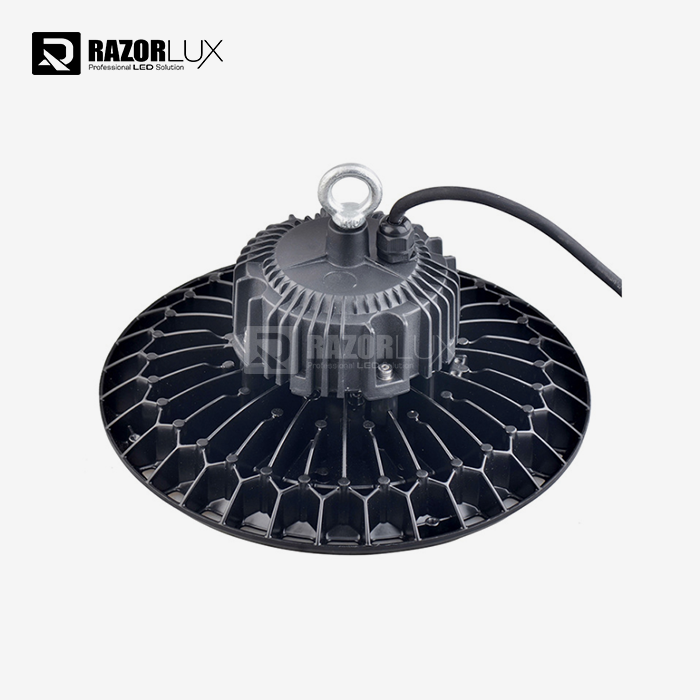 VIEW MOREindustrial led shop lights
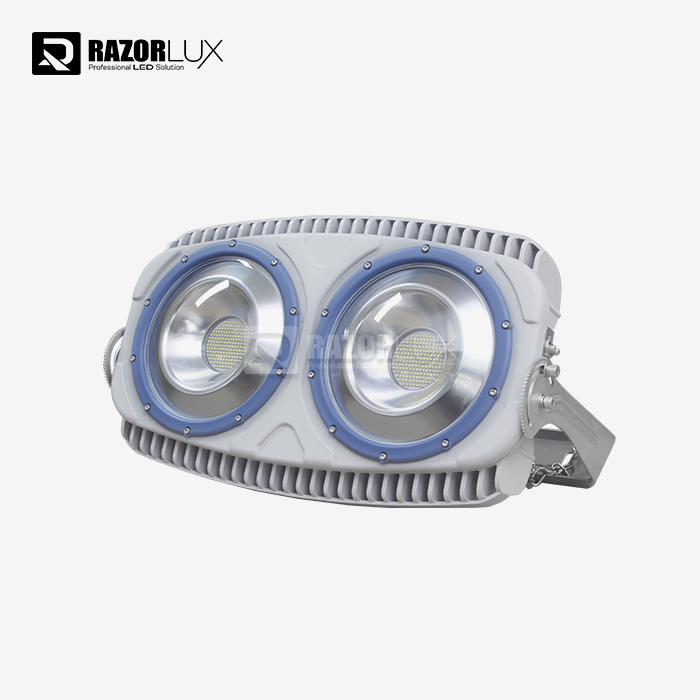 VIEW MOREstadium led flood lights
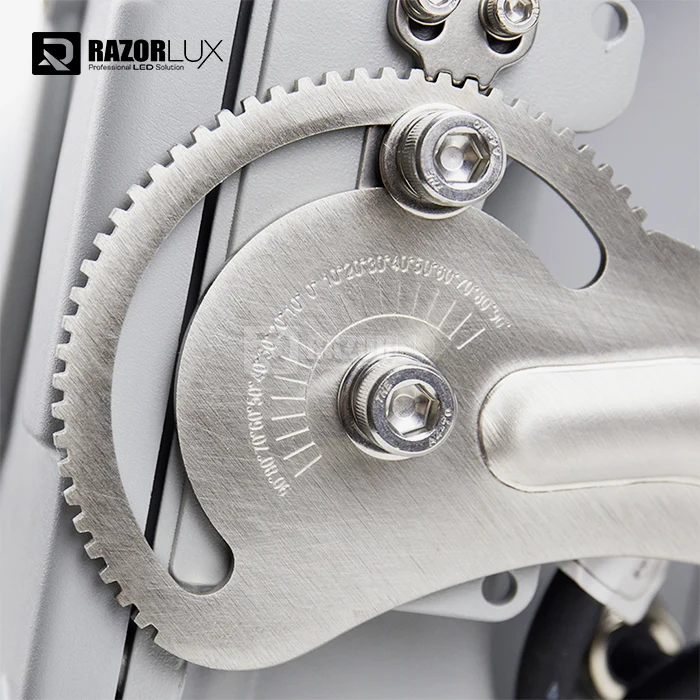 VIEW MOREled tennis lights
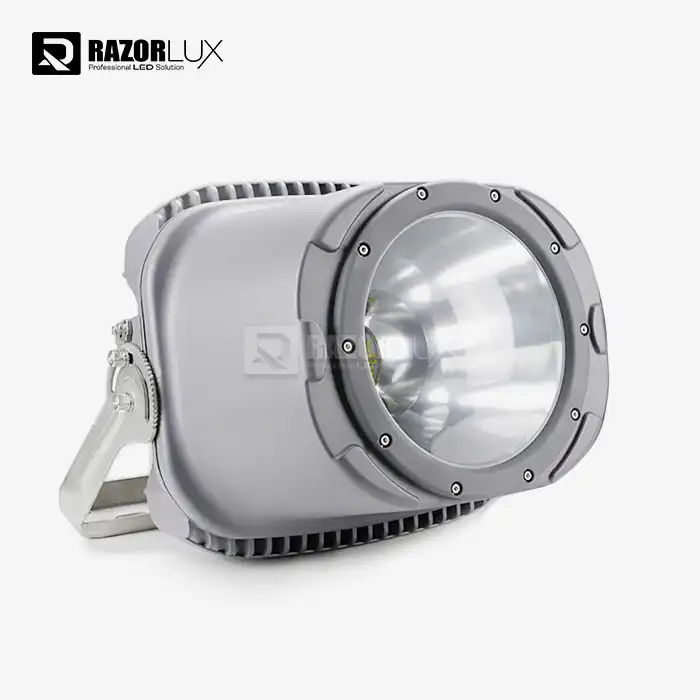 VIEW MORE400W Equivalent Led Flood Light
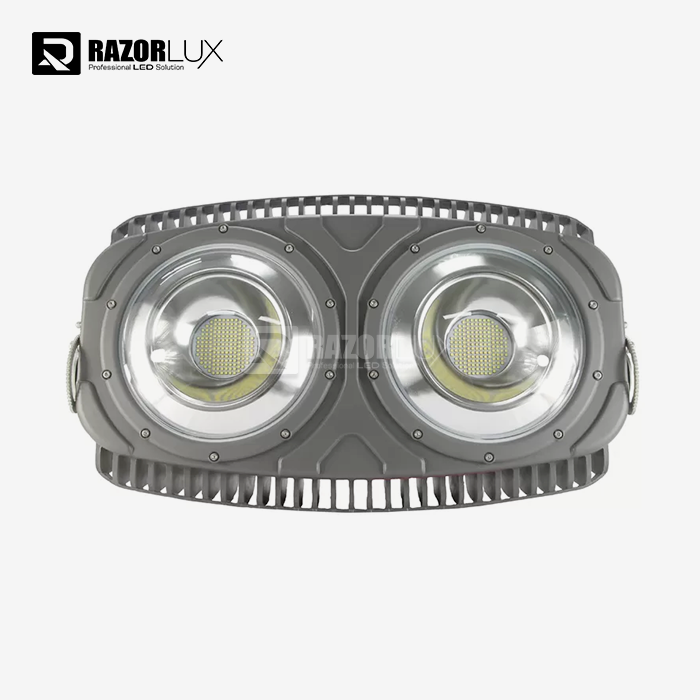 VIEW MORE800w Powerful Marine LED Flood Light Wireless Control Boat Bow Lights
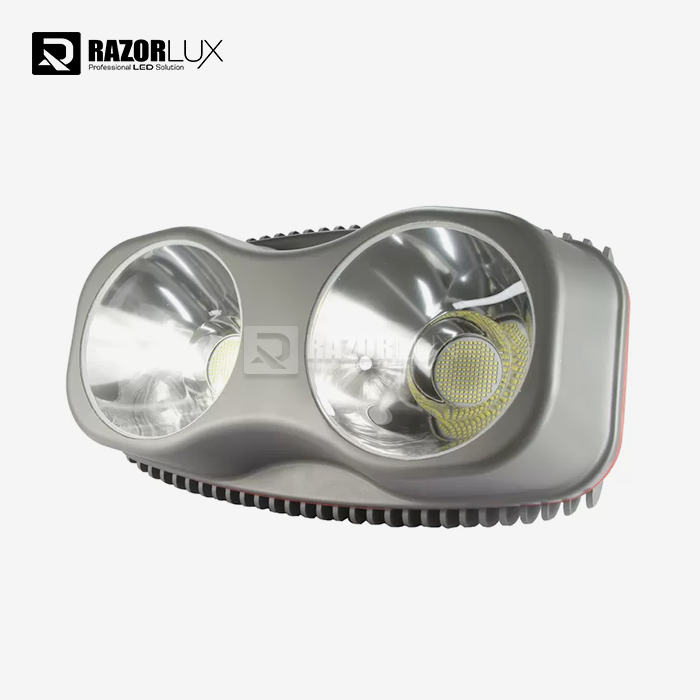 VIEW MOREAluminum Alloy 120000lm Sports Light Fixture 1000w Led Stadium Lights 5000K
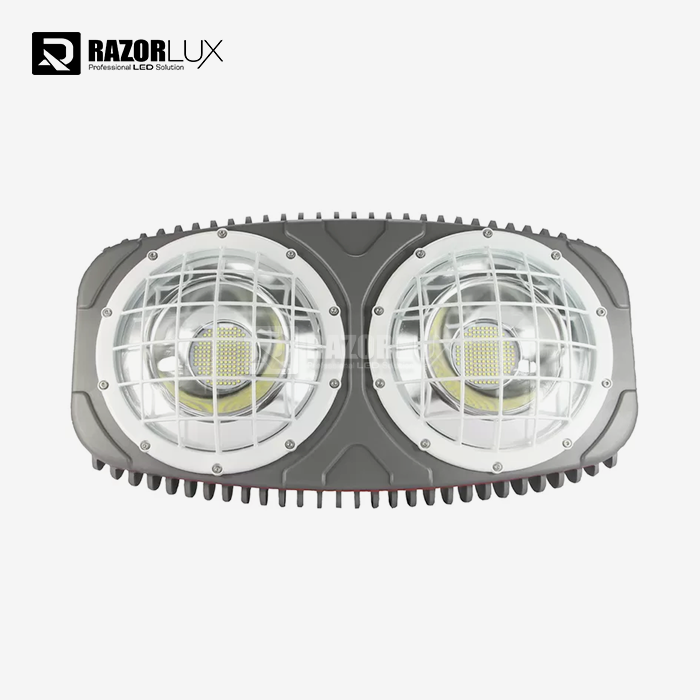 VIEW MOREIp65 Backyard Stadium Lights 600W 5700K Solar Powered Flood Lights
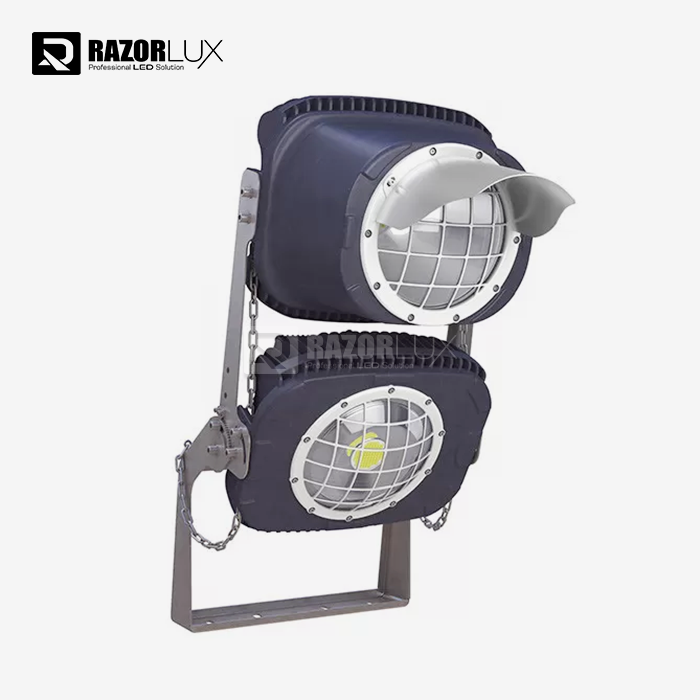 VIEW MOREPortable 1000w Led Stadium Lights