


_1750326878398.png)

Are 1000 Watt Led Outdoor Flood Lights Worth Buying?
When looking at high-intensity lights for factories, ships, or platforms in the ocean, the question of value is very important. High-wattage 1000 Watt LED Outdoor Flood Lights cost a lot up front, but they pay for themselves in the long run by saving you money on energy costs, lasting a long time, and working well in harsh circumstances. Razorlux's 1000 Watt LED Outdoor Flood Lights are 130 lm/W efficient and give off 105,000 lumens of stable light, which is a lot more than 2000–3000W metal halide lamps but costs a lot less to run. For purchasing managers in charge of port terminals, ship repair facilities, or large factories, these fixtures address important issues: they are resistant to corrosion (IP67 ratings), they work well in salt spray environments, and they have CE, UL, and DNV certifications that make it easier to get approvals for specific requirements.
Understanding the Performance and Benefits of High-Wattage LED Flood Lighting
The switch from old-fashioned high-intensity discharge lamps to LEDs has completely changed how commercial buildings light up the outdoors. Modern LED systems offer benefits that can be measured and have a direct effect on the total cost of ownership of your project.
Exceptional Lumen Output for Large-Scale Applications
Industrial-grade 1000 Watt LED Outdoor Flood Lights put out between 90,000 and 110,000 lumens of light, which lights up large areas like shipyard dry docks and container terminals evenly. After thermal stabilisation, Razorlux's RGL-1000P-L20 model produces 105,000 lumens, which ensures steady vision over long operating hours. This level of intensity is necessary for jobs that must be done safely, like crane workers loading goods at 3 a.m., who need the same level of exposure as repair shifts during the day. The 20-degree beam angle focuses light exactly where it's needed, cutting down on lumens that are lost and add to light pollution and sky glow. To reach this level of performance, you need to be very good at managing heat. The powder-coated aluminium body efficiently gets rid of heat, keeping joint temperatures in the right ranges. This thermal control directly extends the life of LEDs, which is very important when fixtures are mounted on 30-meter-high mast poles that need special tools to get to.

Energy Efficiency That Transforms Operating Budgets
Changing a 2500W metal halide system to a 1000 Watt Led Outdoor Flood Light saves 60% of the energy used while keeping or increasing the amount of light. This means that a port facility that runs 50 high-mast lights 12 hours a day will save about 27,375 kWh each month. At an average of $0.12 per kWh for industrial energy in many areas, the yearly savings are over $39,000, which covers the cost of the equipment within the first year of use. The Meanwell power source built into Razorlux fixtures keeps a power factor of ≥0.98 and a THD of less than 10%. This makes sure that the fixtures work with the grid and avoids the fees that come with using older lighting technologies. The large input voltage range (AC 80–305V, plus DC choices from 100–800V) makes it suitable for a variety of electrical systems, from those on ships to those in remote mines where power quality can change.
Extended Lifespan Reducing Maintenance Disruptions
Some high-quality LED units can last more than 50,000 hours, which is about 11 years of 12-hour daily operation before the light drops to 70% of what it was at first. This durability gets rid of the need to replace bulbs so often, which is a problem with HID systems where bulbs usually last between 6,000 and 15,000 hours. This makes things easier for maintenance teams that are used to scheduling crane rentals and shift changes for bulb replacements. Razorlux backs up this performance with a full 5-year warranty that covers both the LED modules and drivers. The housing components are covered for 10 years. This dedication shows trust in the choice of parts—Samsung LED chips and Meanwell drivers are tried-and-true technologies that work well in tough industrial settings.
Technical Specifications and Installation Considerations
In addition to marketing claims, procurement choices need in-depth technical analysis. Knowing the engineering parameters makes sure that they work with the electrical and environmental needs of your project.
Mounting Solutions for Diverse Industrial Environments
Because the fixture weighs 29 kg, it needs strong fixing gear, especially for high-mast installs that will be hit by wind. The marine-safe stainless steel clamp system doesn't rust and lets you move the brackets to get the best beam placement. When engineers determine pole height and diameter, they should figure out the wind load using the fixture's Effective Projected Area (EPA). This is especially important for coastal areas where winds are sustained at over 25 m/s.Mounting is usually done at heights between 12 and 40 meters, depending on the coverage needed and the space needed for obstacles. For use in container terminals, 30-meter poles with four to six lights each make coverage designs that overlap and get rid of dark spots between stacks. The 20-degree beam angle allows for controlled spread by pointing light downward instead of across properties or rivers to the sides.
Electrical Infrastructure Requirements
Different power systems can use the input voltage range, so you don't need transformers that are made just for your spot. Most setups can connect to standard AC mains (80–305Vac), and the 100–400Vdc or 500–800Vdc DC input choices make it possible to connect to renewable energy systems or vessel electrical networks. This flexibility is useful for offshore sites that are far away and where AC systems may not work well or at all. Electrical workers should pay attention to the low Total Harmonic Distortion requirement (<10%), which keeps interference with sensitive instruments that are common in industrial settings to a minimum. The high power factor (≥0.98) lowers the demand for reactive power, which could mean that the equipment is eligible for utility rebates in places that credit equipment that uses the grid more efficiently.

Environmental Protection Ratings
IP67 approval means that the device is completely protected against dust and can withstand being submerged in water for 30 minutes at a depth of 1 metre. This standard goes above and beyond the usual outdoor requirements (IP65), giving systems more safety for situations where they might be pressure washed, soaked in heavy rain, or submerged from time to time during extreme weather events. The highest level of impact protection, IK10, means that the item will survive damage from theft or accidental impacts from cargo handling tools. The operating temperature range, from -40°C to 60°C, includes harsh settings like industrial areas in the desert and the Arctic. This temperature tolerance takes away the worry that the product won't start up in the winter or work as well in the summer, which happens with lower-quality goods. It can handle up to 95% humidity, which is good for warm and sea environments where condensation is a constant problem.
Comparing LED Technology with Traditional Lighting Solutions
Knowing about other options in the market helps to support investment choices and set reasonable goals for performance.
LED vs. Metal Halide Performance Metrics
Metal halide lights that use 2500W use more than twice as much energy and don't render colours as well (CRI 65–70 vs. Ra≥75 for LED). The time it takes for HID lamps to warm up—usually 10 to 15 minutes to reach full brightness—makes them less safe when the power goes out. For security lighting that responds to intrusion detection systems, the fact that LED fixtures reach full output right away is a huge plus. The practical drawback of metal halide technology is made worse by the cost of replacing lamps. Bulb prices of $50 to $150 per unit and labour costs for high-access upkeep (often $200 to $500 per service call) add up to long-term costs that LED technology will get rid of for years. 1000 Watt Led Outdoor Flood Lights Facilities with 100 or more high-intensity fixtures save a lot of money because maintenance cycles last for months or even years.
| Feature | 1000 Watt LED Outdoor Flood Light | 2500W Metal Halide |
|---|---|---|
| Light Output | 105,000 lm | 90,000 to 110,000 lm |
| How Effective | 130 lumens/W | 36–45 lm/W |
| Lifespan | 50,000 hours or more | 6,000 to 15,000 hours |
| Time to Start Up | Right now | 10 to 15 minutes |
| How Colours Look | 75 ra | CRI 65 to 70 |
| Annual Energy Cost* | $525 | $1,314 |
*Based on running for 12 hours a day at $0.12/kWh
Advanced Control Features for Operational Flexibility
Through 0-10V dimming protocols or DALI interfaces, modern LED lights can connect to building management systems and allow automatic scheduling and control based on occupancy. Shipyards that plan repair tasks can set up lighting zones to only turn on during work shifts. This way, less energy is used when no one is working. This controllability includes the ability to connect motion sensors for border security or photocell sensors for automatic operation from dusk to dawn.These control features are especially useful for buildings that want to get LEED certification or follow other sustainability standards. Using automatic lighting control systems to keep track of energy management practices is a good way to save money on operations and support certification applications.
Solar-Powered Options and Hybrid Systems
Remote areas that don't have access to the power grid can use solar-powered systems that can accept DC inputs (100–400Vdc). Battery storage systems that can last for three to four days make sure that the system works reliably during long periods of cloudy weather. Even though solar installations cost more up front, the savings on grid connection fees—which can be more than $50,000 per kilometre for remote sites—often make the investment worth it for lighting around the edges of offshore platforms or for mining operations that are far away.

Procurement Strategies for Industrial Lighting Projects
To build solid supply ties, you need to look at more than just the product specifications when examining suppliers. A complete support system is necessary for long-term operating success.
Certification Credentials and Compliance Documentation
Checking for CE, RoHS, UL, and DLC certifications gets rid of procurement risk and makes following the rules easier. For marine uses, extra approvals like DNV/GL or ABS classification society approvals are needed to make sure the equipment is suitable for installation on ships. Razorlux keeps its ISO 9001 quality management certification, which means that the company's manufacturing processes will be the same from one production run to the next. Ask for full test records that include data from photometric tests (IES files), heat management checks, and environmental tests. Manufacturers with a good reputation give LM-79 photometric test reports from approved labs. This way, you can be sure that the actual light output matches the theoretical specifications. Testing with salt spray according to ASTM B117 guidelines supports claims of corrosion resistance, which is very important for marine settings.
Customization Capabilities for Project-Specific Requirements
For big projects, changes need to be made that go beyond what's in the catalogue. You can choose a colour temperature between 2700K and 6500K to match the lighting in the room or make it work best for a certain task. For example, cooler temperatures (5000K to 6500K) make it easier to see for detail work, while warmer temperatures (3000K to 4000K) cut down on glare in security applications.OEM and ODM services let facility brands be integrated or custom designs can be created for equipment integrators who work with a lot of different end users. The engineers at Razorlux work together to make custom solutions. To do this, they use more than 200 patents that cover LED Packaging, thermal management, and structural design.
Evaluating Total Cost of Ownership
The price you pay for something is only one part of its long-term value. A full TCO analysis includes:
- Energy costs over the estimated lifespan of 50,000 hours; energy costs add up to about $525 per light at standard industrial rates.
- Maintenance expenses, including costs of repairs and maintenance, such as labour, renting tools, and parts replacement.
- Downtime costs when poor lighting slows down processes or causes safety risks; it costs money in lost time.
- Disposal fees for dangerous chemicals in standard lamps vs. LED parts that can be recycled.
A fixture that costs 40% more than competitors but works 20% better and lasts twice as long has a better total cost of ownership (TCO). Teams in charge of buying things should ask suppliers for detailed cost models, which should include calculations for how much energy is used and estimates for when maintenance will need to be done.
| Cost Component | 5-Year LED TCO | 5-Year Metal Halide TCO |
|---|---|---|
| Equipment Purchase | $1,200 | $800 |
| Installation | $500 | $500 |
| Energy (21,900 hrs) | $2,628 | $6,570 |
| Maintenance | $150 | $1,200 |
| Total 5-Year Cost | $4,478 | $9,070 |
Logistics and Supply Chain Reliability
Global projects need providers who can handle overseas shipping, customs paperwork, and making sure deliveries happen on time. Check the supplier's history of delivering on time, especially for multi-phase projects where delays in installing lights can cause scheduling problems. Razorlux offers a range of shipping options, such as air freight for urgent needs and consolidated ocean freight for large orders, along with help with paperwork to make sure they are legal to import. Samples are available so that technical checks can be made before full-scale orders are placed. Ask for evaluation units to test in different environments, check the measurements, and see if they will work with current control systems. 1000 Watt LED Outdoor Flood Lights During this confirmation process, possible problems are found before they cause the project to run behind schedule.
Making the Final Decision: Investment Value Analysis
Putting together performance data, cost estimates, and operating needs helps people make smart buying choices that are in line with long-term facility goals.
Matching Lighting Solutions to Application Requirements
For example, security perimeter lighting or ornamental accent lighting is not the same as high-mast lighting for shipping ports. The 1000 Watt LED Outdoor Flood Light works great for tasks that need:
- Bright light over big areas (sports fields, port hubs, rail yards)
- Dependable operation in harsh conditions (salt spray, high temperatures, vibrations)
- Access for repair is limited to high-mast installations, offshore platforms, and remote areas.
- Efficient use of energy for continuous use (24/7 facilities, security lighting)
Less demanding uses may be able to get by with lower-wattage lights, which makes them more cost-effective. Using AGi32 or DIALux software to make a detailed lighting design that models the real site conditions and figures out the best number of fixtures, where to put them, and how much power they need to meet project-specific lighting standards.
Certification Requirements and Supplier Credibility
For projects that have to follow the rules of a classification society (like DNV/GL or ABS) or military standards, you need to show proof that you've followed the rules. Long-term satisfaction is affected by a supplier's reputation for helping with warranty claims, technical support, and keeping parts in stock. This affects more than just the performance of the initial equipment. Razorlux has been in the business for more than 20 years and has over 200 patents and a wide range of certifications. This shows that they are dedicated to developing new products and helping customers. The fact that the guarantee covers LED modules and drivers for 5 years and housing parts for 10 years shows that the company is confident in their long-term dependability.

Sustainability Objectives and Environmental Impact
Lighting helps reduce overall energy use, which is good for businesses that want to be carbon neutral or use renewable energy. Because LED technology is more efficient, it directly cuts down on the amount of fossil fuels that are used to power grid-connected electricity or diesel generators at off-grid sites. When compared to HID lamps, which need special cleaning, LED lights are easier to get rid of because they don't contain mercury or other dangerous materials. Using sub-metering and control system data to show how much energy was saved is a measurable way to meet sustainability reporting standards. Many places give utility refunds or tax breaks for upgrading to more energy-efficient lights, which makes the job even more cost-effective.
Conclusion
Industrial uses that need stable, energy-efficient lighting in tough settings can get a lot out of high-wattage 1000 Watt LED Outdoor Flood Lights. Early-adoption risk is gone because the technology is mature and has been installed in a lot of places in the marine, offshore, and heavy industry sectors. Total cost of ownership analysis should be more important than the initial purchase price when making purchasing decisions. This is because better parts, stronger construction, and longer warranties all lower long-term operational costs. Premium LED fixtures built to IP67/IK10 standards are smart investments that protect both operational continuity and worker safety in places with corrosive atmospheres, extreme temperatures, or limited access for maintenance.
FAQ
What is the actual power consumption compared to rated wattage?
The 1000 Watt Led Outdoor Flood Light from Razorlux uses 900W for the LED panels and 100W for the driver system, for a total of 1000W. Some rivals show the theoretical maximum power instead of the real operational usage, which is different from this clear specification. If you have accurate power data, you can be sure that the sizes of your electrical infrastructure and your energy cost projections are based on real-world performance, not just marketing specs.
How long does installation typically require for high-mast applications?
Installation time depends on how high the mount is and how easy it is to get to the spot. At 30 meters, a four-fixture high-mast pole usually takes four to six hours to install with the right tools (a crane or a bucket truck) and skilled electricians. Fixture connection is sped up by pre-wiring tubing and attaching brackets while the pole is being installed. Razorlux includes detailed installation guides with torque specs and wiring diagrams to cut down on the amount of troubleshooting that needs to be done on-site.
Can these fixtures integrate with existing control systems?
Manual switching is supported by the standard configuration, and 0-10V dimming or DALI protocol integration are available as options for buildings that use building management systems. Photocell sensors let the system automatically turn on and off from dusk until dawn, and built-in motion sensors help with security. During the specification step, talk about the control needs to make sure they will work with the automation system in your building.
What warranty support is provided for offshore installations?
The 5-year guarantee includes problems with the materials and the work that was done. It covers LED modules and power sources, no matter where they were installed. Parts of housing are covered for an extra 10 years. When offshore installations register for a warranty, they should write down the environmental conditions so that any service claims can be processed more quickly. Razorlux keeps a technical support staff that is experienced with marine uses and knows how to deal with the problems that come with being exposed to salt spray and shaking.
Partner with a Trusted 1000 Watt LED Outdoor Flood Lights Manufacturer
Razorlux is ready to help you with your lighting infrastructure projects with designed solutions based on 20 years of LED progress. Our 1000 Watt LED Outdoor Flood Lights have housings that are rated IP67 and use Meanwell drivers and Samsung LED chips. They are made to work in harsh situations like naval and heavy industrial settings. Whether you're improving a shipyard, lighting up an offshore platform, or making a port facility safer, our expert team can help you with everything, from the initial design advice to installation help and guarantee service. To make sure the product will work for your application, ask for full specs, photometric files, or evaluation samples. Get in touch with our engineering sales team at sam@razorlux.com to talk about your project needs and find out how Razorlux fixtures provide long-term value by being more reliable and efficient.
References
1. Illuminating Engineering Society. (2020). IES LM-79-19: Approved Method for the Electrical and Photometric Measurements of Solid-State Lighting Products. New York: IES Publications.
2. Chen, W., & Zhang, L. (2019). Thermal Management of High-Power LED Systems for Industrial Applications. Journal of Industrial Lighting Technology, 45(3), 234-251.
3. Maritime Industry Standards Committee. (2021). Guidelines for Specification and Installation of LED Navigation and Deck Lighting. London: International Marine Organization.
4. Navigant Research. (2018). Global Market Analysis and Forecast for High-Intensity LED Flood Lighting in Industrial Applications. Boulder: Navigant Consulting.
5. Department of Energy. (2022). LED Lighting for Outdoor and High-Bay Applications: Energy Savings Potential and Best Practices. Washington: U.S. DOE Office of Energy Efficiency.
6. Anderson, R., & Thompson, M. (2021). Total Cost of Ownership Analysis for Industrial Lighting Systems: Comparing LED and HID Technologies. Facilities Management Journal, 38(2), 112-129.
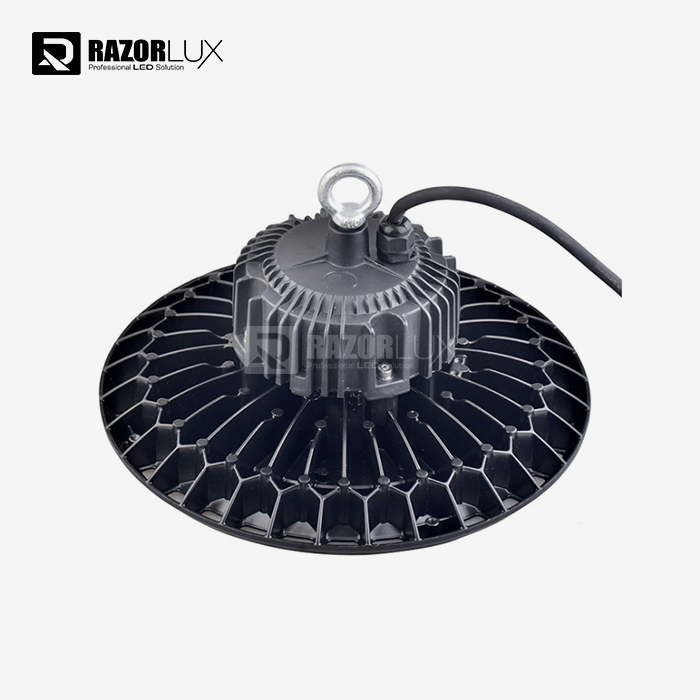 VIEW MOREindustrial warehouse light fixtures
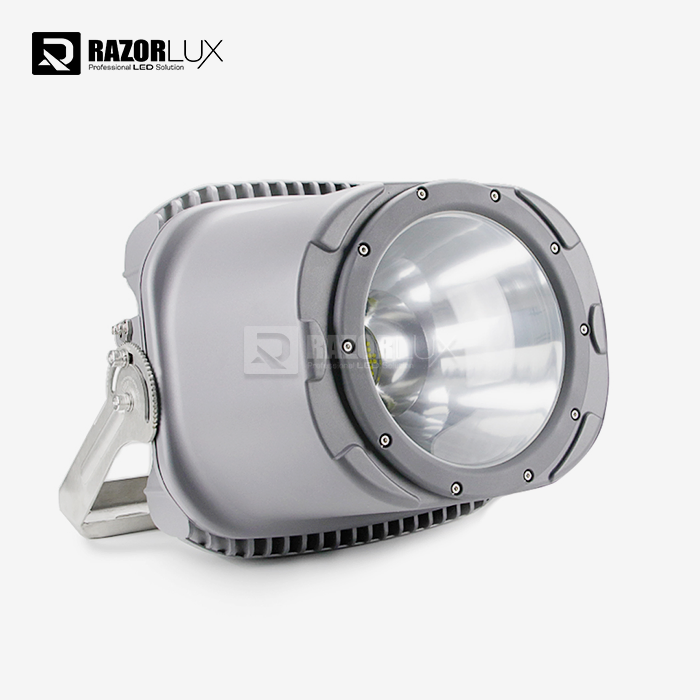 VIEW MOREoverhead crane lights
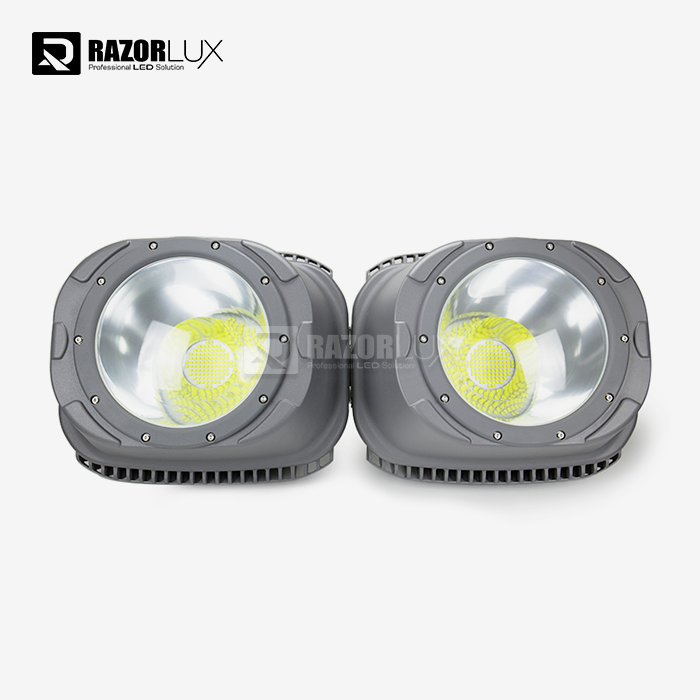 VIEW MOREled soccer field lights
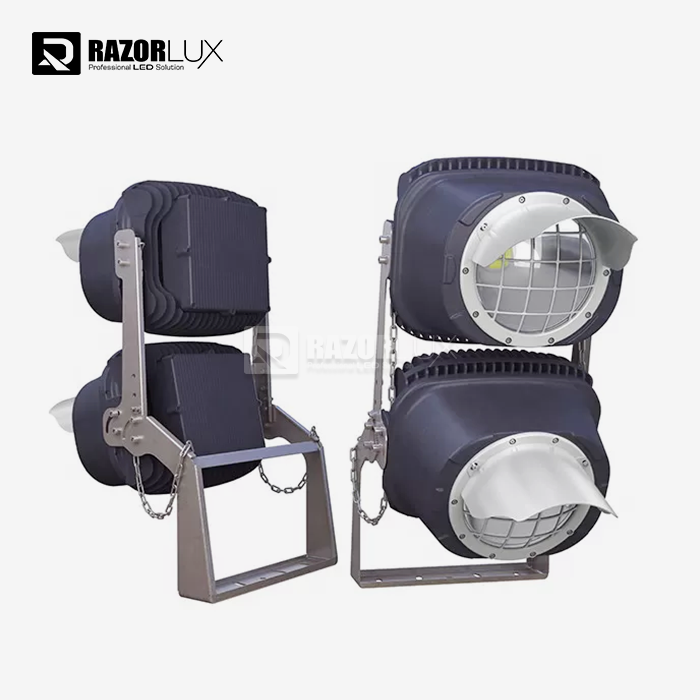 VIEW MOREoutdoor stadium lighting
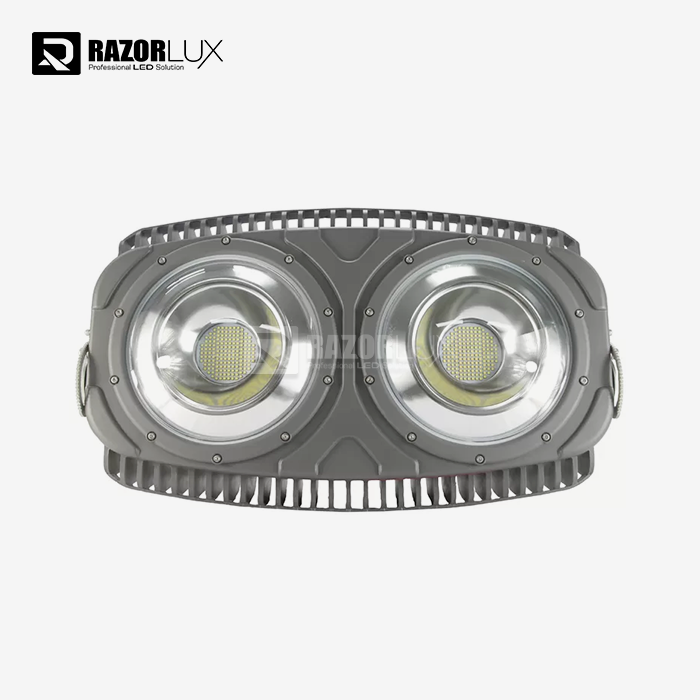 VIEW MORELED Flood Lights For Sports Field
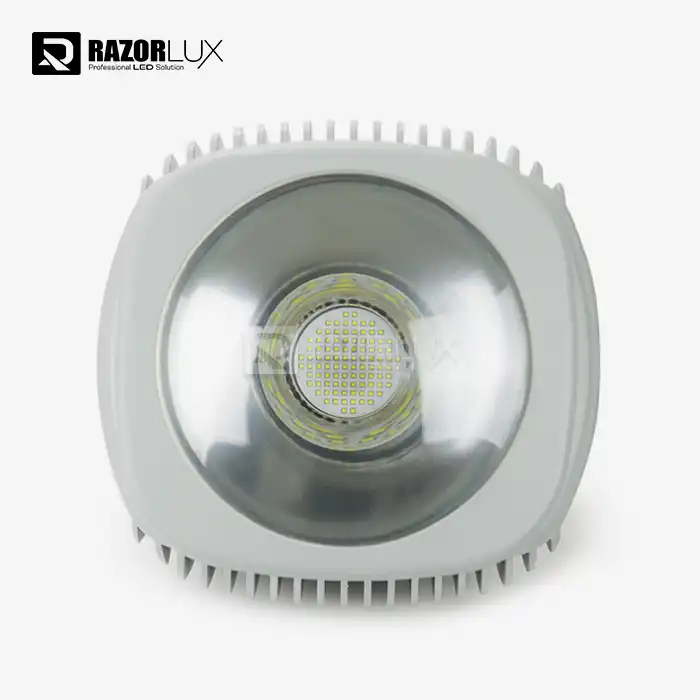 VIEW MORESuper Bright Outdoor Led Flood Lights
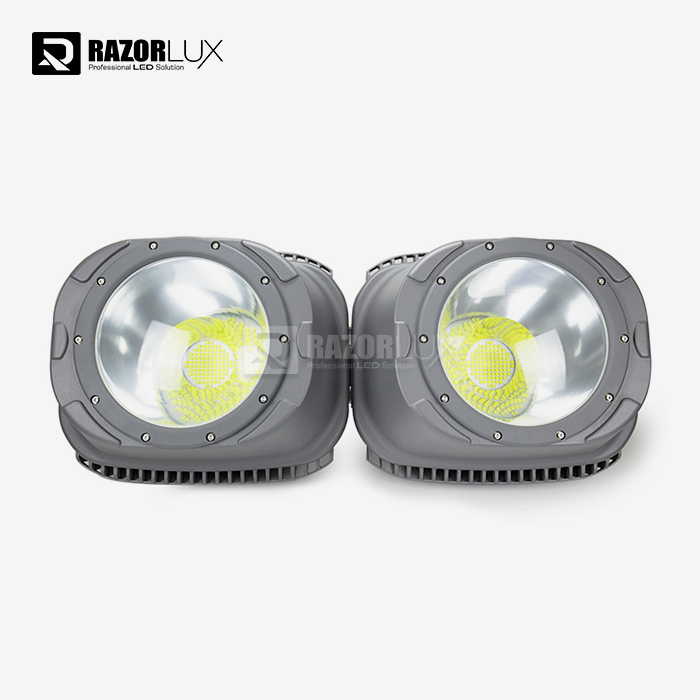 VIEW MORE1500 Watt Stadium Lights
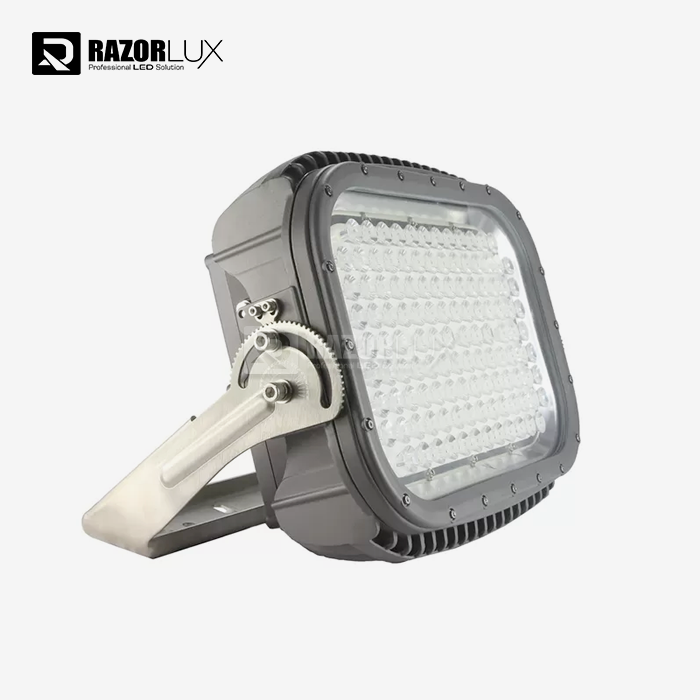 VIEW MORE400w Dimmable LED Flood Light High Lumen Narrow Beam