

_1750326878398.png)

Why Use Industrial LED Flood Lights Outdoor in Work Areas?
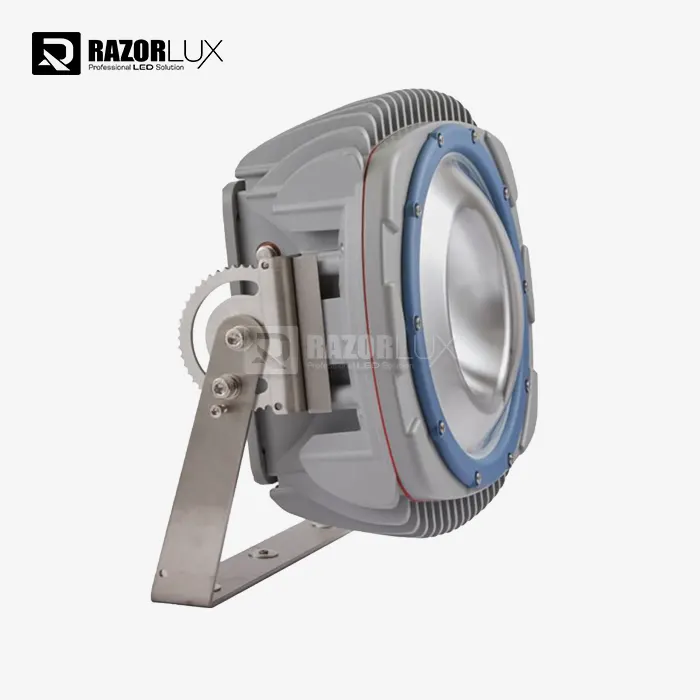
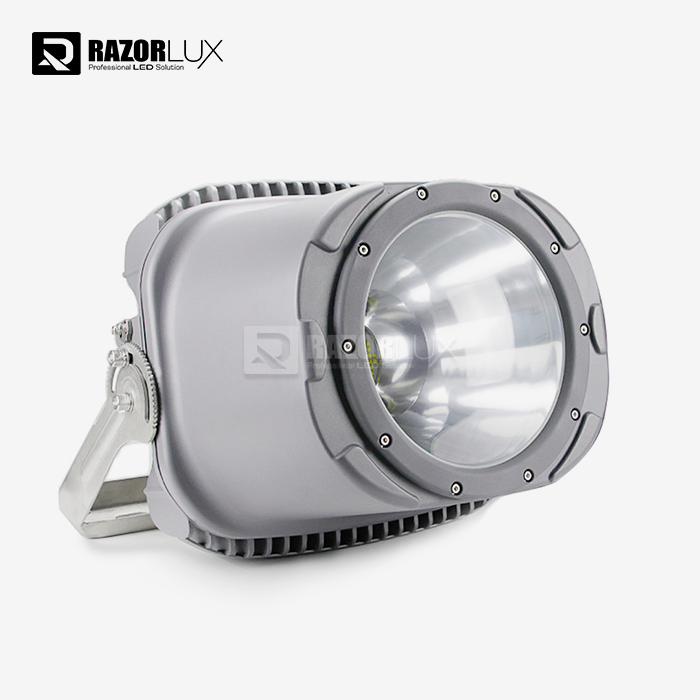
Industrial Led Flood Lights Outdoor are a revolutionary way to light up tough work areas that must have reliable, high-performance lighting. These strong lighting systems provide high-intensity, wide-ranging light over large outdoor areas. They can also handle harsh conditions like salt spray, extreme temperatures, and constant shaking. Modern LED flood systems are different from traditional lighting technologies because they use less energy (over 130 lumens per watt) and last longer (over 50,000 hours). This directly addresses the major problems of high energy costs, frequent maintenance downtime, and unsafe working conditions that happen all over the world in shipyards, offshore platforms, ports, and heavy industrial facilities.
Understanding Industrial LED Flood Lights Outdoor
What Makes Industrial LED Flood Lights Different from Standard Outdoor Lighting
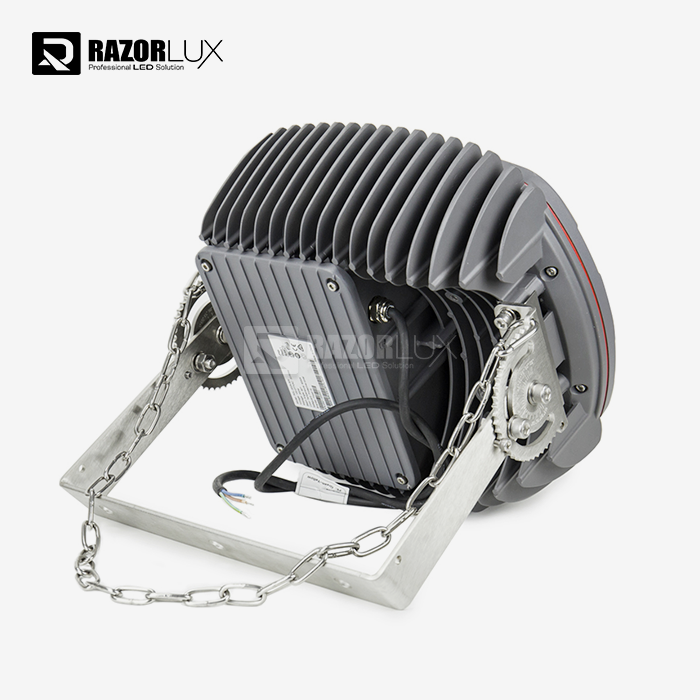
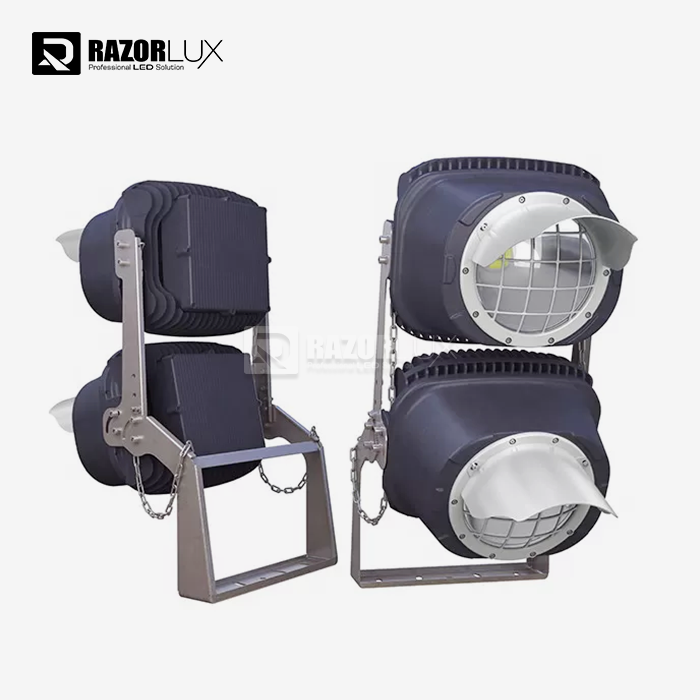
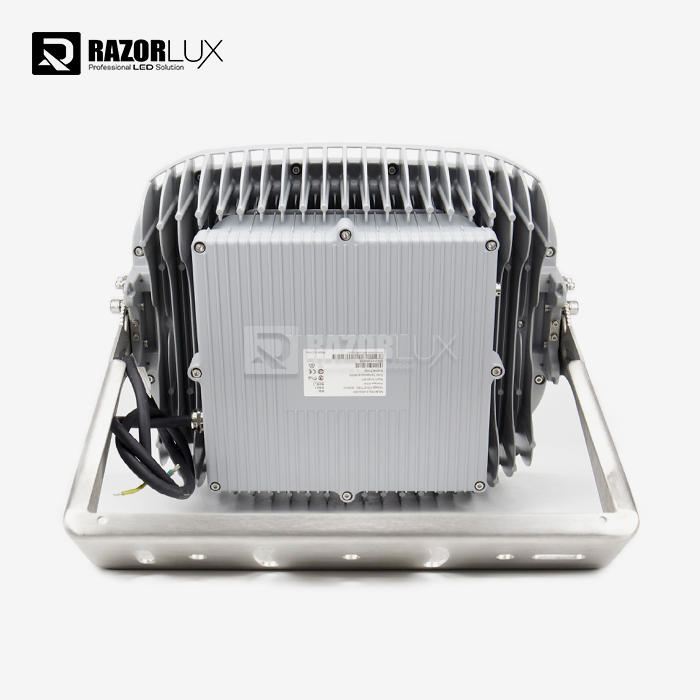
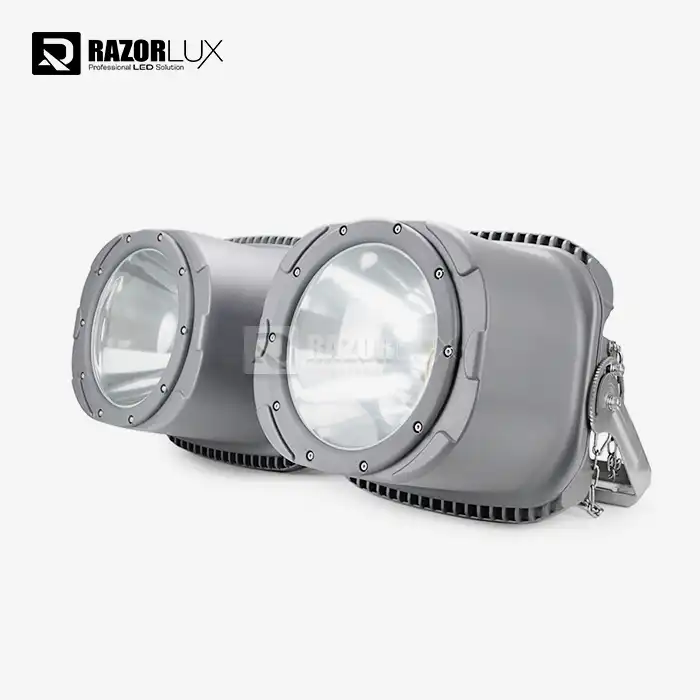
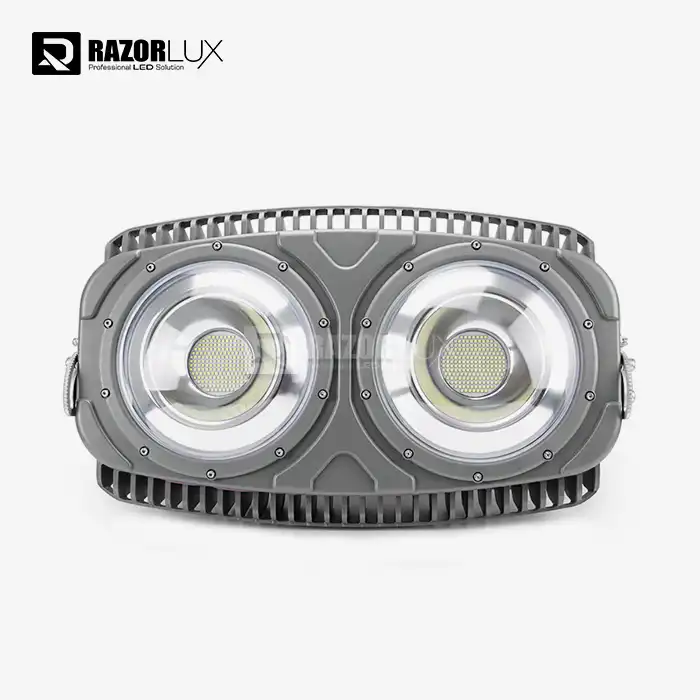
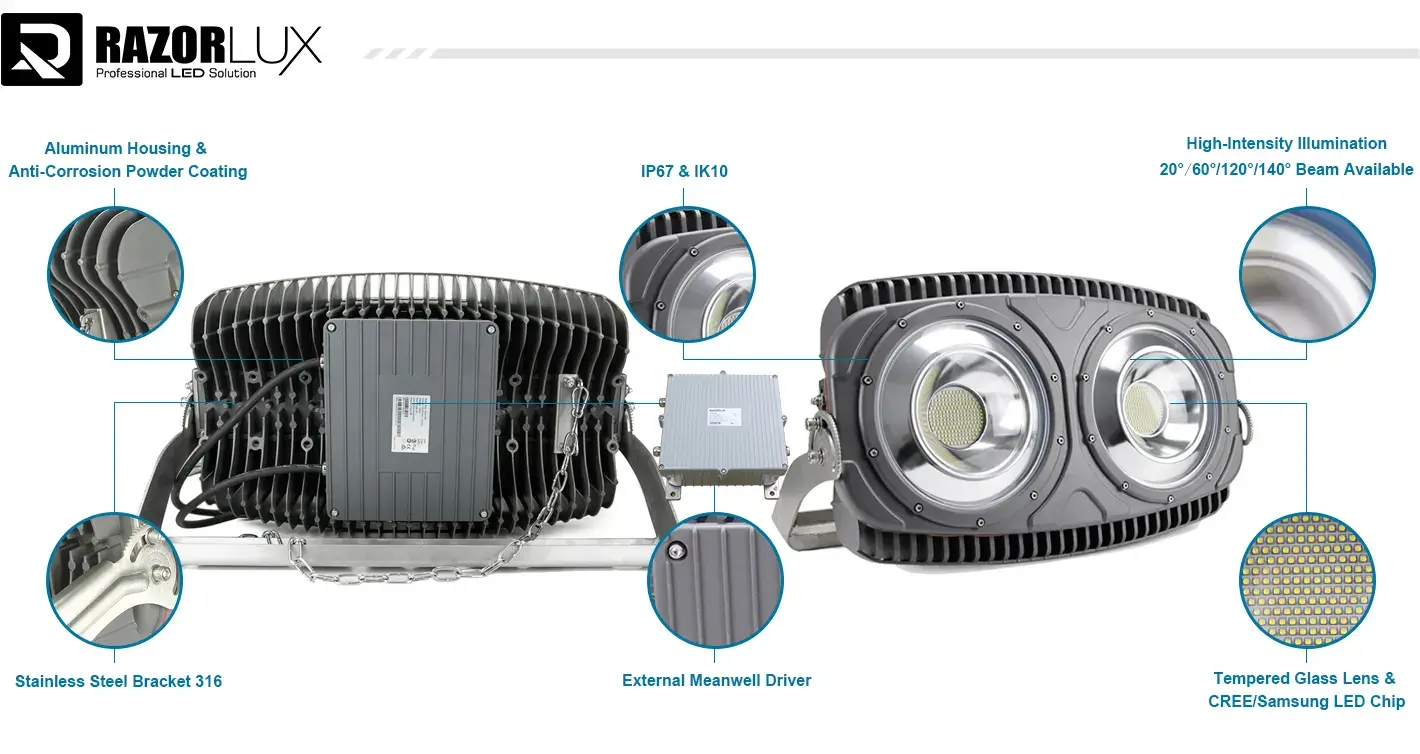
Industrial-grade Industrial LED Flood Lights Outdoor are made to work in places where failure is not an option. These fixtures have advanced thermal management architectures that use finned aluminium heat sinks and special thermal interface materials to keep the junctions at the right temperature even when they are used 24 hours a day, seven days a week. The strong build has marine-grade aluminium housings with powder-coated finishes that don't rust in coastal areas where salt levels can get too high and damage things. Industrial LED flood lights use SMD3030 or SMD5050 LED chip arrays that keep the same colour temperature and lumen power for their whole life, unlike home or business outdoor lighting. The built-in Mean Well power supplies are known all over the world for being reliable. They have a wide input voltage range (AC 80–305V, DC 100–400V) that can handle the unstable grid conditions that are typical in growing regions and remote industrial areas. This voltage freedom gets rid of the need for extra stabilisation gear, which makes installation easier and lowers the risk of failure.
Core Technologies Enabling Superior Performance
Industrial LED flood lights use carefully designed lenses and mirrors to create different beam patterns. These can be narrow spot beams at 40 degrees for targeted lighting or wide asymmetrical distributions at 140x60 degrees for border security. This optical control makes the most of the light that can be used on work surfaces while reducing light trespass and sky glow. This helps the environment and meets regulatory requirements. Advanced driver circuits keep the power factor above 0.98 and the total harmonic distortion below 10%. This makes sure that sensitive electronic equipment can work with the power and keeps the electrical infrastructure from being overloaded. Adding 10kV surge protection devices protects against lightning hits and grid transients, which can damage lighting systems that aren't protected in outdoor sites that are open to the elements.
IP and IK Ratings Explained for Industrial Applications
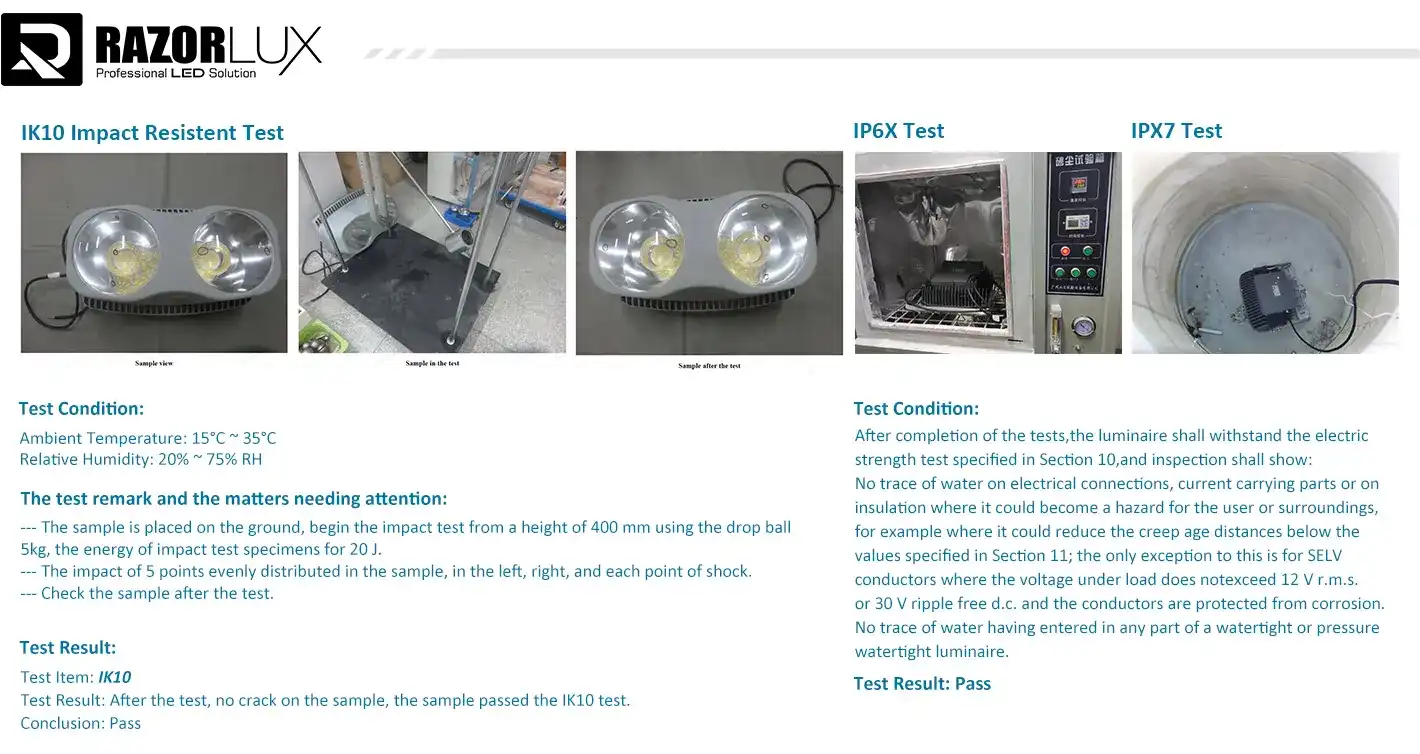
Ingress Protection (IP) scores show how resistant a device is to solids and liquids getting in. IP65-rated lights can handle low-pressure water jets coming from any direction, making them good for places that need to be cleaned up every so often. IP67-rated units can handle being submerged for a short time up to one metre, which is important for dock areas that get hit by waves or flood during storms. The Impact Protection (IK) rating shows how resistant something is to being hit from the outside. IK10-rated housings can withstand 20-joule hits, which is the same as dropping a 5-kilogram mass from a height of 400 millimetres. This means they can withstand damage from crane operations, car traffic, and dropped equipment that is common in industrial yards. This mechanical toughness directly leads to lower repair costs and higher safety by avoiding fixture failures that could cause accidents or slow down production.
Why Industrial LED Flood Lights Are Ideal for Outdoor Work Areas
Unmatched Durability in Harsh Marine and Industrial Environments
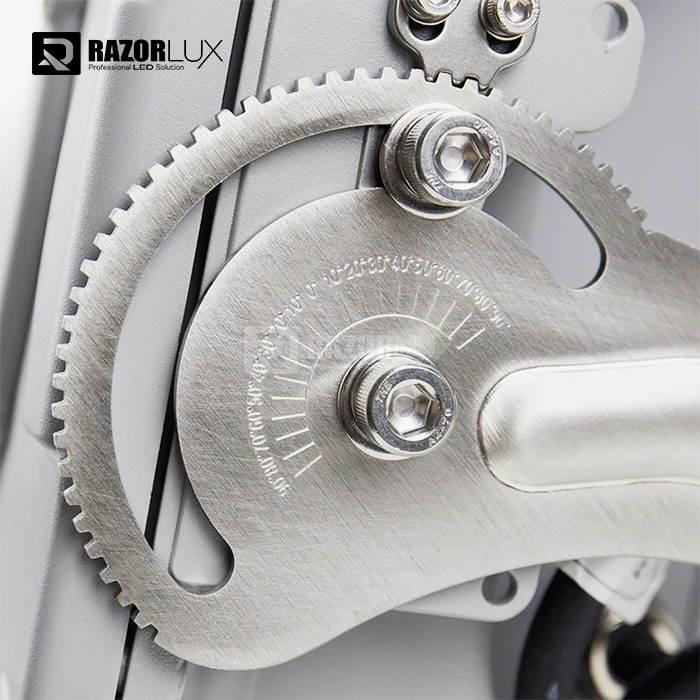
Shipyard purchasing managers and offshore platform engineers consistently say that lighting that fails too soon is one of the biggest problems they face in their jobs. When metal halide and high-pressure sodium systems are exposed to salty air, changing temperatures, and constant vibration from machinery and waves, the electrodes break down, the seals fail, and the ballasts fall apart. Because Industrial LED Flood Lights Outdoor are built on solid-state, these weak parts are not present at all. The mounting mounts and tools for our industrial LED floodlighting systems are made of stainless steel, which doesn't rust or experience galvanic rusting even in the harshest marine environments. The sealed optical chambers keep out moisture that could cause condensation and lens clouding inside, which is a common failure mode that lowers light output and makes maintenance harder. As required by ASTM B117 standards, testing includes exposure to salt spray for 1,000 hours. This proves resistance to corrosion rates that would kill regular fittings within months of installation. The operating temperature range of -40°C to +60°C works in a wide range of harsh settings, from oil refineries in the desert to offshore sites in the Arctic. Specialised low-temperature driver circuits make sure that the lights work properly and give off full light even when it's below zero outside, which is when regular lighting systems fail or need long warm-up times that put safety and security at risk during important startup phases.
Superior Lighting Quality Enhances Safety and Productivity
The quality of the lighting has a direct effect on the safety and efficiency of the workplace. Industrial LED flood lights have colour rendering index (CRI) values higher than Ra75. For uses that need exact colour separation, Ra80 or Ra90 values are also available. With this better colour rendering, workers can accurately read safety signs, tell wire colour codes apart, and find flaws during quality inspections—tasks that are hard or impossible to do with sodium vapour lamps' low-CRI output and yellow shift. Because LED technology can turn on instantly, there are no longer any 10-15 minute pauses between turning on and off that come with HID systems. When the power comes back on after being out, work areas are fully lit up right away. This keeps workers from having to navigate dangerous areas with poor lighting during the dangerous gap periods. Adding motion sensors to lights lets them go from being dimmed to full output in milliseconds, effectively discouraging unauthorised access while saving energy when no one is using them. At all dimming levels, flicker-free operation keeps workers safe from the headaches, eye strain, and possible neural effects that come with magnetic ballast systems' 100–120Hz flicker. This steady output also gets rid of the stroboscopic effect that can make moving machines look like they're not moving, which keeps factories and processing plants safe.
Dramatic Reduction in Energy Consumption and Operating Costs
Total cost of ownership analysis makes the case for switching to LEDs stronger from a financial point of view. A 1000W LED flood light system with 130,000 lumens can be used instead of 2200W to 2500W metal halide lamps to light the work area the same amount. This 55–60% drop in energy use means big savings for factories that use their lighting systems for 4,000–8,000 hours a year. In addition to saving energy directly, LED technology gets rid of the need for ballasts, which use extra power, and lowers the load on HVAC systems in tight areas by making a lot less waste heat. The longer life—usually more than 50,000 hours compared to 6,000 to 15,000 hours for HID lamps—dramatically lowers the number of times that the lamps need to be replaced. Over the course of ten years, facilities with high-mast installations where changing lamps needs specialised lift equipment, traffic control, and several workers can cut their upkeep labour costs by 70–80%. Quality LED systems have stable lumen output features that keep the intended lighting levels throughout their service life. In contrast, HID lights lose lumens quickly, so they need to be overlit during installation to keep the minimum level of illumination at the end of their life. This stability in efficiency lets a precise lighting design that meets—but doesn't go beyond—required standards. This keeps energy waste from happening that comes with designs that have to make up for expected performance loss.
Comparing Industrial LED Flood Lights with Traditional Alternatives
Energy Efficiency: LED vs. Metal Halide and HPS Systems
Modern Industrial LED Flood Lights Outdoor are fundamentally better than older technologies because they produce 130 lumens per watt or more of light. Metal halide systems usually get 70–90 lm/W, and high-pressure sodium lights get 80–110 lm/W. However, both of these numbers only show how well the lamps work at first and get much worse over time. At 50,000 hours (L70 rating), LED systems keep 70% of their initial lumen output. This predictable performance makes maintenance planning easier and makes sure that the workplace is always well-lit. The directional nature of LED emission makes visual control very easy, putting light exactly where it's needed. This is in contrast to releasing light in all directions, which would require reflectors to reroute and absorb a large part of the light. This optical efficiency adds to the chip-level efficiency advantage, giving more lumens per watt than HID systems in real-world installations by 100% or more. Power quality factors also work in LED technology's favour. When HID devices are turned on, they use a lot of inrush current and a lot of reactive loads, which raise transmission losses and utility demand charges. LED drivers keep the power factor above 0.98 and the harmonic distortion low. This lowers the stress on the infrastructure and could make sites eligible for utility refunds that are meant to encourage them to use power more efficiently.
Maintenance Requirements and Total Cost of Operation
The cost of maintenance is a secret but important part of industrial lighting processes. In facilities that are always running, HID lights need to be replaced every one to two years. Each time they need to be replaced, the direct costs of the lamps, ballasts, and labour are added to the secondary costs of stopping production, taking safety precautions, and renting equipment. These costs go up for high-bay and high-mast setups because they need special entry and have longer downtime.LED systems change the way maintenance is done, from replacing parts regularly to checking on them based on their condition. Individual fixtures may work for 10 to 15 years before they need to be fixed in a typical industrial duty cycle because they have operational lives of more than 50,000 hours. When service is needed, modular designs with field-replaceable driver modules and LED panels make it possible to fix things quickly without having to replace the whole device.
The table below shows how much it would normally cost over ten years for a building to use 100 high-bay lights for 6,000 hours a year:
| Cost Category | Metal Halide System | LED System | LED Advantage |
|---|---|---|---|
| Energy (@ $0.12/kWh) | $576,000 | $259,200 | $316,800 savings |
| Lamp Replacements | $120,000 | $0 | $120,000 savings |
| Ballast Replacements | $45,000 | $15,000 | $30,000 savings |
| Labor (relamping) | $150,000 | $25,000 | $125,000 savings |
| Lift/Access Equipment | $60,000 | $10,000 | $50,000 savings |
| Total Ten-Year Cost | $951,000 | $309,200 | $641,800 savings |
Flexibility Through Adjustable Beam Angles and Control Options
Modern industrial LED flood lights give you more options than ever before because the optics can be adjusted in the field and they come with built-in control systems. In HID systems, you have to replace the whole fixture to change how the light is distributed. But many LED platforms have interchangeable lens modules that let you change the beam angle from a narrow spot to a wide flood configuration without having to mess with the wiring or mounting hardware. Advanced control integration lets you use strategies like dimming, timing, and population tracking to save even more energy while still meeting safety and security standards. Zero-to-ten volt (0-10V) analogue dimming connections let you smoothly change the output from 100% to 10% or less. This lets facilities use twilight harvesting techniques that lower the output when there is enough ambient light. Digital Addressable Lighting Interface (DALI) standards let you address and program each light fixture individually, so you can make complex lighting scenes that change with the times of the year and operating needs. When perimeter security lighting has motion sensing, it changes from always on to smart detection systems that keep the idle output low (enough for video cameras to work) and turn on all the lights when they sense movement. Using this method instead of full power saves 60 to 80% of the energy while actually making security better by scaring people away with rapid lighting.
How to Select and Procure Industrial LED Flood Lights for Outdoor
Critical Specifications for Maritime and Heavy-Industry Applications
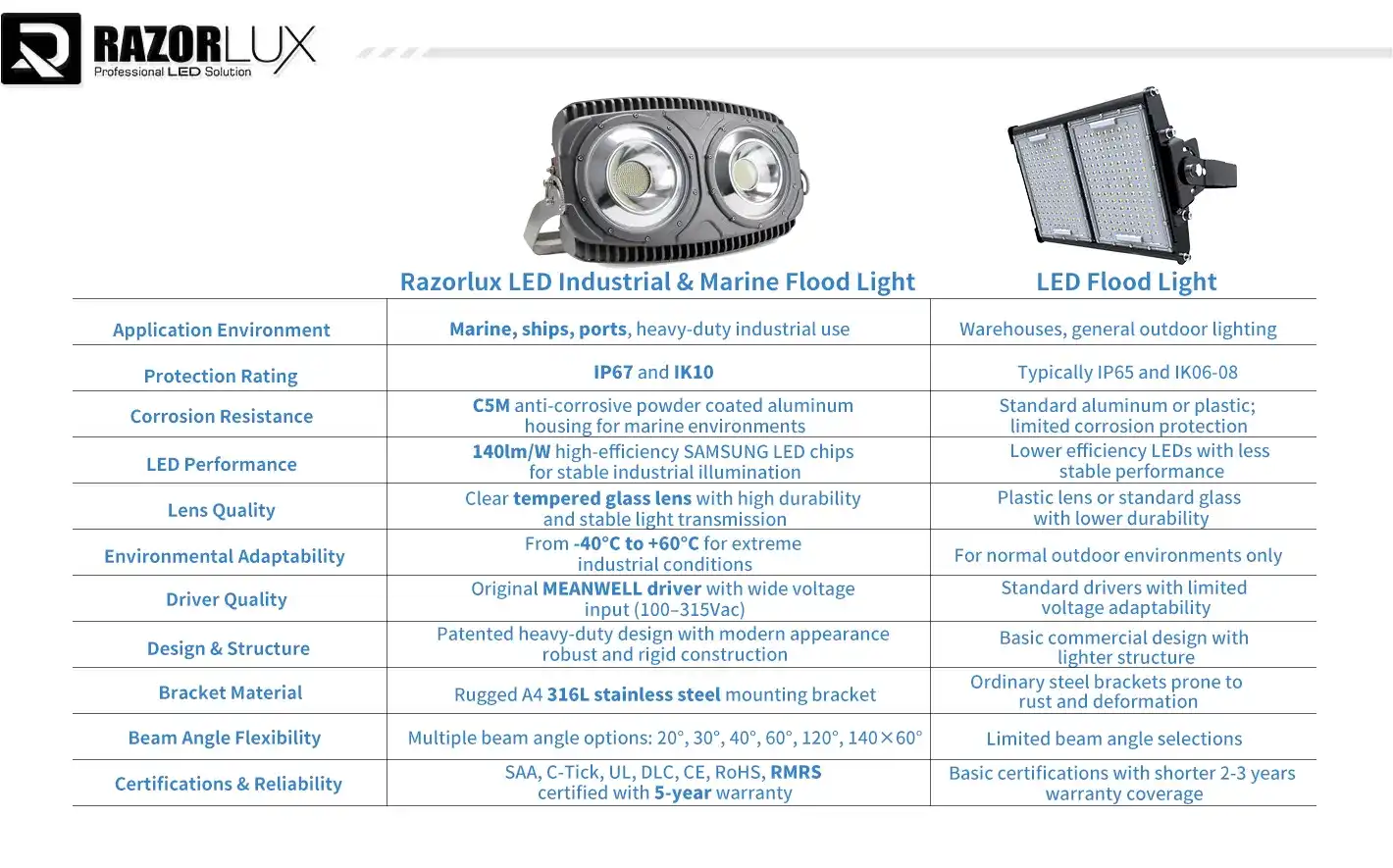
When purchasing managers look at Industrial LED Flood Lights Outdoor, they need to focus on features that make sure the lights work reliably in tough conditions. The first important factor is the IP rating. An IP65 rating is enough to protect closed areas and installations that won't be directly exposed to water, but an IP67 rating is required for docks, ship decks, and ocean platforms that may be hit by waves or be washed by high-pressure water. The level of impact resistance (IK grade) should match the mechanical risks that are present in the installation site. Facilities that use high cranes, have a lot of car traffic, or have things that could fall need housings that are marked IK10 so they can handle hard hits without damaging the optical chamber seal or electrical integrity. Lower IK grades might be enough for safe places with little mechanical exposure, but the small cost difference rarely makes it worth it to take less security. Lumen output and beam distribution must match the needs of the application and any standards that apply. The Illuminating Engineering Society (IES) puts out guidelines for different commercial uses that include minimum amounts of constant illumination, uniformity ratios, and glare limits. To reach these goals effectively without too much light, good lighting design takes into account mounting height, fixture spacing, obstacles, and surface reflectances.
Evaluating Certifications and Component Quality
The kinds of certifications needed depend on the market and the type of application. Marine applications usually need approvals from a classification society like ABS (American Bureau of Shipping), DNV/GL (Det Norske Veritas/Germanischer Lloyd), or Lloyd's Register. These strict certifications show that fixtures meet standards for environmental protection, electromagnetic compatibility, and vibration resistance that are specific to installation on ships. Regional safety certifications, such as CE marking for European countries, UL/ETL listing for North America, SAA approval for Australia, and CCC certification for China, show that the product meets local electricity safety standards and can be legally installed in those places. Products with more than one approval make buying easier for companies that do business around the world because they make sure that all setups follow the same specifications. Reliability and working life are directly linked to the quality of the parts. Specification sheets should list the names of LED chips and drivers. Samsung and other Tier 1 LED makers put a lot of money into quality control and binning methods that make sure the colour, output, and dependability are always the same. Mean Well power supplies have the best names in the industry for long life and being able to handle harsh environments. This makes them the best choice for difficult industrial uses where failure would have big effects.
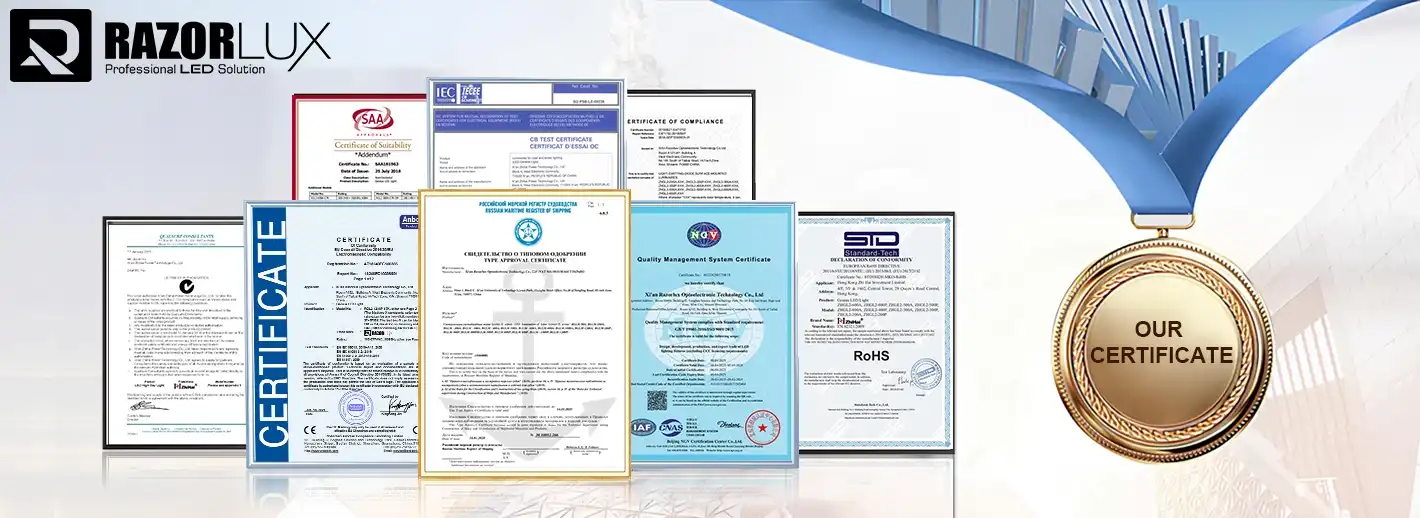
The following table compares key specification parameters for typical industrial LED flood light offerings:
| Parameter | Entry-Level Product | Professional Grade | Razorlux RGL-1000A |
|---|---|---|---|
| Rated Power | 1000W | 1000W | 1000W |
| Luminous Efficacy | 110 lm/W | 120 lm/W | 130 lm/W |
| Total Output | 110,000 lm | 120,000 lm | 130,000 lm |
| Input Voltage Range | AC 100-240V | AC 85-265V | AC 80-305V / DC 100-800V |
| IP Rating | IP65 | IP65/IP66 | IP65 (IP67 upgrade) |
| IK Rating | IK08 | IK09 | IK10 |
| Operating Temperature | -20°C to +45°C | -30°C to +50°C | -40°C to +60°C |
| Power Supply Brand | Generic | Quality Brand | Mean Well |
| Warranty Period | 2-3 years | 3-5 years | 5 years |
| Certifications | CE, RoHS | CE, RoHS, CB | CE, RoHS, SAA, UL, DLC, CB, ISO:9001 |
Working with Reliable Suppliers and Manufacturers
Forming relationships with skilled makers of industrial lighting has benefits beyond just getting lower prices. Suppliers with a lot of experience with a certain application can help with lighting design by making sure that suggested solutions meet technical requirements and make the best use of bulb count and placement to save money on installation. Having technical support during commissioning helps find and fix problems with the installation before they affect the project schedule. Samples are available so that you can try the product before you decide to buy a lot of it. A physical inspection confirms the quality of the build, lets you measure the actual photometric performance, and gives technicians a chance to look at the installation and maintenance requirements. Leading makers keep common configurations in stock so that samples can be sent out quickly. They also offer customisation services for users who have unique needs.OEM and ODM help businesses that want to make their own goods or add special features. Companies that make things can change the housings, add certain control interfaces, or make changes to the mounting hardware to make it fit the needs of a specific project. This adaptability is very helpful for OEMs putting together full sets of equipment or integrators making standard solutions for many setups.
Case Studies and Practical Applications
Shipyard Deck Lighting Retrofit Delivers Immediate Results
A large port in northern Europe that covered 45 acres had to deal with rising maintenance costs and safety issues due to metal halide deck lighting that was getting old. The old system had 280 lights, and each one used 1000W. The lamps only lasted an average of 8,000 hours because they had to be switched on and off a lot, and were vibrating from heavy machinery being used. When you add up the costs of renting lift equipment, electrician labour, and lost production time, relamping each year was more than €85,000. After talking to our technical team, the facility started a phased retrofit program to replace metal halide units with our Industrial LED Flood Lights Outdoor that put out 130 lm/W of light. Photometric analysis showed that the LED system provided 35% more useful lighting at deck level because it had better optical control and kept the same output characteristics. The work used mounting equipment that was already there, which cut down on costs and time. When the results were looked at 18 months later, they showed huge changes in all key measures. Energy use dropped by 58%, which saved more than €125,000 a year at the current energy rate in the area. Maintenance calls for lighting problems went from 15 to 20 a month to less than two a month because the strong LED systems were not affected by the vibrations and weather conditions that broke down HID lamps quickly. Most importantly, the number of incident reports during night activities dropped by 40%. This was because workers were better able to see dangers because of better colour rendering and visibility.
Offshore Platform Helideck Lighting Meets Stringent Standards
An oil and gas company that runs platforms in the North Sea needed to improve the lighting on the helideck to meet new CAP437 standards and make the lighting more reliable in the harsh marine environment. Existing tungsten halogen floodlights often broke down because of salt corrosion, and the lamps had to be replaced every 400 to 600 hours. This was a dangerous and expensive repair job that needed rope access techs and weather windows. Based on the RGL-1000A platform, our engineering team created a custom solution with extra environmental sealing, vibration-damping mounts, and emergency backup circuits that meet the needs of offshore aviation lighting. The fixtures got an IP67 rating and were tested with salt fog for 2,000 hours to make sure they wouldn't rust. Asymmetric 140x60-degree optics gave the exact light spread needed by helideck standards while keeping pilots coming closer from seeing too much glare. Three years of operating data show that the LED system has taken care of the maintenance issue of lights for the helideck. In six platform installs, there have been no fixture failures, so there is no need for dangerous rope-access lamp repair processes. Compared to the tungsten halogen baseline, 62% less energy was used. This is a big deal because power generation on offshore platforms costs $0.35 to $0.50 per kWh. The station operator now requires LED technology for all new installs and is continuing to replace old lighting systems in a planned way.
Port Terminal Achieves Energy Targets Through Comprehensive LED Deployment
A container port that was open 24 hours a day, seven days a week, had to cut its energy use by 40% to meet its sustainability goals while still providing enough light for automatic stacking cranes and other equipment used to move containers safely. The old lighting system used both high-pressure sodium area lights and metal halide task lights, and it used 2.8 million kWh of electricity every year. After a thorough lighting audit, it was found that strategic fixture placement, updated photometrics, and the use of LED technology could improve lighting. The answer called for our industrial flood lights to come with special mounting parts that could be used with high-mast structures that were already in place. Different beam angle options let workers precisely target work areas while reducing light trespass to nearby properties. This addressed community concerns that had made it harder to get approvals for previous expansions. When the installation was done, the connected lighting load went from 1,450 kW to 580 kW, which was 60% less than what was originally planned and beat the goal. The amount of energy used each year dropped to 1.15 million kWh, which saved $198,000 a year at blended power prices. The amount of maintenance work that needed to be done dropped by 75%, which allowed the electrical staff to move on to more important tasks. Terminal managers said that better colour rendering and less glare made camera monitoring work better, which increased security and helped safety management systems.
Conclusion
Because Industrial LED Flood Lights Outdoor save a lot of energy, don't need much upkeep, are more resistant to environmental damage, and produce better light, switching from older HID systems should be seen as a strategic necessity rather than an optional update. Buildings that work in maritime, offshore, port, and heavy industrial settings have special problems that need lighting solutions that are made to withstand harsh conditions, run all the time, and be completely reliable. When you properly specify important parameters like IP/IK ratings, component quality, certifications, and photometric performance, you can be sure that your LED investments will pay off for many years. When companies buy LED lights in a planned way—by working with reputable manufacturers, doing test installations, and keeping records of the results—they can get the most out of this game-changing technology while also making the workplace safer and moving toward their sustainability goals.
FAQ
What lumen output is appropriate for different industrial outdoor applications?
The amount of light needed depends on how hard the job is and how safe it is to do it. In general, garden areas need an average of 10 to 20 lux, which can be reached with Industrial LED Flood Lights Outdoor that put out between 30,000 and 50,000 lumens at normal mounting heights. Active work areas where people move things around or put things together need 50 to 150 lux, which means they need lights with higher outputs or less space between them. In critical inspection areas, 300–500 lux with better colour rendering may be required. Check the relevant IES recommended practices or local laws, and then hire experienced suppliers to create photometric plans that prove the suggested solutions will effectively meet the needs.
How can I verify that the proposed LED flood lights will withstand our specific environmental conditions?
Ask for full technical information, such as IP/IK ratings, working temperature details, and certificates of corrosion protection. For installations near the coast or in the ocean, make sure they pass salt spray testing according to ASTM B117. Check the specs for the housing's materials and finish. Marine-grade aluminium with a powder covering is safer than painted steel housings. Find out more about the seal materials and make sure they can handle the high and low temperatures where you live. Reputable manufacturers keep test reports that show how well their products work in different environments and will give these reports to you if you ask during the evaluation phase.
What energy savings can realistically be expected when converting from metal halide to LED flood lighting?
Depending on the HID technology being replaced and the efficiency of the LED goods chosen, energy savings usually run from 50 to 65%. Metal halide systems that use 1000W can be switched out for 400–500W LED lamps that give off the same amount of light or more. When you take into account the fact that ballast is no longer used and HVAC loads are lower, the total savings are higher than the direct energy decrease. Instead of relying on general claims, figure out savings by using actual operating hours, local electricity rates, and checked photometric data. When capital investment decisions are based on payback projections, conservative figures make sure that the projections are accurate.
Partner with Razorlux for Your Industrial Lighting Requirements
Razorlux makes reliable Industrial LED Flood Lights Outdoor that are designed to work in harsh maritime, offshore, and heavy-industry settings where dependability is key. Our 1000W platform has 130 lm/W efficacy, IP67 protection against the elements, IK10 impact resistance, and Mean Well power supplies. It's a complete solution that comes with a five-year warranty. We have over 200 patents covering important LED packing, thermal management, and power control technologies. We have over 20 years of specialised knowledge since our founding in 1998. ISO:9001-certified manufacturing excellence ensures consistent quality, and global certifications like CE, RoHS, UL, DLC, SAA, and DNV/GL make it easier to buy things for international projects. We have been making industrial LED flood lighting for a long time and can help procurement professionals with full technical documentation, photometric design help, sample assessment programs, and OEM customisation. Our engineering team works with clients to find the best lighting solutions for each job, whether they are updating shipyards, choosing lighting for helidecks on offshore platforms, or updating the infrastructure at port terminals. Talk about your needs, ask for technical details, or set up a free review by emailing sam@razorlux.com. Find out how forming a strategic partnership with an experienced supplier can turn industrial lighting from a problem that needs to be solved to a competitive advantage that improves safety, efficiency, and profits.
References
1. Illuminating Engineering Society. (2020). "IES Recommended Practice for Industrial Lighting Design: Safety, Productivity, and Quality Considerations in Manufacturing Environments."
2. International Maritime Organization. (2019). "Guidelines on Maritime LED Lighting Systems: Performance Standards for Marine Navigation and Work Area Illumination."
3. American Bureau of Shipping. (2021). "Guidance Notes on LED Lighting Systems for Ships and Offshore Installations: Certification Requirements and Performance Criteria."
4. European Commission Joint Research Centre. (2018). "Energy Efficiency in Industrial Facilities: Comparative Analysis of LED Flood Lighting Technologies and Total Cost of Ownership Models."
5. Society of Petroleum Engineers. (2020). "Offshore Platform Lighting Standards: Technical Requirements for Helideck, Operational, and Emergency Illumination Systems."
6. Det Norske Veritas. (2022). "Classification Requirements for Shipboard and Offshore LED Lighting Equipment: Environmental Testing Protocols and Certification Procedures."