


_1750326878398.png)

How to Power Crane Boom Lights with Solar?
Powering Crane Boom Lights with solar energy involves integrating photovoltaic panels, rechargeable battery banks, and efficient LED fixtures into a self-sustaining system. Solar panels mounted on stable structures capture sunlight and convert it into electrical energy, which is stored in high-capacity batteries. These batteries then supply consistent power to the boom-mounted LED lights, even during nighttime operations or overcast conditions. The system requires a charge controller to regulate energy flow and prevent overcharging, ensuring reliable illumination without dependence on grid electricity or diesel generators.
Understanding Crane Boom Lights and Their Power Needs
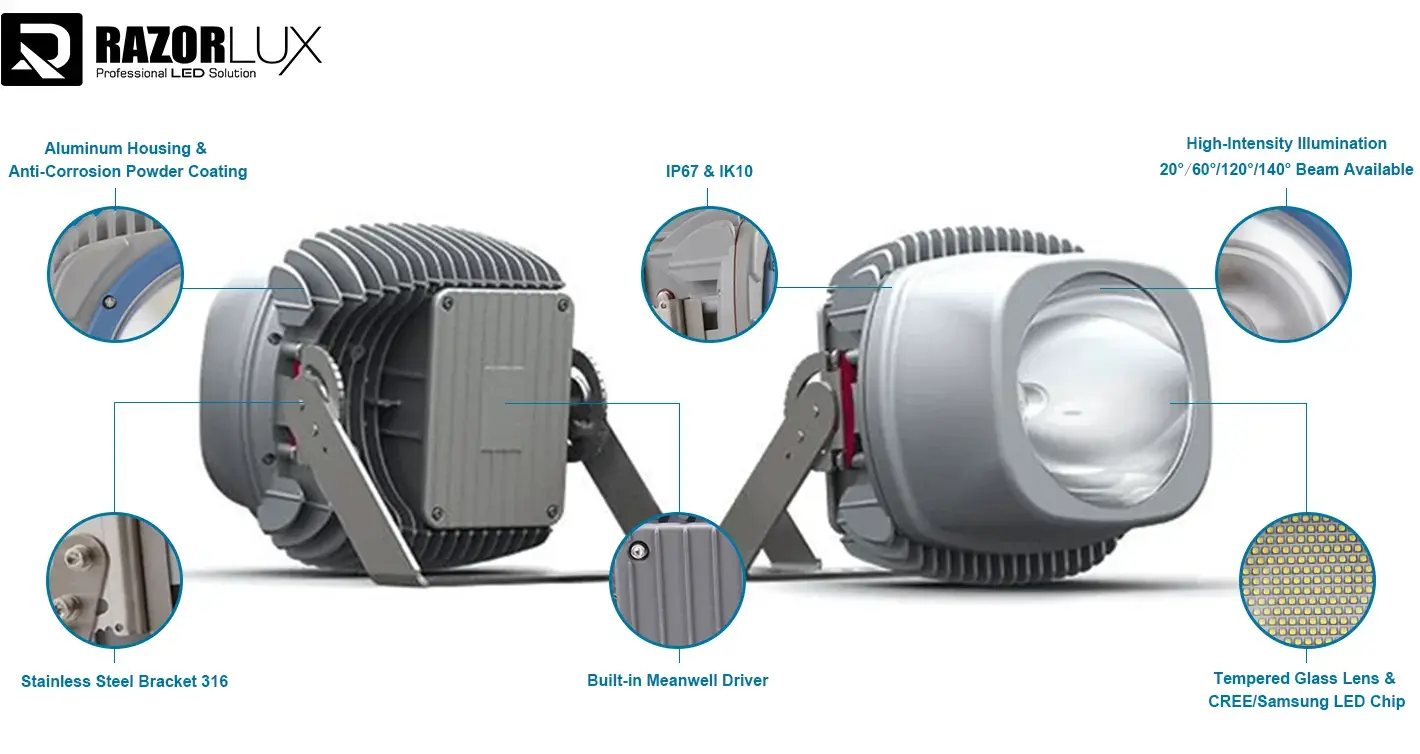
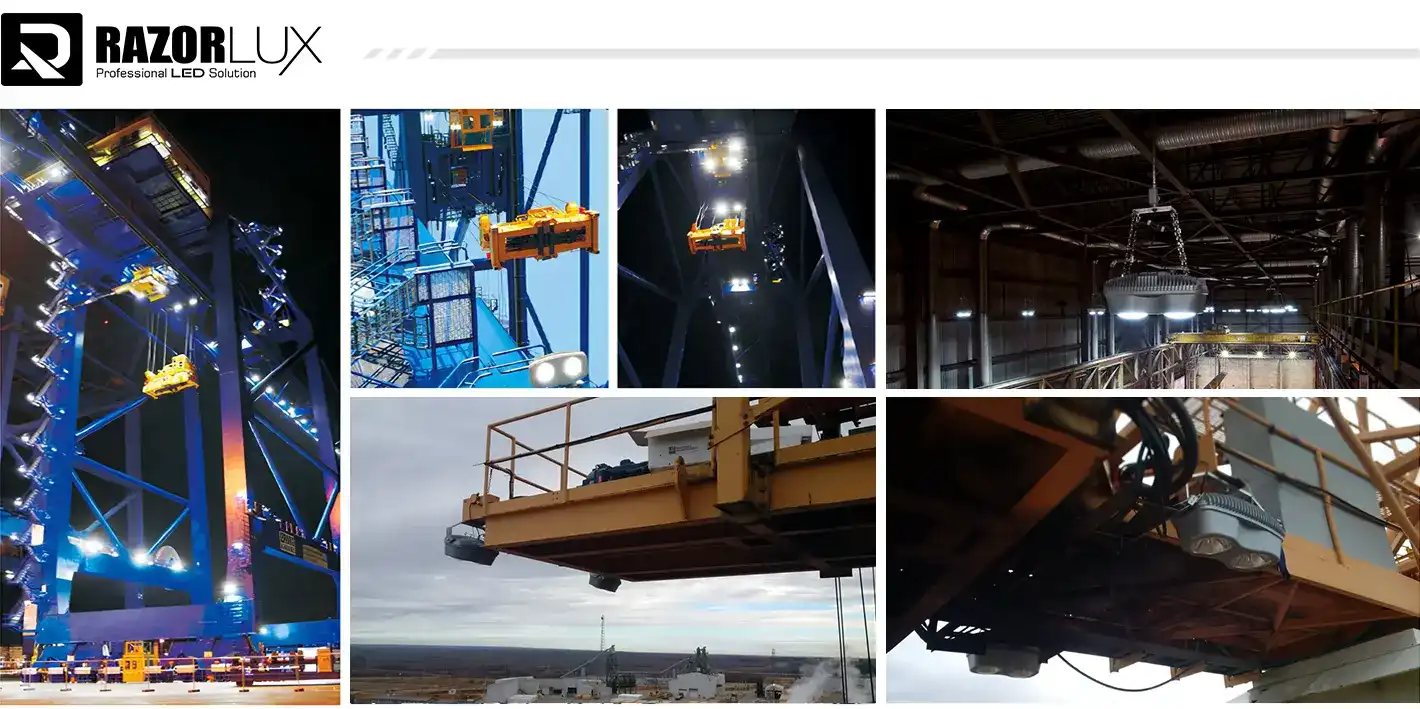
Lighting devices for Crane Boom Lights are an important part of safety in big industrial work. These special light units can be attached directly to cranes and shine directed light down to work areas and load zones from heights of more than 50 meters.
Traditional Power Requirements for Industrial Boom Lighting
Most standard Crane Boom Lights that use metal halide or halogen technology use between 300 and 400 watts. Crane electrical systems are put under a lot of stress by this large power demand, especially during long night shifts at shipyards, ports, and construction sites. The high wattage not only raises running costs but also creates too much heat, which shortens the life of parts and makes upkeep harder to do in places that are already hard to get to.
LED Technology Revolutionizes Energy Consumption
Modern LED Crane Boom Lights have changed the way power is used to light up heavy machinery. Razorlux's 150W LED lights give off 13,200 lumens and use 130 lumens per watt, which is less than half the energy of standard 300-400W lamps. This efficiency directly leads to less load on the engine and less fuel use for mobile crane activities. This difference is especially important when using multiple cranes at the same time at big port facilities or building sites.
Voltage Compatibility and Power Stability
Electrical problems are unique in places where industrial cranes are used. Voltage spikes, changes in power, and electromagnetic interference from heavy machines can all hurt light parts that are vulnerable. Crane Boom Lights that are good must be able to work with a wide range of voltages. Our units can accept either AC80-315Vac or DC80-400Vdc without the need for extra switches. This adaptability makes sure that different crane types and foreign voltage standards can work together, from 230V systems used in Norwegian shipyards to 380V three-phase power in Middle Eastern ports.
Calculating Actual Power Needs for Solar Integration
Procurement managers need to think about more than just wattage numbers when they plan how to integrate solar power. In real life, power use is affected by things like driver efficiency losses, cable resistance over long boom lengths, and environmental factors that change how well LEDs work. When system losses are taken into account, a 150W light may need 165–170W at the solar panel level. Also, places in high latitudes like Scandinavia have longer winter nights, so they need bigger battery banks to keep the lights on during 18-hour periods of darkness than places near the equator.
Challenges with Traditional Power Sources for Crane Boom Lights
Standard ways of delivering power to Crane Boom Lights on cranes cause operational bottlenecks that have a direct effect on project timelines and safety standards.
Wired System Limitations in Mobile Operations
Hard-wired Crane Boom Lights get their power only from the crane's main source, which means there is only one place where something could go wrong. At offshore platforms and movable docks, saltwater corrosion speeds up the breakdown of cables, leaving wires uncovered and causing short circuits. Over the course of six months, corroded wiring on the STS Crane Boom Lights caused 14 unplanned maintenance events at a shipyard in Singapore. Each event lost 4–8 hours of productivity during important container handling operations.
Generator Dependency and Fuel Cost Volatility
Diesel generators provide electricity to mobile cranes at remote mine sites and temporary construction sites. Fuel prices change quickly. For example, in Q4 2023, gas prices in different parts of Australia varied by 23% for mining activities. For a 12-hour night shift, a 400W halogen Crane Boom Light uses about 4.8 kWh, which, at normal generator efficiency rates, means it needs almost 2 litres of diesel fuel. When you have a lot of cranes working at the same time, fuel costs add up quickly and become a big part of project budgets.
Safety Hazards in Harsh Marine Environments
Crane booms with exposed electrical lines can kill you if they get wet, which happens a lot at ports and offshore sites. Standard faucets with an IP54 rating don't protect well enough against heavy rain and saltwater spray. We have records of situations where moisture getting inside led to internal arcing, which destroyed driver parts and created fire risks at heights where it is hard for emergency workers to get to. This risk is higher in places in the Middle East where summer temperatures are above 50°C and cause heat expansion that weakens seals.
Maintenance Complexity at Extreme Heights
To change a broken bulb or driver on a tower crane boom light, trained workers, specialised access tools, and often the full shutdown of the crane are needed. Crane rentals for big models usually cost between $200 and $400 an hour, which makes even regular repair pricey. One Russian shipyard found that replacing the lamps on their 85-meter tower Crane Boom Lights required $1,200 in labour and equipment rental alone. This did not include the cost of the new parts or the time lost from stopping lifting activities for maintenance windows.
How Solar Power Can Transform Crane Boom Lighting
By making energy systems that work on their own right where they are used, solar integration gets rid of the problems that come with traditional power delivery.
System Architecture for Solar-Powered Boom Lights
A full solar Crane Boom Lights system has four parts that are all linked and work together. Photovoltaic screens take in energy from the sun and turn it into direct current. This power goes to a charge sensor, which controls the voltage and keeps the battery from getting too charged, which can damage it. Deep-cycle batteries with a lot of energy storage can be used at night, and a clever power management system adjusts the rate of discharge to get the most runtime. Lastly, the LED fixture itself needs to be high-efficiency and use little power so that the battery doesn't drain too quickly. Our 150W unit meets all of these requirements with its 130 lm/W efficiency rating.
Site Assessment and Solar Panel Sizing
To find the right size solar panels, you must first figure out how much energy you use each day. A 150W LED that works for 12 hours a night needs 1,800 Wh (1.8 kWh) of saved energy. Taking into account the 15% loss in battery efficiency and the 5% loss in charge controller efficiency, the system needs about 2.14 kWh of solar power every day. In a place that gets five high sun hours a day, this needs about 430W of solar panel power. But places above 60° latitude may only get two or three peak sun hours in the winter, so they need panels with 700–900W ratings to keep charging.
Battery Bank Selection and Configuration
Deep-cycle lithium iron phosphate (LiFePO4) batteries are now the standard for industrial solar uses because they can last for over 3,000 cycles and work well in a wide range of temperatures. For one night of use, a 150W LED Crane Boom Light needs a battery with at least 150Ah at 12V (1,800Wh). Sites that need to be self-sufficient for 48 hours during long periods of cloud cover need 300Ah capability. Marine-grade battery casings with an IP67 rating keep cells safe from water and salt damage, which is very important in port and offshore sites where protecting the environment is key to the system's life.
Integration with Existing Crane Infrastructure
Adding solar power to Crane Boom Lights that are already there needs a careful study of their structure. Solar panels make cranes more vulnerable to wind loads, which are especially dangerous during storms. Panel mounting frames must meet the requirements set by the crane manufacturer so that they don't go over the boom load ratings. We worked with structural engineers at one Norwegian port to create a carbon fibre panel mounting system that was 40% lighter than aluminium frames. This made it possible to place enough solar panels without affecting the stability of the crane or its load capacity rating.
Real-World Performance Data from Port Operations
In 2022, six RTG cranes at a container port in Malaysia got LED Crane Boom Lights that were driven by the sun. Over 18 months of operation, they recorded 94% uptime, even on days when it rained nonstop during the monsoons. Compared to generator-powered halogen lights, the system saved 4,200 litres of diesel fuel a year, which saved $3,800 in direct fuel costs per crane. Maintenance costs went down by 67% because solar systems only needed their panels cleaned every three months and their batteries checked once a year, while generator systems needed service every month.
Choosing the Right Solar Lighting Solution for Your Crane
To choose the right solar Crane Boom Lights, you have to match technical requirements with practical facts and purchasing standards.
LED Versus Halogen Technology Comparison
There is a lot more to the technology gap between LED and gas Crane Boom Lights than just wattage. Our testing at Razorlux shows clear performance improvements across a number of factors that are important for making choices about industrial procurement.
| Parameter | Halogen Technology | LED Technology (Razorlux RGL-150P) |
|---|---|---|
| Power Consumption | 300–400W | 150W |
| Luminous Flux | 8,000 to 10,000 lm | 13,200 lm |
| Operational Lifespan | 2,000 to 3,000 hours | 50,000 hours or more |
| Color Temperature | 3,200K (yellow cast) | 2700K to 6500K (choose) |
| Warm-up Time | 2 to 3 minutes | Right away lighting |
| Vibration Resistance | Breakage of filaments is common | All one piece, no moving parts |
| Heat Generation | 320W of heat output | 15W of heat output |
This comparison shows why LED technology is now the only real choice for integrating solar panels. Because halogen uses so much power, solar panel systems that are too big and heavy for safe boom mounting would be needed.
Critical Procurement Parameters for Marine Applications
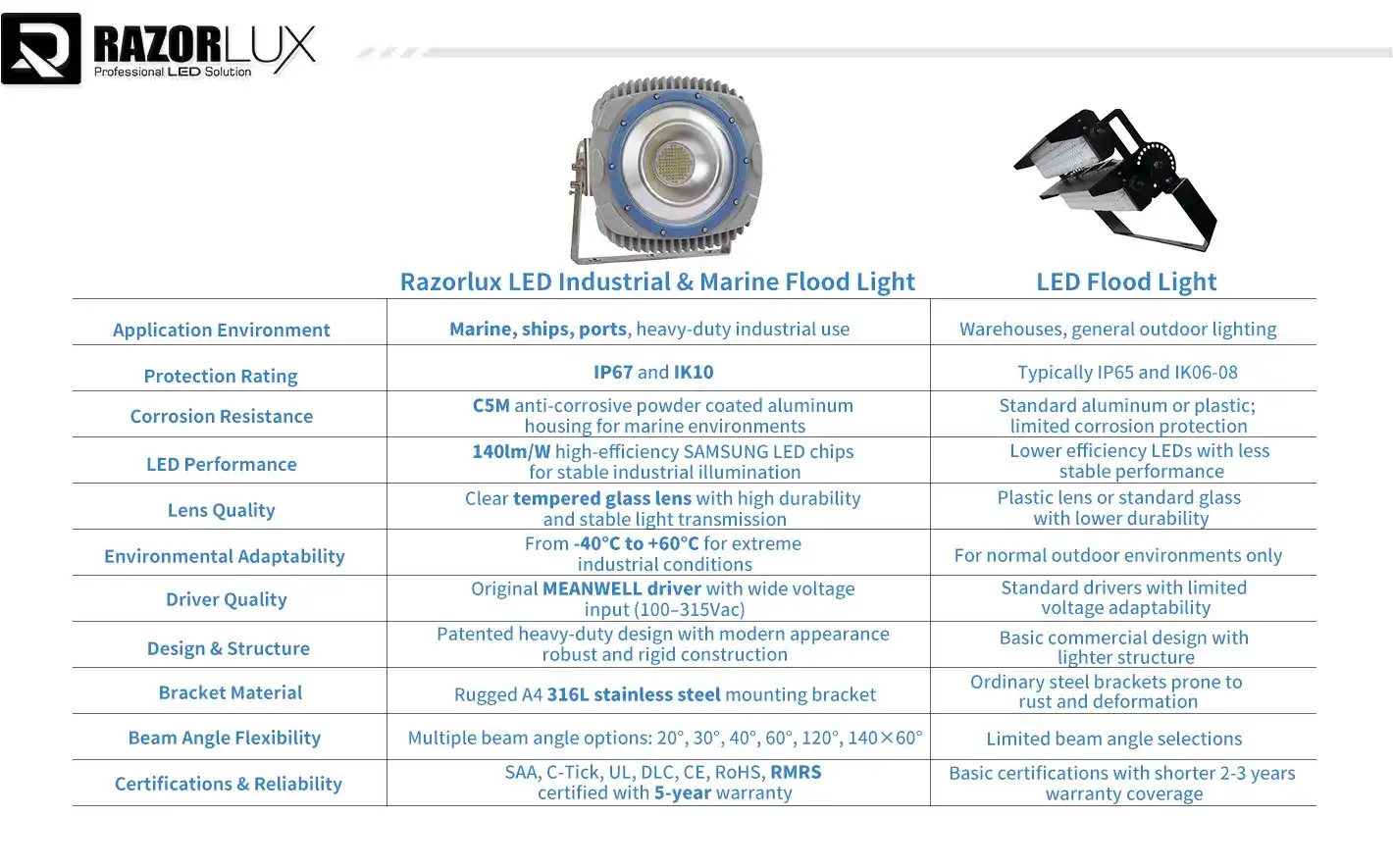
Before allowing the purchase of Crane Boom Lights, purchasing managers at shipyards and offshore sites must check certain technical details. The IP rating tells you how well something protects against water and dust getting in. IP65 rating is good enough for most industrial sites, but an IP67 rating (submersion resistant to 1 metre deep) is needed for offshore platforms where waves can fully soak crane structures. With an IK10 rating for impact protection, the fixture can take hits from hanging wires or flying objects without the lens breaking. For corrosion protection, stainless steel mounts are not enough. According to ASTM B117, the whole body must be made of marine-grade aluminium alloy and have a powder coating that can withstand at least 500 hours of salt spray. For our fittings, we use ADC12 die-cast aluminium with a multilayer powder coating that makes it resistant to salt spray for 1,000 hours or more. This has been tested in harsh settings like Russian Arctic ports and oil plants in the UAE.
Beam Angle Optimization for Height and Coverage
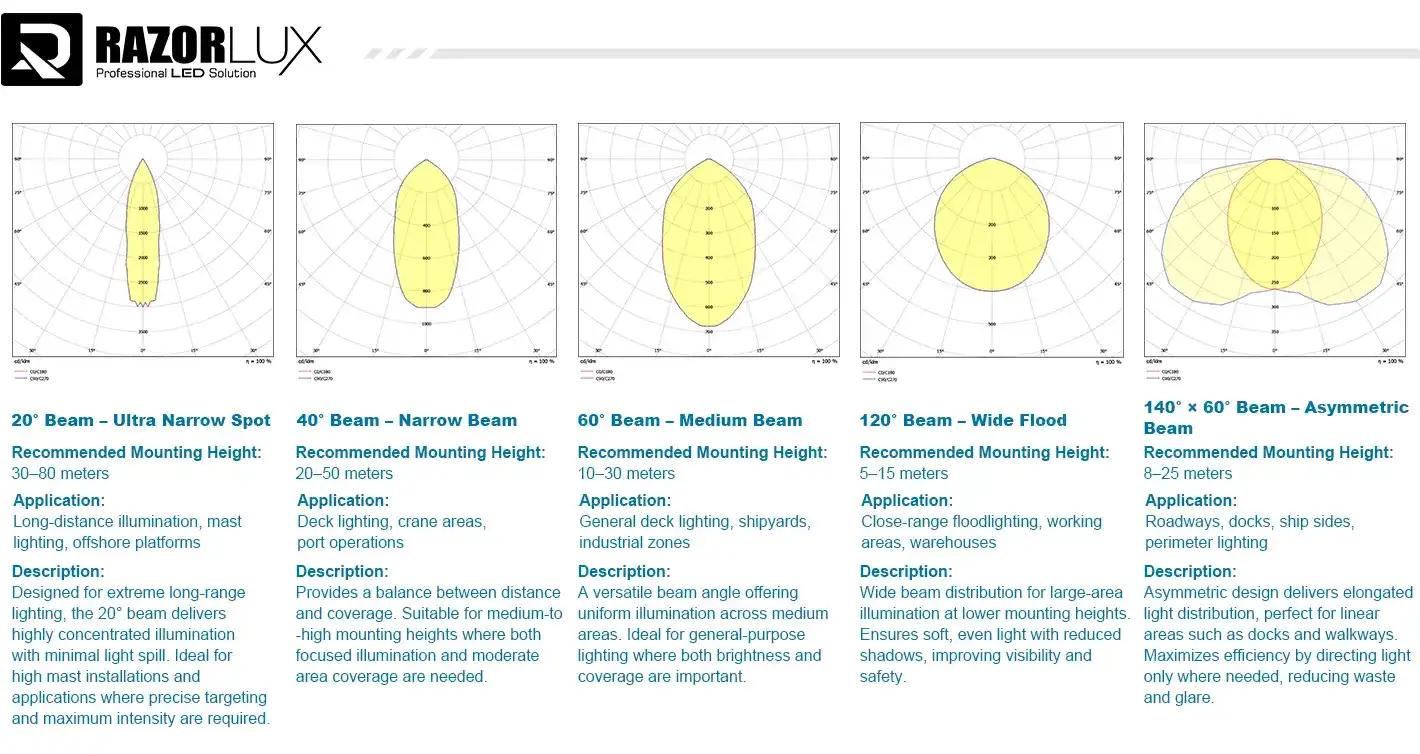
Boom-mounted lights work at very high altitudes, so they need precise optical design to provide useful light at ground level. A 20° narrow beam angle focuses the light into a focused column, so lost energy doesn't light up nearby areas or cause light pollution. It's especially important to do this on construction sites in cities where nearby homes can be affected. When a larger area of work needs to be lit up, low-mounted lights on mobile cranes with wide 60° beam angles work better. Based on the shape of your crane, our engineering team can do optical estimates that show how much light will reach different heights and distances.
Supplier Evaluation Beyond Product Details
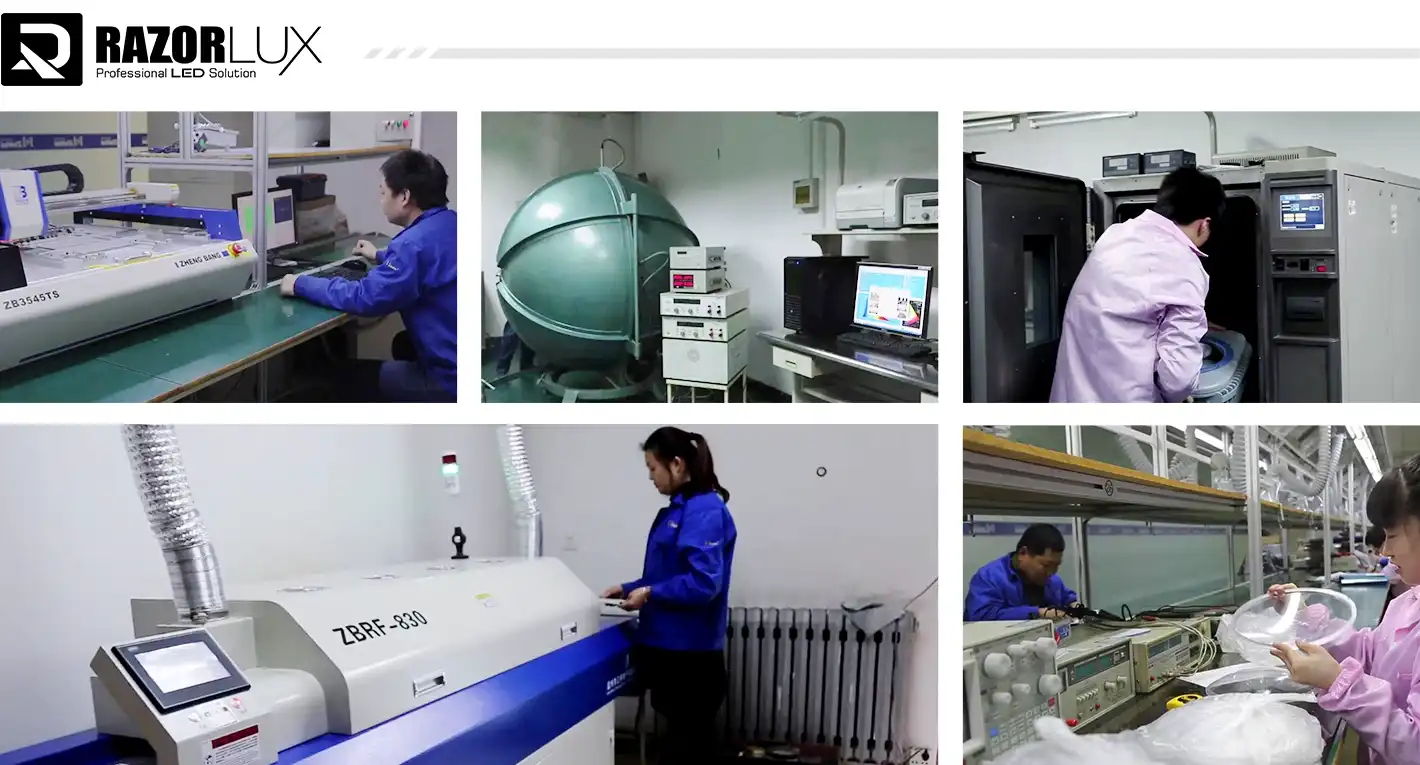
Tech sheets aren't the only thing that tells you about buying. Consistent output standards can be guaranteed by well-known makers with quality management systems that have been approved. Razorlux is certified by ISO 9001 and has production facilities that meet GMP standards. All arriving parts are carefully inspected before they are used. We only buy power drivers from Mean Well, which is the standard for reliability in the industry. We don't use generic alternatives that cut corners on long-term performance to save money. The length of the warranty shows how confident the maker is in the product's durability. Our 5-year warranty on LED modules and drivers is longer than the industry standard. It comes with fast technical support and replacement parts that are always in stock. This warranty is especially helpful for installations that are far away, where a broken part could mean a long wait for new parts to come in from foreign sources.
Maintenance Tips and Safety Standards for Solar-Powered Crane Boom Lights
Following the right maintenance steps and standards will make sure that solar crane boom light systems work reliably for as long as they are used.
Preventive Maintenance Schedule for Solar Components
In dusty industrial settings, solar panels need to be cleaned every three months to keep working well. If you clean the panels 20% less, they can produce 15% to 25% less power, which slowly drains the batteries until they can't run at night. Never use rough materials that would scratch the protective glass coating. Instead, use deionised water and soft microfibre cloths. Offshore, salt deposits build up quickly and need to be cleaned off once a month to keep crystals from forming that block the sun.A voltmeter should be used once a month to check the voltage under load and keep an eye on the health of the battery. When the battery is not being used, the voltage should stay above 12.8V, and when it is, it shouldn't drop below 11.5V. A big drop in voltage means that the cell is breaking down and needs to be replaced before it fails. Monitoring the temperature is also very important. Batteries that are constantly above 45°C lose their power faster, while batteries that are constantly below -20°C lose their power.
Inspection Protocols for Harsh Environment Applications
All mounting gear should be checked for rust or loosening from shaking every three months. Zinc-plated bolts and brackets are less likely to rust than stainless steel ones, but they still need to be inspected. Pay close attention to where cables enter and leave the system. Even small holes in cable glands let water in, which ruins connections. To get rid of moisture and stop oxidation, put dielectric grease on all of the electrical connectors. When bad weather happens, like tropical storms in Southeast Asian ports or winter ice storms in Scandinavia, you should immediately look over the panels to see if they are damaged, the mounting bolts have moved, or water has gotten into the battery cases. Early discovery stops small problems from getting worse and causing the whole system to fail during the next bad weather.
International Safety Certifications and Compliance Around the World
CE marking means that the product meets the safety, health, and environmental standards of the European Union. This is required for all equipment that works in EU member states, such as Norwegian and Danish ports. UL certification shows that a product meets North American safety standards, which are needed by many U.S. port authorities and Canadian shipyards. DNV GL and ABS certifications specifically cover marine equipment standards. This is especially important for uses that are mounted on ships and may be legally needed to have classification society approval. Our RGL-150P model has many international certificates, such as CE, RoHS (for dangerous substances), SAA (for Australian safety), C-Tick (for Australian EMC), UL, DLC (for North American energy efficiency), CB (for international safety), and ISO 9001 (for quality management). This set of certifications makes sure that buying rules are followed no matter where your building is located or what rules apply.
Electrical Safety in Solar DC Systems
Solar battery banks can store a lot of energy. For example, a 300Ah 12V system can store 3,600 watt-hours of electricity that can reach dangerous current levels. All links to batteries must use cables that are the right size and have the right overcurrent safety. Both the positive and negative conductors should be protected by fuses or circuit breakers rated for DC service. Not AC breakers, because they can't safely stop DC. Batteries need airflow to get rid of the hydrogen gas that is produced during charging. LiFePO4 batteries don't produce as much gas as lead-acid batteries, but areas that are closed off still need airflow holes with flame retardants. IEC 61140 safety standards say that all cabinets must have large warning signs that show DC voltage and electrical danger.
Conclusion
Solar-powered Crane Boom Lights lighting is a revolutionary way to light up factories because it doesn't need fuel, so it saves money and are better for the earth. When you combine high-efficiency LED technology with photovoltaic systems that are the right size, you get self-sufficient lighting systems that work great in harsh marine environments and remote areas. For implementation to go well, the sun resources at the site must be carefully evaluated, the batteries must have the right amount of space, and fittings must be chosen that are made to work in harsh industrial conditions. Following the right maintenance steps and following international safety standards will make sure that these systems work reliably for a long time, giving you a great return on your investment compared to traditional generator-powered options.
FAQ
Can solar-powered boom lights operate effectively during extended cloudy periods?
When it's cloudy outside, solar crane boom light systems keep working thanks to battery banks that are the right size and can store energy for several days. High-quality charge controllers have smart power management built in that makes the best use of discharge rates to increase runtime during times when solar generation is low. For high-latitude locations, systems usually have battery life of 48 to 72 hours. In tropical locations with more consistent sunlight, systems may only need 24 to 36 hours.
How does the lifespan of solar LED boom lights compare to traditional halogen fixtures?
The reported lifespan of LED Crane Boom Lights is over 50,000 hours, while the rated lifespan of gas lamps is only 2,000 to 3,000 hours. This means that it can work continuously at night for 6–8 years, while light technology can only do it for less than a year. Solid-state LEDs don't have weak filaments that break when the crane shakes, and high-quality parts like Mean Well power sources make sure that the driver lasts as long as the LED module.
Are solar boom lights compatible with all crane types and configurations?
Solar lighting systems can be used with different types of cranes, such as tower cranes, mobile crawlers, RTG and STS port cranes, and offshore platform pedestal cranes. Customisation takes into account specific mounting needs, boom shape, and load limits on the structure. Our engineering team does thorough load calculations and comes up with safe mounting options that don't affect the crane's certification or ability to work.
Partner with Razorlux for Advanced Crane Boom Light Solutions
With more than 20 years of experience as a top maker of Crane Boom Lights, Razorlux offers solar-compatible LED lighting systems that are designed to work in harsh naval and heavy industrial settings. Our RGL-150P model has a multi-function design that is covered by a patent and has been tested and proven to be reliable. It has an efficiency of 130 lm/W, IP67 ingress protection, and a number of foreign certifications, such as CE, UL, DNV, and ABS approvals. Each unit comes with a Mean Well power supply and our industry-leading 5-year guarantee. We also offer quick technical help and keep replacement parts in stock to keep downtime to a minimum. Contact our procurement specialists at sam@razorlux.com to talk about your specific application needs, ask for technical documentation, or set up an evaluation sample. Our team provides quick quotes with full specifications to help you make confident decisions about where to get materials for your next project.
References
1. International Maritime Organization. "Guidelines on Energy Efficient Operation of Ships." Marine Environment Protection Committee, 2023.
2. Society of Naval Architects and Marine Engineers. "Lighting Design Standards for Shipboard and Offshore Installations." Technical Research Bulletin, 2022.
3. American Society of Testing and Materials. "Standard Practice for Operating Salt Spray Apparatus." ASTM B117-19, 2019.
4. International Electrotechnical Commission. "Photovoltaic System Performance Monitoring—Guidelines for Measurement, Data Exchange, and Analysis." IEC 61724-1:2021.
5. Det Norske Veritas. "Rules for Classification of Ships—Electrical Installations." DNV GL Rules and Standards, 2023.
6. Institute of Electrical and Electronics Engineers. "Recommended Practice for Industrial and Commercial Power Systems Analysis." IEEE Standard 399-2021.
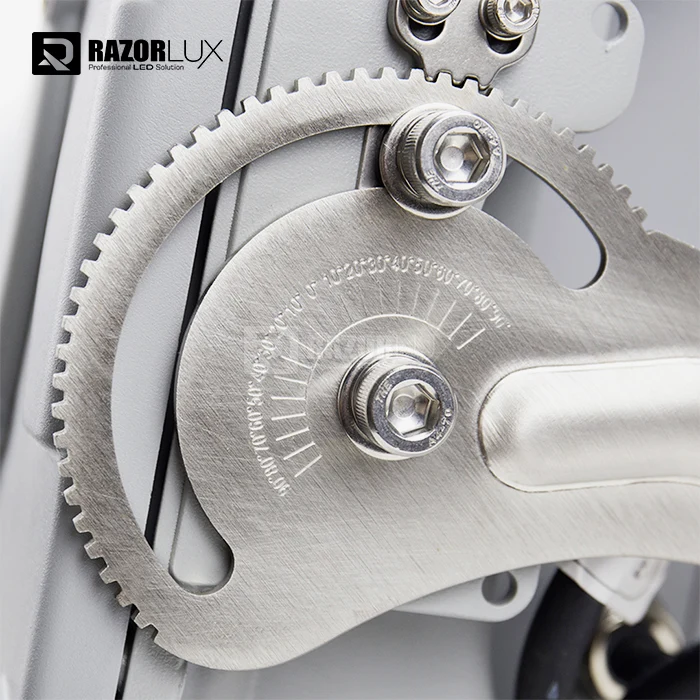 VIEW MORE12v led marine deck lights
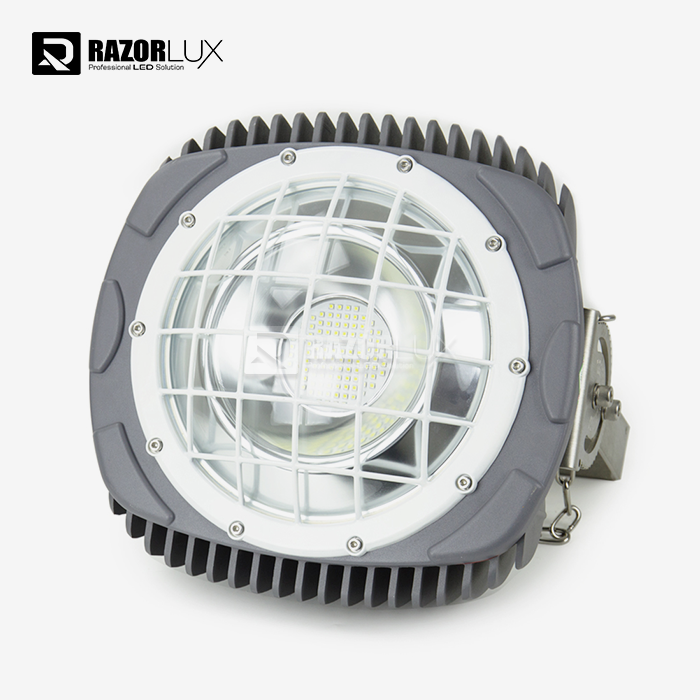 VIEW MOREmarine led flood light
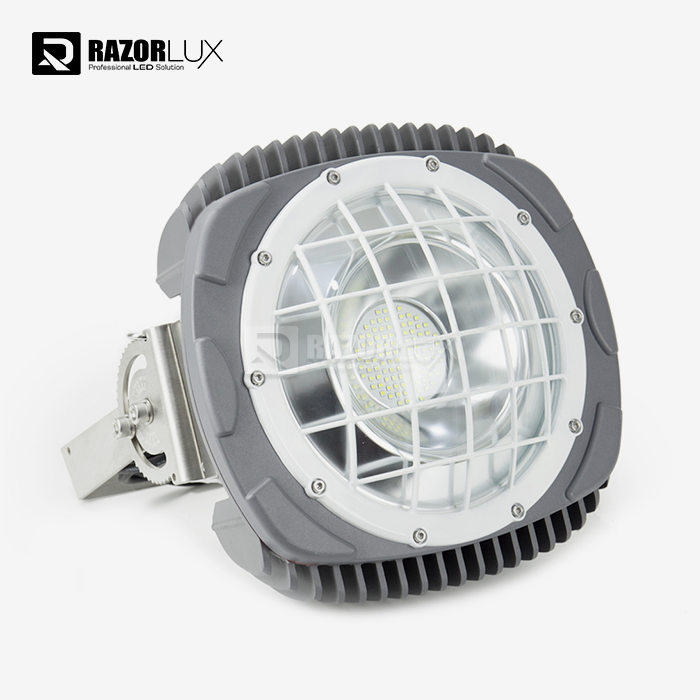 VIEW MORE12v led flood lights waterproof
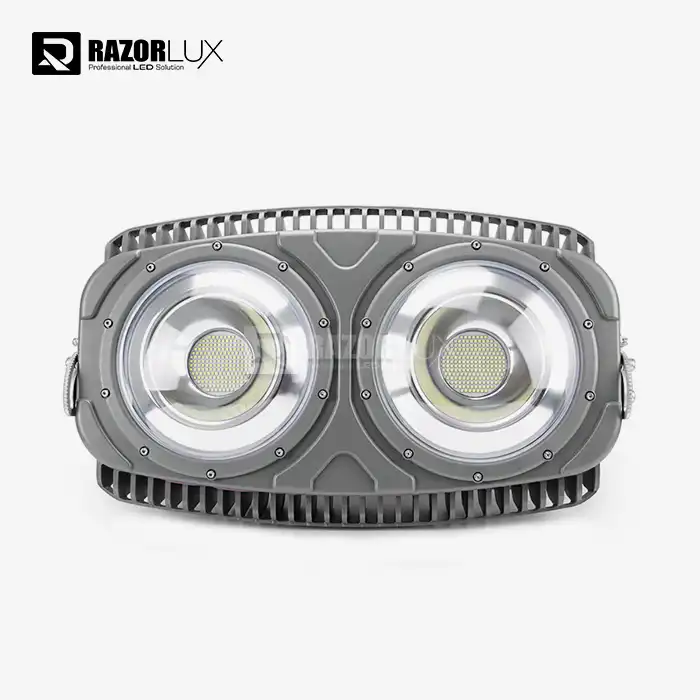 VIEW MORE1000 Watt Led Stadium Light
 VIEW MOREAluminum Alloy Lamp Body Material And LED Light Source Portable Outdoor Sports Lighting
 VIEW MORELed Sport Court Lights
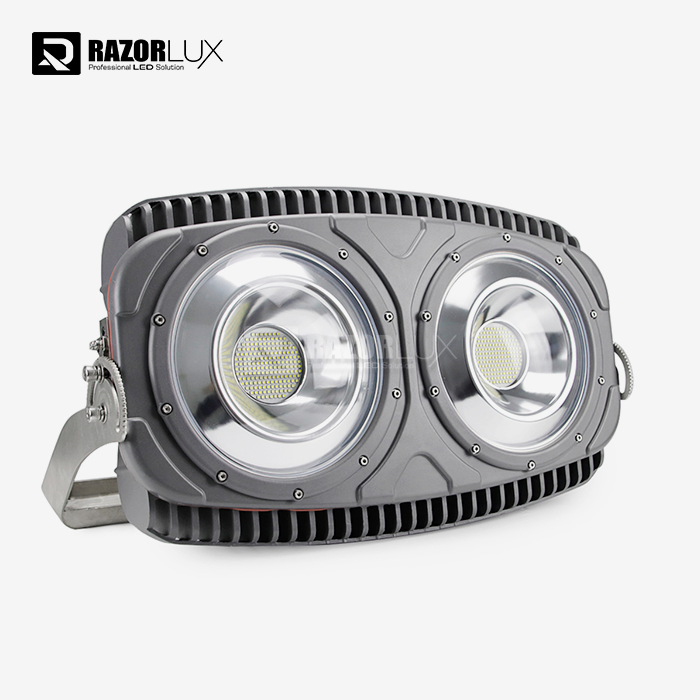 VIEW MORELed Lights For Football Fields
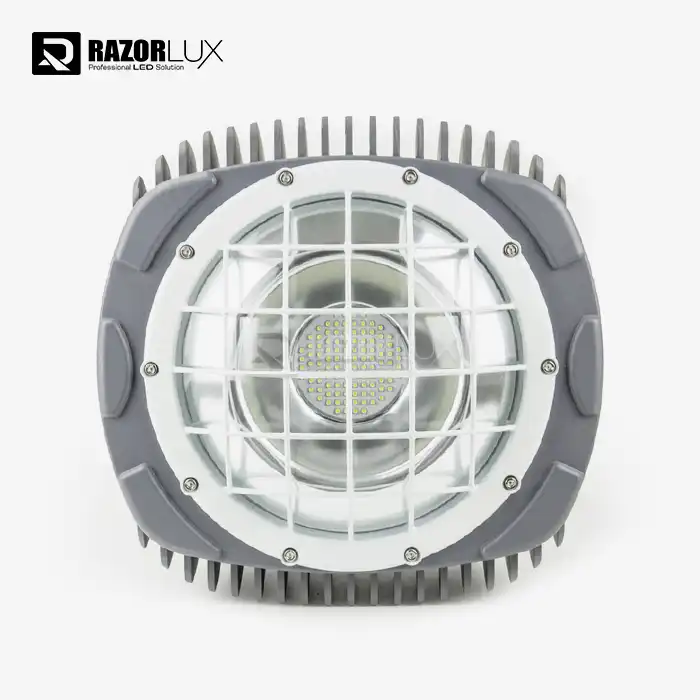 VIEW MOREBest Led Floodlights