


_1750326878398.png)

Is the Most Powerful Flood Light Energy Efficient or Not?
When looking at high-intensity industrial lighting, how energy-efficient it is becomes the most important thing. Yes, the Most Powerful Flood Light can use very little energy, but only if it has high-quality driver systems and modern LED technology that manages heat well. When compared to older halogen or metal halide flood lights, modern LED-based high-wattage flood lights are much more efficient at producing light, often hitting 130 lumens per watt or higher. This means that they are much cheaper to run. The key is to understand the technology behind the lighting and how makers balance performance with power use to meet the strict needs of business, industrial, and marine uses.
Understanding High-Intensity Flood Lights and Their Power Consumption
What Defines a High-Wattage Industrial Flood Light
Industrial flood lights with high power usually use between 500W and 1200W and are made to light up big areas. These lamps give off huge amounts of lumens—often more than 100,000 lumens—that light up large areas like factories, port hubs, and offshore platforms. The energy doesn't tell the whole story; what counts is how the power is used and how much light is produced. A 1200W LED bulb that produces 156,000 lumens is much more energy-efficient than a 2000W metal halide lamp that produces the same amount of light. The technology behind these lights has changed a lot in the last ten years. Traditional incandescent and HID (High-Intensity Discharge) systems wasted a lot of electricity by turning it into heat instead of visible light. This made them less efficient and caused building managers to have to pay high energy bills. Modern LED systems change this equation by using semiconductor technology to direct electrical energy directly into making photons, which reduces the amount of heat that is wasted.
The Technology Behind LED Efficiency in Marine Applications
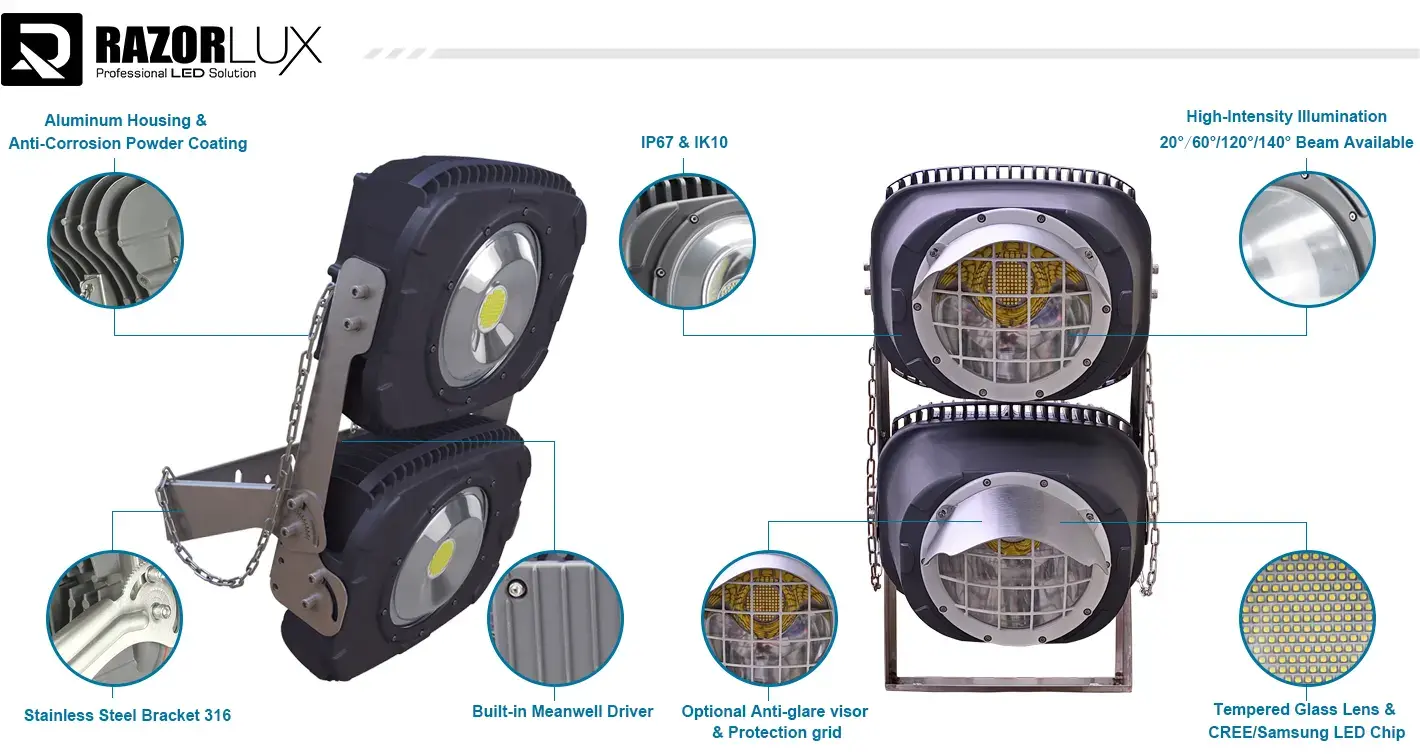
The effectiveness of LED flood lights comes from a few main technological parts. The base is made of high-quality chips from companies like Samsung and Philips that turn electricity into light with little energy loss. When these chips are paired with advanced driver systems, like Mean Well power supplies, they control voltage and current to keep performance at its best even when the input conditions change. In harsh maritime environments where voltage changes are common, being able to accept a wide range of input voltages (AC90-305V or DC127-431V) keeps power from being wasted on inefficient conversion processes. The power factor of the driver is also very important; good units keep their power factors above 0.95, which makes sure that the electricity taken from the grid is used usefully and not wasted as reactive power. Thermal control is another important factor for efficiency. LED chips work best when they are kept cool. Too much heat lowers the amount of light they produce and shortens their life. The latest heat sink designs, which use aluminum alloy housings with optimized fin patterns to get rid of heat, keep junction temperatures within safe working ranges, even in hot regions or confined industrial areas.
Comparing Energy Consumption: LED vs Traditional Technologies
When real data on energy use is looked at, the difference in efficiency between LED and standard lighting systems becomes very clear. Taking into account ballast losses, a 1000W metal halide light usually takes 1150W from the grid and puts out about 80,000 lumens, which is about 70 lumens per watt. A well-designed LED light using 1200W gives off 156,000 lumens, which is 130 lumens per watt. Besides just efficiency numbers, operating trends show even more savings. Traditional HID lights need 10 to 15 minutes to reach full brightness after being turned on, and they can't be turned back on right away after being turned off. LED systems light up instantly and can be switched on and off an infinite number of times without losing any of their functionality. This means they can be used with motion sensors and smart settings that cut down on needless runtime. The quality of the colors and range also affects how well they work. It is possible to fine-tune LEDs to give color temperatures between 2700K and 6500K, which makes them better for certain jobs. Cool white temperatures (5000K to 5700K) help crane operators and dock workers see contrast and depth better, which increases safety while using the same amount of energy.
Evaluating Real-World Energy Performance in Demanding Environments
Luminous Efficacy as the Core Efficiency Metric
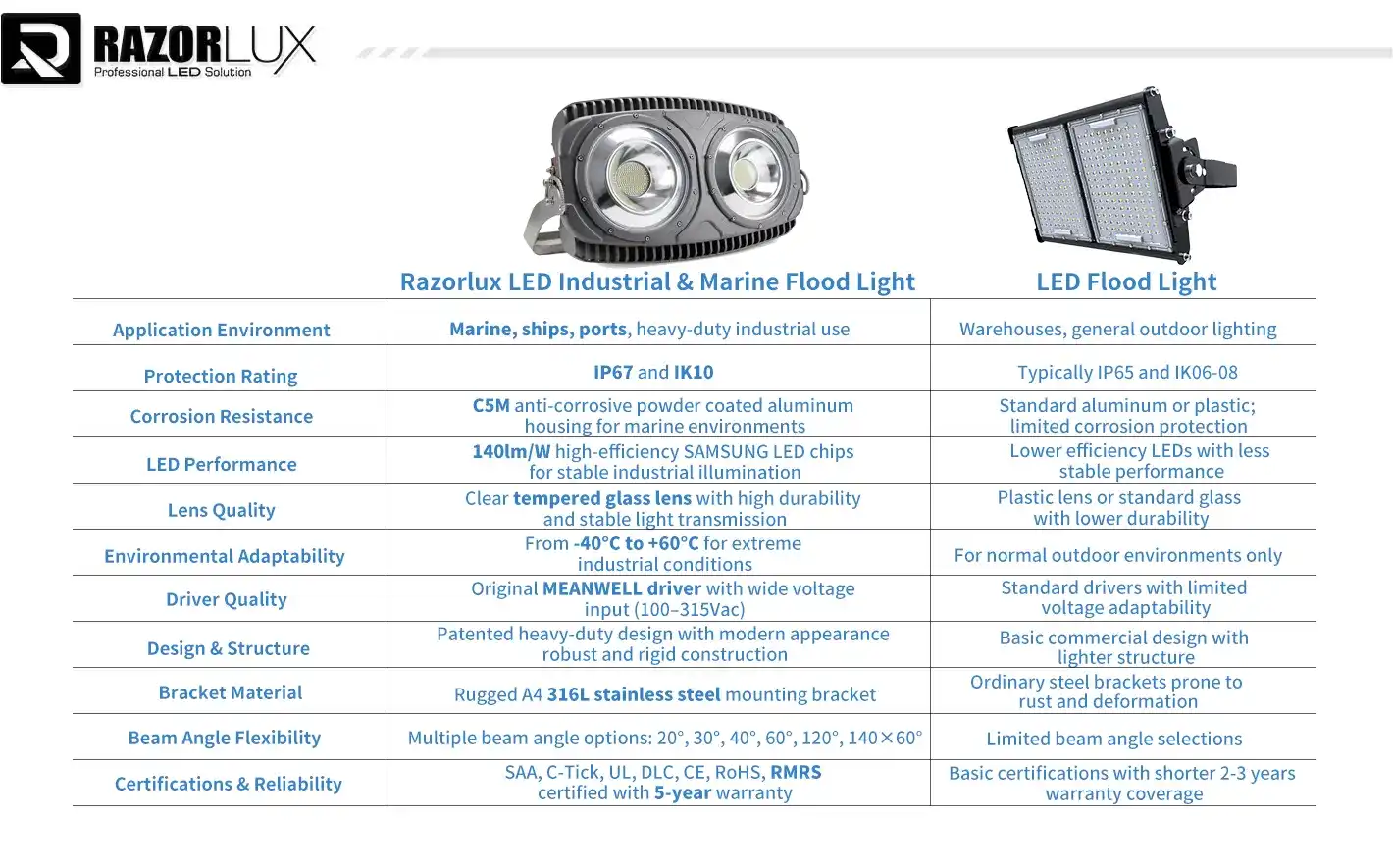
Most Powerful Flood Light. The main way to tell how well a light bulb turns electricity into visible light is to measure its luminance effectiveness in lumens per watt (lm/W). This measure gives buying managers who are looking at industrial flood lights a quick look at how they will affect running costs. A light that can produce 130 lm/W is a big improvement over older technologies and even earlier versions of LEDs that had trouble producing more than 100 lm/W. However, system efficacy is not the same as chip efficacy. In the lab, LED chips can reach 170-180 lm/W, but the whole setup usually only gives 70–80% of that theoretical maximum. This is because of driver losses, visual losses through lenses, and heat effects. This is where good production sets high-end equipment apart from cheap imitations. Razorlux goods stay as efficient as their reported 130 lm/W because they have strict quality control and choose the best parts. In real life, efficiency is also affected by environmental factors. Fixtures in marine settings have to deal with salt spray, humidity, and temperature changes from -40°C to 60°C. To keep their performance stable, they need strong engineering. IP67-rated shelters with marine-grade powder coating (C4/C5 rust protection) keep the internal parts from breaking down, which would lower the light output and efficiency over time if it happened.
Heat Management and Its Impact on Operational Efficiency
In high-power LED applications, thermal performance is directly related to how much energy the LED uses. When the temperatures at the junctions of LEDs go above the best limits (usually 85°C), the light output goes down while the energy usage stays the same. This makes the LEDs less efficient. This effect, called thermal droop, happens in all LED systems, but it's more noticeable in high-wattage setups where heat production goes up. High-end flood lights use more than one way to control heat. Housings made of aluminum metal and a lot of fins make the most of the surface area for passive cooling through sunlight and natural airflow. Heat pipe technology or phase-change materials are used in some modern designs to move heat away from important parts. It's also important where the LED chips are placed in relation to the heat sinks so that heat moves outward efficiently and doesn't build up around sensitive electronics. Stainless steel mounting brackets do more than just hold things together; they also help heat escape by moving heat from the fixture body into the mounting structures. This unified approach to thermal design makes sure that parts keep working at the recommended level even when they are used 24 hours a day, seven days a week in industrial settings where temperatures are already high.
Driver Quality and Power Factor Considerations
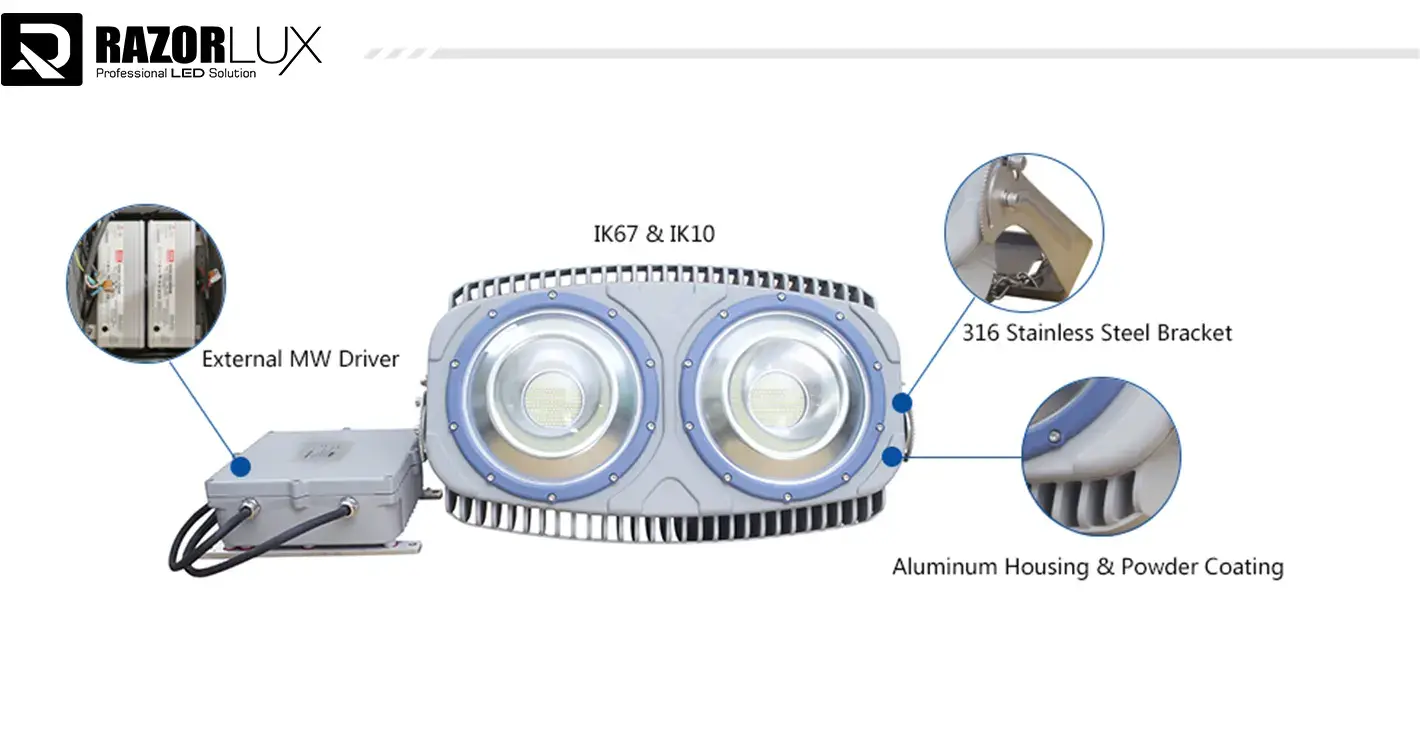
The power source driver is an important part that is often forgotten when people talk about economy. When AC is converted to DC inefficiently and power factor performance is bad, low-quality generators cause big loses. Mean Well drivers are known all over the world for being reliable. They keep conversion efficiencies above 92% while delivering stable output across the wide voltage ranges needed in marine and industrial applications. Power factor is a measure of how well electrical current does useful work versus just oscillating through the circuit without producing anything. Fixtures with power factors lower than 0.90 draw too much current for the amount of power they use. This raises distribution losses in the building's electrical system and could lead to energy fees for industrial users. Power factors above 0.95 are maintained by high-quality LED lights, which makes sure that the grid is used efficiently. Surge safety built into driver systems stops efficiency loss caused by voltage spikes that happen in marine and industrial settings. Standard 10kV surge protection, which can be raised to 20kV for high-risk areas, protects sensitive electronics from short-term overvoltages that would damage parts and shorten their useful lives.
Practical Selection Criteria for Energy-Efficient Industrial Lighting
Matching Wattage and Output to Application Requirements
Instead of just picking the best power number, choosing the right bulb wattage takes a careful study of how much light is needed. Over-specification loses time, money, and effort, while under-specification makes things less safe and less efficient. For ship deck tasks that need 50–100 lux at deck level, a properly placed 1200W bulb with the right beam angle can light up 800–1200 square meters, so you don't need to use several lower-wattage units. Beam angle choice has a big effect on coverage and economy. Narrow beams (15°–30°) focus light over long distances, which is great for crane operations and border security. Wide beams (120°–140°), on the other hand, light up large areas evenly. Razorlux lights have seven different beam angles, so they can be perfectly matched to different work situations without wasting energy on extra light. The mounting height also affects the area and power that is needed. At 30 to 40 meters, high-mast setups need more power to make up for the loss of light over distance, while lower hanging places can reach the target with less power. Professional lighting estimates, which can be gotten through Razorlux's technical advice service, help choose the best fixtures to use the least amount of power while still meeting lighting standards.
Color Temperature Selection and Visual Efficiency
Most Powerful Flood Light Color temperature has small but important effects on both how we see things and how much energy we use. Cool white temperatures (5000K to 6500K) improve contrast detection and vision, letting workers do their jobs more quickly and accurately with less total illumination. This means that they get better useful performance from the same amount of energy input. Warmer temps (2700K–4000K) make places more relaxing, but they may need more light to be able to see the same tasks clearly. For marine uses, cooler temperatures are better. They improve depth perception, which is important for navigation and moving goods, make CCTV cameras work better for security systems, and keep bugs away compared to brighter color temperatures, which means that fixtures don't need to be cleaned as often. Advanced lights have a color temperature range that can be changed from 2700K to 6500K, which lets specifications be matched to specific practical goals. The color rendering index (CRI) also has an effect on how well the fixture works. For basic industry uses, CRI values around 70 are fine, but for tasks that need to accurately identify colors, like paint checking or electrical work, values above 80 are best. Higher CRI usually comes with some small losses in efficiency, but the practical benefits in the form of lower mistake rates and higher safety usually make up for this.
Durability Factors That Affect Long-Term Efficiency
Ratings for ingress safety have a direct effect on how well something works over time. IP67-rated fixtures fully stop dust from getting in and can handle being submerged in water for a short time. This is necessary to keep the fixtures clean and maintain temperature performance in marine settings. Internal contamination from dust or wetness lowers the amount of light that passes through optics and insulates heat-generating parts, which lowers output and efficiency over time. Impact resistance (IK ratings) keep fixtures from getting broken, which would lower their performance. Fixtures with an IK10 rating can survive hits of 20 joules of force, which is about the same as dropping a 5 kg mass from 40 cm. In workplace areas where moving equipment, hanging loads, or trash are always a danger, this safety is very important. A broken device with cracked glasses or shifted parts doesn't work well, even if it's still useful. Corrosion resistance is more than just a matter of looks. Unprotected metals break down quickly in saltwater settings, finally getting through seals and contaminating internal parts. Marine-grade powder paint (C4/C5 standards) and stainless steel parts make sure that the fixture's safety shields stay in place for its entire operating life, keeping up with efficiency standards instead of slowly dropping.
| Efficiency Factor | Impact on Performance | Razorlux Solution |
|---|---|---|
| Luminous Efficacy | Direct correlation between power input and light output | 130 lm/W system efficiency with Samsung/Philips chips |
| Thermal Management | Prevents efficiency loss from heat-induced degradation | Aluminum alloy housing with optimized heat sink design |
| Power Factor | Determines actual grid efficiency and utility costs | Mean Well drivers maintaining >0.95 power factor |
| Optical Cleanliness | Maintains light transmission over operational lifetime | IP67 sealing prevents contamination and moisture infiltration |
| Component Quality | Ensures sustained performance without gradual degradation | 5-year warranty backed by rigorous quality control |
Installation Practices That Maximize Energy Efficiency
The best way to distribute light and use energy efficiently is to place the system correctly. When the lights are directed too high, they spill too much light into the night sky. This wastes energy and adds to light pollution without being useful. On the other hand, bad shooting causes dark spots that need more light to make up for. Professional installation planning, which includes optical formulas, makes sure that the system has the best coverage with the least amount of overall watts. Connecting it to control systems makes it even more efficient. Motion monitors cut down on runtime in areas that are only occasionally used, and lowering features lets the strength be changed to match real operating needs. During times of low activity, a device that runs on 50% power uses about 50% less energy and makes parts last longer by reducing heat stress. Integrating smart controls is one of the most cost-effective ways for building managers to boost efficiency. Scheduling maintenance affects long-term efficiency. Optical surfaces get salt layers, dust, and other airborne pollutants that make it harder for light to pass through. Cleaning regularly—maybe every six months for marine installations—restores design performance without having to replace fixtures. This easy maintenance task can bring back 15 to 20 percent of the light output that was lost due to surface dirt, making the system more efficient without spending any money.
Strategic Procurement Considerations for Industrial Lighting Projects
Total Cost of Ownership Analysis Beyond Purchase Price
In industrial settings where fixtures are used for 4,000 hours or more a year, energy costs usually make up 70 to 80% of the total cost of ownership over the fixture's lifetime. For 4,380 hours of use, a high-end LED fixture that costs $1,200 and uses 1200W at $0.12 per kWh costs about $630 a year in power. Over 10 years, the energy costs add up to $6,300, which is a lot more than the original expense. Even a 10% increase in efficiency saves $630 over the life of the device. The cost of maintenance is also a big factor. Traditional HID lights need to be replaced every 10,000 to 15,000 hours, which costs money for both the materials and the work. This is especially hard for high-rise installs that need a crane or lift. LED lights that last 50,000 hours or more don't need to be replaced as often, which saves thousands of dollars just in work costs. Razorlux lights come with 5-year guarantees that cover performance decline and protect against the costs of premature failure. Downtime costs vary by application but usually go over direct costs. If a container processing light breaks down and the port can't work for a few hours while it's fixed, it can cost thousands of dollars in lost supplies and idle equipment. Fixtures that are reliable and have good parts lower the number of times they break, which improves business consistency in more ways than one.
Certification Requirements and Their Practical Implications
International approvals back up the boasts of efficiency and make sure that operations are safe in harsh conditions. When something has the CE marking, it means it meets European safety and performance standards. When it has the UL marking, it means it meets North American standards. For maritime uses, DNV/GL and ABS certifications make sure that fixtures meet minimum standards for quality, efficacy, and resistance to vibration, corrosion, and shock. DLC (DesignLights Consortium) certification makes sure that fixtures are energy efficient and meet minimum efficacy thresholds. Products on the DLC list can often be eligible for utility refunds and other reward programs that lower the initial cost of purchase. These programs can even help you recover 20 to 30 percent of the cost of installing fixtures. During the planning stages of a project, procurement managers should check the state of certifications and look into available reward programs. RoHS compliance gets rid of dangerous materials like lead and mercury, making removal easier and supporting goals for environmental responsibility. This approval is especially important for government projects and groups that care about the environment and have sustainability goals. Razorlux's wide range of certifications, including CE, RoHS, SAA, C-Tick, UL, DLC, CB, and ISO:9001, shows that the company is dedicated to quality security and world compliance.
Evaluating Manufacturer Technical Support and Customization Capabilities
The ability to provide technical help has a big effect on the success of a project, especially when it comes to complicated setups that need unique solutions. Manufacturers that offer lighting layout design and brightness estimates, such as Razorlux, help plan systems so they work as efficiently as possible from the start, avoiding wasteful over-specification or performance gaps caused by inadequate specification. Access to optical models gives you faith in the design's performance before you spend money on it. Customization options meet the needs of specific applications without sacrificing efficiency. Fixtures can easily be added to current systems by using adjustable beam angles, changed mounting clamps, or custom wire entry setups. Manufacturers with in-house engineering teams and patent portfolios (Razorlux has 436 patents, and more than 300 more are active) show they can come up with new ideas and have a lot of technical knowledge to meet the specific needs of each project. Reliability in the supply chain saves project timelines and budgets. Manufacturers with well-established quality control systems (ISO 9001 approval since 2001), dedicated production sites, and the ability to ship goods all over the world reduce the risk of late deliveries. Risk is lower when samples can be sent for technical review before large-scale purchases are made. This lets engineering teams check performance claims through hands-on testing in real-world working conditions.
| Specification Parameter | Standard Range | Razorlux RGL-1200P | Procurement Advantage |
|---|---|---|---|
| Rated Power | 800W-1500W | 1200W | Optimized the balance between output and consumption |
| Luminous Efficacy | 100-140 lm/W | 130 lm/W | Reduces operational costs by 30-40% vs HID |
| Input Voltage Range | 100-277V typical | AC100-305V / DC127-431V | Eliminates external transformers in variable power environments |
| Color Temperature Range | Fixed or 3000K-5000K | 2700K-6500K adjustable | Single SKU serves multiple applications |
| IP Rating | IP65-IP66 | IP67 | Superior moisture and dust protection extends lifespan |
| Warranty Period | 2-3 years typical | 5 years | Reduces replacement costs and demonstrates manufacturer confidence |
Regional Market Considerations and Procurement Channels
Different regional markets have very different ways of buying things. In the Nordic areas, the energy economy and environmental sustainability are very important. To make this happen, building rules and buying policies often set specific performance standards. Eastern European markets find a balance between performance needs and cost concerns, placing a high value on dependable providers who can provide regular quality at prices that are competitive. Because of the harsh weather in Southeast Asia, ports put a high priority on rust protection and typhoon-rated structural stability. There are pros and cons to working with established resellers versus direct maker relationships. Distributors offer regional help, easier transportation, and one place to buy a lot of different types of products. Direct contacts with manufacturers give you access to technical know-how, the ability to make changes, and possibly better prices for big jobs. Razorlux has both direct sales and networks of distributors, so they can adapt to the needs of each project and the tastes of the company. Shipping operations affect the overall costs and plans of the project. International fast shipping (3–7 days) is best for quick repairs or replacing broken equipment. Sea freight (15–50 days) is better for planned new building projects with more open schedules because it saves money. Procurement managers can get the best deals on projects without sacrificing plans if they know the trade-offs between shipping speed and cost.
Emerging Technologies Shaping Future Lighting Efficiency
Advanced LED Chip Developments and Driver Innovations
Most Powerful Flood Light The science behind LED chips keeps getting better. In the lab, the next version of chips is getting close to 200 lm/W. Commercial applications are behind the latest study, but things are getting better all the time. Soon, high-end lights will be able to achieve 140–150 lm/W system efficiency. Better semiconductor materials, optimized crystal structures, and better phosphor coatings make these improvements possible. These coatings better convert blue LED emissions into broad-spectrum white light. Wide-bandgap semiconductor technologies, such as gallium nitride (GaN), help driver electronics work more efficiently and in smaller spaces while producing less heat. These improvements make it possible for higher power levels, which means more wattage in smaller packages, while keeping or even better economy. Digitally controlled drivers allow exact output management and support advanced control methods that make the best use of energy based on usage, daylight availability, or working plans. Smart monitors that are built in are another big step forward in efficiency. Ambient light sensors turn down lights automatically when natural light adds to the total brightness, cutting down on the need for extra artificial lighting. Occupancy monitors make sure that lights only turn on in areas that are being used. This is especially helpful in big industrial buildings where activity patterns change between shifts and zones.
Regulatory Trends Driving Efficiency Standards
Regulations on energy saving are getting stricter around the world, especially in rich markets. The Ecodesign Directive of the European Union sets basic efficiency standards and moves out technologies that aren't efficient. Similar programs in mature Asian countries and North America push makers to keep making their products more efficient. Baseline product quality is getting better across the board, which is good for procurement managers. Government incentive programs reward investments in efficiency with tax credits, refunds, or faster depreciation. These programs effectively lower the price difference between high-end, energy-efficient lighting and simple options. This makes it easier to figure out the return on investment for buying things that are good for the environment. Staying up to date on available programs—which change yearly and depend on region—is the best way to get the most out of your investments in efficiency. More and more, corporate green pledges are driving buying policies that aren't based on government rules. Companies that want to be carbon neutral or get LEED approval for their buildings put energy-efficient infrastructure at the top of their list of priorities as a way to track their progress toward their environmental goals. One of the easiest ways to show your commitment to sustainability and save money at the same time is to use energy-efficient lighting.
Integration with Facility Management Systems
More and more, modern LED lights work as networked objects in larger communities for building control. Integration with building management systems (BMS) lets you keep an eye on how much energy is being used from one place, set up automatic schedules, and do preventative maintenance based on real running data instead of random intervals. Because of this connection, lighting goes from being an inactive part of infrastructure to being an actively controlled operational asset. Data analytics from smart lighting systems show trends of use that help make operations better. Heat maps that show areas with a lot of action help with staffing choices and improving workflow. Tracking energy use finds outliers that could mean that a gadget is breaking down or that there is a problem with the system before it fails. These insights go beyond lighting and help improve the whole facility. Wireless control methods, such as DALI (Digital Addressable Lighting Interface) or private systems, get rid of the need for expensive control wires while letting you program complex systems. Individual object addressability lets you set up scenes, set up zones, and respond quickly to changing conditions. As factories adopt digital transformation and Industry 4.0 ideas, smart lighting infrastructure gives them the basic tools they need to support bigger automation projects.
Conclusion
Most Powerful Flood Light. When people ask how efficient high-intensity industrial flood lights are, the answer is clear: current LED-based systems work very well with energy when they are built with good parts and good heat control. Fixtures that give off 130 lm/W or more have much lower operating costs than older technologies. They also give off better light, can be used right away, and need less upkeep. The choice to buy goes beyond the initial cost of the capital and includes all the costs of owning it, with energy use being the biggest cost over a 10-year period of time. When choosing lights for tough marine and industrial uses, strategic buyers look for high brightness effectiveness, approved performance, weather resistance, and the ability to get help from the maker. As technology improves and government rules get stricter, efficiency keeps going up. This is good news for businesses that invest in high-quality lighting infrastructure that is built to last.
FAQ
How does luminous efficacy differ from brightness specifications?
Luminous efficacy measures how efficiently a fixture converts electrical power into visible light, expressed in lumens per watt. Brightness (luminous flux) simply indicates total light output in lumens without considering energy input. A fixture producing 156,000 lumens while consuming 1200W achieves 130 lm/W efficacy—a meaningful efficiency metric. Another fixture might produce identical brightness using 1800W, resulting in only 87 lm/W—substantially less efficient despite matching brightness. Procurement decisions should prioritize efficacy alongside absolute output to minimize operational costs.
What maintenance practices sustain efficiency over fixture lifetime?
Regular optical cleaning removes accumulated contaminants, degrading light transmission, potentially recovering 15-20% lost output without fixture replacement. Schedule cleaning based on environmental conditions—semi-annually for maritime installations, annually for cleaner industrial environments. Verify mounting hardware integrity to prevent misalignment that reduces effective illumination. Monitor for early signs of degradation like flickering or color shifts, indicating driver or LED issues requiring attention. Quality fixtures like Razorlux products with premium components require minimal intervention beyond periodic cleaning, but proactive monitoring prevents minor issues from becoming costly failures.
Can high-wattage LED fixtures integrate with existing control infrastructure?
Modern LED fixtures accommodate diverse control strategies from simple switching to sophisticated dimming and networked management. Basic installations operate with standard switching without modification. Adding 0-10V dimming requires simple low-voltage control wiring. Advanced DALI or proprietary wireless systems enable individual fixture addressability and programming. When specifying fixtures, discuss control requirements with manufacturers to ensure compatibility. Razorlux's technical team helps integrate fixtures with existing or planned control systems, optimizing energy savings through smart operation.
How do voltage fluctuations affect efficiency, and what protection exists?
Voltage variations stress driver electronics and can reduce efficiency if components operate outside optimal ranges. Quality drivers with wide input voltage tolerance (AC100-305V) maintain stable output and efficiency across normal fluctuations common in industrial environments. Built-in surge protection (10kV standard, 20kV available) guards against transient spikes from lightning or switching events that would otherwise damage components. Power factor correction in premium drivers ensures efficient grid utilization regardless of voltage conditions. These protections maintain consistent efficiency while extending fixture lifespan in challenging electrical environments.
What documentation should procurement teams request when evaluating suppliers?
Comprehensive technical documentation includes complete photometric data (IES files for lighting calculations), detailed specifications covering all electrical and mechanical parameters, certification copies verifying compliance claims, thermal testing data showing junction temperature performance, and warranty terms clearly defining coverage. Case studies from similar applications demonstrate proven performance in relevant conditions. Request sample units for hands-on evaluation by technical teams. Reputable manufacturers like Razorlux provide complete documentation supporting informed procurement decisions and maintain responsive communication throughout the evaluation process.
Ready to Transform Your Industrial Lighting Efficiency?
Razorlux stands ready to support your next industrial lighting project with proven high-efficiency solutions engineered specifically for maritime and heavy-duty applications. Our RGL-1200P delivers 156,000 lumens at 130 lm/W efficiency, backed by Samsung LED chips, Mean Well drivers, and comprehensive certifications including CE, UL, DLC, and marine-grade approvals. With over 25 years of LED lighting expertise and 436 patents, we provide not just products but complete lighting solutions, including photometric analysis, customization capabilities, and responsive technical support. Contact our team at sam@razorlux.com to discuss your specific requirements, request samples for evaluation, or obtain detailed technical documentation supporting your procurement decision.
References
International Energy Agency. "Energy Efficiency 2023: Buildings Sector Analysis and Policy Recommendations." Paris: OECD Publishing, 2023.
Illuminating Engineering Society. "IES Recommended Practice for Marine Lighting Applications, RP-12-22." New York: IES Publications, 2022.
U.S. Department of Energy. "Solid-State Lighting Program: LED Efficiency and Performance Standards Update." Washington, DC: DOE Energy Efficiency and Renewable Energy Office, 2023.
European Commission Directorate-General for Energy. "Ecodesign Requirements for Light Sources and Separate Control Gears: Implementation Guide." Brussels: European Union Publications, 2022.
Liu, H., Zhang, Y., and Chen, W. "Thermal Management Strategies for High-Power LED Applications in Harsh Environments." Journal of Industrial Lighting Technology, vol. 47, no. 3, 2023, pp. 215-234.
Maritime and Coastguard Agency. "Guidance on Lighting Requirements for Commercial Vessels and Port Facilities: Energy Efficiency Considerations." Southampton: UK Department for Transport, 2023.
 VIEW MOREwarehouse led fixtures
 VIEW MOREled lights for garage workshop
 VIEW MOREpool flood lights
 VIEW MOREmarine led flood light
 VIEW MOREBright Backyard Flood Light
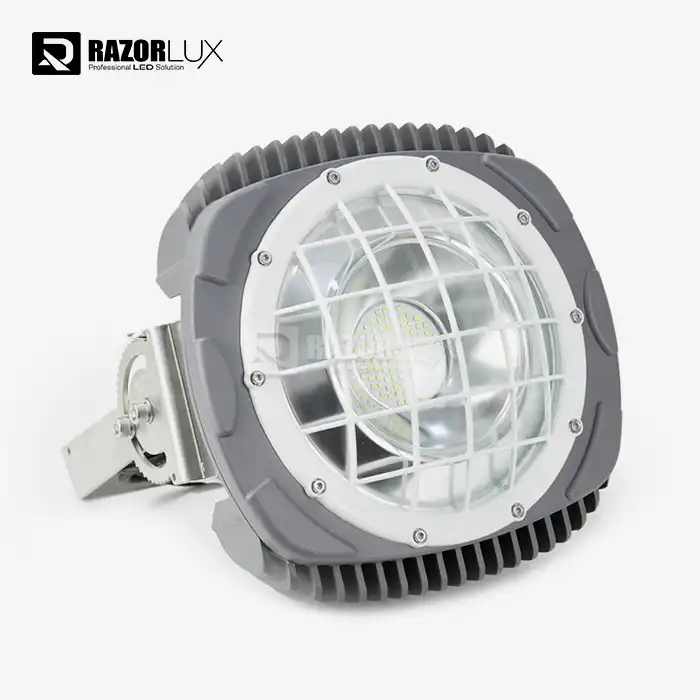 VIEW MOREMarine Led Deck Flood Lights
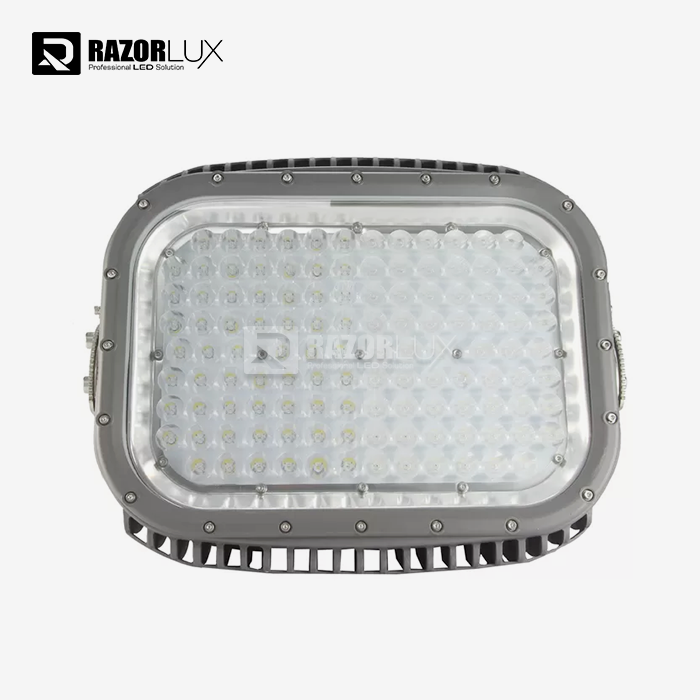 VIEW MOREEnergy Saving Dimmable LED Flood Light With Stainless Steel Bracket
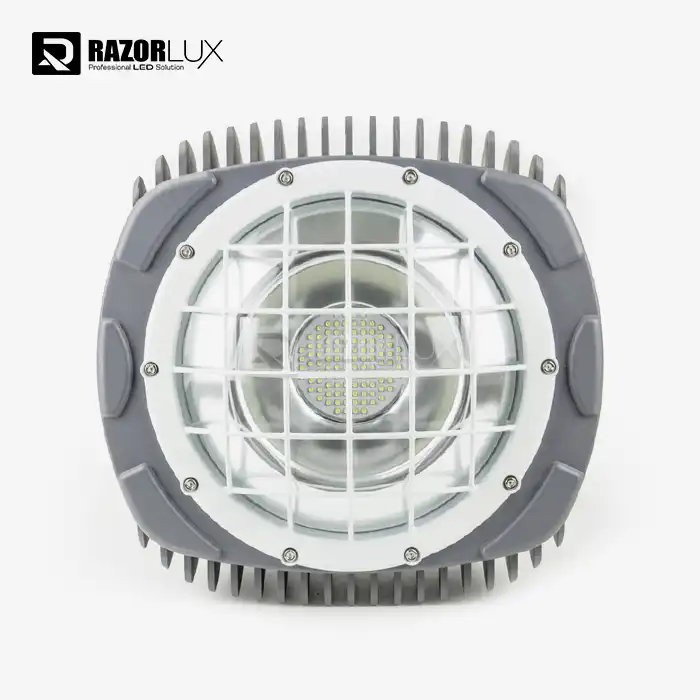 VIEW MOREBarn Security Light