


_1750326878398.png)

Best Placement Tips for Crane Boom Lights Explained
Proper positioning of industrial lighting fixtures on lifting equipment directly impacts operator safety, load handling precision, and overall site productivity. When we talk about effective illumination strategies for heavy machinery, the mounting location, beam direction, and fixture specification all matter immensely. Through two decades of supplying LED solutions to shipyards, ports, and construction sites worldwide, we've learned that strategic light placement reduces accidents, minimizes maintenance downtime, and extends equipment lifespan. This guide walks you through proven methods to position Crane Boom Lights-mounted illumination systems for maximum visibility while addressing vibration, corrosion, and energy efficiency concerns that matter to procurement managers and facility engineers.
Understanding Crane Boom Lights and Their Placement Challenges
Heavy lifting operations demand specialized illumination systems engineered to withstand mechanical stress while delivering focused light from extreme heights. These fixtures mount directly onto crane structures—whether tower cranes reaching 100 meters or mobile crawlers navigating construction sites—projecting downward beams that follow the hook block and illuminate load zones. Unlike standard floodlights, boom-mounted units must resist constant vibration, thermal cycling, and environmental exposure while maintaining photometric performance. The challenge lies in eliminating shadow zones created by the crane's structure itself, preventing glare that disorients operators, and ensuring even coverage across dynamic work areas where loads swing and rotate.
Common Placement Mistakes That Compromise Performance
Mounting fixtures too close to the jib trolley creates harsh shadows directly beneath the hook, forcing operators to rely on peripheral vision during critical lifts. Angling beams outward may reduce shadows but often causes light spill into adjacent sites or residential areas, triggering complaints and regulatory issues. Insufficient consideration for maintenance access leads to installations requiring crane downtime or expensive lift platforms just to replace a driver or clean optical components. We've documented cases where improper wire routing caused chafing against structural steel, leading to short circuits during high-wind conditions.
Environmental Factors Affecting Light Positioning
Coastal shipyards face salt spray that accumulates on lenses, degrading lumen output by 30% within months if fixtures lack proper IP ratings and corrosion-resistant housings. Arctic operations see condensation freeze inside poorly sealed units, causing premature LED failure. Desert mining sites contend with dust infiltration and extreme temperature swings from -20°C nights to +50°C days. Placement decisions must account for prevailing wind direction to minimize debris accumulation on optical surfaces and position junction boxes away from direct weather exposure.
Structural Limitations and Crane-Specific Challenges
Tower crane jibs experience torsional flex during slewing operations, meaning rigid mounting brackets can stress fixture housings and crack solder joints. Crawler cranes traversing uneven terrain generate multi-axis shock loads that traditional HID lamps cannot survive. The boom geometry itself—whether lattice or box section—dictates cable routing options and limits mounting positions where fixtures won't interfere with load lines or maintenance walkways. Older cranes often lack pre-drilled mounting points, requiring custom brackets that maintain structural integrity without creating stress concentrations.
Essential Placement Tips for Optimal Crane Boom Lighting
Successful illumination design begins with detailed site assessment rather than generic fixture selection. We recommend documenting crane specifications—boom length, maximum radius, lift capacity—alongside operational parameters such as typical load dimensions, working hours, and ambient light conditions. This data informs mounting height calculations, beam angle selection, and power requirements. A container terminal handling standardized 40-foot boxes has different needs than a petrochemical plant lifting irregular pipe assemblies, yet both require shadow-free visibility at the hook point.
Selecting Mounting Positions Based on Crane Configuration
Crane Boom Lights The optimal fixture location balances several competing factors: height above the hook for adequate coverage area, distance from the trolley to avoid obstruction, and accessibility for service personnel. On tower cranes, mounting near the jib end provides direct downward illumination but requires longer cable runs and increases wind loading. Mid-jib positions reduce cabling but may necessitate multiple fixtures to eliminate shadows cast by the trolley assembly itself. Our engineering team typically models three mounting scenarios using photometric software, evaluating each for lux levels at ground level, shadow patterns, and glare potential from the operator's cab position.Crawler and mobile cranes present different constraints. Boom-mounted fixtures must withstand transport vibration and repeated setup cycles, favoring robust mounting brackets with vibration-damping elements. The boom angle changes throughout the lift cycle, meaning fixed-beam fixtures may over-illuminate near loads but under-illuminate at full extension. Adjustable mounting brackets allow field technicians to optimize beam direction for specific job sites, though this adds complexity to the installation process.
Optimizing Beam Angle and Light Intensity Distribution
A narrow 20-degree beam concentrates lumens into a tight column, ideal for precision work at extreme heights where the load remains directly beneath the boom tip. This configuration minimizes light trespass but requires careful aiming—a few degrees off-axis leaves the hook in shadow. Wider 40-degree beams provide greater coverage area and tolerate minor mounting misalignment, though lumen density decreases and energy consumption rises to maintain equivalent illumination at the work surface. We've found hybrid approaches work well: primary fixtures with narrow beams targeting the immediate lift zone, supplemented by broader fill lights addressing peripheral areas where ground crew operate.Color temperature selection interacts with placement strategy. Higher kelvin values (5000K-5700K) enhance contrast and alertness during night shifts but can cause eye fatigue if beamed directly into operator sight lines. Warmer 4000K temperatures reduce glare perception while maintaining adequate color rendering for visual inspections. When fixtures mount high and project downward, cooler temperatures often perform better, whereas side-mounted units benefit from warmer tones to minimize discomfort.
LED Versus Traditional Lighting Technology
Solid-state LED systems have transformed boom lighting through their vibration resistance, instant-on capability, and 50,000+ hour lifespans that eliminate frequent bulb changes at dangerous heights. Our 150W LED fixtures deliver 13,200 lumens—equivalent to 300-400W metal halide systems—while consuming half the energy and producing minimal heat that could affect nearby sensors or hydraulic lines. The electronic drivers tolerate wide input voltage ranges (AC 80-315V, DC 80-400V), crucial for mobile cranes running off generator power where voltage fluctuates during engine load changes.Traditional halogen and HID lamps still appear on older equipment but introduce maintenance burdens incompatible with modern operational efficiency targets. Filament breakage from vibration, slow warm-up times delaying work starts, and UV emissions degrading nearby polymer components all argue for LED retrofits. The upfront cost premium—typically 2-3x versus halogen—pays back within 18 months through energy savings and eliminated change-out labor, particularly on equipment requiring certified riggers and lift platforms for maintenance access.
Safety and Maintenance Tips for Crane Boom Light Placement
Regulatory compliance drives baseline placement requirements, but operational excellence demands going beyond minimum standards. OSHA 1926.56 mandates adequate illumination for construction operations, though it provides limited guidance on fixture positioning. Marine classification societies like DNV-GL and ABS specify lux levels for vessel-mounted cranes, requiring maintained illumination that accounts for lamp depreciation over time. Placement strategies must ensure these minimums remain satisfied even as optical surfaces accumulate contamination between cleaning intervals.
Preventing Glare and Visual Hazards Through Strategic Positioning
Direct glare occurs when fixtures within an operator's field of view create bright spots that reduce contrast sensitivity and cause temporary adaptation delays when looking away. Positioning lights below the operator's sight line—typically mounting them forward on the jib rather than on the tower section—eliminates this issue for cab-operated cranes. Radio-controlled and pendant-operated systems require different considerations since the operator moves around the site; here, shielding louvers or recessed optics prevent horizontal light emission while maintaining downward intensity.Reflected glare from wet surfaces, polished metal loads, or safety equipment presents subtler challenges. A perfectly positioned fixture may still cause problems if its beam reflects off a shipping container's glossy paint directly into the signal person's eyes. Anti-glare placement involves angling beams slightly off-vertical—typically 5-10 degrees—so reflections direct away from typical observer positions. This technique reduces incident intensity at the work surface by only 8-12% while dramatically improving visual comfort.
Maintenance Access and Fixture Serviceability
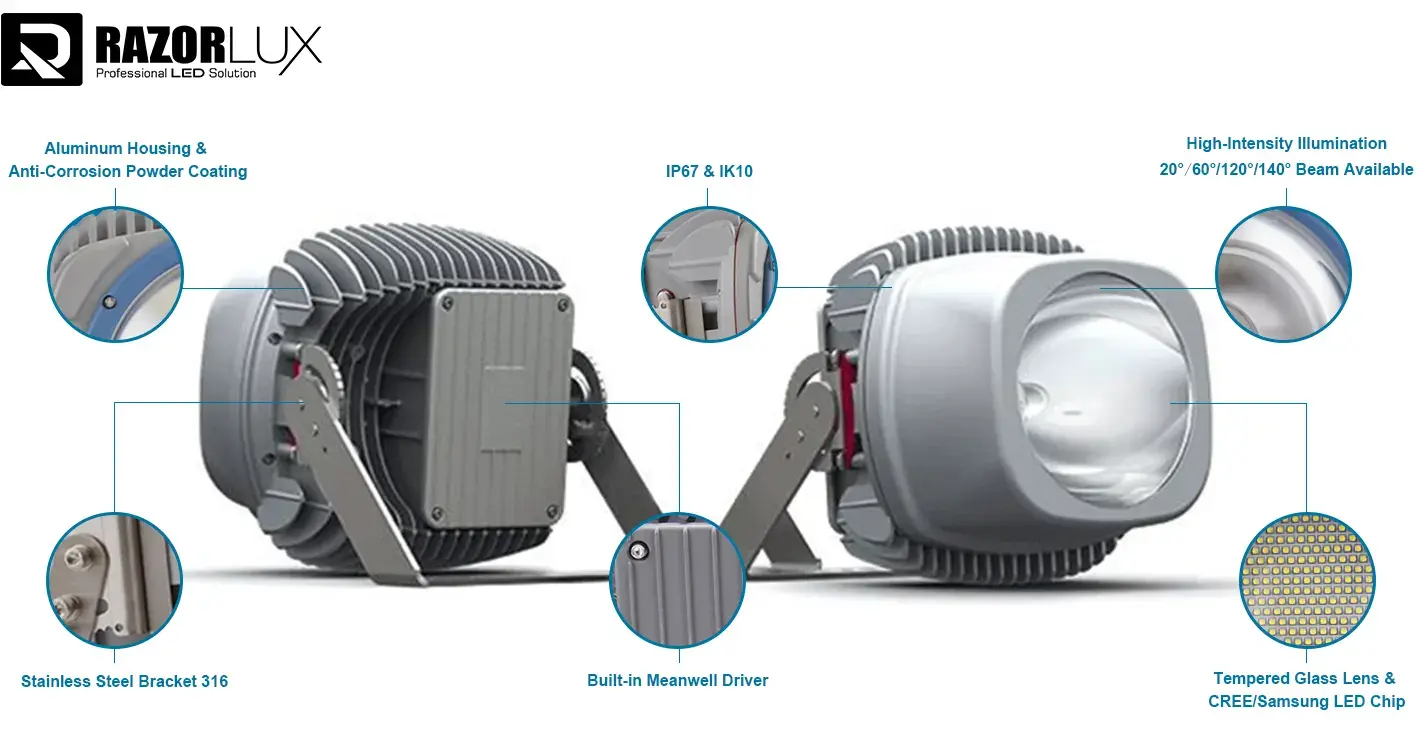
The best lighting design considers how technicians will service components years after installation. Mounting fixtures near catwalks or maintenance platforms enables routine cleaning and inspection without special equipment. Modular designs with tool-free driver access reduce service time from hours to minutes, critical when every hour of crane downtime costs thousands in lost productivity. We engineer our units with stainless steel brackets that won't corrode and seize, making fixture removal straightforward even after years of coastal exposure.Cable management directly affects reliability and maintenance requirements. Securing power runs every 0.5 meters prevents chafing and reduces stress on terminations during boom movement. Using marine-grade cable glands with multiple sealing stages keeps moisture out of junction boxes even when submerged during pressure washing or rain events. Leaving service loops at connection points allows removal and reinstallation without cutting cables—a small detail that saves significant troubleshooting time when diagnosing intermittent faults.
Addressing Common Installation Issues Proactively
Crane Boom Lights Vibration fatigue represents the primary failure mode for boom-mounted components. Fixtures bolted directly to steel structures transmit full shock loads through housings and internal assemblies. Incorporating rubber isolation mounts or spring-loaded brackets reduces transmitted vibration by 60-80%, extending electronic component life. However, these elements introduce compliance that allows fixtures to shift position over time, so initial aiming must account for settling during the first weeks of operation.Thermal management becomes critical when high-wattage fixtures operate in enclosed boom sections or near heat sources like engine compartments. LED junction temperatures exceeding 85°C accelerate lumen depreciation and shorten driver lifespan. Placement should maximize convective cooling—avoiding pockets where hot air stagnates—and maintain clearance from surfaces that radiate stored heat. Our fixtures employ aluminum bodies with optimized fin geometry that dissipates 150W continuously while maintaining junction temperatures below 70°C in 40°C ambient conditions.
Comparison of Crane Boom Light Types and Their Placement Implications
Technology selection fundamentally shapes placement strategy because different light sources impose distinct mounting requirements, maintenance intervals, and performance characteristics. Understanding these differences helps procurement teams match specifications to operational realities rather than selecting based solely on initial cost.
LED Technology: Performance and Installation Considerations
Modern LED fixtures like our RGL-150P model deliver 130 lumens per watt efficiency, enabling compact form factors that simplify installation in space-constrained boom sections. The absence of fragile filaments or arc tubes permits mounting in any orientation without performance penalties. Electronic drivers equipped with power factor correction (≥0.98) and low harmonic distortion (<10% THD) prevent interference with crane control systems—a critical advantage over older magnetic ballast HID systems that caused load moment indicator malfunctions on some installations.The extended 50,000-hour lifespan transforms placement priorities by eliminating replacement accessibility as a primary design constraint. Fixtures can mount in optimal photometric positions even if service access requires partial disassembly, because that disassembly occurs once per decade rather than annually. This freedom enables mounting inside boom sections for protected, low-profile installations that reduce wind loading and physical damage risk while maintaining clean sight lines for operators.
Environmental Protection Ratings and Placement Trade-offs
IP67 ingress protection—submersion resistant to 1 meter for 30 minutes—handles pressure washing, rain accumulation, and incidental water exposure from adjacent operations. This rating suffices for most crane applications but requires attention to mounting orientation; inverted installations must use fixtures with enhanced seal configurations that prevent water pooling around electrical entries. Coastal and offshore applications benefit from IP68 upgrades and conformal coating on circuit boards, protecting against salt fog that penetrates standard seals through capillary action.Impact resistance, measured by IK ratings, dictates mounting locations relative to potential strike hazards. IK10 protection—surviving 20 joules impact—withstands incidental contact from lifting slings or dropped hand tools but won't survive collision with swinging loads. High-risk positions near the hook block demand protective cages or recessed mounting, whereas mid-boom locations can use flush-mount configurations that optimize aesthetics and reduce drag.
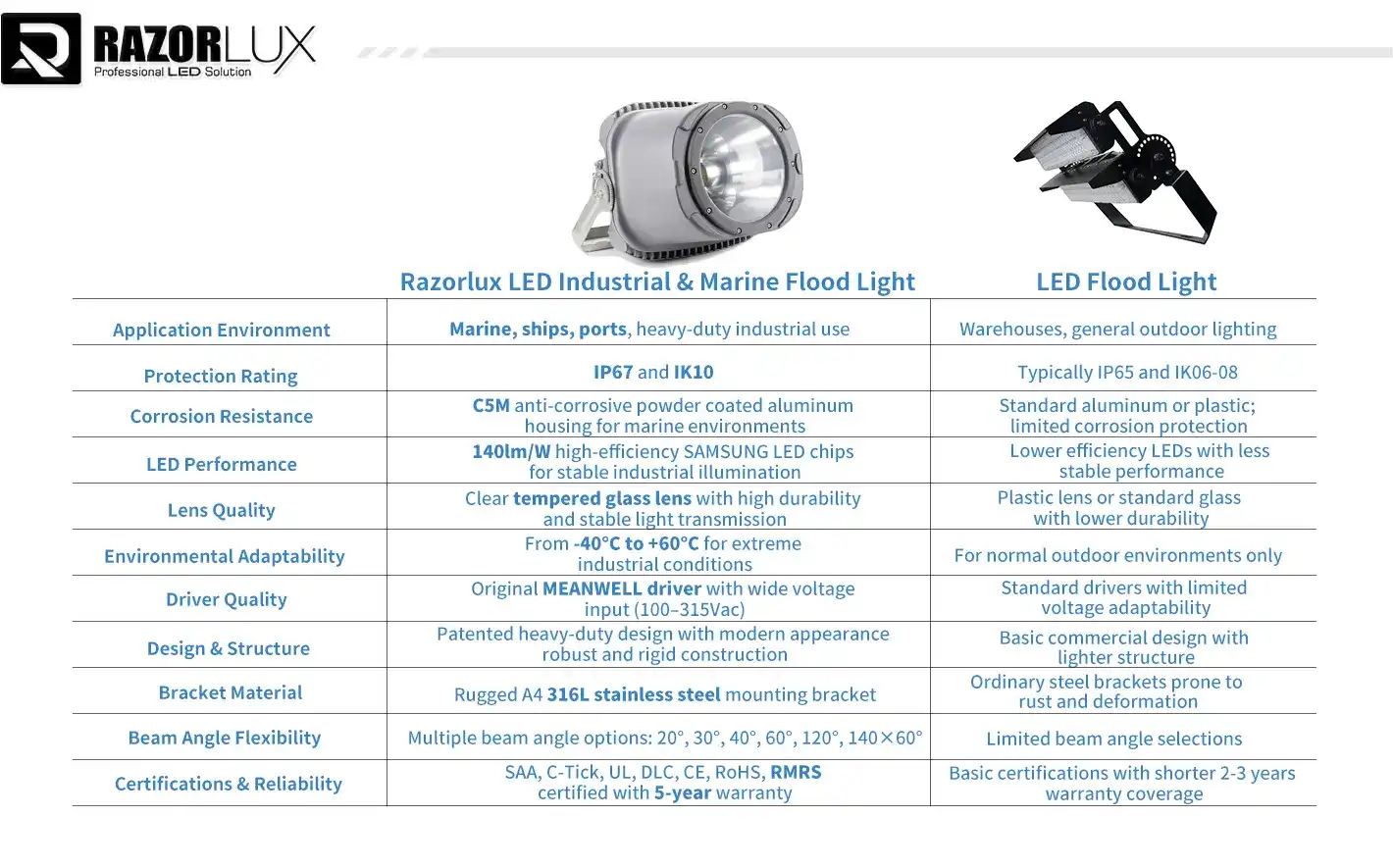
| Feature | LED Systems | Traditional HID/Halogen |
|---|---|---|
| Lifespan | 50,000+ hours | 2,000-8,000 hours |
| Vibration Resistance | Excellent (solid-state) | Poor (filament/arc tube failure) |
| Warm-up Time | Instant full output | 3-10 minutes to full brightness |
| Efficacy | 120-150 lm/W | 40-90 lm/W |
| Heat Generation | Minimal (90% energy to light) | Significant (60-70% waste heat) |
| Maintenance Access Requirements | Low priority (rare service) | Critical (frequent changes) |
| Voltage Tolerance | Wide (80-400V AC/DC) | Narrow (±10% nominal) |
| Cold Weather Performance | Unaffected | Delayed start, reduced output |
Advanced Features and Placement Flexibility
Remote dimming capability enables intensity adjustment without fixture access, compensating for varying ambient conditions or task requirements. A 0-10V analog control line allows crane operators to reduce output during twilight hours when full brightness causes excessive glare, then increase to maximum during overcast conditions. DALI digital protocols support more sophisticated programming—automatic intensity ramps based on photocell input, fixture-specific output levels for shadow compensation, and diagnostic feedback indicating pending failures before they occur. Adjustable beam angle mechanisms provide field customization after installation. Manually repositionable mounting brackets let technicians optimize aiming during crane commissioning, while motorized systems with wireless control enable dynamic adjustment from ground level. These features prove valuable when cranes serve multiple roles—container handling one week, heavy industrial lifts the next—where optimal lighting geometry changes with load characteristics. The added complexity and failure points require evaluation against operational flexibility benefits; static installations often achieve better long-term reliability.
Procurement Considerations: Sourcing Crane Boom Lights for Optimal Placement
Effective purchasing decisions balance technical specifications against total cost of ownership, delivery timelines, and supplier capabilities. A fixture meeting all performance requirements delivers no value if the manufacturer cannot provide marine certifications required for vessel installation or if lead times delay project commissioning.
Matching Specifications to Placement Requirements
Begin procurement by defining operational requirements: mounting positions available, beam coverage needed, environmental exposure class, and maintenance access limitations. These parameters translate into technical specifications—IP rating, IK class, beam angle, lumen output, and input voltage range—that filter supplier options. Avoid over-specifying features that increase cost without operational benefit; a crane in a climate-controlled indoor facility doesn't require the same corrosion protection as an offshore platform unit. Certification requirements vary by application and jurisdiction. CE marking provides market access in Europe but offers limited technical assurance compared to third-party testing. UL listing indicates conformance to North American electrical safety standards, critical for insurance compliance. Marine classification society approvals (DNV-GL, ABS, Lloyd's Register) involve rigorous vibration, salt fog, and thermal cycling tests that validate suitability for maritime environments. Facilities handling hazardous materials may require ATEX or IECEx certification for explosive atmosphere compatibility.
Evaluating Supplier Capabilities and Support Infrastructure
Crane Boom Lights Technical expertise matters as much as product quality when complex installations demand customization or troubleshooting support. Suppliers offering photometric modeling services can simulate proposed lighting layouts before purchase, identifying shadowing issues and optimizing fixture count to meet budget constraints. This analysis-driven approach prevents costly field modifications and ensures first-time success. We provide detailed beam pattern data and 3D CAD models that integrate directly into structural engineering software, streamlining approval processes. Customization flexibility addresses unique mounting challenges or aesthetic requirements. Standard catalog products satisfy 70% of applications, but complex projects benefit from tailored solutions: modified bracket designs for non-standard boom profiles, extended cable lengths for challenging routing paths, or color temperature adjustments for specific task visibility. Suppliers with in-house engineering and manufacturing control deliver these modifications faster and more reliably than distributors reliant on overseas factories with communication barriers.
Warranty Terms and Long-term Support Structures
A five-year warranty covering both LED modules and electronic drivers—as we provide—demonstrates manufacturer confidence in component quality and design robustness. Shorter warranty periods or exclusions for "harsh environment" exposure suggest suppliers expect premature failures, transferring risk to buyers. Clarify warranty terms regarding labor costs, return shipping, and replacement timelines; a warranty requiring fixture return to an overseas facility provides little practical benefit if downtime costs exceed replacement value. Post-sale support infrastructure proves critical when issues arise years after installation. Responsive technical assistance via email and phone (sam@razorlux.com) helps troubleshoot installation questions and diagnose performance issues without expensive site visits. Maintaining component inventory ensures replacement parts remain available throughout the product's operational life, protecting buyers from obsolescence that forces premature system replacement. Our global distribution network supports shipments to ports and construction sites worldwide, with expedited options available when project timelines demand rapid delivery.
| Procurement Factor | Evaluation Criteria | Impact on Placement Success |
|---|---|---|
| Technical Specifications | Lumen output, beam angle, IP/IK ratings, voltage range | Directly determines if the fixture suits the mounting position and environment |
| Certifications | CE, UL, DNV-GL, ABS, ATEX | Affects project approval and insurance compliance; limits installation locations |
| Customization Capability | Bracket design, cable length, control integration | Enables optimal positioning despite non-standard mounting challenges |
| Lead Time | Stock availability, manufacturing queue, shipping duration | Critical for project schedules; affects whether the placement plan can proceed as designed |
| Warranty Coverage | Duration, component scope, labor inclusion | Influences willingness to mount in difficult-access positions with rare service needs |
| Technical Support | Engineering assistance, troubleshooting availability | Reduces commissioning delays and placement adjustment costs |
| Component Quality | Chip brand (Samsung), driver brand (Meanwell) | Predicts reliability in placement positions with harsh vibration or thermal exposure |
| Supplier Stability | Years in business, manufacturing capability, geographic presence | Ensures ongoing parts availability and support for installations lasting decades |
Bulk Ordering and Project-Based Procurement Strategies
Large-scale projects—new shipyard construction, fleet-wide crane retrofits, or port expansion programs—benefit from framework agreements that lock pricing and delivery schedules while allowing phased releases aligned with construction milestones. Volume commitments often unlock engineering support concessions such as complimentary photometric analysis or custom bracket design. However, bulk orders require careful specification validation; discovering a design deficiency after receiving 200 fixtures creates significant waste and delays. Sample evaluation programs mitigate this risk by enabling field testing before large-scale commitment. We provide production-representative samples for installation trials where customers verify mounting compatibility, assess photometric performance under actual operating conditions, and confirm that documentation meets their quality management system requirements. This testing phase typically extends 4-8 weeks but prevents expensive mistakes and builds confidence in supplier capabilities.
Conclusion
Crane Boom Lights Strategic positioning of boom-mounted illumination systems delivers safety improvements, operational efficiency gains, and cost reductions that extend far beyond simple visibility. Thoughtful placement analysis—accounting for crane geometry, environmental exposure, maintenance access, and photometric requirements—separates successful installations from problematic ones requiring expensive modifications. LED technology has revolutionized this field by eliminating filament fragility and enabling compact, long-lived fixtures that tolerate harsh conditions while delivering superior energy efficiency. Procurement decisions should prioritize suppliers demonstrating technical expertise, certification breadth, and support infrastructure rather than focusing solely on initial price points. The guidance presented here distills practical experience from thousands of installations worldwide, providing purchasing managers and engineers with frameworks to evaluate options and implement solutions matching their specific operational contexts.
FAQ
What is the ideal mounting height for fixtures on tower crane jibs?
Mounting height depends on boom length and load characteristics, but most tower cranes achieve optimal results with fixtures positioned 2-3 meters behind the trolley assembly. This location provides unobstructed downward projection while maintaining serviceable access from the jib walkway. Too close to the jib end increases wind loading and cable length; too far back creates shadows under the hook block.
How do environmental conditions affect placement decisions?
Coastal installations require consideration of prevailing wind direction to minimize salt spray exposure on optical surfaces, often favoring leeward mounting positions even if photometric optimization suggests otherwise. Facilities in cold climates benefit from mounting that allows snow and ice to shed naturally rather than accumulating on horizontal surfaces. Desert environments demand placement minimizing dust accumulation in cooling fins and cable gland ports.
Can existing halogen systems be retrofitted with LED fixtures in the same positions?
Usually, though, electrical modifications may be necessary. LED fixtures draw less current but require a compatible driver input—many crane electrical systems supply 230V AC that works with wide-input LED drivers. Mounting brackets typically need replacement since LED fixtures have different form factors and weight distribution. The vibration resistance and instant-on capability of LED technology often enable mounting in positions where halogen lamps failed prematurely.
Leveraging Razorlux Expertise as Your Crane Boom Lights Supplier
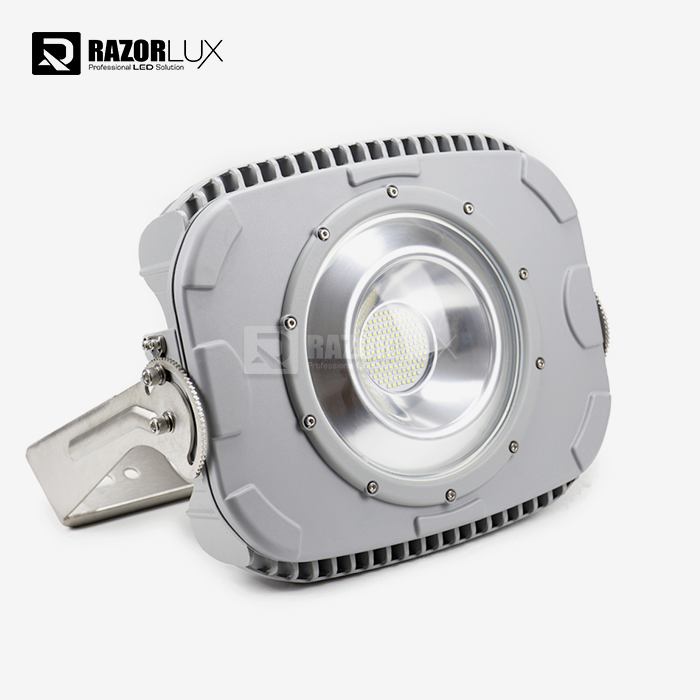
Achieving optimal illumination performance requires more than just quality fixtures—it demands partnership with a crane boom lights manufacturer who understands your operational challenges and possesses the technical depth to solve them. Razorlux brings over two decades of marine and heavy industrial lighting experience, backed by more than 200 patents covering everything from thermal management to optical design. Our RGL-150P boom-mounted fixtures deliver 13,200 lumens with 130 lm/W efficiency through a precisely controlled 20-degree beam, housed in IP67/IK10-rated enclosures with stainless steel brackets engineered for decades of vibration exposure. Each unit ships with CE, UL, and marine classification certifications, powered by Meanwell drivers that handle AC 80-315V or DC 80-400V input without additional components. Whether you're upgrading a single tower crane or outfitting an entire port facility, our engineering team provides placement analysis, custom mounting solutions, and responsive support throughout the project lifecycle. Reach out to sam@razorlux.com to discuss your specific application and receive detailed technical proposals tailored to your operational requirements.
References
1. International Association of Lighting Designers. (2021). Guidelines for Industrial and Marine Lighting Applications. IALD Technical Publication Series.
2. American Society of Mechanical Engineers. (2020). Safety Standards for Cableways, Cranes, Derricks, Hoists, Hooks, Jacks, and Slings (ASME B30 Series).
3. Society of Naval Architects and Marine Engineers. (2019). Illumination Requirements for Shipboard Crane Operations. SNAME Technical Research Bulletin.
4. Illuminating Engineering Society. (2022). The Lighting Handbook: Reference and Application (11th Edition). IES Publication Committee.
5. Det Norske Veritas. (2020). Rules for Classification of Ships Part 4 Chapter 9: Electrical Installations - Lighting Systems. DNV-GL Maritime Standards.
6. Construction Industry Research and Information Association. (2018). Lighting for Construction Sites: Design, Installation, and Safety Considerations. CIRIA Report C738.
 VIEW MOREindustrial led shop lights
 VIEW MOREoutdoor basketball court lighting
 VIEW MOREled tennis court floodlights
 VIEW MOREConstruction Site Flood Lights
 VIEW MOREBest Marine Flood Lights
 VIEW MOREOutdoor Batting Cage Lights
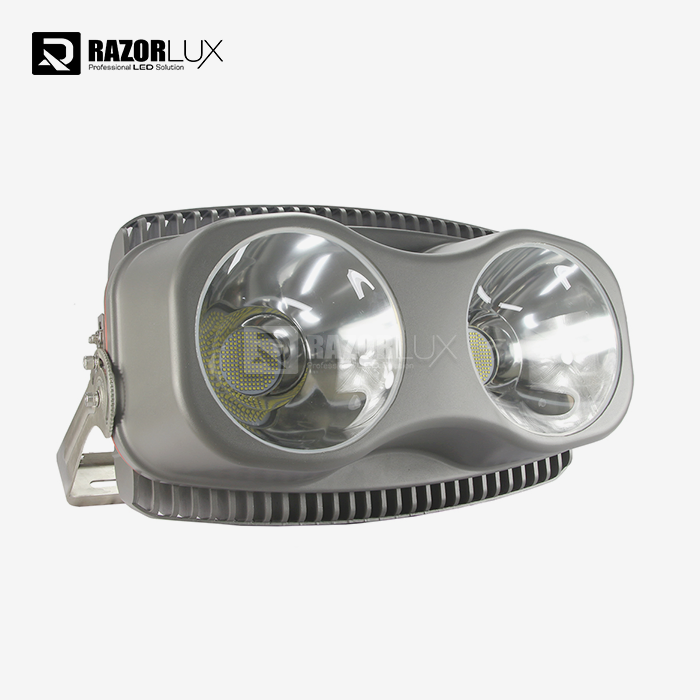 VIEW MOREAluminum IP65 Led High Mast Light 1000W RoHS Led Baseball Field Lights
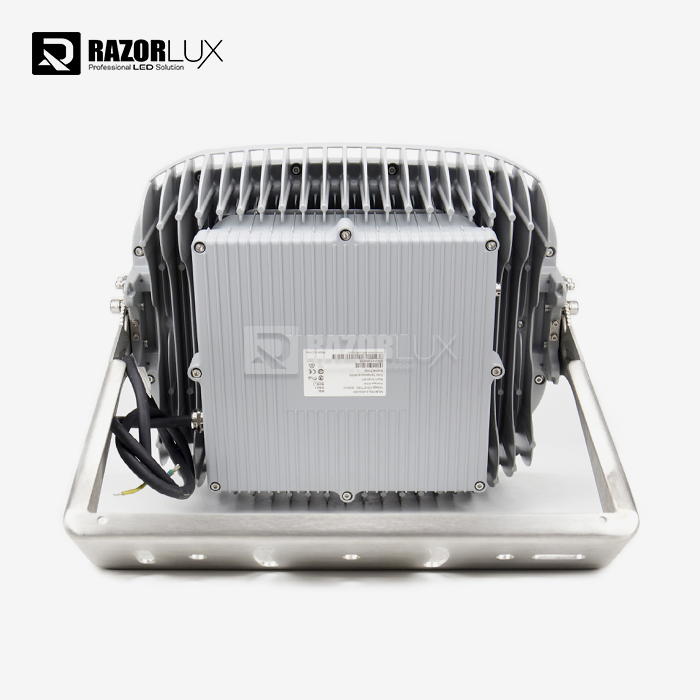 VIEW MORE300W Led Flood Light Price