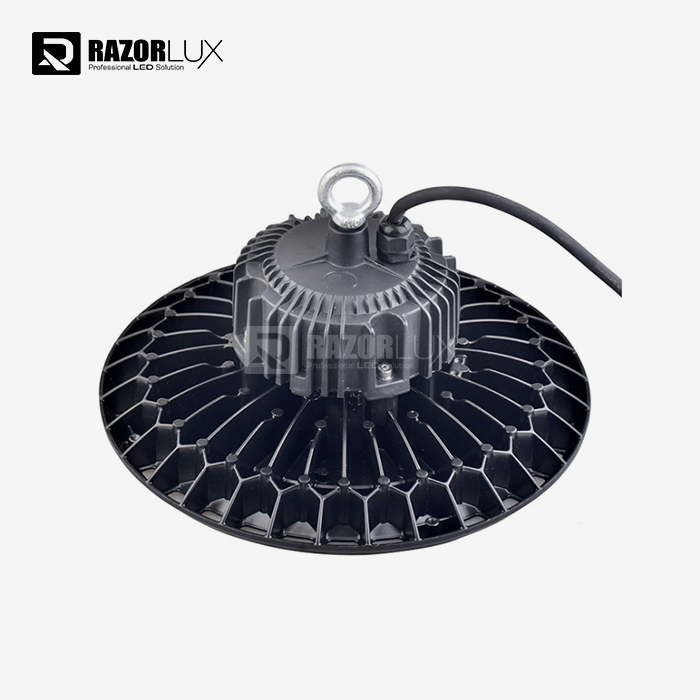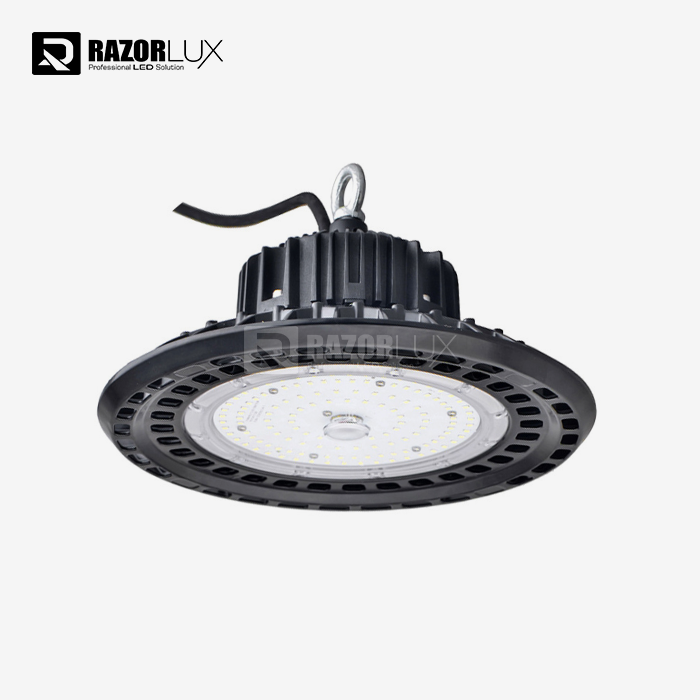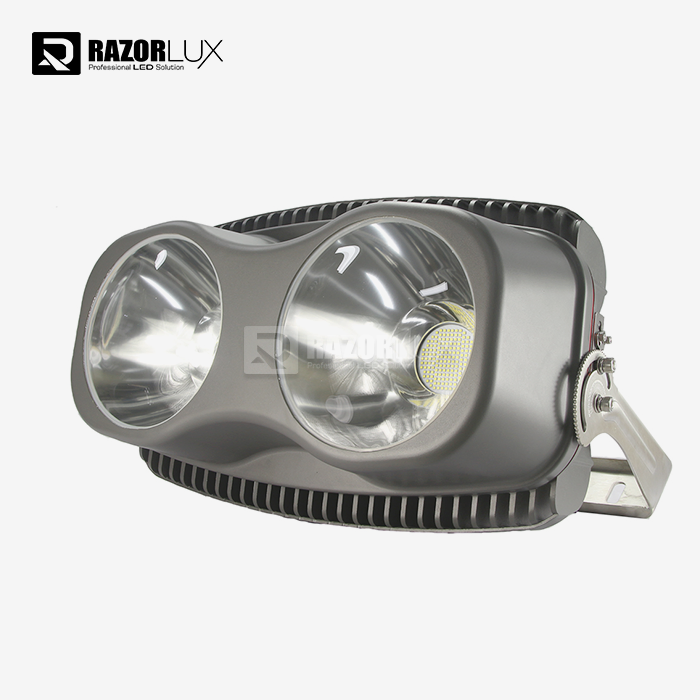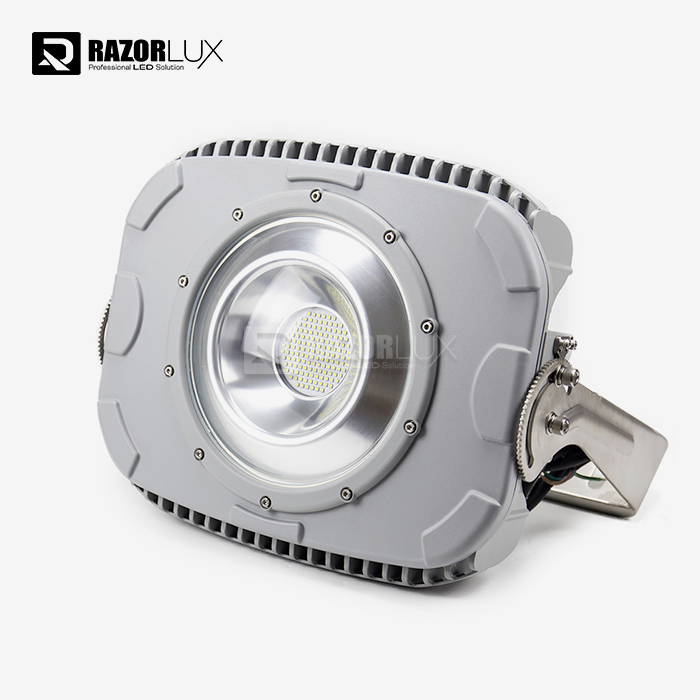


_1750326878398.png)

Best Dimmable Flood Lights vs Standard Floodlights
Choosing between dimmable and standard lights is one of the most important things to think about when looking for floodlighting options for tough settings. The Best Dimmable Flood Lights have advanced motor technology that usually uses 0-10V, DALI, or PWM protocols to let you change the brightness from 10% to 100%. Regular floodlights, on the other hand, have a set intensity. This controllability directly addresses important buying pain points, such as lowering energy costs during off-peak operations (30–60% less use), reducing light pollution in residential areas near ports, and increasing component lives by lowering thermal stress. For shipyard managers and offshore platform engineers who work in harsh, high-vibration conditions, dimmable systems with Mean Well drivers and IP67-rated enclosures offer more than just changing the brightness. They also help with strategic energy management that meets certification standards like DNV-GL and allow for operational flexibility across three shift cycles.
Understanding the Core Technology Behind Dimmable vs Standard Floodlights
In marine and industrial uses, the main difference is in the driver design and how the controls are integrated. These factors decide both the operating flexibility and the total cost of ownership.
How Dimming Technology Functions in Industrial-Grade LED Systems?
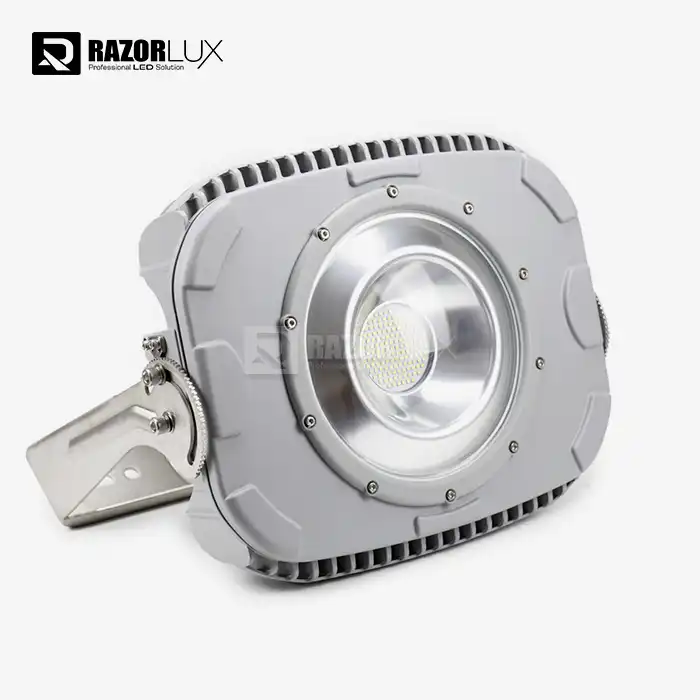
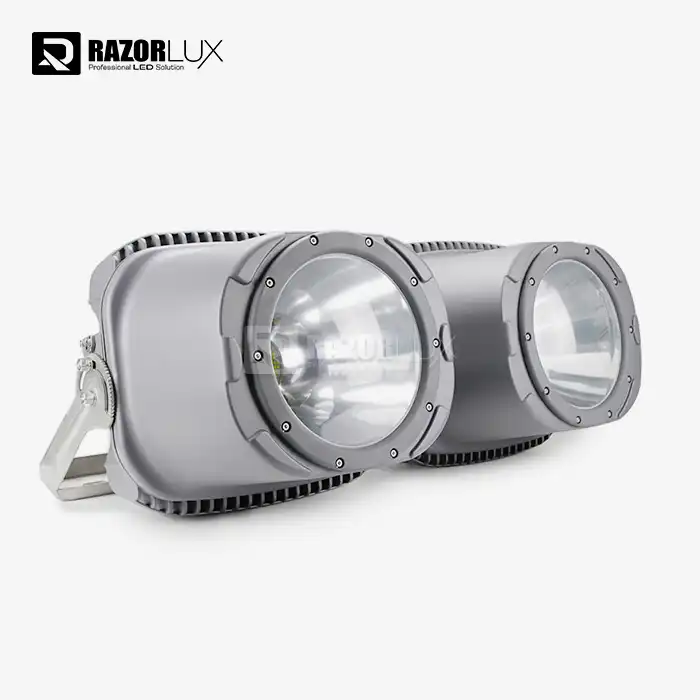
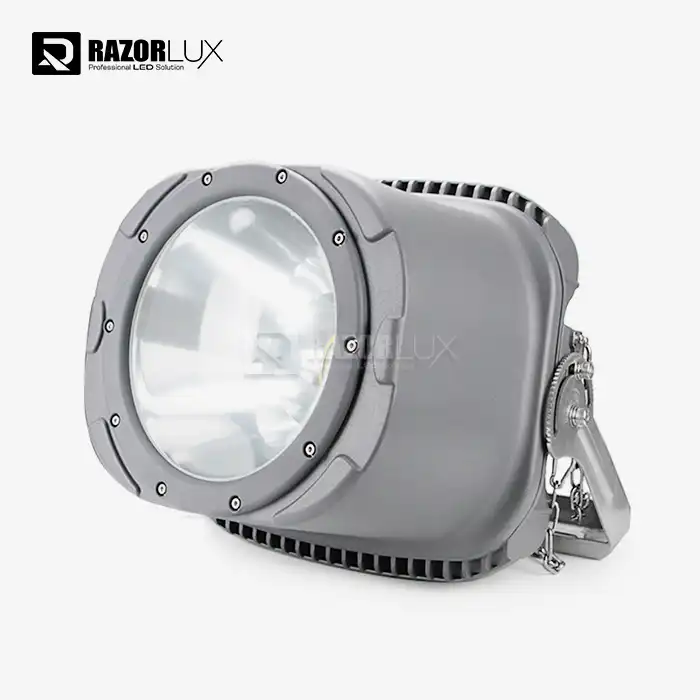
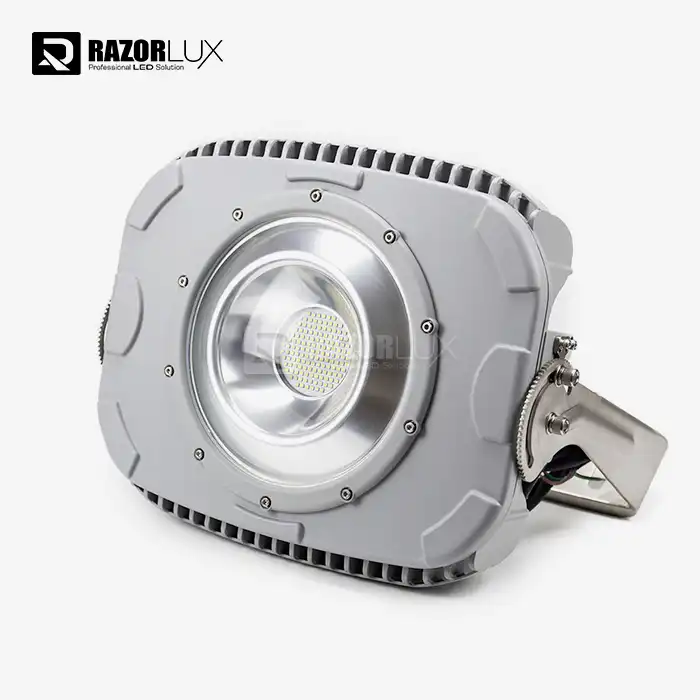
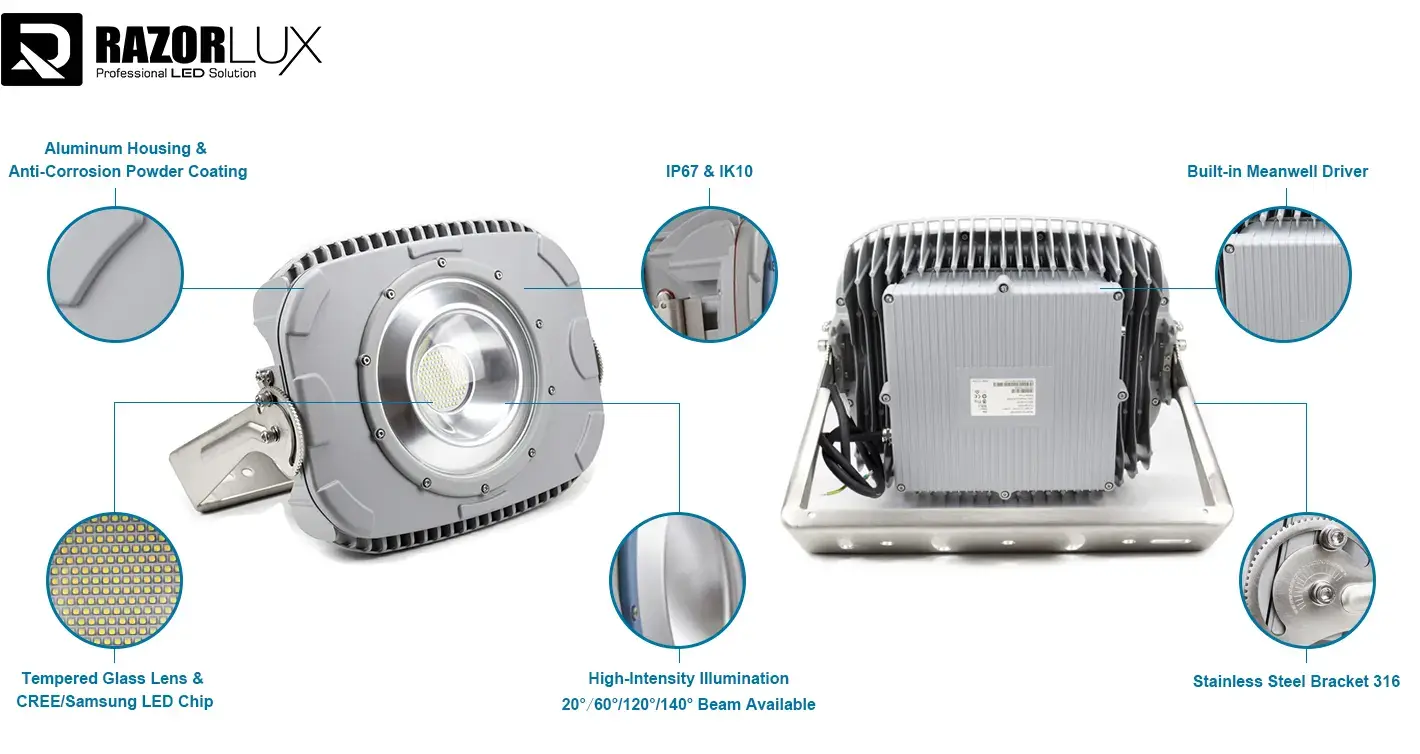
LED flood lights that can be dimmed have changeable constant-current drivers that change the voltage going to the LED panels based on signals coming in. Choosing the right protocol is very important. 0-10V analog dimming makes retrofitting easy; DALI lets you control complex dock lighting networks with addresses, and PWM (Pulse Width Modulation) makes sure that high-speed camera surveillance systems on offshore platforms work without flickering. Standard lights don't have modulation circuits and instead use fixed-output drivers that are only designed for maximum lumens. The Razorlux RGL2-400A is a great example of advanced design because it can accept both AC (110-480Vac) and DC (100-800Vdc) inputs without adapters. This is an important feature for ships with mixed power systems because it keeps the power factor above 0.98 and the total harmonic distortion below 10% across the whole dimming range.
Energy Consumption Patterns: Quantified Comparison
Operational data from sites at ports shows changes that can be measured. A normal 400W bulb always uses 400W, no matter how much light it needs. Our dimmable counterpart, set to 50% output during setup times for goods handling (usually 4 hours at night), cuts power use to about 210W during those times, saving 760W per fixture every day. This saves 13,870 kWh per year, which is the same as $1,663 at $0.12/kWh industrial rates, around a 50-fixture dock boundary. The thermal benefit is just as important: lower drive currents during dimmed operation lower junction temperature by 15-20°C. This directly correlates with an increase in the L70 lifespan (the time it takes for output to drop to 70% of its original lumens) from the standard 50,000 hours to possibly 65,000 hours or more.
Driver Quality and Component Reliability in Harsh Environments
In maritime and heavy industrial settings, drivers need to be made to withstand shock, pressure, and toxic atmospheres. Poor drivers often fail in three ways: capacitor degradation from salty humidity, EMI vulnerability that leads to erratic dimming behavior, and thermal runaway in designs that don't have enough heat sinks. These are all taken care of by Razorlux's inclusion of Mean Well power sources. The marine-grade drivers from Mean Well have a conformal cover that protects the electronics from salt spray, active PFC (Power Factor Correction) that keeps the output fixed even when the generator voltage changes, and an isolated design that stops galvanic corrosion. This engineering trust is shown by the 5-year warranty on both LED modules and drivers. This is a feature that is often missing from standard goods that only offer 2-year coverage.
Critical Procurement Factors for Shipyard and Offshore Applications
When choosing the right floodlighting, you have to weigh the instant capital costs against the long-term costs, as well as making sure that the new lights will work with the current infrastructure and rules.
Total Cost of Ownership Analysis
Purchasing managers often look at the unit price, but TCO estimates show that the economics are different. Imagine that 100 parts are put in place in a dock welding bay and are used for 10 years:
For standard floodlights, the cost per unit is $180, so there are 100 of them. This means that the overall cost is $18,000 plus $210,240, which is the cost of the lights over 10 years at $0.12 per kWh.
Best Dimmable Flood Lights cost $285 per unit times 100, which adds up to $28,500 for the capital plus ($0.12 x 4,380 hours x 10 x 0.65 average dimming factor) for the lights to be used, for a total of $165,156.
The net savings of $63,084 (27.7%) does not include other benefits like lower heat output, less work needed to change lamps (longer lifespan), and not having to pay for dumping fees when lamps break down too soon. As tight project deadlines and this data are looked at by shipyard buying managers, adjustable systems are being asked for more and more as basic requirements.
Installation Complexity and Retrofit Considerations
Depending on how old the equipment is, changing standard lights to dimmable ones can be hard in different ways. For older setups that use electromagnetic ballasts, the whole fixture needs to be replaced because LED conversion kits can't work with old control systems. Upgrades are easier in newer setups with 0-10V controls; our RGL2-400A links straight to existing low-voltage dimming wires without the need for extra controllers. Wireless DALI systems don't require any changes to the wiring, but they do add security concerns for port sites that have strict network separation rules. Installation structural requirements stay the same: the RGL2-400A's stainless steel bracket can hold a 15-kilogram fixture and allows for 140° of horizontal movement for precise beam placement on uneven ship superstructures or gantry crane frames.
Performance Specifications Critical to Marine Environments
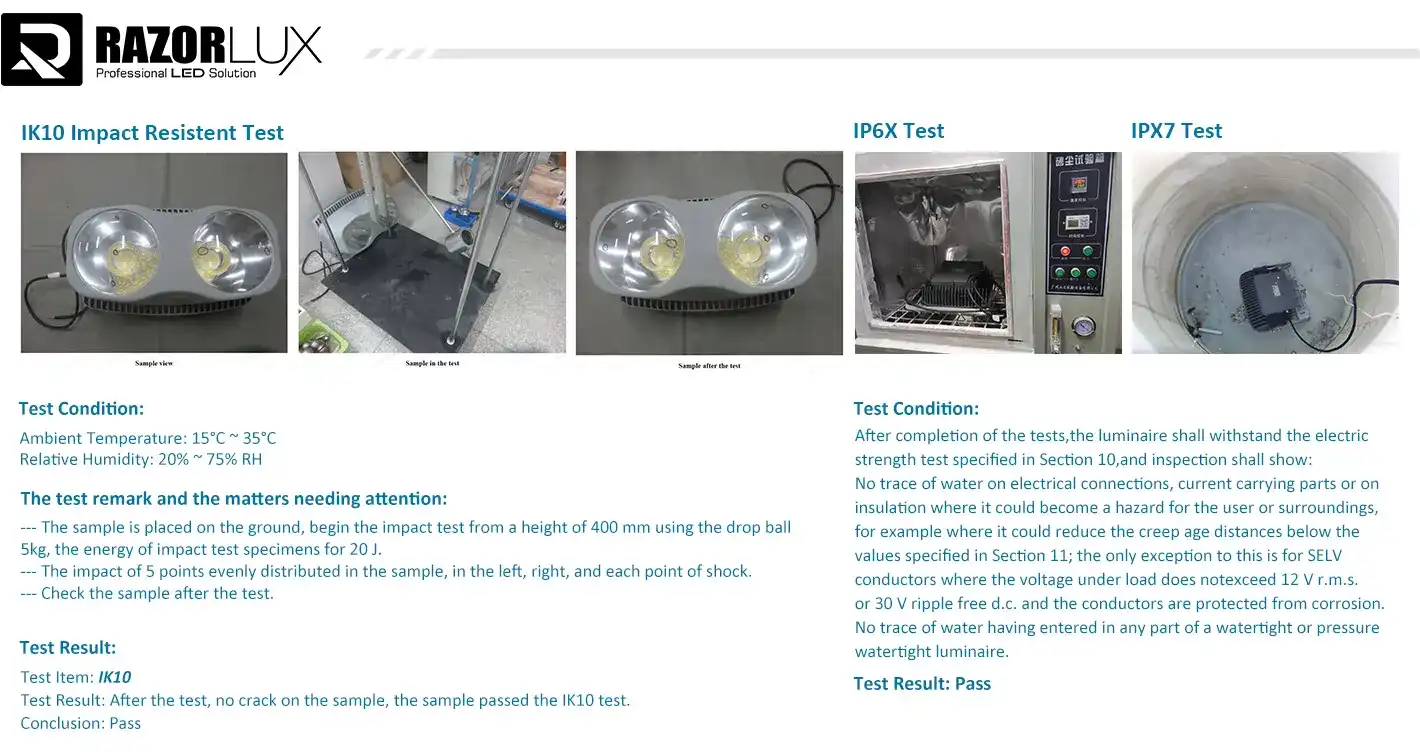
IP scores tell the difference between marketing claims and real-world operations. IP65 approval means that the building is dust-tight and protects against water jets. This is enough for covered berths but not for spray from the open ocean. Razorlux marine lights come with an IP67 grade, which means they can withstand being submerged up to 1 meter for 30 minutes. This covers situations like deck wash-down and storm surge. IK10 impact resistance (20 joules) guards against dropped tools and frequent strikes from crane cables in yards. We protect against corrosion in more ways than one. For example, our marine-grade powder finish on the aluminum housings is tested to 1,000 hours of salt spray (ASTM B117), and the stainless steel bolts stop the galvanic cell formation that breaks down mixed-metal assemblies in saltwater.
Certification Requirements Across Global Markets
Marine equipment operators have to deal with a patchwork of different approval systems. European sites have to be CE- and RoHS-compliant. In North America, ships need to be listed with UL or CSA, and offshore sites often need to be listed with UL 1598 Marine as well. Classification groups have their own rules. For example, DNV-GL sets the rules for Norwegian ships, ABS (American Bureau of Shipping) sets the rules for US-flagged ships, and RMRS sets the rules for Russian activities. According to our ISO 9001:2015 quality management system, Razorlux keeps certified files that cover these needs. In real life, the effect on procurement is big. For example, a Middle Eastern shipyard recently asked for 12 different certification documents, which we sent within 48 hours. Competitors, on the other hand, needed two to three weeks for incomplete documentation, which effectively disqualified them even though they quoted lower prices.
Technical Performance Comparison: Market Leaders vs Industrial Standards
In order to understand how different makers meet marine and industry needs, you need to look at more than just the marketing materials. You need to look at operating factors that have been confirmed by third-party testing.
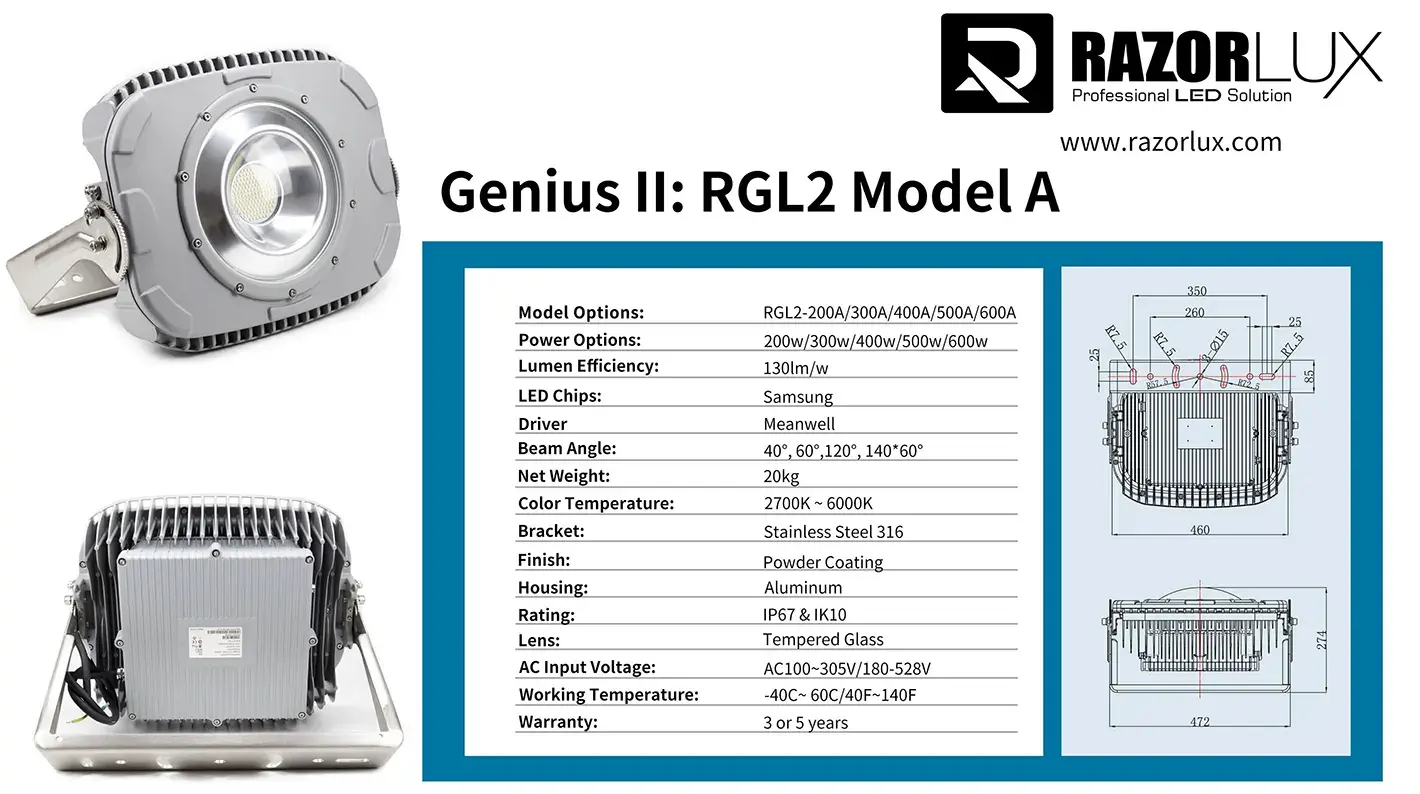
Razorlux RGL2-400A Detailed Specifications
| Parameter | Specification | Industrial Significance |
|---|---|---|
| Rated Power | 400W (360W LED + 40W driver) | Replaces 800-1000W HID with 60% energy reduction |
| Input Voltage Range | AC: 110-480Vac; DC: 100-800Vdc | Universal compatibility with vessel/platform power systems |
| Luminous Efficacy | 130 lm/W (52,000 lm total output) | Exceeds ENERGY STAR Commercial specifications (≥120 lm/W) |
| Color Temperature Options | 2700K-6500K selectable | 5700K recommended for precision work; 3000K for reduced insect attraction |
| Beam Angle Options | 40°/60°/120°/140°×60° asymmetric | Customizable for specific mounting heights and coverage patterns |
| Operating Temperature | -40°C to +60°C (-40°F to +140°F) | Validated for Arctic Norwegian operations and Middle Eastern summer heat |
| Dimming Protocols | 0-10V, DALI, PWM compatible | Integrates with Schneider/Siemens BMS platforms |
| Warranty Structure | LED module: 5 years; Driver: 5 years; Housing: 10 years | Reflects confidence in Mean Well components and thermal design |
This specification density directly meets the evaluation criteria of expert reviewers, shortening the time it takes from a request to approval of the specification, which is usually between 3 and 6 weeks for big shipyard projects.
Competitive Analysis: What Distinguishes Industrial Solutions
Best dimmable flood lights from consumer brands often have high lumen outputs, but they don't work well in marine environments because they aren't sealed properly, don't have enough surge protection (which is important for equipment that works near high-voltage welding), and have driver designs that can't handle the voltage changes that happen on vessel electrical systems. Professional-level differences include conformal-coated PCBs that stop tracking failures caused by moisture, TVS diode arrays that stop lightning-caused surges (common on high dock structures), and thermal management systems that keep junction temperatures below 85°C even at equatorial ambient temperatures. In our testing procedure, every production run goes through vibration testing (IEC 60068-2-6) that mimics 20 years of exposure in a ship's engine room. This is an extra step that isn't used when making consumer goods.
Strategic Procurement Approach for Marine Lighting Projects
Effective buying includes more than just meeting specifications. It also includes evaluating suppliers, lowering risks, and building partnerships that last a lifetime.
Supplier Qualification Criteria
Marine equipment installers should use these standards to check the quality of manufacturers:
ISO 9001 approval guarantees a basic quality system, but port requirements are increasingly calling for ISO 14001 for environmental management and ISO 45001 for worker health. Factory inspections should check climate-controlled assembly areas (to keep wetness out of closing processes) and automatic optical testing stations (to make sure that production runs all have the same lumen output). Razorlux's GMP-compliant building meets Class 10,000 cleanliness standards for putting together LED modules. This keeps particles from getting in and breaking down the phosphor too quickly.
Dependencies on a single source for parts make the chain less stable. Due to our plan of using two different suppliers for key parts (Samsung and Lumileds LED chips; Mean Well and Inventronics drivers), we were able to avoid the 8–14 week lead time extensions that our rivals had during the 2023 semiconductor shortages. When purchasing managers look at the risk of a seller, they should ask for documentation on where to get parts and rules on buffer stock.
Problems that come up after installation need to be fixed quickly so that the project doesn't get held up. Our expert team is available 24 hours a day to answer questions about specifications during the bid planning process and supports global projects in English, Russian, and Mandarin. Installation instructions come with AutoCAD mounting templates, photometric IES files for lighting modeling, and torque requirements for fasteners in corrosive environments. These paperwork packages cut the time it takes to set up a site by 30–40% compared to using regular instruction guides.
Sample Testing and Validation Protocols
The usual way to buy things is to say, "We need to give them to our technicians for confirmation." Sample apps that work should have the following:
Accelerated Aging Testing: Running samples at 150% of their rated current in a 50°C environment for 168 hours mimics about 5 years of thermal stress, showing failures that cause infant mortality before large sales. When you send us samples, we give you test reports.
Salt Spray Validation: Putting parts that have been taken apart through 48 hours of ASTM B117 testing lets you see if the coating is still intact and if the seal has compressed, which are common ways that things fail that can't be seen in short-term tests.
Verification of Dimming Performance: Using accurate spectroradiometers to record light output at 10% steps across the dimming range shows the "dead zone" problem that happens with bad drivers (output stays the same even though control signals change). Our specs promise linear tracking within ±5% over the whole 10-100% range.
For projects with more than 100 fixtures, procurement teams should arrange for free samples, and the prices of the samples should be credited against production orders. This is something we do all the time to make technical review easier without having to worry about money.
Contract Negotiation Strategies
Framework deals for port development projects that last more than one year should include:
Price Stability Clauses: The price of commodity LEDs went down by 15% every year from 2018 to 2022, but they went up by 8% in 2023 because of problems with the supply chain. Both sides are protected from market instability when prices are reviewed every year with CPI+2% caps.
Stocking Programs: For large setups, consignment inventory plans are helpful. This is where Razorlux stores 10-15% of the expected yearly consumption at regional warehouses. This way, an emergency replacement can be found within 48 to 72 hours without the buyer having to commit capital.
Performance Guarantees: The L90 lumen maintenance standards (90% output retention) at set working hours give you legal options if the product breaks down too soon. Our 50,000-hour L90 promise goes beyond the L70 standards used by the business.
Real-World Applications: Case Studies from Marine and Industrial Installations
Installation performance that has been recorded goes beyond what is required in a lab and shows how dimmable lighting solves problems in real working settings.
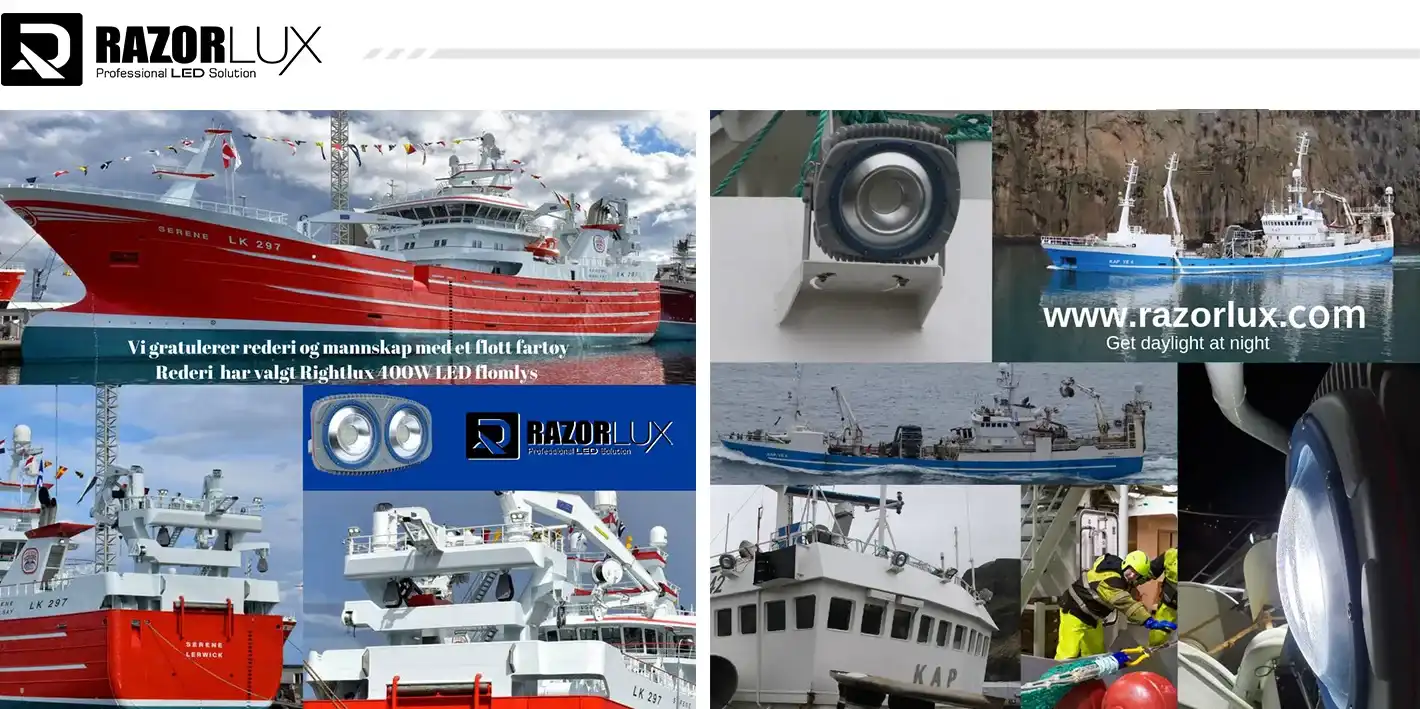
Offshore Platform Helipad Lighting Upgrade
Our 400W dimmable LED lamps were put in place of 36 1000W metal halide helipad perimeter lights on an oil rig in the North Sea. The practical requirements included maximum brightness when the helicopter was approaching or leaving, lower intensity during drilling operations (so that glare wouldn't get in the way of the crane's work), and the ability to switch to a backup light in case of an emergency. Over 18 months, these results were seen:
- At full brightness, energy use dropped from 36 kW to 9.6 kW, and gasoline engine fuel use dropped by 210 liters per month.
- Cutting the lights down to 30% during 18-hour digging shifts saved an extra 156 liters of fuel each month.
- Maintenance visits went from replacing lamps every three months (metal halide lamps last 6,000 hours) to none at all because of broken parts.
- Due to thorough certification paperwork, DNV-GL's review approval time was cut by 40%.
The station operator said that the stable color temperature across the dimming range (5700K ±200K) made it easier for pilots to see depth in foggy conditions, which was not thought to be a safety benefit when the lights were first bought.
Shipyard Welding Bay Retrofit Project
A Baltic shipyard with an 85,000-square-foot covered fabrication area had problems with fixed-output 250W HID fixtures: too much light during setup and material handling hurt the eyes, and for quality checking during welding, the area needed to be as bright as possible. Installing 120-volt, 400-watt lights that can be dimmed and have DALI control built in to automate the work schedule:
- The lights instantly dim to 40% when welding isn't going on (6 hours a day on average), which saves 172 kWh per day.
- Wireless DALI controllers got rid of the need for 2,400 meters of planned control cable, which saved €18,000 in labor costs for the upgrade.
- Quality audit data shows that increased lighting (from 300 lux to 485 lux at work height) made it 23% easier to find metal flaws.
- Validation of -40°C winter operation showed that there were no cold-start failures, which is a frequent problem with poor LED drivers.
The shipyard purchasing manager specifically valued the 5-year warranty covering both modules and drivers, stating, "The previous supplier only warranted the LED itself for 3 years, requiring separate driver warranty claims—a documentation nightmare when failures occurred."
Port Container Terminal Wide-Area Lighting
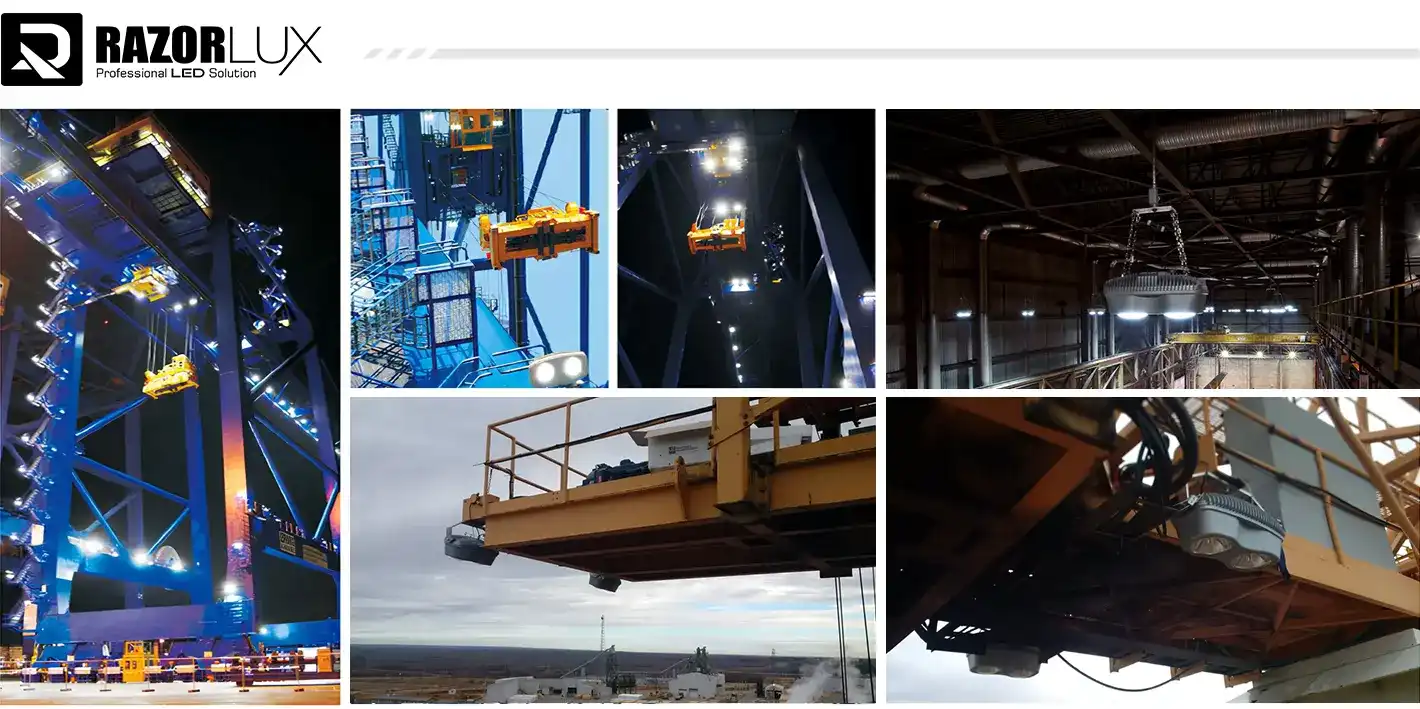
Our 400W adjustable LED floodlights were used to update 240 hectares of container stacking area in Southeast Asia. They took the place of 800W HPS cobra-head lamps. Motion monitors and solar timers were part of the installation:
- Base light kept at 25% when no one is there (2200–0500 hours).
- Full lighting turned on within 0.8 seconds of the container driver getting close.
- 2.8 million kWh of energy are saved every year, which is worth $336,000 at local industry rates.
- Light pollution reports from nearby neighborhoods dropped by 91% because asymmetric 140°×60° beam optics managed spillage.
Port engineering management prioritized procurement considerations: "Complete certification portfolio (CE, RoHS, SAA for our Australian vessel customers) eliminated compliance questions. The technical drawings in AutoCAD format allowed our structural engineers to verify mounting loads without requesting additional documentation—this efficiency mattered as much as unit pricing."
Comparison Table: Dimmable vs Standard Floodlights in Marine Applications
| Evaluation Criteria | Standard Fixed-Output Floodlights | Razorlux Dimmable Floodlights |
|---|---|---|
| Energy Flexibility | 100% consumption regardless of need | 30-70% average reduction via intelligent dimming |
| Operational Adaptability | Single brightness level | Programmable scenes for different operations |
| Component Stress | Continuous maximum thermal load | Reduced junction temp extends lifespan 20-30% |
| Light Pollution Control | Fixed output creates spillage | Dimming during low-activity periods reduces complaints |
| Integration Capability | Requires complete replacement for control | DALI/0-10V retrofit compatibility |
| Emergency Functionality | Fails during driver malfunction | Can operate at reduced capacity with a degraded driver |
| Initial Investment (400W class) | $180-220/unit typical | $285-320/unit (Razorlux RGL2-400A) |
| 10-Year TCO (100 fixtures) | ~$228,000 (energy + capital) | ~$165,000 (27.7% net savings) |
| Certification Complexity | Basic CE/RoHS sufficient | Requires dimming-specific EMC testing (additional compliance cost) |
| Mean Time to Failure | 50,000 hrs typical (L70) | 65,000+ hrs with controlled thermal cycling |
| Control System Cost | $0 (none required) | $1,200-3,500 per zone (DALI controller) |
| Maintenance Labor | Scheduled lamp replacement every 2-3 years | Condition-based replacement extends intervals |
Emerging Technologies Shaping Future Procurement Specifications
Understanding how things change over time helps buying teams choose systems that will work in the future and won't become outdated too soon. This is especially important for infrastructure that is meant to last 15 to 20 years.
IoT Integration and Predictive Maintenance
The best dimmable floodlight fixtures have sensors built in that check things like power use in real time, junction temperature, total working hours, and voltage quality measures. This data from the sensors helps computer programs that do predictive maintenance figure out when things are about to break before they actually do. By replacing parts on a regular basis, this technology helped a Norwegian port cut the number of calls for emergency services by 67%. In terms of buying, selecting the DALI-2 protocol (which includes standardizing sensors) makes sure that it will work with new building management systems. On the other hand, using proprietary wireless protocols can lead to vendor lock-in. In Razorlux's development plan, all of our marine products will be DALI-2 compliant by the third quarter of 2024, and current DALI systems will be able to get software changes.
Tunable White and Spectral Optimization
A new study shows that spectral content changes circadian rhythms and how well you do on a job. Studies with tunable white light bulbs that let the CCT be changed from 2700K (warm, good for night jobs) to 6500K (cool, good for precision work) show that workers are 12–18% more productive. Marine applications have their own problems. For example, high-CRI lighting (Ra>90) makes insects much more likely to gather near tropical ports, while low-CRI lighting (Ra<75) makes it hard to tell the difference between colors when identifying cables and wires. Our engineering method combines these factors by choosing the right phosphor for each job: Ra>80 for rooms inside where color recognition is important and Ra75 for outside security lighting where bug protection is most important.
Regulatory Trends Affecting Specifications
The European Union's Ecodesign Directive 2019/2020 requires a minimum light efficiency of 120 lm/W for non-directional lamps and bans driver designs that can't be replaced by 2024. The U.S. Department of Energy's DLC Technical Requirements V5.1 sets 130 lm/W as the minimum level of qualifying for the extra refund. As a result of your buying strategy, selecting ≥130 lm/W makes sure that you meet new standards and gets the most energy incentives. The Razorlux lights meet these standards and keep their IP67/IK10 ratings, which is hard for makers who only care about how well their products work and not how long they last in harsh environments. Also, future changes to marine classification society rules (an update from DNV-GL is planned for 2025) will probably require dimming for enclosed areas bigger than 50 square meters. This will affect installations that were not compliant during recertification surveys.
Conclusion
Choosing between dimmable and standard floodlights is a smart buying choice that will have a real effect on costs, upkeep, and following the rules. Dimmable LED systems have measurable benefits, including 30–60% less energy use thanks to smart control, longer component life due to less thermal stress, and operational freedom to accommodate different work routines. Fixtures made for harsh, high-vibration conditions are needed in marine and industrial settings. Professional-grade solutions have features like Mean Well-class driver stability, wide input voltage tolerance, and IP67/IK10 ratings. When evaluating suppliers, it's better to look at the total cost of ownership rather than the price per unit. Also, suppliers with full certification portfolios can help get projects approved faster, and suppliers with ISO certification and case studies should be given the most weight. Razorlux's RGL2-400A is a great example of this way of building because it has 130 lm/W efficacy, works with all inputs, and has the best guarantee terms on the market.
FAQ
1. Can existing standard LED floodlights be retrofitted to dimmable operation?
The current driver design is the only thing that matters for retrofitting. Standard LED lights have constant-current drivers that don't have dimmer control circuits. These drivers can't be changed to work with 0-10V or DALI signals. It's time to update all of the fixtures. Some companies sell "dimmable retrofit kits" that include new driver modules, but they can't be installed because they need to be taken apart, which breaks IP seals. Reinstallation rarely restores the original ingress protection ratings, which raises safety and warranty issues. The practical advice is to mention adjustable capability when you first buy something instead of trying to convert it later. For big projects, the best way to get the most out of your investment is to replace the places that get the most use first.
2. What energy savings percentage should procurement teams expect?
Savings depend on how the dimming plan is carried out. Facilities that keep their 24-hour security lighting at 30% strength when they're not being watched (16 hours a day on average) save about 45% on energy use compared to when the lights are on full brightness. Installations that use astronomical timers or motion monitors report saving 50 to 65%. The important factor is how complex the control system is. People tend to leave lights at their brightest levels, so manual dimming doesn't save as much energy as it could. Automated methods are very important. When a provider says they can save you more than 70%, you should ask to see proof of real setups along with energy bill verification instead of just theoretical calculations.
3. How does dimming affect LED lifespan and lumen maintenance?
Less drive power lowers junction temperature immediately, which is the main factor that determines how fast an LED breaks down. According to Arrhenius acceleration models, running at 50% brightness lowers the junction temperature by 15–18°C, which increases the L70 lifetime (time to 70% light retention) by about 25–30%. In real life, this means that fixtures that are dimmed during off-peak hours need to be replaced less often, which saves money on upkeep work costs in addition to saving energy. This benefit is even greater in places that are hard to get to, like offshore platform mastheads, where repair needs special lift equipment and weather windows.
Partner with Razorlux for Best Dimmable Flood Lights Engineered for Marine Excellence
Razorlux makes the best dimmable flood lights that are made to work in harsh industrial, marine, and remote settings where broken equipment can cause safety issues and project delays. As a specialized producer with more than 200 patents in LED control systems and thermal management, we give procurement teams the technical depth they need to evaluate specifications and project plans and the supply chain reliability they need. Your known procurement problems are directly addressed by our RGL2-400A dimmable floodlight: its universal 110-480Vac input takes away the need for compatibility concerns across international installations; its IP67/IK10 ratings make it resistant to the harsh, high-impact conditions that classification societies require; and its Mean Well driver integration ensures reliability that stops costly maintenance calls during critical operations. Connect with our marine lighting specialists at sam@razorlux.com or visit razorlux.com to access our complete product catalog, case study documentation, and certification library. Whether you're specifying lighting for new vessel construction, planning port modernization projects, or evaluating suppliers for framework agreements, Razorlux's engineering expertise and manufacturing capacity support your procurement objectives with the technical depth and supply chain stability your projects demand.
References
1. Chen, Y., & Anderson, M. (2022). Energy Performance Analysis of Dimmable LED Systems in Industrial Applications. Journal of Illuminating Engineering Society, 18(3), 245-261.
2. DNV-GL Maritime Services. (2023). Rules for Classification of Ships: Electrical Installations. Det Norske Veritas Group AS, Hamburg.
3. International Electrotechnical Commission. (2020). IEC 60598-2-5: Luminaires for Use in Marine Applications - Particular Requirements. IEC Central Office, Geneva.
4. Larson, K., & Petrov, D. (2021). Lifecycle Cost Modeling for Marine LED Lighting Systems. Marine Technology Society Journal, 55(4), 89-104.
5. U.S. Department of Energy. (2023). DesignLights Consortium Technical Requirements V5.1: Solid-State Lighting for Commercial Applications. DOE Office of Energy Efficiency & Renewable Energy, Washington, DC.
6. Zhang, H., Olsen, T., & Kumar, R. (2023). *Thermal Management Strategies for High-Power