


_1750326878398.png)

What Makes a 400W Equivalent Led Flood Light Better Than HID?
By virtue of its higher energy economy, prolonged lifespan, quick illumination, and enhanced durability, a 400W Equivalent Led Flood Light beats out traditional HID lighting in terms of performance. In comparison to high-intensity discharge (HID) flood lights, modern LED flood lights consume up to 70 percent less energy while offering equivalent levels of brightness. Additionally, LED flood lights work for over 50,000 hours, whereas HID flood lights function for only 10–15 thousand hours. Furthermore, LED flood lights provide immediate full brightness without any warm-up periods. Within the context of marine, industrial, and commercial applications, these advantages translate into significant cost reductions and increased performance.
Understanding the Core Technology Differences
Both light-emitting diode (LED) and high-intensity discharge (HID) technologies are distinguished by the manner in which they generate light. In high-intensity discharge (HID) lamps, illumination is produced by passing electrical current through ionized gas. On the other hand, light-emitting diode (LED) technology makes use of semiconductor materials that generate photons.
Their respective performances are defined by three fundamental technological differences:
- The efficiency of light generation is achieved by LED chips, which convert around 95% of the electrical energy into light. In contrast, high-intensity discharge (HID) systems emit a significant amount of heat.
- In terms of spectral quality, LED technology allows for precise color temperature control ranging from 2700K to 6500K, whereas HID lamps only provide a restricted range of spectral alternatives.
- The operational stability of LED systems is characterized by their ability to maintain a consistent output throughout their lifespan, in contrast to the gradual degradation that HID bulbs endure over time. This long-lasting performance guarantees that the 400W equivalent LED flood light will continue to provide dependable illumination for many years to come, without the frequent need for replacements that are common with HID systems.
LED flood lights are constructed using semiconductors, which results in the elimination of the delicate components that are included in HID systems. This sturdy construction proves to be especially useful for marine situations, which present challenges to typical lighting solutions due to the presence of vibration and temperature changes.
On the other hand, in comparison to gas-discharge high-intensity discharge (HID) systems, LED technology offers higher resilience when it comes to providing reliable outdoor illumination for tough settings.
Energy Efficiency and Power Consumption Analysis
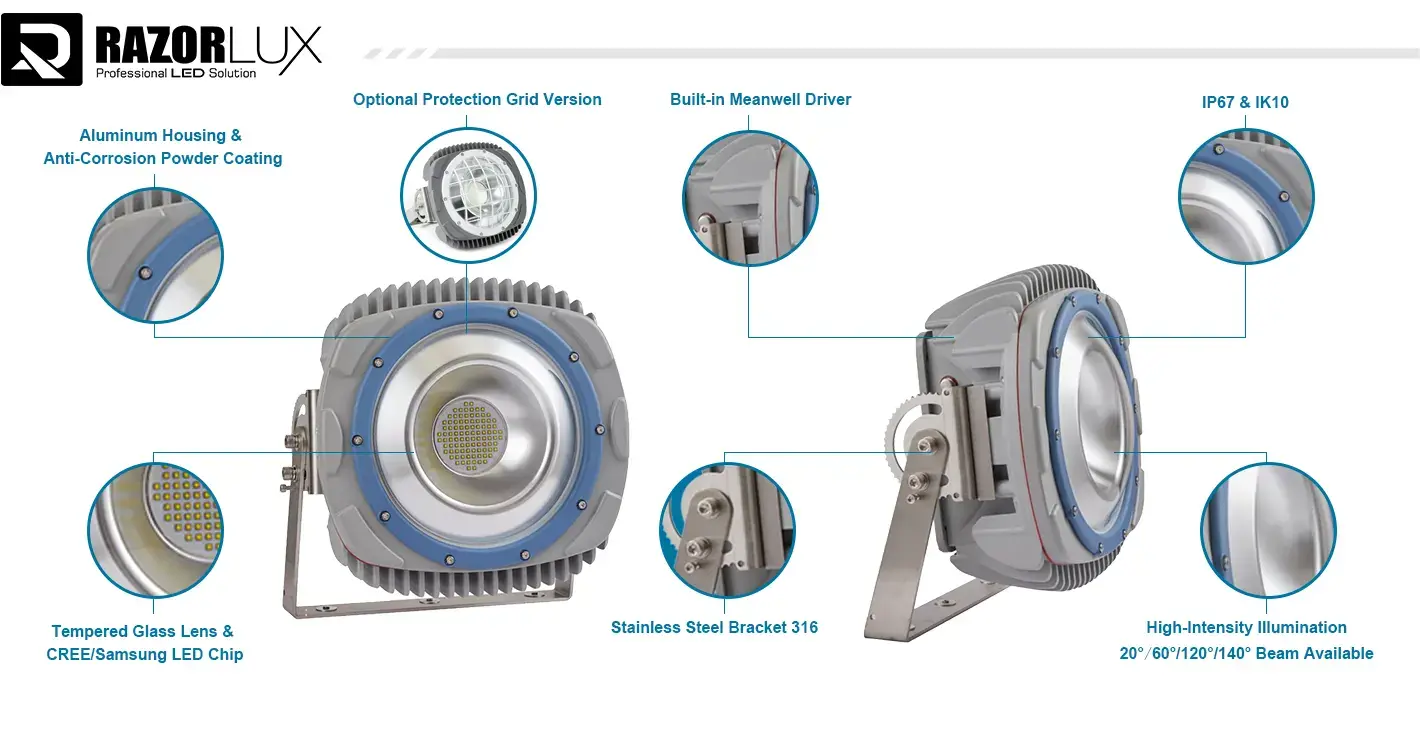
Modern LED flood lights achieve remarkable energy efficiency ratings exceeding 130 lumens per watt, dramatically surpassing HID performance metrics. This efficiency advantage creates substantial operational cost reductions for large-scale installations.
Comparative Energy Consumption Data:
- 400W HID System: 400W actual consumption + ballast losses (450W total)
- LED Equivalent: 100-150W consumption for similar lumen output
- Annual Energy Savings: Approximately 60-70% reduction in electricity costs
| Lighting System | Power Consumption | Additional Losses | Total Consumption | Equivalent Light Output | Estimated Energy Savings |
|---|---|---|---|---|---|
| 400W HID System | 400W | Ballast losses (~50W) | 450W | Standard HID output | Baseline |
| LED Equivalent | 100–150W | Minimal driver loss | 100–150W | Similar lumen output to 400W HID | 60–70% lower electricity usage |
High-quality LED lighting are equipped with sophisticated power management systems that have the ability to optimize energy consumption across a wide range of voltage inputs. The 400W equivalent LED flood light is an example of a professional-grade device that can accommodate AC110-480V as well as numerous DC voltage ranges. This ensures that the unit's performance remains consistent regardless of any differences in the power supply.
The phenomenon of heat dissipation is yet another essential component of efficiency. LED systems provide a negligible amount of thermal output, which reduces the amount of cooling that is required in enclosed environments. Especially useful for shipyard applications, where ambient temperatures already present a challenge to the performance of equipment, this trait proves to be particularly advantageous.
LED flood lights offer an unrivaled level of energy economy for commercial installations, making them an ideal choice for situations where it is necessary to reduce operational expenses while still attaining a high level of illumination.
Lifespan and Maintenance Cost Comparison
The operational lifespan differential between LED and HID lighting creates compelling economic advantages. Professional LED flood lights operate effectively for 50,000+ hours, while HID lamps typically require replacement after 10,000-15,000 hours of service.
Maintenance Cost Analysis:
- LED Replacement Cycle: 8-10 years (based on 12-hour daily operation)
- HID Replacement Cycle: 2-3 years under similar conditions
- Labor Cost Savings: Reduced maintenance interventions lower operational disruptions
- Component Availability: LED modules offer superior supply chain stability
This allows for selective component replacement rather than total fixture modifications, which is made possible by the modular structure of sophisticated LED systems. By adhering to this design concept, long-term maintenance costs are considerably reduced, and the amount of time that equipment is down between service periods is minimized.
LED components and housings are covered by comprehensive warranty coverage that extends for more than five years, and quality manufacturers provide extended housing warranties. Having this coverage reflects the confidence of the maker while also preserving the value of the investment.
LED technology offers significant advantages over traditional HID systems, particularly when it comes to the provision of reduced maintenance requirements for installation areas that are difficult to access or remote.
Installation and Operational Advantages
LED flood lights have instant operational benefits that make projects run more smoothly and improve the user experience. In contrast to HID lights, which need time to warm up, LED systems reach full brightness as soon as they are turned on.
Advantages of installation include:
- Reduced Infrastructure Requirements: Lower power consumption reduces electrical system demands
- Flexible Mounting Options: The lightweight design lets you choose from a number of different mounting methods.
- Controls Made Easier: Digital dimming works with current control systems without any problems.
- Weather Resistance: IP67 ratings make sure that devices work reliably in marine settings
Because LED fixtures are small, they are easier to add to current installations. Standard mounting patterns allow for simple improvements that don't require major changes to the infrastructure. This similarity cuts down on project costs and time needed to complete.
Smart features like motion sensors, daylight sensors, and programmable settings are built into more advanced LED systems. These features allow automated operation that makes the best use of energy while keeping the protection lighting working well. These functions can all be used by a 400W equivalent LED flood light, which is both efficient and easy to use.
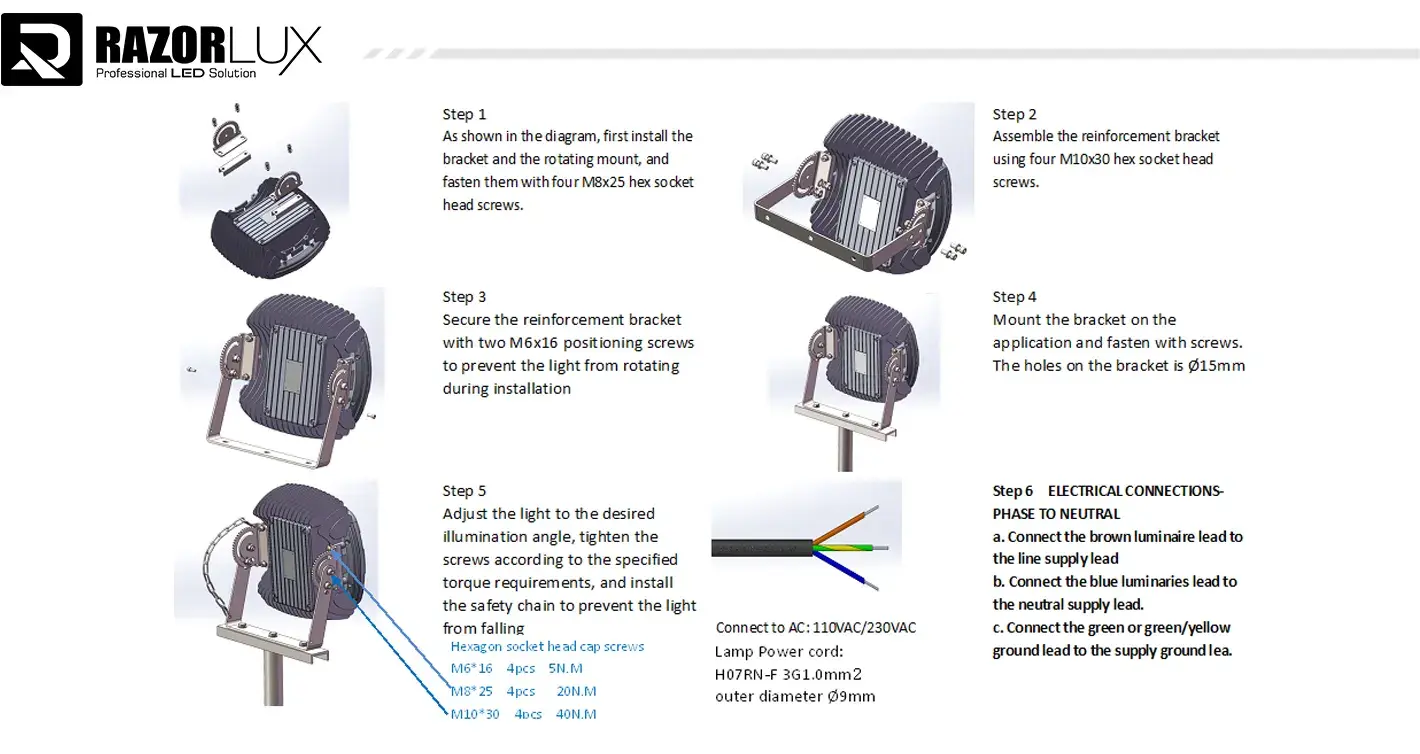
LED flood lights get rid of the hassles that come with starting a HID system, so they can be set up quickly and start working right away.
Environmental Impact and Sustainability
LED technology is very good for the earth because it uses less energy and doesn't need any harmful materials. Traditional HID lamps have mercury and other dangerous chemicals inside that need special ways to be thrown away.
Advantages for the environment:
- Carbon Footprint Reduction: 60-70% lower energy consumption reduces greenhouse gas emissions
- Material safety: LED parts don't have any mercury or dangerous gases in them.
- Ability to be recycled: Aluminum housings and semiconductor parts help recycling efforts.
- Light Pollution Control: Accurate beam control cuts down on sky glow and environmental damage.
Because LED systems last longer, they require less manufacturing and produce less trash. Because it lasts longer, the product leaves less of an impact on the earth over its whole lifecycle.
Modern LED lights are made from recyclable materials, like aluminum housings and mounting hardware made of stainless steel. These choices of materials support environmentally friendly practices while also being resistant to corrosion for use in naval settings.
If you want to meet your sustainability goals and use lighting that is good for the environment, LED technology is clearly better than HID options that contain mercury.
Performance in Harsh Marine Environments
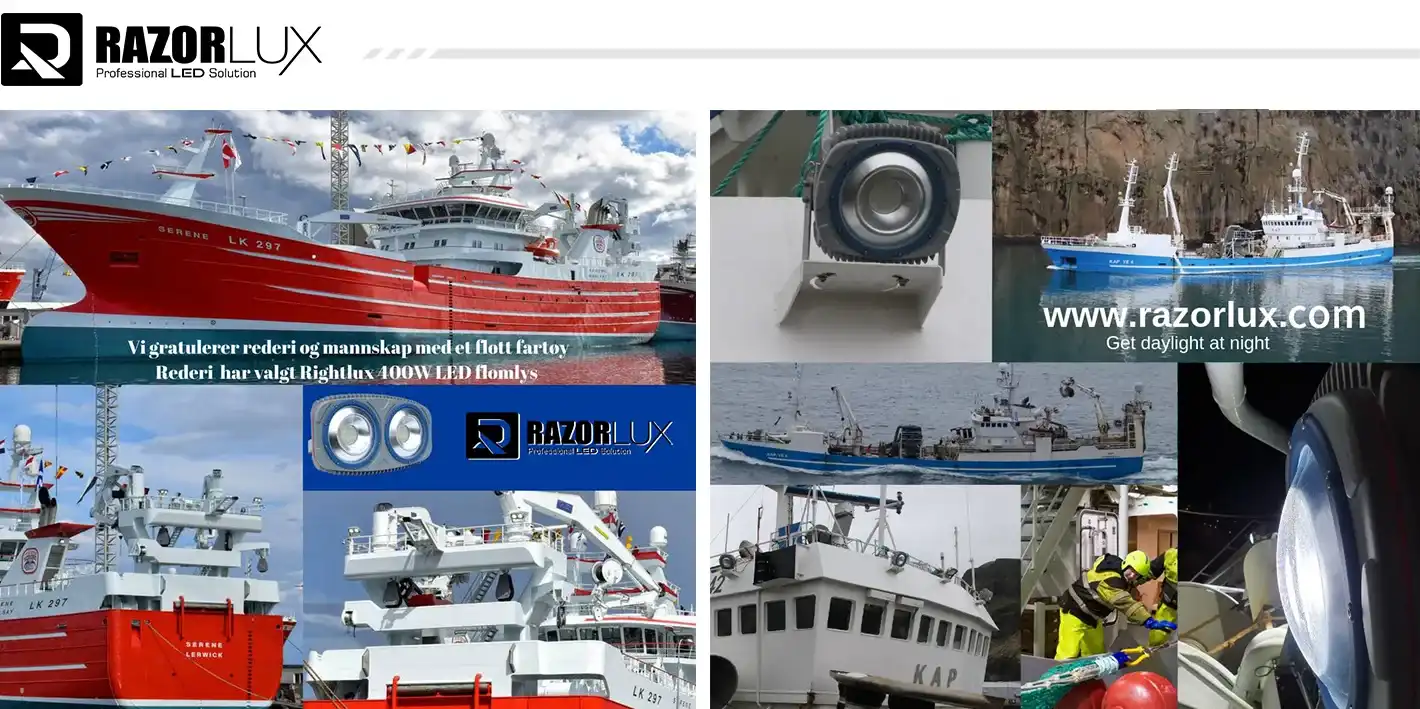
Lighting solutions that can handle harsh environments are needed for marine and offshore uses. LED flood lights work better in places with a lot of corrosion and pressure, where traditional HID systems often fail.
Pros of Marine Performance:
- Corrosion Resistance: The marine-grade coatings on the aluminum structure make it resistant to salt spray.
- Vibration Tolerance: Solid-state design gets rid of gas chambers and filaments that are easily broken.
- Stability in Temperature: Extreme conditions can be handled by wide running temperature ranges (-40°C to +60°C).
- Protection against moisture: IP67 sealing keeps water out of underwater uses
Because LED systems don't have any fragile parts, they don't have the same failure modes that HID lamps do in marine settings. Glass envelopes, electrode assemblies, and gas tanks are all weak spots that LED technology gets rid of completely.
Professional marine LED fixtures, like the 400W equivalent LED flood light, have extra features like emergency modes, backup power circuits, and certificates that say they can't explode. These features make sure that operations can keep going in dangerous situations, even in the toughest settings.
LED flood lights are the most durable lights you can find for harsh marine settings, making them perfect for offshore platforms, shipyards, and dock facilities that need reliable lighting.
Cost-Benefit Analysis for Industrial Applications
When investing in industrial lighting, it's important to think about the total cost of ownership, which includes the purchase price, the cost of installation, the cost of running the lights, and the need for regular upkeep. There are clear cash benefits to using LED technology in every area.
Total Cost Analysis Factors:
| Cost Category | HID Systems | LED Systems | Advantage |
|---|---|---|---|
| Initial Investment | Moderate | Higher | HID |
| Installation Costs | Higher (electrical) | Lower | LED |
| Energy Consumption | High | Low | LED |
| Maintenance Frequency | High | Low | LED |
| Replacement Costs | Frequent | Rare | LED |
LED investments usually pay for themselves in 18 to 36 months, but this depends on how often they are used and how much energy costs in the area. Applications that get a lot of use, like port hubs and factories, get their money back faster by using less energy.
Upgrades to LEDs are often supported by government benefits and energy refund programs, which make the project even more cost-effective. These programs know that lowering energy demand during busy times is good for the grid as a whole.
If you want to know exactly how much your lights will cost and have as few upkeep problems as possible, LED systems are better for your wallet than traditional HID options.
Razorlux: Your Trusted 400W Equivalent Led Flood Light Manufacturer
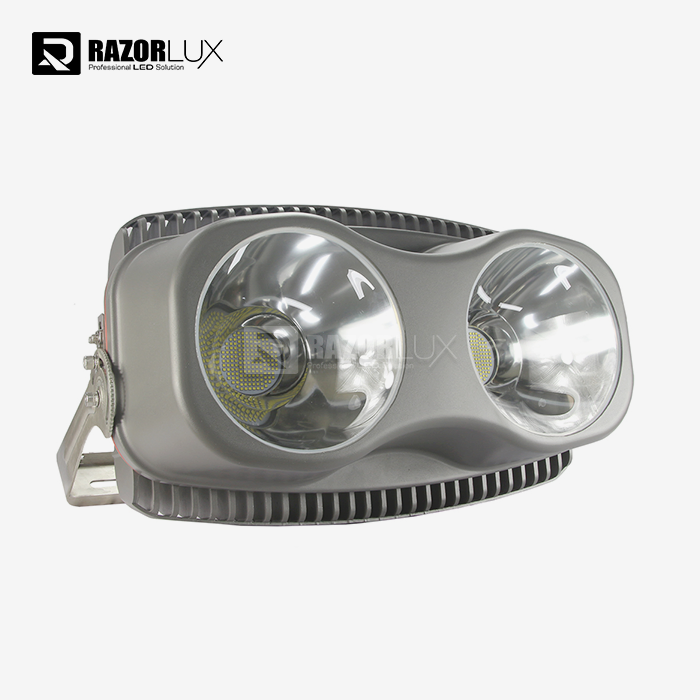
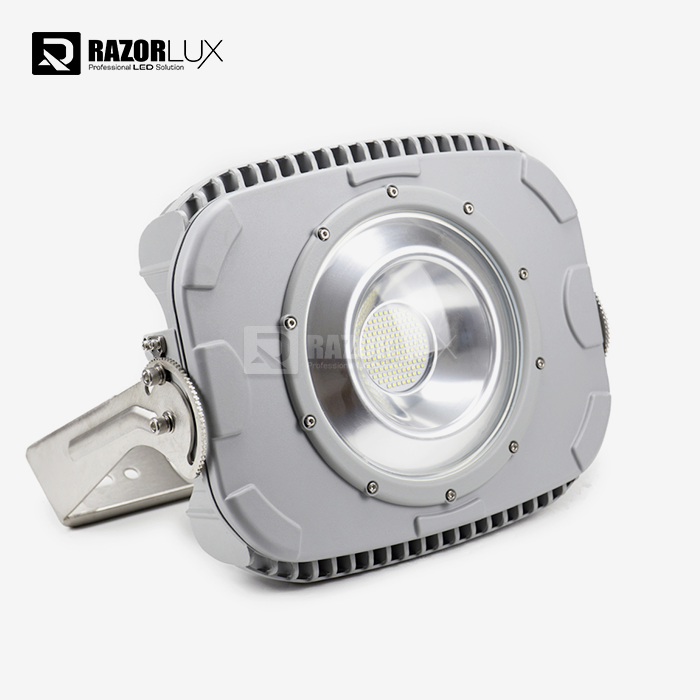
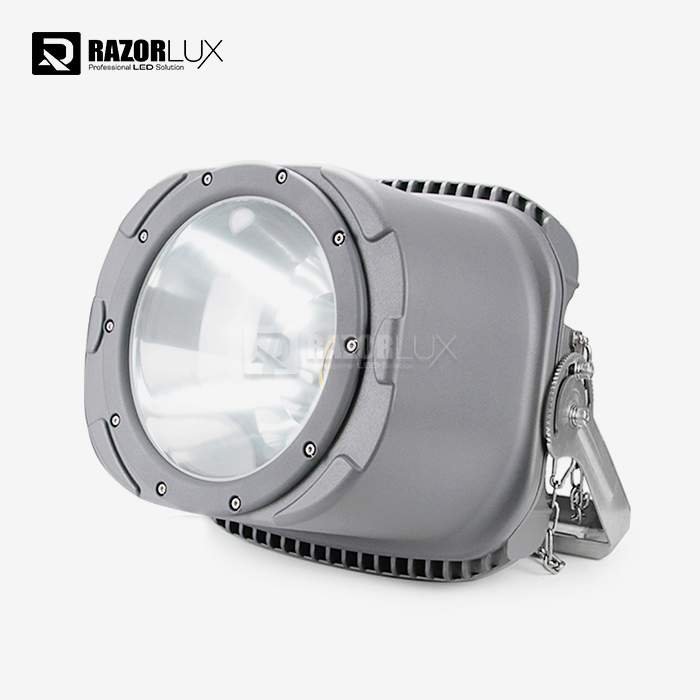
Razorlux delivers industry-leading LED flood lighting solutions engineered specifically for demanding marine and industrial environments. Our 400W equivalent LED flood lights achieve 130LM/W efficiency while maintaining IP67 waterproof protection and IK10 impact resistance. With over 200 patents and 25+ years of manufacturing expertise, we supply premium quality fixtures featuring Samsung chips and Mean Well drivers backed by comprehensive 5-year warranties. Contact our technical team at sam@razorlux.com to discuss your project requirements and receive customized specifications.
References
1. Department of Energy. "LED Lighting Facts: Energy Efficiency and Performance Standards." Office of Energy Efficiency and Renewable Energy, 2023.
2. International Association of Lighting Designers. "Marine Lighting Applications and Environmental Considerations." Technical Publication Series, 2022.
3. Institute of Electrical and Electronics Engineers. "Comparative Analysis of HID and LED Technologies in Industrial Applications." IEEE Standards Publication, 2023.
4. American Society of Testing and Materials. "Environmental Testing Standards for Marine Electrical Equipment." ASTM International Standards, 2022.
5. International Maritime Organization. "Guidelines for LED Lighting Systems in Maritime Applications." Marine Safety Committee Publication, 2023.
6. Energy Star Program. "Commercial and Industrial LED Lighting Specification Guidelines." Environmental Protection Agency, 2023.
 VIEW MOREcrane ceiling light
 VIEW MOREoutdoor ice rink lights
 VIEW MOREoutdoor riding arena lights
 VIEW MOREled indoor sports lighting
 VIEW MOREled flood light for football field
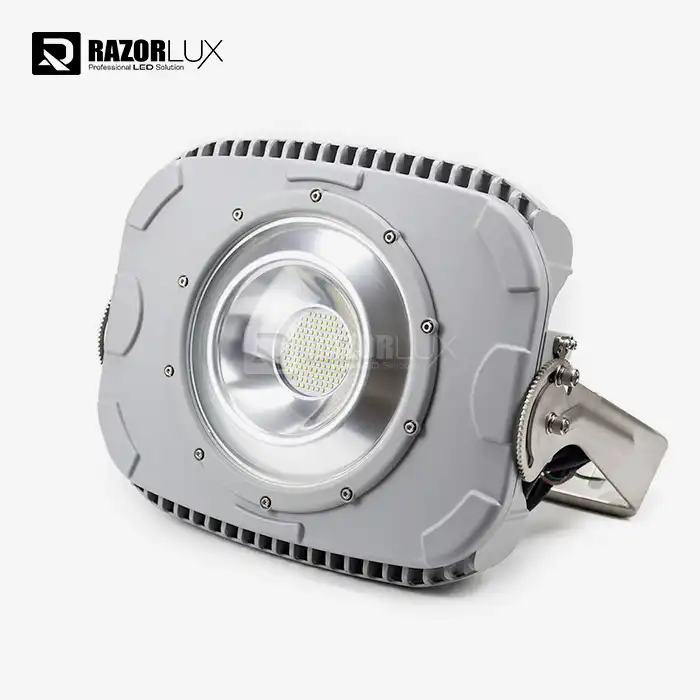 VIEW MOREOutdoor Led Flood Light With Photocell
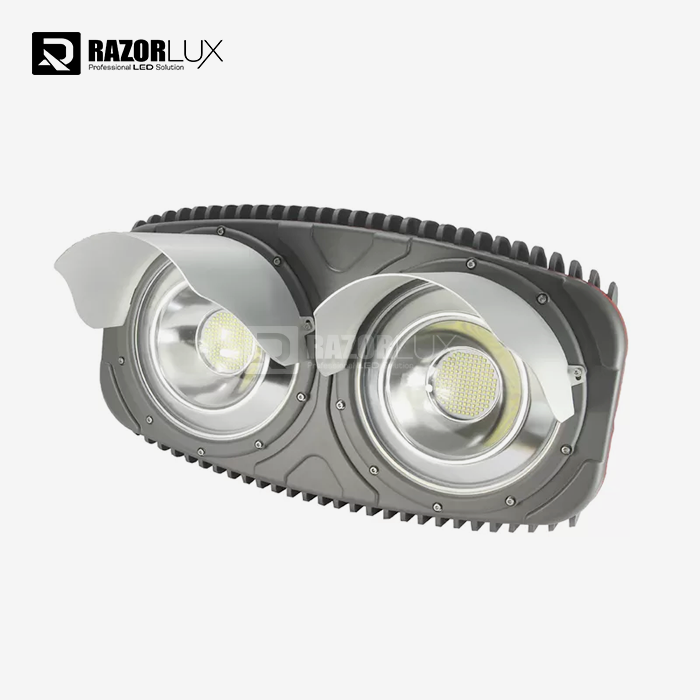 VIEW MOREDie Cast Waterproof Led Flood Light Outdoor 6000K Saa Aluminum Alloy
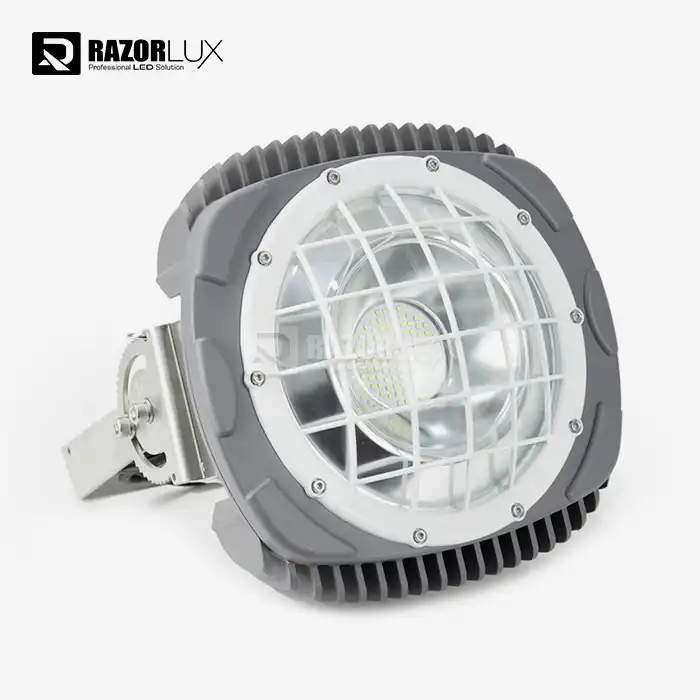 VIEW MOREOutdoor Dimmable Flood Lights