


_1750326878398.png)

Best Dimmable Flood Lights: Features, Benefits, and Buying Guide
High-intensity LED floodlights that can be dimmed have changed how industrial parks, ports, and ocean sites light up their outdoor areas. Understanding dimmable technology is no longer a nice-to-have for procurement managers and marine equipment integrators who need to buy heavy-duty lighting. Adjustable light output and tough construction make these high-tech lamps useful in a variety of situations. They can handle rust from saltwater, high temperatures, and mechanical vibrations. The right Best Dimmable Flood Lights balance energy efficiency with mission-critical reliability, backed by certifications that meet strict maritime and industrial standards. It can be used to replace old halogen systems on ship decks or to light up dock infrastructure during different operational phases.
Understanding Dimmable Flood Lights: Features and Benefits
Core Dimming Technologies and Compatibility
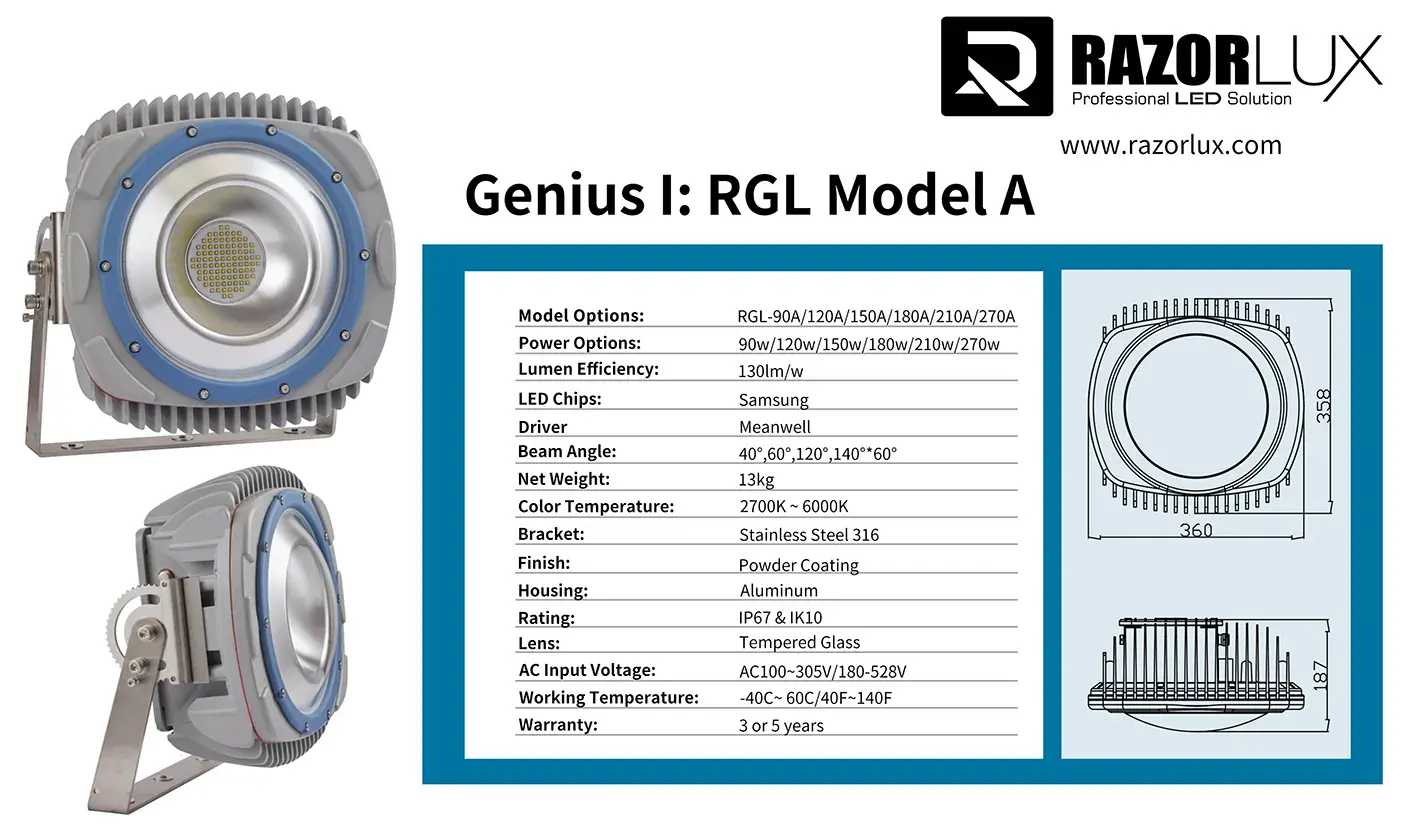
There are different control methods for modern dimmable flood lights, and each one works best in a different industry setting. The 0-10V analogue dimmer system is still widely used in naval and heavy-duty settings because it is easy to use and doesn't pick up noise, which is very important when machinery is nearby and causing electrical interference. Digital Addressable Lighting Interface (DALI) lets you fine-tune control over many lights at once. This makes it perfect for big shipyard buildings that need to handle lighting in different areas. Pulse Width Modulation (PWM) dimming at frequencies above 1000Hz gets rid of flicker that could mess up security cameras or make crew members tired of their eyes after long shifts. Razorlux's RGL2-400A model can accept voltages between 110V and 480V and between 100V and 800V without the need for extra adapters. This solves a common problem where ships and offshore platforms use different types of electricity.
Critical Performance Specifications
Luminous efficacy is one of the main criteria for selection. At 130 lm/W, our lights put out 52,000 lumens while only using 400W of power, which means they can replace HID lamps that use 800–1000W. This efficiency directly leads to less fuel being used on ships driven by generators and lower operating costs across all port sites. The colour rendering index (CRI Ra>75, with Ra>90 also available) makes sure that people can see colours correctly during safety checks and maintenance tasks, where it's important to be able to see things like corrosion patterns or cable colour codes. Long-term dependability depends on how well thermal control is done. Even in tropical areas, die-cast aluminium housings with optimised fin shape keep junction temperatures below 65°C. This protects the Mean Well power source and makes the L70 last longer than 50,000 hours. This long life is very important when replacing something that needs to be accessed by a crane or while the ship is in dry dock.
Operational Advantages for Industrial Environments
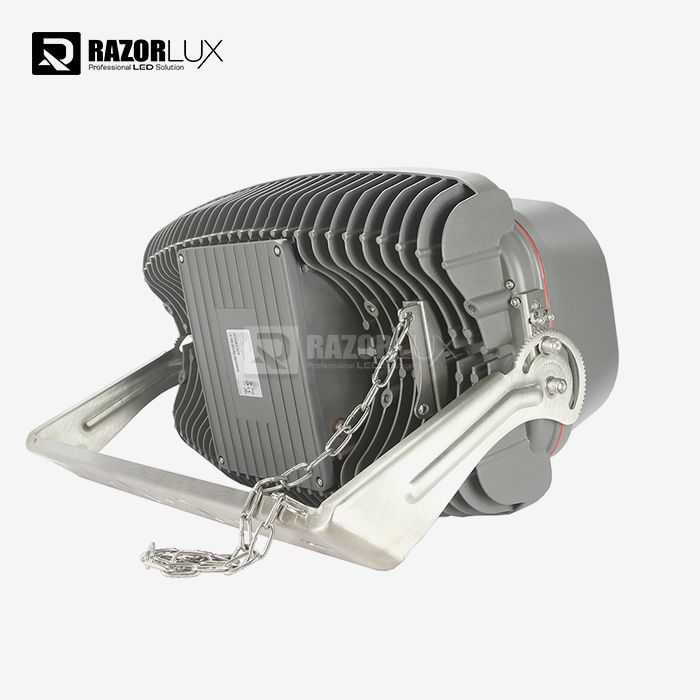
Fixed-output lights can't handle all of the operational situations that adjustable brightness can. During regular repair times, turning the lights down to 30% keeps the workplace safe and saves energy. Integrated motion sensors or remote controls let security guards turn on full power right away. It is easier for facilities to follow environmental rules when they can cut down on light pollution during times when migrant birds are passing through or when they have to follow coastal rules that limit skyglow. The IP67/IK10 rating and stainless steel mounting bracket guard against pressurised water jets used for cleaning the deck and damage from dropped tools or moving goods. By specially treating the surface, salt spray protection is achieved. This stops the galvanic corrosion that kills standard fixtures in marine settings within months.
How to Choose the Best Dimmable Flood Lights for Your Needs
Matching Technical Requirements to Application Demands
First, procurement teams have to figure out what natural factors can't be changed. Offshore platforms need at least IP67 protection and can work in temperatures ranging from -40°C to 60°C, and all of these requirements are met by our fixtures. Shipyards need a variety of beam angles, such as 40° for lighting up specific work areas, 120° for lighting up the whole deck, and irregular 140°x60° patterns for the sides of the piers. Being able to change these settings when you place your order stops you from having to make compromises that result in poor coverage or wasted light. Voltage compatibility keeps expensive changes to the equipment from having to be made. Our 500-800VDC range is useful for facilities with older DC systems, like older ships. For new builds that use shore power integration, the AC110-480V range works well without the need for step-down transformers.
Certification and Checking of Components
Maritime certifications (DNV/GL, ABS) and industrial standards (CE, RoHS, UL, DLC) are more than just legal requirements; they back up testing done by a third party in conditions that are similar to years of hard use. Because we work with well-known part makers like Mean Well drivers and Samsung LED chips, procurement managers can see exactly what's going on in the supply chain, which is important for keeping records and enforcing warranties. The power factor (≥0.98) and THD (<10%) requirements keep electrical disturbance from messing up radio communications and tracking equipment. This is something that is often forgotten until systems break down during important operations. These factors are just as important in industrial settings with sensitive instruments and changing frequency drives.

Evaluating Total Cost of Ownership
The buying price is only 20–30% of the total cost over the life of the item. The amount of energy used over 50,000 hours is much higher than the initial costs. A 400W LED light that is lowered to 60% power (240W effective) and uses $0.12/kWh will cost about $12,600 in electricity over its lifetime. The new 900W HID system would cost $47,250, which is $34,650 more per fixture than the old one, even before the savings on maintenance labour are taken into account. Costs go up when replacements are needed often. Our 5-year warranty on LED modules and drivers is backed by a 10-year warranty on the housing. Best Dimmable Flood Lights: This is very different from the 18-month cycles that most lesser goods have. In marine settings, each replacement that isn't needed saves between $800 and $2500 when you add up the costs of crane rental, electricity shutdowns, and expert labour.
| Cost Factor | Standard HID System | Razorlux Dimmable LED |
|---|---|---|
| Initial Unit Cost | $850 | $1,450 |
| Energy Cost (50,000 hrs) | $47,250 | $12,600 |
| Replacement Cycles | 3–4 times | 0 (while under warranty) |
| Maintenance Labor | $6,000 to $8,000 | $0–500 |
| Total 10-Year Cost | $60,100 | $14,550 |
Installation and Maintenance Guide for Dimmable Flood Lights
Pre-Installation Planning and Verification
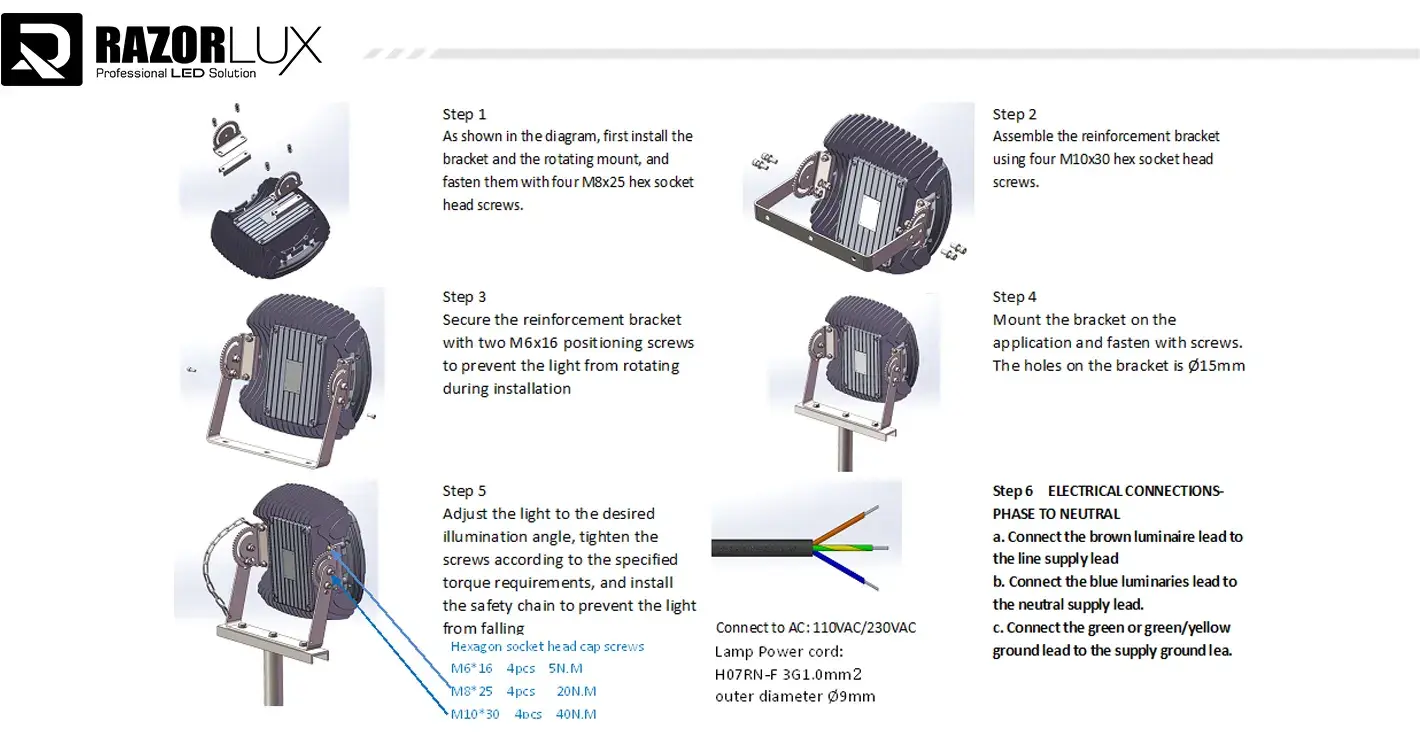
Verification of electricity system compatibility is the first step to a successful rollout. Testing the existing dimmer system saves you the trouble of buying lights only to find that they don't work with the controls you already have. Before a sale, our expert team can help you make sure that the dimming methods will work with any building automation systems or standalone controls that you already have. Weatherproof integrity is affected by how the mounting surface is prepared. Stainless steel brackets must be attached to substrates that are structurally sound and can handle wind loads and vibrations. The 15 kg weight of the fixture needs the right fixings. For permanent installs, we suggest M12 stainless bolts with Loctite thread sealant, and for yearly shifting, marine-grade quick-release mechanisms.
Step-by-Step Installation Protocol
When making electrical connections, you need to pay close attention. IP67 cable glands must be able to properly compress on the insulation of the conductors without cutting the strands. We ask for double-crimped connections with heat-shrink covers instead of wire nuts, which come loose when the system shakes. Driver damage can be avoided by checking the polarity before turning it on. A simple voltmeter check can save you a lot of money on expensive part replacements. When deciding on a beam angle, you need to think about the job at hand and how to control glare. Fixtures that light up paths should be put below eye level or have covers to keep people from getting hurt. Our 140°x60° asymmetric optics work great at dock edges because they cover a lot of ground horizontally and reduce water reflection, which causes glare for people operating boats.
Preventive Maintenance Protocols
Most marine environments work best with inspections every three months. To clean, rinse with fresh water to get rid of salt deposits and then wipe gently with microfibre cloths that aren't rough. Pressure washing up close is not a good idea. Items with an IP67 rating can handle water jets, but seals may become less effective after being exposed to focused streams over time. Moisture can't get in because of gasket quality checks. Checking visually for cracks or compression set only takes a moment but can save big problems from happening. As spare parts, replacement gaskets cost $8, while a corroded fixture costs $1,450. After the first month, checking the torque on the fixing bolts makes up for changes in temperature that can make hardware loose.
Top Rated Best Dimmable Flood Lights in 2024: Reviews and Comparisons
Performance Benchmarking Across Industrial Applications
The Razorlux RGL2-400A stands out because it can handle more than one voltage, which other products can't. Shipyards that work on foreign ships have to deal with electricity systems that are set up in a range of ways, from 110V in North America to 480V in Europe. One fastener works for all of our universal inputs, so you don't have to keep track of a lot of different parts. Comparative testing shows big differences in the quality of the drivers. Mean Well power sources keep the output fixed from 10% to 95% dimming, so you won't hear any noise or see any flickering. When competing brands use generic drivers, the coil whines at low dim levels and the transitions aren't smooth; this makes the working environment unacceptable. Thermal imaging at 40°C ambient temperature shows that our fin geometry keeps LED junction temperatures 12–18°C cooler than competitors with a cylindrical shape. This difference has a direct effect on lumen maintenance. Our L90 grade (90% light output retention) goes over 30,000 hours, while competitors only hit L90 after 18,000 to 22,000 hours.
Technology Comparison: LED vs. Traditional HID
In addition to using less energy, LED technology can turn on instantly, so there is no need for the 3–5 minute warm-up time that slows down security reaction. HID systems still don't have dimming features—either you have to run them at full power or put a lot of lights with switching controls, which raises the cost of installation. For inspection jobs, colour temperature steadiness is important. Over time, HID lights turn yellow-orange, which changes how colours are seen. Our 5700K specification (or the customisable 2700–6500K range) keeps the colour temperature stable over a 50,000-hour lifespan, which is important for checking the condition of coatings or wiring insulation. Environmental dumping issues are becoming more and more important in purchasing choices. HID lights contain mercury, which makes them hazardous trash, but LED fixtures are just regular electrical waste. The costs of following the rules and the risk of being sued encourage the use of LEDs.
| Feature | HID Flood Light | Razorlux LED Dimmable |
|---|---|---|
| Warm-up Time | 3 to 5 minutes | Right now |
| Dimming Capability | Not at all | Smooth from 0 to 100% |
| Lifespan | 10,000 to 15,000 hours | 50,000+ hours |
| Color Shift Over Life | Very Important | Not much |
| Impact Resistance | Broken glass | 10 IK rating |
| Cold Weather Performance | Reduced | Rated at -40°C |
Where and How to Buy Dimmable Flood Lights: Procurement Tips
Supplier Evaluation Criteria
Delivery failures can be avoided by checking the manufacturing capability. We keep our ISO 9001 approval up to date, which covers everything from design to final testing. We can do everything in-house, from LED packing to final assembly. This vertical integration makes sure that quality is always the same and that changes to specifications are quickly made, which is very important when project deadlines are tight. As part of the sample assessment, you should test the fading performance under load conditions that are similar to those in your application. Ask for paperwork on driver compatibility that lists the control voltage ranges that are allowed and the minimum load that must be present. Some dimmers have minimum power requirements. Our 400W lights meet all of these requirements, but it's best to check just to be safe.
Negotiating Terms and Documentation
Photometric testing reports (IES files), thermal performance data, and salt spray test results must all be on technical datasheets. Marine classification certificates (DNV, ABS) should refer to specific types of products, not general company approvals. We give you project-specific paperwork packages that include upkeep schedules, installation instructions, and lists of spare parts that meet the needs of your quality management system. Warranty terms should be looked at closely for more than just how long they last. Best Dimmable Flood Lights Our 5-year warranty covers both LED modules and drivers. Some competitors only cover modules for 2 years, leaving customers open to liability when they fail. Make it clear if the guarantee service includes shipping a new unit ahead of time or if the unit has to be sent back for repair, which leaves gaps in operations.
Logistics and Inventory Management
Buying in bulk for projects with more than one step locks in prices and makes sure that specifications stay the same. Our production ability allows for container-load quantities, and normal configurations have lead times of 4 to 6 weeks. Custom configurations have lead times of 6 to 8 weeks. Keeping 60° and 120° common beam angles on hand as maintenance spares lets you replace them right away if something goes wrong. Packaging can handle the rough conditions of foreign shipping. Individual cartons with moulded foam inserts keep the lenses and housing from getting scratched or dented while the container is being shipped. Pallet layouts make it easier to load 20- and 40-foot containers, which lowers the cost of freight per unit for big orders.
Real-World Applications and Case Studies
Port Infrastructure Modernization
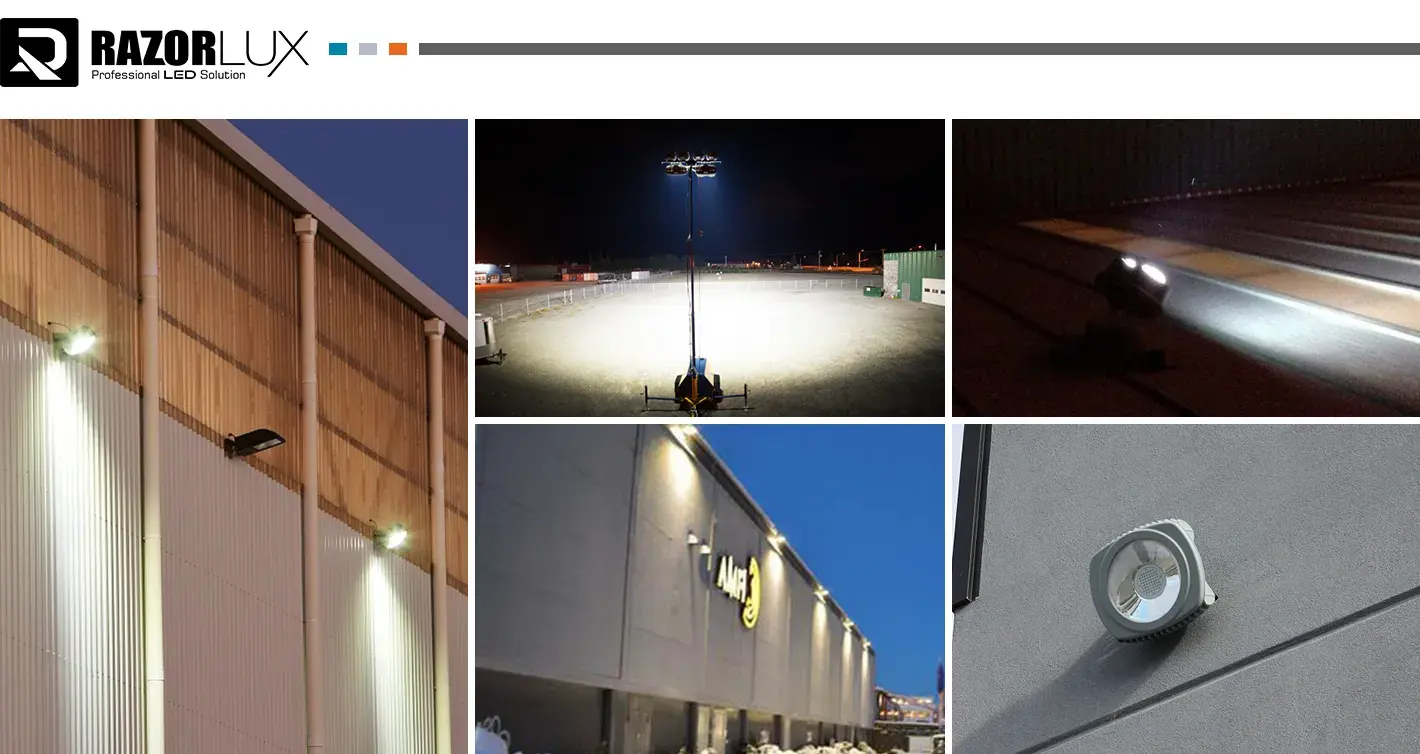
Our 400W Dimmable LED Flood Lights were put in place of 180 1000W HID lighting at a Norwegian container port to light up 12 hectares of cargo handling area. By connecting them to their current building management system, automatic dimming plans were made possible: full intensity during active loading, 40% intensity during vessel repositioning, and 20% intensity overnight for security. The amount of energy used each year dropped by 68%, which saved 420,000 kWh, or $46,200 at current rates. The 18-month payback period took into account less maintenance work (crane rental costs $1,200 per mobilisation) and no longer having to pay to get rid of lamps. One unexpected effect of dimming flexibility was that it cut down on light pollution, which meant that rules for nearby residential areas could be followed without putting operational safety at risk. The airport dodged possible fines, kept good relationships with the community, and met its energy goals.
Offshore Platform Installation
An oil platform in the North Sea needed new lighting that wouldn't blow up on the drilling decks and helideck approach zones. Our version, which is ATEX-certified (same core technology with strengthened housings and specific cable gland specs) passed salt spray testing according to IEC 60068-2-52, which was like being exposed to the elements for 10 years in just 96 hours. The ability to handle multiple voltages allowed them to distribute hybrid AC/DC power without using separate transformers. This saved 85 kg of equipment weight, which is very important when platform loading limits affect working capacity. Their rig control system has a dimming feature that turns off lights that aren't needed when a helicopter approaches. This keeps the pilots from getting too much glare while still providing enough light for everyone to see. For this feature to work with standard fixtures, the wiring would have to be very complicated.
Conclusion
When choosing the best dimmable flood lights for naval and industrial settings, you have to weigh the costs of buying them now against the costs of running them for decades. Long-term dependability and total ownership costs are directly affected by technical specs such as lumen output, environmental scores, component quality, and certification compliance. The Razorlux RGL2-400A solves major problems by working with multiple voltages, managing heat better, and working with trusted component partners. It also comes with full guarantees that protect investments. Not only do procurement professionals get lighting fixtures, but they also get turnkey solutions that include paperwork packages, expert help, and the ability to make changes. This makes the whole project process easier, from specifying the needs to installing the equipment.
FAQ
Can I use regular wall dimmers with flood lights that can be dimmed?
Most standard residential dimmers can't handle the amount of current that 400W commercial fixtures need. For industrial uses, you need 0-10V control systems or DALI interfaces that let you connect to building automation systems or use industrial computers on their own. During the quotation process, our expert team can list suitable control tools. This way, you don't have to buy things and hope they work with your system.
What lumen power should I choose for security lights outside?
For parking lots, 10 to 20 lumens per square foot is a good amount, and 30 to 50 lumens per square foot is better for high-security areas. But in marine settings with water surfaces that reflect light, 20 to 30 percent less may be needed to get the same level of brightness. Our optical reports include specific mounting height and spacing suggestions based on the details of your site. This takes the guesswork out of it and makes sure that all areas are covered evenly without too much light.
Why does IP67 rating more important than IP65 for marine applications?
The "7" number means protection against immersion up to 1 metre for 30 minutes, which is very important when washing the deck or when a storm causes temporary pooling. IP65 guards against water jets but not from getting wet. Salt water getting into the system immediately corrodes internal parts; the better grade gives you a buffer in case the gaskets wear out or the quality of the installation changes. IP67 is a smart way to reduce risk in any sea setting because it doesn't cost much more or less.
Partner with Razorlux for Superior Best Dimmable Flood Lights Solutions
With 26 years of experience making LEDs for marine and heavy-duty industrial uses, Razorlux is the best company for the job. Best Dimmable Flood Lights: Our RGL2-400A dimmable flood light has more than 200 unique technologies that solve problems that procurement managers face every day, like resistance to rust, compatibility with multiple voltages, and better heat performance than competitors. As a direct manufacturer and supplier, we don't have to pay markups to distributors, and we keep full quality control from the time the LED chips are packed until they are tested for quality. Our clients come from all over the world, including Norwegian factories, Singaporean port authorities, and Australian offshore operators who need to be reliable and can't stand failure. Email our engineering team at sam@razorlux.com to talk about your specific application needs, ask for a photometric study of your site conditions, or set up a review of a sample. We offer full sets of technical documents, help with certification for marine classes, and the ability to make changes that turn procurement problems into competitive benefits.
References
1. International Electrotechnical Commission, "IEC 60529: Degrees of Protection Provided by Enclosures (IP Code)," 2013 Edition, Geneva: IEC Publications.
2. Illuminating Engineering Society, "IES RP-22-17: Recommended Practice for Tunnel Lighting," New York: IES Publications, 2017.
3. Det Norske Veritas and Germanischer Lloyd, "DNVGL-CG-0339: Certification of Electrical Installations," Maritime Classification Standards, 2019.
4. U.S. Department of Energy, "LED Luminaire Lifetime: Recommendations for Testing and Reporting," Third Edition, Washington: DOE Energy Efficiency and Renewable Energy, 2020.
5. European Committee for Standardization, "EN 60598-2-5: Particular Requirements for Floodlights," Brussels: CENELEC Standards, 2015.
6. Society of Naval Architects and Marine Engineers, "Lighting Design Guide for Marine Vessels and Offshore Installations," Technical Report T&R-4-27, Jersey City: SNAME Publications, 2018.
 VIEW MOREflood light for basketball court
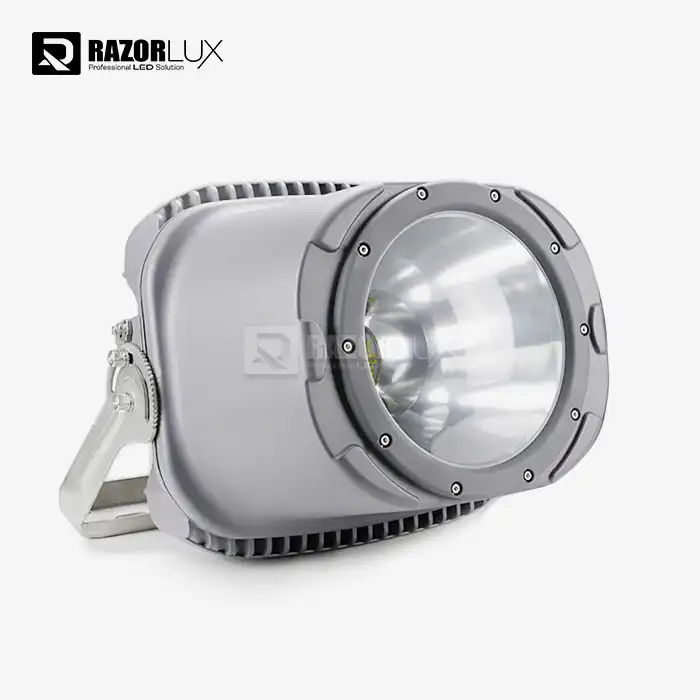 VIEW MORE400W Equivalent Led Flood Light
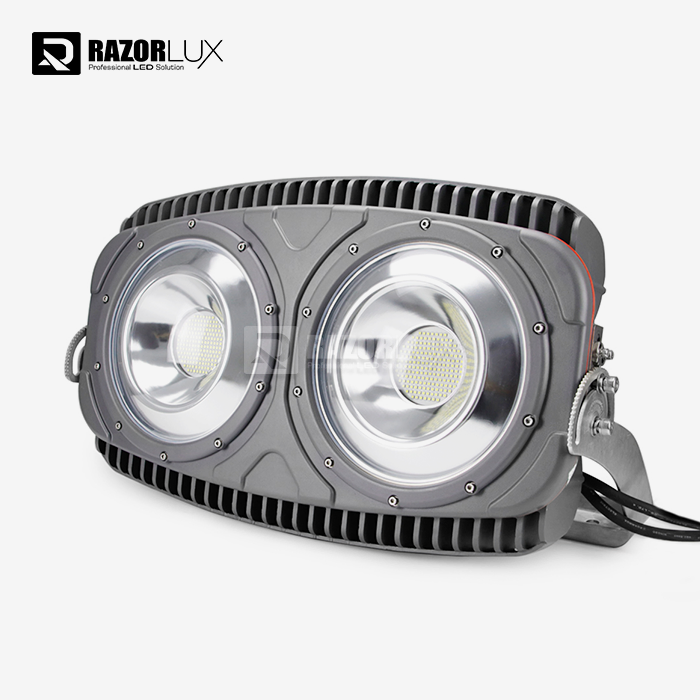 VIEW MOREMost Powerful Led Flood Light
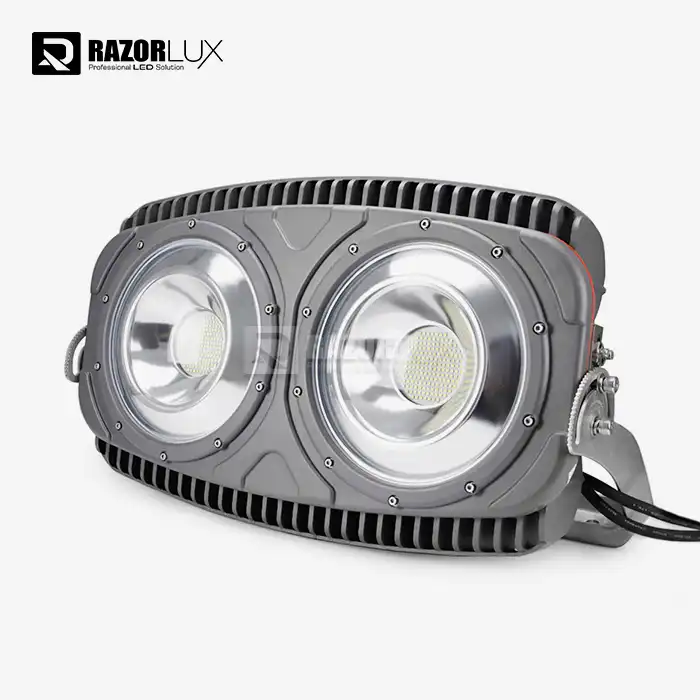 VIEW MORE110 Volt Led Flood Lights
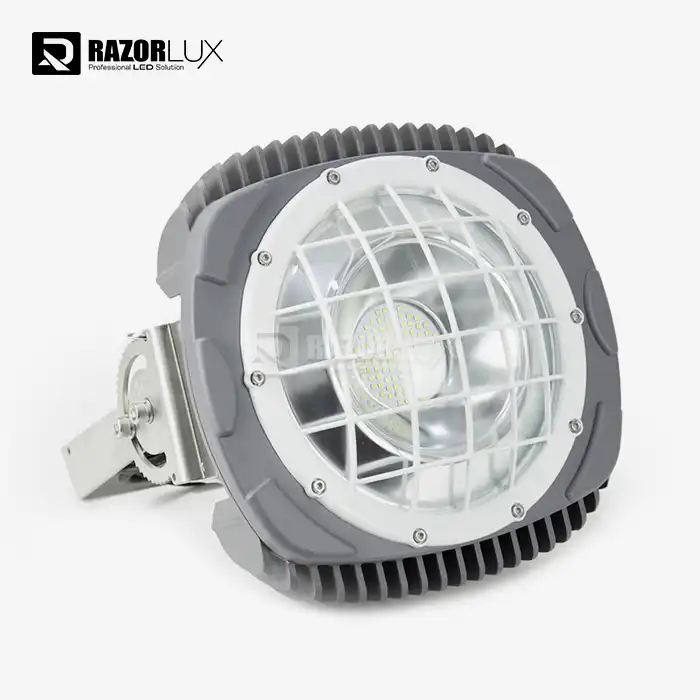 VIEW MORELed Crane Light
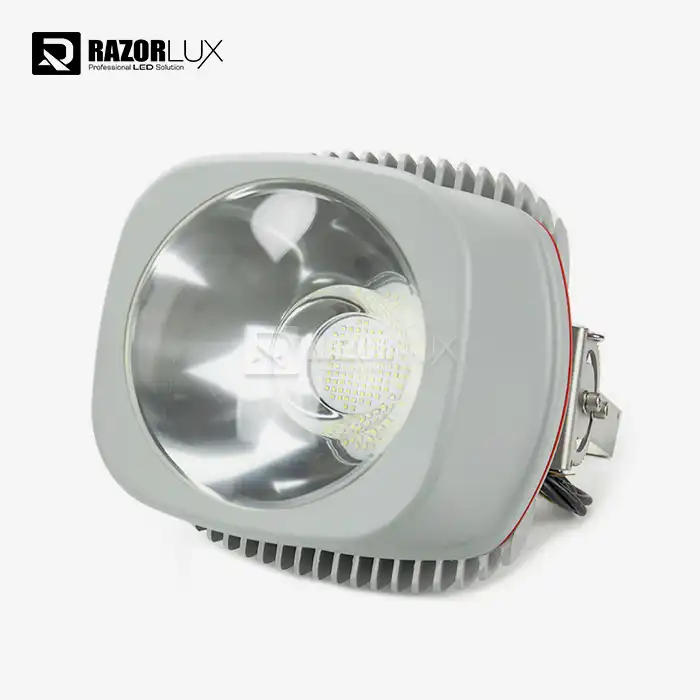 VIEW MORECrane Boom Lights
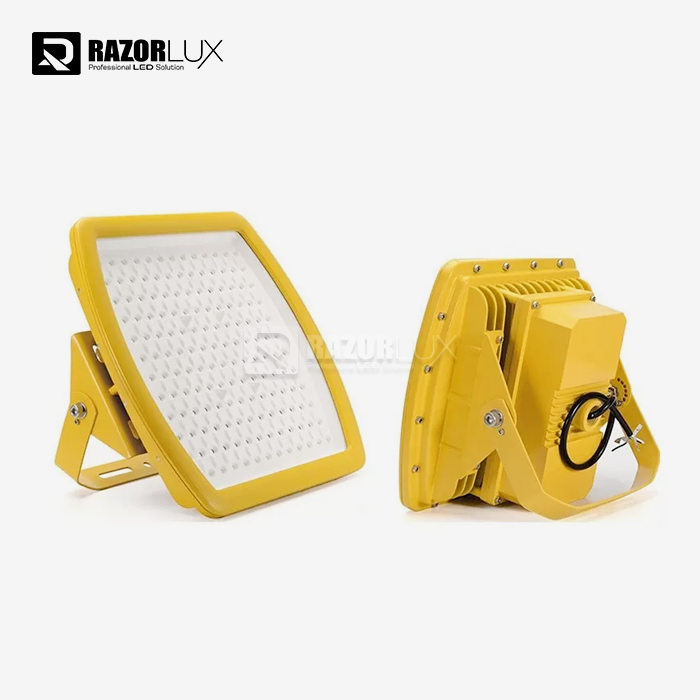 VIEW MOREIP65 Atex 5000K Flood Light Reflector 75 CRI Explosion Proof Street Light
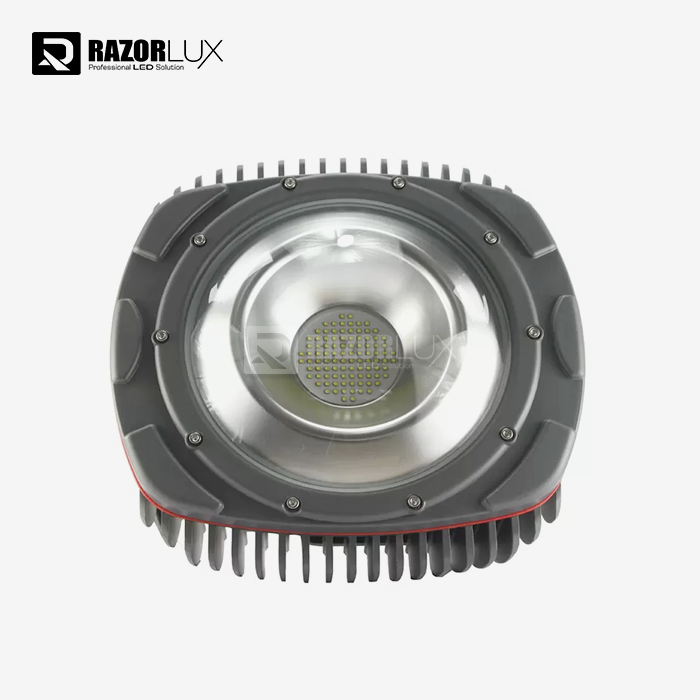 VIEW MORERound 120w Led Industrial Flood Light 14400lm Anti Glare Led Flood Light