


_1750326878398.png)

How to Select the Best LED Flood Lights For Sports Field?
Imagine a critical football match interrupted by flickering lights, or a training session canceled because the existing lighting simply cannot deliver the visibility athletes need. Poor sports field illumination compromises player safety, reduces performance quality, and disappoints spectators. Selecting the best LED Flood Lights For Sports Field requires understanding technical specifications, performance standards, and long-term operational costs. This comprehensive guide addresses the critical factors facility managers and sports administrators must evaluate when upgrading or installing LED Flood Lights For Sports Field, ensuring optimal visibility, energy efficiency, and compliance with international lighting standards.

Understanding LED Flood Lights For Sports Field Requirements
Key Performance Specifications for Sports Field Lighting
When evaluating LED Flood Lights For Sports Field applications, understanding the fundamental technical specifications becomes essential for making informed purchasing decisions. The luminous efficacy, measured in lumens per watt, determines how efficiently the fixture converts electrical energy into visible light. Professional-grade LED Flood Lights For Sports Field should deliver at minimum 130 lumens per watt to ensure cost-effective operation while maintaining brightness levels required for competitive sports. The rated power consumption typically ranges from 400W to 1500W depending on the field size, mounting height, and specific sport requirements. Higher wattage fixtures like the 800W models provide sufficient illumination for medium to large venues while consuming significantly less energy compared to traditional metal halide alternatives that require 1500-2500W to achieve comparable brightness. Input voltage flexibility matters considerably for international installations, with quality LED Flood Lights For Sports Field accepting wide voltage ranges from AC 80-315V or DC 80-400V, ensuring stable operation across different power supply configurations and protecting against voltage fluctuations common in outdoor environments.
Lighting Standards and Uniformity Requirements
Achieving proper illumination uniformity across the playing surface represents one of the most critical challenges when installing LED Flood Lights For Sports Field systems. International sports organizations establish specific minimum illumination levels measured in lux or foot-candles, with professional football fields requiring 500-750 lux for competitive matches and 200-300 lux for training sessions. The uniformity ratio, defined as the ratio between minimum and average illumination levels, should not exceed 1:2 to prevent dark spots or excessively bright areas that compromise player performance and safety. LED Flood Lights For Sports Field must distribute light evenly across the entire playing surface, including corners and sideline areas where traditional lighting systems often create shadows. The color rendering index (CRI) affects how accurately players perceive ball colors, team uniforms, and field markings, with professional applications requiring CRI values above 75 and broadcast-quality installations demanding CRI greater than 80. Modern LED Flood Lights For Sports Field technology enables precise beam angle control, with options ranging from narrow 40-degree beams for high-pole mounting to wider 140-degree configurations for lower mounting heights, allowing lighting designers to optimize coverage patterns based on specific field dimensions and pole layouts.

Environmental Protection and Durability Standards
Sports field lighting systems endure constant exposure to challenging environmental conditions including rain, snow, extreme temperatures, dust, and physical impacts from flying balls or equipment. The Ingress Protection (IP) rating indicates how effectively LED Flood Lights For Sports Field resist moisture and particle intrusion, with IP65 providing adequate protection against dust and water jets, while IP67 offers superior resistance by withstanding temporary immersion. Professional installations should specify IP67-rated LED Flood Lights For Sports Field to ensure long-term reliability in coastal areas or regions experiencing heavy rainfall. The operating temperature range demonstrates the fixture's ability to function reliably across climatic variations, with quality units operating effectively from -40°C to 60°C (-40°F to 140°F), ensuring consistent performance whether installed in arctic conditions or desert environments. The IK rating measures impact resistance, with IK10-rated LED Flood Lights For Sports Field withstanding impacts equivalent to 20 joules of energy, protecting against accidental ball strikes or vandalism. Housing materials significantly influence durability, with die-cast aluminum construction providing excellent heat dissipation while resisting corrosion, especially when protected by marine-grade powder coating that prevents deterioration in salty or humid atmospheres.
Comparing LED Flood Lights For Sports Field Technologies
| Feature | LED Technology | Traditional Metal Halide | Performance Advantage |
|---|---|---|---|
| Power Consumption | 400-800W | 1000-2000W | 50-60% energy savings |
| Lifespan | 50,000+ hours | 10,000-15,000 hours | 3-5x longer operational life |
| Warm-up Time | Instant illumination | 15-20 minutes | Immediate full brightness |
| Color Temperature | 2700K-6500K adjustable | Fixed 4000-5000K | Customizable light quality |
| Maintenance Frequency | Minimal (5-year intervals) | Frequent (annual replacement) | Reduced operational costs |
Advanced Control Systems and Dimming Options
Modern LED Flood Lights For Sports Field incorporate sophisticated control capabilities that optimize energy consumption and extend system lifespan beyond what traditional lighting technologies can achieve. The 0-10V dimming protocol allows smooth brightness adjustment from full power down to 10% output, enabling facility managers to reduce illumination levels during training sessions while maintaining full brightness for competitive matches, potentially reducing energy costs by 30-50% over the fixture's operational life. DALI (Digital Addressable Lighting Interface) systems provide even more granular control, allowing individual fixture programming and creating lighting scenes tailored to specific activities or events. Integration with photocells and motion sensors enables automatic operation based on ambient light conditions or occupancy detection, ensuring LED Flood Lights For Sports Field operate only when necessary, dramatically reducing electricity consumption for facilities used intermittently. Emergency backup power functionality represents a critical feature for professional venues hosting televised events, with battery-integrated LED Flood Lights For Sports Field maintaining illumination for two hours during power outages, preventing match cancellations and ensuring spectator safety during evacuations. These intelligent control systems communicate through wireless mesh networks, eliminating expensive control wiring while enabling remote monitoring and management through smartphone applications or web-based dashboards that track energy consumption, operating hours, and maintenance requirements.

Optical Design and Beam Control Technology
The optical system determines how effectively LED Flood Lights For Sports Field deliver lumens to the playing surface while minimizing light pollution and glare that affects players, spectators, and surrounding neighborhoods. Precision-engineered reflectors and lens arrays focus the light output into specific distribution patterns, with asymmetric beam profiles directing more illumination toward the far side of the field while reducing excessive brightness near the mounting pole. Multiple beam angle options enable lighting designers to optimize coverage based on mounting height, with narrow 40-degree beams penetrating long distances from tall poles while wider 120-degree patterns provide broad coverage from lower mounting positions. Anti-glare louvers and shields prevent direct view of the LED source from player positions, reducing visual discomfort and improving on-field performance, particularly important for sports involving high-trajectory balls like baseball or cricket. The photometric performance data provided by manufacturers should include candela distribution curves and isolux diagrams showing predicted illumination levels across the field surface, allowing verification that proposed LED Flood Lights For Sports Field configurations meet sport-specific requirements before installation. Advanced optical designs achieve utilization factors exceeding 80%, meaning more than 80% of generated lumens reach the playing surface rather than being lost to sky glow or off-target spill light that wastes energy and creates light pollution concerns.
Thermal Management and Driver Technology
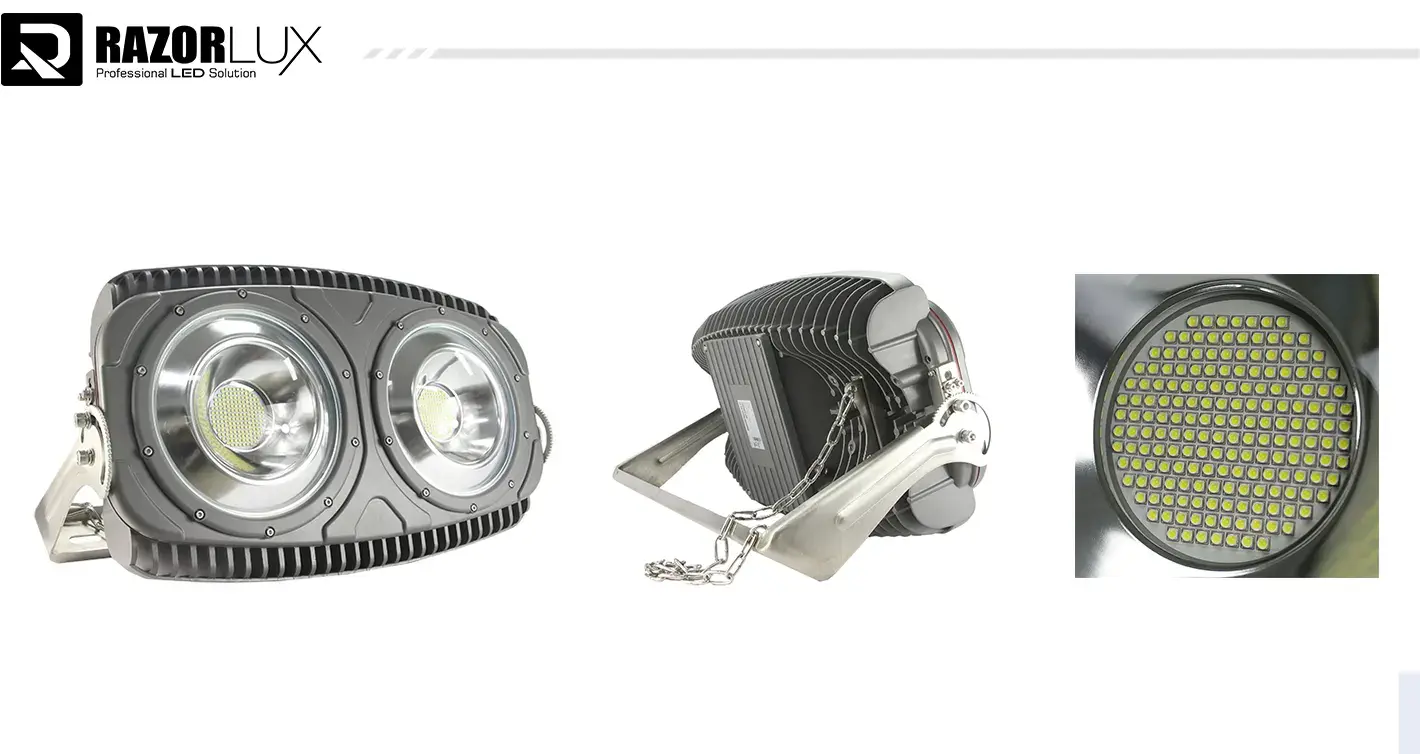
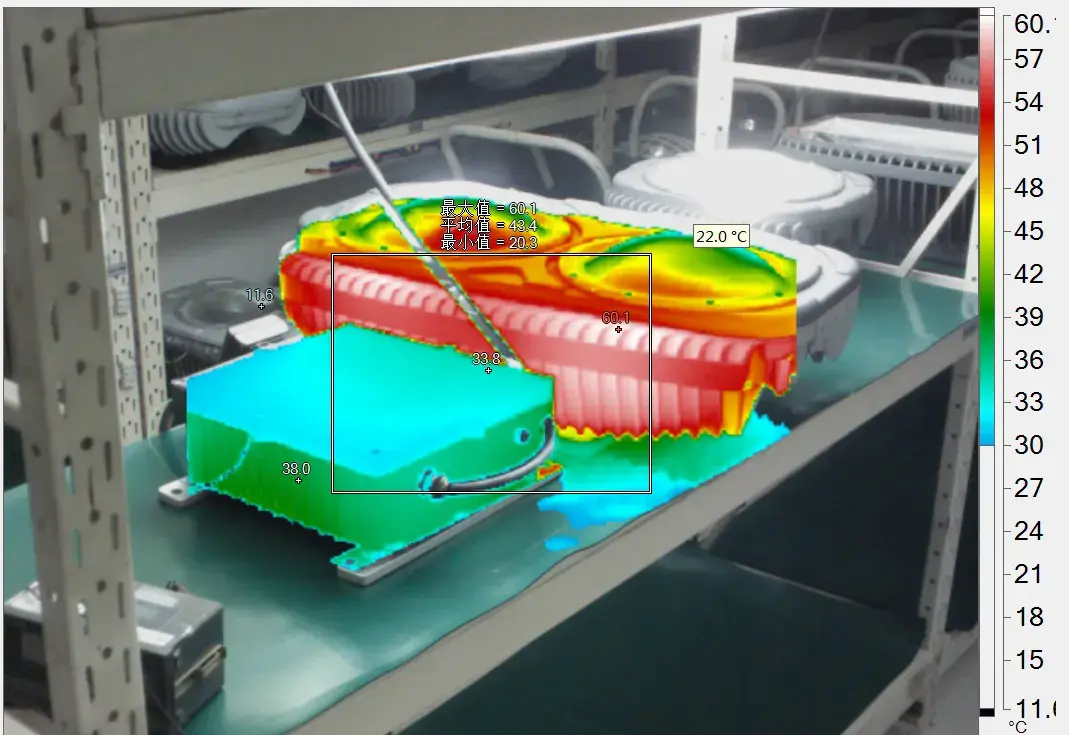
Effective thermal management directly impacts the lifespan and performance reliability of LED Flood Lights For Sports Field installations, as elevated operating temperatures accelerate LED degradation and reduce luminous output over time. High-quality fixtures incorporate sophisticated heat sink designs with extensive finning that maximizes surface area for convective cooling, maintaining LED junction temperatures below critical thresholds even during summer operation in direct sunlight. The driver technology converting AC mains voltage to the DC current required by LEDs significantly influences system reliability, with Meanwell and other premium brands offering power supplies rated for 100,000+ hours operation with power factor correction exceeding 0.98 to minimize reactive power waste. Surge protection circuits defend sensitive LED and driver components against voltage spikes from lightning strikes or grid switching events, with 10kV surge ratings providing robust protection for outdoor installations where transient overvoltages pose constant threats. Thermal cutoff switches automatically reduce output or shut down LED Flood Lights For Sports Field if internal temperatures exceed safe limits, preventing catastrophic failures and extending component lifespan during abnormal operating conditions. The total harmonic distortion (THD) specification indicates power quality, with values below 10% ensuring LED Flood Lights For Sports Field operate efficiently without introducing electrical noise that interferes with other equipment or reduces driver efficiency.
Evaluating LED Flood Lights For Sports Field Suppliers
| Evaluation Criteria | Minimum Requirement | Premium Standard | Xi'an Razorlux Specification |
|---|---|---|---|
| Warranty Coverage | 3 years | 5 years | 5 years (LED, Driver, Housing) |
| Certification Compliance | CE, RoHS | UL, DLC, CE, RoHS, SAA | UL, RMRS, TUV, CE, SAA, RoHS, C-Tick, DLC, CB, ISO:9001 |
| R&D Patent Portfolio | 50+ patents | 100+ patents | 200+ patents (LED packaging, power control, structural design) |
| Global Distribution Network | Regional presence | Multi-continental | USA, Hong Kong, Europe, North America, Southeast Asia subsidiaries |
| Customization Capability | Limited options | Full OEM/ODM services | Customizable wattage, color temperature, housing, mounting, control systems |
Manufacturing Quality and Testing Protocols
The manufacturing excellence behind LED Flood Lights For Sports Field determines whether fixtures deliver promised performance throughout their rated lifespan or fail prematurely, causing costly replacements and disrupting facility operations. Reputable manufacturers maintain ISO 9001-certified production facilities implementing rigorous quality control at every assembly stage, from incoming component inspection through final product testing. Each LED Flood Lights For Sports Field unit should undergo photometric testing using integrating sphere equipment that accurately measures total lumen output, color temperature consistency, and spectral distribution to verify compliance with published specifications. Aging tests operating fixtures at rated power for extended periods identify infant mortality failures and confirm thermal management effectiveness before products ship to customers. Ingress protection validation involves water spray testing and dust chamber exposure simulating years of outdoor exposure compressed into accelerated test protocols. Impact testing verifies mechanical robustness by subjecting LED Flood Lights For Sports Field to standardized impact forces validating IK ratings. Electrical safety testing confirms proper insulation, grounding, and protection against electric shock hazards before units receive safety certifications. Manufacturers providing detailed test reports and third-party certification documents demonstrate commitment to quality that translates into reliable field performance.

Technical Support and After-Sales Service
Comprehensive support services distinguish professional LED Flood Lights For Sports Field suppliers from commodity vendors selling standardized products without application expertise or post-sale assistance. Pre-sales consultation services evaluate site conditions, sport requirements, and existing infrastructure to recommend optimal fixture specifications, quantities, and mounting configurations that achieve target illumination levels cost-effectively. Custom photometric analysis using industry-standard lighting design software generates detailed models predicting illumination levels, uniformity ratios, and glare metrics before equipment purchase, eliminating guesswork and ensuring proposed LED Flood Lights For Sports Field systems meet requirements. Technical drawing and documentation packages provide installation teams with detailed mounting diagrams, electrical connection specifications, and aiming angles required for proper fixture placement. Product customization capabilities enable modifications to standard designs accommodating unique project requirements, from alternative mounting brackets to specialized control interfaces integrating with facility management systems. Post-installation support includes commissioning assistance verifying proper system operation, training facility personnel on control system operation and maintenance procedures, and responsive technical support addressing operational questions throughout the fixture lifespan. Extended warranty options providing five-year coverage on LED modules, drivers, and housing demonstrate manufacturer confidence in product durability while protecting facility investment against premature failures.

Logistics and Global Delivery Capabilities
International sports facility projects demand reliable logistics ensuring LED Flood Lights For Sports Field arrive intact, on schedule, and compliant with destination country import requirements, making supplier distribution capabilities a critical selection factor. Multiple shipping options accommodate varying project timelines and budget constraints, from expedited international express delivery (DHL, FedEx, UPS) completing shipments within 3-7 days for urgent retrofit projects to economical sea freight requiring 15-50 days for large new construction installations where extended lead times pose no constraints. Air freight bridges the gap between express and ocean shipping, delivering 300kg+ shipments within 5-10 days at costs significantly below express rates while maintaining reasonable transit times. China-Europe railway express provides an innovative middle ground for projects shipping to European destinations, offering 18-22 day transit times with pricing more attractive than air freight for shipments exceeding 2 cubic meters or 500 kilograms. Sophisticated Packaging protects LED Flood Lights For Sports Field during international transit through multiple handling stages, with each unit secured in custom-cut foam preventing movement damage, accessory compartments organizing mounting hardware, and optional wooden crate reinforcement for particularly fragile or valuable shipments. Export documentation expertise ensures proper customs declarations, country-specific certification compliance, and duty optimization minimizing total landed costs for international buyers.
Installation and Maintenance Considerations for LED Flood Lights For Sports Field
Mounting Height and Pole Configuration Requirements
Proper mounting height fundamentally affects LED Flood Lights For Sports Field performance, influencing illumination uniformity, glare control, and visual comfort for players and spectators while determining fixture wattage requirements and overall system costs. Community recreational fields typically utilize 50-70 foot mounting heights accommodating lower illumination requirements while minimizing pole structural costs and wind loading concerns. High school and amateur competitive facilities generally specify 70-90 foot poles balancing adequate aiming angles that prevent direct glare toward playing positions with reasonable structural costs and maintenance accessibility. Professional stadiums and broadcast venues require 100-130 foot mounting heights enabling fixtures to project light across entire playing surfaces from perimeter positions without creating shadows or excessive brightness variations. The relationship between mounting height and horizontal throw distance determines required beam angles and lumen output, with taller poles enabling narrower beam angles concentrating light over longer distances while lower positions require wider distributions covering playing surfaces from steeper vertical angles. Pole spacing patterns following rectangular, square, or corner-mount configurations affect both uniformity and total fixture count, with four-pole corner mounting providing economical solutions for rectangular fields while six to eight-pole perimeter arrangements deliver superior uniformity for professional installations. Structural engineering analysis ensuring poles withstand wind loads, ice accumulation, and seismic forces prevents catastrophic failures endangering spectators and requiring expensive emergency repairs.

Energy Efficiency and Return on Investment Analysis
The total cost of ownership for LED Flood Lights For Sports Field extends far beyond initial purchase price, encompassing installation expenses, energy consumption over decades of operation, maintenance labor, replacement component costs, and downtime impacts on facility utilization and revenue generation. Energy consumption calculations comparing LED technology against incumbent metal halide systems reveal dramatic operational cost advantages, with an 800W LED fixture replacing 1500-2500W metal halide equivalents reducing power consumption by 50-70%, translating to thousands of dollars in annual electricity savings for facilities operating lights multiple hours daily throughout athletic seasons. Maintenance cost reductions stem from LED Flood Lights For Sports Field operating 50,000+ hours before requiring replacement compared to metal halide lamps needing replacement every 10,000-15,000 hours, eliminating frequent relamping expenses including labor costs for high-pole access using bucket trucks or scaffolding. The instant-on capability of LED technology eliminates 15-20 minute warm-up and restrike times required by HID systems, improving facility flexibility for short practice sessions and reducing energy waste from lights operating longer than necessary to ensure full brightness when needed. Utility rebate programs sponsored by electric utilities and government energy efficiency initiatives often subsidize 20-40% of LED Flood Lights For Sports Field project costs for facilities upgrading from inefficient technologies, dramatically improving return on investment calculations. Comprehensive financial analysis incorporating energy savings, maintenance reductions, rebate incentives, and avoided replacement costs typically demonstrates 3-5 year payback periods for LED conversions even before considering intangible benefits like improved lighting quality enhancing player performance and spectator satisfaction.
Long-Term Reliability and Warranty Protection
The extended operational lifespan expected from quality LED Flood Lights For Sports Field makes warranty coverage and manufacturer stability critical factors influencing purchase decisions, as facilities require assurance that suppliers remain viable to honor warranty commitments potentially a decade after installation. Comprehensive five-year warranties covering LED modules, electronic drivers, and fixture housing provide meaningful protection against manufacturing defects and premature failures, with extended ten-year housing warranties demonstrating exceptional confidence in structural durability. Warranty terms should specify replacement procedures, response times for warranty claims, and whether coverage includes on-site service or requires fixture removal and return shipping, with premium suppliers providing advance replacement shipments minimizing dark time during warranty service. The financial stability and operational longevity of LED Flood Lights For Sports Field manufacturers affects their ability to fulfill warranty obligations years after purchase, making supplier reputation, market presence, and financial backing important due diligence considerations. Technical support availability throughout the warranty period ensures facility personnel receive assistance troubleshooting operational issues, optimizing control system settings, and implementing firmware updates that may enhance performance or add features as technology evolves. Manufacturers maintaining comprehensive spare parts inventory ensure component availability supporting repairs beyond warranty periods, extending total system lifespan through economical refurbishment rather than complete replacement when individual components fail after warranty expiration. Customer testimonials and project case studies documenting successful installations and positive long-term experiences provide valuable insights into actual field reliability beyond laboratory specifications and marketing claims.
Conclusion
Selecting the best LED Flood Lights For Sports Field demands comprehensive evaluation of technical specifications, supplier capabilities, and total ownership costs. Professional installations require fixtures delivering minimum 130 lumens per watt efficiency, IP67 environmental protection, and precise optical control ensuring uniform illumination meeting sport-specific standards. Quality LED Flood Lights For Sports Field from established manufacturers like Xi'an Razorlux, a China LED Flood Lights For Sports Field factory with over 200 patents and global subsidiaries, provide superior reliability compared to commodity alternatives. As a leading China LED Flood Lights For Sports Field supplier and China LED Flood Lights For Sports Field manufacturer, Razorlux offers comprehensive China LED Flood Lights For Sports Field wholesale solutions with competitive LED Flood Lights For Sports Field price and exceptional LED Flood Lights For Sports Field for sale options. For customized lighting solutions backed by 5-year warranties, technical expertise, and global delivery capabilities, contact our team at sam@razorlux.com to discuss your project requirements and receive a detailed photometric analysis ensuring optimal performance.
References
1. Illuminating Engineering Society (IES). "Recommended Practice for Sports and Recreational Area Lighting." RP-6-15, Illuminating Engineering Society of North America.
2. International Commission on Illumination (CIE). "Guide on the Limitation of the Effects of Obtrusive Light from Outdoor Lighting Installations." CIE Technical Report 150:2017.
3. National Electrical Manufacturers Association (NEMA). "American National Standard for Roadway and Area Lighting Equipment - Luminaire Classification Systems." ANSI C136.31-2010.
4. U.S. Department of Energy. "Solid-State Lighting Technology Fact Sheet: Outdoor Area Lighting." Office of Energy Efficiency & Renewable Energy, LED Lighting Systems Program.
 VIEW MOREfootball stadium led lights
 VIEW MOREoutdoor sports lighting
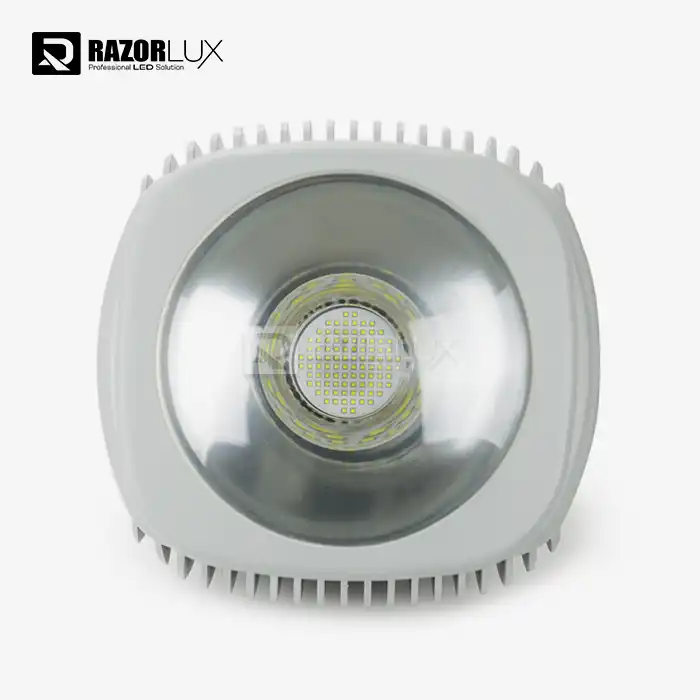 VIEW MORE150 Watt Outdoor Flood Light
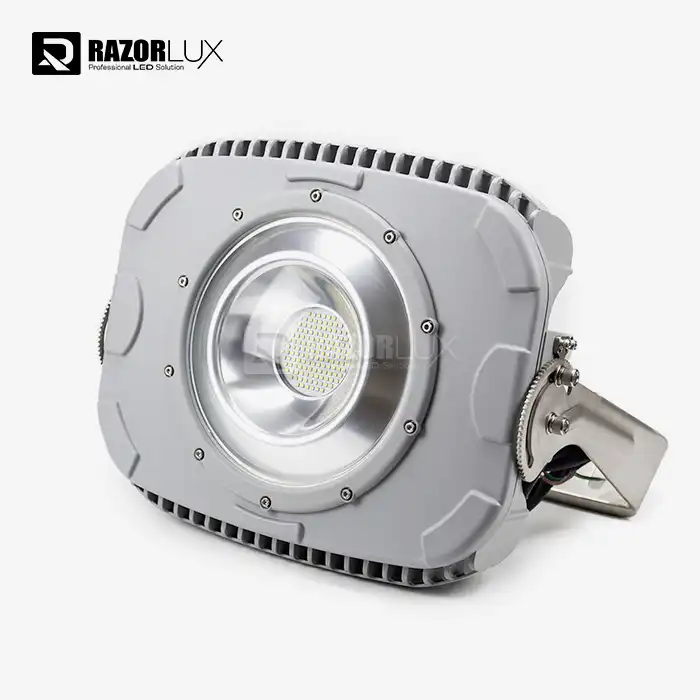 VIEW MORECommercial Marine Flood Lights
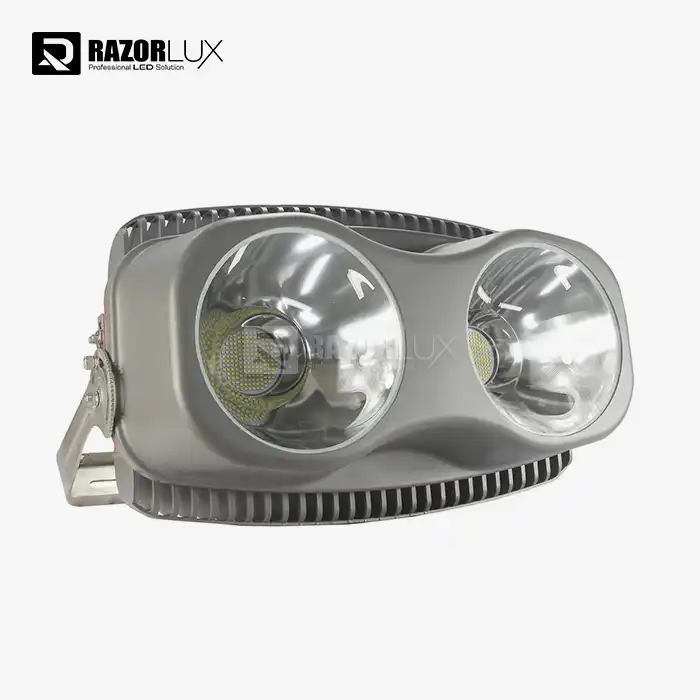 VIEW MOREWaterproof Marine High Intensity Led Flood Light
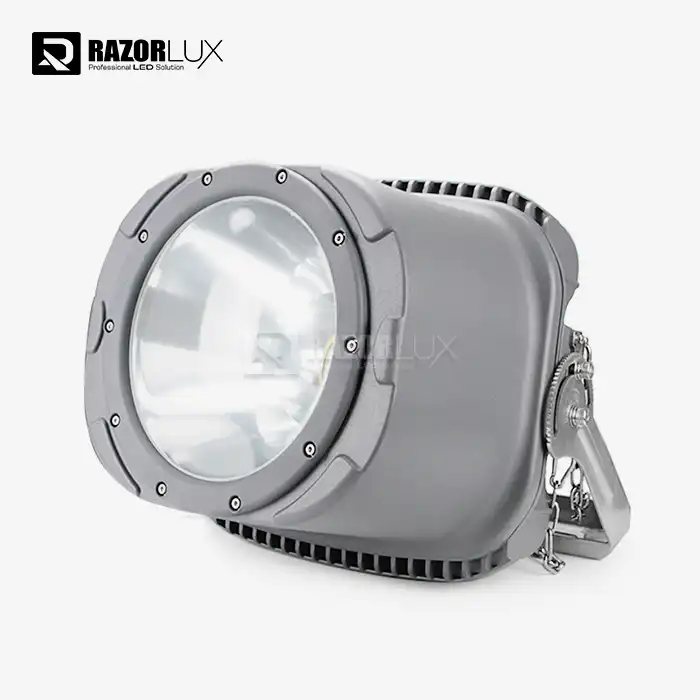 VIEW MORE500 Watt Led Stadium Lights
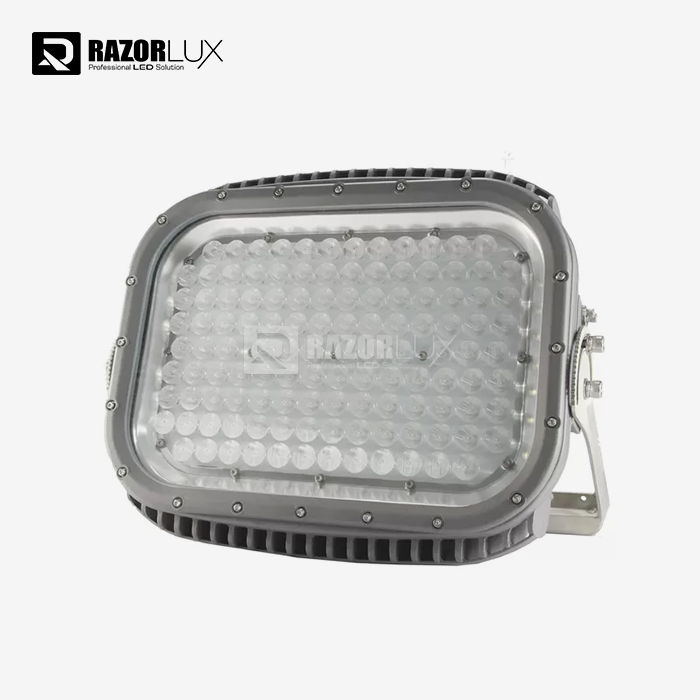 VIEW MOREIP66 Building 500W Dimmable Led Flood Light 10 Degrees Angle Wall Washer Spotlight
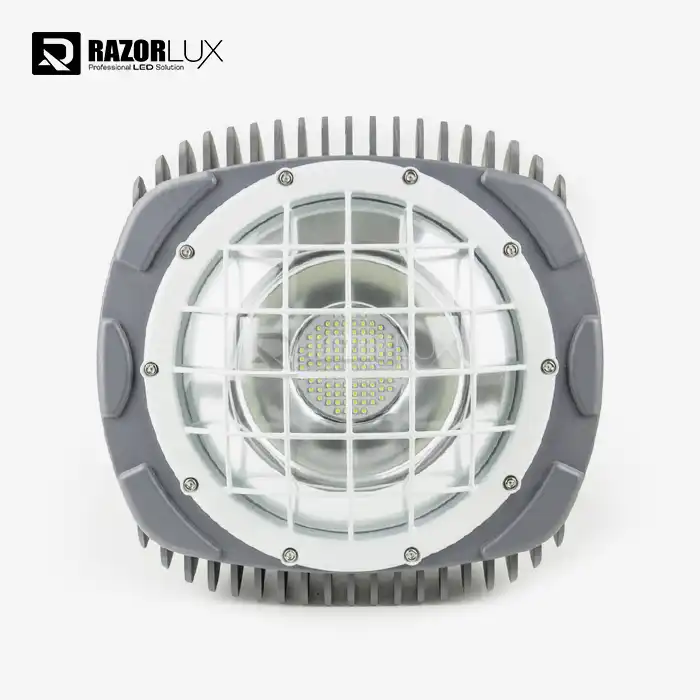 VIEW MORELed Sports Flood Lights