


_1750326878398.png)

Low Mast Light Construction: Materials & IP Ratings Explained
When selecting outdoor lighting solutions for municipal roadways, industrial facilities, and commercial spaces, understanding Low Mast Light construction materials and IP ratings becomes critical for making informed procurement decisions. These lighting systems require specific materials and protection standards to withstand environmental challenges while delivering reliable illumination. The construction quality directly impacts operational longevity, maintenance costs, and overall project success, making material composition and ingress protection ratings essential evaluation criteria for facility managers and procurement professionals.
Understanding Low Mast Light Construction
Low mast light construction involves strategic component selection and material engineering that determines both durability and functionality across diverse operating environments. The fundamental structure comprises several interconnected elements that work together to deliver consistent lighting performance while resisting environmental stressors.
Housing and Pole Materials
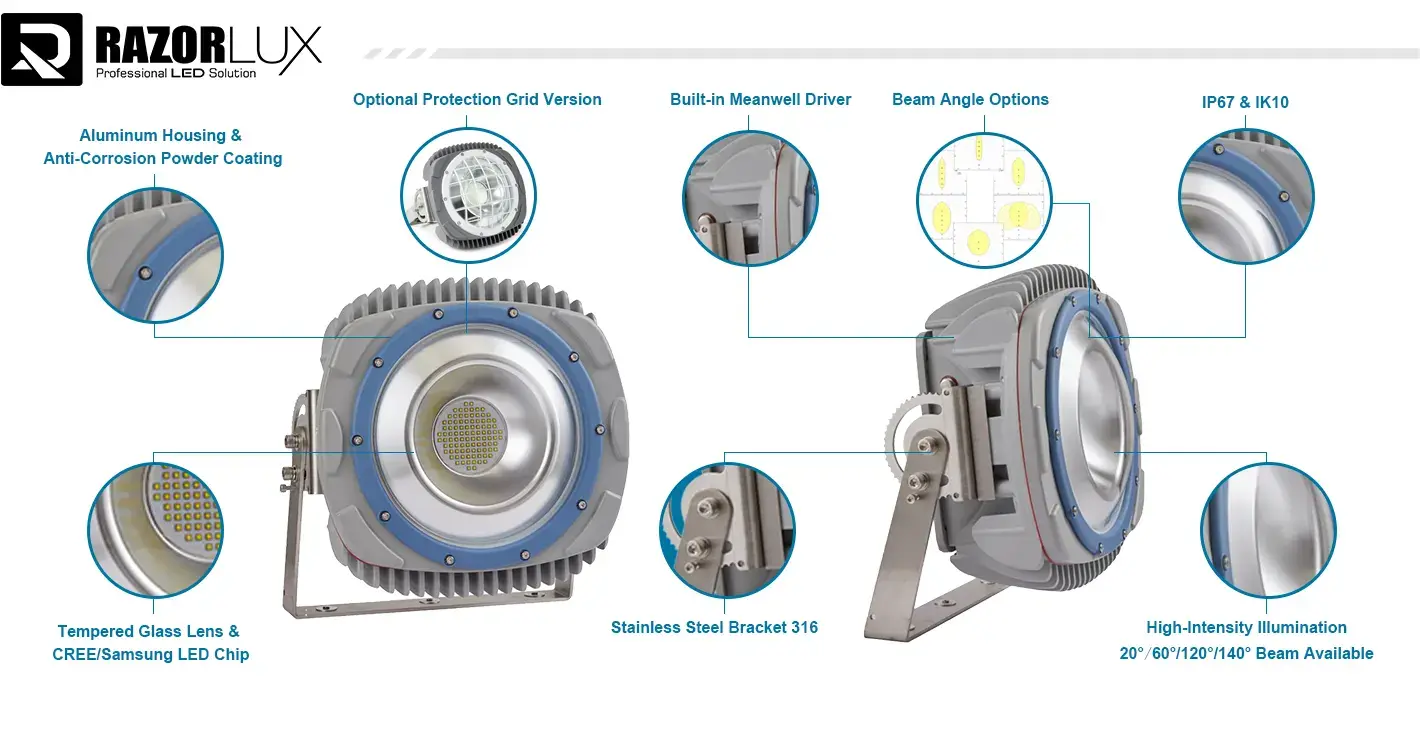
The main thing that protects people from the outside world is the structure of their homes. The business is dominated by aluminum metals because they naturally prevent rust and have a high strength-to-weight ratio. Specialized processes, such as anodization and powder finishing, are used to make the surface of high-grade metal last longer. These treatments make shields that protect against damage from salt spray, chemicals, and UV light, which can happen in marine and industrial settings. Parts made of stainless steel are very important for fixing systems and connecting structures. Grade 316 stainless steel is more resistant to rust than other grades. This makes it a great choice for sites near the coast, where salt air speeds up the breakdown of materials. The metal body and stainless steel fastening tools work together to make the best mix between weight control and structural strength. Composite coats are an advanced form of surface protection technology that makes tools last a lot longer. These multi-layer systems usually have starter layers to help them stick, middle layers to protect them from rust, and topcoats to block UV rays. When compared to basic painting finishes, quality composite coats can add 15 to 20 years to the life of tools.
Luminaire Structure and Components
Modern lighting systems depend on LED units, which need to be carefully controlled for both temperature and light. Modern designs build heat sinks right into the structures of the building, making thermal paths that keep the optimal working temperatures. This temperature integration keeps LEDs from breaking down too quickly and keeps the light output constant over the life of the equipment. Electronic parts and drivers need to be kept safe from wetness, changes in temperature, and electromagnetic interference. Quality systems have sealed chambers with specialized air systems that keep the working conditions at their best and stop fog from forming. Mean Well power sources, which are known for being reliable, offer stable current control and safety features that are important for LEDs to work well for a long time. Optical parts like lenses and mirrors are treated in special ways to keep them from breaking down in UV light and getting dirty from the surroundings. When it comes to shock strength, tempered glass lenses are better than plastic ones. They also let a lot of light through. Anti-reflective finishes cut down on glare and make it easier for light to reach all areas.
| Component | Material Options | Key Benefits | Applications |
|---|---|---|---|
| Housing | Aluminum Alloy, Die-cast | Corrosion resistance, lightweight | General outdoor use |
| Mounting Bracket | Stainless Steel 316 | Superior corrosion resistance | Marine, coastal environments |
| Lens Cover | Tempered Glass | Impact resistance, optical clarity | High-traffic areas |
| Gaskets | EPDM Rubber | Weather sealing, temperature stability | All outdoor applications |
Material choices directly influence product lifespan and environmental adaptability, making these factors critical considerations for procurement managers seeking to minimize maintenance costs while ensuring reliable lighting performance. The integration of quality materials with advanced manufacturing techniques creates lighting systems capable of withstanding decades of continuous operation in challenging environments.
Decoding IP Ratings for Low Mast Lights
Ingress Protection ratings provide standardized measurement systems for evaluating equipment resistance to dust and water intrusion. These ratings enable procurement professionals to match lighting solutions with specific environmental conditions and operational requirements.
Understanding the IP Code System
The two-digit IP rating system uses widely accepted testing standards to set security levels against solid particles and liquids. The first number tells you how well it protects against solid items, from big pieces of trash to tiny dust particles. The second number tells you the amount of defense against liquids, ranging from straight water drops to full submersion. IP65 grades mean that dust is completely blocked and water jets from any direction can't get through. This amount of safety is good for most outdoor lighting uses, like paths, parking places, and general commercial areas. IP65-rated equipment can handle heavy rain and pressure washing without damaging the internal parts. IP67 grades offer better security against short-term immersion in water up to one meter deep. This higher level of safety is needed for sites in places that are likely to flood, near the coast, or where bad weather happens often. The extra security provided by Low Mast Light makes up for the higher starting costs by lowering the need for upkeep and making the tools last longer.
Testing Standards and Compliance
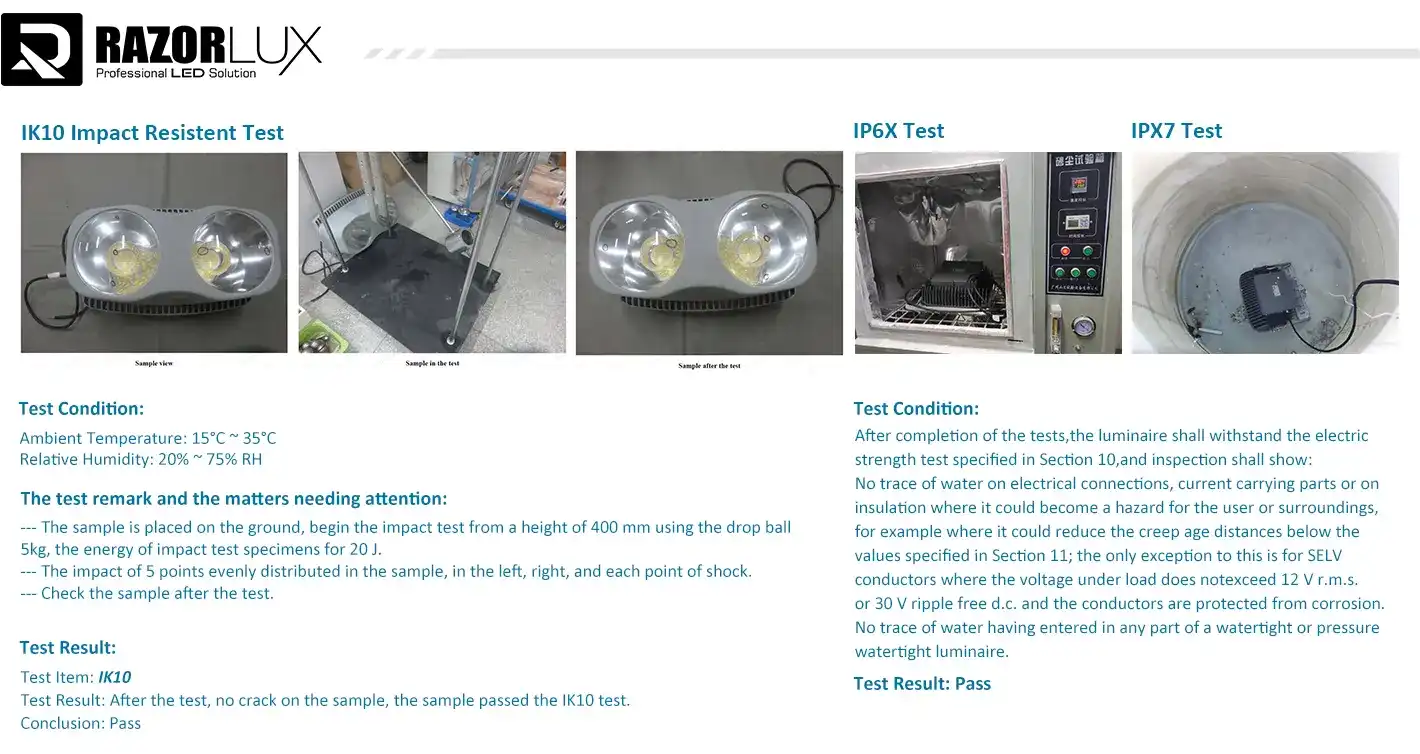
Standards set by the International Electrotechnical Commission spell out specific ways to test and confirm an IP grade. These tests use controlled lab settings to mimic real-world conditions so that results are the same for all makers and product lines. Depending on the stated level of safety, compliance testing may include exposure to dust in a room, water spray tests, and submersion tests. Third-party verification of maker claims comes from certification from well-known testing labs. UL, CE, and IEC certificates show that a product meets foreign safety standards and government rules. These approvals lower the risk of buying things by making sure that the goods meet certain safety and performance standards. Documentation needs to include thorough test results, installation instructions, and upkeep steps that help with the right setup and ongoing use. Good makers give complete paperwork packages that help with planning the right specifications, installation, and upkeep for the whole duration of the equipment.
Comparing Materials and IP Ratings for Optimal Procurement
Effective procurement strategies require careful evaluation of material properties and protection ratings relative to specific installation environments and operational requirements. This analysis process enables cost-effective solutions that balance initial investment with long-term operational costs.
Environmental Considerations
Installations near the coast have special problems that need special materials and higher safety grades. Salt spray speeds up the rusting process, which means that parts need to be made of stainless steel and have advanced covering systems. Higher IP ratings are needed because of the harsh weather and the chance of floods during storms. Many things can be stressful in cities, such as air pollution, high temperatures, and mechanical effects from cars and people walking. The choice of materials is based on how long they last and how well they handle being hit, while keeping the cost of large-scale projects in mind. Standard IP65 security is usually enough to keep the surroundings safe for most urban uses. Chemical exposure, shaking, and extreme temperature changes are just a few of the natural problems that industrial sites often have to deal with. The materials that are chosen must take into account the unique industrial processes and weather factors at each installation site. Chemical protection is especially important in processing plants, where airborne pollution can speed up the breakdown of materials. The next study shows how outdoor factors affect the best choice of material and safety ranking. Marine settings that are very harsh require high-quality stainless steel parts and IP67 protection, even if they cost more at first. When compared to normal options, these choices offer better long-term value because they require less upkeep and last longer.
| Environment Type | Recommended IP Rating | Material Priority | Expected Lifespan |
|---|---|---|---|
| Coastal/Marine | IP67 | 316 Stainless Steel | 15-20 years |
| Urban Standard | IP65 | Aluminum + Coating | 12-15 years |
| Industrial Heavy-Duty | IP67 | Reinforced Aluminum | 10-12 years |
| Residential/Light Commercial | IP65 | Standard Aluminum | 10-12 years |
Cost-Benefit Analysis
When analyzing an investment, the total cost of ownership should be taken into account, not just the initial purchase price. Higher IP grades and premium materials usually mean higher initial costs, but they also mean lower long-term upkeep costs and replacement frequency. This study is especially important for big systems that need to be accessed for upkeep, which costs a lot of money in terms of labor and tools. Taking energy economy into account adds another factor to the cost-benefit analysis. When compared to older lighting technologies, LED systems that use 130 lm/W of electricity are much more cost-effective. When you combine efficient LED technology with long-lasting building materials, you get a great long-term value offer for facility managers and buying pros.
Installation Considerations for Construction and IP Ratings
Proper installation practices maximize the performance benefits of quality materials and protection ratings while ensuring long-term reliability and safety compliance. Installation planning should address site-specific environmental conditions and operational requirements.
Site Preparation and Mounting
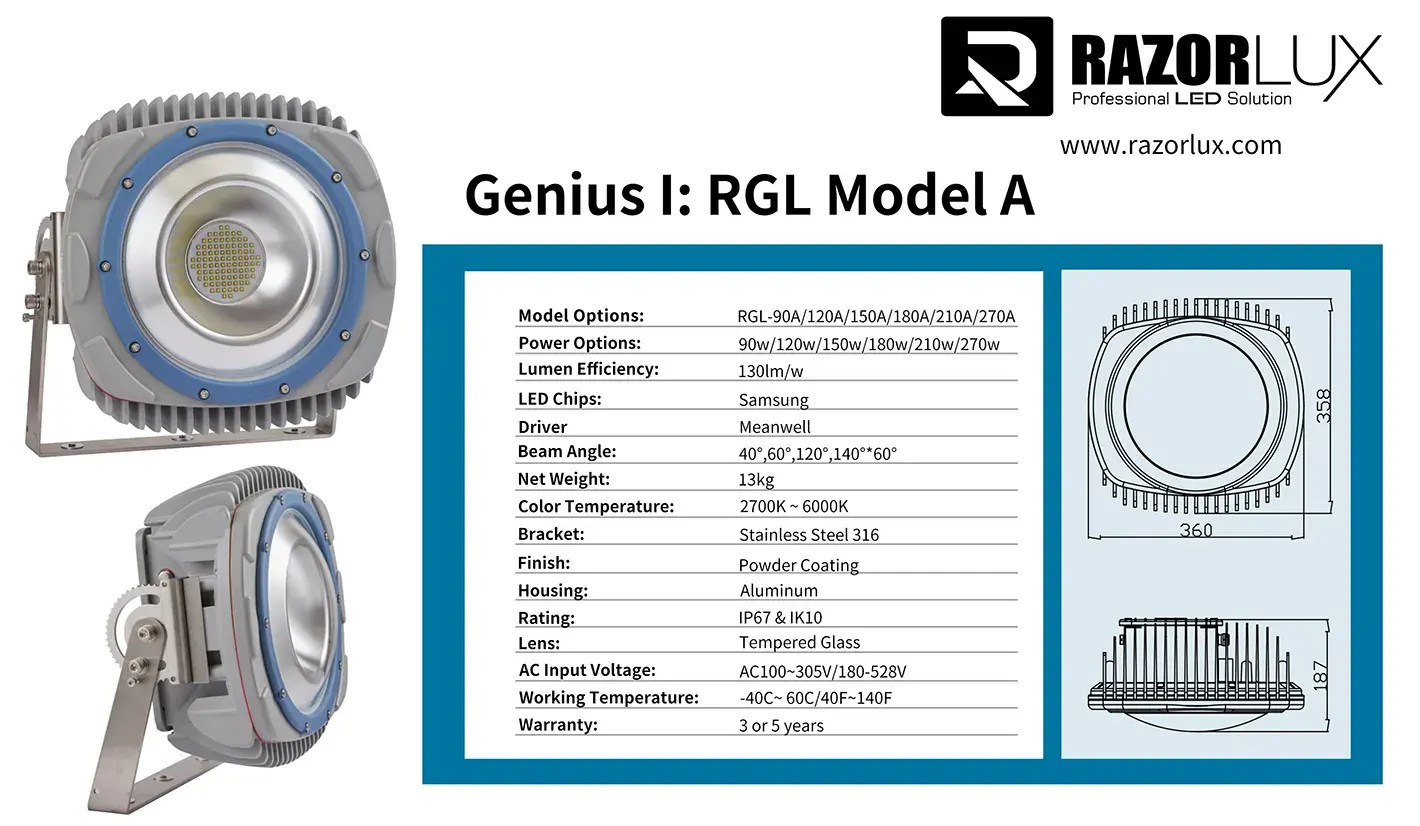
The foundation plan has to take into account wind loads, the type of dirt, and local building rules. It also has to make sure that the lighting equipment has a stable place to stand. When drainage is done right, water doesn't build up around fixing structures. This lowers the risk of rusting and makes Low Mast Light tools last longer. Electrical links need to be kept safe and reliable by using outdoor shelters and the right grounding systems. Optimizing the mounting height strikes a mix between the need for light, the ease of upkeep, and wind loads. Depending on the size of the area that needs to be covered and the rules in your area, standard hanging heights run from 12 to 25 feet. Higher fixing places mean less maintenance needs to be done, but they also make installation more difficult and put more wind load on support structures.
Maintenance Best Practices
To keep the equipment working at its best for as long as possible, it should be inspected regularly to check for rust, make sure seals are intact, and clean the glass surface. Good building materials cut down on the number of inspections that need to be done, but they can't get rid of the need for regular upkeep and tracking. Maintenance of the sealing system is a key part of keeping the IP rating security over time. UV light and changing temperatures break down gasket materials over time, so they need to be checked and replaced on a regular basis to keep the environment safe. Regular upkeep on seals keeps expensive interior parts from breaking and increases the life of the whole piece of equipment. Well-defined IP grades greatly lower the number of maintenance tasks and the costs that come with them. They also give building managers who are in charge of big lighting setups a better return on their investment. When you combine good building materials with the right safety grades, you get lighting systems that work well for decades with little regular upkeep.
Razorlux: Your Trusted Low Mast Light Manufacturer
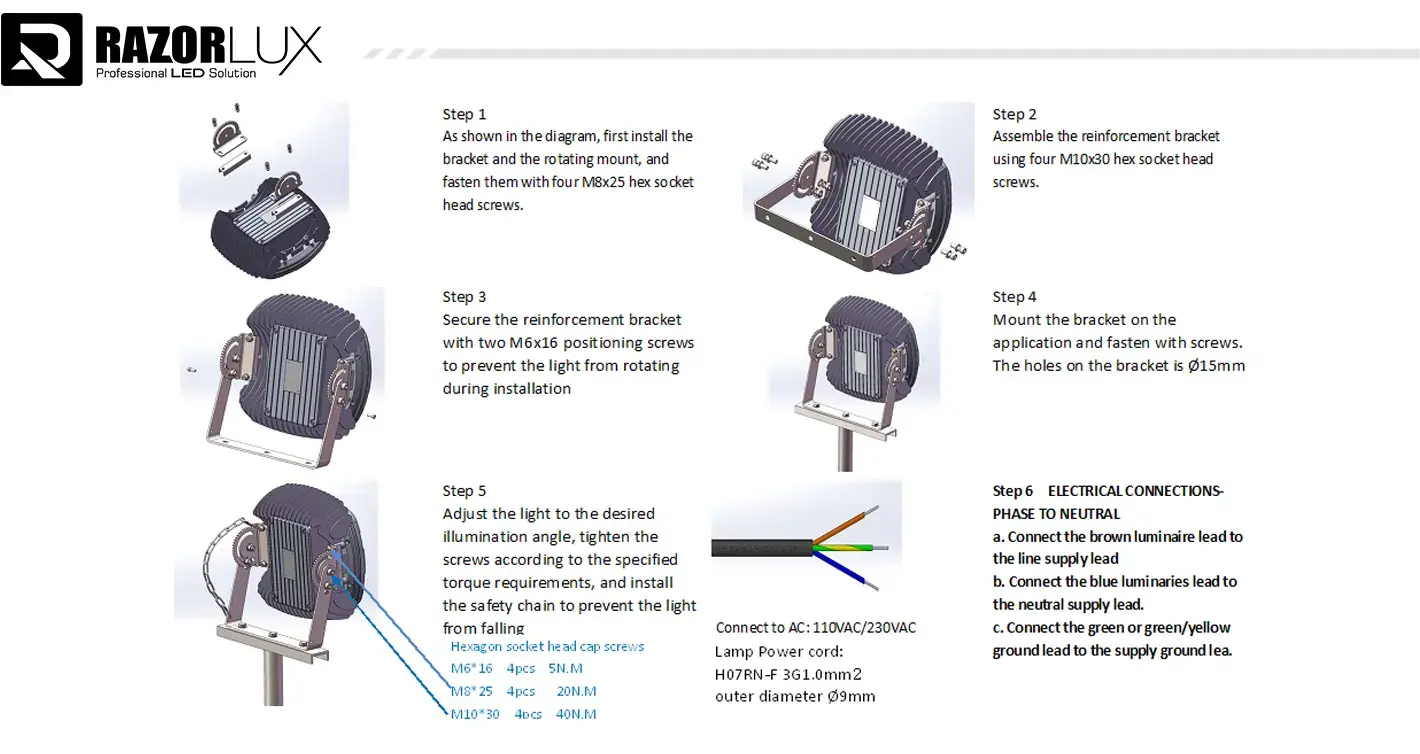
Razorlux offers a wide range of lighting options that blend cutting-edge material engineering with high IP ratings for tough industrial and business uses. Our patented multi-function design works in a wide range of work settings while keeping high standards for performance and dependability. With its aluminum body, stainless steel fastening parts, and IP67 rating, our RGL-120A model is a great example of modern building. The 120W system has a very high efficiency of 130 lm/W and can be set up in a variety of beam angles, such as 60°, 120°, or 140°x60°. Color temperature ranges from 2700K to 6500K, which lets lights be precisely adjusted to meet the needs of each application. Thorough testing procedures and full approval compliance, such as meeting CE, RoHS, SAA, UL, and DLC standards, are all part of good manufacturing practices. With offices in both the United States and China, we have a global footprint that makes sure that foreign projects get reliable supply chain support and quick customer service. The five-year promise shows that we trust the product's longevity and the quality of its construction. Our extensive technical support, sample evaluation programs, and ability to customize make us a great choice for procurement workers looking for reliable lighting options. Our engineering team works with clients to come up with the best lighting specs that meet performance needs while also staying within budget and meeting installation deadlines.
Conclusion
Understanding Low Mast Light construction materials and IP ratings enables informed procurement decisions that balance initial investment with long-term operational costs. Quality materials, including aluminum alloys, stainless steel components, and advanced coating systems, provide essential durability and environmental protection. Appropriate IP rating selection ensures reliable operation in specific environmental conditions while minimizing maintenance requirements and extending equipment life. Successful lighting projects require careful evaluation of environmental conditions, installation requirements, and maintenance accessibility when selecting materials and protection ratings. The combination of proven construction materials with appropriate IP ratings creates lighting systems capable of providing decades of reliable service across diverse applications from municipal roadways to industrial facilities.
FAQ
What IP rating is optimal for coastal environments?
IP67 protection provides essential resistance against salt spray, heavy rain, and potential flooding conditions common in coastal installations. This rating ensures reliable operation despite severe weather exposure while maintaining long-term durability in corrosive marine environments.
How do material thermal properties affect LED performance?
Aluminum housing materials provide excellent thermal conductivity that dissipates heat effectively, maintaining optimal LED operating temperatures. Poor thermal management reduces LED lifespan and light output efficiency, making material selection critical for long-term performance and energy efficiency.
Are customization options available for materials and IP ratings?
Comprehensive customization capabilities include material upgrades, enhanced protection ratings, and specialized coatings to meet specific environmental conditions and regulatory requirements. Engineering teams collaborate with clients to develop optimized solutions that address unique installation challenges and performance specifications.
Contact Razorlux for Expert Low Mast Light Solutions
Razorlux combines decades of manufacturing expertise with comprehensive certification compliance to deliver superior outdoor lighting solutions for demanding commercial and industrial applications. Our technical team provides expert consultation, sample evaluation services, and detailed project specifications that ensure optimal lighting performance and long-term reliability. Contact sam@razorlux.com to discuss your specific requirements and discover how our advanced Low Mast Light systems can enhance your next project.
References
1. International Electrotechnical Commission. "Degrees of Protection Provided by Enclosures (IP Code) - IEC 60529." Geneva: IEC Press, 2013.
2. Illuminating Engineering Society. "LED Luminaire Design Guide: Materials and Construction Standards." New York: IES Publications, 2022.
3. American National Standards Institute. "Outdoor Lighting Equipment - Environmental Protection and Material Specifications." Washington: ANSI Technical Reports, 2021.
4. Society of Marine Port Engineers. "Corrosion Resistance in Marine Lighting Applications: Material Selection Guidelines." Baltimore: SMPE Journal, 2023.
5. International Association of Lighting Designers. "IP Rating Requirements for Outdoor Commercial Lighting Systems." Chicago: IALD Technical Bulletin, 2022.
6. National Institute of Standards and Technology. "Thermal Management in LED Lighting Systems: Material Properties and Performance Analysis." Gaithersburg: NIST Special Publication, 2023.
 VIEW MOREoutdoor rink flood lights
 VIEW MOREled flood lights sports field
 VIEW MORESailboat Deck Lights
 VIEW MOREOutdoor Pole Mounted Flood Lights
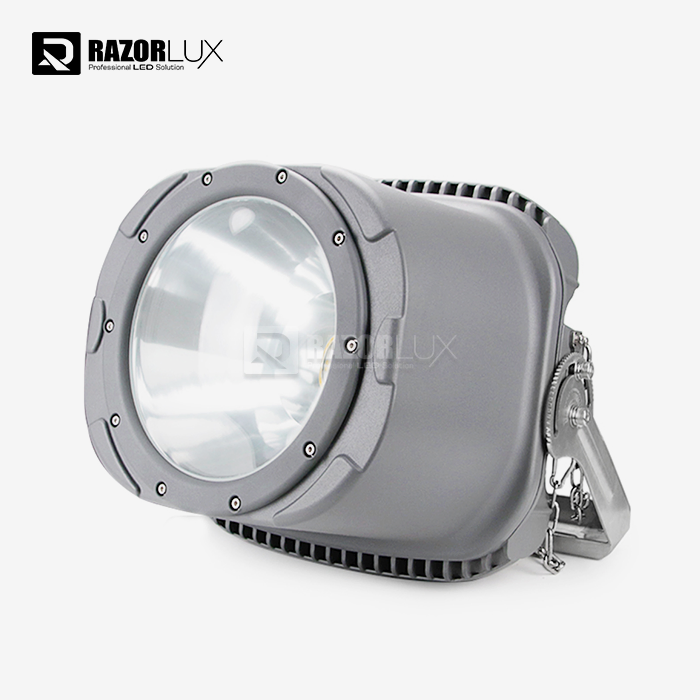 VIEW MOREMarine Deck Flood Lights
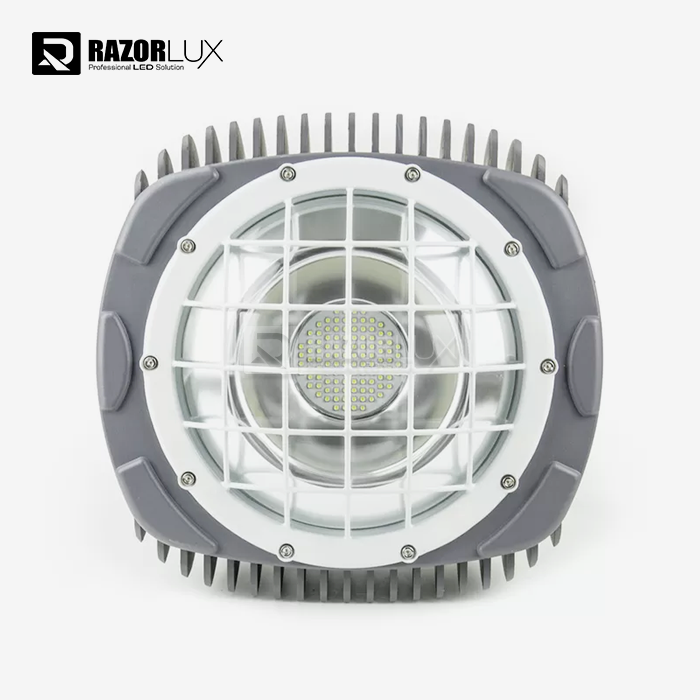 VIEW MORELED softball field lighting high mast flood light systems
 VIEW MORE80ra LED Outdoor Sports Lighting Football Pitches 52000lm 400W Portable Stadium
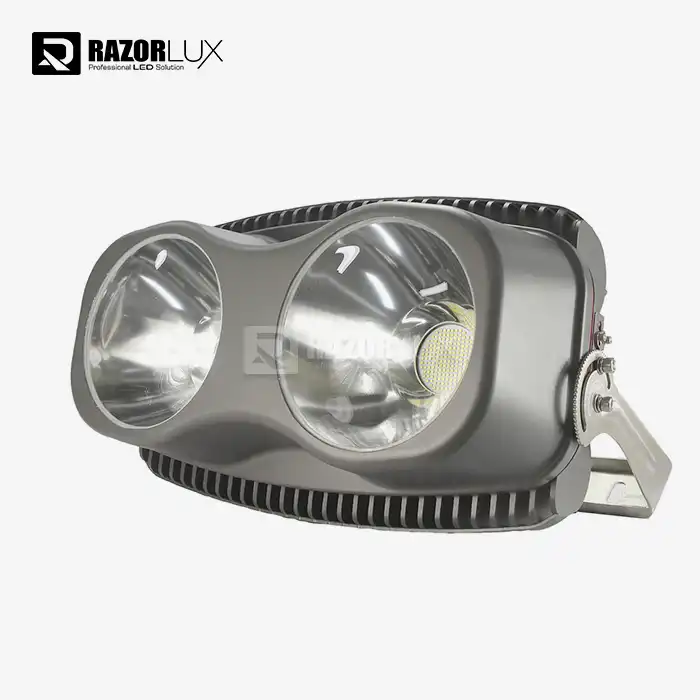 VIEW MOREFloodlight Mast