


_1750326878398.png)

Can Industrial LED Flood Lights Outdoor Cut Energy Costs?
Industrial Led Flood Lights Outdoor applications can substantially cut energy costs. These high-performance luminaires achieve up to 70% energy savings compared to traditional HID or metal halide systems, primarily through superior luminous efficacy—often exceeding 130 lumens per watt—and significantly reduced maintenance expenses. With operational lifespans reaching 50,000 hours or more, facilities experience fewer replacements and lower labor costs. Industrial LED flood lights outdoor also integrate seamlessly with smart controls and sensors, optimizing energy use by delivering illumination only when and where needed, which translates directly into measurable reductions in utility bills and total cost of ownership.
Understanding Industrial LED Flood Lights Outdoor and Their Energy Efficiency
What Makes LED Technology Energy-Efficient?
LED technology has totally changed how outside business places are lit up. Older ways of putting power into light waste a lot of energy as heat, but LEDs do it much more efficiently. This kind of guided lighting gets rid of the warm glow of older lights and sends rays straight where they're needed. The heat that is given off stays low, which means that rooms close don't have to cool down as much, and the machine is safer to use. Because of this, the lighting system is brighter now but uses a lot less power.
Key Energy Metrics That Influence Total Costs
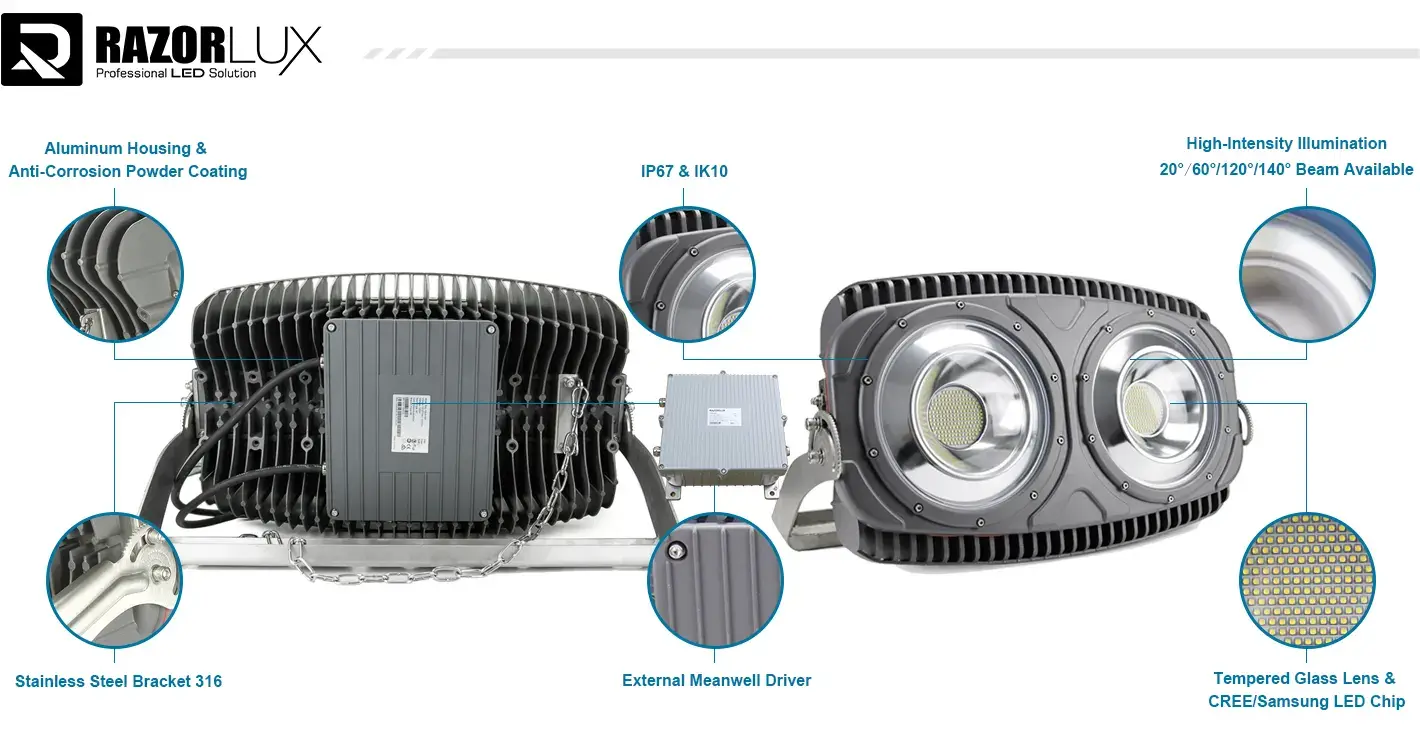
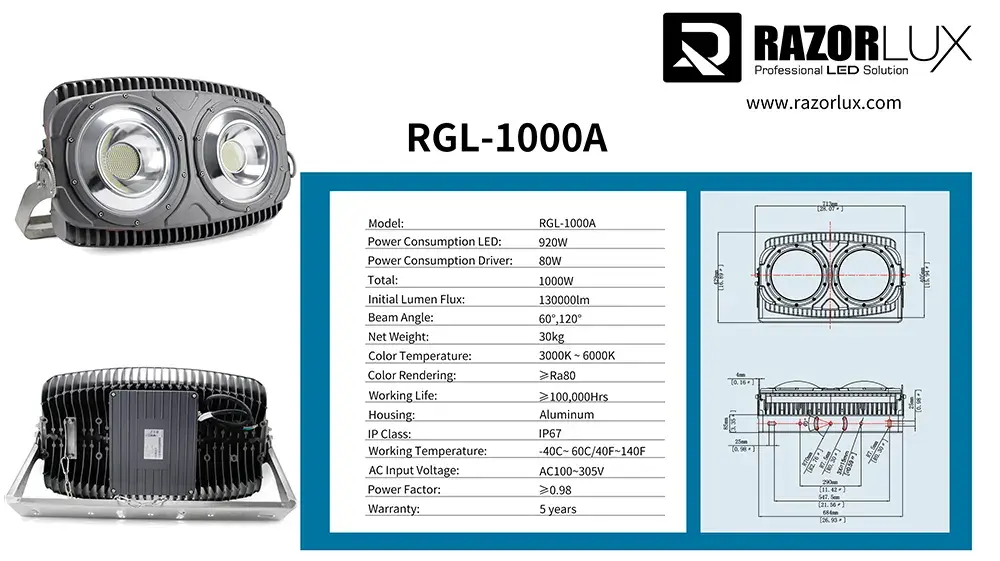
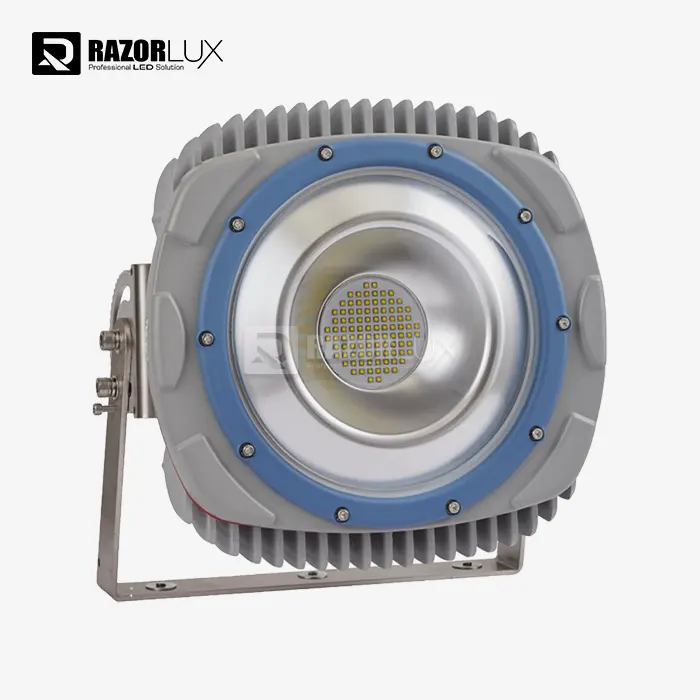
When shopping for outdoor Industrial Led Flood Lights Outdoor for a business, there are three things that are very important. Brightness is measured in lumens per watt (lm/W), which is how much visible light you get for each watt of energy. The Razorlux RGL-1000A is a great light that puts off 130 lm/W. Having a power factor above 0.95 makes sure that the grid is used well and that reactive power charges are kept to a minimum. The cost of work and the number of hours an item can be used before it needs to be changed are closely linked to how long it will work. Costs and return on investment over the long term are affected by these factors.
Comparing Industrial LED Flood Lights Outdoor to Traditional Lighting Options
Power Consumption: LED vs. HID and Halogen
It is known that halogen and standard high-intensity discharge lights use a lot of power. Normal 2000W metal halide floodlights use about twice as much power as LED units of the same size, but they give off less light and take longer to warm up. Halogen lights use even less energy because they make heat instead of light, with most of the energy they get. Industrial Led Flood Lights Outdoor use fewer watts, turn on right away, Industrial Led Flood Lights Outdoor and keep giving off the same amount of light for their whole life. This way, the cost of energy is known, and no work hours are lost because the lights came on late.
Maintenance Frequency and Total Cost of Ownership
When it comes to business lights, one high but hidden cost is upkeep. Because they wear out so quickly, HID lights usually need to be changed every 10,000 to 15,000 hours. You have to pay a lot of people, use special tools, and follow safety rules to get to high-mast sites or dangerous places to relamp. These lights don't need to be changed as often—three to five times as often. They last up to 50,000 hours. The total cost of ownership is lower for LEDs because they need fewer service calls. This means less downtime, lower work costs, and a better building.
Choosing the Best Industrial LED Flood Lights Outdoor for Energy Savings
Brightness, Suitability, and Wattage Efficiency
You need to know how much light you need before you can pick the right Industrial Led Flood Lights Outdoor. If there is too much light, energy is lost. If there is not enough light, things are less safe and less useful. Look at how much light you need based on the job, how the place is set up, and the rules. Large places, like docks or shipping hubs, do well with a 1000W LED light that gives off 130,000 brightness. In smaller rooms, lower wattages work better. It is still very important to have lighting sources that get 130 to 180 lm/W because they use the least amount of energy. You can be sure you're only getting what you'll use by matching lights to a program. This saves power.
Importance of IP Ratings and Safety Certifications
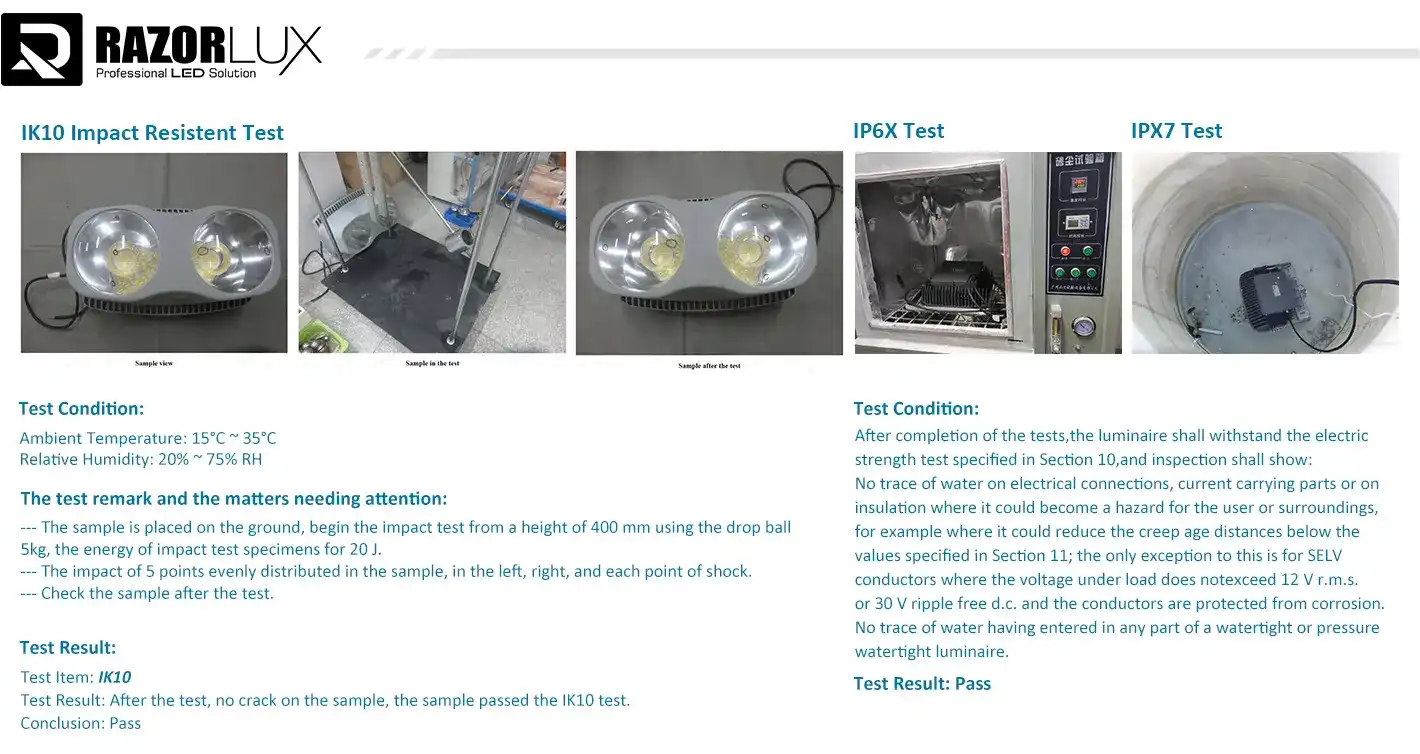
Protection numbers show how safe a piece is against threats in its environment. This seal is IP65, which means it keeps out dust and water jets. It works well for most outdoor business needs. IP67 protects against water, which is important in places that are near water or that tend to flood. IK scores show how resistant something is to being hit by big tools or crashes. This is important in places where these things might happen. Certifications for safety, like CE, RoHS, UL, DLC, DNV/GL, and ABS, make sure that goods meet standards from other countries. This keeps them from being responsible and makes sure they follow insurance and government rules. As you look at companies, don't give up on these requirements.
Installation and Operational Best Practices to Maximize Energy Cost Reduction
Conducting Thorough Site Assessments
A good plan for lighting starts a long time before it is put in. From site studies, you can learn where to put the lights, how high to mount them, and which way the beams should point to get even lighting with the least amount of power use. To make retrofitting easier, check the present equipment for things like where the poles are, how much power it has, and how easy it is to get to. Think about the surroundings. Places near the coast need better protection against rust, places with a lot of dust need sealed housings, and places where it's hot outside need better Industrial Led Flood Lights Outdoor control of temperature. If you do a good site survey, you won't make mistakes that cost a lot of money, you'll follow safety rules, and your Industrial Led Flood Lights Outdoor will save you the most energy.
Proper Wiring and Electrical Configuration
If you don't connect LED lights correctly, even the most energy-efficient ones won't work right. Use the right-sized lines to cut down on resistive losses as much as possible. This is especially important for long runs that are widespread in factories. Razorlux lights can work with a lot of different power systems because they can handle 80 to 305V and 100 to 400V. Check to see if the voltages are compatible. Surge protectors should be put at the distribution switches to protect against short-term overvoltages. LEDs get stable power when electrical systems are set up properly. This keeps them running at their stated efficiency, extends the life of the parts, and stops annoying breakdowns that waste energy.
Case Studies: Energy Cost Savings from Industrial LED Flood Lights Outdoor in Real-World Applications
Manufacturing Facility Retrofit: Measurable Reductions in Utility Costs
This southeast US plant swapped out 150 old 2000W metal halide lamps for 1000W Industrial LED Flood Lights Outdoor for the loading docks and production yards outside. The change made the lights use half as much, from 300kW to 150kW. The building saved 1,800 kWh per day by only running for 12 hours. At the current energy rates in the area, that's about $65,000 a year. With the money saved on energy costs and building costs, the job was paid for in less than two and a half years. Repair calls went down by 80%, which gave workers more time to do other things and made things run even more smoothly.
Comparative Analysis: LED vs. Legacy Systems in Heavy Industry
Researchers looked at three similar oil refineries and found that they were very different. One had metal halide lights, one had high-pressure sodium lights, and the third had LED flood lights. LED lights saved 68% of the energy needed for the same amount of light over three years, and they led to 90% fewer upkeep issues with the lights. Temperature tests showed that the LED housings stayed much cooler. This makes it less likely that a fire will start in a dangerous area. For better color rendering (CRI ≥75), the LED facility was also safer to use, and checks were more accurate. The results show that LED technology is useful for more than just saving energy.
| Metric | Metal Halide | High-Pressure Sodium | LED Flood Lights |
|---|---|---|---|
| Power Consumption (per fixture) | 2000W | 1800W | 1000W |
| Luminous Efficacy | 75 lm/W | 85 lm/W | 130 lumens/W |
| Operational Lifespan | 12000 hours | 18,000 hours | 50,000 hours or more |
| Maintenance Frequency (per year) | 3 to 4 new ones. | 2 or 3 different ones | ^1 different |
| Color Rendering Index (CRI) | 65 to 70 | 20–25 | ≥75 |
| Annual Energy Cost (100 fixtures, 12 hrs/day) | $175,200 | $157,680 | $87,600 |
Real-World Performance Factors That Affect Energy Savings
Ambient Temperature and Thermal Management
How well LEDs work depends on the temperature. Drivers and chips break down when they get too hot, which lowers their power and makes them last less long. Advanced thermal control is used in high-quality gadgets. In this case, die-cast metal housings with built-in heat sinks get rid of heat quickly and effectively, keeping junction temperatures below levels that are safe. With this setup, the light will always work the same way, even in places where it's very hot outside (-40°C to +60°C). When a building is used in tough conditions, it needs parts that can keep working well in a range of temperatures. Things won't break down too soon, and energy will be saved.
Voltage Fluctuations and Grid Stability
Sometimes there are brownouts, voltage changes, and jumps in industrial power lines that put a lot of stress on lighting systems. Industrial LED flood lights outdoor drivers that can work with a lot of different voltages, like 80–305Vac, won't lose their performance when the voltage changes. Surge protectors with a 10–20kV grade keep delicate electronics safe from short-term overvoltages that can happen when lightning strikes or when magnetic loads switch places. Because it is well-designed electrically, the system never trips, flickers, or fails. It always works and uses the same amount of energy. When the power in a building isn't stable, these safety features come in very handy.
Technical Specifications That Drive Energy Efficiency
Luminous Efficacy and Lumen Maintenance
It is directly linked to brightness; the more lumens per watt, the less electricity is needed to Industrial Led Flood Lights Outdoor make the same amount of light. The RGL-1000A from Razorlux uses 130 lm/W, which makes it one of the most energy-efficient Industrial Led Flood Lights Outdoor on the market. The care of light is just as important. If you use a good LED for 50,000 hours, it will still work the same way it did the first day (L70). Since cheap goods break down quickly, they need to be over-lit when they are first put in place to make up for the money that will be lost in the future. This takes more energy and is a waste of time. Test the L70 data with the LM-80/TM-21 to make sure it will work well in the long run.
Power Factor and Harmonic Distortion
An item's power factor tells you how well it turns the power it sees into real work. As long as the power factor is above 0.95, there is very little reactive power. This makes the grid work better and saves money on energy. Noise in the electricity that could hurt sensitive equipment or make transformers boil stops when the total harmonic distortion (THD) is less than 10%. A good LED driver, like one from Mean Well, will always meet these standards. This makes sure they work well and can be used with the power systems that are already in place. In a small but important way, these electrical qualities help control the system and save power.
Modular Design and Repairability
There are good things about modular LED flood lights that make them more valuable in the long run. Fixtures that have LED modules, lenses, and drivers that can be switched out let you fix specific issues without having to buy a whole new unit. This saves time and money. This design theory keeps energy economy high and increases useful life by letting changes happen slowly as technology gets better. Buyers like modularity because it's adaptable and lasts a long time. It also helps them meet the environmental goals of their companies and move their goods more easily. Razorlux lights, which are made to last and be easy to maintain, show this way of thought.
| Feature | Specification | Benefit |
|---|---|---|
| Luminous Efficacy | 130 lumens/W | There was less energy used per light. |
| Power Factor | ≥0.98 | The cost of reactive power went down, and the grid worked better. |
| Total Harmonic Distortion | <10% | Keeps parts from interacting with electricity and makes them last longer. |
| Input Voltage Range | AC 80V to 305V DC 100V to 800V | Power changes are possible, and it works with alternatives. |
| Surge Protection | 10–20kV | Short-term overvoltages are kept away from the equipment. |
| Ingress Protection | IP65/IP67 | Make sure the performance stays the same and keeps dust and water out. |
| Impact Resistance | IK10 | Can handle mechanical shocks, and failure is less likely |
| Operating Temperature | -40°C to +60°C | Keeps working well in rough places |
Conclusion
It is possible to save a lot of money on energy costs and running costs by using Industrial LED Flood Lights Outdoor. After switching from old HID and neon systems to LED ones, businesses save more than 50% on their power bills and have a lot less downtime and maintenance problems. They have more of these benefits because they give off more light, last longer, and have smart settings built in. These features give you steady returns with short payback times. Razorlux's RGL-1000A is made with tough approvals, strong construction, and high-quality parts that make sure it works well in the hardest industrial settings. Businesses can meet their environmental goals and improve safety, efficiency, and their bottom line for many years to come by using LEDs in a smart way.
FAQ
1. How Much Can LED Flood Lights Reduce Energy Bills Compared to Halogen or HID Systems?
Most of the time, LED flood lights use 60% to 70% less electricity than gas or HID lights of the same size. Instead of a 2200W or 2500W metal halide lamp, a 1000W LED can be used. This cuts power use by more than half and makes the light and color better. How much you save depends on how many lights you have, how long they are used, and how much energy costs. There are big drops in places where lights are on all the time. Most of the time, these places get their money back in 18 to 36 months because their energy bills and maintenance costs go down.
2. What Factors Affect the Lifespan of Outdoor LED Flood Lights?
How well something works with heat, the parts that make it up, and how it is used are the main things that decide how long it lasts. When you have fixtures that remove heat well, junction temperatures stay low. This helps LEDs and drivers last longer. Cheaper parts don't last as long as better ones, like Mean Well power sources and Good chips. It's important to use strong building materials and the right water protection (IP65/IP67) because noise, dampness, and extreme temperatures all speed up wear. Buildings last longer, often for more than 50,000 hours, when they are cleaned and inspected as part of regular care plans.
3. What Safety and Waterproof Standards Should I Look for When Choosing LED Flood Lights?
You should choose fixtures with an IP65 or IP67 grade because they will keep dust out and protect against water jets or short-term immersion. IK10 impact safety keeps things from breaking in places where a lot of people or tools are used. You are less likely to be sued if you have certifications like CE, RoHS, UL, and DLC. These show that safety and environmental rules have been followed. If the product has been approved by DNV/GL or ABS, it means it is safe to use on rough seas, which is useful for marine or coastal uses. Always check that if a business says it has a license, they can prove it with full proof and test results.
Partner with Razorlux for High-Performance Industrial LED Flood Lights Outdoor
As a company, Razorlux knows that buying managers in shipyards, marine equipment installers, and industrial building engineers need lighting choices that always work, even when things go wrong. We have been making effective Industrial LED Flood Lights Outdoor for more than 20 years. Our products are made to last and use little energy. Our commitment to quality is shown by the RGL-1000A type, which has all the required approvals, 130 lm/W economy, and IP67 security. It also has Mean Well drivers. In order to help you buy something, we offer fast quotes, thorough information, examples, and quick service. Our team is ready to help you update a factory, fix up a port, or choose lights for a remote platform. We can help you come up with custom lighting solutions that work better than you thought they would and save you money on energy costs. Send us an email at sam@razorlux.com to talk about your project and find out how Razorlux can help you do well.
References
1. U.S. Department of Energy. (2021). Solid-State Lighting R&D Plan. Office of Energy Efficiency and Renewable Energy.
2. Illuminating Engineering Society. (2020). IES Lighting Handbook, 10th Edition. IES Publications.
3. International Electrotechnical Commission. (2019). IEC 60598: Luminaires – Part 2-5: Particular requirements – Floodlights. IEC Standards.
4. National Electrical Manufacturers Association. (2018). ANSI C82.77: Harmonic Emission Limits – Related Power Quality Requirements for Lighting Equipment. NEMA Publications.
5. Marine Equipment Directive Council. (2020). MED 2014/90/EU: Marine Equipment Directive Compliance Guide. European Commission.
6. American Society for Testing and Materials. (2022). ASTM E1823: Standard Terminology Relating to Fatigue and Fracture Testing. ASTM International.
 VIEW MOREled high power flood light
 VIEW MORE12 volt led boat deck lights
 VIEW MOREOutdoor Led Flood Light With Photocell
 VIEW MOREConstruction Site Flood Lights
 VIEW MORELED Flood Lights For Sports Field
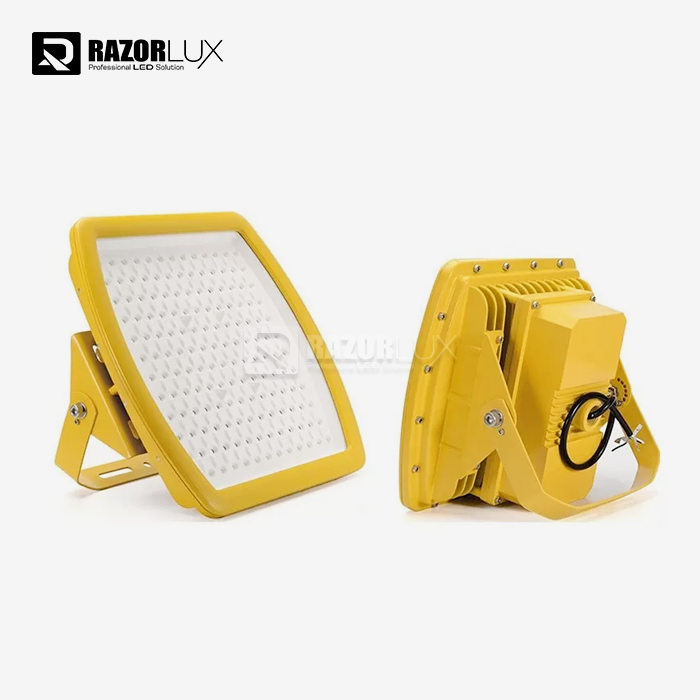 VIEW MOREIP65 Atex 5000K Flood Light Reflector 75 CRI Explosion Proof Street Light
 VIEW MOREWaterpoof IP67 Reflector Flood Light 100w Outdoor Ex Proof Led Flood Light
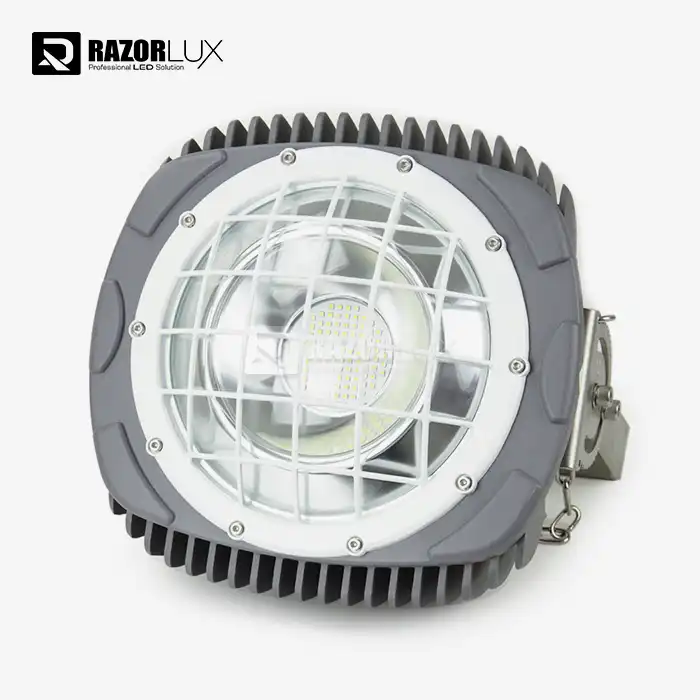 VIEW MORELuminaire Led Flood Light