

_1750326878398.png)

How a 400W Equivalent Led Flood Light Cuts Lighting Costs?
A 400W Equivalent Led Flood Light dramatically reduces operational expenses through superior energy efficiency, extended lifespan, and reduced maintenance requirements. These advanced lighting solutions deliver the same illumination as traditional 400-600W metal halide or halogen fixtures while consuming significantly less power. With 130LM/W efficiency and over 50,000-hour operational life, businesses typically achieve 60-80% energy savings and minimal replacement costs, making LED flood lights an essential investment for cost-conscious procurement managers seeking long-term operational value.
Understanding 400W Equivalent LED Flood Lights and Their Benefits.
It is now possible for LED flood lights that are rated as "400W equivalent" to be as bright as standard 400–600W high-intensity discharge (HID) lamps while using a good deal less energy. These bulbs work so well because they use modern LED chip technology and optical systems that are carefully designed to make the most of the light they give off.
Technical Specifications That Drive Performance
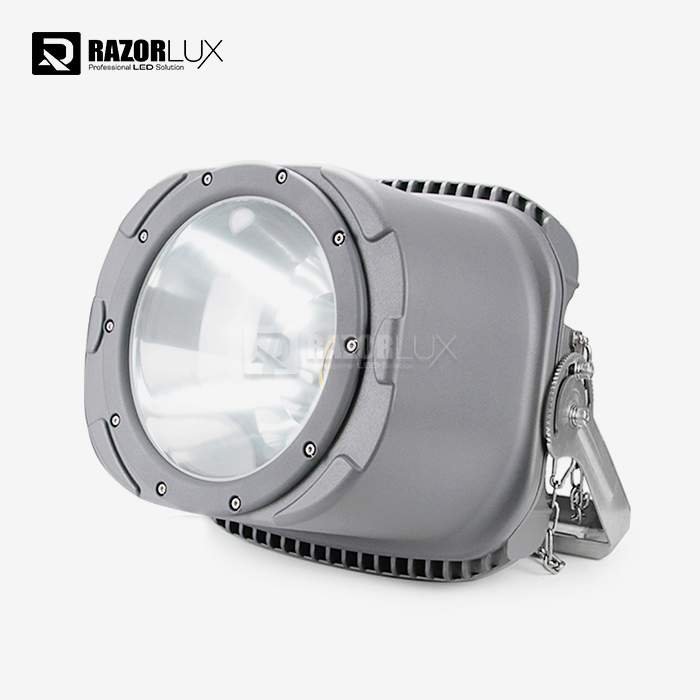
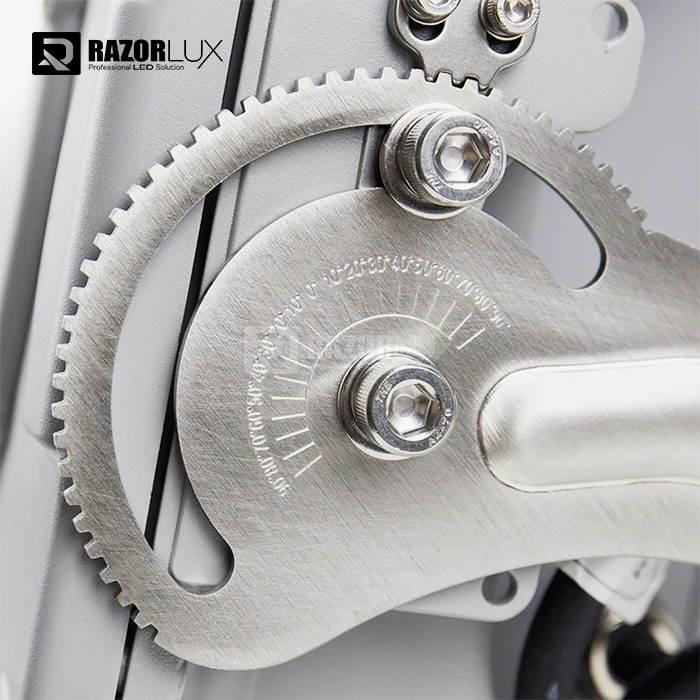
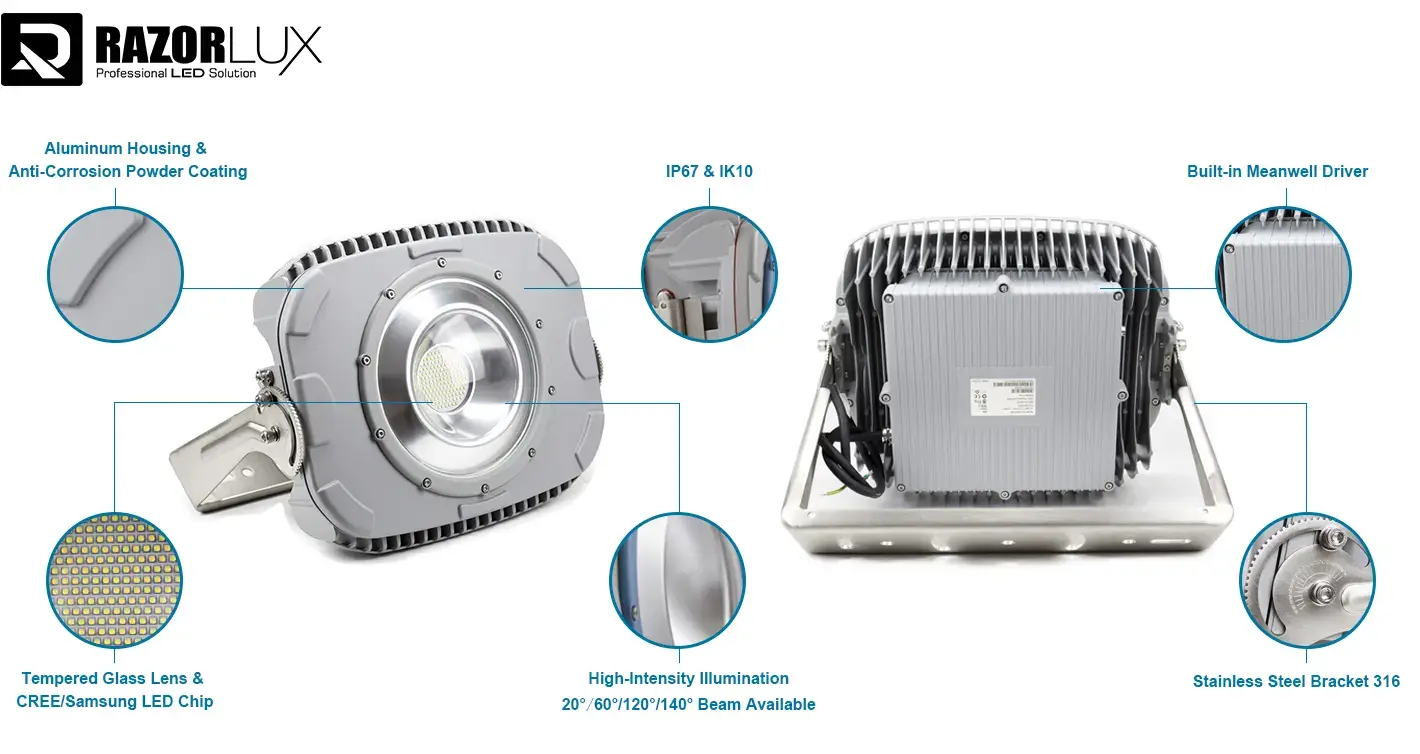
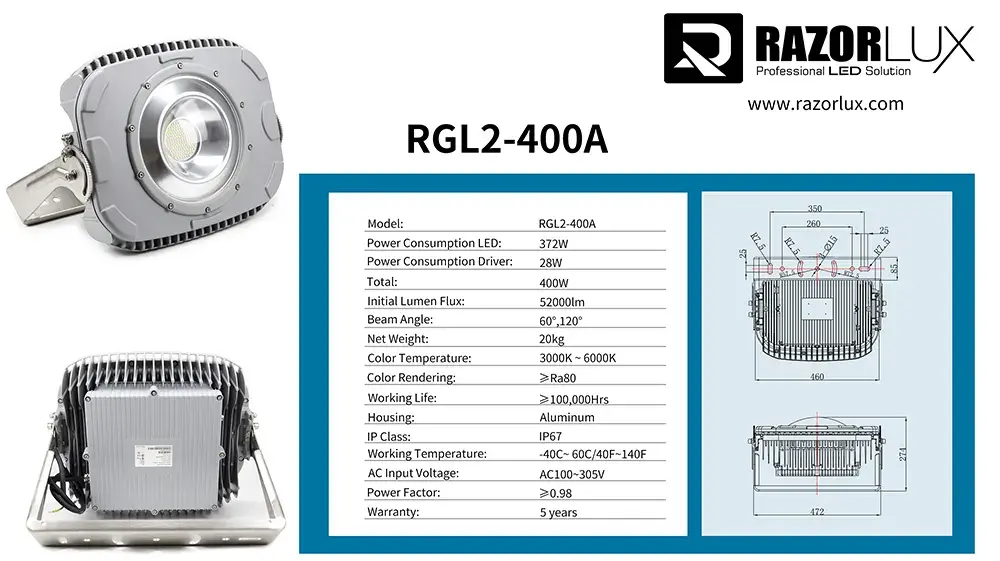
Modern LED flood lights are made with cutting-edge parts that offer great value. When high-efficiency LED chips are paired with quality drivers, they produce more than 130 lumens per watt of light. This is much more than standard metal halide lights, which only produce 70 to 90 lumens per watt. The advanced heat control systems make sure that the fixtures work the same way in temperatures ranging from -40°C to 60°C. This means that they can be used in harsh naval and industrial settings. Professional units have a strong metal body that has been powder-coated and fixing frames made of stainless steel. They also have IP67 waterproof ratings, which are necessary for installs on ocean sites and along the coast. The wide power range (AC110-480V and DC100-800V) means that it can work with a lot of different electrical systems without the need for extra switches or transformers.
Comparative Analysis with Traditional Lighting Technologies
| Technology Type | Power Consumption | Luminous Efficacy | Operational Life | Maintenance Frequency |
|---|---|---|---|---|
| 400W LED Equivalent | 360W | 130+ LM/W | 50,000+ hours | Minimal |
| Metal Halide | 400-450W | 70-90 LM/W | 10,000-15,000 hours | High |
| High-Pressure Sodium | 400-450W | 80-100 LM/W | 12,000-18,000 hours | Moderate |
| Halogen | 400-500W | 15-25 LM/W | 2,000-4,000 hours | Very High |
The performance differential becomes evident when examining real-world applications. Traditional metal halide fixtures require frequent ballast replacements and lamp changes, creating ongoing operational disruptions. LED equivalents eliminate these concerns through solid-state construction and integrated driver technology that maintains consistent performance throughout their extended operational life.
Advanced Features That Enhance Value
These days, LED floodlights have smart design features that make them work more efficiently. Beam directions that can be changed from 15° to 30° make it possible to precisely distribute light, which cuts down on waste and makes covering patterns work best for each application. Color temperature ranges from 2700K to 6500K, which lets you change the lighting to meet different needs, such as warm security lighting or bright work lighting. Using high-quality parts, like Meanwell power sources and expensive LED chips, makes sure that the system works well even in tough conditions. Power factor correction above 0.98 lowers the stress on the electrical system, and overall harmonic distortion below 10% keeps sensitive electronic equipment in modern factories from being harmed.
Breaking Down How 400W Equivalent LED Flood Lights Reduce Lighting Costs.
Understanding the comprehensive cost reduction mechanisms of LED flood lights requires examining multiple operational factors beyond simple energy consumption. These advanced lighting systems deliver substantial savings through reduced utility bills, minimized maintenance requirements, and improved operational efficiency.
Energy Consumption Analysis and Savings Calculations
The main benefit in terms of cost comes from using a lot less power. When you add up the losses from the ballast, a normal 400W metal halide setup uses about 450–500W of electricity. A 400W similar LED light, on the other hand, only uses 400W of power, which means it immediately uses 20–25% less energy. The difference is big when you figure out how much money you could save if your building ran for 4,000 hours a year and paid $0.12 per kWh. Traditional methods use 2,000 kWh of power a year per bulb, which costs $240. In comparison, LED lights use 1,600 kWh, which saves $48 per bulb each year and costs $192 per year. Large setups with 50 lights can save up to $2,400 a year on energy costs, which is good for the budget and the environment. These estimates are even stronger in places where power costs more or where buildings need to be open all the time.
Maintenance Cost Reduction and Operational Benefits
Beyond energy savings, a 400W Equivalent LED Flood Light dramatically reduces maintenance expenses through extended operational life and enhanced reliability. Traditional metal halide lamps require replacement every 10,000-15,000 hours, necessitating frequent maintenance interventions. Each replacement cycle involves lamp costs, labor expenses, and potential production disruptions. Professional maintenance teams typically charge $75-150 per fixture for lamp replacement, including labor and equipment access. With LED systems lasting 50,000+ hours, replacement frequency drops from every 2-3 years to 12-15 years, eliminating multiple maintenance cycles and their associated costs. The robust construction of premium LED fixtures reduces unplanned failures and emergency repairs. IP67-rated enclosures prevent moisture intrusion, while thermal management systems prevent overheating damage. This reliability translates to fewer maintenance calls and reduced operational disruptions.
Total Cost of Ownership (TCO) Considerations
An in-depth TCO study shows that LED flood lights really save you money. Even though the original cost may be higher than other options, the longer operating life and lower upkeep needs make the device very cost-effective over its lifetime. A thorough TCO study that looks at 10 years shows that there are big benefits. At this time, traditional metal halide systems need three to four lamp repairs, which cost $50 to $100 for parts and $100 to $150 for work each. Every 5 to 7 years, you have to pay more to change the ballast. LED systems get rid of these ongoing costs and provide steady performance for their entire useful life. The payback time for energy savings, less upkeep, and better dependability is usually two to three years, and the savings continue for the rest of the operating life.
Key Factors to Consider When Choosing 400W Equivalent LED Flood Lights
Selecting optimal LED flood lights requires careful evaluation of technical specifications, certification requirements, and supplier capabilities. Professional procurement teams must balance performance requirements with budget constraints while ensuring long-term operational reliability.
Technical Specifications and Performance Parameters
Key technical considerations impact performance and cost-effectiveness. Lights exceeding 130LM/W are efficient and cost less to operate. A color rendering index (CRI) above Ra75 indicates safe and practical color reproduction. Choosing the correct beam angle affects coverage and placement costs. Narrow beam angles (15–20°) illuminate specialized tasks or distant objects. Wider angles (30°) cover more for general area illumination. A good beam angle reduces the number of lamps required while giving adequate light. Environmental ratings are crucial for maritime and industrial usage. The IP67 and IK10 ratings prevent water and dust entry and tool and weather damage, respectively. Operating temperatures from -40°C to 60°C can tolerate tough arctic and ocean conditions.
Certification Requirements and Standards Compliance
Professional installations require comprehensive certification compliance to meet regulatory standards and insurance requirements. Essential certifications include CE marking for European markets, UL listing for North American applications, and specialized marine certifications such as DNV/GL or ABS for vessel and offshore platform installations.
| Certification | Application Area | Key Requirements | Validity Period |
|---|---|---|---|
| CE Marking | European Union | EMC, Safety, RoHS | Ongoing |
| UL Listed | North America | Safety, Performance | Annual Review |
| DNV/GL | Marine Applications | Vibration, Salt Spray | 5 Years |
| DLC Premium | Commercial/Industrial | Energy Efficiency | Ongoing |
RoHS compliance ensures environmental responsibility by restricting hazardous substances, while ISO:9001 certification indicates consistent quality management systems. These certifications provide assurance of product reliability and regulatory compliance essential for professional installations.
Supplier Evaluation and Quality Assurance
Supplier choice has a big effect on the success of a project through the quality of the products, the dependability of delivery, and the help provided after the sale. Manufacturers that have been around for a long time and have a lot of experience with naval and industrial uses have shown that they can work in tough conditions. Comprehensive testing procedures, high-quality parts sources, and strong quality control systems are all signs of quality. Suppliers who use parts from well-known companies like Samsung for LED chips and Meanwell for power sources show that they care about speed and stability. Customization choices for power needs, mounting setups, and visual specs should be part of the manufacturing process. Deliveries for both standard and urgent orders are guaranteed by flexible production capacity, and expert support is available for ongoing help during the installation and operating phases.
Application Scenarios: Where 400W Equivalent LED Flood Lights Deliver Maximum Value?
Understanding optimal application scenarios helps procurement professionals identify opportunities for maximum cost savings and operational improvements. Different environments present unique challenges and requirements that LED flood lights address effectively.
Marine and Offshore Platform Applications
Marine environments are tough, and lighting systems must withstand salt spray, dampness, and vibration. Lighting for offshore oil rigs, ports, and ship decks requires reliable fixtures under harsh environments. 400W Equivalent LED Flood Light solutions are rust-resistant and water-resistant, making them ideal for these scenarios. Lack of weak bulbs or gas-filled tubes eliminates failure mechanisms typical in shaking areas. Applications used overseas need unique equipment and staff for maintenance, thus cost reductions are crucial. LED lights last longer, need less costly maintenance inspections, and are more dependable, so they don't shut down unexpectedly, disrupting vital activities.
Industrial Manufacturing and Warehouse Facilities
Big industries and warehouses require continual, high-quality illumination for safety and efficiency. Traditional high-bay lighting systems are energy-intensive and expensive to maintain, increasing corporate expenditures. LED flood lights illuminate large areas evenly and use less energy. The instant-on function eliminates metal halide warm-up delays. This improves efficiency and enables sophisticated lighting control systems. Unlike older systems that dim over time, LED systems provide consistent light, which is ideal for production. Regularity keeps the quality good and makes it easy for certain workers' eyes.
Port and Terminal Infrastructure
Because ports are continuously open, they require consistent illumination for moving commodities, monitoring vehicles, and keeping things secure. Saving energy is vital for keeping costs down on these large sites, and the harsh maritime climate requires sturdy structures. Container handling areas require accurate illumination for cranes and cargo inspection. LED flood lights illuminate without glare, making machine users more visible. Better color rendering makes equipment identification and warning signals simpler to distinguish, making things safer. LED glasses provide fine beam control for border illumination. Narrow beam angles concentrate light for distant viewing, whereas broad beam angles cover a big area without overlap.
Procurement and Installation Best Practices for B2B Clients
A successful 400W Equivalent LED Flood Light implementation requires careful planning, proper supplier selection, and professional installation practices. These elements ensure optimal performance and maximum return on investment throughout the system's operational life.
Supplier Selection Criteria and Due Diligence
Professional procurement requires a comprehensive supplier evaluation to ensure product quality, delivery reliability, and ongoing support. Key criteria include manufacturing capabilities, quality certifications, and technical expertise in specific application areas.
Manufacturing facility assessments should verify production capacity, quality control systems, and component sourcing practices. ISO:9001 certification indicates established quality management systems, while specialized certifications demonstrate expertise in specific markets such as marine or hazardous location applications.
Financial stability and business longevity provide assurance of ongoing support throughout the product lifecycle. Established manufacturers with proven track records offer greater confidence in warranty coverage and parts availability for future maintenance requirements.
Installation Planning and Safety Considerations
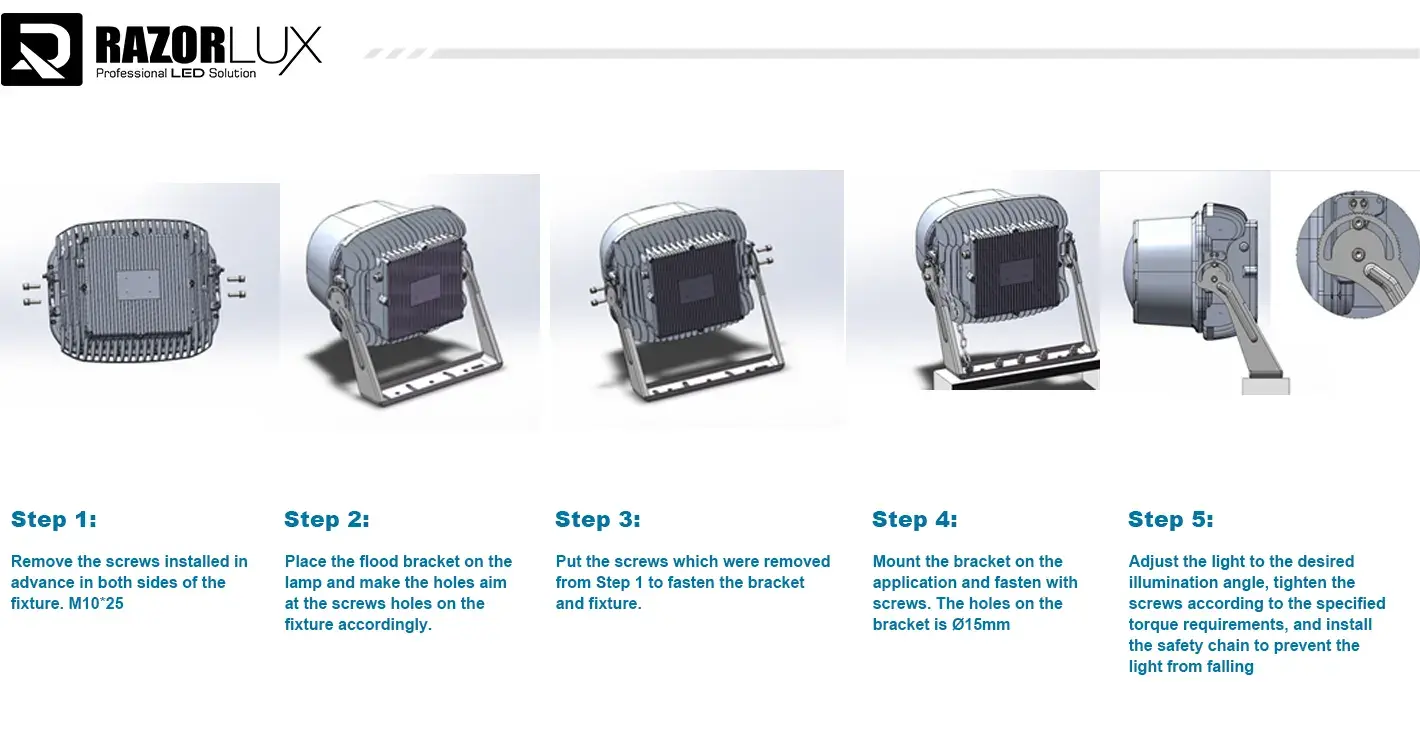
Proper installation planning ensures optimal performance and safety compliance while minimizing installation costs. Site surveys should identify mounting requirements, electrical infrastructure needs, and access considerations for future maintenance.
Electrical system compatibility requires verification of voltage requirements, control system integration, and power quality considerations. LED fixtures with wide input voltage ranges accommodate various electrical systems without requiring additional equipment, while power factor correction reduces electrical system stress.
Safety protocols must address working at height, electrical hazards, and environmental conditions during installation. Professional installation teams should possess appropriate certifications and experience with similar applications to ensure proper implementation and compliance with applicable codes and standards.
Warranty and After-Sales Support Requirements
Comprehensive warranty coverage provides protection against premature failures and ensures ongoing performance. Premium LED fixtures typically offer 5-year warranties on LED modules and drivers, with extended housing warranties reflecting confidence in construction quality.
After-sales support should encompass technical assistance, replacement parts availability, and warranty claim processing. Responsive support teams with technical expertise can resolve issues quickly, minimizing operational disruptions and ensuring continued performance.
Documentation requirements include technical specifications, installation guidelines, and maintenance recommendations. Complete documentation packages support proper installation and ongoing maintenance while providing reference materials for troubleshooting and warranty claims.
Razorlux: Your Trusted Partner for Premium LED Lighting Solutions
Xi'an Razorlux Optoelectronic Technology Co., Ltd. stands at the forefront of LED lighting innovation, delivering exceptional 400W equivalent LED flood lights designed specifically for demanding marine and industrial applications. Our commitment to excellence spans over two decades, establishing us as a trusted partner for procurement professionals seeking reliable, cost-effective lighting solutions.
Advanced Engineering and Manufacturing Excellence
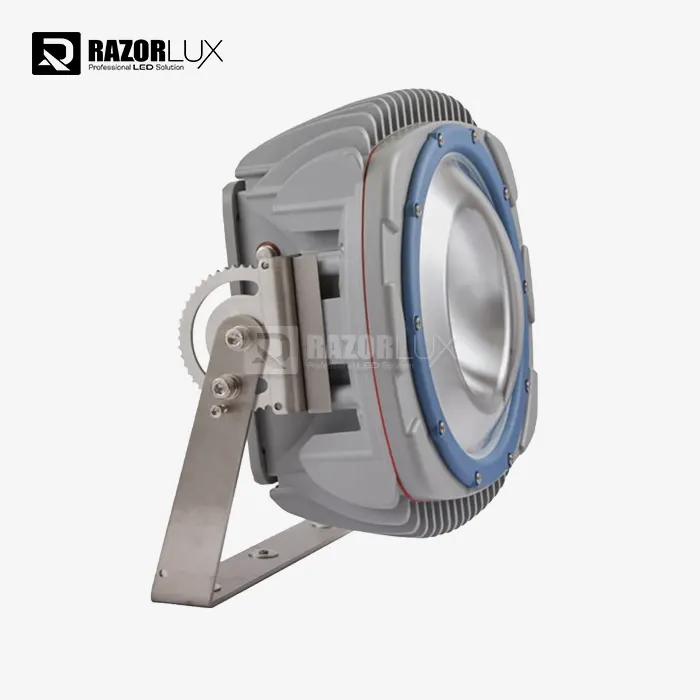
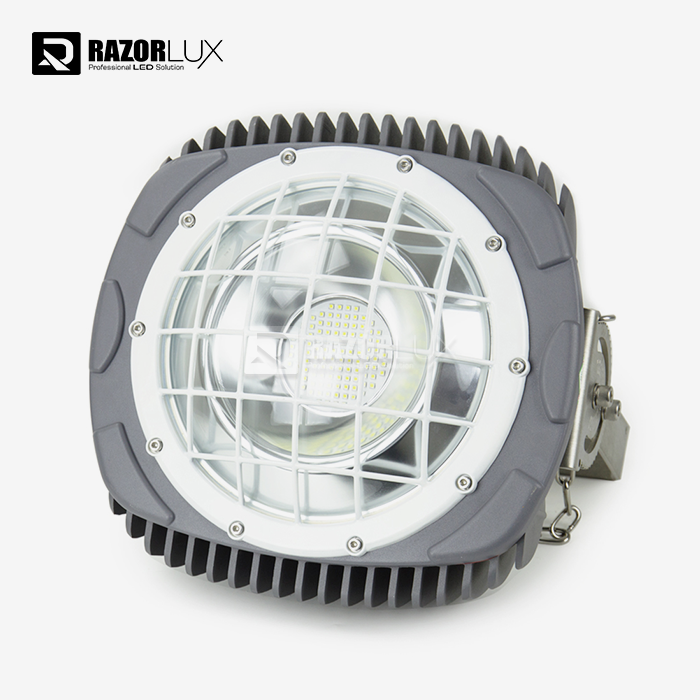
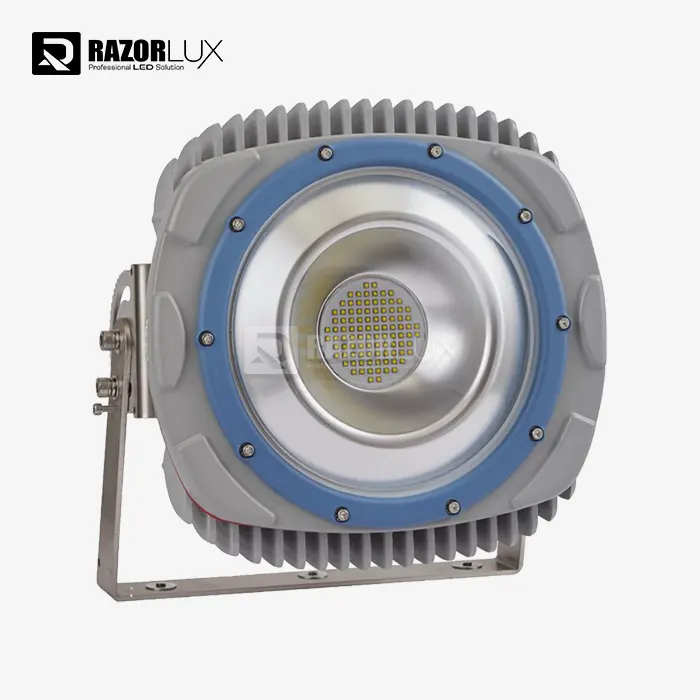
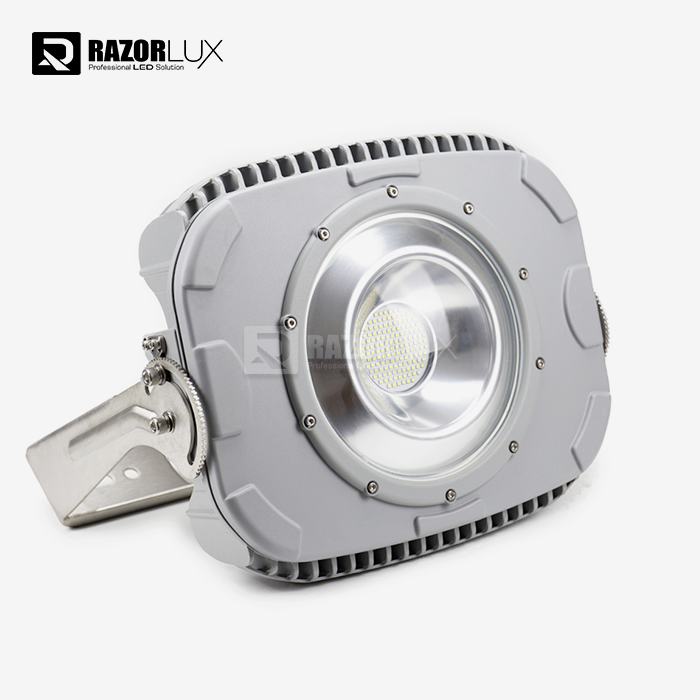
The RGL2-400P series is the pinnacle of LED flood light technology, with a unique multi-function design for all working settings. Our performance criteria include quality components and thorough testing processes to guarantee dependable operation under the harshest situations.
Advanced engineering allows AC110-480V and DC100-800V voltage compatibility without adapters, supporting varied electrical systems. The 130LM/W efficiency rating saves energy, while the IP67/IP65 certifications and IK10 impact resistance assure dependability.
To maximize light dispersion for particular applications, precision optical design provides 15°, 20°, and 30° beam angles. The color temperature range from 2700K to 6500K allows for operational flexibility, while CRI scores over Ra75 assure safety and operational color reproduction.
Quality Assurance and Global Certifications
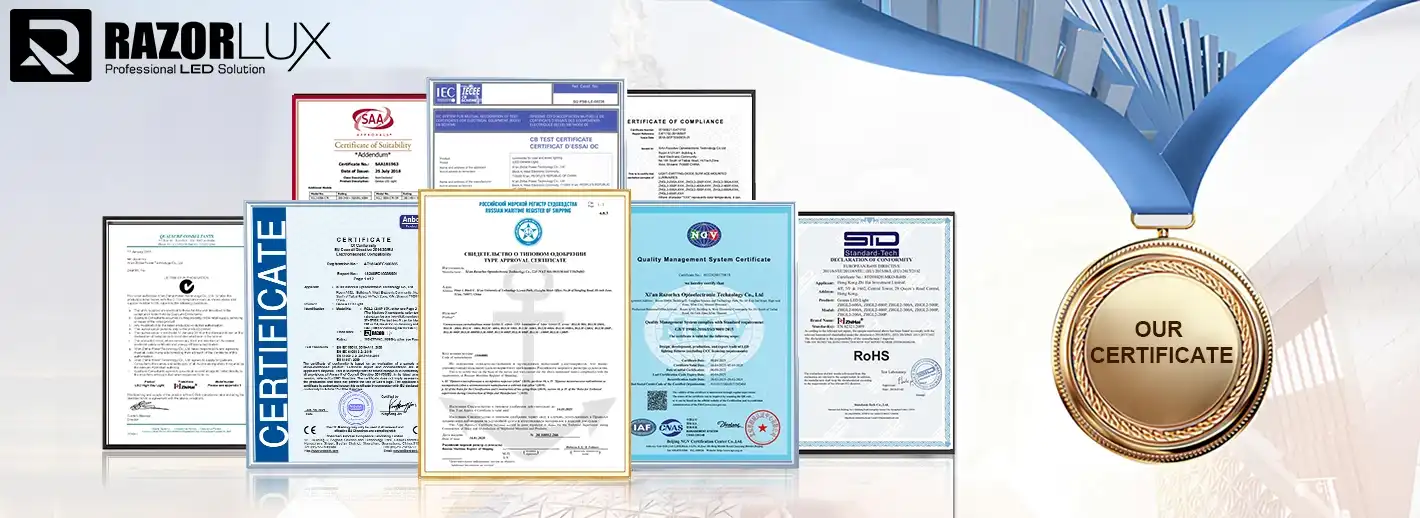
Through CE, RoHS, UL, DLC, and specialist maritime certifications, we demonstrate our quality commitment. We use high-quality components from Meanwell and the ISO:9001 quality management system to assure manufacturing quality.
Incoming component inspection, in-process testing, and product validation are quality control procedures. To ensure high-quality goods, each fixture is rigorously tested for performance and environmental compliance before shipping.
Our 5-year comprehensive guarantee shows our trust in product quality and production. This guarantee and fast technical assistance provide procurement experts with confidence for crucial applications.
Customization and Project Support Capabilities
Our flexible manufacturing allows us to customize voltage, mounting, and optical properties for unique projects. OEM and ODM services provide branded goods for distributors and integrators' particular needs.
Project assistance includes technical advice, application engineering, and installation. Our expert staff collaborates with procurement specialists to find the best solutions for particular applications, maximizing performance and cost.
Sample programs reduce project risks and ensure product compatibility before large-scale purchase. Implementation and operation are supported by complete technical documentation, including installation guidelines and maintenance suggestions.
Conclusion
The transition to 400W equivalent LED flood lights represents a strategic investment in operational efficiency and cost reduction. These advanced lighting systems deliver immediate energy savings of 20-25% compared to traditional alternatives, while extending operational life to over 50,000 hours, reducing maintenance costs and operational disruptions. The combination of reduced energy consumption, minimized maintenance requirements, and improved reliability typically generates payback periods of 2-3 years, with continued savings throughout the extended operational life. Professional procurement teams benefit from comprehensive supplier evaluation, focusing on technical capabilities, certification compliance, and ongoing support services to ensure optimal performance in demanding marine and industrial applications.
FAQ
How long do 400W equivalent LED flood lights typically last compared to traditional options?
Premium 400W equivalent LED flood lights deliver operational life exceeding 50,000 hours under normal conditions, significantly surpassing traditional metal halide fixtures rated for 10,000-15,000 hours. This extended lifespan reduces replacement frequency from every 2-3 years to 12-15 years, dramatically reducing maintenance costs and operational disruptions.
What energy savings can be expected when upgrading to LED flood lights?
Energy savings typically range from 20-25% compared to equivalent metal halide systems when considering total system power consumption, including ballast losses. LED fixtures consuming 400W deliver comparable illumination to traditional 450-500W systems, generating annual savings of approximately $48 per fixture based on 4,000 operating hours at $0.12/kWh electricity rates.
Are 400W LED flood lights suitable for harsh marine environments?
Professional-grade LED flood lights with IP67 ratings and corrosion-resistant construction excel in marine applications. The solid-state construction eliminates fragile components susceptible to vibration damage, while sealed designs prevent moisture and salt spray intrusion that commonly affects traditional lighting systems in marine environments.
What certifications should be required for industrial LED flood light procurement?
Essential certifications include CE marking for European compliance, UL listing for North American applications, and RoHS compliance for environmental responsibility. Marine applications require specialized certifications such as DNV/GL or ABS, while DLC listing indicates energy efficiency verification for commercial and industrial installations.
How do beam angles affect LED flood light performance and installation costs?
Beam angle selection directly impacts coverage efficiency and the number of fixtures required. Narrow angles (15-20°) provide concentrated illumination for specific tasks or distant targets, while wider angles (30°) offer broader coverage for general area lighting. Proper beam angle selection optimizes coverage while minimizing installation and energy costs.
Contact Razorlux for Professional 400W Equivalent LED Flood Light Solutions.
Razorlux delivers industry-leading LED flood lights engineered for demanding marine and industrial environments. Our comprehensive product portfolio includes customizable options with premium components and global certifications essential for professional installations. With over 200 patents and decades of manufacturing excellence, we provide complete lighting solutions backed by responsive technical support and comprehensive warranty coverage. Contact our procurement specialists at sam@razorlux.com for detailed quotations, sample requests, and customized solutions tailored to your specific project requirements. As a trusted 400W Equivalent LED Flood Light manufacturer, we're committed to optimizing your facility lighting costs while enhancing operational safety and productivity.
References
1. U.S. Department of Energy. "LED Lighting Facts: Energy Savings and Environmental Benefits of LED Technology." Office of Energy Efficiency and Renewable Energy, 2023.
2. International Association of Lighting Designers. "Industrial and Marine Lighting Design Guidelines: Best Practices for Energy Efficiency." IALD Technical Publication, 2022.
3. Marine Equipment Trade Association. "Comparative Analysis of LED vs Traditional Lighting Systems in Marine Applications." META Research Report, 2023.
4. International Electrotechnical Commission. "IEC 60598: Luminaires for Ship and Offshore Installations Safety Requirements." IEC Standards Publication, 2022.
5. American Society of Heating, Refrigerating and Air-Conditioning Engineers. "Total Cost of Ownership Analysis for Commercial LED Lighting Systems." ASHRAE Technical Paper, 2023.
6. Society of Naval Architects and Marine Engineers. "Energy Efficiency in Marine Lighting: Economic and Environmental Considerations." SNAME Technical Journal, 2022.