

_1750326878398.png)

Marine LED Flood Lights 120V Benefits for Boats and Harbors
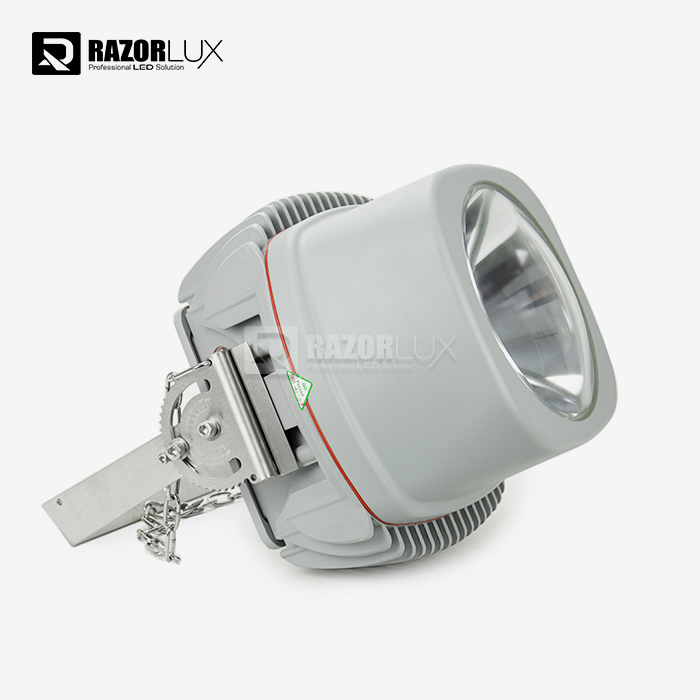
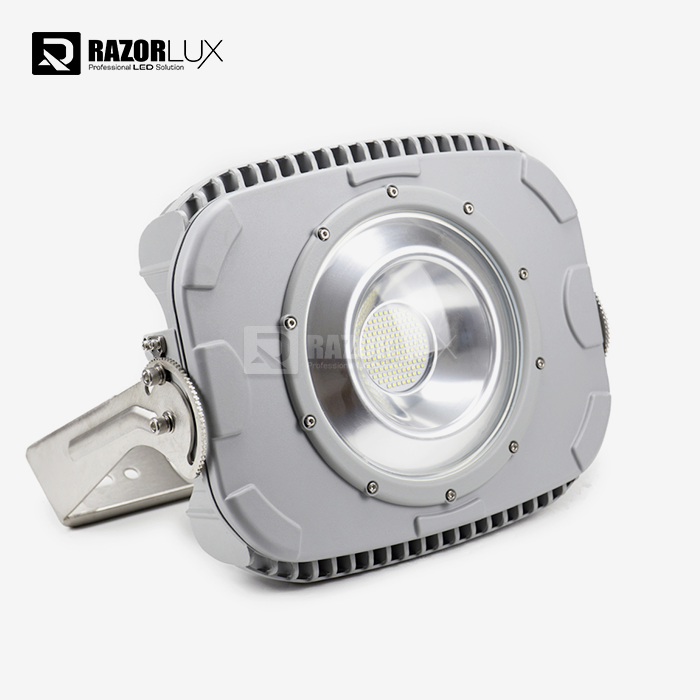
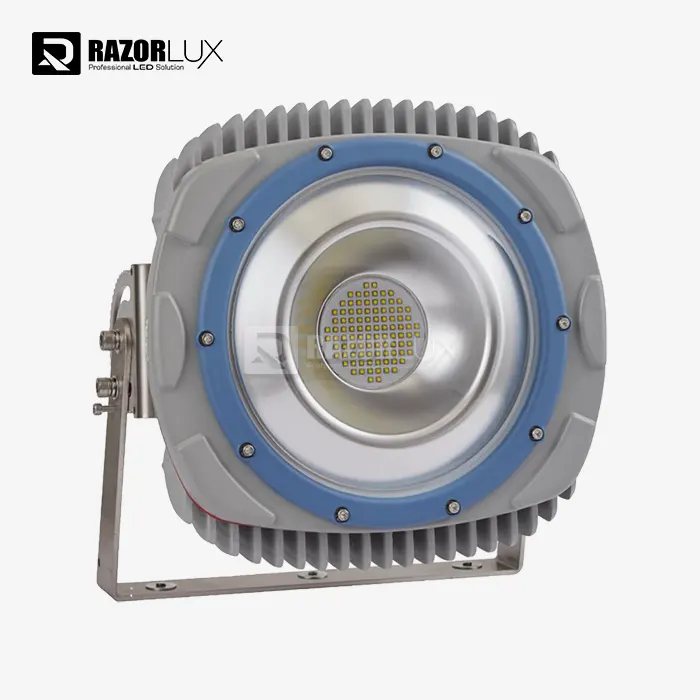
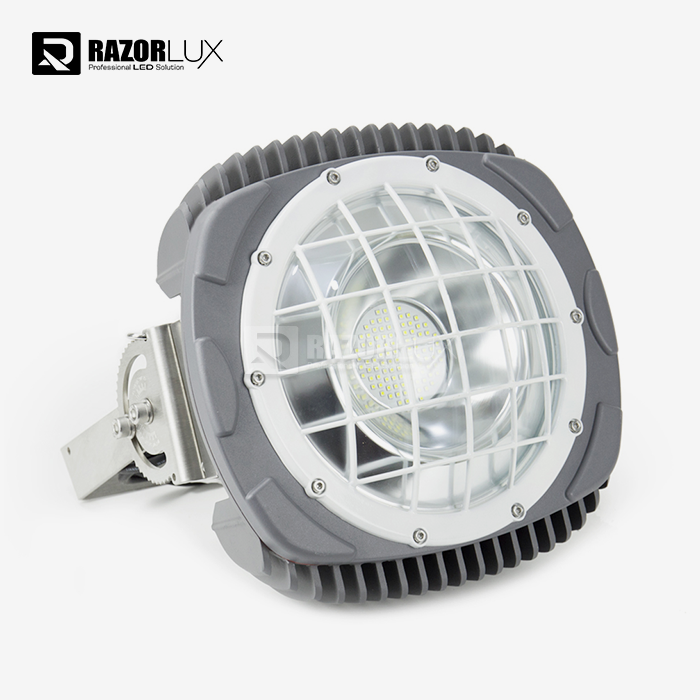
Marine LED Flood Lights 120V are a revolutionary way to light up boats and port buildings. They use less energy, last longer, and work reliably in tough marine settings. Some of the most important problems that dock managers and port owners have to deal with are lights that don't rust, can handle vibrations, and keep the lights on even in bad weather. Modern 120V LED floodlights are a cheaper alternative to traditional halogen and HID systems. They have features like IP67 waterproof ratings, high luminous efficacy exceeding 130 lm/W, and compliance with international marine certifications. They also require less maintenance and operational costs on commercial vessels, offshore platforms, and harbor infrastructure.
Understanding Marine LED Flood Lights 120V: Features & Working Principles
What Makes Marine LED Flood Lights Unique
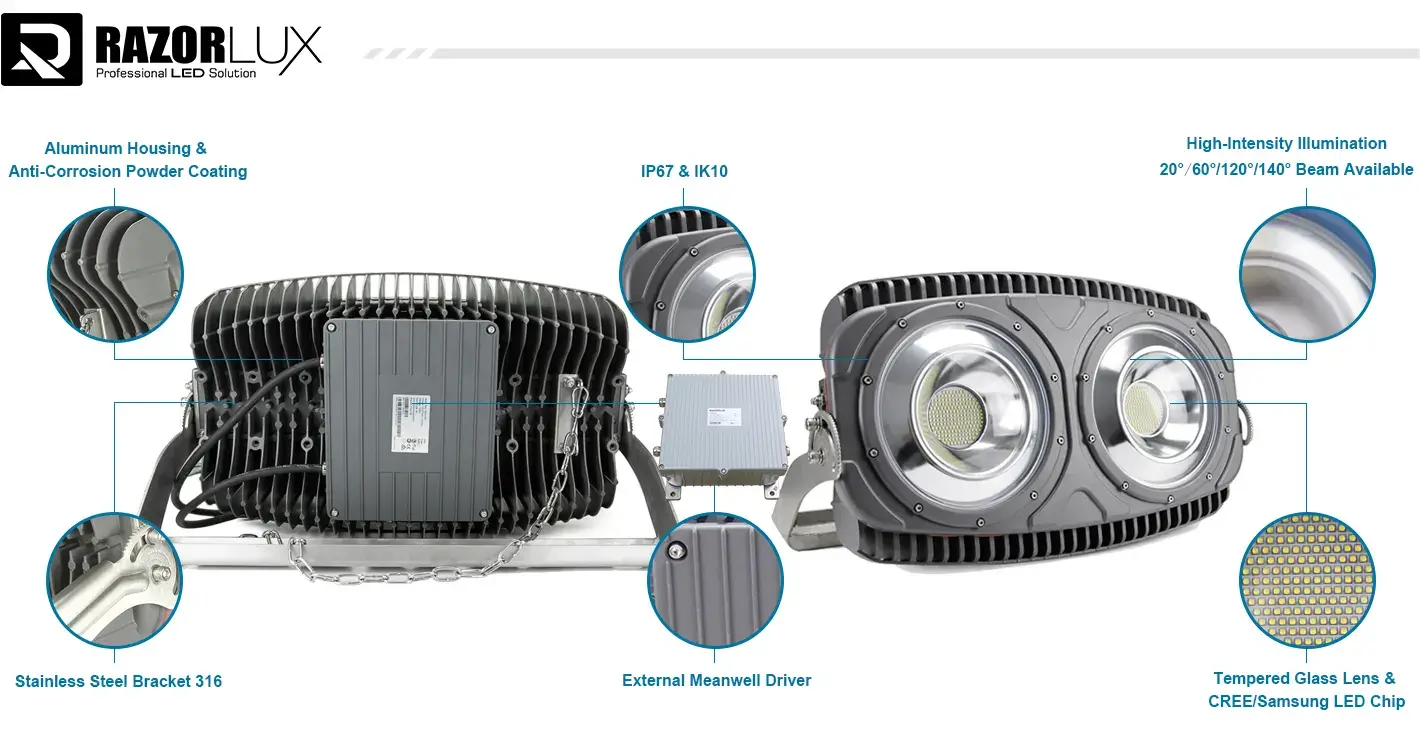
Marine-grade LED flood lights that run on 120V are very different from regular business lighting. The housings of these specialized units are made of corrosion-resistant materials, like marine-grade 316 stainless steel frames or die-cast aluminum with special powder coats. They are made to handle constant exposure to sea spray and wet conditions. Voltage changes are widespread in marine generator systems, so the electrical design can handle them. Input ranges usually cover 80 to 305Vac to keep things running smoothly even when power quality changes happen on ships.
Core Technical Specifications
Professional LED flood lights for boats are built around a few important technical factors. Ingress Protection (IP) ratings of IP65 or IP67 protect completely against dust and high-pressure water jets, which is very important for uses that are fixed on a deck. Impact resistance rated at IK10 keeps internal parts safe from mechanical shock when moving goods or when the sea is rough. A lamp efficiency of 130 lm/W or higher saves a lot of energy compared to older technologies, and a color rendering index (CRI) above 75 makes sure that colors are seen correctly for safety-critical tasks. Modern units can work in a wide range of temperatures, usually from -40°C to 60°C, which makes them suitable for both Arctic shipping routes and tropical harbors. Using named parts, like Meanwell power sources, makes the driver work reliably, with power factors above 0.98 and overall harmonic distortion below 10%. This keeps electrical interference with sensitive guidance equipment to a minimum.
How 120V Systems Operate in Marine Settings
The 120V AC standard is the same as the power grids and generator output setups that are popular on mid-sized business ships, tugboats, and fishing teams in North America. This voltage level is better than low-voltage DC systems because it lowers the amount of current needed to produce the same amount of power. This means that smaller conductors are needed and there is less voltage drop across long cable runs that are common in port installations. There are surge protection devices in the electrical design that can handle 4kV to 10kV. These devices absorb transient spikes that happen when the engines start up or when connecting to shore power sources that have varying quality. Unlike some DC systems that need a step-down transformer, 120V LED flood lights can be easily retrofitted and make the system less complicated. The separate constant-current drivers keep the light output constant even when the input voltage changes. This is very important when using old generators or harbor power pedestals that are already full.
The Benefits of Marine LED Flood Lights 120V for Boats and Harbors
Energy Efficiency and Cost Savings
When you switch from standard HID or light systems to LED technology, you save money right away. A 1000W naval LED flood light can be used instead of a 2000W to 3000W HID bulb and provide the same or better lighting while using 50 to 70 percent less energy. Annual power costs go down a lot for port buildings that run dozens of lights all the time. Higher luminous effectiveness (130 lm/W or more) turns electrical input into visible light more efficiently, losing less energy as heat. These efficiency gains add up over the life of the bulb. LED units need to be replaced a lot less often than halogen lights (which usually last between 2,000 and 5,000 hours) or metal halide systems (which last between 10,000 and 20,000 hours). Less frequent repair lowers the cost of upkeep work. This is especially important for lights that are placed in hard-to-reach places like crane booms or high dock structures. Total cost of ownership calculations clearly favor LED technology when energy savings, longer service life, and less upkeep needs are taken into account.
Enhanced Visibility and Safety Performance
Marine LED Flood Lights 120V Proper lighting has a direct effect on safety at sea. Marine LED flood lights turn on instantly, unlike HID systems that need time to warm up. They provide full brightness as soon as they are turned on, which is very important in emergencies or sudden operating needs at night. Precision-engineered optics and the directional nature of LED light sources focus light where it's needed instead of wasting lumens upwards. This makes it easier to see what's going on at work while also lowering light pollution that affects nearby navigation channels. The quality of color rendering affects safety outcomes. Higher CRI values (Ra>75, with choices up to Ra>90) help staff clearly see color-coded equipment, spot possible dangers, and read instruments when artificial lighting is present. For fishing boats that process their catch on deck, being able to see colors clearly is necessary for identifying species and judging quality. With stable color temperature choices from 2700K to 6500K, workers can choose warmer tones that reduce glare and eye strain during long nights of work, or cooler temperatures that improve visual clarity for precise tasks.
Durability in Harsh Maritime Conditions
Maritime settings are very difficult. The salty air speeds up rust, the constant shaking from diesel engines stresses internal connections, and the sudden changes in temperature from hot engine rooms to cold decks outside wears down materials. Professional naval LED flood lights are built in a way that protects against these problems. IP67-rated shelters keep water out even when submerged, keeping gadgets safe from direct spray and humidity. IK10 impact rates make sure that housings can handle being hit by moving goods, repair work, or falling objects during storms. Choosing the right material is important for durability. Multiple layers of treatments, such as electrophoresis base coats and fluorocarbon powder finishing, are applied to aluminum housings to make them resistant to salt spray for more than 1000 hours, as required by ISO 9227 standards. When used on steel buildings, fixing clamps made of stainless steel don't rust. Conformal coatings on the inside of the fixtures keep circuit boards from getting wet, and pressure equalization valves stop condensation from building up and damaging the electrical connections. Good marine LED fixtures are designed to be resistant to vibration, meeting 3G or 5G standards according to ANSI C136.31. This keeps the mechanical failures that happen with cheaper products. Strong bonding methods and physically attached driver components keep the electrical integrity even when the engine is vibrating constantly through the mounting structures. This makes sure that the fastener works reliably for the full rated lifetime.
Environmental Advantages
LED technology fits in with efforts to be more environmentally friendly that are growing in the marine industry. Using less energy directly lowers the carbon pollution that comes from using engine fuel or power from the grid. Because fluorescent and some HID lights contain mercury, getting rid of them safely when they're no longer useful is no longer a problem. Longer lamp lives use fewer production resources and produce less trash than lamps that need to be replaced often. More and more, progressive harbor officials and shipping companies are putting environmental responsibility at the top of their buying decisions. Green port standards and environmental management system goals can be helped by LED flood lights. Because directional LED optics cut down on light pollution, sky glow doesn't get in the way of astronomical views or the migration patterns of birds. This addresses concerns made by environmental groups about coastal lighting installations.
Key Differences Between Marine LED Flood Lights 120V and Traditional Lighting Solutions
Performance Comparison with Legacy Technologies
There are many ways that the difference in performance between LED and other lighting systems can be seen. Even though halogen floodlights are cheap at first, they use a lot of energy and produce a lot of heat, which makes them dangerous in places where there are burning materials. Because they only last between 2,000 and 5,000 hours, they need to be replaced often, which raises upkeep costs and causes problems with operations. Metal halide HID systems are more efficient than halogen ones, but they take 5–10 minutes to reach full brightness, which is too long for situations that need light right away.
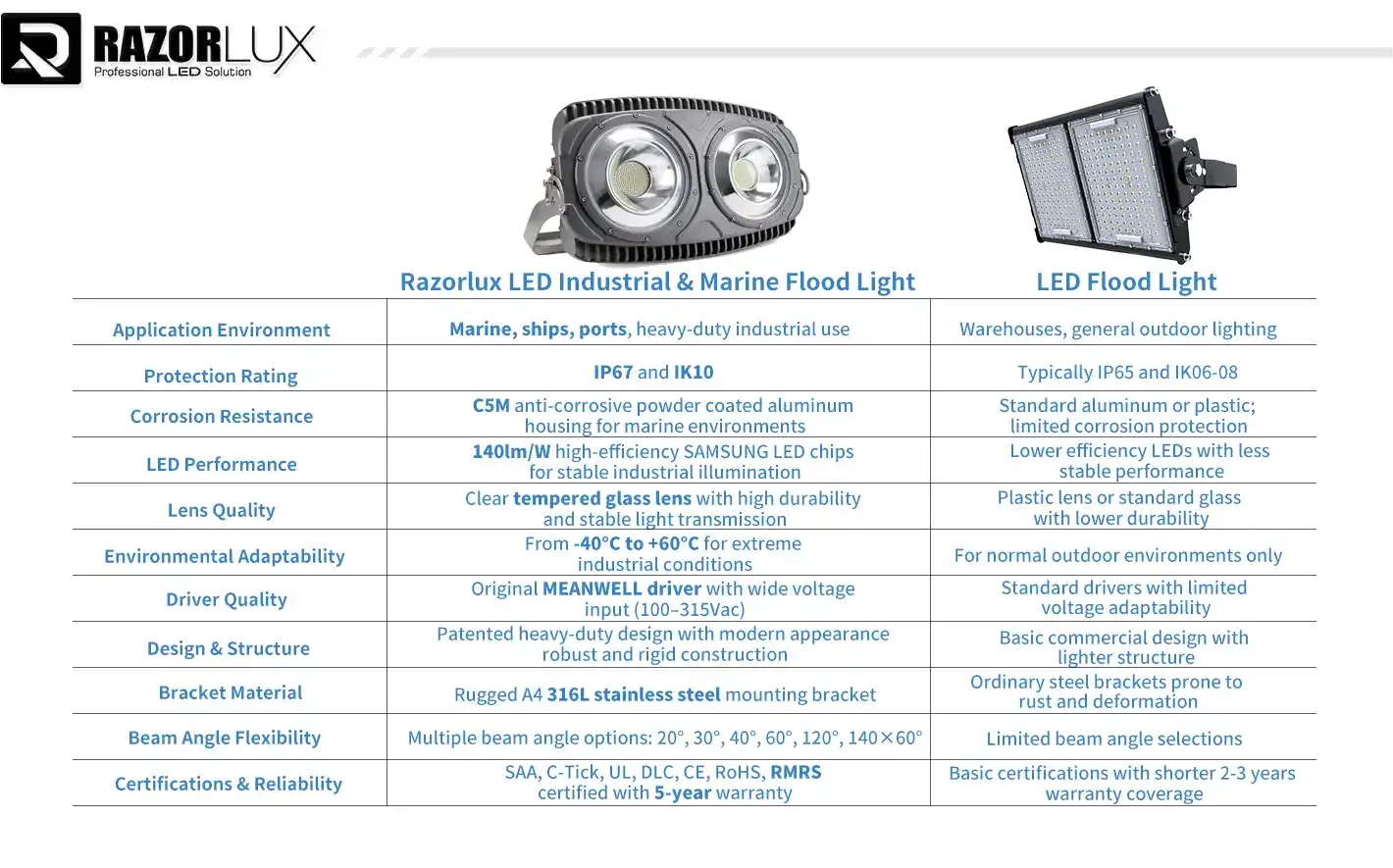
| Feature | Marine LED 120V | Metal Halide HID | Halogen Floodlight |
|---|---|---|---|
| Luminous Efficacy | 130-160 lm/W | 60-90 lm/W | 15-25 lm/W |
| Rated Lifespan | 50,000+ hours | 10,000-20,000 hours | 2,000-5,000 hours |
| Warm-up Time | Instant (0 seconds) | 5-10 minutes | Instant |
| Vibration Tolerance | Excellent (3G-5G rated) | Poor (filament/arc tube failure) | Poor (filament failure) |
| Heat Generation | Minimal (efficient conversion) | Significant (60% as heat) | Extreme (90% as heat) |
| Dimming Capability | Yes (0-10V, DALI compatible) | Limited (ballast-dependent) | Yes (but reduces lifespan) |
LED superiority becomes evident in total operational cost calculations. Although initial purchase prices exceed legacy alternatives, the combination of energy savings, extended replacement intervals, and reduced maintenance labor delivers positive return on investment within 18-36 months for typical marine applications.
When to Choose 120V Over 240V Systems
The choice of voltage relies on the size of the application and the electrical system of the vessel. In North America, the 120V standard is most common, especially on boats less than 100 feet long, industrial fishing boats, and port facilities that use standard shore power hookups. When compared to higher voltages, this voltage level is safer because it causes less severe shocks in wet settings. Many 120V marine electrical parts are available, which makes system integration easier and lowers the cost of buying them. Larger ships and ships flying the European flag usually use 240V systems, which are better for lighting arrays with higher wattages and long cable runs where lower current draw keeps voltage drop to a minimum. But if you want to adapt an existing 120V system, choosing LED lights that are suitable will save you the cost of making changes to the electrical system. Good marine LED drivers have a wide input voltage range (80–305Vac), which gives you options. With the right connection setups, a single light design can work with a variety of regional power standards.
Advanced Features in Modern LED Systems
Recently developed Marine Led Flood Lights 120V naval LED flood lights have smart features that older technologies didn't have. The ability to dim using 0-10V or DALI protocols lets you change the amount of lighting based on practical needs. This way, you can save the most energy during times of low activity while still using the full output capacity when needed. Motion sensors automatically turn on lights in areas that aren't used very often, cutting down on runtime without affecting safety. Color temperature settings let workers make the lights work best for their needs. Cooler temperatures (5000–6500K) make it easier to see for inspection and precise work, while warmer temperatures (2700–4000K) lower the brightness and make long tasks more comfortable. Some high-tech lights have customizable working patterns that change output levels automatically based on time-of-day plans or connect to vessel management systems for centralized control. Because LED drivers are digital, they are easy to watch and diagnose from afar. Maintenance management systems can get information from networked systems about the state of fixtures, their working hours, and trouble conditions. This lets them use predictive maintenance methods to fix problems before they affect operations. This feature is especially useful for offshore sites and big port facilities, where the size of the lighting infrastructure makes regular upkeep by inspection expensive.
Practical Installation and Maintenance Guide for Marine LED Flood Lights 120V
Proper Installation Procedures
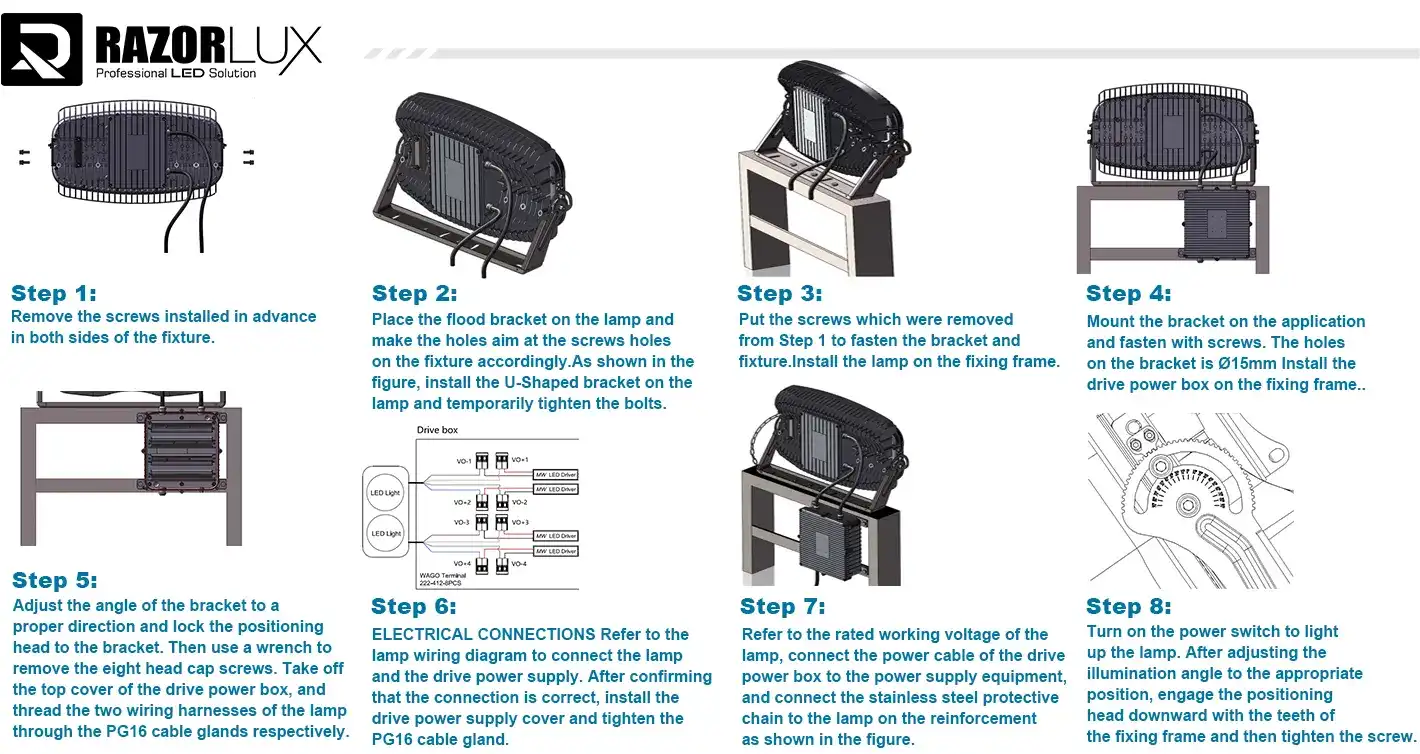
Assessing the fixing spot is the first step to a successful naval LED installation. Fixtures should be placed so that workers aren't directly exposed to spray while still getting enough light. To stop galvanic corrosion, mounting frames made of stainless steel must be electrically separated from metal fixtures when they are put on steel buildings. All bolts should be made of marine-grade stainless steel (316 series is best), and threads should have an anti-seize substance added to them to keep them from seizing up from saltwater. In marine settings, electrical connections need extra care. All of the wires should go through covered pipe systems, and at least one of the junction boxes should have an IP67 rating. All electrical contacts on connection points must be treated with dielectric grease to make them immune to rust. The wide input voltage range (80–305Vac) can handle changes in generator voltage, but it's still important to use the right size circuit breakers—usually 15A circuits for multiple 1000W fixtures to account for the inrush current that happens when the power is turned on. Proper grounding is also important for safety and electromagnetic compatibility. Each device should link to the vessel's ground systems through its own ground wires. Ground lines should never depend on the consistency of the mounting structure. Installing surge protection devices at distribution panels adds to the security against short-term overvoltages. These devices increase the life of fixtures by soaking damaging voltage spikes before they reach LED drivers that are sensitive to them.
Understanding IP Ratings and Protection Requirements
A two-digit number called an IP grade tells you how safe a cage is. The first number (0–6) shows strong particle protection, and 6 means the seal is completely dust-tight. The second number (0–8) tells you how much liquid can get in. A value of 7 means that it can withstand temporary submersion (up to 1 meter for 30 minutes), and an 8 means that it can withstand ongoing submersion. For marine uses, an IP65 rating is enough for most installations above deck that are protected from direct spray, but an IP67 rating is needed for fixtures mounted on the deck that are subject to washdown or wave action. The difference is important because IP65-rated fixtures can handle high-pressure water jets (12.5 liters/minute at 100 kPa) coming from any direction, but they shouldn't be submerged. IP67 outlets can be temporarily submerged, making them good for deck areas that might flood during high seas or cleaning. Choosing the right ratings keeps things from breaking down too soon and saves money by not having to pay extra for over-specification in safe places to install them. IK ratings range from IK00 to IK10, with IK10 protecting against 20 joules of impact energy, which is the same as dropping a 5 kg object 400 mm. For general setups in marine settings, IK08 (5 joules) is required. IK10 is recommended for places with a lot of traffic or where goods handling equipment could touch the surface.
Routine Maintenance Best Practices
LED technology doesn't need much care, but it does need to be checked on a regular basis to make sure it's working at its best. Visual checks should be done every three months to look for physical damage, rust on the mounting hardware, and broken seals around the places where cables enter. Lens surfaces pick up salt residue, which lowers the amount of light they let out. Cleaning them with clean water and soft cloths brings back the full brightness. Do not use strong chemicals that could damage polycarbonate lenses or plastic coats. Electrical connections should be checked every year as part of routine maintenance. Once the power is turned off, check the terminal blocks for rust, broken connections, or coloring that could mean the block was overheated. As vibrations cause hardware to become loose, re-torque attaching screws to the correct torque. Using a voltmeter, check the connection of the ground to make sure the safety system is working right. If the fixture's working hours aren't automatically recorded, write them down. This will allow for planned replacement before end-of-life failures happen. When solving lighting problems, check the input power first—make sure the voltage at the fixture connections is within the 80–305Vac standard range. When a driver fails, the lights stop working completely or flash, and they need to be replaced by a professional with units of the same type. Loss of light output over time is a sign that an LED is breaking down. This is normal when the device is getting close to its end of life, but it's too soon if it happens before 30,000 hours of use. Often, early failures are caused by not getting rid of enough heat because air ports are blocked or the installation is not oriented correctly, which stops convective cooling.
How to Choose the Best Marine LED Flood Lights 120V: A B2B Buyer's Guide
Assessing Operational Requirements
Figuring out how much light you need is the first step in choosing the right fixtures. For safe operations, deck working areas need 150 to 300 lux of horizontal lighting, while jobs that need to be done precisely need 500 lux or more. Harbor landing zones need even lighting so that people don't trip in the dark or goods don't move around without being seen. Figure out how many lumens you need based on the mounting height, the amount of light you want, and the size of the area you want to cover. Then, use the right maintenance factors (usually 0.7 to 0.8) to account for dirt buildup and LED degradation over time. Beam angle choice has a big impact on how well the light covers. Narrow 20° beams focus light over a long distance, making them good for lighting up specific work areas from high-up mounting points or dock edges that are looking for moorings. Medium 60° to 90° beams light up decks and cargo rooms in general. Wide 120° spreads work well in rooms with low ceilings or when more than one light needs to cover the same area at the same time. High-output marine LED types with a 20° beam angle can shine 105,000 lumens on faraway objects, replacing 2000–3000W HID systems for long-throw uses. Protection rating needs depend on the environment. When ships are in warm areas with a lot of heavy rain, they need strong IP67 sealing. In dry climates, IP65 sealing may be enough for dock facilities. Offshore platforms that are exposed to rough weather and waves need to be at least IP67 and have IK10 impact protection. When commercial fishing boats clean their decks after each trip, they need fixtures that can handle direct high-pressure spray. This means that the fixtures need to be IP67 and made of special sealing materials that can handle fish oils and cleaning chemicals.
Evaluating Suppliers and Manufacturers
Marine LED Flood Lights 120V: Choosing the right supplier has a big effect on long-term happiness. Established companies with experience in the marine industry, like those that have been in business since 1998 and have over 200 patents in LED technology, show a long-term dedication to product growth and quality improvement. Compliance commitment is shown by certification portfolios. For example, RMRS, DNV-GL, and ABS approvals show that the company follows the rules set by marine classification societies. UL, CE, and RoHS certifications show that the company follows safety and environmental rules in many markets. Being open about where the parts come from shows that the company cares about quality. Reputable makers choose named power sources (like Meanwell) over generic drivers, which makes sure that the product works well and that new parts are easy to find. The Samsung LED chip standard shows that the company is committed to using high-quality parts that work reliably and have reliable performance qualities. The length of the warranty shows how confident the maker is in the product. For example, 5-year warranties on LED modules and drivers show that the design is strong and the production process is good. The ability to meet unique requirements is important. OEM and ODM services let you make solutions that fit the exact needs of your craft or its design. When samples are available, tech teams can do hands-on testing before committing to large purchases. This way, they can make sure that the product works with current systems and that performance claims are true by trying it in real-world settings. Professional sellers are different from product vendors because they offer quick expert help during the evaluation and application stages.
Procurement Optimization Strategies
Volume price models have a big effect on the costs of a project. When you buy in bulk, you should talk about how much each unit costs, how to ship it, and how to pay for it. For big orders where payment security is an issue, a letter of credit works well. If you have a good relationship with a seller, you may be able to get net-30 or net-60 terms, which lowers the amount of money you need up front. Framework deals set prices and terms for several smaller orders that will be placed over time. This way, suppliers don't have to negotiate the same things over and over again, and upkeep and growth needs can be met without interruptions.
| Order Quantity | Typical Discount | Shipping Consideration | Payment Terms | Lead Time |
|---|---|---|---|---|
| 1-10 units | List price | Standard parcel service | Prepayment / COD | 1-2 weeks |
| 11-50 units | 10-15% discount | LTL freight | 50% deposit, balance on delivery | 2-3 weeks |
| 51-100 units | 15-25% discount | LTL freight/container | 30% deposit, balance before shipment | 3-4 weeks |
| 100+ units | 25-35% discount (negotiable) | Full container load (FCL) | LC / 30% deposit + staged payments | 4-6 weeks |
| Custom OEM projects | Project-based pricing | Included in project cost | Staged: 40% / 40% / 20% | 6-12 weeks |
Total cost calculation must include shipping, customs duties (for international procurement), and installation labor. Domestic U.S. suppliers may offer higher unit costs but faster delivery and simpler logistics compared to international sourcing. Evaluate lifecycle costs rather than merely initial purchase price—premium fixtures with superior efficiency, longer lifespans, and comprehensive warranties often deliver better value despite higher upfront investment. Documentation completeness affects installation and maintenance efficiency: comprehensive technical drawings, wiring diagrams, and spare parts lists reduce commissioning time and simplify future service activities.
Conclusion
High-quality marine Marine Led Flood Lights 120V have many benefits for boats and harbor facilities, including using less energy, lasting longer, and being built to last in tough maritime conditions. When you switch from old halogen to new HID technologies, you immediately save money on energy costs, reduce the need for upkeep, and raise operating safety through better lighting and instant-on performance. To choose the right fixtures, you need to carefully think about how they will work with the existing infrastructure, the surroundings, and the operating needs. When making a purchase choice, you should weigh the initial investment against the total costs over the life of the fixture. Professionals in the marine industry can find lighting options that boost output while lowering long-term costs by working with well-known companies that offer full licenses, proven component quality, and quick expert support.
FAQ
What is the expected lifespan of marine-grade LED flood lights?
Quality marine LED flood lights typically achieve operational lifespans exceeding 50,000 hours under proper installation and operating conditions. At 12 hours daily operation, this translates to approximately 11 years before requiring replacement. Lifespan depends on thermal management effectiveness—fixtures maintaining LED junction temperatures below 85°C preserve light output and extend life. Premium units with robust heat sinking and adequate ventilation may exceed 70,000 hours, while inferior designs suffering from inadequate cooling fail prematurely, sometimes before 20,000 hours.
Can these fixtures operate on different vessel types and sizes?
Marine LED flood lights designed for 120V operation suit a wide range of vessels utilizing North American electrical standards. Commercial fishing boats, tugboats, small to medium cargo vessels, passenger ferries, and recreational craft with generator systems typically employ 120V infrastructure compatible with these fixtures. The wide input voltage range (80-305Vac) characteristic of quality units provides compatibility even with aging generators producing unstable output. Larger vessels using 240V primary systems may still incorporate 120V secondary circuits for specific applications, accommodating these fixtures without electrical modifications.
How do I ensure proper waterproof ratings during installation?
Achieving rated waterproof protection requires attention to installation details. Use only the cable gland sizes and types specified by the manufacturer—oversized glands compromise seals while undersized fittings damage cable insulation. Apply appropriate sealant to mounting surface interfaces per manufacturer instructions, ensuring gasket compression within specified torque ranges. Route cables to prevent water pooling at entry points, maintaining downward cable orientation where possible. After installation, conduct pressure testing or water spray verification before commissioning, identifying seal defects correctable before operational deployment exposes fixtures to actual marine conditions.
Partner with Razorlux for Superior Marine LED Flood Lights 120V Solutions
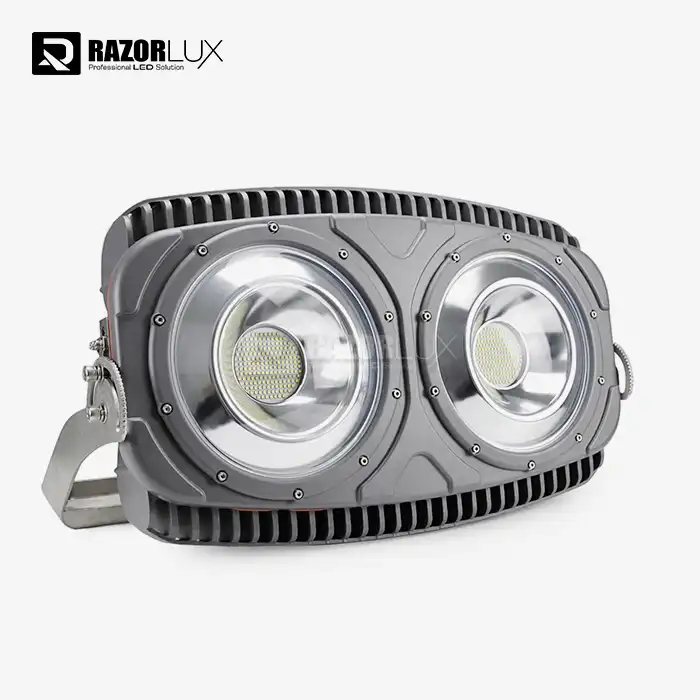
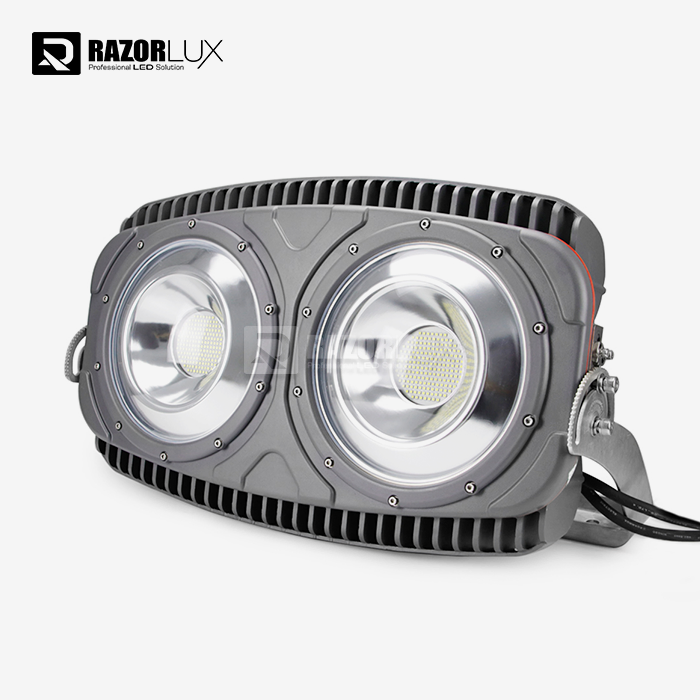
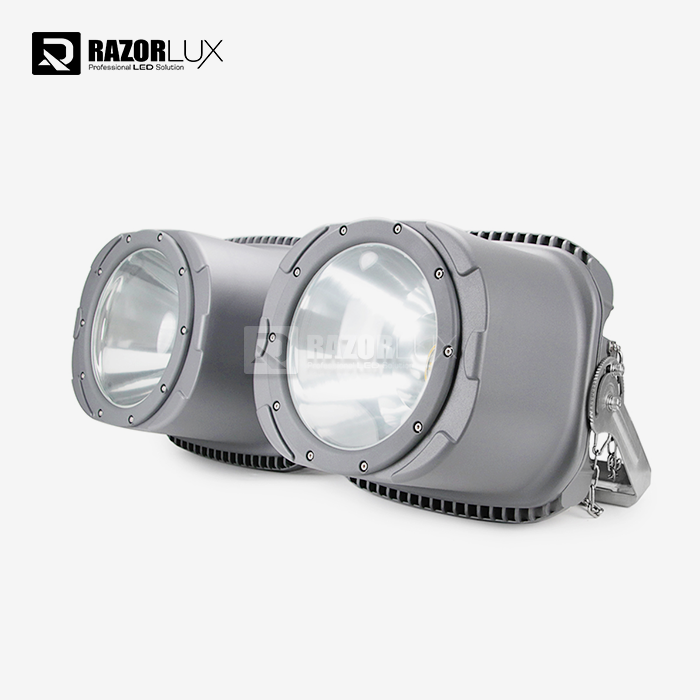
Xi'an Razorlux Optoelectronic Technology Co., Ltd. stands ready to support your maritime lighting projects with industry-leading marine LED flood lights engineered for demanding boat and harbor applications. Our 1000W fixtures deliver 105,000 lumens at 130 lm/W efficiency, are protected by IP67 sealing, and are backed by comprehensive RMRS, UL, and CE certifications, representing proven solutions trusted by shipyards and port operators worldwide. As an established marine LED flood lights 120V manufacturer with over two decades of experience and 200+ patents, we offer customized configurations, responsive technical support, and competitive volume pricing for procurement professionals seeking reliable, cost-effective lighting upgrades. Contact our team at sam@razorlux.com to discuss your specific requirements, request technical documentation, or arrange sample evaluation units demonstrating our commitment to quality and performance in the most challenging maritime environments.
References
Anderson, M., & Peterson, R. (2021). Energy Efficiency in Modern Marine Lighting Systems. Marine Technology Press.
Chen, W. (2022). "LED Technology Applications in Maritime Safety and Operations." International Journal of Marine Engineering, 15(3), 234-251.
Maritime Safety Administration. (2020). Guidelines for Marine Electrical Installations and Lighting Standards. Government Printing Office.
Nelson, K. (2023). Sustainable Port Infrastructure: Lighting Solutions for Modern Harbors. Coastal Engineering Publications.
Schmidt, H., & Olsen, T. (2021). "Comparative Analysis of Marine Lighting Technologies: Performance and Lifecycle Assessment." Journal of Maritime Systems, 28(4), 412-429.
Williams, J. (2022). Marine Equipment Procurement: Best Practices for Technical Managers. Industrial Press.