

_1750326878398.png)

Are Smart LED Sports Lighting Fixtures Worth It?
Absolutely. Modern stadium illumination systems utilizing advanced Led Sports Lighting Fixtures' solid-state technology deliver measurable returns through reduced operational expenses, enhanced visual performance, and extended service intervals. For procurement managers evaluating lighting upgrades, LED sports lighting fixtures represent a strategic investment rather than a simple replacement. Unlike legacy metal halide systems that consume excessive energy and require frequent relamping, contemporary fixtures equipped with precision optics and intelligent controls slash consumption by 60–75% while delivering superior uniformity and color accuracy. When assessing value, consider not only the initial capital outlay but also lifecycle costs, including maintenance, access challenges, energy tariffs, and compliance with evolving environmental standards. Facilities ranging from municipal recreation centers to professional arenas have documented payback periods of 2–4 years, with equipment lifespans exceeding 50,000 operational hours. The question isn't whether to transition, but rather how to select solutions that align with your specific operational demands and environmental conditions.
Understanding Smart LED Sports Lighting Fixtures
Evolution from Traditional to Intelligent Illumination Systems
The switch from traditional discharge lights to solid-state technology has completely changed how sports venues are lit. Early metal halide lights had to be warmed up for 15 minutes and didn't give you a lot of control options. Smart systems today have sensors, networked controls, and programs that change based on what's happening in real time. Our experience has shown that shipyards use similar ruggedized lights that can be monitored from afar, which cuts down on maintenance by 40%. As a result of this evolution, stadium owners can now get instant-on functionality, exact dimming curves for broadcast needs, and interaction with building management platforms that make the best use of energy when the number of people using the stadium changes.
Key Technologies Enabling Smart Functionality
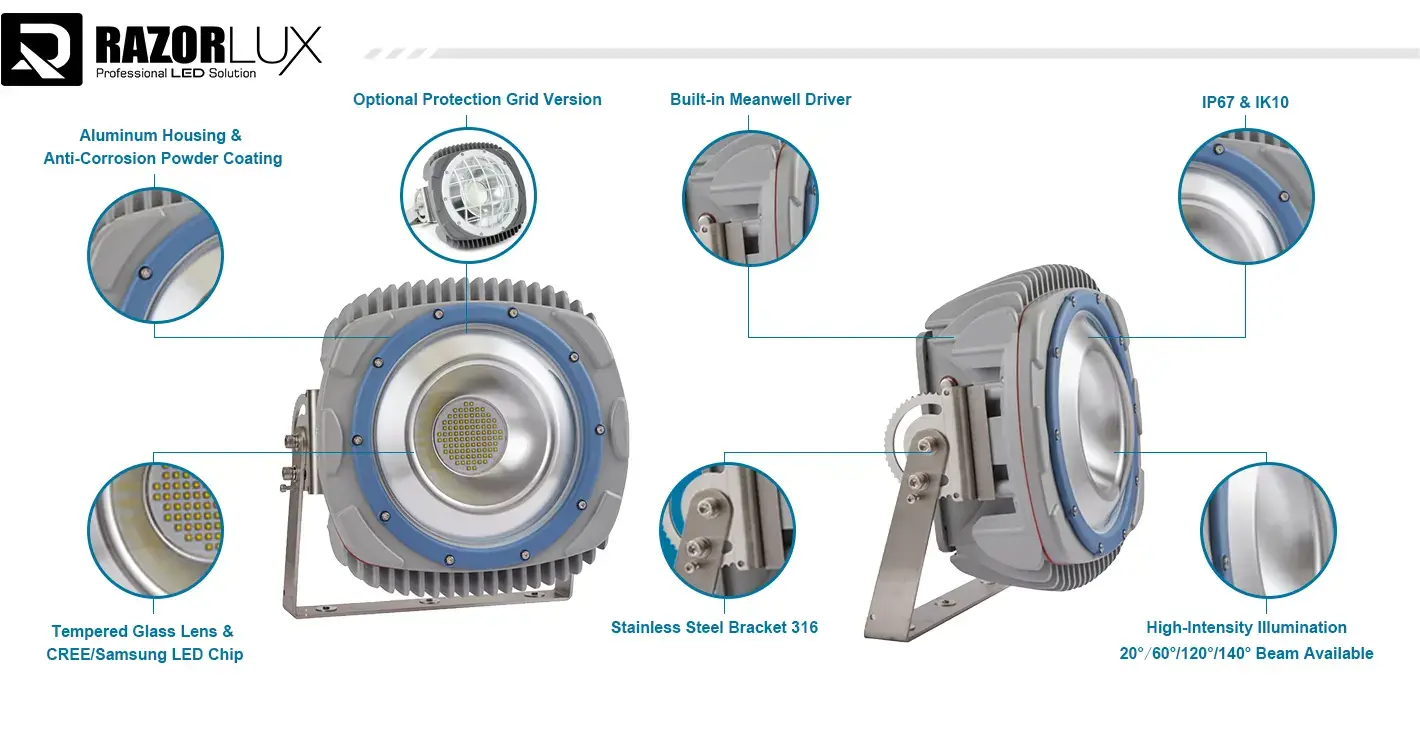
Several technologies work together to make intelligent sports lighting possible. Wireless mesh networks let you handle fixtures at the device level without having to run a lot of wires. Occupancy monitors and daylight-collecting units change the output based on how much is being used and how much natural light is coming in. Integrated drivers with Mean Well or a similar power supply keep things running smoothly even when the voltage changes, which can happen in big facilities. Adding an IoT connection makes it possible for predictive maintenance alerts to be sent out before a part fails, similar to systems used on offshore sites where limited access makes preventative measures necessary. With these features, lighting goes from being an inactive part of the infrastructure to being an asset that can be controlled.
Evaluating the Benefits of Smart LED Sports Lighting Fixtures
Energy Efficiency and Operational Cost Reduction
The most obvious benefit is saving energy in a measurable way. A standard 1000W metal halide fixture that uses about 1,100W due to ballast losses can be switched out for a 120W LED setup that gives off the same amount of light. Our RGL-120A type does 130 lm/W of work and can replace 250–300W HID bulbs while using only 120W total. This means that a stadium with 50 fixtures will use 58,500W less energy, LED Sports Lighting Fixtures, which will save the city $45,000 to $65,000 a year at business rates of $0.12 to $0.15/kWh. Intelligent dimming and scheduling methods allow for even more efficiency, on top of saving energy. Facilities can set their machines to produce less during training or repair times, which extends the life of parts and cuts energy use by another 15–25%.
Here are the tangible economic advantages documented across sports facility upgrades:
- Energy Consumption: The amount of energy used is 60–75% less than with older HID systems, and real energy use is checked using data from utility meters instead of guesswork.
- Maintenance Intervals: Increased to 50,000 hours or more, compared to 6,000 to 15,000 hours for metal halide. This means that there is no need for expensive lift rentals or traffic delays to relamp.
- Power Quality: Low total harmonic distortion (<10% THD) and high power factor (≥0.98) keep sites with sensitive electrical loads from having to pay extra for utilities and put extra stress on their infrastructure.
- Thermal Load: Lessened the load on the HVAC system in enclosed spaces where old lights caused a lot of heat gain, which saved even more energy.
These benefits directly solve the problems you're having with procurement, giving you a measured return on investment (ROI) while making operations simpler. Ask for photometric reports and lifetime cost estimates from a third party that is tailored to your specific energy rates and upkeep labor costs when you are reviewing offers for LED Sports Lighting Fixtures.
Comparing Smart LED Sports Lighting Fixtures with Traditional Options
Performance Metrics: LED versus HID Systems
Comparing technologies directly shows big differences in how well they work. The data in the table below comes from setups that have been checked and are comparable:
| Performance Parameter | Metal Halide (1000W) | LED System (120W) | Improvement Factor |
|---|---|---|---|
| Luminous Efficacy | 60-75 lm/W | 130-150 lm/W | 2.0x |
| Startup Time | 15-20 minutes | <1 second | Instant-on |
| Restrike Time | 10-15 minutes | Immediate | No restrike delay |
| Useful Lifespan | 6,000-15,000 hours | 50,000+ hours | 4-6x |
| Lumen Depreciation | 50% at end-of-life | <30% at L70 | Better-maintained output |
| Color Shift | Significant over life | Minimal drift | Consistent appearance |
Beyond these standards, practical issues are important. HID lights contain mercury, which makes them hard to get rid of and bad for the earth. LED Sports Lighting Fixtures get rid of dangerous materials and offer exact instant fading, which can't be done with discharge technology because it needs full power to work. This flexibility makes it easy for venues that host multiple events to quickly switch between sports, music, and community events without affecting how they run.
Lifecycle Cost Analysis and Investment Returns
At the start of the procurement process, upfront cash needs are often the main topic of conversation. However, the total cost of ownership gives a fuller picture of the overall cost. Take a look at a field with 200 fixtures:
- Capital Investment: At $850 per fixture, an LED system costs $170,000, while a HID system costs $80,000 per bulb. The first bonus was $90,000.
- Annual Energy Cost: LED at 24kW total demand: $18,500; HID at 110kW: $85,000. $66,500 saved each year.
- Maintenance Cost: LEDs need to be relamped every 12 years, while HIDs need to be relamped every 2.5 years, which costs $12,000. Maintenance savings over ten years: $36,000.
- Payback Period: $90,000 payment times ($66,500 + $3,600) yearly savings equals 1.28 years.
This study doesn't look at other perks, like lower HVAC costs, better lighting quality, and less money spent on disruptions. If procurement managers don't have a lot of money for major projects, they should look into utility refund programs and performance contracts that pay managers based on how much energy they save.
Procurement and Installation of Smart LED Sports Lighting Fixtures
Technical Specifications Critical for Marine and Industrial Environments
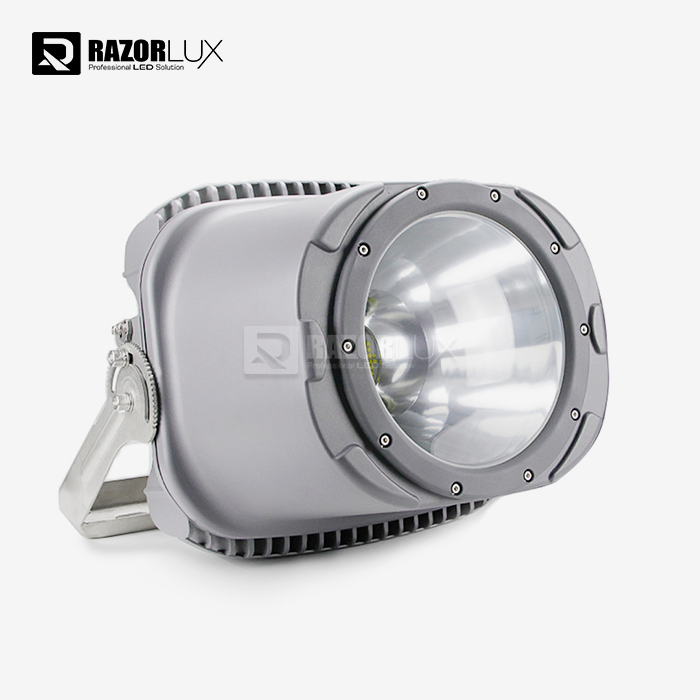
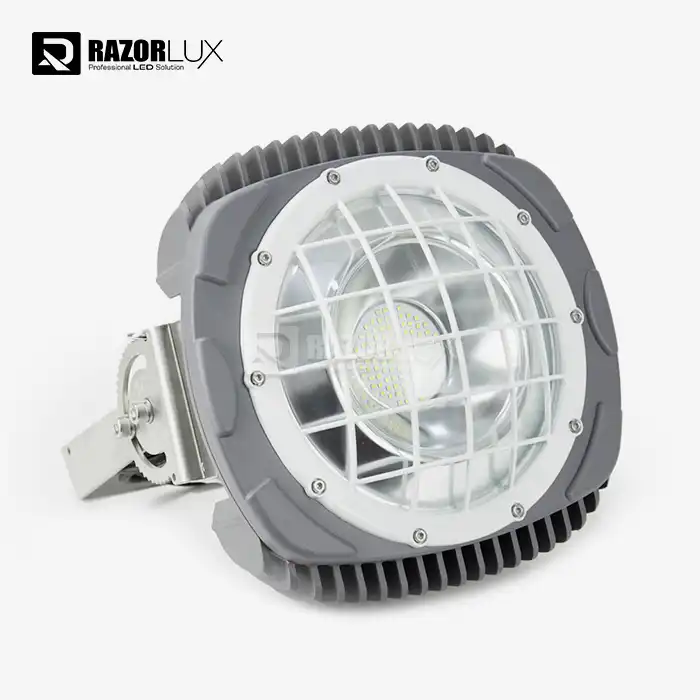
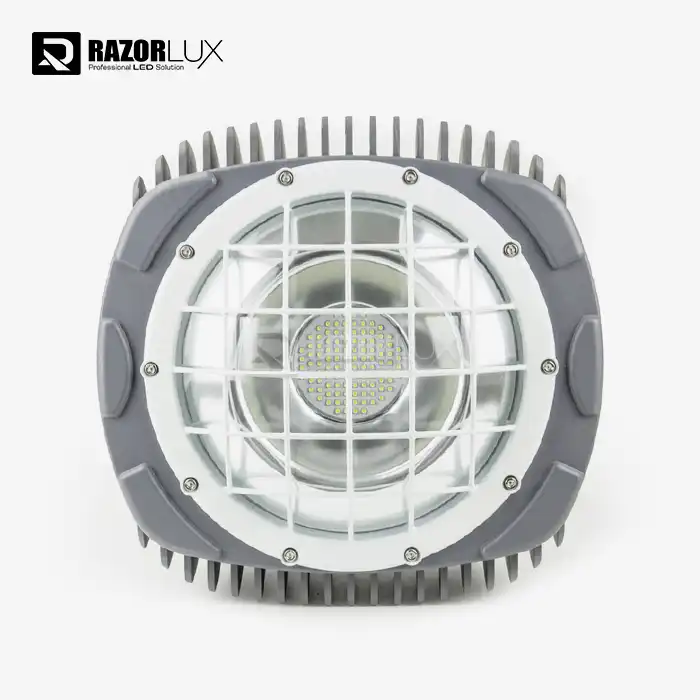
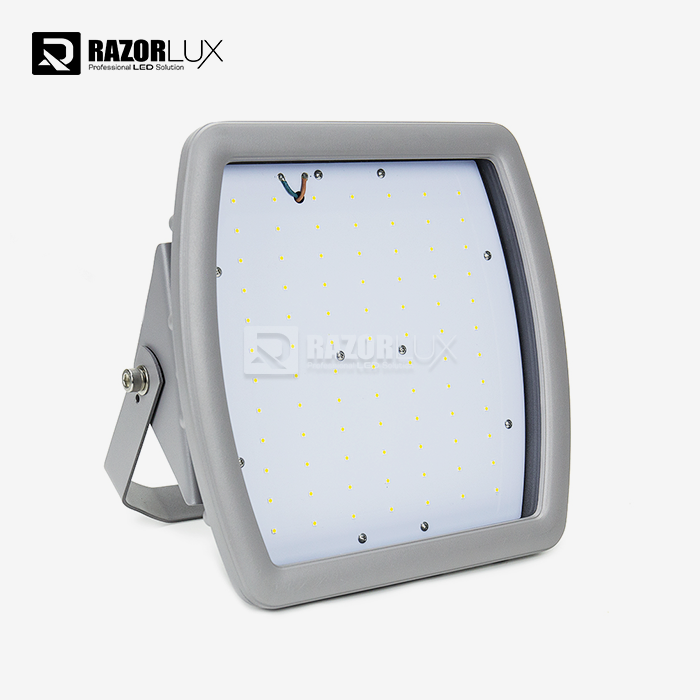
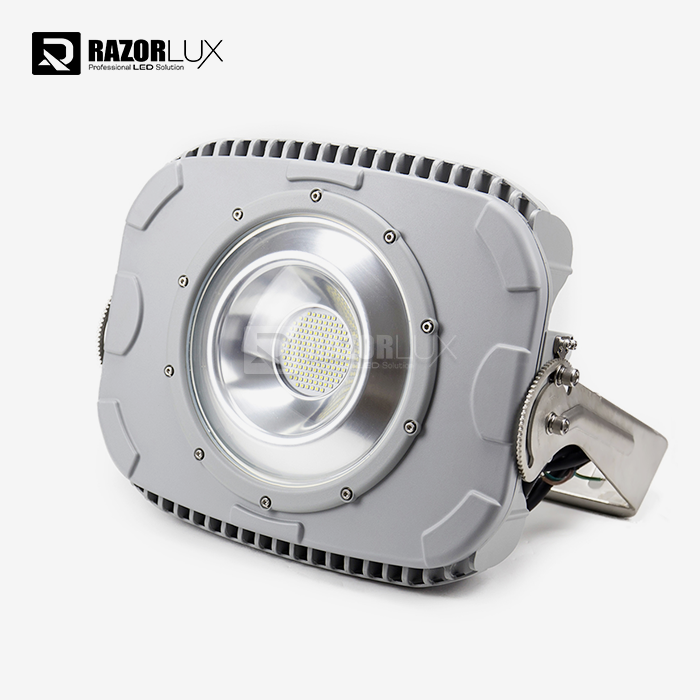
Environmental stressors must be included in the procurement requirements. Our RGL-120A model shows the all-around method that is needed for LED Sports Lighting Fixtures:
- Electrical Performance: The wide-range input (AC 80-315V, DC 80-400V) supports world voltage standards and generator operation without the need for extra transformers, which makes the system simpler.
- Thermal Management: The aluminum case with powder coating and LED Sports Lighting Fixtures built-in heat dissipation keeps junction temperatures within safe limits from -40°C to +60°C. This was proven by thermal imaging during tests at very high and very low temperatures.
- Optical Precision: Adjustable beam angles let you control how the light spreads, so it doesn't spill onto other areas of the field, and neighbors don't complain about light pollution.
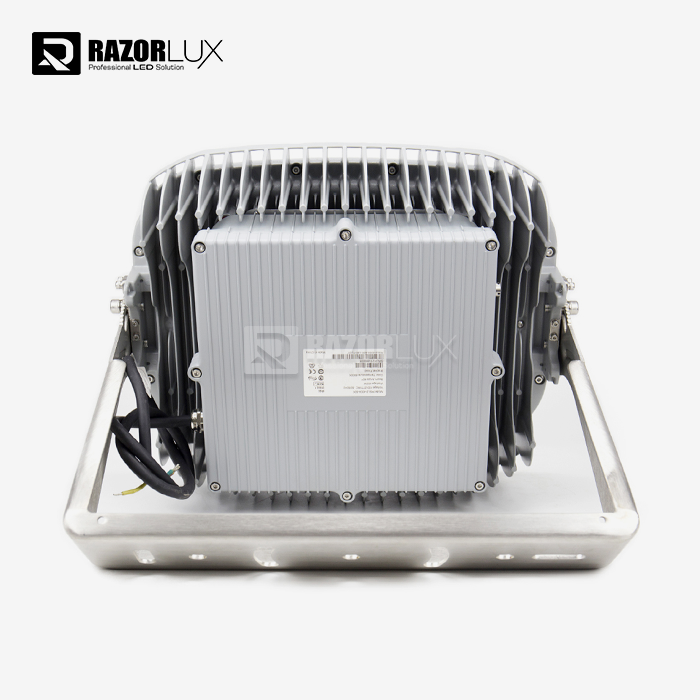
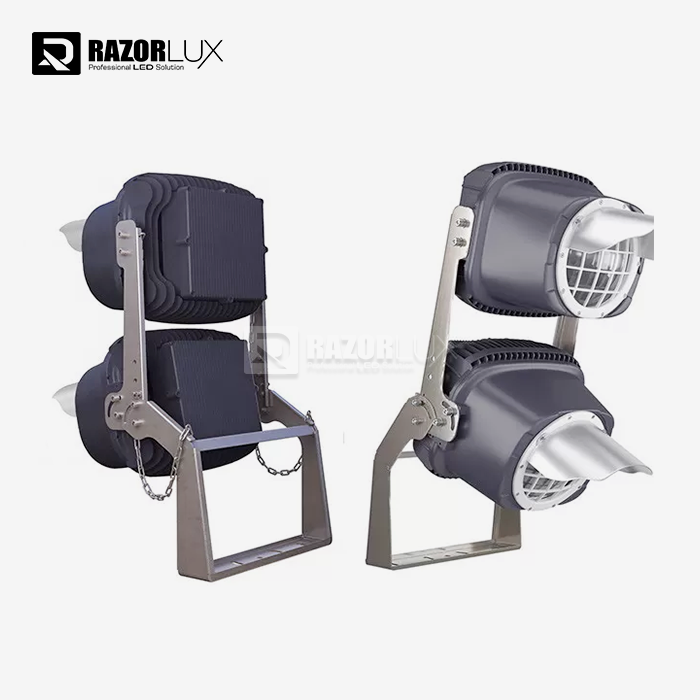
- Mechanical Robustness: The 8 kg net weight and stainless steel bracket make it resistant to wind and vibrations to the same level as naval equipment.
- Longevity Assurance: A 5-year warranty on LED modules and drivers and a 10-year guarantee on the housing show that the maker is confident in the design's ability to last.
Installation Best Practices and Professional Services
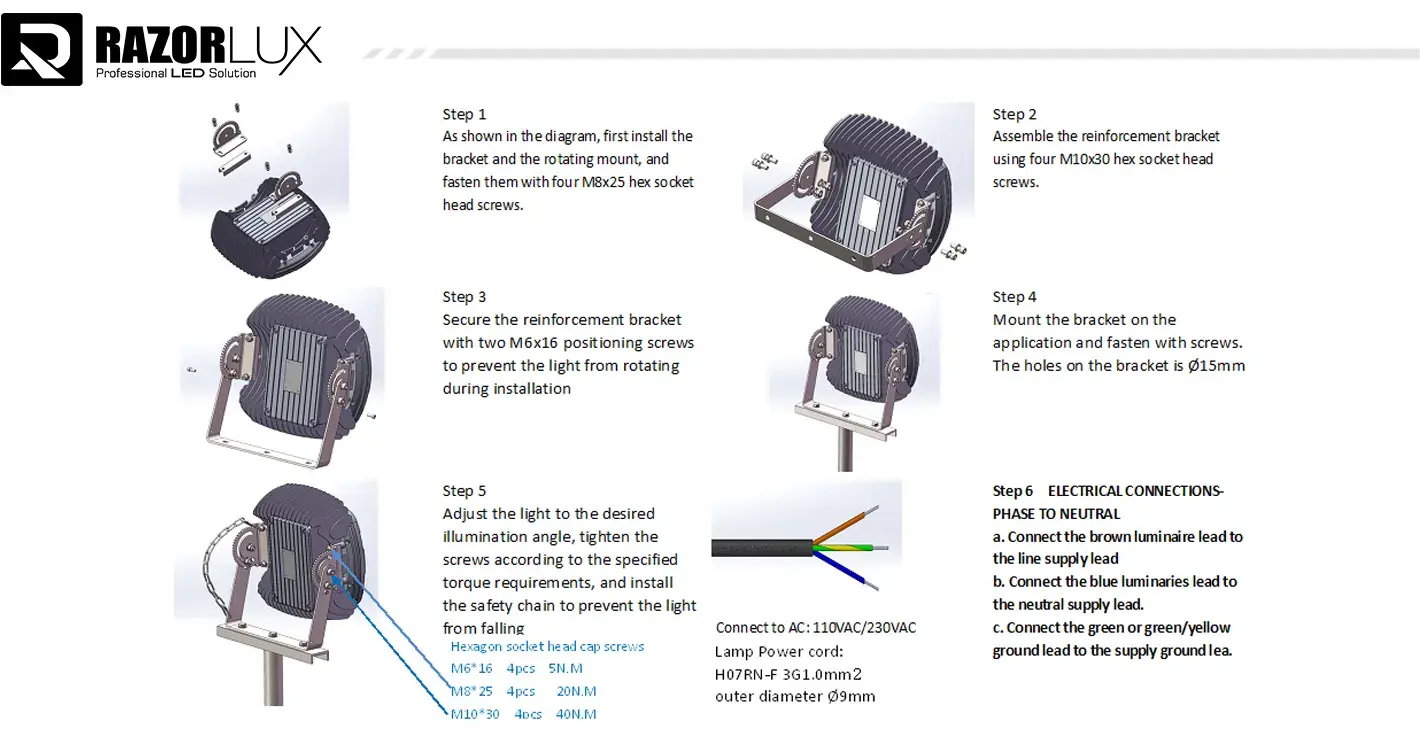
The efficiency and life of a system depend on how well it was installed. To get the level of precision that is needed, fixtures must be positioned and directed according to photometric plans. Voltage drop estimates need to be done carefully for electrical connections, especially in big stadiums with a lot of wire runs. Grounding techniques become very important for surge defense to work. We see similarities with sites on ocean platforms, where lightning damage can happen if the grounding isn't right. As structures go through temperature changes, the mounting gear has to be able to handle thermal expansion while keeping the exact aim angles. Hiring qualified installers who know the rules for sports lighting makes sure that you follow building codes and manufacturer warranties, and keeps you from having to pay a lot of money to fix problems that were found during commissioning.
The following table shows common building things to think about for each type of venue:
| Venue Category | Mounting Height | Primary Challenges | Recommended Solutions |
|---|---|---|---|
| Indoor Arenas | 8-15 meters | Cable handling and glare reduction | Precision lenses and recessed mounting |
| Outdoor Stadiums | 20-40 meters | Exposure to weather, accuracy of aim | Laser leveling tools and IP67 seals |
| Training Facilities | 6-10 meters | Limits on budget, adaptability | Flexible bases and modular systems |
| Aquatic Centers | 8-12 meters | Moisture and salt exposure | Better safety against rust |
After the installation is done, readings should be taken in the field at certain grid places as part of the commissioning process to make sure the light levels match the plan specs. This check makes sure that the contractor didn't make any mistakes and sets a standard for future tracking of performance. Getting as-built paperwork that includes aiming angles and electrical setups makes future service go more smoothly.
Advanced Features and Customization Capabilities
Integration with Building Management Systems
These days, sports arenas are very complicated places where lighting, HVAC, security, and event control tools all work together. Protocols like DMX512, DALI, or private wireless mesh networks let modern LED lights talk to each other. With this connection, scenes can be pre-programmed for different types of events, such as full intensity for professional fights, lower levels for maintenance, and dynamic effects for fun events. Monitoring energy at the device level gives detailed information that helps find units that aren't working right before they break down completely. We've put similar tracking in place on shipboard systems so that early fault identification stops navigation lights from going out. This information shows that buildings that want to get LEED certification or other green standards are managing their energy in a way that can be measured and meets the requirements for proof.
Customization Options for Specific Requirements
Standardized goods are useful in many situations, but custom solutions work best in specific settings. Fixtures that can change the color temperature can be optimized for different sports. For example, warmer tones can be used for leisure activities, while cooler temperatures can be used for television events. Custom beam designs are used to get around obstacles or field shapes that aren't typical. Specialized coatings give extra protection against rust in harsh sea areas or chemically exposed workplaces. We keep our design options open when it comes to power levels (our products range from 120W to 1000W), mounting options, and control methods. When procurement teams have unique needs, they should involve suppliers during the specification phase instead of pushing standard goods that don't work well in those situations.
Future Trends and Strategic Considerations for Smart Sports Lighting
Emerging Technologies: 5G, AI, and Enhanced Fan Experiences
The development of sports site lighting goes beyond just lighting up the field to creating an immersive entertainment experience. When you connect to 5G networks, you can control lighting effects very quickly so they work with music, video boards, and game action. Instead of just counting hours, artificial intelligence programs look at how things are used and make schedules more efficient, Led Sports Lighting Fixtures, and predict repair needs based on past operations. Better camera systems need to work without flickering at all lowering levels. Our lights achieve less than 1% ripple with precision drivers. In the future, sites might use Li-Fi technology, which sends data using modified light and doesn't cause problems with wireless interference in places that are sensitive to RF. Platforms that can be upgraded and have enough processing power and network speed to support new features without having to be completely replaced should be at the top of procurement plans for LED Sports Lighting Fixtures.
Sustainability Requirements and Environmental Compliance
Regulatory pressure keeps building up around environmental effects and the energy economy. Minimum amounts of effectiveness and control are required by California Title 24, ASHRAE 90.1, and European standards that are similar. Dark sky laws limit the amount of light and glare that can shine up from outside of a property. These rules are easy to follow with precisely aimed LED systems, but hard to follow with older technology. Commitments to cut carbon emissions push businesses to become more efficient in ways that can be measured. This makes lighting changes a good choice for ESG reports. Our lights don't have any mercury in them and follow RoHS rules about dangerous materials. Sustainability factors are being added to procurement requirements more and more, going beyond performance metrics. For example, suppliers are being asked to be open about how much energy they use in production and how they handle recycling and getting rid of old products.
Scalability and Future-Proofing Your Investment
A well-thought-out system design allows for future growth and new technology. Standardizing on certain fixture types makes it easier to keep track of extra parts and teach people how to do upkeep. The foundation of the network should have extra space for extra devices or control points. Modular driver designs let you improve performance without replacing the whole unit. This is similar to how control electronics improve faster than mechanical parts in industrial equipment. This is exactly why we make marine lights with driver units that can be switched out. When you're looking at offers, you should find out how committed the seller is to long-term platform support and backward compatibility. New LED technologies are more efficient, but systems that are already in place should last for 10 to 15 years without any problems. Making purchases that balance current performance with future adaptability protects the value of investments over the long run and keeps things from becoming outdated too soon.
Conclusion
Smart LED sports lighting systems are a great deal because they save energy, give you more operating options, and improve performance. As they make this change, procurement managers should put thorough lifetime analysis ahead of initial capital costs, knowing that smart choices pay off in 1–3 years. Important things to look at when judging something are how well it protects the environment in the right way for the installation, making sure the parts are of good quality from reputable companies, and having smart control features that let you keep improving it. The technology has grown past the risk of early adopters and is now widely trusted, with many case studies showing how it works in the real world. These benefits have been proven by facilities ranging from city parks to professional stadiums, making the switch to LED lighting a strategic infrastructure investment rather than an optional upgrade.
FAQ
1. How do LED sports fixtures perform in extreme weather conditions?
Fixtures made to be used outside should have an IP67 waterproof rating and should work reliably in temperatures ranging from -40°C to +60°C. Our designs are made for sea use, so they can handle more salt spray and shaking than most stadiums can. Thermal management systems keep the light output steady even when the temperature outside changes a lot, and a protective coating on circuit boards stops failures caused by wetness.
2. Can LED systems integrate with existing stadium controls?
Modern fixtures come with several interface choices, such as DMX512 digital protocol, DALI addressable control, and 0-10V analog dimming. In repair situations, wireless mesh networking gets rid of the need for a lot of switching. As you're making the specifications, you should look at the existing control infrastructure and make sure it works with the planned fixtures. If not, you should plan to improve the control system at the same time you replace the lighting.
3. What certifications should procurement teams require?
Regional safety standards (UL for North America and CE for Europe), RoHS environmental compliance, and application-specific approvals like DLC for utility returns are all important licenses. Approval from the DNV/GL or ABS classification group is good for marine equipment. Instead of promises of compliance, ask for copies of real certificates and make sure they cover the model you are buying.
4. How does warranty coverage work for large installations?
Because these parts can break in different ways, full guarantees should cover the LED modules, computer drivers, and mechanical housing individually. Usually, covering lasts for 5 years for goods and 10 years for homes. Make sure you understand how to manage the guarantee, including how to report a failure, the RMA process, and the wait time for new parts. Check to see if the guarantee covers work costs or just parts, since getting to the installation site in a big stadium can be very expensive.
Partner with Razorlux: Your Trusted LED Sports Lighting Fixtures Supplier
Razorlux takes over 20 years of highly skilled engineering to the task of lighting up sports venues. As a company that makes specialized LED Sports Lighting Fixtures, we know how hard it is for procurement managers to find reliable products with strong performance records and quick technical support. This dedication is shown by our RGL-120A model, which has 130 lm/W output, IP67 weather resistance, Mean Well drivers, and a stainless steel build that comes with a full 5-year warranty. We keep a large inventory, which lets us quickly send samples for technical review and cut down on shipping times to meet project deadlines. Our engineering team offers photometric analysis, unique mounting options, and fitting advice to make sure you get the best results. Our products are certified by UL, CE, RoHS, and DLC, which means they meet world standards. Our ISO 9001 quality systems make sure that our products are always made to the highest standards. Send an email to sam@razorlux.com to talk to our expert sales team about your facility's needs, get full specs, or set up a free evaluation. We give buying workers the paperwork, performance, and partnerships they need for LED conversion projects to go smoothly.
References
1. National Electrical Manufacturers Association. Advanced Lighting Guidelines for Sports and Recreation Facilities, 4th Edition. Washington, DC: NEMA Publications, 2021.
2. Illuminating Engineering Society. IES RP-6-21: Sports and Recreational Area Lighting. New York: IES Standards Development, 2021.
3. U.S. Department of Energy. Solid-State Lighting Program: LED Sports Lighting Case Studies and Best Practices. Washington, DC: DOE Energy Efficiency and Renewable Energy Office, 2022.
4. International Dark-Sky Association. Outdoor Sports Lighting Design Guidelines. Tucson, AZ: IDA Technical Publications, 2020.
5. European Committee for Standardization. EN 12193:2018 Light and Lighting - Sports Lighting. Brussels: CEN Standards, 2018.
6. Chartered Institution of Building Services Engineers. CIBSE SLL Lighting Guide 4: Sports Lighting, 3rd Edition. London: CIBSE Publications, 2020.