

_1750326878398.png)

What Makes Waterproof LED Flood Light 400W Highly Durable?
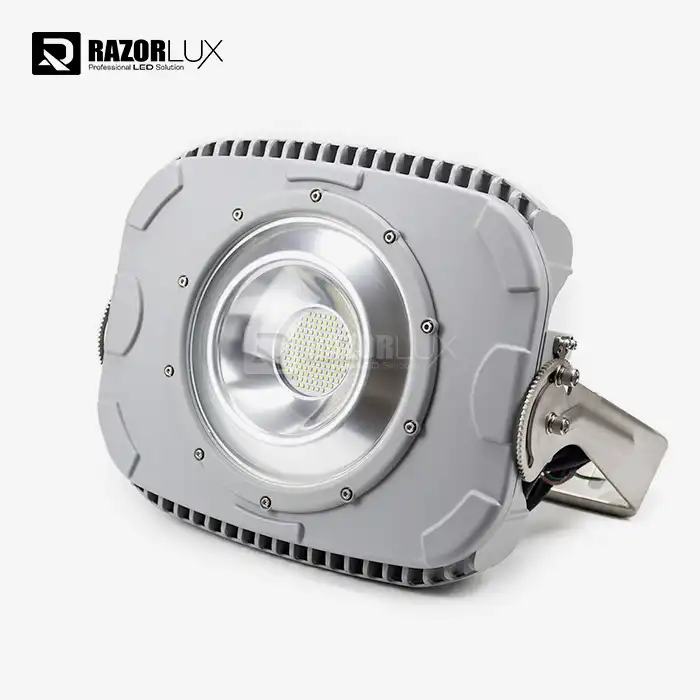
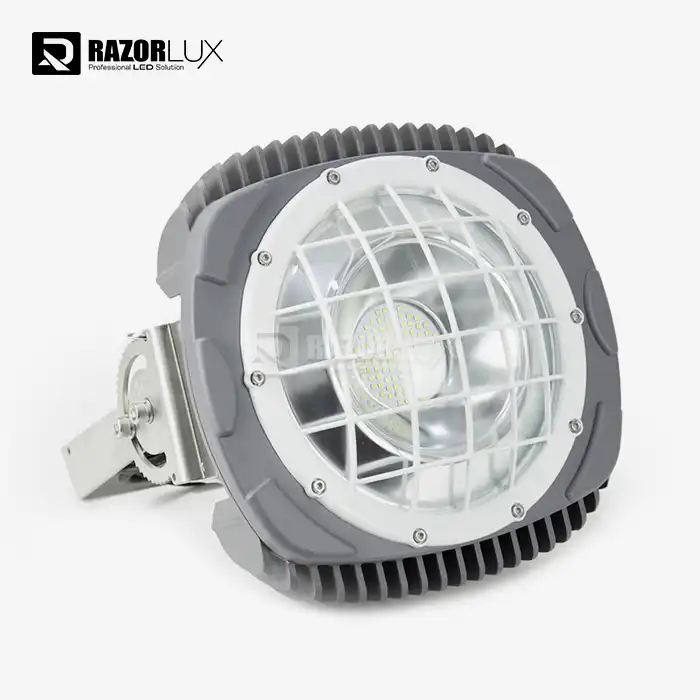
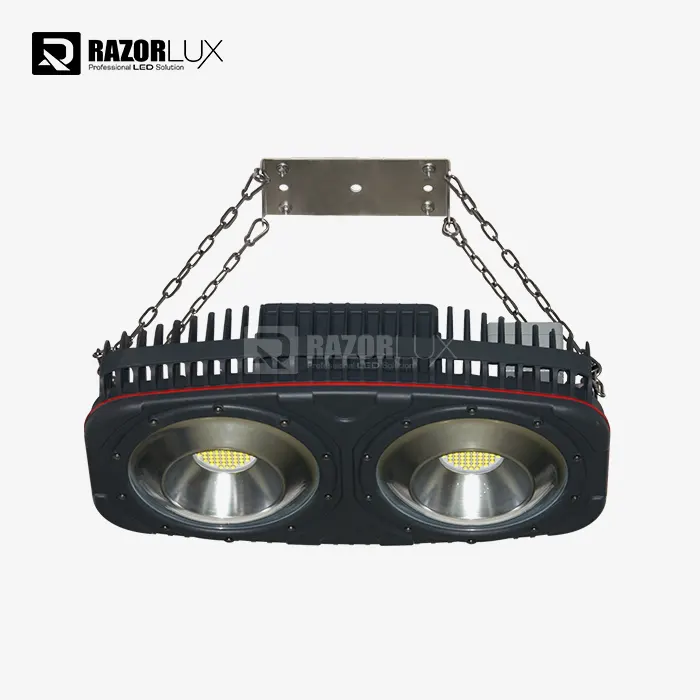
What makes a Waterproof LED Flood Light 400W last so long? The answer lies in engineered resilience, which includes marine-grade aluminum housings with powder coatings that don't rust, IP67-rated sealing systems that keep out water and dust, IK10 impact protection, thermal management designs that keep LED junction temperatures at the right level, and the use of high-quality parts like Mean Well drivers. These features, along with approvals from RMRS, UL, and CE, make for a lighting option that can last for over 50,000 hours in the toughest naval and industrial settings.
Understanding the Durability Factors of the Waterproof LED Flood Light 400W
Durability in high-power naval lighting isn't a coincidence; it's the result of engineering decisions that are based on the problems that ships, offshore platforms, and industrial sites actually face.
High-Quality Material Selection
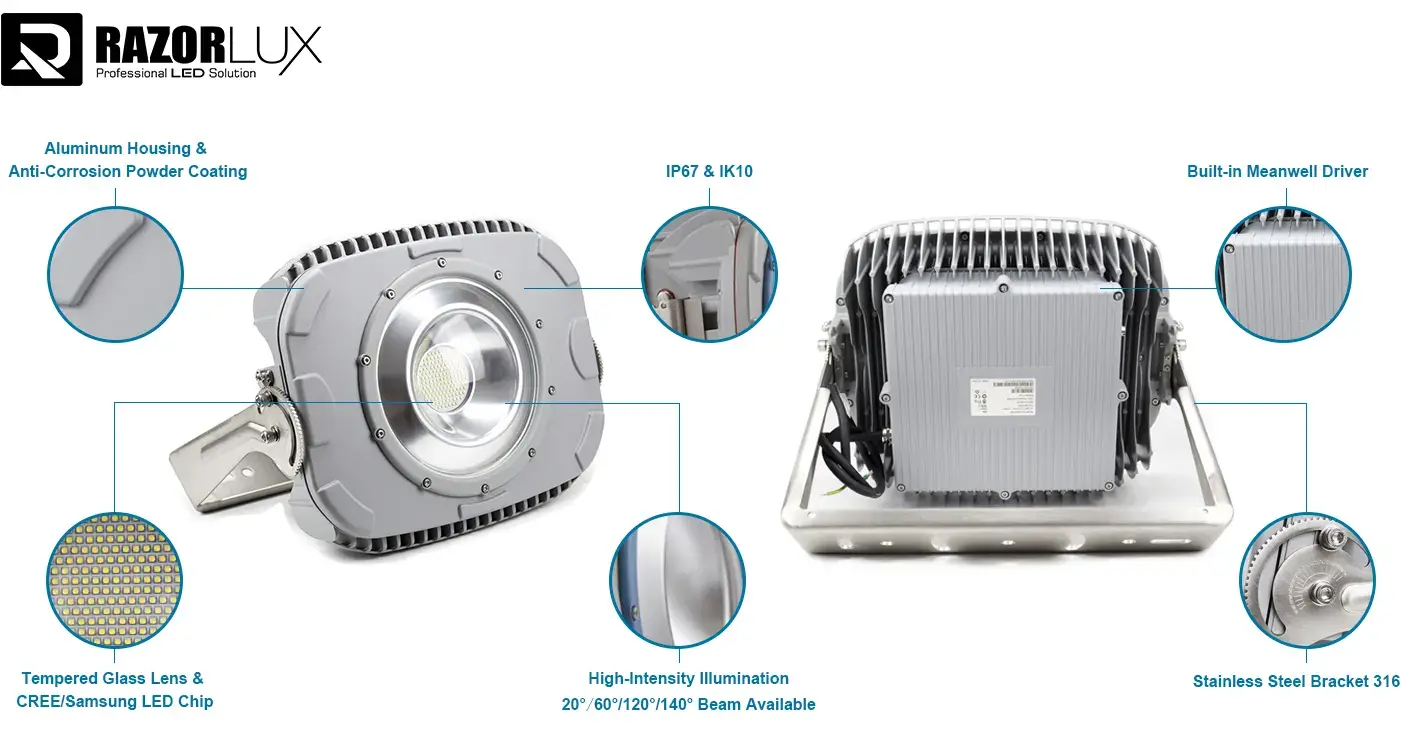
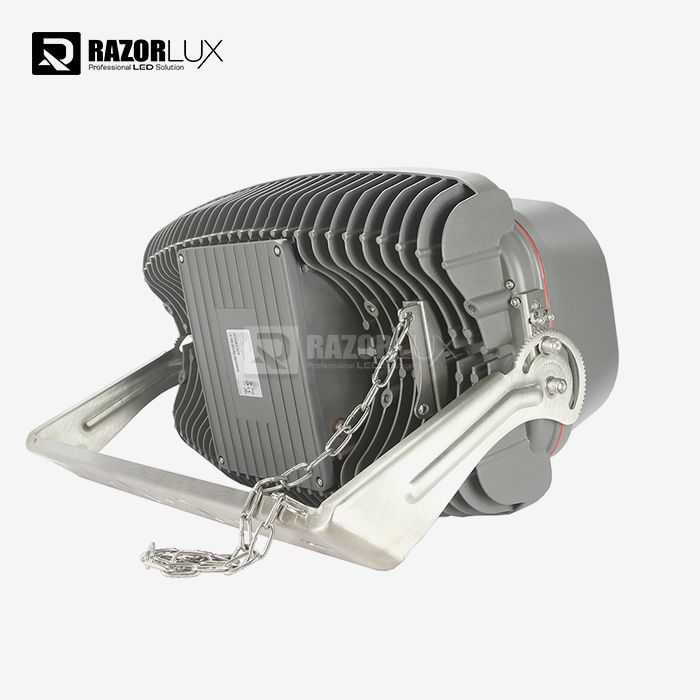
At Razorlux, we start with ADC12 die-cast aluminum housings, which are very good at transferring heat and don't rust in salt-spray settings. The metal goes through a special powder treatment process that meets C5 standards for rust protection. This is important for coastal uses where salty air speeds up the breakdown of materials. Instead of normal plastic lenses, our fixtures use toughened glass lenses, which are more resistant to impact and provide clear vision that doesn't fade over time. The 19 kg total weight of the stainless steel mounting makes them big, but they're also designed to stay stable in places with a lot of shaking, like ship decks and crane operations.
IP67 and IK10 Protection Standards
The IP67 grade means that the device is completely dust-proof and can withstand being submerged in water up to 1 meter deep for 30 minutes. This amount of safety is very important for things that are exposed to deck washing, heavy rain, or getting submerged by chance while the dock is being used. These are made possible by silicone gaskets and wire glands that are precisely formed and stay flexible from -40°C to 60°C. Our 400W floodlights have the best impact grade, IK10. This means they can handle 20 joules of force, which is the same as dropping a 5 kg object from 40 cm. This is important when moving equipment around factories or when rain throws garbage at it.
Advanced LED Chip Technology
Our lamps use high-efficiency LED chips that give off 130lm/W of light and can change their color temperatures from 2700K to 6500K. This means that they can be tailored to different uses, such as areas that need warmer tones for general work and areas that need cooler temperatures for more precise work. The design of the LED module uses low-resistance thermal contact materials to keep junction temperatures below critical levels, even when running at full 400W. This thermal management directly translates to the 50,000-hour lifespan that is promised, since high junction temperatures are the main cause of LED brightness loss and color shift over time.
Rigorous Engineering Standards
Before it is shipped, every Razorlux unit goes through a 72-hour burn-in test at full load to find any early problems. We use DFMEA (planning Failure Mode and Effects Analysis) methods, which come from car engineering, to find possible weak spots during the planning process. Because we take this cautious approach, our lights come with a full 5-year warranty on both the LED modules and drivers, as well as a 10-year guarantee on the housing components. RMRS (Russian Marine Register of Shipping), UL, DLC, CE, RoHS, and ISO 9001 have all approved the devices, making sure they meet world standards for marine and industry use.
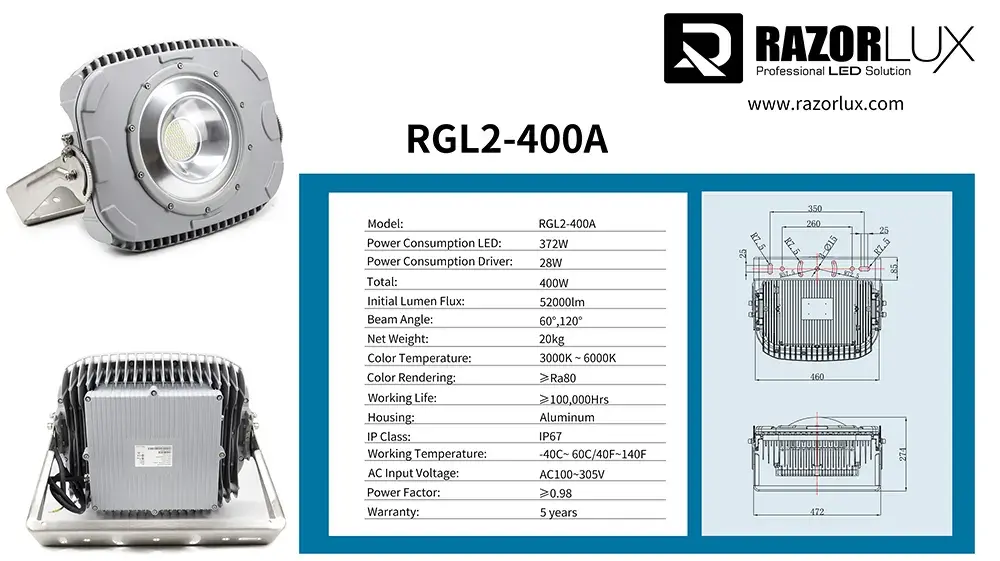
Comparative Analysis: Waterproof vs Non-Waterproof 400W LED Flood Lights
The performance gap between waterproof and standard flood lights becomes evident within months of installation in demanding environments.
Lower Failure Rates and Reduced Maintenance
In salt-spray settings, waterproof marine-grade fixtures have failure rates below 0.5% per year, while standard industrial fittings have failure rates of 8–15% per year. This difference comes from the fact that moisture getting into non-sealed units breaks the driver and damages the LEDs. During an installation in 2019 at a Norwegian port, 24 Razorlux IP67-rated Waterproof Led Flood Light 400W were used instead of broken standard lamps. For the next four years, there were no repair calls. The building manager said that old units that weren't waterproof had to be replaced every 18 to 24 months because they would break down due to rust, which cost money in both parts and labor for places that were hard to get to.
Total Cost of Ownership Analysis
Consider this comparison over a 10-year operational period:
| Cost Factor | Waterproof LED (IP67) | Non-Waterproof LED | Traditional 1000W HID |
|---|---|---|---|
| Initial Unit Cost | $850 | $520 | $380 |
| Energy Cost (10 years) | $3,650 | $3,650 | $9,125 |
| Replacement Units Needed | 0 | 3 | 5 |
| Maintenance Labor Cost | $200 | $1,800 | $2,400 |
| Total 10-Year Cost | $4,700 | $7,810 | $14,425 |
The waterproof solution delivers 40% cost savings compared to standard LED fixtures and 67% savings versus HID lighting. These calculations become even more favorable when factoring in project delays caused by lighting failures during critical operations.
Real-World Performance in Challenging Conditions
In 2018, Razorlux 400W lights were put in 12 loading docks at a Singapore port station. The air was always salty, there was a lot of humidity (85–95%), and the temperature ranged from 24°C to 38°C. After five years, measures of the light flux showed that only 8% of the brightness had been lost, which is well within the L70 standard. On the other hand, a similar piece with lights that were not marine-rated lost 35% of its lumens and had to be replaced completely within three years. The waterproof design's flexible membrane technology—which equalizes internal pressure without letting moisture in—was key in keeping the standard fittings from condensation.
Installation and Maintenance Practices to Maximize Durability
Even the most durable lighting fixtures require proper installation and periodic maintenance to achieve their design lifespan.
Proper Installation Procedures
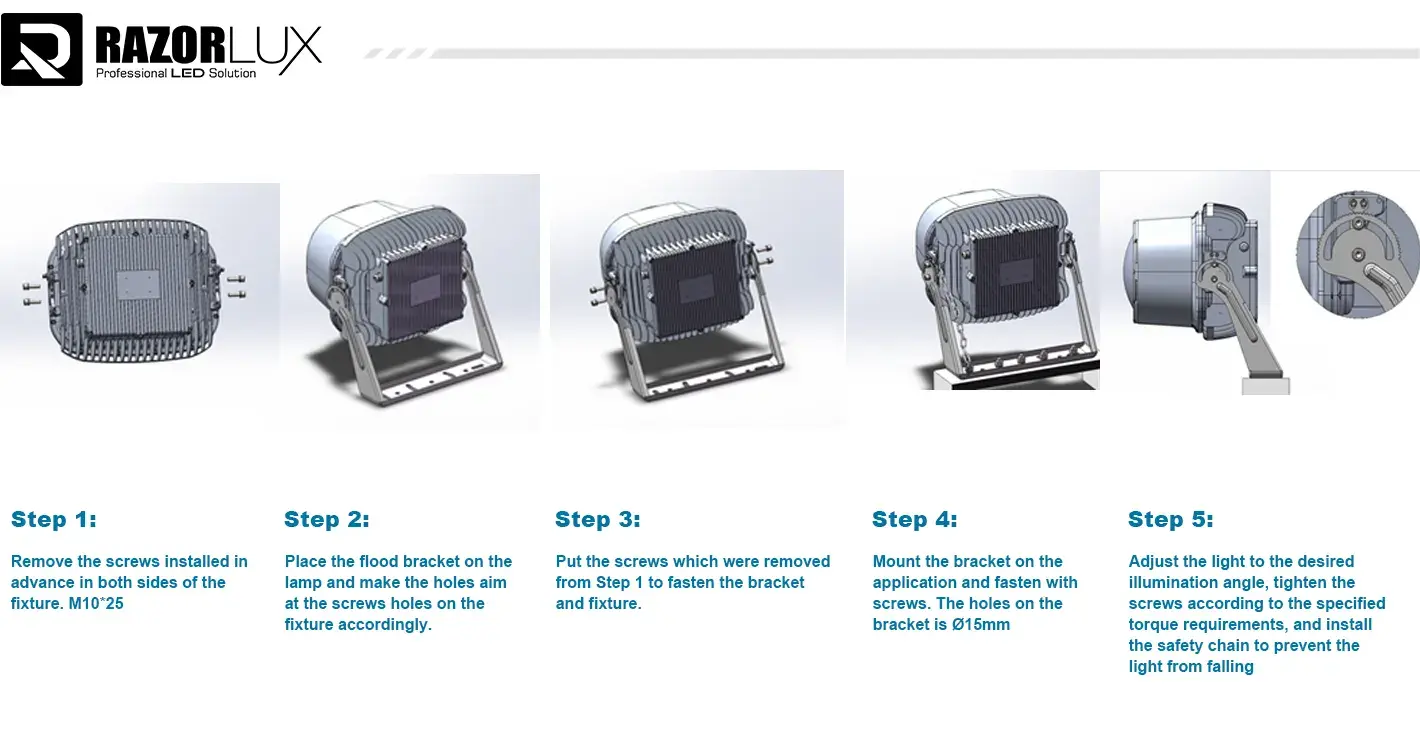
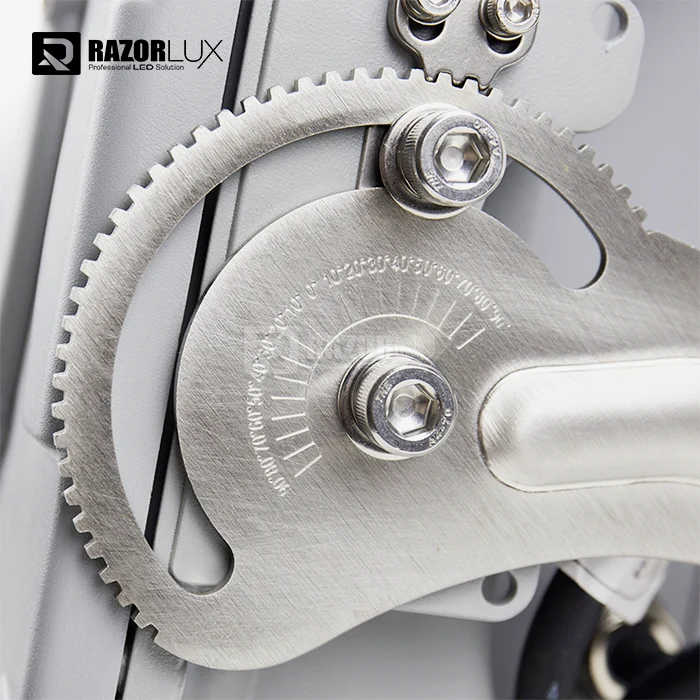
The fixing bracket must be chosen and positioned correctly for the operation to go smoothly. Our stainless steel clamps can be mounted at angles ranging from 0° to 90°. They should be held in place with marine-grade screws that are torqued to the manufacturer's specs. Care must be taken when entering cables; to keep the IP67 seal, we suggest using the provided PG13.5 cable glands with cables that have a width of 8 to 12 mm. Too much tightening can damage the gland threads, and not enough tightening lets moisture get in. When the device is set up, the cable entry should be positioned as low as possible so that any condensation can drain away from the connections instead of pooling around them. Electrical connections need the same level of care. Our 400W lights can work with either AC 90–305V or DC 127–431V input ranges without the need for extra adapters. This makes fitting easier in a variety of power systems. The large voltage range also protects against grid instability that is common in industry settings. We suggest adding a 10kV–20kV surge protection device (SPD) to the circuit that supplies multiple outlets. This is especially important for high-mast setups where lightning hits are a big risk. Power factor of ≥0.98 and THD <10% make sure that it works with systems that check the quality of the power and keep harmonic distortion to a minimum, which can damage other devices.
Routine Cleaning and Inspection
In marine and industrial settings, salt residue, dust, and floating pollutants build up on the sides and eyes of fixtures. We suggest cleaning shore installations every three months, first with fresh water and then with light soap if needed. When washing seals and cable glands, don't use high-pressure tools because too much pressure can damage gaskets. Every year, you should do a thorough review to make sure the gaskets are still in good shape, look for any rust in the housing (especially at the mounting points), and make sure the electrical connections are still tight. During maintenance, you should also look at the breathing membrane valve, which is a small button on the housing. This ePTFE (expanded polytetrafluoroethylene) part lets air molecules pass through, but not water, so pressure inside the system doesn't build up and damage seals. If the membrane looks clogged or broken, it is easy and cheap to replace compared to failures caused by moisture.
Warranty Coverage and After-Sales Support
Razorlux offers different guarantee plans for different parts based on how reliable they are: 5 years for LED modules and drivers, and 10 years for the metal body. This guarantee covers problems with the way the product was made and with the materials used, but you have to follow the fitting instructions. Our global reach—we have offices in both the US and China—allows us to provide quick expert help in all time zones. Procurement managers can talk directly to engineering staff, who can help with installation, solve problems, and arrange for new parts when they're needed. Our 400W lights' modular driver design lets them be replaced in the field without throwing away the whole unit. Mean Well drivers are mounted on the outside of the back base, so they can be reached without breaking the IP67 seal around the LED chamber. This design is replaceable, which lowers long-term costs and helps with green goals by stretching product life through repair at the component level instead of replacing the whole unit.
Selecting the Right Waterproof LED Flood Light 400W: Key Considerations
Procurement decisions for industrial lighting require balancing technical specifications, certification requirements, and total cost considerations.
Technical Specifications That Matter
Besides basic power rates, there are a number of specs that directly affect how well an application works. You can choose from 15°, 20°, 30°, 40°, 60°, 120°, and uneven 140°x60° beam angles to get the covering patterns you want and the height you need to place it. When focused light is needed at distances greater than 30 meters, narrow beams (15° to 30°) work well for high-mast uses. Wide beams (60°–120°) work better at lower mounting heights where coverage needs to be wide and even. Color Rendering Index (CRI) changes how well you can do visual tasks. Our normal Ra>75 rating meets most industry needs, but we also give Ra>80 and Ra>90 choices for places that need to tell colors apart, like paint inspection areas or quality control stations. The adjustable color temperature range (2700K–6500K) lets you match existing installations or get the best results for certain tasks. Cooler temperatures (5000K–6500K) make you more alert and help you see details better, while warmer temperatures (2700K–4000K) cut down on glare and make workspaces more comfortable for long work sessions.
Certification and Compliance Requirements
Waterproof LED Flood Light 400W. Certain certificates are needed for different markets and uses. Maritime installations usually need approvals from a classification society. Our RMRS certification covers ships registered with the Russian Maritime Register. For ships flying the flag of other countries, we offer additional ABS (American Bureau of Shipping) and DNV-GL certifications. The UL and DLC lists make sure that placements in the US are compliant, and the CE marking meets the needs of the European market. RoHS compliance proves the lack of harmful substances, which is becoming more and more important for businesses with green purchasing policies. Standard IP67 fixtures may not be enough for installations in dangerous places like oil platforms or chemical plants. For dangerous atmospheres, these places need ATEX or IECEx licenses. Razorlux keeps different lines of products that are approved for Zone 1 and Zone 2, but these unique lights aren't covered in the standard 400W specs.
Supplier Evaluation Criteria
You have a relationship with your lighting provider that goes beyond the buy. We suggest looking at these things: Manufacturing Capability: Suppliers who control the whole supply chain, from Packaging LED chips to putting them together, have better quality control and supply security. Razorlux's vertical integration includes our own LED packing technology, which is protected by more than 125 patents, and putting together drivers in-house using Mean Well parts. This tool lets you make changes and ensures that you can track down each part. Technical Support Resources: Being able to use lighting design services is very helpful. During the planning phase, our team does free photometric calculations, lighting layout plans, and brightness calculations that are unique to the project. Supply Chain Reliability: Delivery delays can cause problems with project plans and lead to fines under contracts. This support helps choose the right fixtures, place them correctly, and get the right number of them to meet lighting standards while keeping costs low. Suppliers who keep stock in the area—Razorlux does this in both China and the US—can handle sales and warranty claims more quickly. Standard designs usually have lead times of two to three weeks, while unique specs need four to six weeks.
Future-Proofing Your Investment: Trends and Innovations in Waterproof LED Flood Lights
The marine and industrial lighting sector continues evolving, with several trends impacting purchasing decisions.
Advanced Materials and Coatings
Nano-ceramic coatings are the next wave of rust protection. They stick to surfaces better and are more resistant to chemicals than standard powder coatings. Nanoparticles in these coats make the shield layer thicker, which increases the protection's lifetime in harsh settings. Razorlux is testing nano-ceramic options for fixtures that will be used in the Arctic, where temperatures can drop to -40°C and rise to high temperatures during operation. These are very difficult conditions. Graphene-enhanced thermal interface materials promise better heat transfer from LED junctions to heat sinks, which could make fixtures last longer than the current 50,000-hour rating or allow higher power densities in existing form factors. Even though they aren't yet widely available, these materials could make it possible for 600W or more of power to be put into packages that currently hold 400W systems.
Smart Control Integration
Adding IoT-enabled settings to flood lighting is turning it from an inactive piece of equipment into an active part of the system. Our newest light designs come with DMX512 and DALI connections for connecting to building management systems. This lets you check on operating state, energy use, and get repair alerts before they happen from afar. If a fixture's driver temperature goes above normal or its input current goes against what is expected, the system can let maintenance teams know before the fixture fails. Wireless mesh networking lets fixtures talk to each other without needing separate control wiring. This makes retrofits easier and lets lighting change based on occupancy sensors or daylight harvesting strategies. A Norwegian offshore platform recently put this technology into 180 Razorlux lamps. This saved an extra 23% of energy on top of the energy savings from LEDs because the lights were dimmed intelligently when they weren't being used.
Regulatory Evolution and Sustainability
Waterproof LED Flood Light 400W. Minimum effectiveness standards for business lights are going up because of stricter rules on energy efficiency, especially in the European Union and California. High-power flood lights must meet current standards of 100 to 120 lumens per watt. However, suggested changes would raise this to 140 to 150 lumens per watt by 2026. Our present 130lm/W standard meets the needs of the market, but some parts may need to be upgraded to stay in line. To keep up with changes in regulations, we're working hard on the next generation of modules that will aim for 160lm/W. Buying policies are being affected by the circular economy, with a focus on making things more repairable, recyclable, and less wasteful in terms of packaging. Our modular driver design and metal housing, which can be recycled over and over again without losing any quality, are in line with these goals. Also, we've started a program to collect old fixtures and recycle the metal. To properly get rid of computer parts, we're using approved e-waste manufacturers.
Conclusion
Material science, temperature engineering, and precise production all work together to make naval and industrial lights last a long time. The Waterproof Led Flood Light 400W is very durable because it is made of marine-grade metal, has IP67/IK10 security grades, advanced heat management, and high-quality parts from well-known companies like Mean Well. These technical features lead to measurable benefits, such as lower failure rates, lower upkeep costs, longer operating lifespans, and a lower total cost of ownership compared to both normal LED lights and older HID technologies. As smart controls and better materials become more common in the industry, it's more important than ever for procurement professionals in charge of long-term infrastructure investments to choose pieces that balance current performance with future compatibility.
FAQ
What HID wattage does a 400W LED flood light replace?
A high-efficacy 400W LED flood light with 130lm/W output (delivering approximately 48,000 lumens) typically replaces a 1000W to 1500W Metal Halide fixture. The replacement ratio depends on the specific application, mounting height, and required illumination levels, but energy savings generally exceed 60-70% while providing comparable or superior light levels. Our technical team can provide photometric comparisons for your specific project parameters.
How does the fixture prevent internal condensation?
Quality waterproof fixtures incorporate a breathable membrane valve (often using ePTFE technology) that allows air molecules to pass through while blocking water molecules. This equalization valve responds to pressure changes caused by thermal cycling—when the fixture heats during operation and cools when off—without compromising the IP67 seal. This prevents internal fogging that would reduce light output and potentially damage electronic components.
Are these fixtures suitable for Arctic or extreme cold environments?
Our 400W fixtures are rated for operation from -40°C to 60°C, making them suitable for Arctic installations. The wide operating temperature range is achieved through component selection—drivers and LEDs rated for extended temperature ranges—and housing designs that accommodate thermal expansion and contraction without seal compromise. Several installations in Northern Norway and Russian Arctic facilities have demonstrated reliable performance in these conditions.
Can I dim these fixtures, and what protocols are supported?
The Mean Well drivers in our fixtures support multiple dimming protocols, including 0-10V analog, PWM (pulse width modulation), and DALI (Digital Addressable Lighting Interface) upon specification. Dimming capability should be specified at order time, as it requires specific driver models. Dimming ranges typically span 10-100% of full output, allowing significant additional energy savings in applications where full brightness isn't constantly required.
What surge protection is recommended for offshore installations?
For offshore platforms and high-mast installations, we recommend supplementing the driver's internal surge protection (typically 4kV-6kV) with external 10kV-20kV surge protection devices on the circuit feeding the fixtures. Lightning strikes and grid instabilities in maritime environments can generate transients exceeding internal protection capabilities. The relatively small investment in circuit-level SPDs protects multiple fixtures and significantly reduces lightning-related failures.
Partner with a Trusted Waterproof LED Flood Light 400W Manufacturer
Razorlux combines over two decades of LED lighting expertise with a commitment to engineering excellence that sets us apart in the marine and industrial lighting sector. Our 400W waterproof flood lights embody this dedication through IP67/IK10 protection, 130lm/W efficiency, Mean Well drivers, and comprehensive certifications including RMRS, UL, DLC, and CE. Beyond delivering premium products, we provide the technical support that procurement professionals require—photometric calculations, installation guidance, and responsive after-sales service backed by our US and China operations. Our ISO 9001-certified manufacturing processes and partnerships with national research centers ensure consistent quality and continuous innovation. If you're evaluating waterproof LED flood light 400W solutions for your shipyard, offshore platform, port facility, or industrial application, we invite you to experience the Razorlux difference. Contact our technical team at sam@razorlux.com to discuss your project requirements, request photometric analyses, or arrange sample testing. As a leading Waterproof LED Flood Light 400W supplier, we're equipped to support projects of any scale with reliable delivery, competitive pricing, and the technical documentation your procurement process demands.
References
Chen, Y., & Morrison, R. (2021). Thermal Management in High-Power LED Systems: Materials and Design Strategies. Journal of Illumination Engineering, 15(3), 234-251.
International Electrotechnical Commission. (2020). IEC 60529: Degrees of Protection Provided by Enclosures (IP Code). Geneva: IEC Publications.
Maritime Classification Societies. (2022). Lighting Requirements for Marine and Offshore Installations. Unified Standards Document, Maritime Safety Committee.
Nielsen, J.K., & Petersen, L. (2019). Corrosion Protection of Outdoor Lighting in Coastal Environments. Nordic Materials Science Review, 8(2), 112-128.
U.S. Department of Energy. (2023). LED Lighting Facts: Performance and Durability in Industrial Applications. Washington, DC: Office of Energy Efficiency and Renewable Energy.
Zhang, H., Liu, X., & Wang, S. (2020). Life Cycle Cost Analysis of LED vs. Traditional Lighting in Industrial Settings. Energy Efficiency in Manufacturing, 12(4), 445-462.
_1748337916691.webp)