


_1750326878398.png)

How to Choose the Most Powerful Flood Light for Your Needs?
To choose high-intensity industrial lighting, you need to do more than just look through product brochures. You also need to know how technical specs relate to real-world operations. The ideal high-output Most Powerful Flood Light strikes a mix between brightness effectiveness, environmental protection scores, and the overall cost of ownership. Choosing a bulb with 130+ lights per watt, IP67 sealing, and IK10 impact resistance has a direct effect on upkeep costs and worker safety for port managers setting up deck lighting or buying teams looking at lighting for offshore platforms. When looking at your choices, give priority to units that use Samsung or Philips chips along with Mean Well drivers. The stability of the parts will decide whether your investment lasts 50,000 hours or breaks down during the first storm season.
Understanding Powerful Flood Lights: Key Specifications and Types
Wattage Versus Lumen Output: What Actually Matters
A lot of buyers think that watts means light, but it actually just measures how much energy something uses. A standard metal halide lamp with 1200W often puts out fewer lumens than a current 600W LED light. Lumen brightness, or how much light gets to your work area, is the most important number. Industrial-grade lights should get at least 130lm/W, which means that a 1200W bulb should give off 156,000 lumens. When comparing options, it's important to ask for optical data that shows how many lights are kept after 10,000 hours of use, since cheap models lose 30% of their brighhttps://www.razorlux.com/led-outdoor-sports-lighting/high-wattage-led-flood-lightstness in just two years. Beam angle choice is also very important. For tower crane jobs that need 300-meter throw lengths, a 15-degree narrow beam focuses the light, while 120-degree wide beams are better for goods storage areas that need even coverage. Beam directions that can be changed (15°, 30°, 60°, 140°x60°) let you put the device in a variety of places without having to order different types.


LED Technology Versus Traditional Halogen Systems
The switch from incandescent to solid-state lighting has completely changed how businesses buy things. Halogen light bulbs waste 80% of the energy they use as heat, so they need expensive forced-air cooling and lamps that need to be replaced every 2,000 hours. LED options have instant benefits, like using 70% less energy, taking no time to warm up, and lasting more than 50,000 hours. Thermal management differences are reason enough to switch technologies—LED heat sinks quietly remove heat without using motorized fans that can break down, and choosing the right color temperature has different effects on job performance in different situations. A 5000K sun spectrum improves the sharpness of vision for precise welder inspections, while 3000K warmer tones make it easier on the eyes during long security checks. Quality units can change the color temperature between 2700K and 6500K without having to buy diffehttps://www.razorlux.com/led-outdoor-sports-lighting/high-wattage-led-flood-lightsrent fixtures.
Specialized Variants: Motion Sensors and Weatherproof Designs
Modern lighting systems now include presence monitoring to cut down on runtime in areas that aren't used very often, like storage areas for tools or emergency stairwells. When used with dimmer controls, motion-activated high-intensity lights can save 60% of the energy used by constant-output lighting. When choosing these systems, make sure the sensor's sensing range fits the shape of your space—a 20-meter sensor won't cover a 40-meter bay well. Environmental protection scores tell the difference between good lights and great ones. IP65 is good for covered loading docks because it seals out dust and offers security with a low-pressure water jet. IP67 approval means that something can be submerged up to one meter for 30 minutes. This is needed for ship decks that get washed out by waves or industrial paths that often flood. The IK10 impact grade can handle 20 joules of force, which is the same as dropping a 5-kilogram weight from a height of 400 mm. This protects against both unintentional and intentional damage from crane hooks.
| Protection Rating | Dust Protection | Water Resistance | Typical Applications |
|---|---|---|---|
| IP65 | Dust-tight | Water jets (low pressure) | Covered terminals, warehouses |
| IP67 | Dust-tight | Immersion to 1m depth | Ship decks, offshore platforms |
| IK08 | Impact resistance: 5 joules | N/A | Standard industrial areas |
| IK10 | Impact resistance: 20 joules | N/A | High-risk mechanical zones |
Core Criteria to Consider When Choosing High-Intensity Lighting
Defining Illumination Requirements by Application Scenario
For perimeter monitoring, there should be an average of 20 to 50 lux of even horizontal lighting along the fence lines, with few dark spots where thieves could hide. On the other hand, places where precision shipbuilding is done need 300 to 500 lux of vertical illumination at workpiece height. This means that fixtures need to have uneven optics that direct uplight toward task surfaces. The materials used to build fixtures are also affected by the environment. Salt spray speeds up rusting in coastal sites, so they need marine-grade aluminum alloy housings with C5-rated powder coats. In the Nordic areas, where it gets cold, businesses need lamps that can start up at -40°C without losing any light output. Heat can also be damaging. For example, steel mills and factories need equipment that can work in 60°C temperatures without shutting down.
Energy Efficiency and Total Cost of Ownership Analysis
Most Powerful Flood Light. The cost of buying a device is only 20% of its total living cost. The other 80% comes from energy use and upkeep. A high-end LED light that costs 40% more than a competing model usually makes up for the difference in price within 18 months because it uses less electricity. Use this method to find the yearly running costs: (Wattage ÷ 1000) × running Hours × Electricity Rate. At $0.12/kWh, a 1200W light that is used 4,000 hours a year costs $576 a year, while a 2000W halogen comparable costs $960 a year, saving $384 a year. How easy it is to do maintenance has a huge impact on the total cost of ownership. For lamp changes on fixtures on 30-meter-tall masts, you need to rent a crane and keep traffic moving, which costs $2,000 to $5,000 per service event. By changing the maintenance times from 2,000 hours for incandescent lights to 50,000 hours for LED lights, 24 service calls are avoided over the life of the fixture, which saves $48,000 to $120,000 per mast site.

Compliance with Installation Safety and Regulatory Standards
Marine and remote systems need to meet the standards set by DNV, ABS, or Lloyd's Register, which are classification societies. These certificates show that lights can handle tests for shaking, EMI emissions, and the addition of emergency lighting backups. Not having the right certifications can make your insurance not cover something and stop the project from being commissioned. Electrical compatibility is more than just power ratings. The 1200W Razorlux RGL-1200P can connect to both AC 100-305V and DC 127-431V power sources, so it can work with both normal shore power and vessel electrical systems without the need for transformers. Wide voltage tolerance stops annoying shutdowns that happen when the power grid changes, which can happen at faraway industrial sites.
Comparing High-Output LED Floodlights with Standard Models
Brightness and Coverage Performance Differentials
Standard business floodlights give off 10,000 to 30,000 watts, which is enough light for parking spots or the outside of buildings. Industrial high-intensity types that put out 156,000 lights get rid of the need to place multiple fixtures. This cuts down on the cost of fixing gear and makes upkeep easier. Six 300W normal lights can be replaced by a single 1200W unit, which uses 20% less total power. Case studies of real-world port terminals show that there are measurable changes in performance. A shipping port in Singapore got rid of 180 old 400W metal halide lamps and replaced them with 90 high-output LED units. This made the average light level 30% better while cutting energy use by 65%. The annual cost of maintenance went down from $54,000 to $8,200, mostly because the 25-meter pole lamps no longer had to be replaced every three months.
Durability Features: Weatherproofing and Warranty Terms
Premium makers stand out by offering full guarantees that are backed by the ability to track down individual parts. A 5-year guarantee that covers both the clamps and the drivers shows that the heat engineering and electronics are reliable. Usually, cheap units come with 2-year guarantees that don't cover power sources or only cover replacing LED modules. To check the quality of the construction, you have to look at the sealing materials and the joints in the case. Unlike cheaper EPDM rubber, which hardens and cracks after 18 months of UV exposure, silicone gaskets stay sealed even when the temperature changes from -40°C to +60°C. For marine settings, look for fixing plates made of stainless steel. Powder-coated mild steel corrodes quickly in salt spray, no matter how it looks at first.
| Feature | Standard Flood Light | Industrial High-Output Model |
|---|---|---|
| Lumen Output | 10,000-30,000 lm | 100,000-200,000 lm |
| Luminous Efficacy | 80-100 lm/W | 130-170 lm/W |
| Typical Warranty | 2 years | 5 years |
| IP Rating | IP65 | IP67 |
| Operating Temperature | -20°C to +40°C | -40°C to +60°C |
| LED Chip Brand | Generic/Unknown | Samsung/Philips |
| Driver Brand | Generic | Mean Well/Philips |
Price Versus Value: Evaluating Long-Term Investment Returns
Fixtures that cost between $200 and $400 seem like a good deal at first, but only until you think about how often they need to be replaced and how often they break. A purchasing manager at a shipyard in Norway said that 35% of economy fixtures installed across 40 berths failed within 24 months, meaning that emergency replacements during winter storms had to be made at three times the original unit cost because of faster shipping and installation work that had to be done after hours. Tiered pricing structures make volume procurement possible, which unlocks more value. Orders of 50 or more units usually get savings of 15 to 20 percent, and contracts for 200 or more units let you change color temperatures, beam angles, or mounting hardware for free. Set up a framework that deals with suppliers that offer consistent lead times. Production delays that don't fit with building plans cost contractors $5,000 to $15,000 per day in backup charges.

Tailored Solutions: Matching Fixtures to Specific Industrial Applications
Security and Surveillance: Motion Detection and High-Output Requirements
Passive infrared sensors and high-intensity lights work well together in perimeter security systems. When motion detection is triggered, lamps quickly go from 20% standby output to full 156,000 lumens. This creates a psychological deterrent while giving CCTV cameras enough light to see faces from 50 meters away. False trigger reduction needs sensitivity controls that can be changed to account for moving animals or plants in the wind. Offshore platforms and other critical infrastructure sites face special security challenges. At landing zones, helideck approach lighting must stay at 300 lux and avoid upward spill light that blinds pilots coming in. Asymmetric lenses that send 85% of the light output below horizontally meet ICAO Annex 14 standards without reducing the amount of light on the deck for working.
Industrial Warehouses and Construction Sites: Balancing Brightness with Energy Costs
Large distribution centers, which are usually 100,000 square meters, need lighting plans that balance energy savings with even lighting. High-bay LED lights set up on 15-meter lines give off 200 lux at floor level while using only 0.8W per square meter, which is half as much energy as old HID setups. Daylight harvesting sensors placed near clear roof panels turn down lights automatically during the hottest parts of the day, saving an extra 25 to 30 percent. Installations on construction sites are temporary and need to be set up and changed quickly. Instead of gasoline generator-powered metal halide systems, trailer-mounted light towers with four 1200W LED heads light up an area of 8,000 square meters. Adding a battery backup makes sure that the machine keeps running even when fuel deliveries are interrupted. This is very important for 24-hour concrete pours that can't stop in the middle of the job.
Custom Procurement for Large-Scale Marine and Offshore Projects
Most Powerful Flood Light. When building a new ship, 200 to 500 fittings are often supplied at different stages of the construction process. When suppliers offer contract inventory programs that are stored at regional warehouses, production delays caused by shipping or customs issues are avoided. Just-in-time delivery that works with hull block assembly plans cuts down on on-site storing needs and theft risks. Customization options set capable makers apart from simple carriers. Razorlux can handle a wide range of beam angles, such as 140°x60° uneven distributions for small walks on piers, and can also change color temperatures from 3000K for normal use to 5700K for emergencies. To make these kinds of changes, engineering teams need to know how to use photometric modeling tools and be able to make small batches without having to meet a lot of minimum order amounts.
Final Recommendations and Purchase Guide for Procurement Managers
Structured Decision-Making Framework for Fixture Selection
First, use international standards to figure out how bright the areas you want to evaluate should be. For open settings, use EN 12464-2, and for tunnels and underground facilities, use IESNA RP-22. Hire lighting experts to do estimates for your site that take into account things like mounting heights, reflectivity values, and shadows from obstacles. If you choose a generic light without doing photometric analysis, you could end up with too much or too little illumination, which can be dangerous. Create a weighted score grid that puts important factors related to your operation at the top of the list. A normal grid might give 30% of the weight to how well the light works, 25% to IP/IK ratings, 20% to guarantee terms, 15% to how well the seller can service the product, and 10% to the starting price. This method stops people from making choices based on price alone, without taking into account the costs over the product's lifetime. Make thorough technical specification papers that include mounting interface measurements, electrical connection requirements, and lighting performance criteria. Bids that don't follow the rules are encouraged by unclear procurement papers, which lead to expensive change orders. Choose good LED chip brands (Samsung, Philips, Osram) and driver names (Mean Well, Philips, Inventronics) to avoid value engineering choices that hurt stability.
Assessing Supplier Credibility and Manufacturing Capabilities
Ask third-party inspection services to check the factory's ISO 9001 quality management system application and send you audit results. For example, factories should have controlled environments for bonding LED chips, automated testing equipment that checks each fixture's photometric output, and burn-in protocols that put units under stress at 105% of their rated voltage for 48 hours before shipping. Documentation that shows the authenticity of certain brands is part of this. In industrial lights, there are a lot of fake Mean Well drivers and Samsung chips. Insist on numbered certificates of approval that can be tracked back to approved wholesalers. Razorlux buys directly from Samsung and Mean Well, so you can be sure that the parts you're using are genuine, which protects your guarantee rights. Certifications need more than just a name on a document. Check the certification number against databases kept by the granting body. UL, TÜV, and DNV all have public databases that prove valid certificates. Some companies show certificates or reference standards that are no longer valid, even though their goods were never tested against them.
Best Practices for Installation and Ongoing Maintenance
Most Powerful Flood Light. For high-mast setups, you need special attachment gear that can handle wind loads and vibrations. When winds reach 150 km/h, a 1200W device that weighs 50 kg puts 200 kg of dynamic load on the fixing points. Choose stainless steel U-bolts with nylon-insert lock nuts to keep them from coming loose from constant shaking, and use marine-grade anti-seize powder on threaded connections that can be accessed for maintenance. Set up preventative maintenance plans for all systems, even ones that last a long time. Once a year, the seal should be checked to make sure it's still in good shape, the lens surfaces should be cleaned to keep light flowing, and the thermal image housings should be checked for strange heat patterns that mean the driver is wearing out. Temperature differences of more than 10°C between neighboring fixtures should be looked into right away. Keep a collection of extra fittings equal to 2 to 3 percent of the installed base. Even though they are rated for 50,000 hours, lightning hits, crane impacts, or production flaws can cause them to fail at any time. If you have extra units, you can change them right away instead of having to wait weeks with less light while your guarantee is processed and shipped.
Conclusion
Most Powerful Flood Light: Finding the best high-intensity industrial lighting system means weighing technical specs, source dependability, and total cost of ownership. Fixtures with 130 brightness or more per watt and real Samsung or Philips LEDs should be given priority. Mean Well drivers have been shown to last a long time. Check the IP67 and IK10 grades with third-party certifications instead of marketing claims, and make sure the guarantees cover both parts and work. Setting up ties with makers who offer engineering help, regular lead times, and quick expert assistance are all important parts of successful buying. Spending time and effort at the beginning to carefully choose a provider and create detailed specifications pays off over many years of trouble-free running and reliable performance.
FAQ
What lumen output qualifies as a high-intensity industrial flood light?
Industrial applications typically require fixtures delivering 100,000+ lumens for adequate coverage of large work areas. The 1200W Razorlux RGL-1200P produces 156,000 lumens at 130lm/W efficiency, suitable for shipyards, ports, and offshore platforms. Standard commercial units outputting 10,000-30,000 lumens lack sufficient intensity for these demanding environments.
How does LED technology compare to metal halide for energy consumption?
LED fixtures consume 60-70% less energy than equivalent metal halide systems while delivering superior lumen maintenance. A 1200W LED replaces a 2000W metal halide lamp, saving $384 annually per fixture at typical industrial electricity rates. The LED's 50,000-hour lifespan eliminates the metal halide's 2,000-hour lamp replacement cycle, drastically reducing maintenance costs.
What safety considerations apply when installing high-wattage flood lights?
High-intensity fixtures require properly rated circuit breakers, wire gauges accommodating inrush currents, and grounding systems meeting NEC or IEC standards. Mounting structures must withstand combined fixture weight and wind loading—a 50kg unit experiences 200kg forces during storm conditions. Engage licensed electricians familiar with hazardous location classifications if installing near flammable vapors.
Partner with Razorlux for Your Industrial Lighting Requirements
Razorlux brings 25 years of LED engineering expertise to marine and heavy-duty lighting applications worldwide. Our RGL-1200P high-output flood light represents the culmination of advanced thermal management, premium component selection, and rigorous quality validation—delivering 156,000 lumens with IP67 sealing and a comprehensive 5-year warranty. We understand the procurement challenges facing shipyard managers, offshore platform engineers, and industrial facility supervisors. Beyond manufacturing, Razorlux provides photometric design services, project-specific customization, and responsive technical support throughout your fixture's operational life. Our global certification portfolio (UL, CE, DNV, ABS) ensures compliance across international projects, while flexible shipping options—from express air freight to consolidated ocean containers—align with your construction milestones. Connect with our engineering team at sam@razorlux.com to discuss your project requirements, request technical specifications, or arrange sample testing. Whether you need 10 units or 1,000, Razorlux delivers consistent quality and reliable service as your trusted Most Powerful Flood Light supplier.
References
Chen, W., & Maritime Lighting Standards Committee. (2021). LED Illumination Systems for Offshore Platforms: Performance Requirements and Testing Protocols. International Marine Engineering Association.
Industrial Lighting Efficiency Coalition. (2022). Total Cost of Ownership Analysis: LED versus HID Systems in Heavy Industry Applications. Energy Research Institute Technical Report.
Norwegian Maritime Authority. (2020). Guidelines for Shipboard Lighting Installation and Maintenance. Oslo: Government Maritime Press.
Petrov, A., & Singh, R. (2023). Advanced Thermal Management in High-Power LED Luminaires. Journal of Applied Lighting Engineering, 18(3), 127-145.
Society of Port Engineers. (2022). Illumination Standards for Container Terminal Operations. Rotterdam: International Port Association.
Zhang, L. (2021). Corrosion Resistance of Marine-Grade Lighting Fixtures: Material Selection and Coating Technologies. Materials Science in Maritime Applications, 12(4), 89-103.
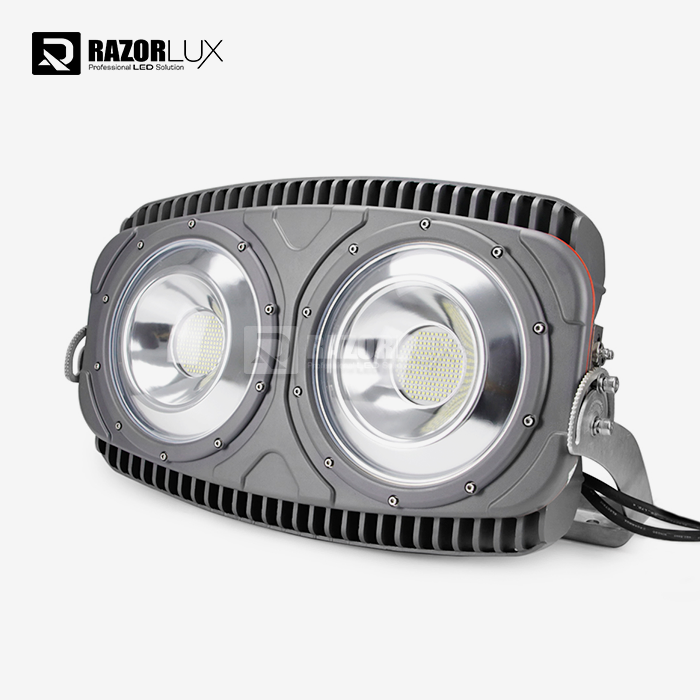 VIEW MOREled arena light
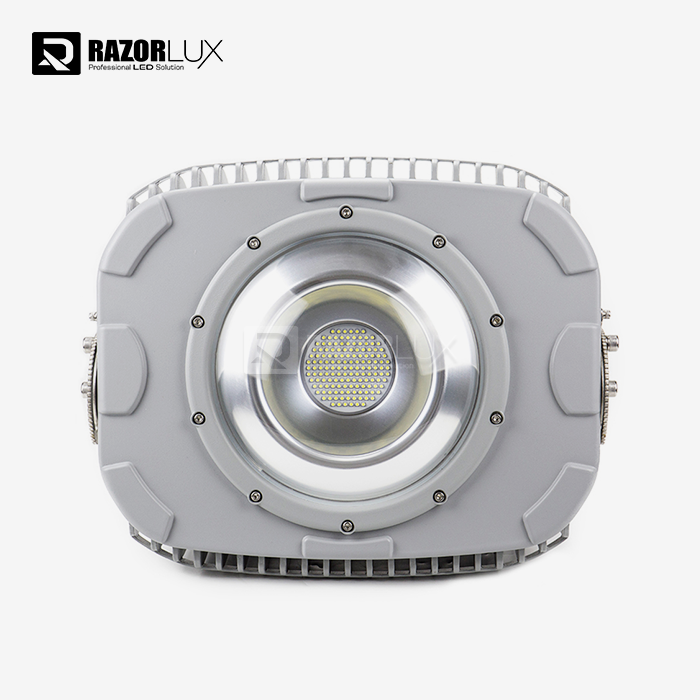 VIEW MOREled crane lights
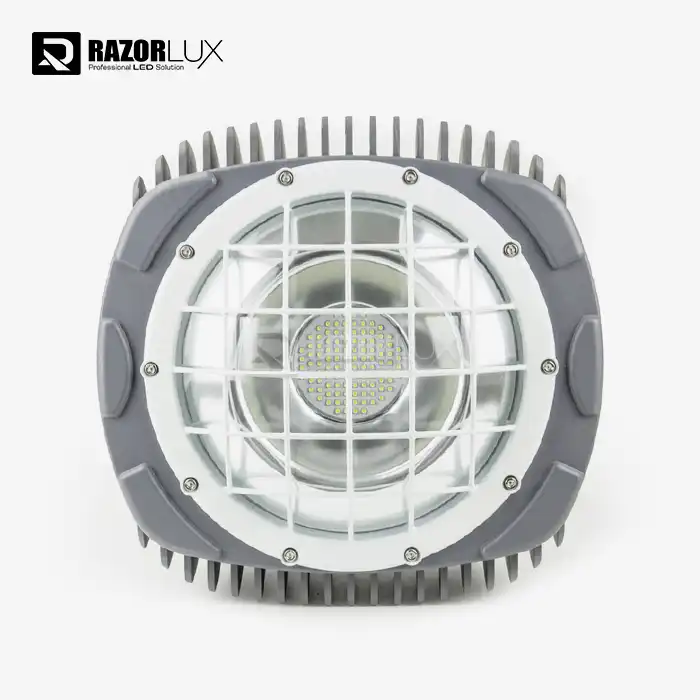 VIEW MOREMarine Led Flood Lights 12V
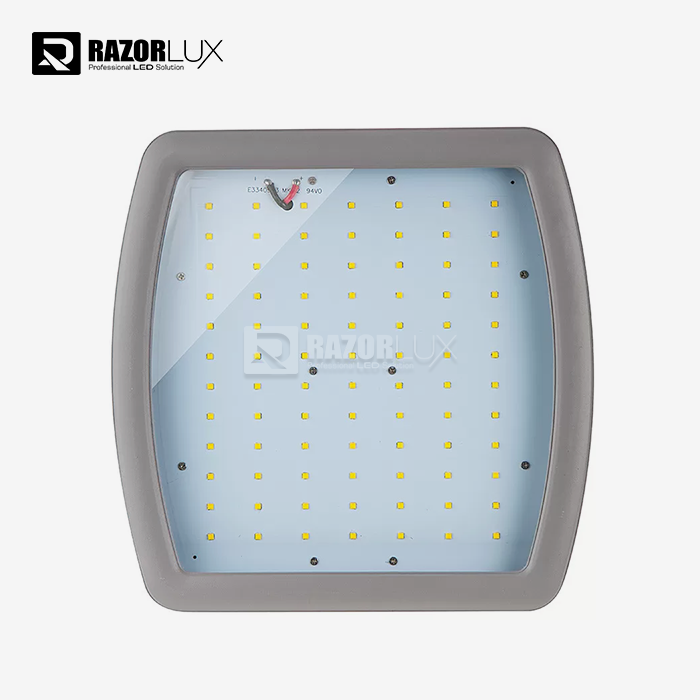 VIEW MOREObstruction IP68 Explosion Proof Led Lamp Portable 185w 90V
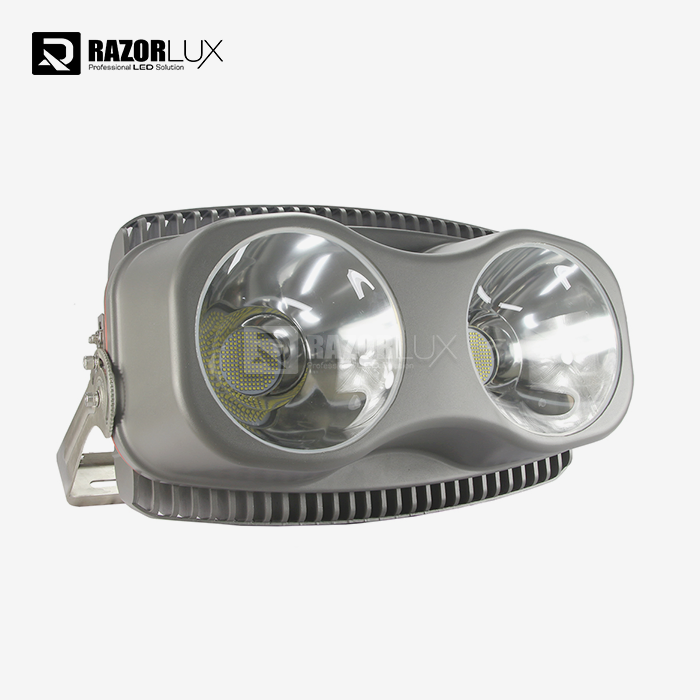 VIEW MOREAluminum IP65 Led High Mast Light 1000W RoHS Led Baseball Field Lights
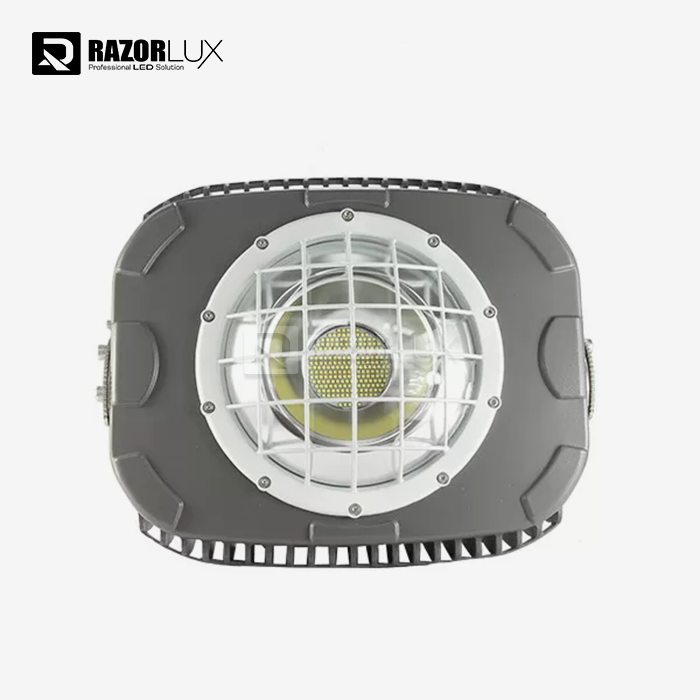 VIEW MOREWaterproof IP67 6500K Led Football Stadium Lights Badminton Court 52000lm
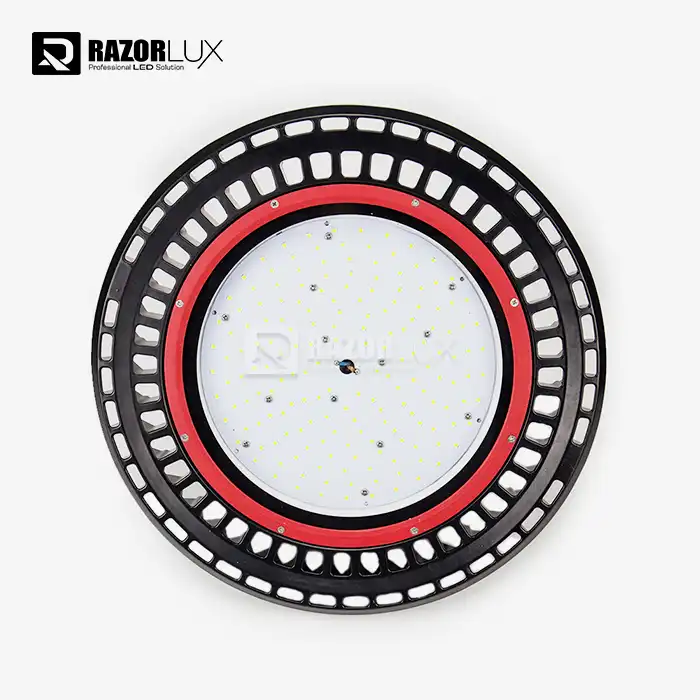 VIEW MOREHigh Bay Led Ufo Lights
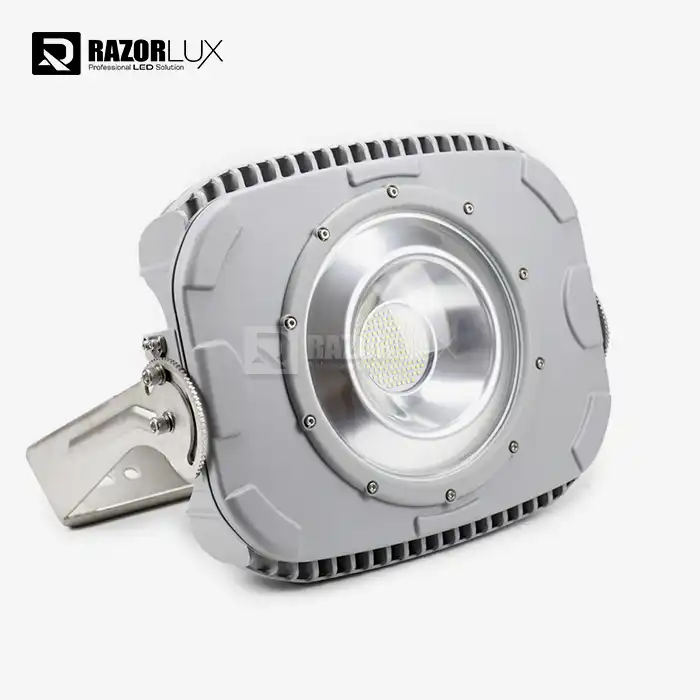 VIEW MOREExternal Led Flood Lights