


_1750326878398.png)

Tennis Court LED Flood Lights vs Traditional Lighting: Which Is Better?
When comparing lighting solutions for tennis courts, modern LED flood lights outperform traditional metal halide and halogen systems across all critical metrics. Tennis Court Led Flood Lights deliver superior energy efficiency, enhanced illumination quality, and significantly reduced maintenance costs. They provide instant-on capability, better color rendering, and longer operational lifespans—typically exceeding 50,000 hours compared to 6,000-15,000 hours for conventional options. LED technology offers adjustable beam angles, weatherproof construction, and compliance with rigorous industry certifications, making it the definitive choice for facilities prioritizing performance, reliability, and long-term value in demanding outdoor sports environments.
Understanding Tennis Court Lighting Requirements
Critical Performance Parameters for Night Play
Effective tennis court lighting depends on achieving precise technical benchmarks that directly impact player safety and game quality. Illumination levels must meet specific standards: recreational facilities typically require 200-300 lux, club-level courts need 500 lux, and professional tournament venues demand 750-1000 lux or higher. Beyond raw brightness, uniformity ratios matter significantly—the ratio between minimum and maximum illumination should not exceed 1:2 to prevent dark spots or shadows that disrupt ball tracking. Color temperature and rendering capabilities influence how players perceive the ball against court surfaces. Optimal installations utilize 5000K-5700K color temperatures that simulate natural daylight, paired with a Color Rendering Index (CRI) above Ra80 to ensure vivid contrast between the yellow ball and colored court lines. Beam angle selection determines coverage patterns, with asymmetric optics (such as 60°×120° distributions) directing light precisely onto playing surfaces while minimizing light pollution and glare zones.
Common Shortcomings of Traditional Lighting Systems
Metal halide and high-pressure sodium fixtures have dominated sports lighting for decades, yet they present substantial operational challenges. These conventional systems require 10-15 minute warm-up periods before reaching full output, making quick match scheduling or practice sessions impractical. Their broad-spectrum bulbs produce inconsistent color temperatures that shift over time, degrading visual clarity as lamps age. Energy consumption remains prohibitively high with traditional technologies. A typical 1000W metal halide fixture actually draws closer to 1100W when accounting for ballast losses, translating to substantial electricity costs over thousands of annual operating hours. Maintenance burdens compound these expenses—ballasts fail regularly, bulbs require replacement every 6,000-12,000 hours, and fixture access on tall poles demands specialized lift equipment and labor.
Why Modern Facilities Demand Better Solutions
Sports facility managers increasingly face pressure to reduce operational expenses while improving user experiences. Tennis clubs competing for members need consistent, high-quality lighting that supports extended evening play without flickering or dim spots. Municipal facilities serving community programs must balance budget constraints with sustainability commitments, making energy efficiency non-negotiable. Regulatory standards continue to tighten around light pollution and energy codes. Many jurisdictions now mandate minimum efficacy thresholds (lumens per watt) for outdoor sports lighting, effectively disqualifying older metal halide technologies. Environmental certifications and green building standards also factor into procurement decisions, particularly for university campuses and commercial developments seeking LEED credits or similar sustainability recognition.
Advantages of LED Technology Over Conventional Lighting
Superior Energy Efficiency and Cost Savings
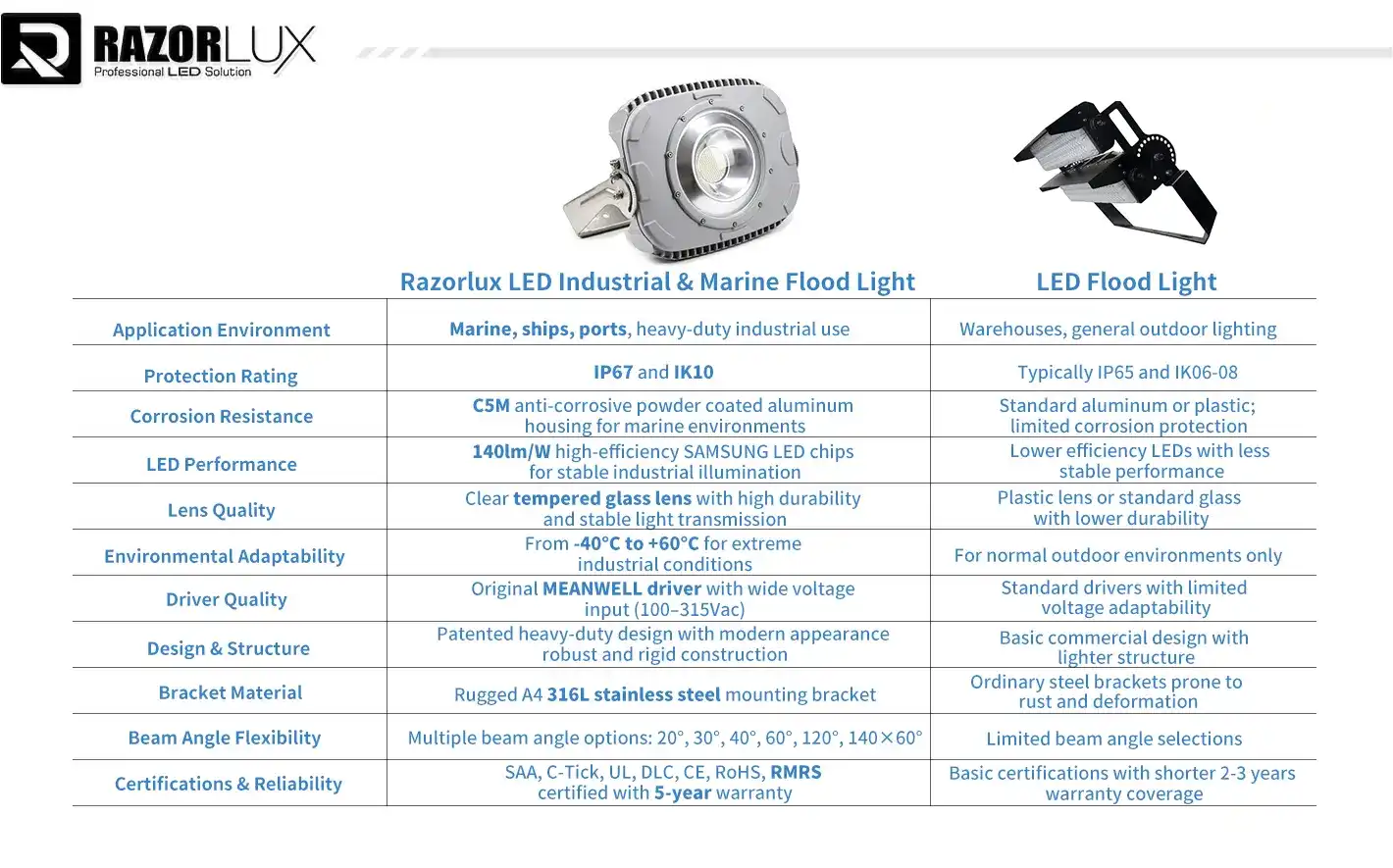
LED flood lights transform electrical consumption profiles for tennis facilities. Modern units achieve 130-160 lumens per watt compared to 60-90 lm/W for metal halide equivalents—representing 60-70% energy reductions. A 400W LED system delivers comparable or superior illumination to a 1000W metal halide fixture, cutting power draw by more than half while maintaining target lux levels across the court surface. These efficiency gains translate directly to operational cost savings. A four-court tennis facility operating lighting 2,000 hours annually can reduce electricity consumption by 40,000-50,000 kWh per year when retrofitting from metal halide to LED technology. At commercial electricity rates averaging $0.12-0.15/kWh in the United States, this represents $5,000-7,500 in annual savings—often recovering initial investment costs within 3-4 years through utility bill reductions alone. Thermal management in quality LED systems ensures sustained performance without degradation. Advanced aluminum heat sinks maintain junction temperatures below critical thresholds, preserving lumen output and extending component lifespans. LED drivers from reputable manufacturers like Mean Well provide power factor correction exceeding 0.98, minimizing reactive power losses and reducing demand charges on commercial utility accounts.
Enhanced Lighting Quality and Player Experience
Lighting quality encompasses multiple factors beyond simple brightness measurements. LED technology provides instant-on capability, reaching full output within milliseconds rather than the 10-15 minute warm-up required by metal halide systems. This responsiveness enables flexible scheduling, allows courts to be illuminated on demand, and reduces unnecessary energy consumption during setup periods. Color rendering excellence defines premium LED sports lighting. With CRI values consistently above Ra80 (and Ra90 available in specialized models), LED illumination reveals true ball colors and court line markings with exceptional clarity. Players report improved depth perception and faster reaction times under high-quality LED lighting compared to the yellowish, low-CRI output of high-pressure sodium alternatives or the inconsistent spectrum from aging metal halide lamps. Flicker-free operation proves critical for competitive play and video recording. Professional-grade LED drivers maintain ripple current below 1%, eliminating the imperceptible flicker that causes eye strain during extended play sessions. This stability supports high-speed camera filming at 1000+ frames per second without banding artifacts, making LED-lit courts suitable for broadcast production and slow-motion analysis that traditional lighting cannot accommodate.
Extended Lifespan and Reduced Maintenance
Tennis Court LED Flood Lights: LED technology fundamentally changes maintenance planning for tennis facilities. Quality systems achieve L70 ratings (the point at which output has degraded to 70% of initial lumens), exceeding 100,000 hours under properly managed thermal conditions. This translates to 15-20 years of operation in typical club environments where courts receive 2,000-3,000 hours of annual use. Contrast this with metal halide lamps requiring replacement every 6,000-12,000 hours—necessitating relamping every 2-3 years. The maintenance differential extends beyond bulb replacement. LED systems eliminate ballast failures, removing a common failure point that requires expensive service calls. Solid-state LED modules contain no fragile filaments or electrodes to break from vibration or impact, delivering robust performance even when subjected to wind loads and temperature cycling on exposed poles. This durability reduces emergency service calls and allows facility managers to schedule maintenance during off-season periods rather than responding to mid-season outages. Here are additional operational benefits that support long-term facility management:
- Predictable Performance Degradation: LED output diminishes gradually over tens of thousands of hours, allowing proactive replacement planning rather than sudden failures that disrupt court availability and require rush service calls.
- Reduced Safety Incidents: Eliminating frequent pole-mounted lamp changes decreases worker exposure to fall risks associated with bucket truck operations and elevated platform work on 20-40 foot poles.
- Simplified Inventory Management: Standardizing on LED systems reduces the variety of replacement parts facilities must stock, as LED modules often remain unchanged for entire fixture lifecycles while traditional systems require maintaining inventories of multiple lamp types and ballast models.
- Lower Environmental Impact: Extended lifespans mean fewer disposed fixtures entering waste streams, while the elimination of mercury-containing metal halide lamps removes hazardous material handling requirements.
These maintenance advantages compound over facility lifecycles, significantly reducing the total cost of ownership beyond the substantial energy savings LED technology already provides.
Selecting the Right LED Flood Light Configuration
Weather Resistance and Durability Standards
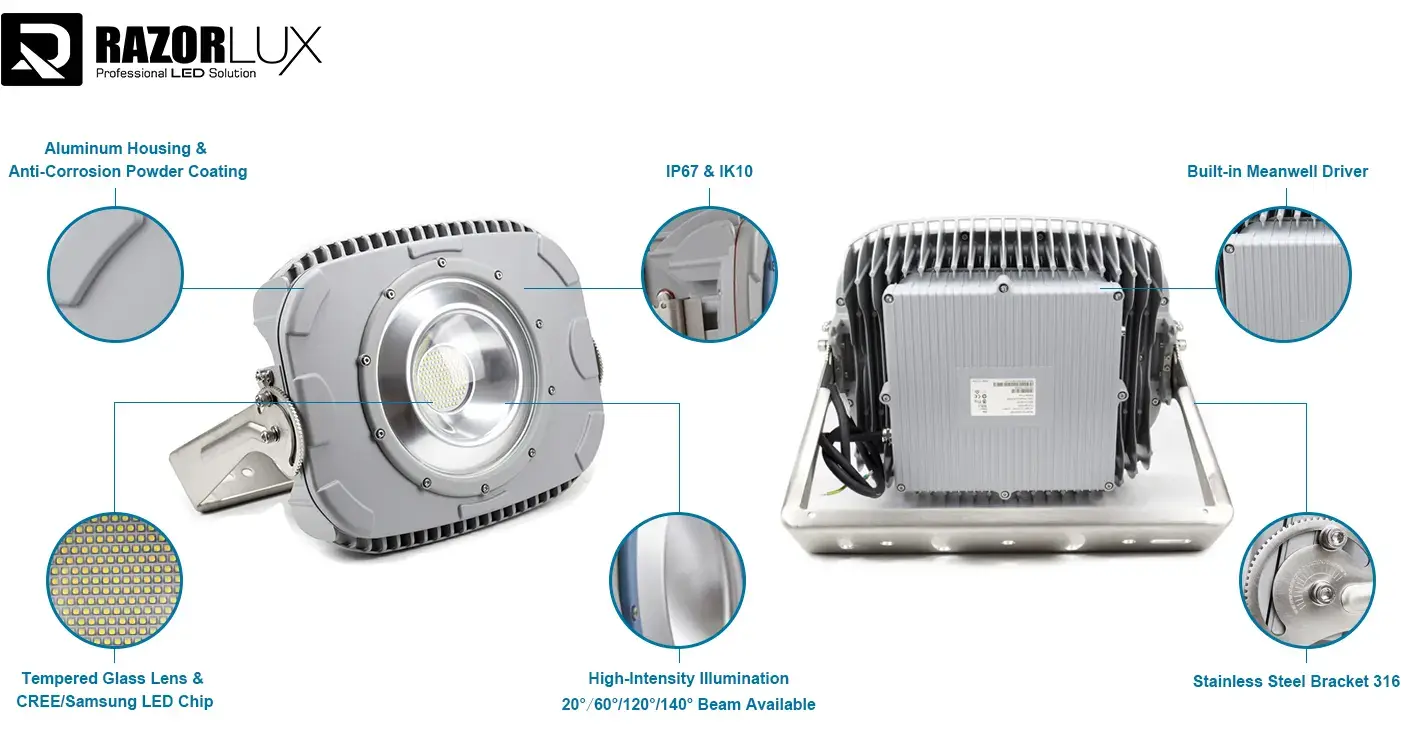
Outdoor sports lighting operates in challenging environmental conditions that demand robust construction. Ingress Protection (IP) ratings define enclosure effectiveness against dust and moisture intrusion. IP65-rated fixtures resist low-pressure water jets from any direction, suitable for most tennis installations. IP67 certification indicates submersion resistance up to one meter for 30 minutes, providing additional security for coastal facilities or regions experiencing severe weather events. Impact resistance ratings matter equally for sports applications where equipment or balls may strike fixtures. IK10 classification—the highest standard—indicates the housing withstands 20 joules of impact energy, equivalent to a 5kg mass dropped from 40cm. This protection guards against accidental pole impacts, hail damage, and other mechanical stresses common in active sports environments. Material selection influences long-term durability and corrosion resistance. Marine-grade aluminum alloy housings treated with powder coating provide excellent protection against oxidation in humid or salt-air environments. Stainless steel brackets and mounting hardware prevent rust formation at connection points, maintaining structural integrity throughout extended service lives. Tempered glass or polycarbonate lenses resist UV degradation while maintaining optical clarity across decades of sun exposure and temperature cycling.
Beam Distribution and Optical Control
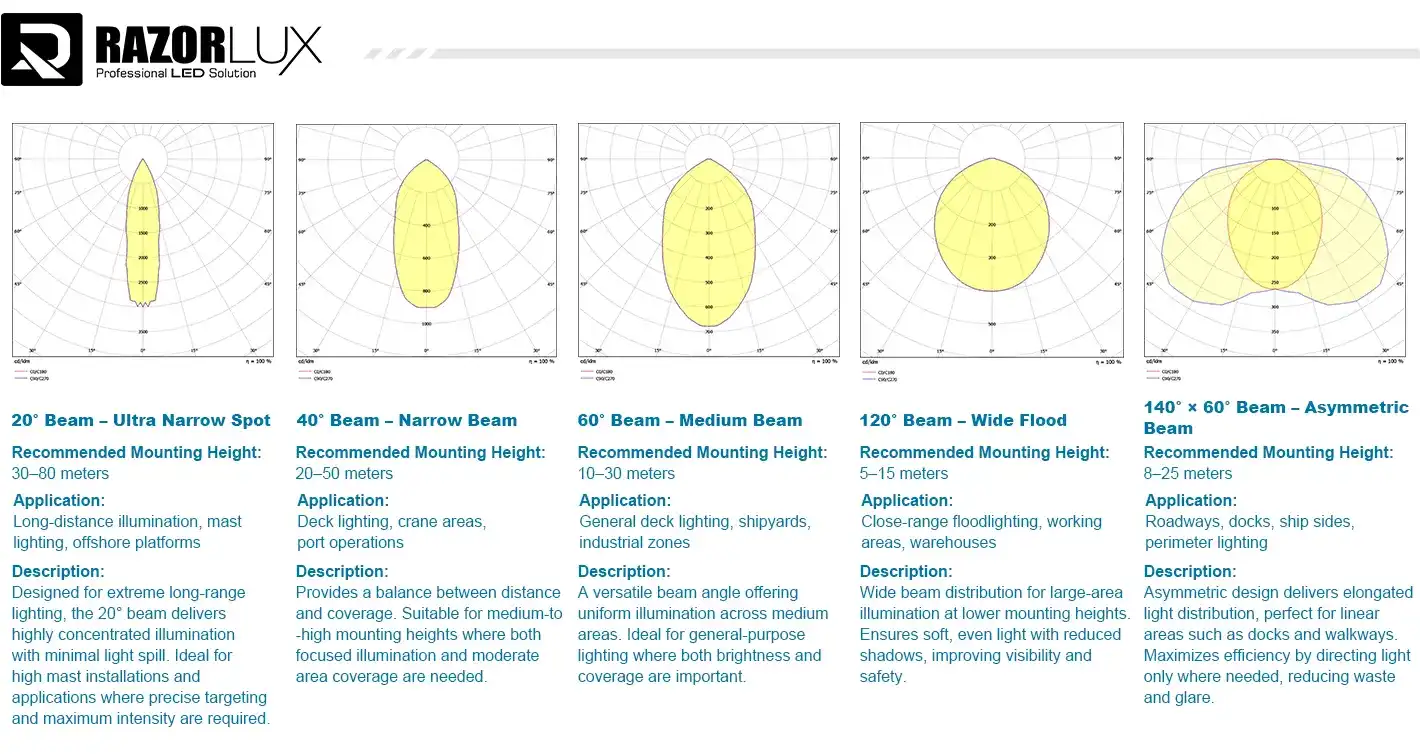
Precise light distribution separates professional sports lighting from generic flood lights. Asymmetric optics redirect luminous flux at controlled angles, placing light where players need it while minimizing wasted uplight that contributes to sky glow. A 140°×60° asymmetric pattern, for instance, spreads illumination along the court's length while limiting vertical spread, allowing fixtures mounted outside the court boundary to effectively illuminate playing surfaces without excessive glare. Beam angle options accommodate different mounting configurations and court layouts. Narrow 40° beams concentrate light for high-mounting applications where poles stand 30-40 feet tall, projecting illumination across greater distances. Medium 60° distributions suit standard 20-25 foot pole heights common at recreational facilities. Wide 120° patterns work for lower mounting points or when covering multiple adjacent courts from central pole locations. Glare control proves essential for player comfort and performance. Quality LED sports lights incorporate shields, louvers, or optical cutoffs that direct light downward onto playing surfaces while blocking direct viewing angles from court level. This prevents the disorientation that occurs when players look upward to track lobs or serves and encounter unshielded light sources—a common complaint with poorly designed traditional lighting installations.
Control Systems and Smart Functionality
Modern LED technology integrates seamlessly with intelligent control systems that enhance operational flexibility. 0-10V analog dimming allows gradual intensity adjustment from 100% down to 10% output, enabling facilities to reduce lighting levels during practice sessions or warm-up periods, extending equipment life while saving energy. DALI (Digital Addressable Lighting Interface) protocols provide individual fixture control and monitoring, supporting sophisticated scheduling and maintenance alert systems. Automation capabilities reduce operational burden and energy waste. Photocell sensors detect ambient light levels and prevent daytime operation, while integrated timers ensure lights extinguish automatically after scheduled play periods end. Motion detection can activate lighting when players arrive and dim or shut off fixtures after detecting prolonged inactivity, optimizing energy consumption for facilities with unpredictable usage patterns. Wireless controls via smartphone apps or facility management systems put lighting authority in operators' hands without requiring physical access to electrical panels or pole-mounted fixtures. Cloud-connected systems enable remote monitoring of energy consumption, runtime hours, and performance metrics, supporting data-driven maintenance decisions and utility cost tracking across multi-site facility portfolios.
Procurement and Installation Considerations
Certification Requirements and Compliance Standards
Tennis Court Led Flood Lights Professional procurement demands thorough verification of product certifications that ensure safety, performance, and regulatory compliance. CE marking indicates conformity with European Union health, safety, and environmental protection standards—essential for manufacturers serving international markets. UL listing demonstrates products have passed Underwriters Laboratories' rigorous safety testing protocols required for North American installations.DLC (DesignLights Consortium) Premium certification qualifies LED products for utility rebate programs throughout the United States and Canada, potentially offsetting 20-30% of installation costs through available incentives. This third-party verification also confirms minimum performance thresholds for efficacy (lumens per watt), color rendering, and operational lifespan that protect buyers from substandard products making exaggerated claims. Additional certifications relevant to specific applications include SAA approval for Australian and New Zealand markets, RoHS compliance confirming restriction of hazardous substances in manufacturing, and ISO 9001 certification demonstrating manufacturers maintain quality management systems. Marine applications may require classification society approvals from organizations like DNV-GL or ABS, though these typically apply more to shipboard installations than land-based tennis facilities.
Evaluating Manufacturers and Suppliers
Supplier selection significantly impacts project outcomes and long-term satisfaction. Established manufacturers with decades of LED experience bring proven expertise to product design, thermal management, and optical engineering that newer market entrants cannot match. Xi'an Razorlux Optoelectronic Technology Co., Ltd., founded in 1998, exemplifies this depth of knowledge, holding over 200 patents covering LED Packaging, power control systems, and structural innovations refined across 25+ years of manufacturing excellence. Component quality differentiates premium systems from budget alternatives. Reputable brands specify LED chips from recognized manufacturers like Samsung, Lumileds, or Cree—providing documented performance data and lumen maintenance projections. Driver specifications matter equally; Mean Well power supplies represent industry-leading reliability with low failure rates and comprehensive protection features. Procurement specifications should explicitly require disclosure of LED and driver brands rather than accepting vague "imported chips" claims. Here are the critical evaluation criteria when comparing potential suppliers:
- Manufacturing Capacity: Established production facilities with dedicated LED assembly lines ensure consistent quality and reliable delivery schedules for bulk orders.
- Warranty Terms: Comprehensive coverage spanning 5-10 years demonstrates manufacturer confidence in product longevity and protects facility investments against premature failures.
- After-Sales Support: Technical assistance for installation questions, warranty claim processing, and replacement part availability prevents minor issues from escalating into prolonged downtime.
- Customization Capabilities: Flexible manufacturing, allowing beam angle modifications, voltage specifications, and mounting bracket variations, ensures products precisely match project requirements.
- Documentation Quality: Complete technical specifications, photometric reports (IES files), installation manuals, and certification copies support engineering review processes and inspector approvals.
Established suppliers maintain these capabilities as standard business practices rather than exceptional accommodations, streamlining procurement processes and reducing project risk.
Installation Planning and Best Practices
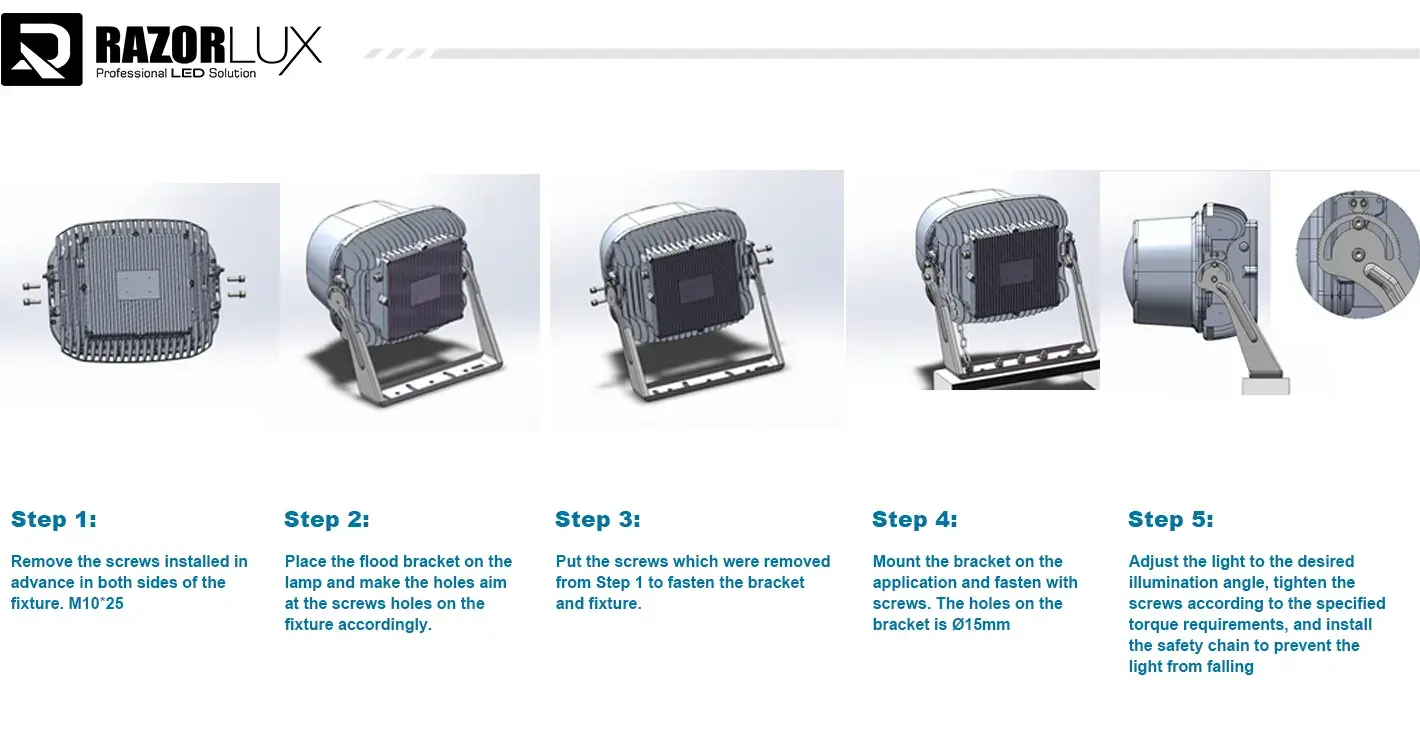
Proper installation maximizes lighting system performance and longevity. Site surveys should document existing infrastructure, including pole locations, heights, conditions, and electrical service capacity. Photometric modeling using manufacturer-provided IES files predicts illumination patterns, identifies optimal fixture placement, and verifies designs meet target lux levels and uniformity ratios before equipment purchases. Electrical considerations include verifying supply voltage compatibility—quality LED systems accommodate wide input ranges (110-480Vac) without requiring additional transformers, simplifying installations and eliminating potential failure points. Circuit protection must account for LED power draws rather than oversizing based on traditional lighting loads. Surge protection devices rated for 10kV-20kV guard against transient voltage spikes common in outdoor installations, particularly relevant for tennis facilities in open locations susceptible to lightning activity. Mounting hardware integrity directly impacts safety and performance. Stainless steel brackets resist corrosion while providing secure fixture attachment capable of withstanding wind loads. Pole-mounted installations must calculate effective projected area (EPA) and confirm existing structures can support new fixture weights and wind resistance without exceeding design loads. Professional installation teams ensure proper grounding, weatherproof electrical connections, and correct aim angles that place illumination patterns precisely on court surfaces.
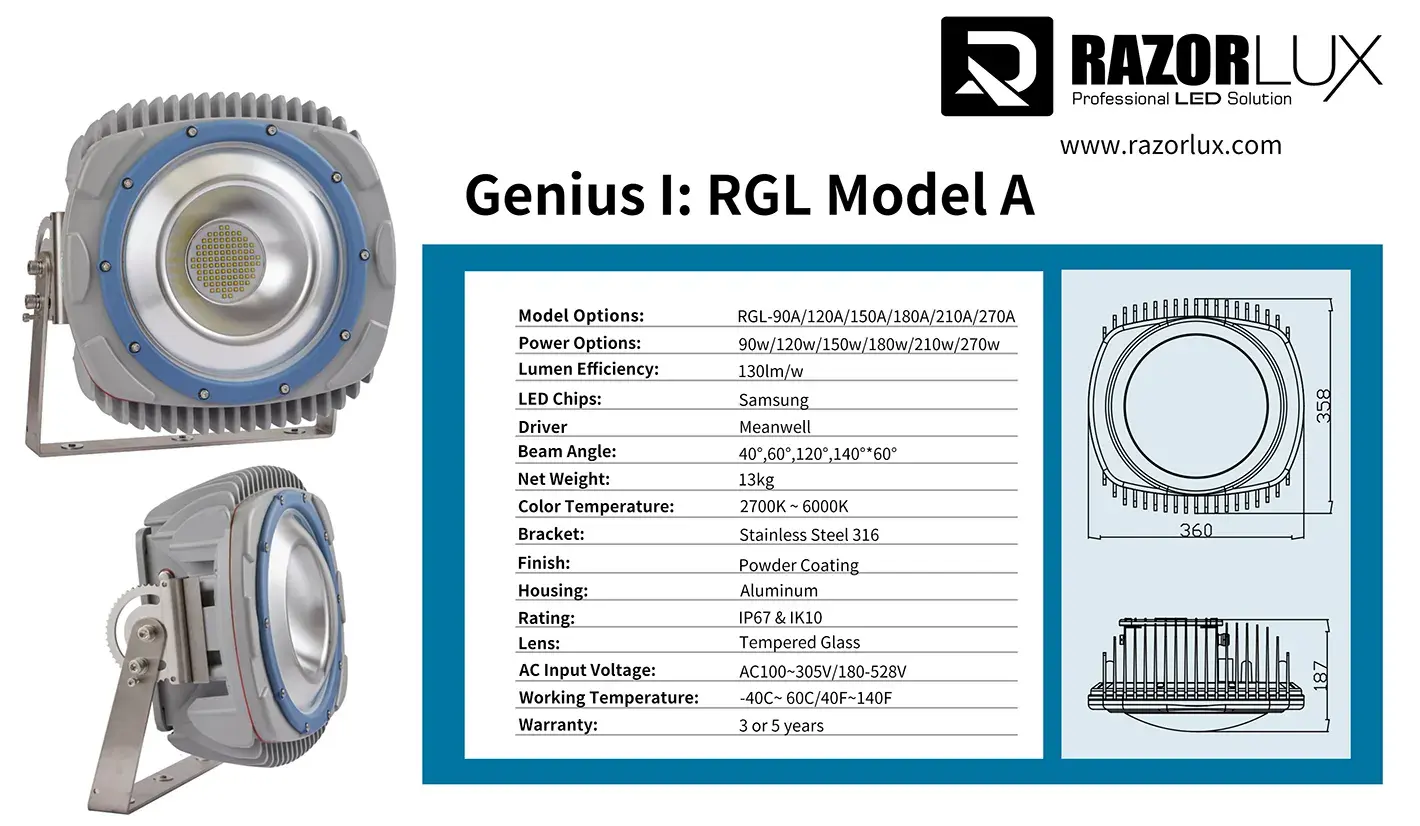
Technical Specifications: Razorlux RGL2-400A Performance Data
| Parameter | Specification | Benefit |
|---|---|---|
| Rated Power | 400W (360W LED + 40W Driver) | Replaces 800-1000W metal halide fixtures |
| Input Voltage | AC110-480V / DC100-800V | Universal compatibility without additional adapters |
| Luminous Efficacy | 130 lm/W | Delivers 52,000 lumens with exceptional efficiency |
| Color Temperature | 2700K-6500K (customizable) | Matches specific visibility preferences and standards |
| Color Rendering | CRI ≥Ra75 (Ra80/Ra90 available) | Accurate color perception for balls and court markings |
| Beam Angle Options | 40°, 60°, 120°, 140°×60° | Precise optical control for diverse court configurations |
| Environmental Protection | IP67 / IK10 | Submersion-resistant and impact-proof construction |
The RGL2-400A model from Razorlux incorporates patented multi-function design elements suitable for diverse working environments beyond tennis courts, including marine decks, industrial zones, and outdoor recreational facilities. This versatility stems from robust engineering that addresses the demanding requirements of shipyard purchasing managers and marine equipment integrators who specify lighting capable of withstanding salt spray, vibration, and temperature extremes. Mean Well driver technology ensures reliable power delivery with exceptional power factor correction and harmonic distortion control, protecting facility electrical systems while maximizing energy efficiency. The wide input voltage range eliminates compatibility concerns across international markets and specialty power systems, whether facilities operate on standard 120V North American circuits, 230V European supplies, or high-voltage industrial distribution networks.
Real-World Applications and Performance Validation
Documented Tennis Facility Retrofits
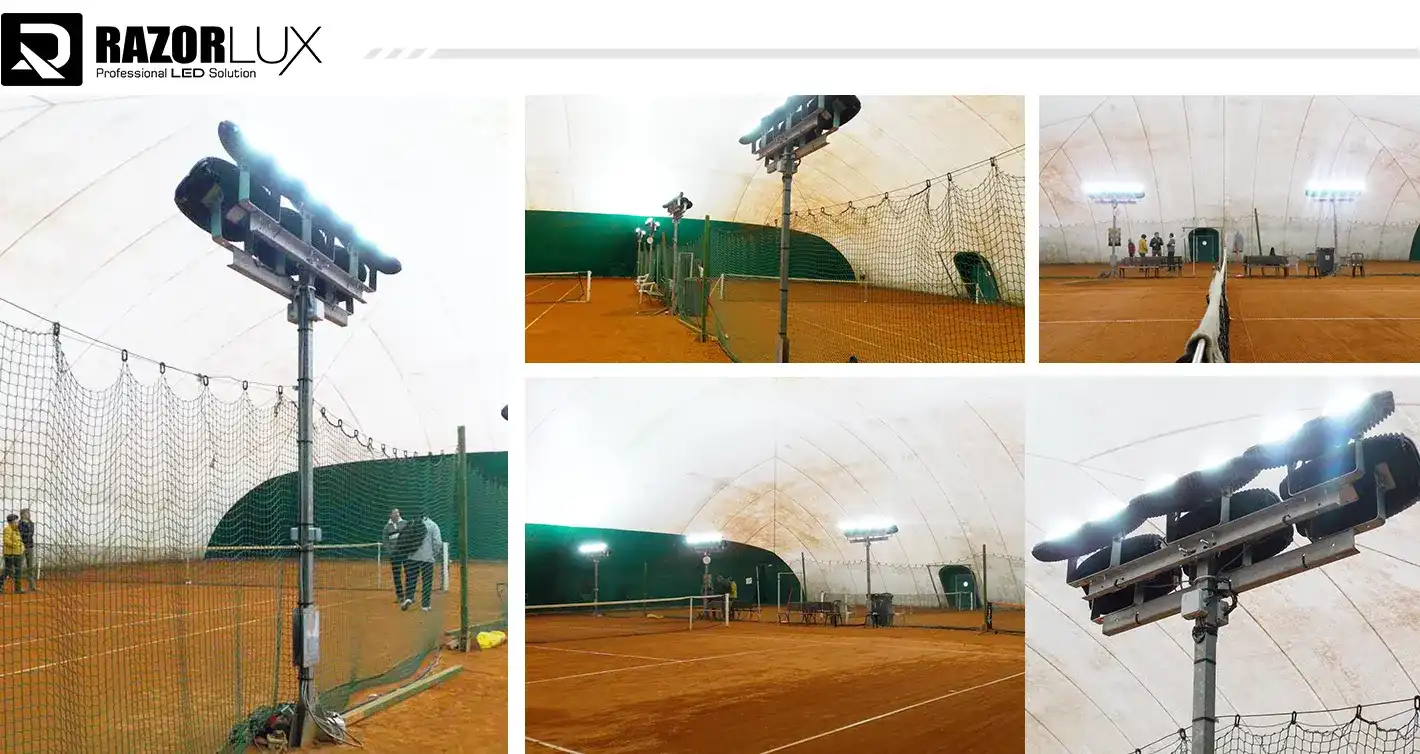
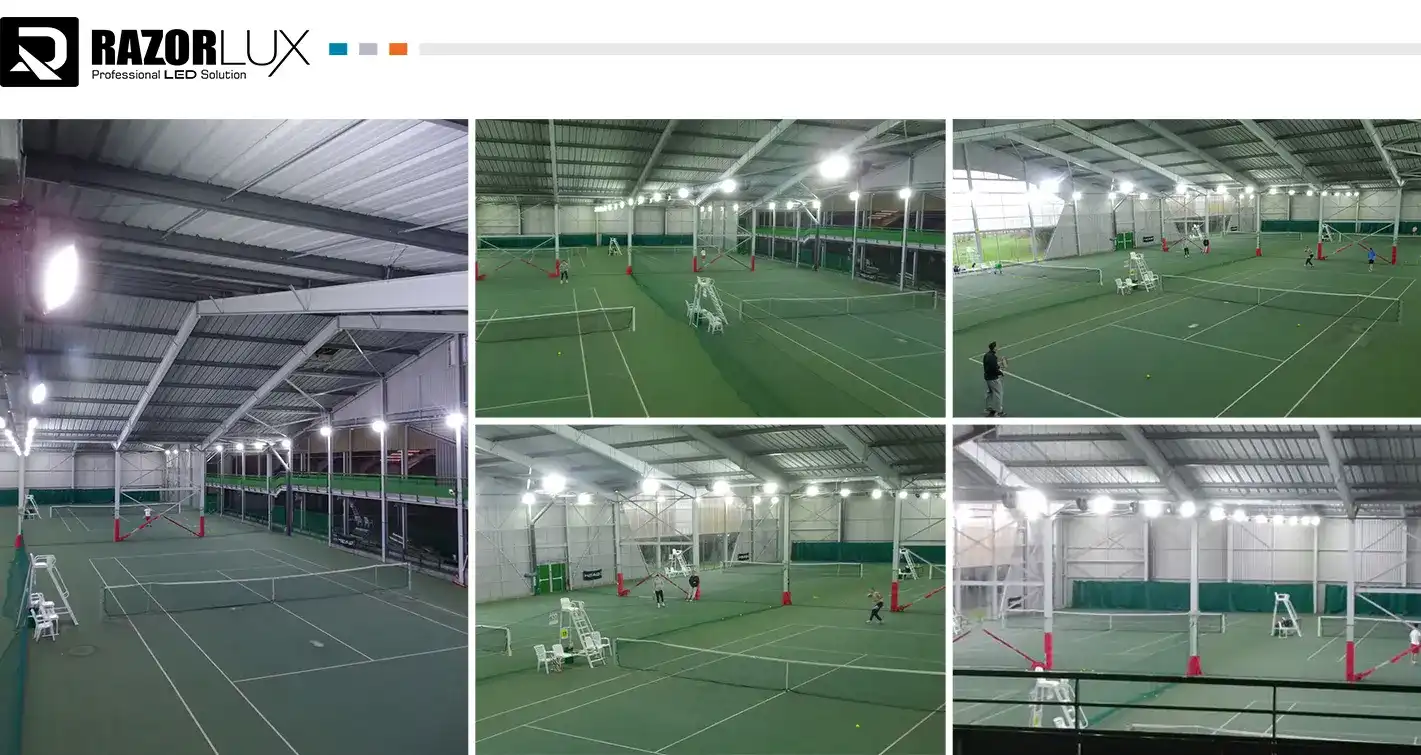
Tennis Court Led Flood Lights. Empirical case studies from completed installations demonstrate measurable benefits of LED conversion. A municipal sports complex in Queensland, Australia, retrofitted six outdoor tennis courts previously lit by 36 × 1000W metal halide fixtures. The LED replacement utilized 36 × 400W units, reducing total connected load from 36kW to 14.4kW—a 60% decrease. Annual operating hours of 2,400 resulted in 51,840 kWh energy savings valued at approximately AUD $7,800 based on local commercial electricity rates. Beyond energy metrics, the facility documented operational improvements, including the elimination of 10-15 minute warm-up delays that previously frustrated players arriving for reserved court times. Maintenance staff reported zero lighting-related service calls during the first 18 months post-installation compared to 12-15 annual lamp or ballast replacements under the previous system. Player satisfaction surveys indicated 87% of respondents perceived improved visibility, with particular appreciation for consistent illumination levels that no longer dimmed as fixtures aged. A private tennis club in Norway faced unique challenges with extreme temperature variations and coastal salt exposure deteriorating traditional lighting fixtures. LED replacements specified IP67-rated enclosures with marine-grade aluminum housings and stainless steel hardware. Three years after installation, the club documented zero corrosion issues and maintained 98% of initial lumen output, validating LED technology's suitability for harsh environmental conditions that severely limited traditional fixture lifespans.
Comparative Performance Analysis
Side-by-side measurements quantify LED advantages over conventional technologies. Independent photometric testing of a standard 400W LED flood light versus a 1000W metal halide fixture revealed illumination patterns with superior uniformity ratios. The LED system achieved minimum-to-average uniformity of 0.72 compared to 0.54 for the metal halide installation—translating to fewer shadows and more consistent playing conditions across court surfaces. Spectral analysis demonstrated LED color consistency advantages. Metal halide lamps exhibited color temperature shifts from 4200K when new to 3400K after 5,000 operating hours as phosphor coatings degraded. LED fixtures maintained a stable 5700K output throughout testing periods exceeding 10,000 hours, ensuring visual conditions remained consistent throughout their service lives without requiring periodic group relamping to restore color uniformity. Power quality measurements confirmed LED systems' minimal grid impact. Metal halide installations typically exhibited power factors of 0.85-0.88 despite correction capacitors, while LED drivers achieved 0.98+ power factors, reducing reactive power draw. Total harmonic distortion measured <8% for quality LED systems versus 20-25% for magnetic ballast metal halide fixtures, demonstrating LED technology's cleaner electrical characteristics.
Long-Term Reliability Tracking
Extended monitoring of LED sports lighting installations provides confidence in projected lifespan claims. A university athletic complex that converted 24 tennis courts to LED technology in 2015 has documented performance through 18,000+ operating hours with less than 2% lumen depreciation based on annual photometric measurements. Extrapolating this degradation curve projects L70 performance (70% of initial output) exceeding 90,000 hours—validating manufacturer claims and supporting lifecycle cost modeling. Failure rate tracking demonstrates LED reliability advantages. The same university facility recorded three driver failures among 144 installed fixtures over eight years—a 2.1% component failure rate. Warranty replacements resolved these incidents at no cost to the facility. By contrast, the previously installed metal halide system averaged 28 lamp failures and 11 ballast failures annually across the same 144 fixtures, requiring constant maintenance attention and consuming significant labor and material budgets. Environmental performance monitoring confirmed LED systems' temperature resilience. Fixtures operating in desert climates regularly exposed to 45°C (113°F) ambient temperatures maintained normal operation without thermal shutdowns or accelerated degradation. Similarly, installations in Scandinavian locations experiencing -30°C (-22°F) winter conditions continued functioning reliably, demonstrating LED technology's superiority over metal halide lamps that often failed to ignite in extreme cold without supplementary heating systems.
Conclusion
Tennis Court Led Flood Lights: the unambiguous choice for modern tennis court illumination, delivering substantial performance advantages across energy efficiency, operational costs, lighting quality, and maintenance requirements. The technology provides superior illumination uniformity, color rendering, and instant-on capability that enhances player experience while eliminating the warm-up delays, frequent maintenance, and high energy consumption inherent to metal halide and high-pressure sodium systems. With documented energy savings of 60-70%, operational lifespans exceeding 50,000 hours, and proven reliability in extreme environmental conditions, LED technology offers compelling return on investment that rapidly offsets higher initial equipment costs through reduced utility bills and virtually eliminated maintenance expenses for tennis facilities worldwide.
FAQ
What lux level do tennis courts require?
Recreational tennis courts typically need 200-300 lux for casual play. Club-level facilities hosting league matches should provide 500 lux, while professional tournament venues require 750-1000+ lux to support competitive play and broadcast requirements. Uniformity ratios (minimum to average illumination) should not exceed 1:2 to ensure consistent visibility across the entire court surface without dark spots or shadows that interfere with ball tracking.
Can LED fixtures replace existing metal halide systems without changing poles?
Retrofitting existing poles with LED fixtures is usually feasible and cost-effective. A 400W LED system provides equivalent or superior illumination to a 1000W metal halide fixture, making direct replacement practical. However, wind load calculations remain essential because fixture profiles affect the effective projected area (EPA) that poles must support. Consult with qualified engineers to verify that existing pole structures can safely accommodate new LED fixtures' wind resistance characteristics before proceeding with retrofits.
How do LED tennis court lights perform in extreme weather?
Quality LED sports lighting with IP67 ratings and IK10 impact resistance operates reliably across temperature ranges from -40°C to 60°C (-40°F to 140°F). Marine-grade aluminum housings with powder coating and stainless steel hardware resist corrosion in coastal environments with salt spray exposure. LED technology eliminates ignition problems that plague metal halide lamps in extreme cold and avoids thermal failures common with high-intensity discharge lighting in excessive heat, making LEDs the superior choice for facilities experiencing harsh climate conditions.
Partner With Razorlux for Professional Tennis Court LED Flood Lights
Razorlux stands ready to support your tennis facility lighting projects with industry-leading expertise and proven LED technology. As an established Tennis Court Led Flood Lights manufacturer since 1998, we deliver comprehensive solutions backed by over 200 patents and global certifications, including CE, UL, DLC, and RoHS compliance. Our RGL2-400A model provides 52,000 lumens at 130 lm/W efficiency with IP67 weatherproofing and Mean Well driver reliability, replacing 800-1000W metal halide fixtures while reducing energy consumption by 60%. Contact our technical team at sam@razorlux.com for photometric analysis, customized quotations, and sample evaluation programs that demonstrate the Razorlux performance advantage for your specific tennis court requirements.
References
1. Illuminating Engineering Society (IES). "Recommended Practice for Sports and Recreational Area Lighting." ANSI/IES RP-6-15, 2015.
2. International Tennis Federation. "ITF Artificial Lighting Guidelines for Tennis Facilities." Technical Commission Report, 2018.
3. U.S. Department of Energy. "LED Sports Lighting: Energy Savings and Performance Benefits." Solid-State Lighting Program Report, 2019.
4. International Dark-Sky Association. "Outdoor Sports Lighting: Best Practices for Reducing Light Pollution." Technical Publications Series, 2020.
5. National Electrical Manufacturers Association (NEMA). "High Intensity Discharge to LED Sports Lighting Conversion Guide." NEMA SSL 8-2017.
6. European Committee for Standardization. "Light and Lighting - Sports Lighting." EN 12193:2018 Standard.
 VIEW MOREled lights for garage workshop
 VIEW MOREathletic field lighting
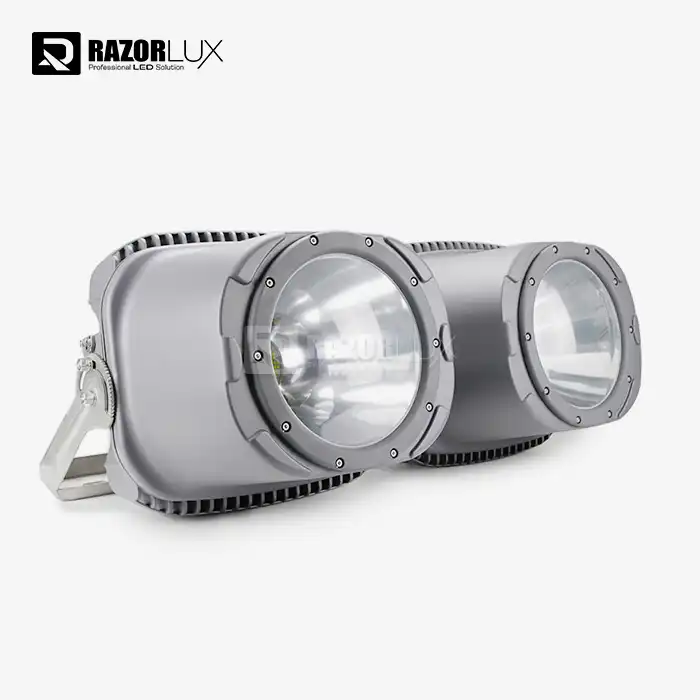 VIEW MOREDimmable Outdoor Led Flood Lights
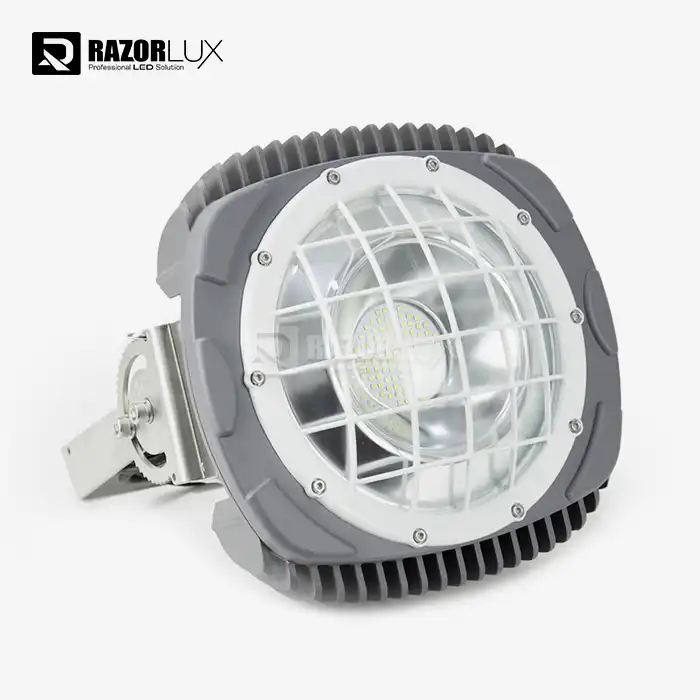 VIEW MORELed Crane Light
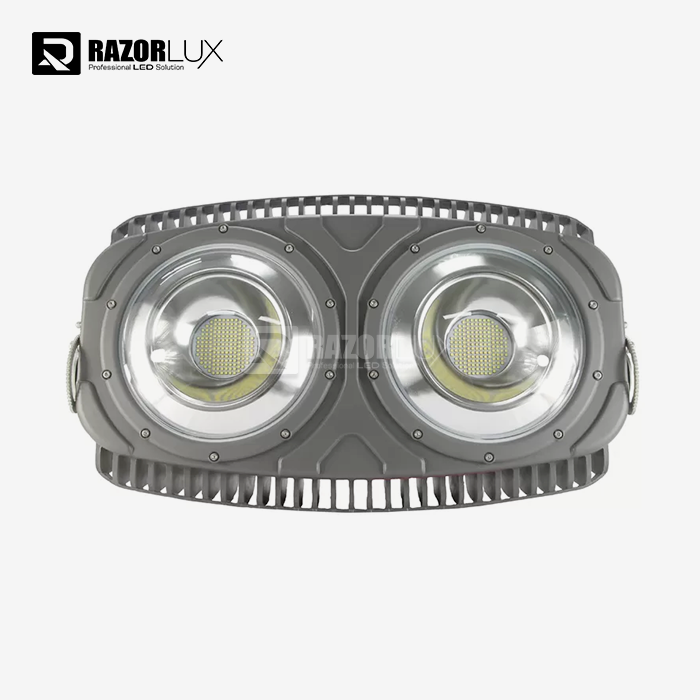 VIEW MORE800w Powerful Marine LED Flood Light Wireless Control Boat Bow Lights
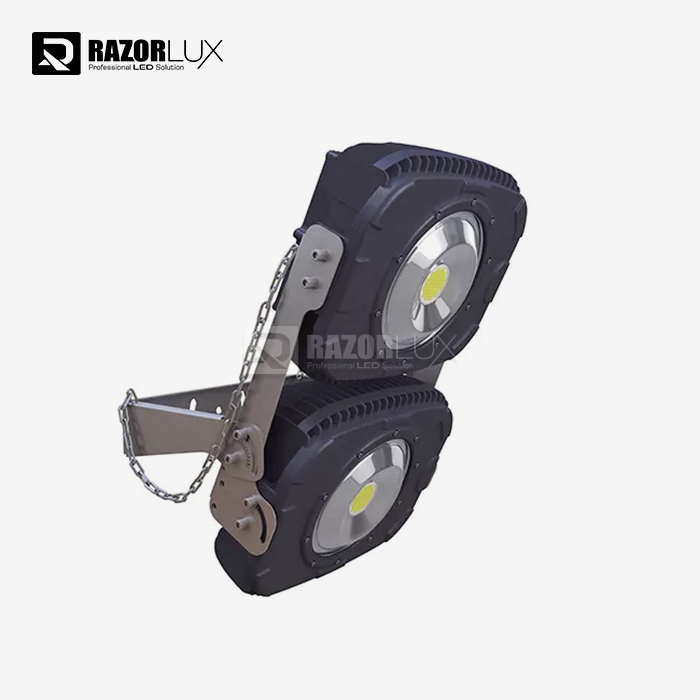 VIEW MOREHigh Safety 1400w Led Sports Ground Floodlights IP67 High Lumen Led Flood Light
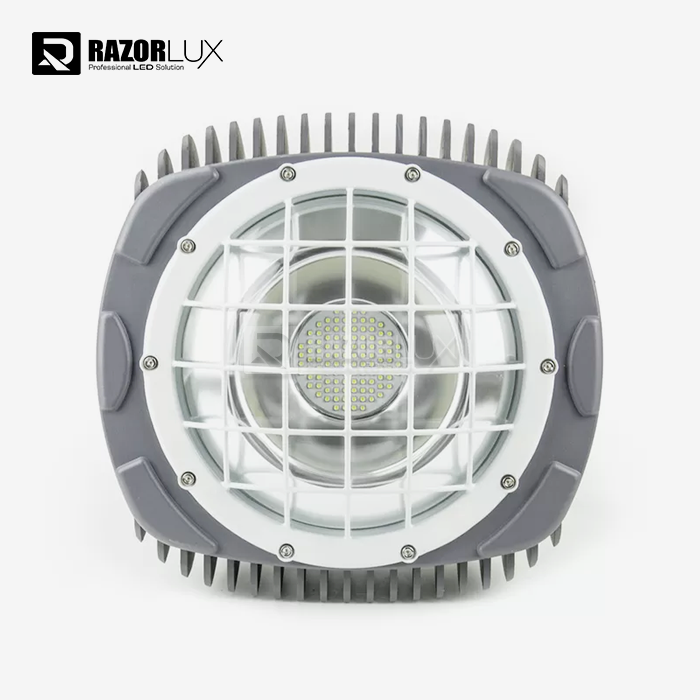 VIEW MORELED softball field lighting high mast flood light systems
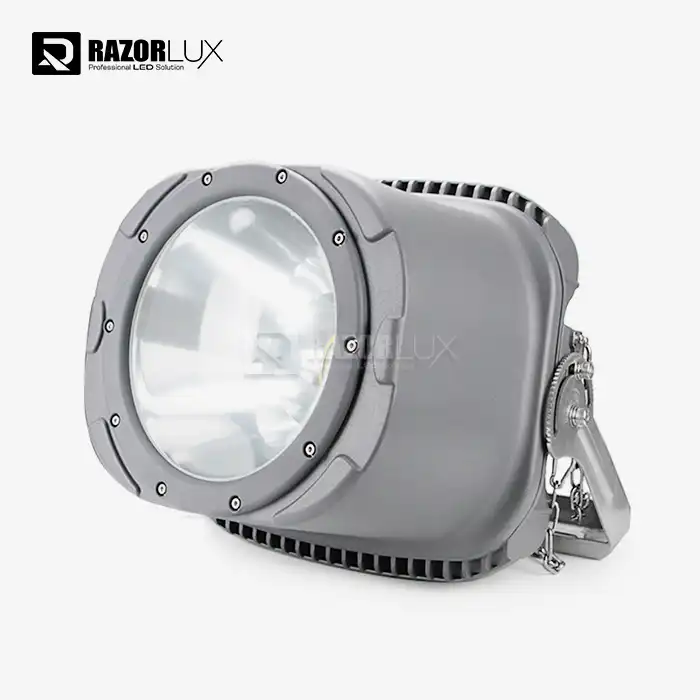 VIEW MOREDimmable Indoor Flood Lights