

_1750326878398.png)

Top Crane Boom Lights for Industrial Safety & Night Operations
When industrial operations extend beyond daylight hours, the critical importance of proper illumination cannot be overstated. Crane Boom Lights represent specialized lighting systems designed to enhance visibility, ensure worker safety, and maintain operational efficiency during night operations and low-light conditions. These sophisticated lighting solutions serve as essential safety equipment in demanding industrial environments, from construction sites to shipyards, where precision and visibility directly impact both productivity and worker welfare. Quality lighting solutions minimize workplace hazards while supporting compliance with stringent industrial safety standards that govern operations across maritime, offshore, and heavy industrial sectors. The evolution of industrial lighting technology has transformed how we approach safety in crane operations. Modern LED-based systems deliver unprecedented performance levels while addressing the unique challenges faced by procurement professionals, engineers, and facility managers who must balance operational requirements with budget constraints. Understanding the technical specifications, installation requirements, and long-term benefits of these lighting systems enables informed decision-making that protects both personnel and equipment investments.
Understanding Crane Boom Lights and Their Role in Industrial Safety
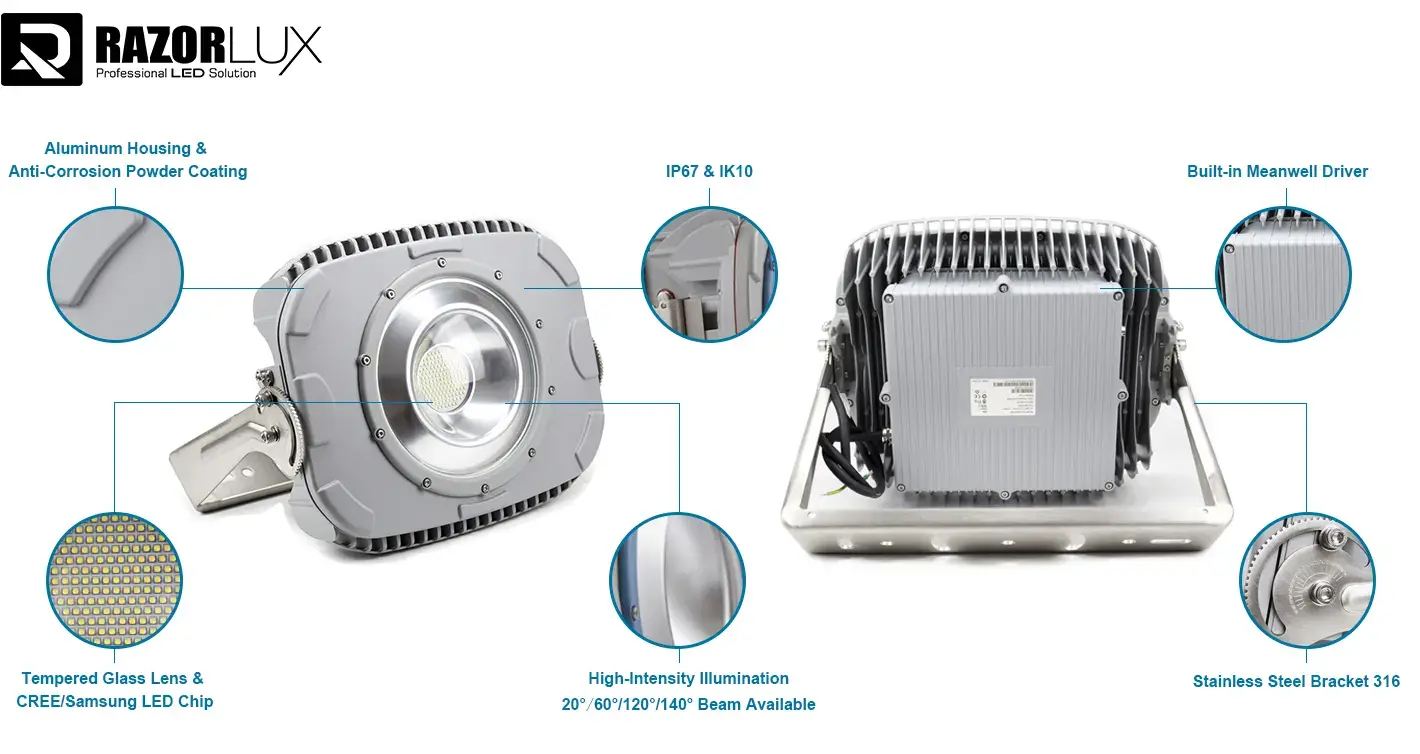
Industrial safety lighting encompasses specialized illumination systems engineered to provide reliable visibility in challenging operational environments. These lighting solutions differ significantly from conventional illumination systems, incorporating ruggedized construction, enhanced weatherproofing, and precise optical control to meet the demanding requirements of heavy-duty applications.
LED Technology Advantages in Industrial Applications
Compared to standard gas lights, LEDs use less energy, last longer, and are more durable, which has completely changed the way manufacturers light factories. Modern LED systems have luminous efficiency rates higher than 130 lm/W, which means they use a lot less energy and give off the same amount of light for their whole life. Because LED parts are solid-state, they don't have the filament instability problems that happen with halogen systems. This means they are better able to handle the shaking and shock that are common in industrial settings. Good LED designs can reliably work in temperatures ranging from -40°C to 60°C because they can handle heat well. This makes them suitable for harsh environments like ocean platforms, northern ports, and big industrial facilities. Modern LED systems have smart thermal safety circuits that keep the system running at its best while keeping it from getting damaged by too much heat.
Waterproof and Corrosion-Resistant Design Features
The salt spray, changing temperature, and acidic air conditions in marine and industrial settings make them very difficult to work in. Professional lighting systems have waterproof grades of IP67 and special processes that stop rust to make sure they work well in these tough circumstances. Marine-grade metal housings and attaching parts made of stainless steel make these products last a long time with little upkeep. Using advanced closing technologies and special gasket materials together completely blocks moisture from getting in, and coatings that don't rust keep important parts from being exposed to chemicals. These design features directly address the concerns raised by marine equipment installers and remote facility managers who need lighting systems that can last for years in tough environments without losing their effectiveness.
Top Crane Boom Lights for Night Operations: Features and Selection Criteria
Selecting appropriate lighting systems for crane operations requires careful evaluation of multiple performance parameters and operational requirements. For Crane Boom Lights, the most critical selection criteria include luminous output, beam control, environmental protection ratings, and compatibility with existing crane infrastructure.
Critical Performance Parameters and Specifications
| Parameter | Standard Requirement | Premium Performance | Impact on Operations |
|---|---|---|---|
| Luminous Efficacy | >100 lm/W | 130+ lm/W | Energy cost reduction |
| Environmental Protection | IP65 | IP67 | Enhanced durability |
| Operating Temperature | -20°C to 50°C | -40°C to 60°C | Extended application range |
| Impact Resistance | IK08 | IK10 | Improved damage resistance |
| Color Rendering Index | Ra>70 | Ra>75 | Better visibility quality |
Professional installations demand precise beam control to optimize illumination patterns while minimizing glare effects that can impair operator vision. Beam angles between 15° and 25° provide optimal coverage for most crane applications, delivering concentrated illumination where needed while preventing excessive light spillage that can create safety hazards in adjacent work areas.
Advanced Control and Integration Capabilities
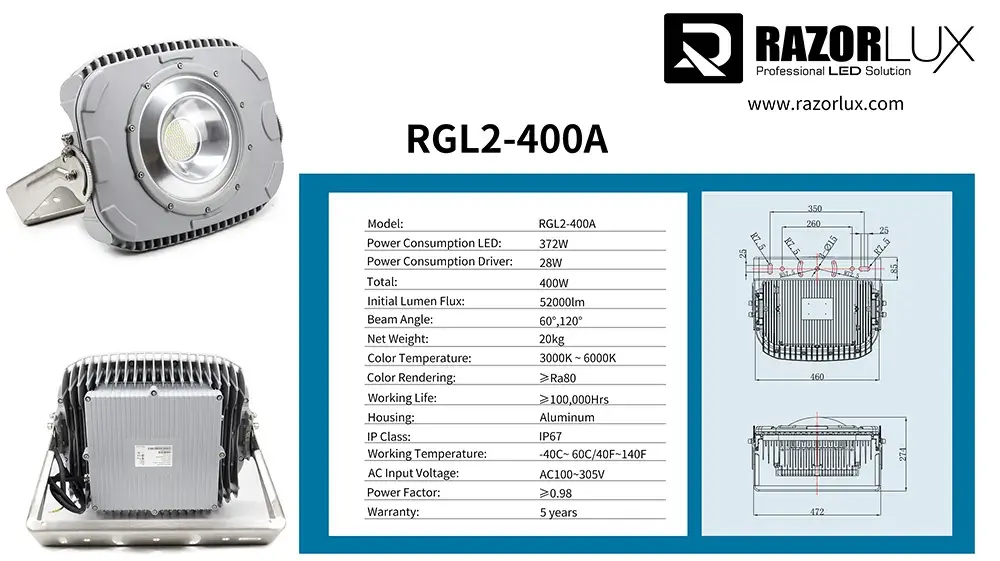
Controlling modern lighting systems is easier than ever, and the systems use less energy and are more flexible. The energy input runs from AC80V to 315V, which can work with a variety of power source setups found in international sites. The light output can also be changed based on the environment and operating needs. Intelligent power management systems make sure that the system works smoothly even when the voltage changes, which happens a lot in industrial power distribution networks. The light output stays the same, and the internal parts are protected from electrical stress. This helps the systems last longer, and under normal conditions, they can last over 50,000 hours.
Certification and Compliance Requirements
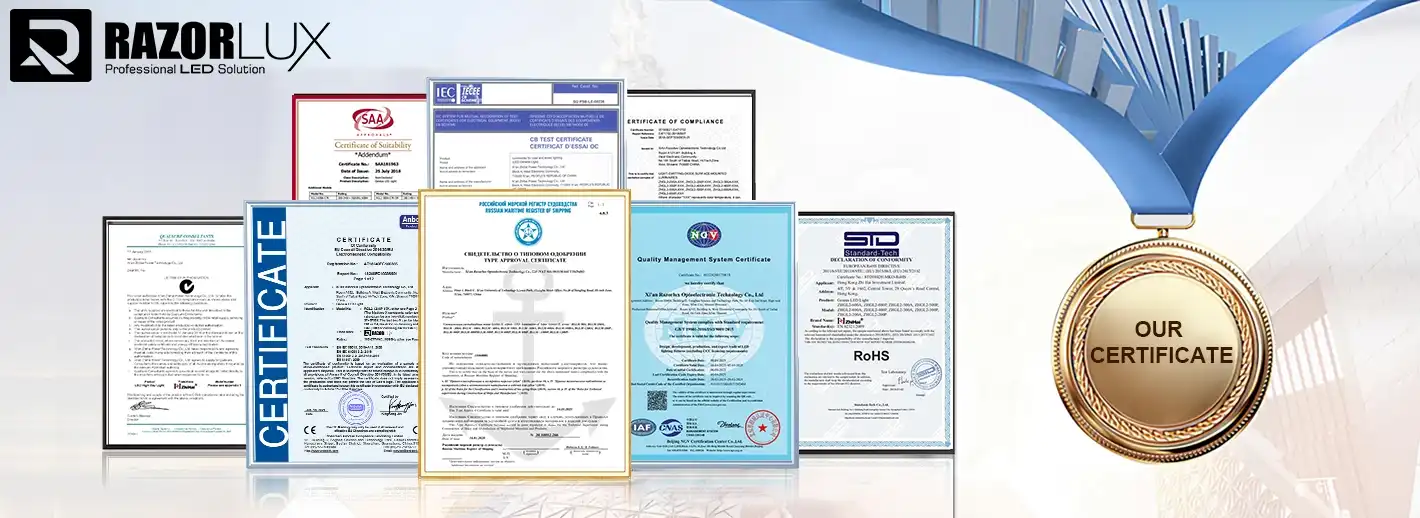
International guidelines for approval are very important when choosing tools for global industry projects. A wide range of certifications, such as CE, RoHS, UL, and marine classification society approvals, make sure that safety standards in the area are met and makes the project clearance process easier. These certificates show that strict testing methods were followed to confirm success in certain working and weather circumstances. It's impossible to say enough about how important it is to have the right license for things like insurance needs, following the rules, and guaranteeing coverage. Equipment with the right licenses gives project partners peace of mind and lowers the risk of liability that comes with setups that don't follow the rules.
Installation, Maintenance, and Safety Tips for Crane Boom Lights
Proper installation procedures ensure optimal performance and safety compliance while minimizing long-term maintenance requirements. Understanding the technical requirements and best practices for mounting, electrical connection, and ongoing maintenance enables successful project implementation and extended equipment life.
Mounting Solutions and Structural Considerations
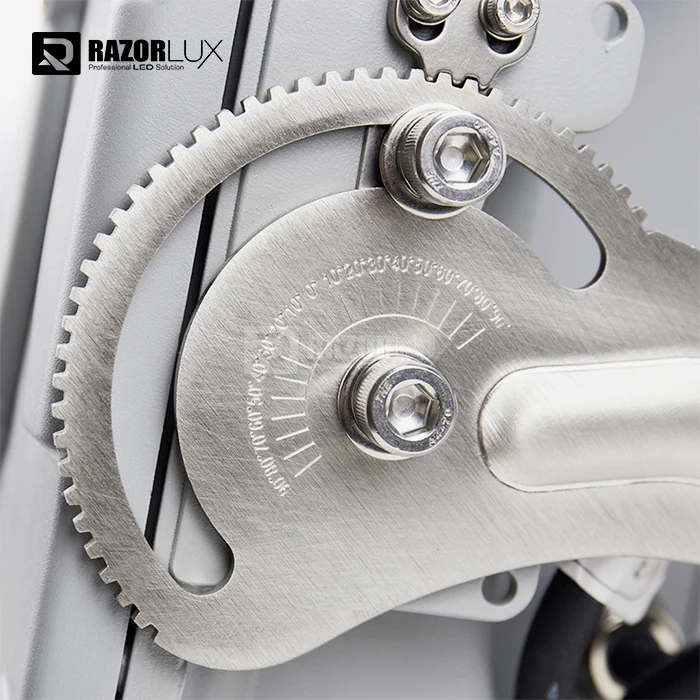
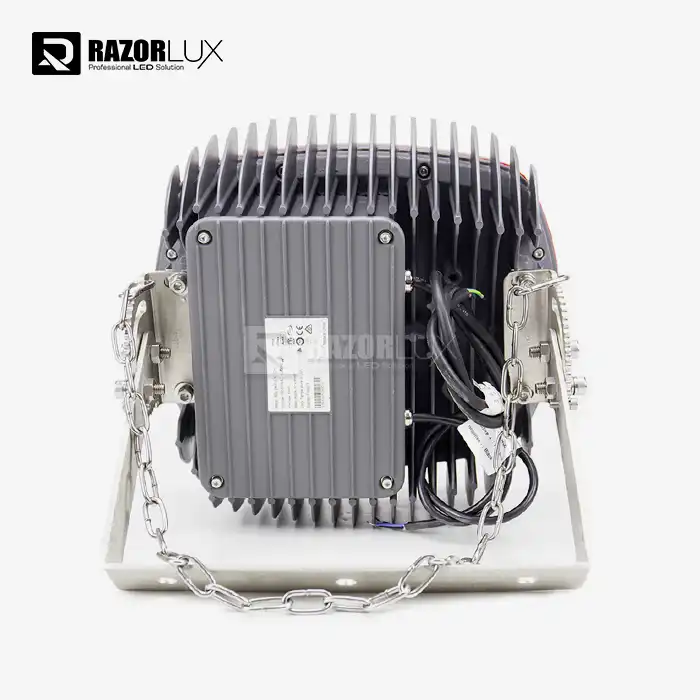
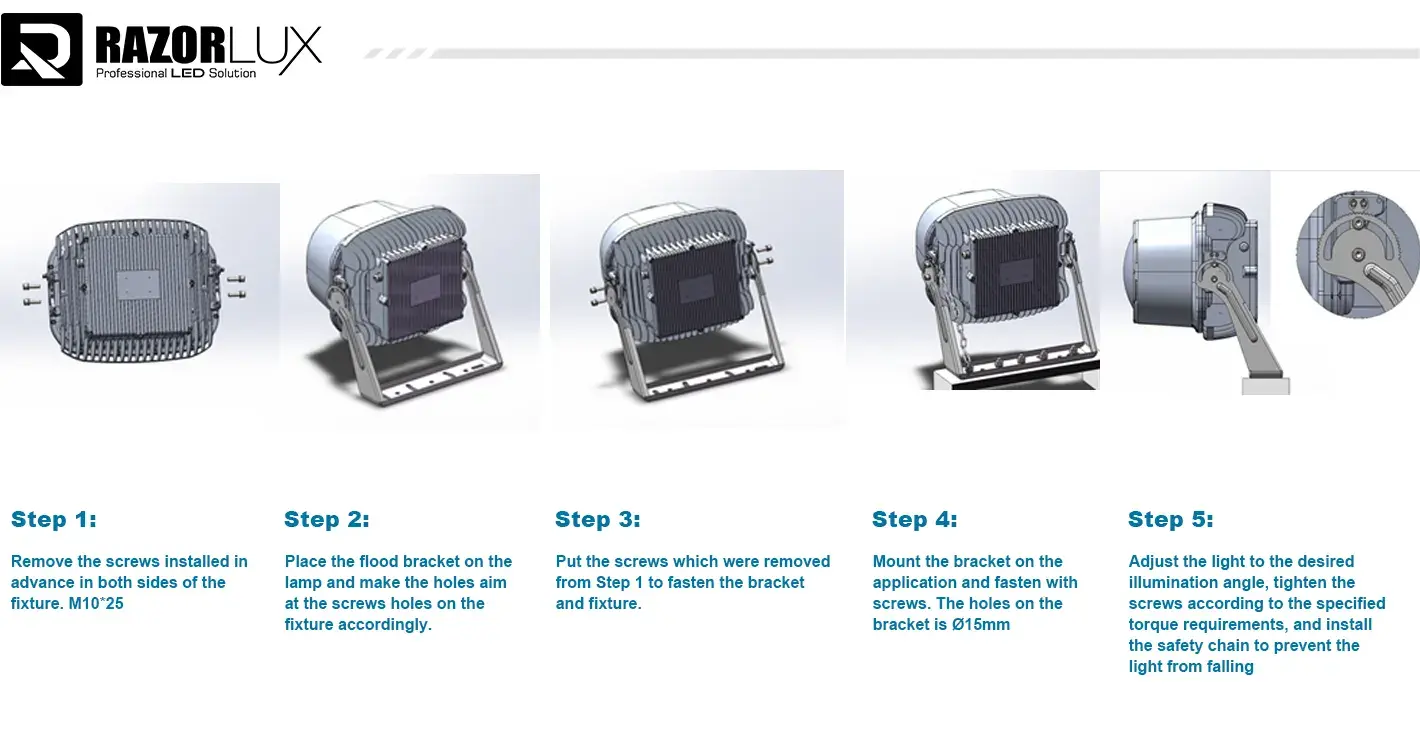
A very important safety factor in crane lighting systems is secure placement. Mounting clamps made of stainless steel don't rust and have the structural stability needed to handle the dynamic loads that come from moving cranes and the environment. When choosing the right attachment gear, you need to think about both the static weight loads and the dynamic forces that are created when the crane is in use. Professional setups use vibration-dampening parts that keep electrical connections from getting stressed out and parts from wearing out too quickly. To keep these systems from getting damaged by regular crane work, bending over and over, care must be taken with how the cables are routed and how they are relieved of stress. The right way to put lighting systems is to make sure they stay in place for the whole time they're working and keep the right lighting patterns.
Electrical Installation and Safety Protocols
Electrical systems have to follow the safety rules and electrical laws that apply to industry settings. Modern LED systems can accept a wide range of voltages, which makes installation easier and works with a variety of power source setups. But proper electrical security, such as the right circuit breakers and disconnect switches, is still needed to make sure that operations are safe and that repair workers can get to the equipment. It's especially important to have ground fault protection in coastal and wet areas, where electrical safety is very important. Professional systems use several levels of electrical protection and make sure that they can be easily accessed for regular inspections and upkeep that are needed by safety standards.
Preventive Maintenance and Inspection Procedures
Regular maintenance schedules extend equipment life while ensuring consistent performance levels for Crane Boom Lights. Inspection procedures should include visual examination of mounting hardware, electrical connections, and housing integrity to identify potential issues before they result in equipment failure or safety hazards.
Cleaning procedures must address the accumulation of salt deposits, industrial dust, and other contaminants that can reduce light output and accelerate corrosion processes. Gentle cleaning with appropriate solvents and protective coatings helps maintain optical performance while preserving protective finishes that prevent environmental damage.
Cost Considerations and Procurement Guidance for Crane Boom Lights
Procurement decisions require a comprehensive evaluation of initial equipment costs against long-term operational expenses and performance benefits. Understanding the total cost of ownership enables informed decision-making that optimizes both budget allocation and operational outcomes.
Investment Analysis and ROI Calculations
| Cost Factor | Traditional Halogen | LED Technology | Annual Savings |
|---|---|---|---|
| Energy Consumption (150W equivalent) | 400W | 150W | $875 (based on $0.12/kWh, 8760 hrs/year) |
| Lamp Replacement Frequency | Every 2,000 hrs | 50,000+ hrs | $1,200 annually |
| Maintenance Labor Hours | 24 hrs/year | 4 hrs/year | $800 (at $40/hr) |
| Total Annual Savings | - | - | $2,875 |
The superior energy efficiency of LED technology delivers immediate operational cost reductions while extended operational lifespans minimize replacement and maintenance expenses. These cost advantages become particularly significant in applications requiring continuous operation or installations where access for maintenance involves significant expense and safety considerations.
Supplier Evaluation and Quality Assurance
To make a good purchase, you need to carefully consider possible sellers based on their professional skills, quality control methods, and promises of long-term support. Established makers with a wide range of certifications and a track record of success in naval and industrial settings offer a greater guarantee of product stability and ongoing support. Environmental testing, temperature cycles, and earthquake resistance evaluation are all quality assurance steps that make sure goods meet performance standards in real-world settings. Suppliers who provide thorough test records and certifications show that they care about quality, which leads to reliable performance in the field. Important things to consider when choosing a provider are professional help, guaranteed coverage, and new parts that are available. Comprehensive support programs, such as installation instructions, fixing help, and quick responses to technical questions, are very important for the success of projects and the ongoing speed of operations.
Procurement Strategies and Volume Considerations
Strategic methods for buying things can save you a lot of money and make sure that you always have the products you need for ongoing projects. The framework deals with qualified sellers keeping prices stable and giving customers priority access to goods during times of high demand, which happens a lot in the industrial and marine sectors. When you buy in bulk, you often get extra benefits like personalized goods, longer guarantee coverage, and special expert help that make the whole project more valuable. These setups are especially helpful for businesses that have more than one location or that are currently building things and need standard lighting solutions.
Razorlux: Premier Manufacturer of Industrial Crane Lighting Solutions
As a top maker of professional lighting solutions, Xi'an Razorlux Optoelectronic Technology Co., Ltd. has been serving the world's toughest industrial uses for over 20 years with top-notch engineering. Because we care about quality and new ideas, we have more than 200 patents for things like LED technology, power control systems, and new ways to build structures that help marine, offshore, and big industrial operations deal with their own problems.
Advanced Product Portfolio and Technical Capabilities
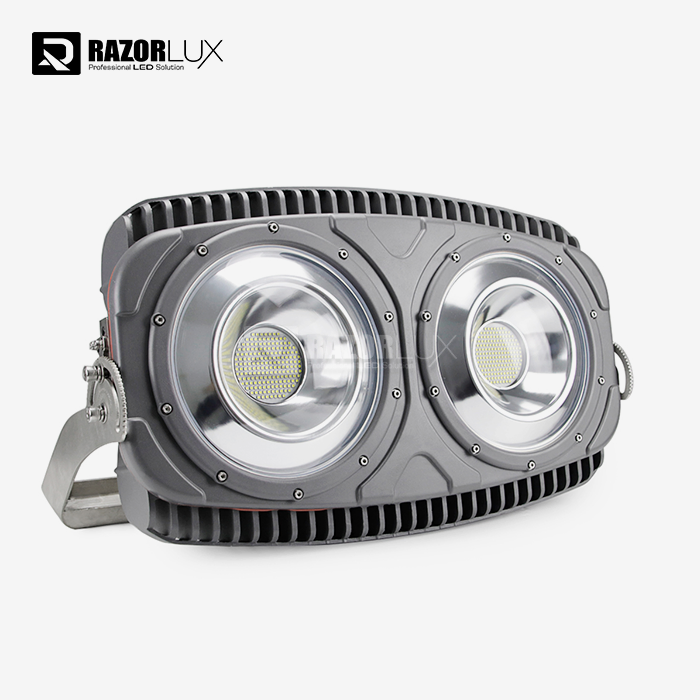
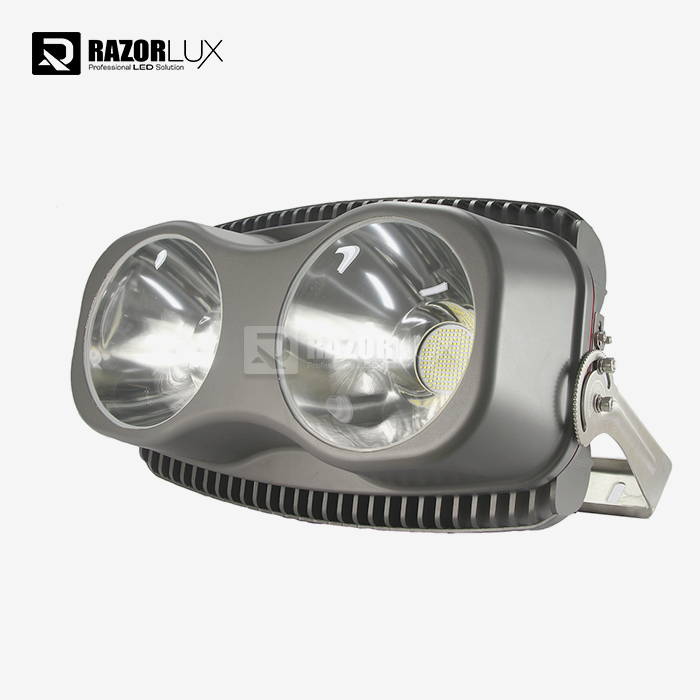
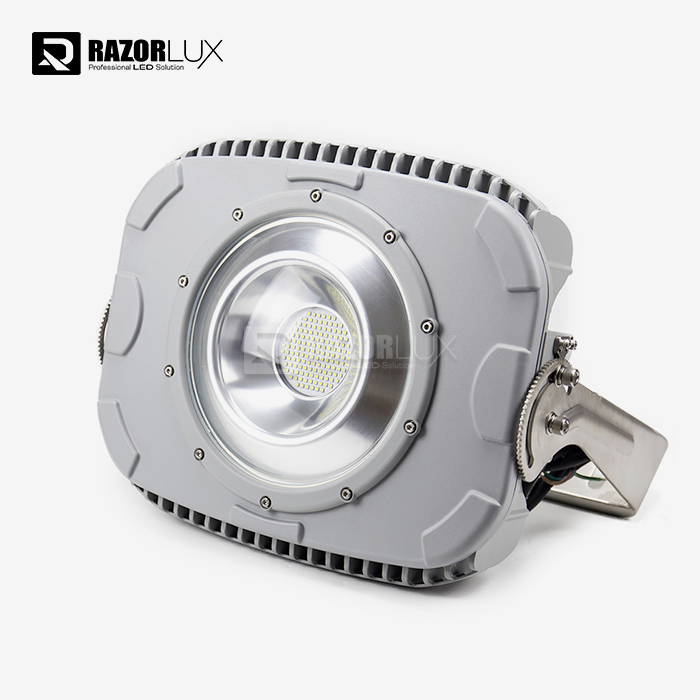
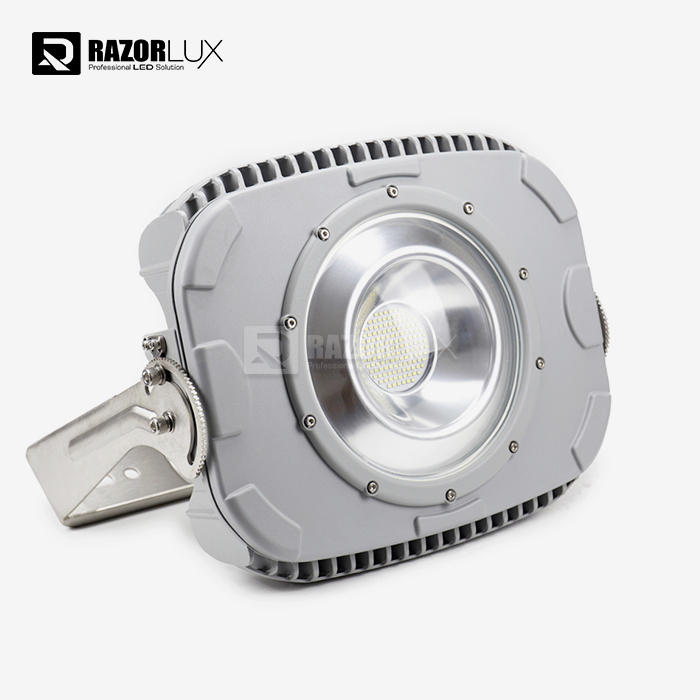
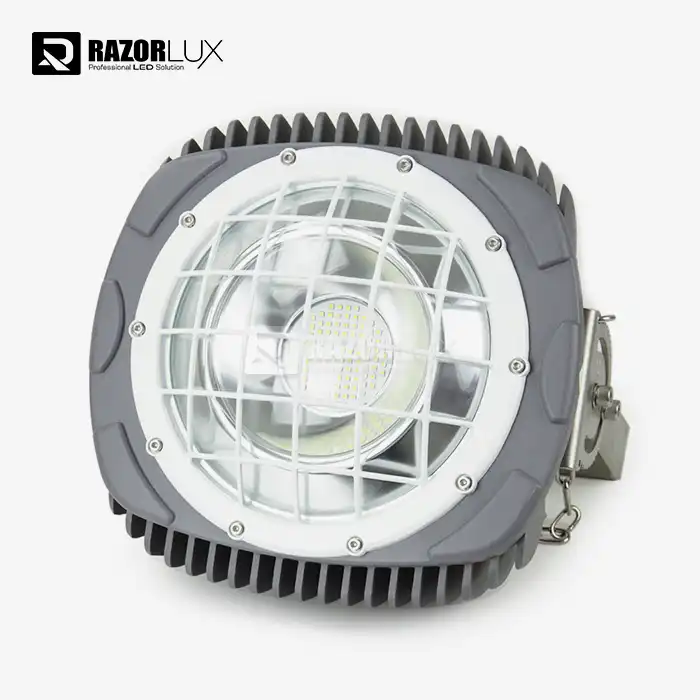
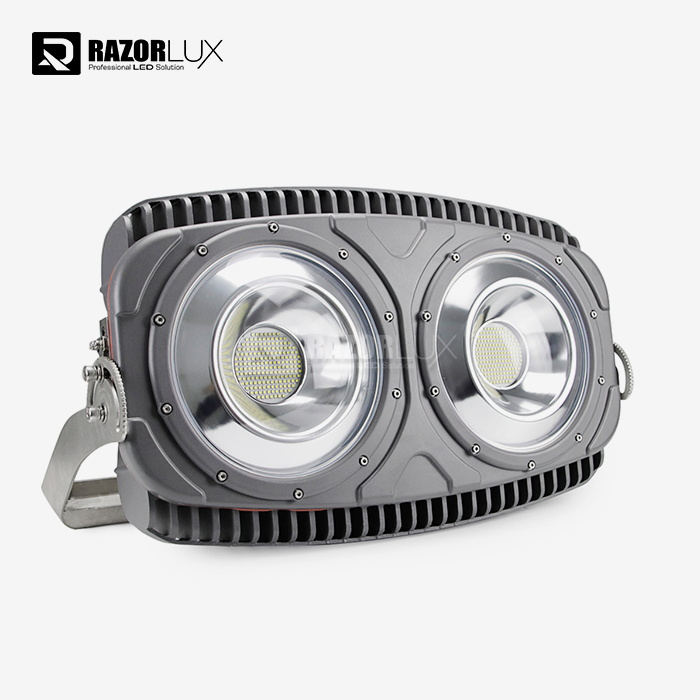
Xi'an Razorlux Optoelectronic Technology Co., Ltd. goods stand out in the global market thanks to their high level of technical excellence and innovative design, with specialized products such as Crane Boom Lights showcasing this advanced engineering capability. The RGL-150P crane lighting system is a great example of this. This unique multi-function design uses cutting-edge LED technology that gives off 130 lm/W of light while still having the IP67 and IK10 ratings for impact resistance, which are necessary for tough industrial settings. The advanced design has a perfectly designed 20° beam angle that gives the best lighting area with the least amount of light spillage and glare. The strong metal body with powder paint treatment will last for a long time, and the stainless steel mounting bracket makes installation safe and perfect for the toughest situations. The technical specs list different input voltage ranges that can work with both AC (80-315V) and DC (80-400V) power systems that are popular in foreign settings. The advanced power management system keeps things running smoothly while getting power factors above 0.98 and overall harmonic distortion below 10%. This makes sure that sensitive electrical systems can work with it and that it meets power quality standards.
Quality Assurance and Certification Excellence
Our thorough quality control system makes sure that all of our products always work well by testing them in strict ways that go above and beyond what the industry requires. Environmental stress screening, earthquake protection testing, and long-term performance evaluation methods make sure that the product will work reliably in naval and industrial settings. Our long list of certifications, which includes approvals from CE, RoHS, UL, DLC, and marine classification societies, shows that we are dedicated to meeting global safety and performance standards. These certificates make it easier to get projects approved and give buying workers peace of mind when they're in charge of choosing tools and making sure it meets regulations. Our factories follow ISO 9001 quality control standards, which makes sure that production methods are always the same and that all parts can be tracked from where they are sourced to where they are finally assembled and tested. This methodical approach to quality control cuts down on variation and makes sure that all of our products meet our high standards for performance.
Conclusion
The selection of appropriate crane boom lighting systems represents a critical decision affecting both operational safety and long-term cost effectiveness in industrial environments. Quality LED-based lighting solutions deliver superior performance through enhanced energy efficiency, extended operational lifespans, and robust construction designed to withstand the demanding conditions encountered in marine, offshore, and heavy industrial applications. Understanding the technical requirements, certification standards, and total cost considerations enables procurement professionals to make informed decisions that optimize both safety outcomes and budget allocation while ensuring compliance with applicable regulatory requirements governing industrial operations.
FAQ
What makes LED crane lighting superior to traditional halogen systems?
LED technology offers substantial advantages, including 60% greater energy efficiency, operational lifespans exceeding 50,000 hours compared to 2,000 hours for halogen alternatives, and superior resistance to vibration and shock conditions common in industrial environments. LED systems also provide instant full brightness without warm-up periods required by other technologies, while generating significantly less heat that can create safety concerns in confined spaces.
How do I determine the appropriate beam angle for my crane application?
Beam angle selection depends on mounting height, coverage area requirements, and specific operational needs. Narrow beam angles between 15-25° provide concentrated illumination ideal for precision work and load positioning, while wider beam angles offer broader coverage suitable for general area illumination. Most crane applications benefit from focused beam patterns that minimize glare while providing adequate illumination for safe operation.
What environmental protection ratings are necessary for marine and offshore applications?
Marine and offshore installations require IP67 waterproof ratings minimum, with IP68 ratings preferred for applications involving temporary submersion. Impact resistance ratings of IK10 protect against mechanical damage from dropped objects and accidental contact. Corrosion-resistant materials and specialized protective coatings become essential for long-term reliability in salt spray environments.
Can crane lighting systems integrate with existing electrical infrastructure?
Modern LED lighting systems accommodate wide input voltage ranges and multiple power configurations, simplifying integration with existing electrical systems. Professional installations should include appropriate electrical protection and control systems to ensure safe operation and compliance with applicable electrical codes governing industrial environments.
Partner with Razorlux for Superior Crane Boom Lights Solutions
Razorlux delivers industry-leading lighting solutions engineered specifically for the demanding requirements of industrial crane operations. Our patented RGL-150P system combines advanced LED technology with robust construction to provide reliable illumination in the harshest environments. As a trusted crane boom lights manufacturer, we offer comprehensive technical support, flexible customization options, and global shipping capabilities to meet your specific project requirements. Contact our technical team at sam@razorlux.com to discuss your lighting requirements and discover how our proven solutions can enhance safety and operational efficiency in your facilities.
References
1. Industrial Safety Lighting Standards for Crane Operations, International Association of Maritime and Industrial Safety, 2023.
2. LED Technology Performance Analysis in Marine Environments, Journal of Industrial Lighting Engineering, Volume 45, 2024.
3. Cost-Benefit Analysis of Industrial LED Lighting Systems, Marine Equipment Procurement Review, 2023.
4. Environmental Protection Standards for Heavy-Duty Industrial Lighting, Global Industrial Safety Council, 2024.
5. Energy Efficiency Guidelines for Industrial Crane Lighting Applications, International Energy Management Association, 2023.
6. Marine Lighting Certification Requirements and Compliance Standards, Maritime Equipment Standards Board, 2024.