

_1750326878398.png)

Why Are LED Overhead Crane Lights Essential for OSHA Compliance?
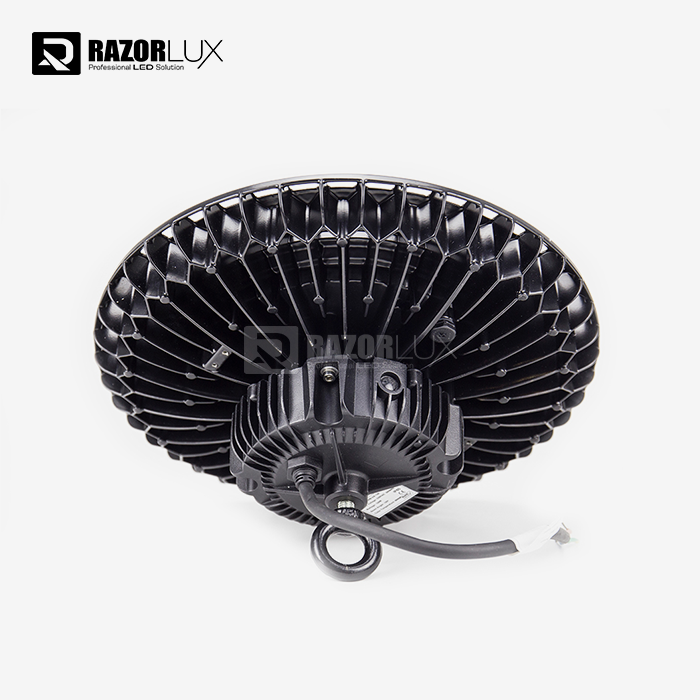
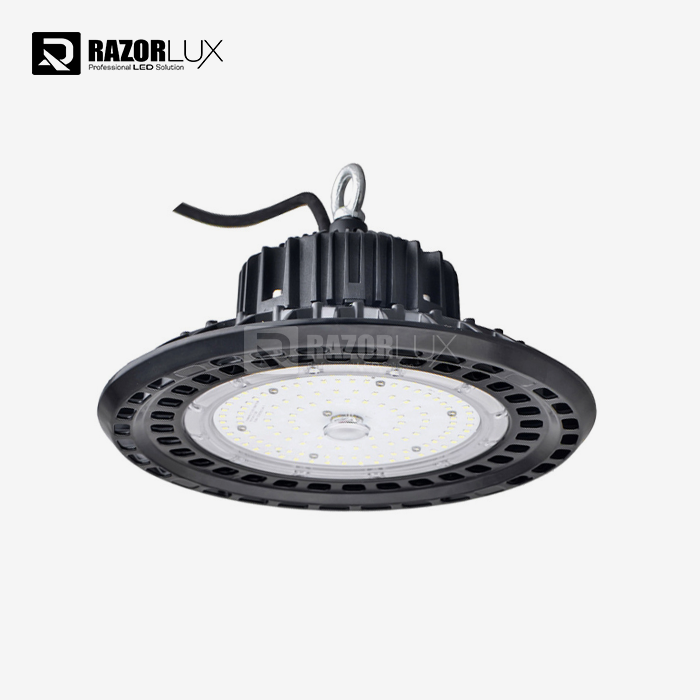
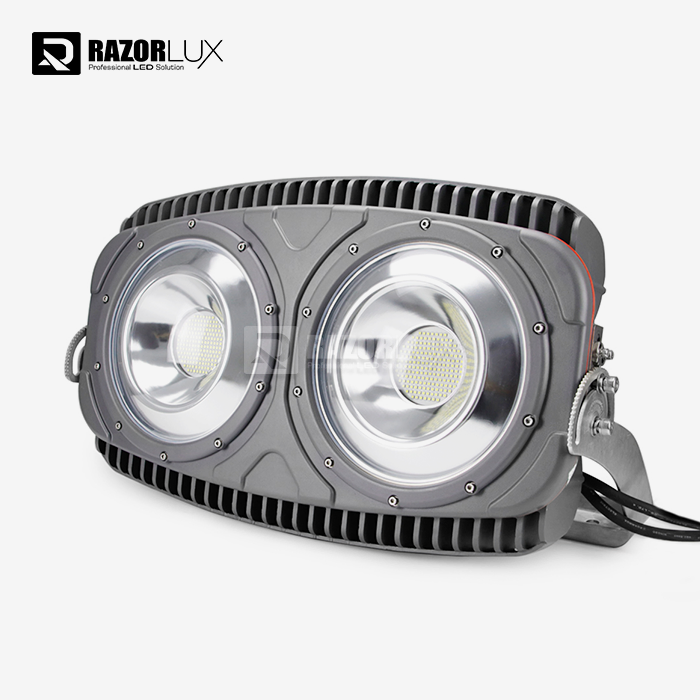
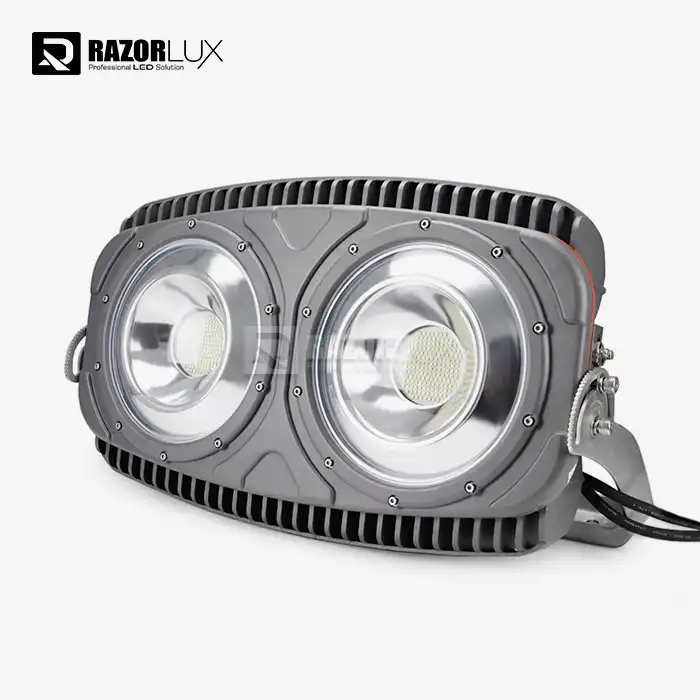
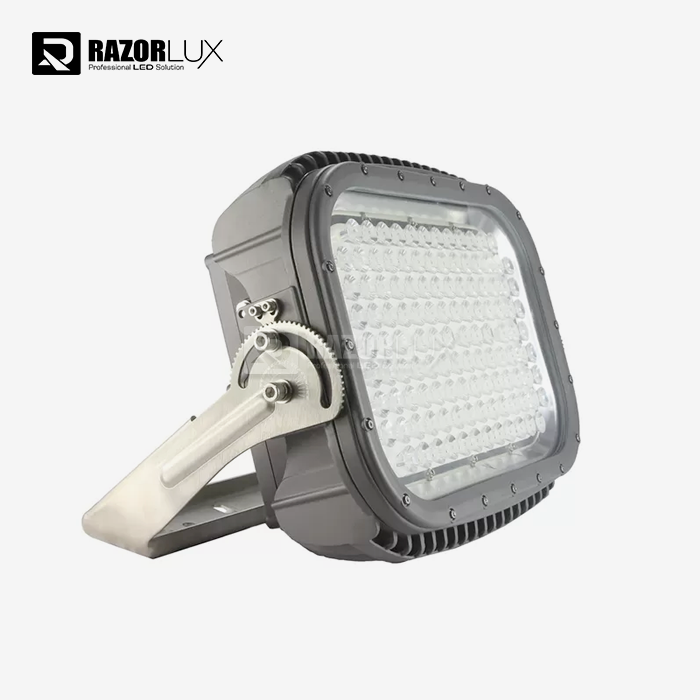
Led Overhead Crane Lights have become indispensable for industrial facilities striving to meet OSHA workplace safety standards. These special light fixtures make sure that all areas where the crane is used have even, bright lighting. You can see better, and there are no clouds or holes in the light like with normal lighting systems. Due to their even lighting, better colour rendering, and dependability in harsh conditions, LED Overhead Crane Lights directly meet OSHA's lighting standards. They also make workers safer, help them be more accurate, and lower the long-term costs of running places like steel mills and shipyards.
Understanding OSHA Lighting Requirements for Overhead Cranes
For industrial facilities trying to meet OSHA safety standards for the workplace, LED Overhead Crane Lights have become essential. These special lighting fixtures provide even, high-intensity lighting across all areas where the crane is used. They get rid of the dangerous shadows and gaps in visibility that regular lighting systems often cause. LED Overhead Crane Lights directly meet OSHA's mandated illumination requirements by providing uniform light distribution, superior color rendering, and reliable performance in demanding environments. They also cut down on workplace accidents, improve operator accuracy, and lower long-term operational costs for places like steel mills and shipyards.
Mandated Illumination Levels and Visibility Standards
According to 29 CFR 1910.22(b) of OSHA's General Industry Standards, walking and working surfaces must have enough light. The exact lighting requirements depend on the job. A lot of attention is paid to crane operations because poor lighting can lead to collisions, mistakes with loads, and injuries to pedestrians. OSHA rules say that buildings must make sure that light is spread out evenly and there isn't too much glare, which can quickly blind operators or ground staff and create dangerous blind spots.
Common Compliance Failures with Conventional Lighting
Keeping up with OSHA rules is harder when using older lighting systems. Fluorescent tubes break down quickly when they are vibrated, which happens all the time in crane settings. Metal halide lights need 10 to 15 minutes to warm up, so when the power goes out, workers are left working in poor lighting right away. Halogen light fixtures give off too much heat, which can start fires and make workers uncomfortable while using a lot of energy.
Regulatory Framework Beyond Basic Illumination
OSHA compliance is more than just measuring how bright something is. Controlling glare, getting rid of shadows, and emergency lighting backup systems are all covered by regulations. Facilities must keep records of when they test the lighting, when they change lights, and how well they work. During checks, inspectors make sure that lighting systems still work even when the power goes out, which is typical in heavy industrial settings.
How LED Overhead Crane Lights Enhance OSHA Compliance
When old lighting is replaced with LED technology, it means a big change in how industrial facilities make sure they are safe. Due to their specific design, LED Overhead Crane Lights offer targeted solutions to the problems with traditional systems. Because they are solid-state, they can handle vibrations without losing efficiency. The instant-on feature gets rid of dangerous wait times for warming up. Most importantly, Led Overhead Crane Lights keep their light output constant over their entire life, so buildings stay legal year after year without having to make many changes.
Superior Illumination Quality and Uniformity
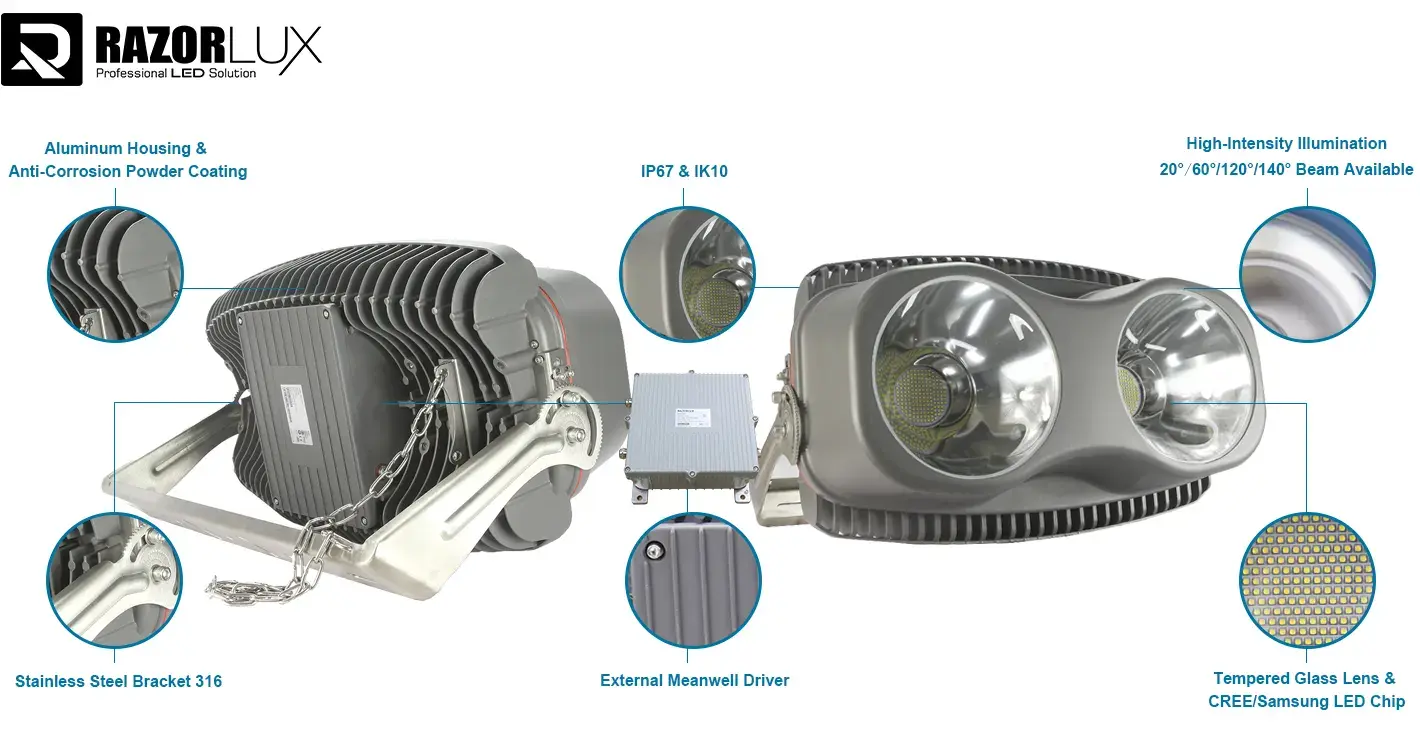
LED Overhead Crane Lights give off clean, directional light that precisely lights work areas without wasting energy on areas on the edges. Razorlux's RGL-120A model has a stable flux of 14,400 lumens and 130 lm/W lamp efficiency, giving it the power it needs for tough material handling tasks. Facilities can change the light patterns based on mounting height, crane span, and job needs by adjusting the beam angles to 60°, 120°, and 140°x60°.
Energy Efficiency and Operational Cost Reduction
About 70% less power is used by LED Overhead Crane Lights than by metal halide systems they replace. A 120W LED fixture gives off about the same amount of light as a 250–300W high-intensity discharge lamp. Tens of thousands of dollars a year can be saved on energy costs in places that use multiple overhead cranes with dozens of fixtures on each crane.
Advanced Safety Features Supporting Regulatory Requirements
Modern LED overhead crane lights are made with several features that directly address OSHA safety concerns. When operators look toward light sources, low-glare optics stop the blinding reflections that can be dangerous. The instant on/off feature makes sure that there is full lighting right away when it's needed, which is very important in emergencies or when the power goes out.
Types and Specifications of LED Overhead Crane Lights for Industrial Use
To choose the right crane lighting, you need to know how the different types of fixtures solve different operational problems. Different types of industrial settings, like climate-controlled buildings and outdoor shipyards, need lighting systems that are designed to work in specific lighting situations. To make sure that both OSHA rules are followed and operations run smoothly, procurement decisions must strike a balance between technical requirements, mounting compatibility, and long-term dependability.
Mounting Configurations and Installation Flexibility
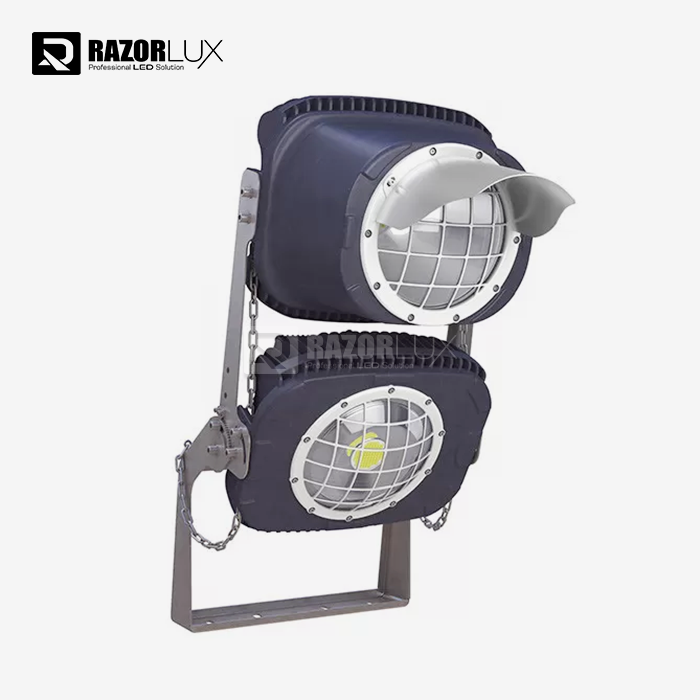
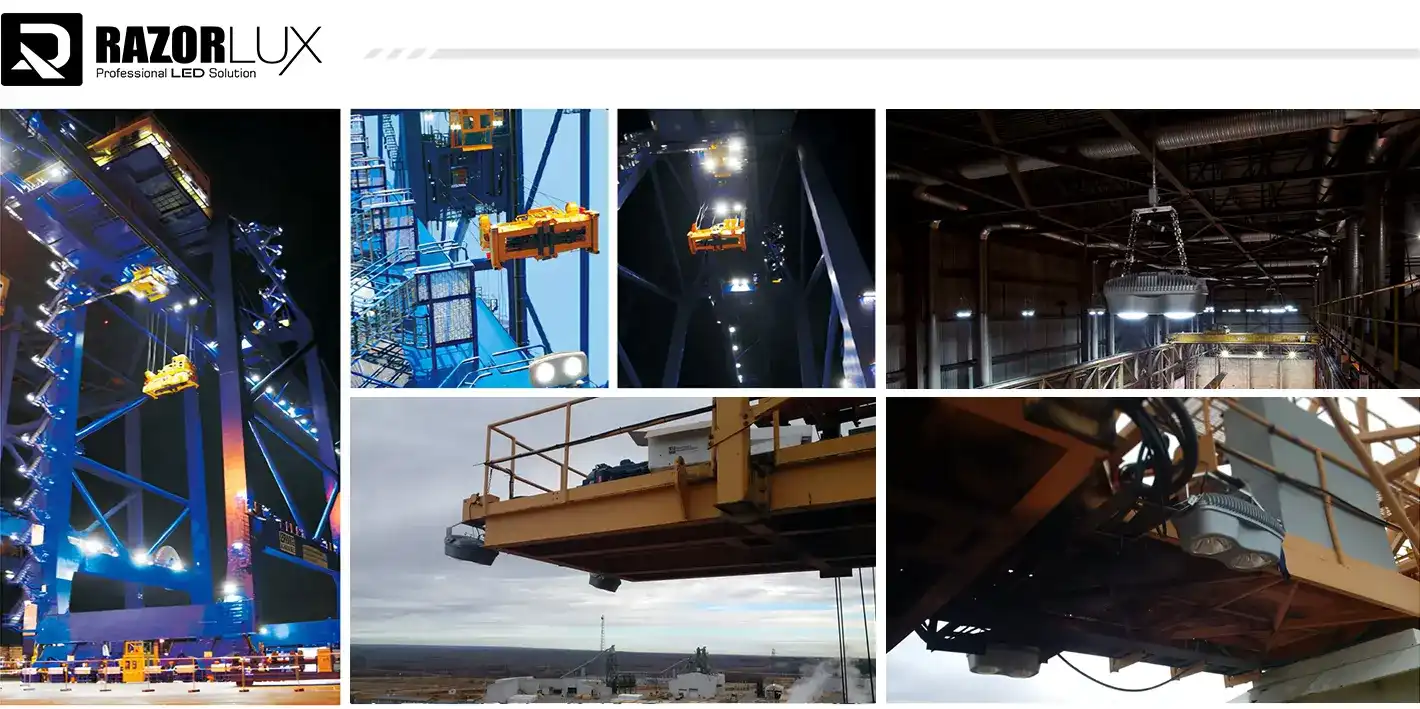
Depending on the type of crane and its structure, there are different ways to place LED Overhead Crane Lights on it. Heavy-duty brackets are used to attach direct-mount fixtures to flat surfaces on crane girders. Pendant-mount choices hang from cranes using flexible cables or stiff stems, which lets you precisely place them along the hook path. Maintenance cranes that move from one building to another can be moved easily with magnetic-mount systems.
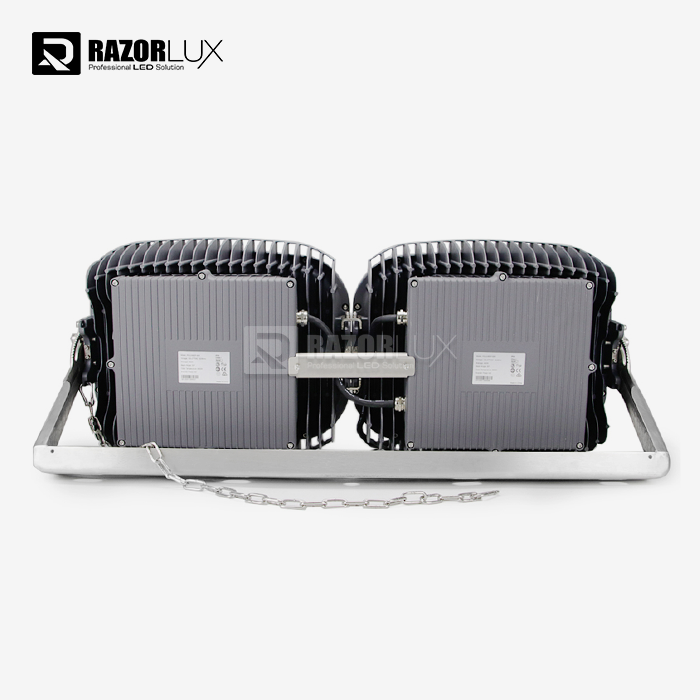
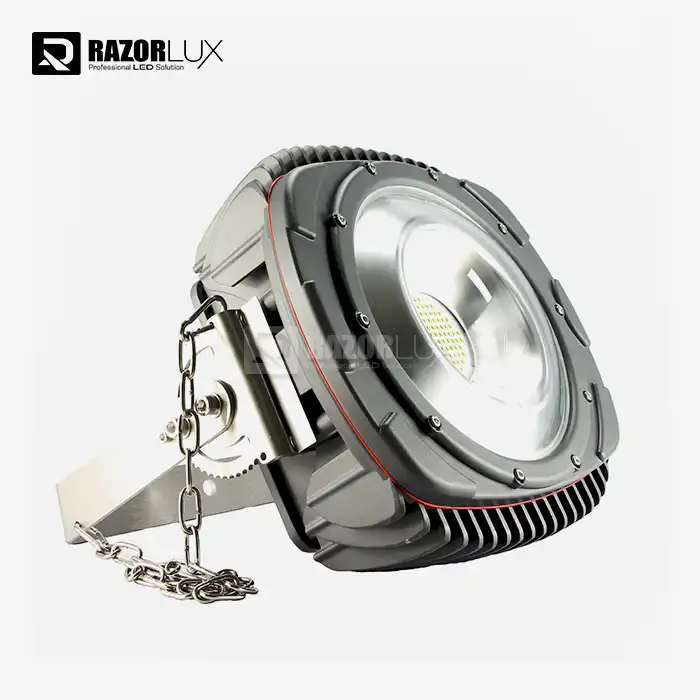
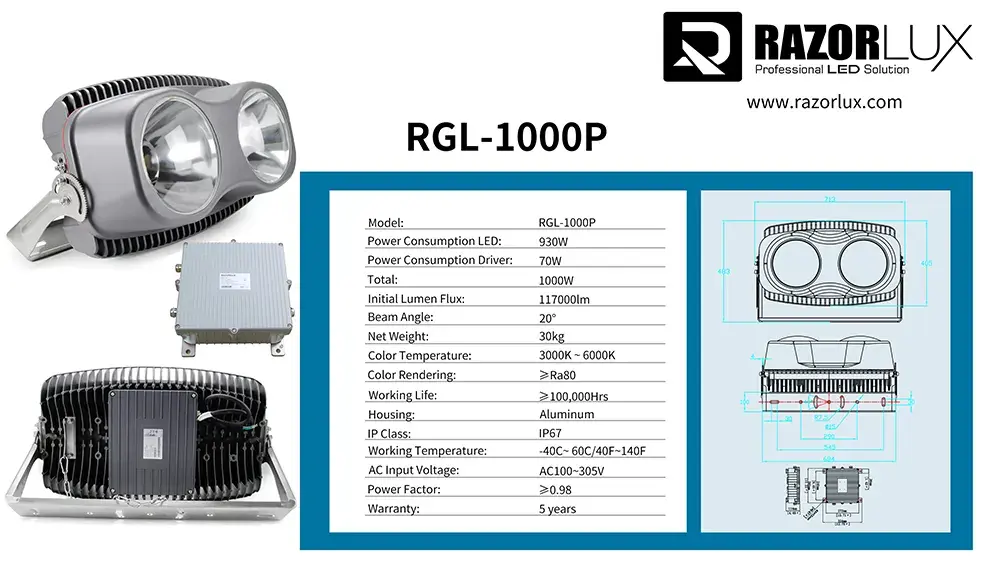
Razorlux fixtures use brackets made of stainless steel, which doesn't rust in saltwater or chemical processing areas. The small size (360mm x 358mm x 187mm) and reasonable 8kg weight make it easy to set up without the need for special lifting gear. Mounting hardware has backup retaining systems, like safety chains or locking devices, that keep fixtures from coming loose even if the main fasteners fail during use.
Environmental Protection and Durability Standards
Lighting in industrial cranes is subject to mechanical shock, vibration, temperature changes, and dirt that would quickly damage consumer-grade fixtures. Ratings of IP65 and IP67 mean that dust is completely blocked and water can't get in for a short time. This amount of safety is needed to keep buildings that wash down things or have outdoor cranes from breaking down because of moisture.
The powder coating on the metal housing keeps it from rusting when it's exposed to chemicals in processing plants or salt spray in marine settings. The operating temperature range of -40°C to 60°C (-40°F to 140°F) makes it reliable in warehouses that aren't heated in the winter and near furnaces in metallurgical plants. It can handle humidity levels between 10% and 95%, so it can be used in both dry and wet areas without breaking down because of condensation.
Performance Specifications and Customization Options
How well LED Overhead Crane Lights work in certain situations is directly related to their technical specs. At the working height, the lumen output must be enough to see clearly. For example, facilities with 20-meter mounting heights need narrow beam angles (30–60°) to focus light on the floor instead of scattering it around uselessly. Wider beams (120–140°) that cover more space with fewer fixtures are better for lower mounting positions.
Color temperature choice affects how well workers can see and how comfortable they are. The 2700K–6500K range lets you choose between warm white, which softens the harsh industrial environment, and cool white, which makes you more alert during night shifts. For accurate color assessment, facilities that do quality checks under LED Overhead Crane Lights say they need higher color temperatures (5000K to 6500K).
| Specification | Razorlux RGL-120A | Industry Significance |
|---|---|---|
| Lamp Efficiency | 130 lm/W | Meets or exceeds OSHA brightness standards with little power use |
| Input Voltage | AC 80-315V / DC 80-400V | Allows for changes in voltage without requiring external control |
| Color Temperature | 2700K-6500K | Adjustable to fit the needs of the job and the preferences of the worker |
| Protection Rating | IP67 | Waterproof and dustproof for rough places |
| Impact Rating | IK10 | Withstands mechanical shock from accidental load contact by accident |
| Working Life | ≥50,000 hours | Boosts compliance and lowers the number of maintenance tasks |
Ergonomic Considerations for Operator Comfort
The way crane lights are made changes how tired operators are and their health in the long run. Eye strain builds up when you look at light sources for eight hours straight while tracking loads. Glare-free optics keep your eyes from getting tired. Even light distribution means that operators don't have to keep adjusting their pupils as they move from bright to dim areas. This keeps their eyes from getting tired and gives them headaches.
The fixture's light weight (8 kg compared to 15-20 kg for similar metal halide systems) makes it easier to place and lowers the load on old crane systems. When doing maintenance work at a height, it's safer to work with lighter fixtures because they are less likely to fall. The lighter weight also puts less stress on the crane structures, which is important for older systems where adding heavy lights could damage the structure.
Installation, Maintenance, and Lifespan Considerations
For LED Overhead Crane Lights to meet OSHA standards, it's not enough to just buy good lights; systems must also be installed correctly and maintained regularly to make sure they work as promised for the whole life of the system. Facilities that don't follow best practices for installation or put off maintenance will fail to meet compliance standards, even if they have high-quality equipment. Knowing about these operational aspects helps procurement managers come up with full solutions instead of just buying hardware.
Strategic Installation Planning for Optimal Performance
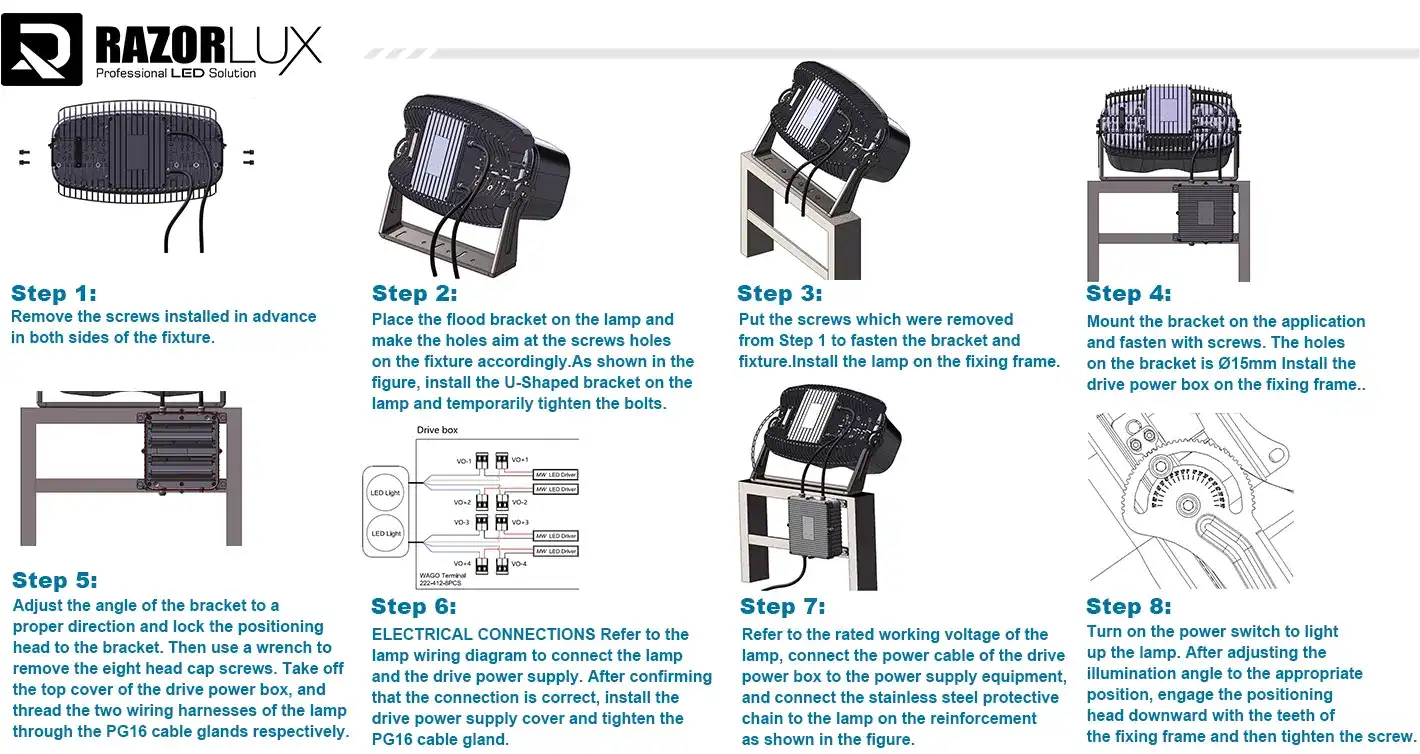
For crane lighting to work, it needs to be designed with mounting heights, beam patterns, and bulb spacing all taken into account. Using photometric data, engineers figure out the right amount of light for the work area while making sure that coverage meets OSHA standards and there isn't too much overlap that wastes energy. Computer modeling finds the shadows that crane buildings cast and finds the best places to put fixtures so that there are no dark spots.
Mounting height has a big effect on the choice of fastener. For installations above 15 meters, the beam angles need to be narrower, and the light output needs to be higher to keep the floor well lit. When you place something lower, you can use bigger beams that cover more area with fewer fixtures. When choosing a beam angle, the span of the crane is also taken into account. Asymmetric beam patterns that spread light along the whole path of the hook are best for wide-span cranes.
Preventative Maintenance Protocols
Even though they last a long time, LED Overhead Crane Lights need to be serviced every so often to keep working at their best and following the rules. Visual checks every three months look for physical damage, loose mounting hardware, and lens contamination that lowers the amount of light that comes out. These checks should be written down by facilities, making compliance records that meet OSHA audit standards.
Checking electrical connections stops problems that happen when vibrations cause wires to become loose. Check the terminal blocks to see if they are tight and look for signs of arcing or overheating. Quality fixtures can handle a wide range of voltages, so small electrical problems don't damage them. However, over time, high voltage events can wear down parts. Facilities should keep track of power quality problems and check their lighting systems afterward to find hidden damage that could lead to sudden breakdowns.
| Maintenance Activity | Frequency | Compliance Benefit |
|---|---|---|
| Visual damage inspection | Quarterly | Finds damage to fixtures before they become a danger |
| Illumination level testing | Annually | Keeps track of continued compliance with OSHA rules |
| Lens cleaning | Semi-annually | Keeping the light output up without having to buy a new one |
| Electrical connection check | Annually | Stops problems from happening when vibrations loosen wiring |
| Mounting hardware tightening | Semi-annually | Keeps fixtures safe even when they're vibrating all the time |
| Driver temperature monitoring | Annually | Finds thermal problems before they make the product fail early |
Cost-Benefit Analysis and Return on Investment
The higher initial cost of LED Overhead Crane Lights compared to traditional options worries procurement managers who are watching their budgets. A thorough cost analysis shows that LED systems give a good return on investment (ROI) within two to three years by saving energy, lowering upkeep costs, and avoiding fines for not following the rules.
The most obvious benefit is the lower cost of energy. If a building uses 20 crane lights for 4,000 hours a year and replaces 300W metal halide fixtures with 120W LED versions, it will save about $8,000 a year, based on an assumed $0.12/kWh power cost. Over the 50,000-hour life of the fixture, more than $50,000 in energy costs will be saved, and regular bulbs will not need to be replaced five to seven times during that time.
Warranty Coverage and Long-Term Reliability
Good LED Overhead Crane Lights come with full warranties that protect businesses from having to replace them too soon. Razorlux backs up its LED modules and drivers with a five-year guarantee, which shows that it trusts the quality of its products. This warranty lasts longer than the usual one to two years that come with regular industrial lights. It reduces risk, which is why the higher price is justified.
Concerns about corrosion and structural stability that are important for long-term building planning are covered by the 10-year housing guarantee. As facilities make budgets for capital replacements, longer guarantee coverage lets them make accurate predictions without having to set aside money in case something needs to be replaced too soon. This level of financial certainty helps with planning for compliance over multiple years and keeping the budget stable.
Making the Right Procurement Decisions for LED Overhead Crane Lights
When choosing LED Overhead Crane Lights providers, you need to look at their technical skills, the validity of their certifications, and their service infrastructure, which goes beyond just delivering products. Cost-cutting and ensuring compliance and reliability are two goals that procurement managers are under a lot of pressure to meet. At times, these goals seem to be at odds with each other. A structured evaluation process finds suppliers who can provide long-term value, not just the lowest price at the start.
Certification Verification and Technical Documentation
Real product certifications make the difference between compliant fixtures and low-quality alternatives that are sold with false claims. Reliable suppliers don't just show certification logos; they also give full test results from accredited labs. Products with UL, DLC, CE, RoHS, and marine-grade certifications like DNV/GL and ABS meet strict safety and performance standards that apply to industrial cranes.
Evaluating Supplier Capabilities and Service Infrastructure
Experience and size in manufacturing show how reliable a supplier is for long-term partnerships. Razorlux has been around since 1998 and has over 200 patents, which shows that it has been investing in LED technology and application engineering for a long time. Long-term suppliers have been through many technological changes and economic cycles, which shows steadiness that keeps buyers from losing their suppliers in the middle of a project.
Sample Testing and Validation Procedures
Sample evaluation is an important part of smart procurement before committing to full-scale orders. Facilities can check performance claims in real-world working conditions by asking for two to three events to be tested in the field. During 30- to 60-day trials, technical staff should look at the quality of the light, how easy it is to install, and their first thoughts on the build quality.
Negotiating Terms for Long-Term Partnerships
LED Overhead Crane Lights are an investment that will pay off over a number of years, and organized supplier ties are worth more than just one-time purchases. Facilities should talk about framework agreements that set prices, delivery terms, and service promises for needs that are expected to come up in the future. These deals help you plan your budget and make sure that your suppliers will always provide good-quality products and be available.
Conclusion
LED Overhead Crane Lights used to be extras that weren't required, but now they are essential for businesses that want to follow OSHA rules and make the workplace safer. LED technology fixes long-standing problems with traditional lighting by providing better lighting, being more durable in harsh environments, and being more cost-effective to run. It also meets government standards and protects workers' health and safety. For long-term compliance, purchasing choices that include a careful review of the seller, confirmation of certification, and testing of samples are necessary. As safety rules in the workplace continue to change to make visibility standards stricter, early adoption of high-quality LED Crane Lighting sets the technical foundation for meeting future requirements without having to make expensive emergency upgrades.
FAQ
How do LED Overhead Crane Lights handle voltage instability common in industrial power systems?
Wide-voltage input drivers (80-315Vac for the RGL-120A model) and built-in surge protection rated for 6kV to 10kV transients are used in professional-grade fixtures. When a motor starts, welding equipment, or other heavy loads cause voltage spikes that affect power quality, these safety circuits soak them up. The strong design keeps it from breaking down too soon and keeps the light output steady even when the power changes a lot, which would damage other lighting systems.
Can LED Overhead Crane Lights function reliably in high-vibration environments?
Certain high-quality Led Overhead Crane Lights made for crane use have special mounting systems that absorb shock and stronger solder joints that can handle constant vibration without losing their performance. The solid-state construction gets rid of filaments and glass envelopes that are easily broken by mechanical stress. Safety bands and other secondary retention systems provide extra security in case the main mounting hardware comes away over time. These features make it possible for the fixture to work reliably for 50,000 hours, even when the crane is moving all the time.
What beam angle works best for cranes mounted at 20-meter heights?
When mounting at heights above 15 meters, beam angles must be kept narrow, usually between 30° and 60°, so that light stays on the work surface and doesn't spread out across walls and ceilings. Even though the distance is longer, the focused beam keeps the brightness levels at the floor at a good level. Facilities should look at photometric data and maybe even do some lighting calculations to find the best beam angles for their mounting heights and coverage needs.
Choosing Razorlux as Your Trusted LED Overhead Crane Lights Supplier
Putting LED Overhead Crane Lights in your facility's cranes is a smart investment that will pay off in safety, compliance, and operational efficiency. Razorlux has tested products that are perfect for demanding industrial crane uses and is ready to help you with your move. Our RGL-120A model has a patented multi-function design, IP67 protection, and 130 lm/W efficiency. It comes in a ruggedized package and comes with a full five-year warranty. With more than 200 patents and more than 20 years of experience with LED lighting, we can provide the high level of technical sophistication and production quality that safety-critical uses require. Our range of global certifications, which includes UL, DLC, CE, and ISO:9001, gives your buying team the proof of compliance they need to confidently specify. Get in touch with sam@razorlux.com right away to get technical information, set up an evaluation sample, or talk about unique lighting solutions that will work with your crane's configuration and working needs.
References
1. Occupational Safety and Health Administration. (2021). "Walking-Working Surfaces and Personal Protective Equipment Standards." U.S. Department of Labor OSHA Publication 3151-12R.
2. Illuminating Engineering Society. (2020). "IES Recommended Practice for Industrial Lighting Design: IES RP-7-20." Illuminating Engineering Society of North America.
3. National Safety Council. (2019). "Workplace Safety Index: Injury Facts 2019 Edition." National Safety Council Statistical Research Department.
4. American Society of Safety Professionals. (2022). "Industrial Illumination Standards and Best Practices for Overhead Crane Operations." ASSP Technical Report Series.
5. International Association of Lighting Designers. (2021). "LED Technology Applications in Heavy Industrial Environments." IALD Research Publications Volume 18.
6. Bureau of Labor Statistics. (2020). "Census of Fatal Occupational Injuries: Material Handling Equipment Incidents Analysis." U.S. Department of Labor Statistics Report CFOI-2020-12.